
Key Takeaways
- Look for underrated destinations to steer clear of the crowds and appreciate pristine nature. Opt for rural villages or remote areas for a serene, authentic experience. Take advantage of the off-season to maximize solitude and value.
- Book community homestays and eco-conscious tours that support local people and protect biodiversity. Travel footprint-light by hiking, walking, or using public transport.
- When exploring uncharted territory, be sure to do your homework on visas, transport, weather, health threats, and access to medical care. Register with your embassy in case anything goes awry.
- Find your hidden gems with digital detours and local whispers. Join niche forums, bookmark interactive maps, and query locals for backroad routes and secret haunts. Plot routes in kilometers and highlight side routes to avoid big centers.
- Construct theme-based itineraries around interests like natural wonders, historic towns, or seasonal wildlife. Time your visit for festivals, wildlife sightings, or weather windows.
- Connect with communities via artisan workshops, markets and homestays to foster genuine cultural exchanges. Buy handmade products directly to support local economies and discover ancient crafts.
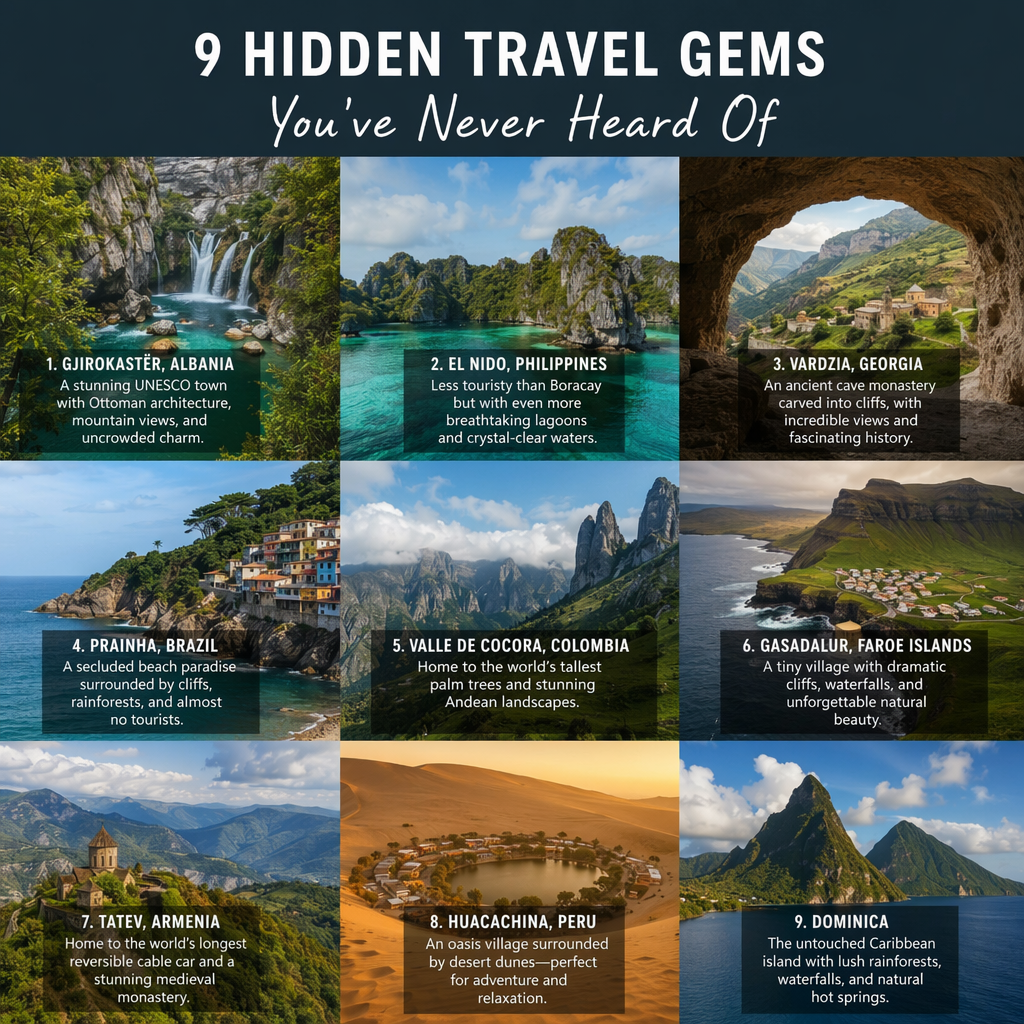
The greatest hidden travel gems in the world you’ve never heard of are those hidden-away spots that still have unique culture, nature and day-to-day life without mass tourism. These sites vary from remote islands with crystal clear water to tiny mountain villages with crafts and local cuisine.
Most are just as accessible with a short local transfer and a fraction of the cost of the crowded hotspots. Travelers discover fresher air, hush-hush trails and firsthand connections with residents who preserve legends. Some have little guesthouses, basic guides and seasonal festivals that well-timed planning will reward.
My guide below includes top picks by region, practical tips and how to plan a respectful visit. Coast, highlands, forests, and historic towns around the world.
The New Age of Travel
Travel goes to where real life is, not pseudo-visits. Travelers go off itinerary from jeeping across the Uyuni salt flats to trekking isolated sections of the Andes. Social media and crowds toward known places mean that more than 60% of international tourists to Indonesia visit Bali, so intentional selection is important. The overtourism of Machu Picchu and Cusco sends them seeking out Bolivia or Semuc’s cave systems and preferring guides and routes that discover unseen landscapes and communities.
Beyond Crowds
Pick some really low-touristy destinations and you will get the quietest scenes and skies.
- Instead of Machu Picchu, visit Serranía de la Macarena for hiking and river life.
- Instead of Bali’s beaches, plan a trip to remote Sumba or Flores islands.
- Instead of Bogotá and Medellín circuits, explore Colombia’s smaller towns and coastal estuaries.
- Instead of crowded salt flats circuits, head to less-known Andean valleys and local jeep routes.

Choose rural villages and remote areas for depth. Road trips through scenic corridors expose mini-museums, local markets and sights that big tours miss. Bypass the high tourist-factor areas and supplement with wild tours like guided treks in the Pamir or Simien Mountains for authentic solitude and scale.
Authentic Connections
Connect with nomadic tribes, diaspora groups and village hosts via community led experiences to establish real connections, not photo ops. Cross paths with locals at homestays where hosts exchange meals and habits, and in artisan workshops where you pick up craft techniques passed down from generation to generation.
Go to local fests in lesser cities to catch music, food and ritual with a fraction of the people there. That’s the new generation of traveler choosing these deep links. Ninety percent of Colombian trips cover just a handful of cities, so going outside of that demonstrates reverence and expands more narrative.
Those adventure-seekers who select Bolivia or some remote Central American outpost tend to experience deeper exchange than at the more frequented centers.
Sustainable Impact
Back ecotourism that safeguards forests, reefs, and caves, and choose lodges that distribute profits with village residents. Walk or take public transport to reduce carbon and observe smaller details like birds or street stalls. Select operators that restrict group size and support conservation initiatives. This helps shield locations from the strain of mass tourism. Promote local plans that temper visitors with habitat and heritage protection.
The Unseen Dangers
Travel to out-of-the-way places frequently exposes you to dangers that are not the same as in more frequented locations. Anticipate physical, cultural, and logistical perils. Learn what to watch for and how to gear up so curiosity isn’t the culprit.
Cultural Missteps
Do some basic customs and etiquette research before you arrive so you don’t offend anyone. Dress codes do matter. In some conservative regions, arms and legs must be covered at religious sites. Watch out around holy places, tombs and World Heritage sites.

Walk softly and adhere to the signage. In some communities, locals may lay loved ones out at home until the funeral. This can be startling, but just respect and be discreet. The Hidden Hazards. Don’t be one of those tourists who batter local life. Tours hollering through, group mayhem, and garbage all break down goodwill and transform small communities in the long run.
Logistical Hurdles
Anticipate transport, visa, and language problems in areas with minimal tourist infrastructure. Remote roads might be dirt, ferries are occasional, and public services sporadic. Allow additional travel time and alternative routes. Prepare a checklist: valid passport and visas with extra photocopies, local SIM or satellite comms, cash in local currency,
basic first-aid kit, water purification tablets, copies of medical records, local emergency numbers, and printed directions to your lodging. Scope out the weather. Certain locations reach temperatures above 45°C during the day and have close to 100% humidity,
making any daytime traveling dangerous. In remote villages and wilderness areas, there may be no pharmacies, ATMs, or dependable power. Book your lodging with transparent cancellation and support policies.
Safety Blindspots
Scrutinize health risks, including everything from water safety to clinic access. In certain areas, dangerous water pools collect in the summer and provide breeding grounds for disease vectors. Research regional security warnings and stay away from top risk countries. Sign up with your embassy when things are iffy. About The Unseen Dangers: Select safe trails from local guidebooks and recent trip reports.

Some caves are closed due to unstable formations or natural giant flaming pits where we don’t know how deep they are and there are no barriers. Old villages and ruins may conceal unstable floors and falling masonry. Minimal medical attention and intermittent coverage imply evacuation might be delayed, too. Schedule emergency numbers and travel insurance that includes backcountry rescue.
Unearthing Hidden Travel Gems
A concise frame: Hidden travel gems are places outside high-traffic itineraries that reward curious travelers with quieter streets, unique culture, and striking landscapes. The tips below demonstrate what to seek, where to seek it, and how to schedule visits to maximize the benefits of alternative travel.
1. Digital Detours
Niche forums and social groups spread new discoveries quick. Search threads on Reddit, niche Facebook groups, and country-specific blogs to discover little-known islands in the Philippines or inland villages in Indonesia past Bali where over 60 percent of visitors focus on the resort island and much of the country is yet unexplored.
Interactive maps and route apps uncover detours. With tools such as OpenStreetMap layers and offline map apps, you can plan detours around the major nodes, like directing yourself to remote Uyuni salt flats in Bolivia. Bookmark travel writers specializing in underrated areas. Their posts on Albania’s seaside villages or Romania’s secret castles provide detailed advice for actual journeys.
Seek out quirky attractions and local secrets in photo-sharing sites. One post about a secret Seychelles beach or a Bulgarian village festival can turn into a whole side trip with very little effort.
2. Local Whispers
Seek out local favorites. Taxi drivers, vendors at the market, and guesthouse hosts in Veracruz, Mexico, can direct you to the hidden spots. Picking up a few phrases in Spanish opens up deeper engagements.
Join resident-led tours to private sights and workshops. Beachside artisan markets, sometimes by family, expose craft in Cape Verde or Armenia. Markets and little workshops are great for food, history, and hands-on learning.
Be open to random advice and try that ‘10 minute stroll’ recommended by a local. Most are open to dramatic vistas or secluded beaches.
3. Thematic Exploration
Build themes: volcanic landscapes, colonial towns, or waterfalls. Bolivia has dramatic salt flats and raw landscapes. Albania has rugged Alps for hiking. The Philippines’ 7,000+ islands allow you to design island-hopping routes. Add a few lesser-visited UNESCO sites. Balance cultural experiences with outdoor adventures such as slot canyon hikes or wild river days.
4. Seasonal Secrets
Time visits for festivals or wildlife seasons. Shoulder seasons mean fewer crowds at tropical beaches and lower prices. Schedule your hikes in dry windows for safety. Seasonal timing can sometimes make a site feel exclusive.
5. Cartographic Clues
Go over maps looking for hidden treasures such as white dunes, isolated villages, and volcanic islets. Stack a bunch of those hidden sites on one route and you’re saving both time and money. Let maps help you eschew crowded hubs and connect disparate gems into a seamless itinerary.
The Local Lens
View locations through local beats to transcend guidebook checkpoints. Here, staying with locals, shopping at markets, and taking craft lessons expose everyday life, build community, and take you to off-the-beaten-path jewels like Kayaköy or the half-buried hand in the Chilean desert.
Community Homestays
Book stays with local families and sees their routines, food, and work up close. You might rise early to assist with coffee or olive harvests, master a generational recipe, or participate in fireside folklore that unpacks a village’s history.

Homestays in rural Albania provide still, silent summers away from fast coastlines and a front-row seat to new ecotourism right near Vjosa Wild River National Park, where local guides explain how conservation impacts fishing and grazing. Opting for a homestay over a resort puts cash straight into family hands, helps sustain small farms, and opens up access to unfiltered local traditions.
Book via trusted local channels or small NGOs. That way you know you’re paying local people properly and expectations are laid out clearly.
A quick talk with hosts can direct you to local gems like Burj Al Babas off the beaten path or Siargao’s surfers’ wave.
Artisan Workshops
Join immersive workshops to experience pottery, weaving, or metalwork from makers who preserve ancient techniques. In Georgia’s Kakheti region, hosts might demonstrate traditional qvevri winemaking alongside rudimentary crafts linked to harvest rhythms. Encounter craftspeople who describe implements, pigments, and designs and how they connect to status and commerce.

Create something of your own, capture the process in photos or a quick video, and purchase the final product straight from the creator to make sure the profits go to the right people. Workshops allow you to witness how styles differ from household to household or valley to valley, and you end up with a narrative to take home that transcends a mass-produced souvenir.
Regional Markets
Sample morning markets for fruit, spice blends and street snacks. Smell fresh citrus, touch woven cloth, and inquire about recipes. Chat with sellers about provenance to find out what seasonality means locally and how food connects to landscape. Discover fabrics, gems and artisan crafts that aren’t peddled in the tourist shops, gifts that tell a genuine place-based tale.
Your Discovery Toolkit
A tight research toolkit plans real trips to real off-the-beaten-path places. Leverage these resources to discover deserts, jungles, mountains, ruins, caves, ghost towns, and other rare natural phenomena before they become mass tourism. Make entries succinct, objective, and archived for future reference.
Forums and community boards: niche threads and local groups point to small towns, hiking approach routes, and practical tips on reaching remote sites like the Edward James Sculpture Garden in Xilitla or 400-foot caves in Guatemala.
Academic and NGO sources: Peer-reviewed articles and field reports provide data on biodiversity, visitor numbers, conservation status, and the cultural context of sites such as Illyrian burial tombs in Turkey.
Local press and newsletters: regional newspapers and magazines list new festivals, openings, and artisan interviews that reveal living culture. Places like Kathmandu’s Kumari Ghar show how traditions persist.
Mapping and image archives: Satellite maps, drone footage, and historic maps help verify access, spot blue rivers on private property, and find calcite formations like the 40-metre “Great Wall of Vietnam.
Personal archive: Keep a digital folder of saved articles, maps, itineraries, permits, and contact details for local guides.
Share and crowdsource: Post findings to community feeds, exchange photos, and update threads so others can test routes and report changes.
Niche Forums
Participate in forums centered on offbeat locations and untamed excursions. Ask specific questions about routes, seasonality restrictions, and guide recommendations. Note what terrain and fitness level you’re looking for. Pursue leads on hiking trails, entry permits, and cultural etiquette.
Recommended forums for regions and styles:
Region / Style | Forum / Platform | Notes |
|---|---|---|
Central America hiking | r/CentralAmericaHikes | Trail reports, cave access tips |
Southeast Asia culture | Lonely Planet Thorntree | Local guides, festival dates |
Remote ruins & archeology | ArchaeologyForum | Scholarly members, field reports |
Adventure travel | AdventureTravelForum | Logistics, gear, group trips |
Follow threads monitoring discoveries such as underground rivers or failed developments like Burj Al Babas.
Academic Journals
Search journals for studies on ecotourism, heritage sites, and environmental impact. Extract visitor statistics, conservation measures, and risk assessments that inform whether a site can be visited responsibly. Use data to judge carrying capacity and seasonal windows. For example, a biodiversity survey might note rare cave formations or calcite walls and advise on protective routes. Cross-check findings with local agencies and NGOs before planning travel to fragile sites.
Key findings from selected journals:
Topic | Finding |
|---|---|
Visitor trends | Low current visitation; potential rapid increase if publicized |
Conservation status | Several remote sites under protection; permit systems in place |
Cultural impact | Community benefits when guided by local stakeholders |
Local Publications
Read local papers and magazines for event calendars and interviews naming artisans, guides, or new lodgings. These sources often expose actionable information, such as the optimum season to view giant pearls or when a temple conducts rites.
Subscribe to newsletters from local tourism boards and independent sources for reliable updates and on-the-ground alerts. They keep your electronic folder up to date as well.
Conclusion
Travel still conceals little miracles. Tranquil coastal villages offer pristine shores and oceanic delicacies. Remote mountain hamlets provide clean air and lazy days. A cave lake in Croatia glimmers at dawn. A desert village in Namibia holds starry night skies. These are spots that reward patience, local tips, and a light pack.
Plan with the tools in the article. Verify security, honor local regulations, and reserve local guides if possible. Begin with one brief journey. Try a weekend by a hidden park or a week in a minuscule town off the beaten path. Share your discoveries with others. Come explore our community and our toolkit to find your next hidden gem!
Frequently Asked Questions
How do I find truly hidden travel gems safely?
Seek out local blogs, community forums, and up-to-date travel reports. Double-check with official tourism sites and recent reviews. Make sure you check access, safety, and permits. Book local guides when necessary. This minimizes dangers and provides genuine memories.
When is the best time to visit lesser-known places?
Check local climate and shoulder seasons. Travel outside of the peak months to avoid crowds and inflated prices. Check on seasonal closures, festivals, and weather hazards prior to booking. Timing makes things more comfortable and valuable.
How much should I budget for off-the-beaten-path trips?
Anticipate fluctuating expenses. Distant places frequently have higher expenses for shipping and inventory. Include a 20 to 30 percent buffer for hold ups and local taxes. Check local rates and include guide or permit fees to get a true sense of the price.
How do I verify local guides and operators?
Go to trusted sites, local tourism authorities, and recent reviews from travelers. Request licenses, insurance, and references. Verify meeting points and cancellation policies. This safeguards your security and finances.
How can I respect local culture and ecosystems?
Learn some basic local customs and language. Respect signs, stick to trails and steer clear of single-use plastics. Ask prior to photographing individuals or churches. Responsible behavior protects places and generates goodwill.
What tools help discover hidden gems and plan logistics?
Mapping apps with offline mode, local forums, social media groups, and regional travel guides. Batch download permits and transport schedules ahead of time. These tools enhance planning and minimize surprises.