
Key Takeaways
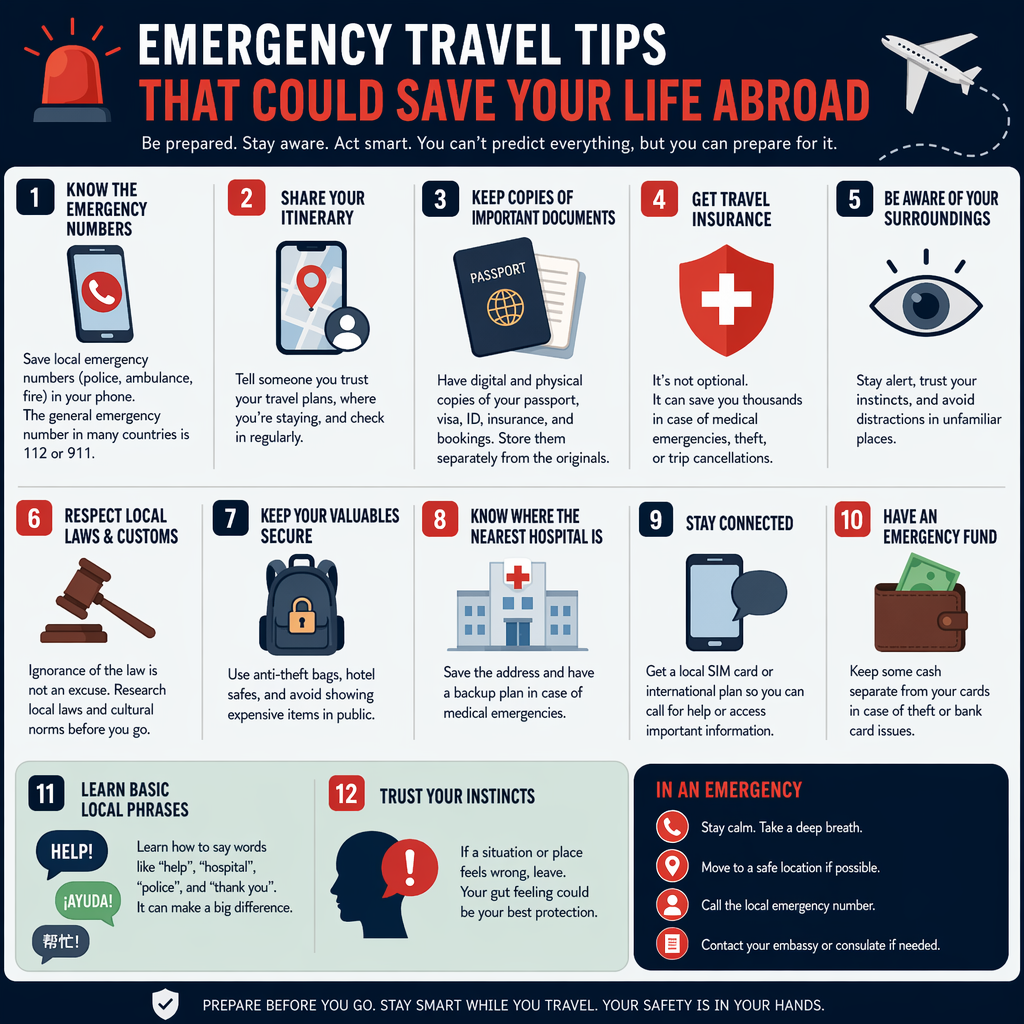
- Travel safety now means going beyond theft and accident prevention and addressing digital, health, and political risks. Update plans to cover data protection, medical readiness, and local advisories before you go. Have backups of documents and emergency contacts both digitally and in print.
- Safeguard devices and information with encrypted messaging apps, robust passwords, two factor authentication, and a VPN on unknown networks. Turn on remote wipe, back up important files, and do not post real time locations on social media.
- Medical emergencies. Pack your own travel med kit, check any vaccinations you need, and find out where the nearest hospitals or clinics are. Sign up for a government traveler enrollment program and alerts, and save your policy and evacuation coverage where you can access it quickly.
- Construct real evacuation and communication plans naming safe meeting spots, alternate routes, and emergency contacts and share them with trusted folks back home. Save your embassy and local emergency numbers in your phone and carry a backup SIM or printed wallet card of key numbers.
- Security Stay financially flexible. Take more than one type of payment, keep emergency cash in a hidden pouch, and advise your bank of your travel to avoid a card freeze. Arrange for emergency cash transfers and save receipts for possible insurance claims.
- Be aware of your surroundings. Scan for exits, avoid crowds, stay off your phone, and travel with a group when you can. Be sure to update your apps prior to travel and pin embassies, shelters, and hospitals on your maps for quick access.
Emergency travel tips that could save your life abroad are basic steps and checks that minimize risk and hasten assistance when it all goes wrong. They include pretrip planning such as sharing routes, photocopying documents and registering with your embassy. On the ground tips for spotting safe transport, keeping a low profile and handling money to avoid scams.
Health tips mention vaccines, a basic first aid kit and having emergency numbers handy. Communication tips emphasize offline maps, spare power and clear contacts. Facing legal or civil trouble involves remaining calm, seeking consular assistance and documenting events. They detail each tip with easy-to-follow steps and examples to implement while traveling. Handy checklists come after each section.
The New Reality of Travel
Travel safety is more than just pickpockets and unsafe roads. It encompasses cyber threats, illnesses, and unexpected political upheavals. Technology pervades the majority of a trip, so expect offline and online issues. Protect your phone, restrict sharing, and get ready for rapidly shifting rules at borders or in cities.
Digital, health, and political risks
Phones and online accounts create the worst travel mess. Hacked email can block boarding passes. A stolen phone can reveal bank access. Review app permissions, disable superfluous location sharing, and utilize a robust device lock. Screenshot or download passports, visas, tickets, and other important documents and keep copies in a separate cloud folder and on an encrypted USB.
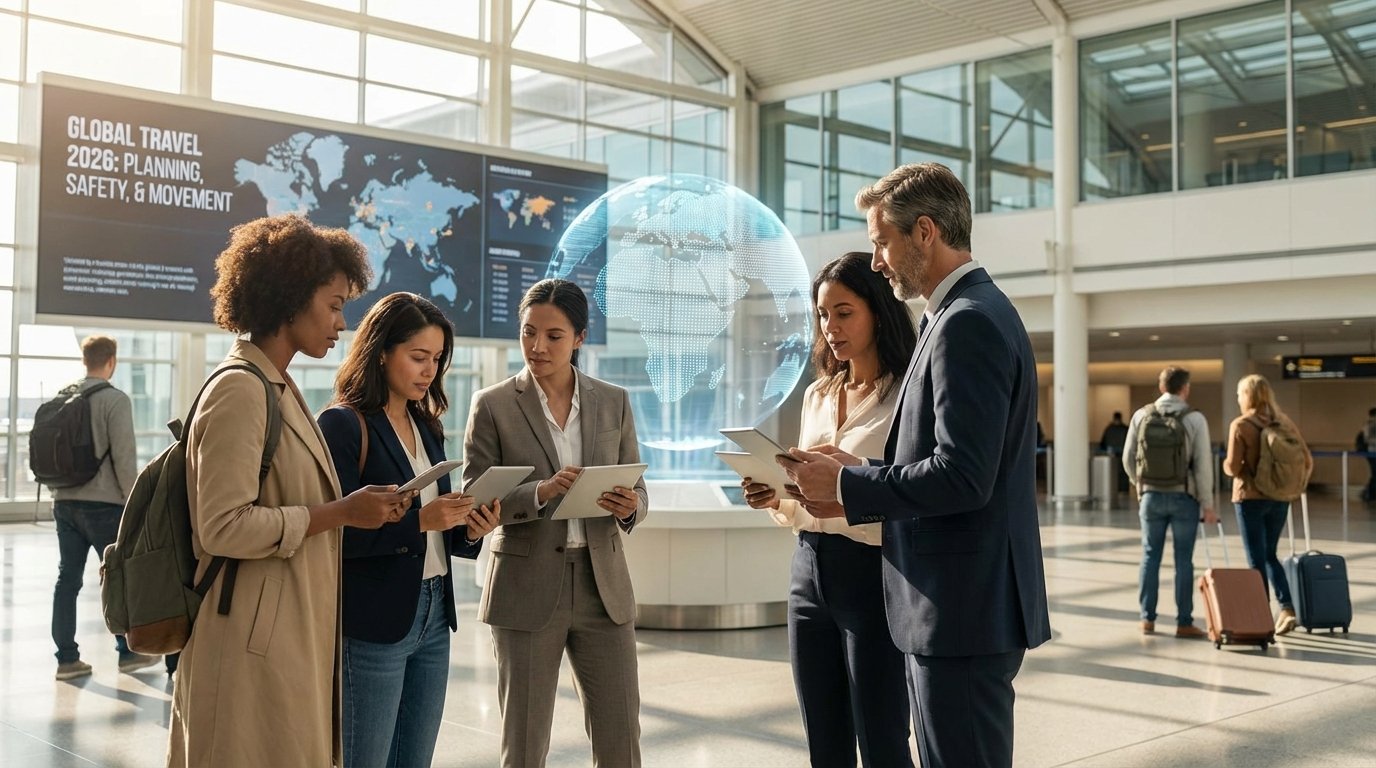
Make sure to bring one primary payment card and one backup, keep them separate, and use contactless payments wherever possible. Reduce your digital footprint by signing out of unnecessary apps and steer clear of public Wi-Fi without a VPN.
Adapting to unpredictability
Natural disasters, outbreaks and civil unrest can move quickly. Review local government travel advisories and register for embassy updates. Save key addresses, including hospitals and embassies, and download offline maps. Bring a universal power adapter and a small battery bank to power you through outages.
Have medications in original packaging and a short medical summary in the local language if you can. Anticipate longer waits at checkpoints and schedule buffer time for flights and connections. Have emergency contacts at home and on site, and share a basic itinerary with a trusted individual.
Insurance options and border controls
Opt for insurance that clearly covers evacuation, medical care, and interruption. Choose between single-trip, annual multi-trip, and specialized crisis coverage for political evacuation. Verify policy limits for medical and evacuation in metric currency values and thoroughly read pandemic or natural disaster clauses. Prepare for stricter border checks. Carry printed documents, proof of vaccination, or test results when required, and be ready for sudden customs rule changes that affect items and medications.
Policy type | Core coverage | Typical limit (USD) |
|---|---|---|
Single-trip medical | Emergency care, repatriation | 100,000 |
Annual multi-trip | Multiple journeys, medical | 500,000 |
Crisis/political | Evacuation, security extraction | 250,000 |
Unseen Travel Dangers
Travel hazards are unseen until they’re immediate. This section decodes sneaky risks and routine dangers that can become crises overseas and it outlines actionable advice for prevention, detection, and response.
Digital Threats
Public Wi-Fi and strange networks leave your device open to hacking and data swipe. About: Hidden travel dangers. Use a trusted VPN, update pre-travel, and avoid banking on open networks. Create robust, atypical passwords, utilize a password manager, and do not recycle your logins across sites. Rely on end-to-end encrypted apps for sensitive calls and messages.
Disable Auto Join and Bluetooth when not required. Turn on device encryption, remote wipe, and two-factor authentication so you can erase or lock a lost phone. Backup important travel documents to a cloud and offline encrypted copy.
Health Crises
Pack a travel health kit appropriate for your trip duration and local hazards. Add destination disease and law specific basics and extras.
- Adhesive bandages, sterile gauze, tape
- Antiseptic wipes, antibiotic ointment
- Pain reliever/fever reducer, antidiarrheal
- Your own prescription meds in original bottles and copies of prescriptions.
- Oral rehydration salts, antihistamine, antiseptic cream
- Insect repellent with DEET, sunscreen, water purification tablets
- Basic suture kit or heavy-duty wound supplies for remote travel.
Sign up with STEP for warnings and local hospital and clinic locations so you can check in before you go. Keep in mind that medical care can be scant in certain countries, so be sure to know your evacuation options and carry your insurance information. Use mosquito protection in regions with malaria, dengue, or zika. Watch your food and drink to prevent methanol or other poisoning.
Social Unrest
Investigate recent politics and travel warnings. Mark embassy locations and shelters, and steer clear of protests and large crowds that can turn violent. Store some emergency cash and duplicate documents in a different location. Be prepared to evacuate using more than one path or mode of transportation. Keep under the radar. Don’t discuss politics or wear obvious national emblems that might attract attention from hostile authorities.
Natural Events
Earthquakes, tsunamis, hurricanes, floods, landslides, and wildfires can come without warning. Know the local evacuation routes and shelter sites and keep an eye on weather alerts with trusted apps. Bring a mini survival kit, keep insurance and money in a waterproof bag, and know Red Cross locals. Watch water-related activities because drowning is the number one cause of death overseas, so check out local conditions before you go in.
Your Emergency Action Plan
Get a simple, concrete plan ready that you can put into action when the wheels come off. Mine yours. It should include documents, contacts, medical needs, cash, and easy steps for typical situations so you can evaluate calmly and act quickly.
1. Pre-Trip Intel
Collect destination risks, health care provider information and local emergency numbers. Sign up with the nearest US embassy or consulate and keep their contact information handy. See international guidance like International SOS and your university or government global safety pages for recent alerts. Photocopy and scan your passport, visa, and citizenship documents and put them in a safe cloud location and a different concealed pouch.
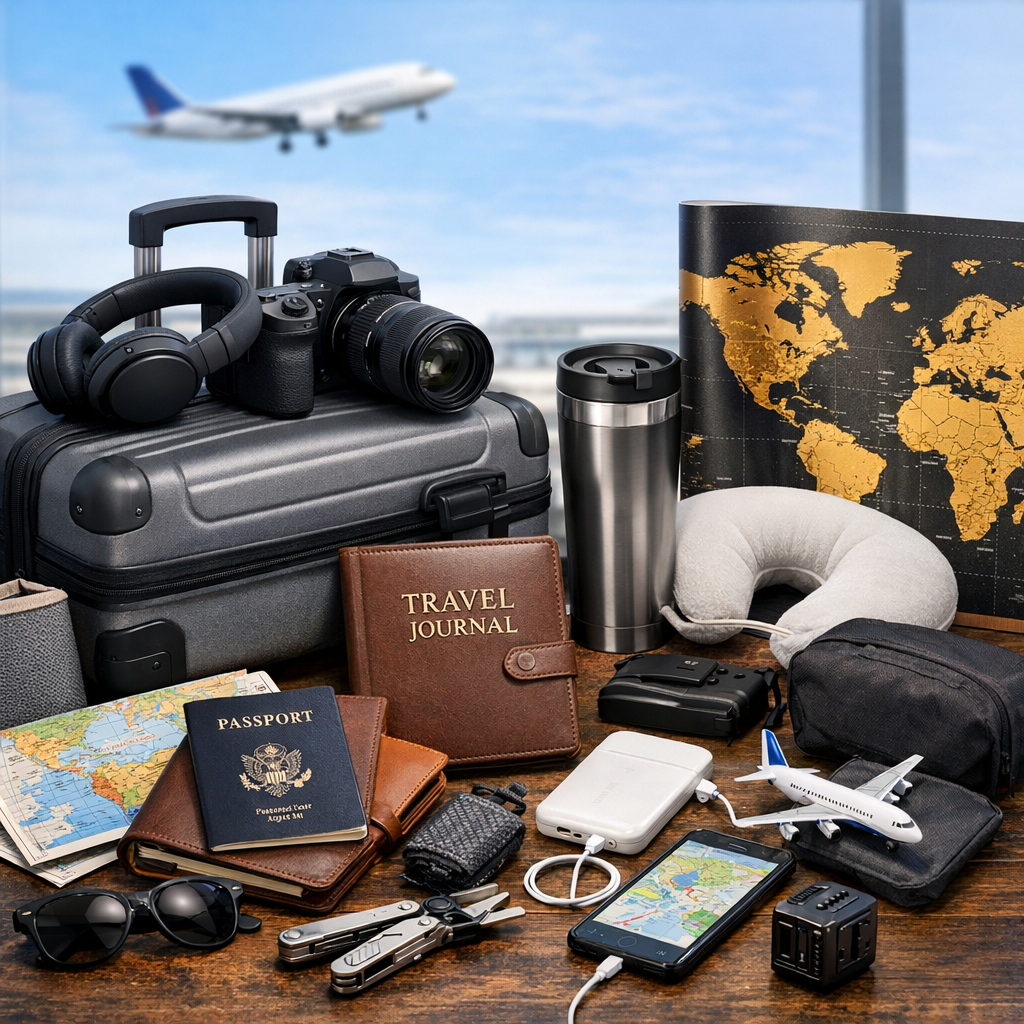
Check transportation reliability: learn typical delays and safe routes for flights, trains, and taxis. Consider alternative airports, bus stations, and trusted driving apps. If roads are perilous, you’d better have a contingency place to stay and a safe rally point. Store a charged power bank and a printed map of your hotel or the embassy.
2. Communication Lifelines
Pre-program emergency services, embassy lines, and your home emergency contact into your phone. Make a group chat with buddies and an emergency back-up texting chain with easy check-in codes. Carry a backup phone or local SIM and keep that power bank charged for long outages.
Wallet-sized print of contacts and safe spots. Once it happens, call your emergency contact and your nearest embassy immediately. A local contact can assist with language or logistics and offer support when your official channels are sluggish.
3. Document Security
Save encrypted digital copies of passport, insurance, and prescriptions in the cloud and on a USB away from originals. Have a money belt or hidden pouch containing local currency and US dollars cash, as well as emergency credit cards. Store spare papers in hotel safes or anti-theft bags on foot.
Toss old documents securely to avoid identity theft. If papers are stolen, reach out to your embassy and insurer to initiate replacements and emergency cash transfers.
4. Financial Resilience
Have more than one way to pay and establish emergency cash transfer methods. Your Emergency Action Plan. Notify your bank and insurer of travel dates to prevent freezes. Be sure to document receipts and expenses for claims or evacuation costs and keep a small emergency fund accessible.
5. Medical Readiness
Visit your doctor pre-travel, refresh vaccines and bring a personal first aid kit complete with meds and prescriptions. Locate clinics and hospitals nearby and familiarize yourself with local emergency protocols. Be aware of your insurance for care and evacuation, heed official local guidance and shelter in place if immediate danger is present.
Mastering Situational Awareness
Mastering situational awareness is knowing your environment, where you can flee if things go south, and how to behave before a concern expands. It begins with easy habits you apply every day on the road and moves danger from I can’t control it to I’ve got this covered.
Scan your surroundings for exits, safe places, and potential dangers in unfamiliar environments
Upon arrival, locate a minimum of two exits in any building, bus, or train car. Mark well-lighted streets, hotels or public buildings with personnel, such as churches or international hotels, where you can find a safe house. If you’re walking into a market or plaza, locate the nearest clinic or hospital and plot it on your phone map. For example, in a busy transit hub, identify staff booths, main doors, and taxi ranks so you can leave quickly if needed.
Trust your instincts and avoid areas or situations that feel unsafe or suspicious
If somewhere feels wrong, walk away quietly. Instincts tend to quickly flag low-probability risks. Consult travel alerts before and during your trip to be aware of any unrest or localized outbreaks of violence in certain neighborhoods. Send planned routes to a local contact or to someone in the U.S. So they know where you intended to be. If a group or location attracts too much attention, slip off to a serviced, populated area.
Limit distractions by keeping your phone and valuables secured and out of sight
Try a discreet pouch under your clothes or a lockable bag. Don’t yell out American English in places where it might stand out. Always keep your headphones off in crowded or unfamiliar places so you get to hear what’s going on. Carry basic supplies: a small flashlight, water bottle, and photocopies of documents. Drop a pin or send a quick check-in message to fam or friends every day.
Practice proactive measures like traveling in groups and following local safety recommendations
Always travel with a buddy when you can, and get off the beaten path and camouflage yourself by learning where the locals hang out and what they wear. Keep track of local advice and your hotel staff or embassy updates. Know where you are headed. Have a hospital, clinic, and emergency contact list planned out and practice how you would get there from the places you frequent.
Essential Digital Toolkit
A lean digital setup minimizes peril when crap hits the fan overseas. Gather apps, device backups, and security tools before you leave. Add a universal power adapter to power up phones and battery packs. Store copies of your passports and tickets in an encrypted folder and bring a paper backup. Lock down app permissions, two-factor authentication, and a password manager!
Communication Apps
Set up at minimum two cross-platform encrypted messaging apps for group and private chats. Proof them with a foreign SIM or roaming plan to ensure messages and calls go through. Enable live location sharing with a trusted contact when you’re visiting somewhere new and verify the app’s SOS function can connect to local emergency numbers.
Utilize call-back or direct-dial capabilities to local emergency services. Spend a minute alerting your bank and card issuers of travel dates so fraud alerts don’t lock your accounts and avoid logging into banking sites on public Wi-Fi — use a personal hotspot!
Navigation Tools
Save offline maps for your entire itinerary and probable day trips. Offline GPS works even without cell service and can save your route if lost. Mark embassies, hospitals, shelters, and safe meeting points on your map and label them. Map out your walks to steer clear of sketchy neighborhoods and verify elevation, stops, and lighting whenever you can. Have a hard copy map and a fully charged power bank on hand as a failsafe.
Translation Aids
Load a phone with an offline translation app and preload critical medical, police, and emergency hotel/transport assistance phrases. Practice the app for simple exchanges: show, speak, and confirm translations out loud so you can use them under stress. Bring a mini phrasebook for those data-scarce regions where the apps do not run.
Emergency Alerts
Sign up for local and international alert services and allow push notifications from your embassy and insurer. Enable emergency app notifications and double-check app permissions so alerts display consistently. Maintain two-factor authentication and trusted networks. For sensitive logins, opt for a personal hotspot.
National civil protection or weather services
Embassy or consular registration alerts
Global disaster and health alert services
Travel insurance provider notifications
The Psychology of Crisis
Insights from the psychology of crisis enable travelers to make smarter decisions. Stress constricts focus, recall seems shallow, and easy activities become difficult. Being aware of these typical impacts, you can design habits that minimize errors, maintain group cohesion, and accelerate post-shock recuperation.
Train yourself to stay calm and focused under pressure during emergencies or disasters.
Practice basic rituals until they are second nature. Do quick drills for packing a go-bag, locating exits, or sending a check-in text. Try breathing practice for a minute to calm your heart rate. Role-play scenarios with realistic time limits, like leaving the hotel in two minutes or getting to safe ground in five. Don’t trust your memory; use checklists on your phone.
For example, a four-item phone note with “passport, cash, meds, phone” can cut seconds when panic sets in. Rehearse local words for help and test digital backups of documents so you can move quickly when networks are sluggish.
Steps for maintaining calm during a crisis
- Pause and catch three deep, slow breaths to settle your heart rate.
- Identify a very specific immediate objective, like “get out of the building” or “call local contact.”
- Scan the area for obvious hazards before moving.
- Use a short checklist on your phone or paper.
- Assign simple tasks to others and confirm back verbally.
- Move deliberately; avoid sudden runs that can cause falls.
- If wounded or stunned, sit down and take stock of injuries and supplies.
Encourage group members to communicate openly and support each other in stressful situations.
Set a simple communication plan before travel: who calls whom, what app to use, and where to meet. When stressed, talk in short phrases and repeat important information. Confirm with things like ‘Copy, leaving in two minutes’ so everyone knows what’s going on.
Be on the lookout for panic from companions—shaky voice, silence, wandering—and designate someone to stay calm and provide calm directions. Offer concrete support: hand water, help with shoes, or carry a bag. Tiny deeds dissipate terror and maintain a concentration on the work of living.
Debrief after incidents to learn from experiences and improve future travel safety practices.
Once the event has passed, convene everyone for a quick debrief. Inquire what succeeded, what flopped, and what to modify next time. Document lessons in a journey file. Update your checklists, contact lists, and gear based on actual holes. This transforms stress into actionable change and cultivates team confidence for the road ahead.
Conclusion
Travel gives us happiness and danger. Clean habits reduce danger. Always travel with printed ID and a passport photo. Save a copy in the cloud and on a USB. Identify safe rendezvous points in every city. Know two local emergency numbers. Try offline maps like Maps.me and a battery pack for your phone. If you get lost, display your ID to a uniformed officer or hotel staff.
If hurt, put direct pressure on it and call for help immediately. Always watch crowds and back exits in busy places. Practice calm breathing to think faster during stress. Little steps create large victories. Subscribe to alerts, carry a mini first-aid kit, and inform a trusted contact of your plan. Take one step today.
Frequently Asked Questions
How do I quickly find local emergency numbers abroad?
www.consulat.gouv.fr — use the global emergency number 112 where available. Save local police, ambulance, and your country’s consular hotline in your phone and a printed copy. Check numbers upon arrival. They may be regional.
What should my emergency action plan include?
Include rendezvous locations, ER phone numbers, local hospital directions, insurance policy numbers, and a cash stash. Tell someone at home the plan. Have digital and hard copies for redundancy.
Which documents should I carry for a medical emergency?
Have a photocopy of your passport, emergency contact list, allergy and medical info, and insurance policy information. Keep safe encrypted scans in the cloud and an offline copy on your phone for easy access.
How can I stay situationally aware without being paranoid?
Conduct a cool, leisurely inspection of all the exits, the direction people are moving, and alternative transport. Cut back on booze and screens in new ground. Follow your instincts and head to safer, populated areas when in doubt.
What digital tools should I install before travel?
Install your embassy app, an offline maps app, a secure password manager, and a trusted messenger. Turn on phone location sharing with a trusted contact and save documents to encrypted cloud storage.
How do I manage stress during a crisis abroad?
Breathe, triage immediate danger, and activate your emergency plan. Reach out to your embassy or local consulate for assistance. Get professional care and save it for insurance and legal issues.