


Table of Contents
- Introduction
- 1. Quiet Escapes and Digital Detox Experiences
- 2. Algorithm Shaped and Personalised Itineraries
- 3. The Return of Slow Travel: Longer Stays and Deeper Engagement
- 4. Micro-Trips with Big Experiences
- 5. trafels.com: Expert Guides for Smart Summer Travel
- 6. AI-Driven Discovery and Booking Shifts
- 7. Experience-Led and Immersive Travel
- FAQ
- Conclusion
Introduction Top Travel Trends
Summer 2026 marks a season of deliberate travel, with travelers seeking depth, quieter experiences, and plans that fit real life constraints. At trafels.com, we’re examining how people plan, move, and reconnect with place using smarter tools and evolving safety considerations.

Across destinations, expect quiet escapes, lightweight itineraries guided by AI insights, and longer stays that feel restorative rather than rushed. Our aim is to cut through noise and focus on travel that sustains curiosity and wellbeing.
Below, we outline the trends that will define this summer and how you can apply them to plan with confidence. We ground guidance in practical steps, from documentation and safety to efficient sightseeing and authentic experiences. You’ll also see references to trusted partners and data sources you already rely on for international travel.
Expert Insight
“Travel in 2026 will be driven by AI-curated itineraries, wellness-forward experiences, and responsible pacing that avoids overtourism, with brands winning by providing instant clarity on price, availability, and value across a connected journey.” , Industry Analyst
1. Quiet Escapes and Digital Detox Experiences
What qualifies as a quiet escape
Quiet escapes center on deliberate calm, time to reflect, and spaces that reduce noise and visual clutter. The aim is to slow the pace, minimize disruptions, and support mental recharge with restorative routines. For example, a lakeside cabin with heavy curtains and sound-dampening floors creates the right backdrop for so-called slow mornings.
Expect destinations and accommodations that emphasize soundscapes, low light, and slow rhythms. The goal is to lower stimuli while increasing meaningful small moments you can actually savor. Practical setups include staggered check-in times, muted common areas, and rooms designed for solitude rather than constant activity.
Popular destinations and staying off the beaten path
Quietcations are expanding beyond famous hubs. Seek rural retreats, coastal coves, and inland havens that feel intimate and less surfaced in travel guides. In practice, look for properties that publish a weekly rhythm of sunrise routines and family-style dinners to foster quiet, predictable pace.
- Regions known for hush hospitality and serene landscapes
- Small-town lodgings with generous common areas and private nooks
- Community-led stays that emphasize local routines over tourist crowds
Planning a digital detox trip
Begin with a clear window of disconnection. Choose cabins or retreats that explicitly restrict screen use and offer analogue alternatives. Plan around natural light shifts and avoid venues with bright, interactive screens after dusk.
- Book stays offering unplugged amenities like offline activities and nature therapy sessions
- Schedule daily micro-practices such as journaling, mindful walking, or quiet reading
- Prepare practical essentials: offline maps, printed guides, and ample quiet time
2. Algorithm Shaped and Personalised Itineraries
How AI and data influence trip planning
AI tools streamline discovery from the first search. Demand signals, past bookings, and real-time availability shape suggestions that feel tailored without endless back-and-forth. For instance, a family planning a beach week might see kid-friendly activities and calmer mornings surfaced early.

Platforms use predictive models to forecast busy periods, helping you avoid crowds and lock in preferred options ahead of others. If a city hosts a festival, nearby hotels can be reserved before general release.
Tailoring itineraries to travel style
Your profile is more influential than ever. Preferences around pace, lodging type, and activity mix steer recommendations toward experiences that fit how you travel. A couple who enjoys slow mornings and evening strolls will see relaxed lounges and sunset routes prioritized.
- Quiet restorative days designed for silence focused trips
- Active experience led schedules for immersive travel
- Balanced plans that blend culture, food, and nature
Balancing personalization with flexibility
Personalized plans should still allow room for improvisation. Flexible slots and open-ended activities let you adjust for weather, mood, or local advice. In practice, reserve 40 to 60 percent of time as adaptable blocks.
- Keep main anchors but allow day-by-day tweaks
- Incorporate buffer times to explore serendipitous finds
- Use AI generated alternatives as backups, not rigid scripts
| Aspect | AI Driven Benefit | User Action |
|---|---|---|
| Discovery | Sharper matches to interests and pace | Define key priorities early |
| Booking | Quicker access to available options | Set flexibility windows |
| Itinerary | Smart balancing of activities and rest | Review and adjust daily blocks |
3. The Return of Slow Travel: Longer Stays and Deeper Engagement
Benefits of slower itineraries
Longer stays deepen connections with places, people, and routines. You gain time for spontaneous discoveries and meaningful conversations, not just snapshot moments. Slow travel helps prevent burnout and supports a restorative pace that matches the hush of quiet escapes.
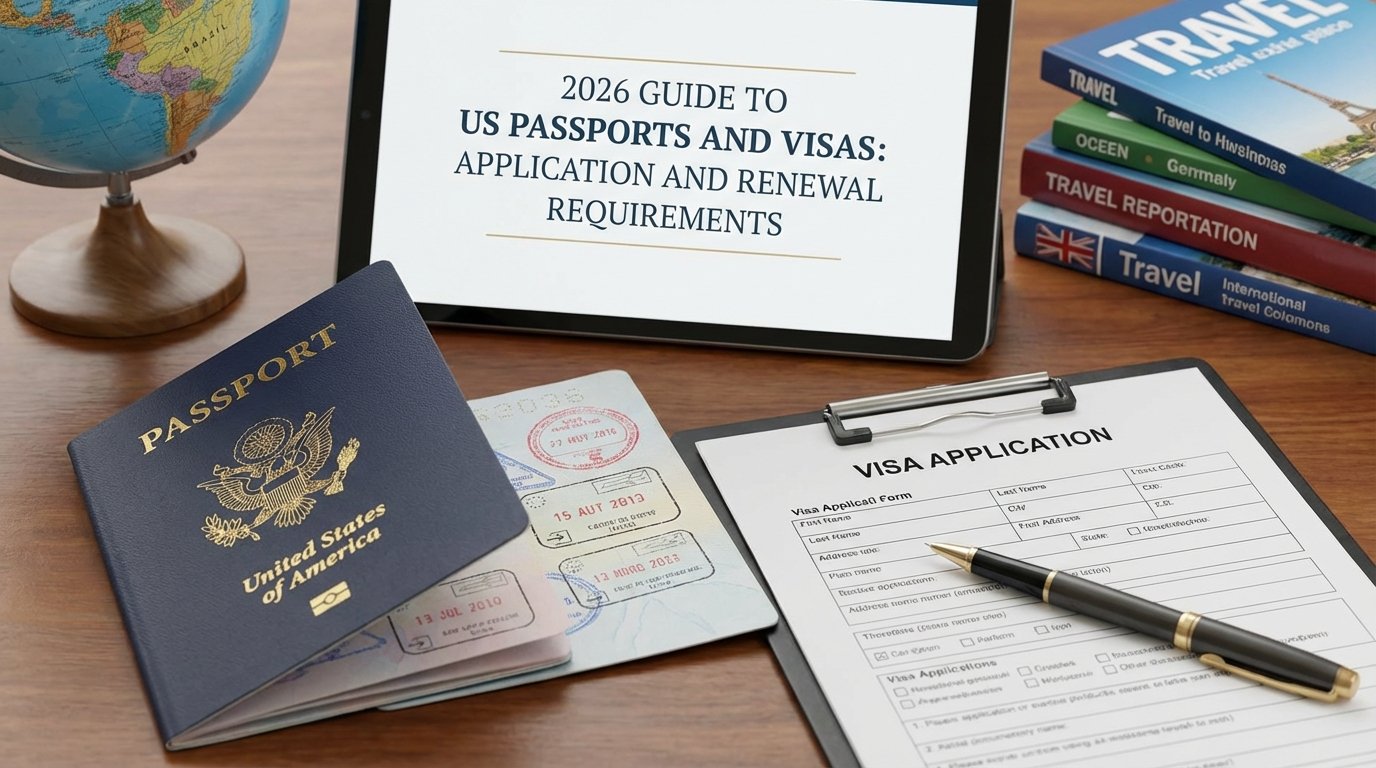
With fewer daily transitions, you can align activities with local rhythms, savor meals, and absorb culture without pressure. The approach often yields richer experiences and calmer planning, fostering hospitality and thoughtful, restorative trips.
Sample 7-10 day slow travel routes
- Skåne coastal loop: villages, gardens, and slow food along the southern coast
- Oregon wine and forest circuit: small-town tastings, scenic drives, and nature walks
- Scenic national park hub itineraries: base in one town, day trips to nearby trails and viewpoints
Strategies to maximize sightseeing time
- Base in one or two hubs to minimize packing and travel days
- Schedule experiences in blocks of two to three hours to reduce fatigue
- Favor slower transport modes and off-peak timings for smoother transitions
4. Micro-Trips with Big Experiences
What defines a micro-trip
A micro-trip condenses a powerful experience into a short window. It emphasizes high-impact activities, efficient planning, and meaningful immersion without lengthy commitments.
Expect tightly focused itineraries that maximize one or two themes, such as food, art, or nature, while minimizing downtime between destinations. Build a crisp timeline and test drive it with a practice day before travel.
Top experiences to pack into short breaks
- Guided city highlights in a single day with curated access to iconic sites
- Hands-on workshops or culinary tastings that reveal local culture
- Nature encounters close to urban hubs, like sunrise hikes or scenic viewpoints
- Local neighborhood experiences designed to connect with residents
Tip: Reserve limited slots early to avoid crowds and maximize access. For Trafels readers, check neighborhood walks that pair a meal with a mural tour for context.
Destinations that fit micro-trip formats
- Capital cores offering concentrated experiences with efficient transit links
- Compact regions where day trips unlock multiple themes
- Rural escapes accessible within a few hours of a major airport
| Aspect | Micro-Trip Advantage | Planning Tip |
|---|---|---|
| Time frame | 24 to 72 hours | Lock in core experiences first |
| Pace | Intense, purpose-driven | Schedule buffer moments for reflection |
| Accommodation | Central location with easy access | Choose a base with strong transit options |
5. trafels.com: Expert Guides for Smart Summer Travel
Navigating international travel logistics
trafels.com helps you handle visa requirements, transit rules, and entry protocols with real examples. For instance, a traveler to the Schengen area may need an ETIAS, while citizens from certain regions face longer processing times. Our guides tailor checklists to your departure country and travel timeline, so you know what to secure first and what can wait.
Practical preparation starts with concrete steps. Align passport validity with your trip, plan buffer days for border checks, and choose routes with reliable connections to minimize total travel time in peak seasons. We show you how to compare layover lengths, visa processing windows, and airline formalities to save time and money.
Documentation and safety protocols
We keep you current on passports, visas, and other essential documents with practical timelines. A typical flow might be: renew six months before expiry, obtain visas within the planned window, and keep digital copies stored securely. Our guides include ready-to-use reference sheets and local embassy contacts for quick support.
Safety is built into planning. We flag health advisories for destinations, verify accommodations with solid safety ratings, and map emergency contacts and local consulates. These measures help you adjust if plans change due to weather, strikes, or health alerts.
Maximizing sightseeing time with efficient planning
Our itineraries blend must-see sites with opportunities to discover more. For example, cluster museums and historic districts within a day, then reserve a timed slot for a popular attraction to avoid queues. We outline realistic margins so you can enjoy sunsets and boat trips without rushing.

Tools assist in shaping daily blocks and highlighting off-peak experiences that fit your pace. For quiet escapes, we suggest early morning temples or lesser-known viewpoints with shorter lines, plus tips to conserve energy for evenings and dining.
- Comprehensive, destination-specific guides
- Checklists and timelines for documents
- Practical safety and contingency planning
Expert Insight
“Travel documentation, passports, visas, and transit rules, are the gatekeepers of smooth international journeys; understand them in advance to avoid disruptions and protect your plans.” , Industry Analyst
6. AI-Driven Discovery and Booking Shifts
AI tools reshaping discovery
AI speeds up how you discover travel options with actionable signals. For example, a Lisbon trip might surface neighborhoods with affordable stays and dining options aligned to your preferences based on past bookings.
Platforms provide context about destinations, seasons, and safety, helping you decide without endless searching. You’ll see price trends for weekends and bite-sized traveler sentiment about weather, crowds, and events.
From discovery to booking: new consumer pathways
Discovery often flows into booking. You can compare flights, hotels, and experiences in one session, then lock in a plan with a few clicks.

Expect dynamic bundles that pair lodging, activities, and transport to your pace. For a two week trip, you might get a hotel plus day trips and rail passes priced to fit your budget.
Tips to leverage AI responsibly for travel planning
- Set constraints for budget, pace, and must haves such as proximity to transit or specific activities
- Cross check AI picks with official hotel sites and local tourism boards to confirm accuracy
- Balance automated suggestions with hands on planning, reserving basics while leaving room for serendipity
- Review data sharing and tailor privacy controls so recommendations stay within your comfort zone
| AI-Driven Benefit | Travel Planning Impact | Best Practice |
|---|---|---|
| Personalized itineraries | Quicker, more relevant options | Define must haves up front |
| Dynamic pricing signals | Better timing for bookings | Set price alerts with guardrails |
| Integrated bundles | Streamlined checkout | Verify inclusions and cancellation terms |
Expert Insight
“AI is rapidly becoming the decision-making layer in travel, moving from planning to real-time execution, but its effectiveness hinges on access to live, verified data and trusted, dynamic inventory to complete the booking.” , Industry Analyst
7. Experience-Led and Immersive Travel
Hands-on cultural experiences
You want more than photos. Travelers seek participation, not spectatorship. Local workshops, cooking classes, and artisan-led sessions place you in the story.
Seek programs that couple skill learning with a sense of place. Authentic encounters deepen memory and support local, community-driven enterprises.
Nature-immersive trips and sustainable choices
Nature focused itineraries are gaining traction. Look for stays that minimize footprint and deepen your connection with ecosystems. Travel alongside wildlife and landscapes with care.
Prioritize operators that emphasize conservation, responsible transport, and low-impact lodging such as eco-lodges or community-run hosts.
Crowd-aware planning for popular experiences
Slow down peak time lines by adjusting when you go. Early slots, weekday visits, or off-peak periods can unlock access to sought-after experiences.
Think in terms of smart scheduling that distributes demand and helps venues manage crowds while preserving quality for visitors.
FAQ
Here are quick answers to common questions about the top travel trends for the summer season. We focus on practical guidance you can apply as you plan and book.
Quiet escapes in 2026
Think of a week in a mountain cabin with no screens and daily nature walks. Look for properties marketed as digital detox retreats or quiet cations that emphasize hushed hospitality and analogue living. Build a schedule with early mornings, single-task activities, and offline downtime to prevent burnout.
AI in travel planning
Harness AI to assemble a concise plan and compare price tiers for flights, trains, and lodging. Set filters for preferred routes, request a printable itinerary, and flag times when popular options are overbooked. Always confirm with a human on visas, advisories, and currency matters.
- Tip: run two scenarios, fast connections versus scenic routes, to compare outcomes.
Micro-trips explained
Envision a 3 day city break centered on food tours or a museum pass. Tie the theme to street art or wellness, and choose a central hotel within walking distance to cut transit time.
Trending quiet cations destinations
Look for rural areas with limited internet but strong wellness programs. Prioritize hush hospitality, soundproof rooms, and guided nature experiences. Favor programs that highlight mindful durations and offline activities, such as cabins with offline kits.
| Topic | Common Question | Takeaway |
|---|---|---|
| Digital detox | How to unplug effectively on vacation | Choose stays that support minimal connectivity and offline-friendly activities. |
| Personalized itineraries | Will my trip feel unique | Expect tailored options, but verify details to maintain flexibility. |
| Experiential travel | What makes experiences meaningful | Pick hands-on programs that align with local culture and sustainability goals. |
Conclusion
Summer 2026 signals calmer exploration paired with smarter planning. You’ll see a balance of quiet escapes, AI-informed discovery, and longer, intentionally paced trips that still leave room for spontaneity.
At trafels.com, we lay out practical steps you can take now. Start with a flexible travel framework and layer in details as you finalize destinations, dates, and safety considerations.
Key takeaways to guide your season:
- Prioritize restorative trips that balance downtime with selective experiences.
- Use AI-inspired ideas as a starting point, then verify details with trusted sources.
- Plan for crowd-aware timing to access popular sights without burnout.
Keep documentation and safety checks front and center in your prep. A clear plan reduces stress and lets you focus on the moments that matter most during your summer travels.