
Key Takeaways
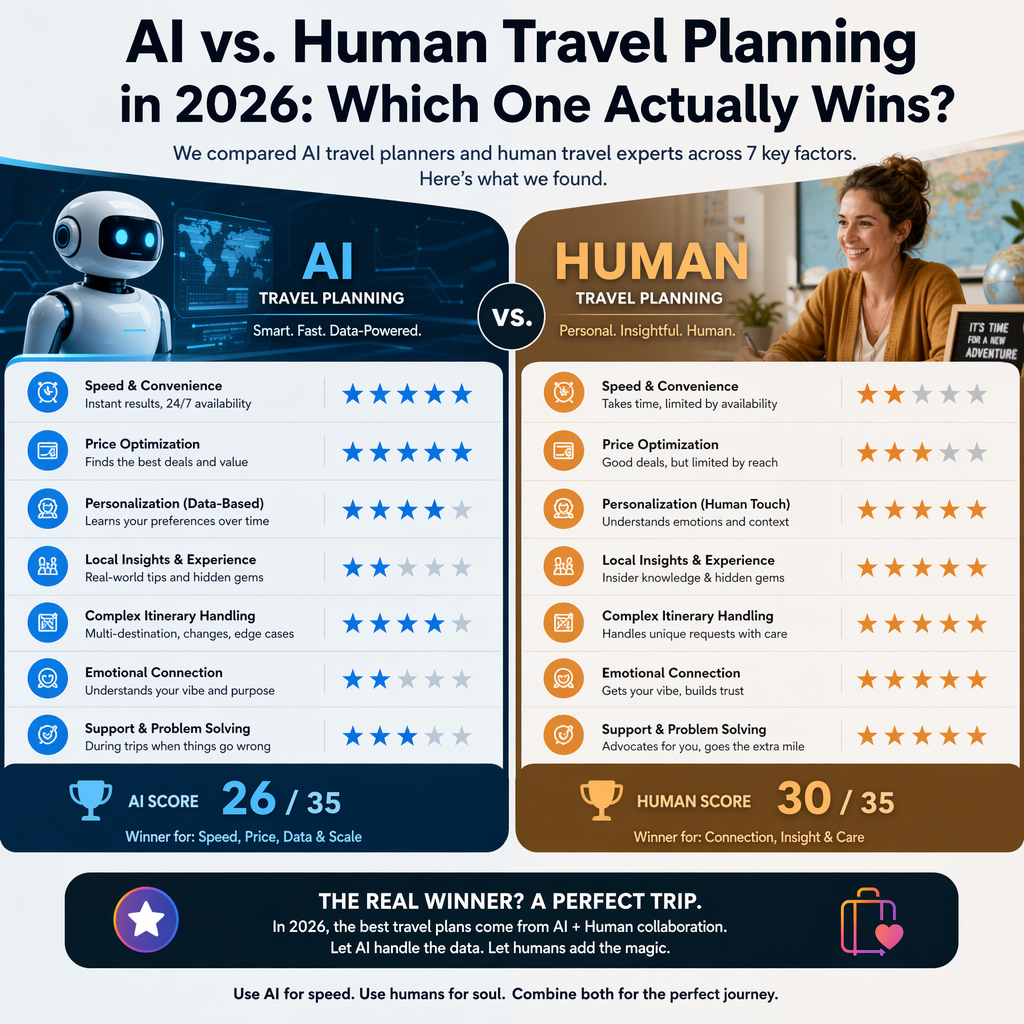
- AI wins on speed and updates. It whips up personalized itineraries in seconds, easily accommodating last-minute changes and punchy travel plans. Utilize AI when time and quick re-optimization are important.
- Personalization at scale is AI’s strength, learning preferences and adjusting plans for diet, activity level, and budget. It gives explicit tastes and feedback to hone results.
- Optimization and discovery are AI fortes for uncovering efficient routes, best deals and hidden gems across the globe. AI can cross-reference suggestions and rank choices that align with your travel principles.
- Human planners bring empathy, cultural sensitivity, and creative storytelling that enhance memorable journeys and navigate fuzzy or emotional requirements. Opt for human assistance for special occasions or complicated circumstances.
- The winner in 2026 is hybrid, where AI does the logistics and humans bring nuance, accountability, and local knowledge. Combine tools by having AI handle the rote tasks, and people make the hard choices.
- Decide by your priorities: pick AI for speed, cost efficiency, and accessibility. Choose humans for emotional support, creativity, and dispute resolution. Blend both for balanced outcomes.
AI travel tools now tackle data-intensive tasks such as price tracking, route optimization, and itinerary fitting — actions that require speed and scale. Human planners provide local knowledge, adaptable judgment, and a personal concern for preferences, accessibility requirements, and last-minute fluctuations.
Human vs AI: travel planning — who wins in 2026? Most travelers turn to AI for comparisons and schedules, but humans for tricky trips or emotional value. Cost, time, degree of customization, and trip risk indicate which fits best. We then compare accuracy, cost, speed, personalization, and resilience and present scenarios where one clearly fits different traveler types and trip goals.
The AI Revolution in Travel Planning
AI is a whole new ball game. New tools now mine massive data sets, such as flights, hotels, reviews, weather, and local happenings, and generate full itineraries within seconds. This fast synthesis saves time and brings in price trends and availability that humans just can’t scan so quickly.

AI can forecast price changes from seasonal and market data, identify discounts, and highlight value options among thousands of listings, rendering booking more efficient and frequently less expensive. At the same time, generated plans sometimes include errors, such as wrong opening hours, outdated hotel details, or missing activity nuances. These holes imply that a human review is still crucial for higher-stakes voyages.
1. Speed
AI generates draft itineraries almost instantly, reducing planning from hours to minutes. Human planners need calls, emails and back and forth to confirm preferences. AI short-circuits that loop by leveraging saved profiles and heuristics. For last minute bookings, missed connections or emergency changes, AI can rerun options in real time and suggest alternatives within seconds. Quick answers count for hectic business itineraries, brief stopovers or last-minute Umrah and Hajj pilgrimages where timing and slots shift rapidly.
2. Personalization
Machine learning enables the AI to recall traveler habits and anticipate, from prior trips, what the traveler would likely choose. Systems can customize recommendations for vegan, hiking, family-friendly, or solo-adventure styles. The AI further adjusts plans from feedback. If a user tags museums as a low priority, it veers future recommendations more toward outdoor activities. Humans tend to read subtle cues and body language better and can pick up on the ‘vibe’ of a place in ways AI struggles with.
3. Optimization
AI balances cost, convenience, and experience by weighing many variables at once, including traffic, reviews, connection times, and availability. It discovers the best routes, packages flights and hotels, and re-optimizes on the fly after disruptions. This minimizes mistakes in bookings and finds top-value packages efficiently. Optimization can overlook comfort concerns like mobility needs unless they are included in the user profile.
4. Discovery
AI identifies niche destinations and early trends by analyzing social feeds, local listings, and review changes worldwide. It can spotlight off-the-beaten-path markets or new neighborhoods before the guidebooks do. Old-school advice still uncovers cultural quirks and human tales that AI can’t quite record.
5. Accessibility
AI plans anytime on any device, translated and localized instantly to recommend available hotels and transit, democratizing access for users without professional agents. AI could miss personal comfort thresholds unless users input specific health or mobility information.
The Irreplaceable Human Element
Human planners bring things machines can’t copy. They parse nuanced motives, read moods, and measure what a trip signifies beyond bullet points. Travelers seeking a more immersive, meaning-driven trip often appreciate the intermission and will wait a day or two for an answer from an actual person who understands the terrain.
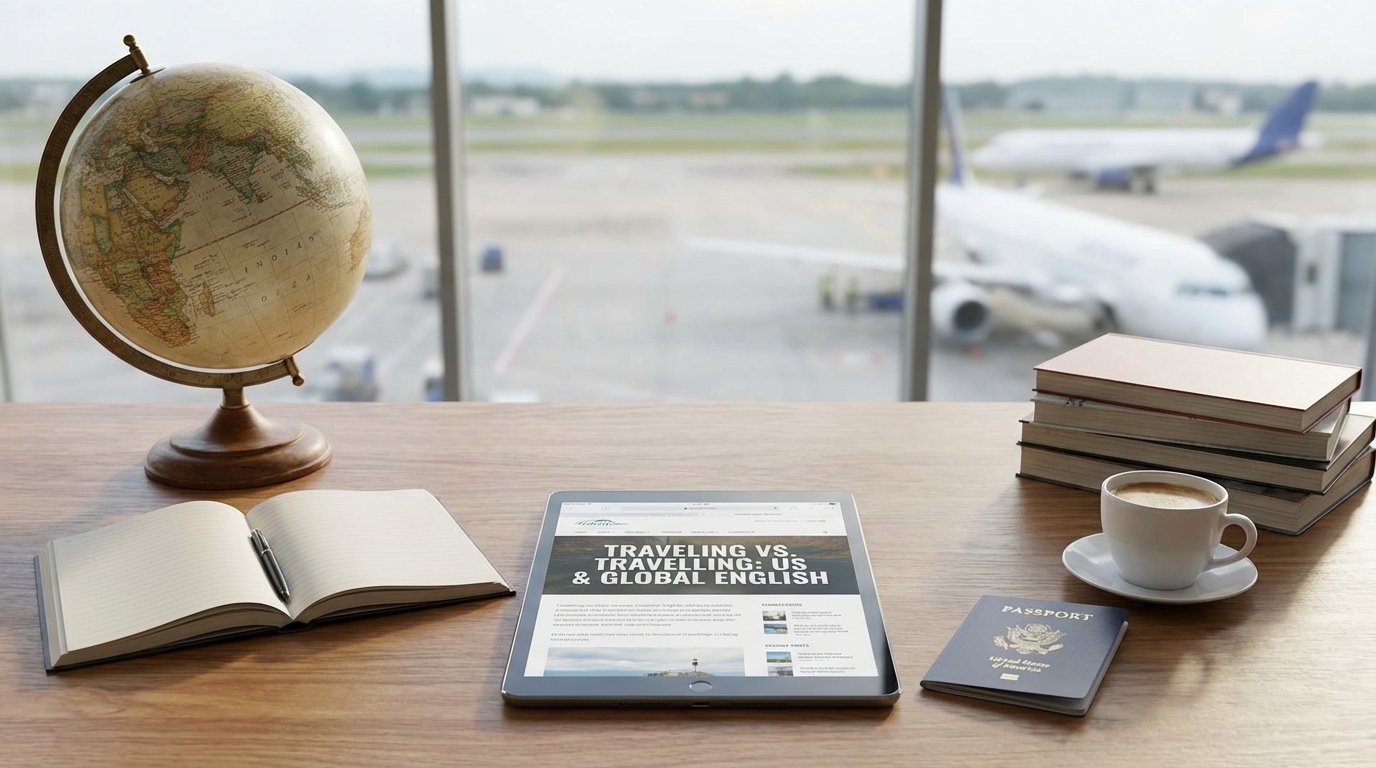
AI can recommend a path. Humans can feel when a client requires rest days, silent mornings, or a milestone surprise. This type of nuance is grounded in experience and dialogue, not in pattern matching.
Empathy
Human planners hear the full narrative and react to emotions, not merely data. They hear when a client throws out words like ‘recharge’ or ‘connect’ and curate an itinerary that provides room for reflection and slow time. Empathy turns trips into memories. A planner who knows a couple loves small inns can swap out a bustling hotel with a family-run guesthouse that becomes embedded in the trip memories.
Folks have unsaid fears, fear of flying, cannot walk far, can’t eat this, and a human can predict those and reroute before issues come up. When they have a medical emergency overseas, they’re not going to trust an algorithm; they want a human to call around hospitals, describe care, and soothe relatives. Compassion under duress makes all the difference and saves the trip.
Creativity
Humans can create themed journeys that don’t conform to neat data tags. A planner can weave a week of art, food and local craft into a narrative or create a writer’s pilgrimage that traces an author’s journey through different cities. Storytelling spices the anticipation. A custom story sent by e-mail before you travel, for example, makes the trip seem like an uninterrupted experience from planning to return.
Creative planners blend hobbies and constraints into unique trips: a parent with a teen who loves architecture and a toddler who needs naps can get an itinerary that balances all needs. Like dawn market tours combined with lunch at a museum and evening children’s theatre, these are pairings you wouldn’t expect from an off-the-shelf algorithm.
Accountability
Human planners provide personal attention and take ownership when it shifts. Travelers can call, haggle, and clear things up with a named individual. More than half of adults 54 and older surveyed shun AI services, favoring this irreplaceable human element.
Planners are your friend in a fight or crisis, hounding airlines or hotels for equitable consideration. That personal touchpoint provides reassurance and real-world problem solving where AI cannot.
Where AI Falters
AI can whip up elegant schedules quickly. It overlooks what humans detect. ML outputs obscure the gaps that matter to travelers. Here are particular boundaries, frequent trip-ups and what to examine before you believe a plan.
Understanding emotions and cultural subtleties
AI can’t read mood, personal rhythm, or local norms. It could schedule consecutive museum visits for a late riser or recommend nightlife without considering local dress codes or religious holidays. It can’t smell when a tourist prefers silence to sights. For instance,
an AI might include a hip tapas bar as a “must-visit” without noting that it’s noisy and standing-room only, which are key considerations for elders or families. These misses result in misaligned experiences and disillusionment.
Handling ambiguous requests and conflicting priorities
When a query mashes together priorities—budget travel, a downtown hotel, late-night room service—AI can generate a compromise that appeases none. Ambiguities such as ‘nearby’ or ‘reasonable price’ get populated by broad, heuristic rules. For instance, it might suggest a hotel in a hyper-central neighborhood but skip that it has limited elevator access,
or provide an itinerary that presupposes quick transit but not long foot treks. Users discovered AI recommended Grigihütte, a phantom restaurant, demonstrating how ambiguity and loose validation breed fictitious trails.
Authenticity and local flavor
AI content can come across as bland. It can plagiarize popular reviews and overlook tiny but significant information, like a seasonal market or a local family-run trattoria’s precise opening days. Tools have returned false restaurant opening hours and false Michelin status, rendering refined itineraries appear trustworthy at a glance but are in fact tainted. Certain restaurants did not even exist, and it skipped hotel and dining information on some days.
Common pitfalls: data, pricing, and scaling issues
A frequent issue is stale information. AI tends to hallucinate travel information, for example offering a Jungfraujoch train journey for $129 to $258 when tickets begin at $342. Over-reliance on algorithms can obscure such errors because the itinerary appears reasonable. Digital transformations stall during scaling phases because of legacy workflows, which inject stale data into AI. Travelers need to fact-check restaurant and hotel recommendations, reconfirm prices for top attractions and transportation, and pace each day according to mobility and comfort levels.
The Hybrid Future
All the best trip planning in 2026 will combine AI automation with human sensibility. AI will organize calendars, evaluate prices, make reservations and alert you about visa or health entry requirements. Humans will establish tone, select personalized angles and incorporate front-line advice machines don’t have. This hybrid future accelerates work and maintains the sense of personal touch on trips.
AI handles logistics; humans add personalization
AI does well with repeatable tasks such as flight searches, hotel comparisons, itinerary windows, and keyword-consistent content outlines. It can sweep through hundreds of listings in seconds and maintain formatting across multiple pages. Use AI for early drafts, keyword maps, and structural checks. Then a human strategist edits the draft, injecting original local knowledge,

and an expert rewrites or supplements key passages, particularly with regard to YMYL issues like health recommendations or safety. That needs to be fact-checked because research demonstrates that AI content has error rates of 19% on health content and 14% in finance, so human review is a must.
Scalability with emotional connection
Hybrid workflows enable teams to span hundreds of topics quickly while preserving depth. A clear step-by-step process works: a human strategist sets the brief and angle, AI drafts the structure and first pass, a subject expert rewrites and adds first-person details, and a final fact-checker verifies sources.
This series shrinks timelines without sacrificing trust signals that search engines increasingly reward. Google E-E-A-T stands for experience, expertise, authoritativeness, and trustworthiness, and original data or personal examples increase rank.
Tasks suited to each actor
Task | Best handled by |
|---|---|
Flight/hotel price scan | AI |
Local nuance, cultural tips | Human |
Drafting outlines and meta | AI + Human review |
YMYL safety or health info | Human expert |
Volume content production | AI with human QA |
First-person anecdotes | Human |

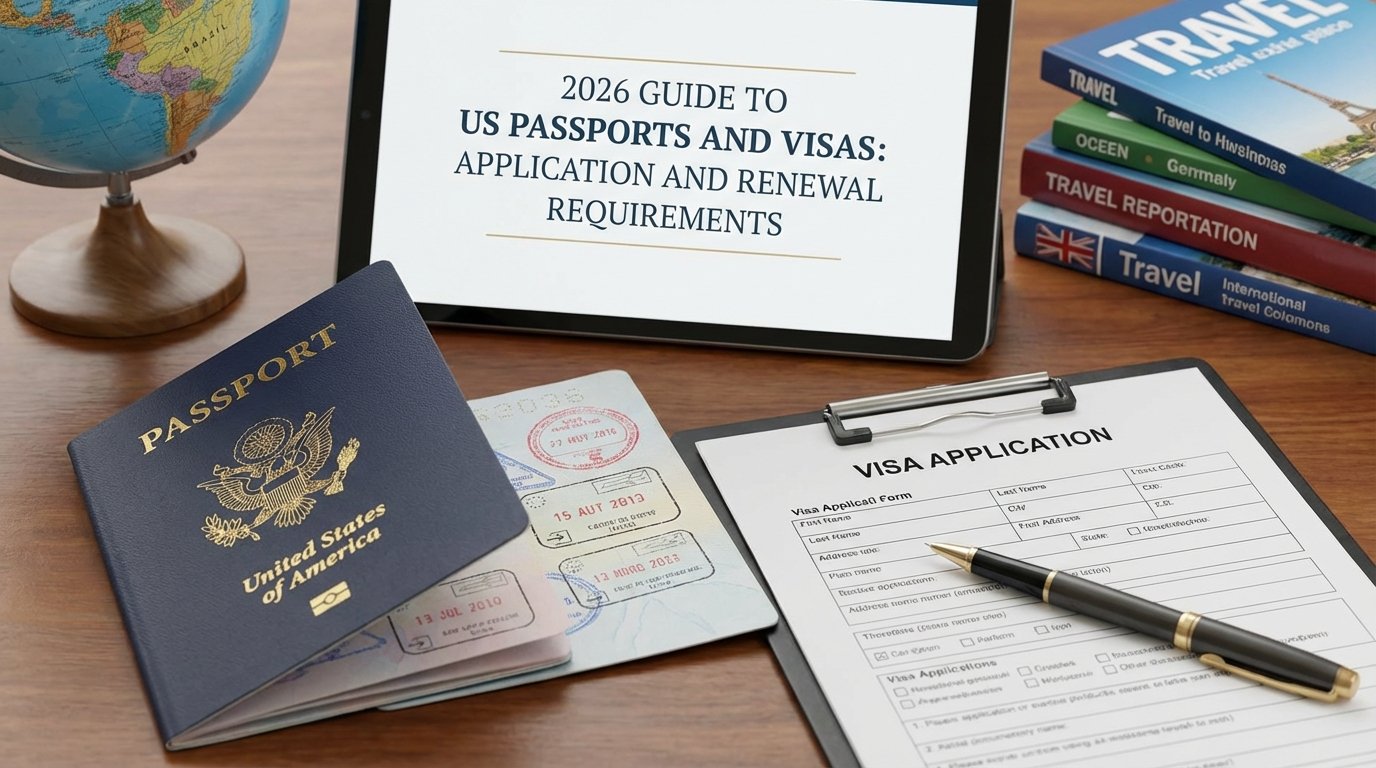
AI is unmatched for speed, scale, and keyword and structural consistency. It usually lacks lived experience and subtle judgment. For intimate or critical travel tips, use AI just for research and drafts. Have experts rewrite. Maintain a 60 to 90 day refresh cycle of AI-assisted content. Hybrid approaches prevail when they combine machine efficiency with human judgment and original reporting.
The Traveler’s Dilemma
The decision between rapidity and customization lies at the core of contemporary travel planning. Speed is supplied by AI tools that browse prices, itineraries, and reviews in mere seconds. It’s personalized by human planners who know local quirks, non-obvious risks, and real-time nuance. Travelers now mix both: they use AI to cut research time but keep humans or their own judgment to check authenticity and fit.
This hybrid usage is important because AI frequently provides inaccurate or partial information. Some restaurants and hotels might not exist as AI states, or open times and availability for particular days are lacking. That risk alters how much faith you have in machine output.
Traveler priorities drive the decision. Budget-minded travelers rely on AI price tools that discover rock-bottom fares and notify them of offers. The adventure traveler wants human tips directing him or her towards a neighborhood festival or little gallery not on the mainstream lists. Convenience-centric folks appreciate end-to-end AI booking and dynamic itineraries.
Trade-offs show in outcomes: AI-driven pricing optimizers can push revenue per available room up by more than 15%, which shifts hotel behavior and can raise prices for travelers. Though AI respondee use is uneven, 52% of travelers still began with organic search over the past year while 37% used AI-generated answers. It shows many like a blend.
There are obvious trade-offs between data-driven recommendations and human intuition. Data excels at volume tasks, such as scanning event calendars, tracking competitor moves, and changing prices in seconds based on demand and sentiment from reviews and social media. Humans excel at context, including reading subtle safety signals,
understanding cultural norms, and spotting false entries. The hospitality industry has an expanding talent gap; just 2.9% of full-time employees possess AI skills, which restricts hotels and agents’ ability to combine AI with human judgment well. Travelers are similarly deploying LLMs embedded in travel sites to plan and book, but they need to fact-check.
Checklist to identify your travel values:
- Priority: budget, experience, or convenience?
- Risk tolerance: accept some AI errors or need verified info?
- Time: want instant plans or willing to research?
- Local nuance: need insider tips or standard highlights?
- Flexibility: fixed dates or open window for deals?
Beyond the Itinerary
Travel fulfillment is derived from experiences that linger, not an inventory of reservations. Logistics matter, but the value of a trip is the small, unscripted things: a local recommendation that turns into a friendship, a detour that shows a quieter side of a city, a timing change that avoids a storm. It’s moments like these that AI and humans both forge differently. AI accelerates data processing and pattern detection, while humans contribute judgment, context, and empathy. Together, they push planning beyond the itinerary and into memory.
AI develops trust with personalized planning by utilizing zero-party signals, which are explicit preferences travelers provide, to customize recommendations to preferences and boundaries. It will analyze market demand, seasonality, and historical data to identify when prices will increase or decrease and assist users in booking at optimal times. For heavy AI travelers, roughly 30% of U.S. Travelers now, the tool is a quick, vigilant concierge that tracks arrival flights, weather, and other hazards and recommends rebookings well in advance of trouble flaring up.
There’s still a place for human planners. About 20% of respondents still like human travel agents, and a lot of travelers appreciate speaking with someone in person when things go awry. Human agents can read tone, explain trade-offs, and calm stress in ways AI can’t yet. Concern about AI mistakes is real. Thirty-nine percent of people fear planning errors made by algorithms, which keeps human oversight in the loop for higher-stakes or complex trips.
Looking ahead, the future of travel is immersive and adaptive experiences that combine the best of both. Expect predictive and personalized assistance to guide on-the-ground experiences. Dynamic itineraries shift with local events, AI nudges suggest nearby cultural moments, and human experts step in when nuance or local negotiation is needed. Examples include an AI alerting you to a sudden local festival and booking a small guided tour, and a human agent arranging a bespoke visit to a family-run workshop that AI overlooked.
Consider what’s most important in your travels — expedience, serendipity, security or community. Opt for AI if you need rapid, data-driven timing. Save humans when you require nurture, nuance or innovation.
Conclusion
AI accelerates discovery and reduces expense. It grabs info quick, presents alternatives, and manages mundane tasks. Human planners bring deep context, local expertise and emotional intuition. They read tone, avoid cookie-cutter itineraries, and patch freak problems in real time. Hybrid teams combine the best of both. Utilize AI to do quick research, price checks, and draft routes.
Save a human for judgment, complicated logistics, and personal fit. For a solo backpack trip, AI discovers trains and hostels quickly. A human discovers the off-grid guesthouse with the best host. For business travel, AI saves time and a human saves face. Choose the blend that fits your journey, wallet and nerve. Just try a hybrid approach on your next booking.
Frequently Asked Questions
Can AI fully replace human travel planners by 2026?
AI can easily do the really routine stuff like search, pricing, and routing. It seldom completely takes over human planners for complicated journeys, special requirements, or sentimental decision-making. Hybrid still reigns supreme.
What travel tasks do AI tools do best?
AI is great for rapid comparison, real-time price monitoring, itinerary optimization, and personalized recommendations rooted in data. It saves time and research effort.
Where do humans still outperform AI in travel planning?
Humans are great with empathy, surprises, supplier relationship building, and nuance preferences. They handle logistics and exceptions better than AI.
Is it safe to share personal data with AI travel apps?
Most platforms adopt robust encryption and privacy measures. Review privacy policies, minimize sensitive info, and choose trusted providers to mitigate risk.
How should I choose between AI tools and a human agent?
Games, AI vs human travel planning— which one wins in 2026? Go AI for simple, price-centric planning. Pick a human agent for multi-city, group, luxury, or accessibility-focused travel. Hybrid options provide the optimal compromise.
Will hybrid travel planning cost more?
Not always. Hybrid services may still save you money with AI-driven deals and sprinkle in human oversight for value. Costs vary based on service level, destination intricacy, and personalization.
How do I evaluate the credibility of AI travel recommendations?
Consult sources, read user comments and confirm reservations on your own. Opt for sites with transparent data usage, explicit refund policies and public expert contributions.