Table of Contents
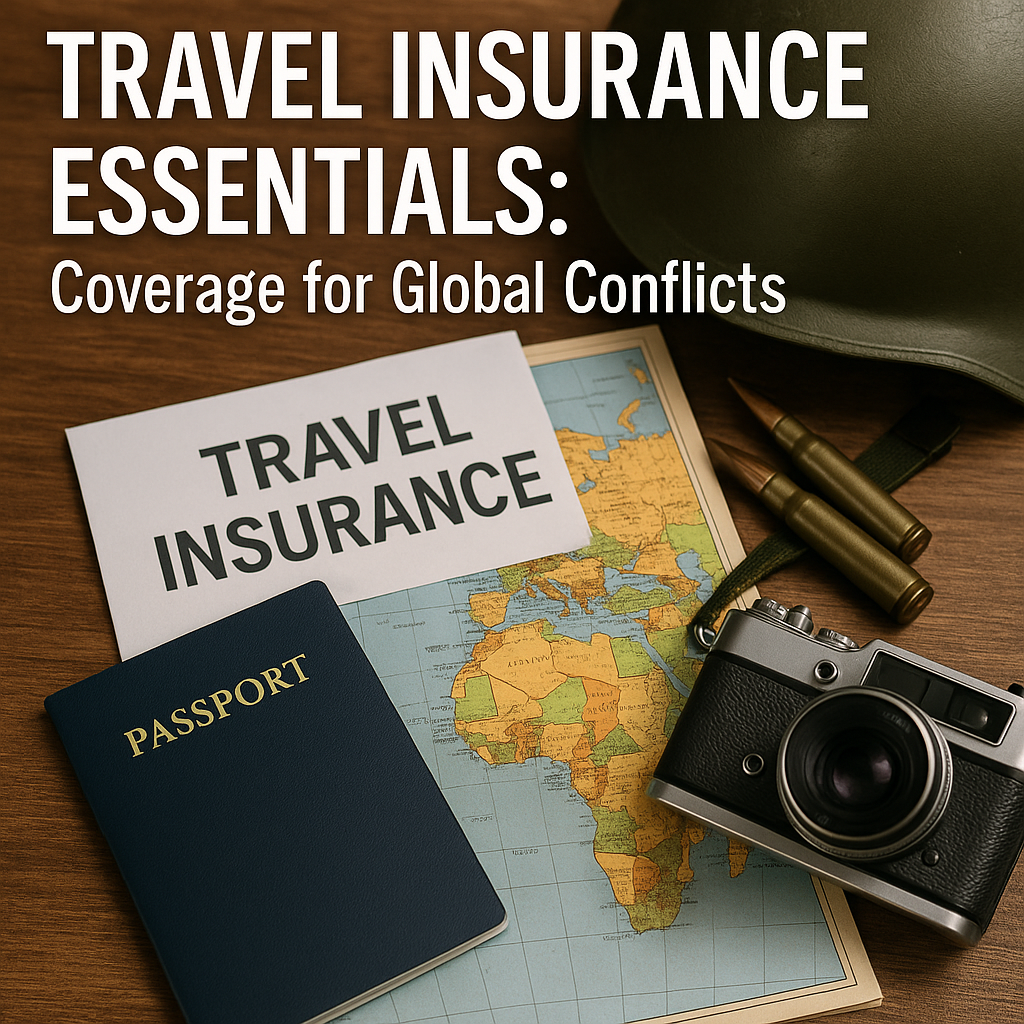
- Travel Insurance Essentials: Global Conflicts
- War Exclusions in Travel Insurance Policies
- Impact of Geopolitical Conflicts on Travel Insurance Claims
- Flight Cancellations and Airspace Closures Due to War
- The Role of Travel Advisory Systems in Insurance Coverage
- Use and Limits of ‘Cancel for Any Reason’ (CFAR) Coverage
- Travel Medical Insurance and War-Related Illnesses
- Understanding Foreseeable Events and Insurance Exclusions
- Booking Flexibility and Refundable Options
- Supplemental Security and Evacuation Coverage
- Comparing Travel Insurance Options for Global Conflicts
- Frequently Asked Questions About Travel Insurance and Global Conflicts
Travel Insurance Essentials: Global Conflicts
Navigating international travel in 2026 demands meticulous preparation, especially concerning unforeseen global events. Understanding your travel insurance policy is paramount.

The recent Iran-Israel conflicts, for example, have underscored critical gaps in standard travel coverage for many individuals, including those transiting through major hubs like Dubai International Airport.
This guide provides an authoritative overview of travel insurance essentials, focusing on coverage during times of global conflict. We will delve into critical aspects of travel protection and how to manage travel risk effectively.
War Exclusions in Travel Insurance Policies
Most standard travel insurance policies contain explicit war exclusion clauses. These exclusions typically deny coverage for events stemming from acts of war, military action, invasion, or civil unrest. This means that if your trip is disrupted due to such events, your trip cancellation or interruption claims are likely to be denied. During recent Middle East conflicts, many travelers, like those affected by the Iran-Israel tensions, faced this reality.
Experts such as Terry Boynton from Yonder Travel Insurance and Suzanne Morrow of InsureMyTrip emphasize that these exclusions are standard practice. They often apply even when the conflict impacts an aviation network indirectly, leading to flight cancellations or rerouted flights. Understanding this policy fine print is crucial for any traveler.
Impact of Geopolitical Conflicts on Travel Insurance Claims
Geopolitical conflicts significantly impact travel insurance claims. The recent Iran-Israel conflicts, for instance, saw travelers facing substantial financial losses, with some evacuation costs reaching up to $20,000. Many insurance claims were denied because the disruptions were linked to war or military action. This highlights the importance of comprehensive travel risk management.

Frank Harrison from World Travel Protection notes that ripple effects, such as airspace closures and flight disruptions, frequently lead to denied claims. Travelers must be aware that even if their direct destination is not a war zone, indirect effects can void their travel coverage. Michael Ryan, an expert in travel protection, advises travelers to meticulously review their policy fine print.
Flight Cancellations and Airspace Closures Due to War
Airspace closures and rerouted flights caused by conflicts, such as those initiated by Iran, frequently result in widespread flight cancellations. Insurers often rely heavily on guidance from the United States Department of State. If your destination is not directly involved in a declared war but is indirectly affected by closed airspace or military action, claims for flight disruptions are often denied.
Michael Giusti of insuranceQuotes.com points out that if the State Department issues a travel advisory, it signals a foreseeable event, further complicating insurance claims. Travelers transiting through major hubs like Dubai International Airport during periods of civil unrest or military action are particularly vulnerable to these flight disruptions.
The Role of Travel Advisory Systems in Insurance Coverage
Travel advisory systems play a critical role in determining travel insurance coverage. Insurers use guidance from the United States Department of State to assess known risks. If a trip is planned to a country with a high-risk alert for civil unrest or military action, it may be considered a foreseeable event. This can lead to exclusions in your travel insurance policy related to war or other related perils.
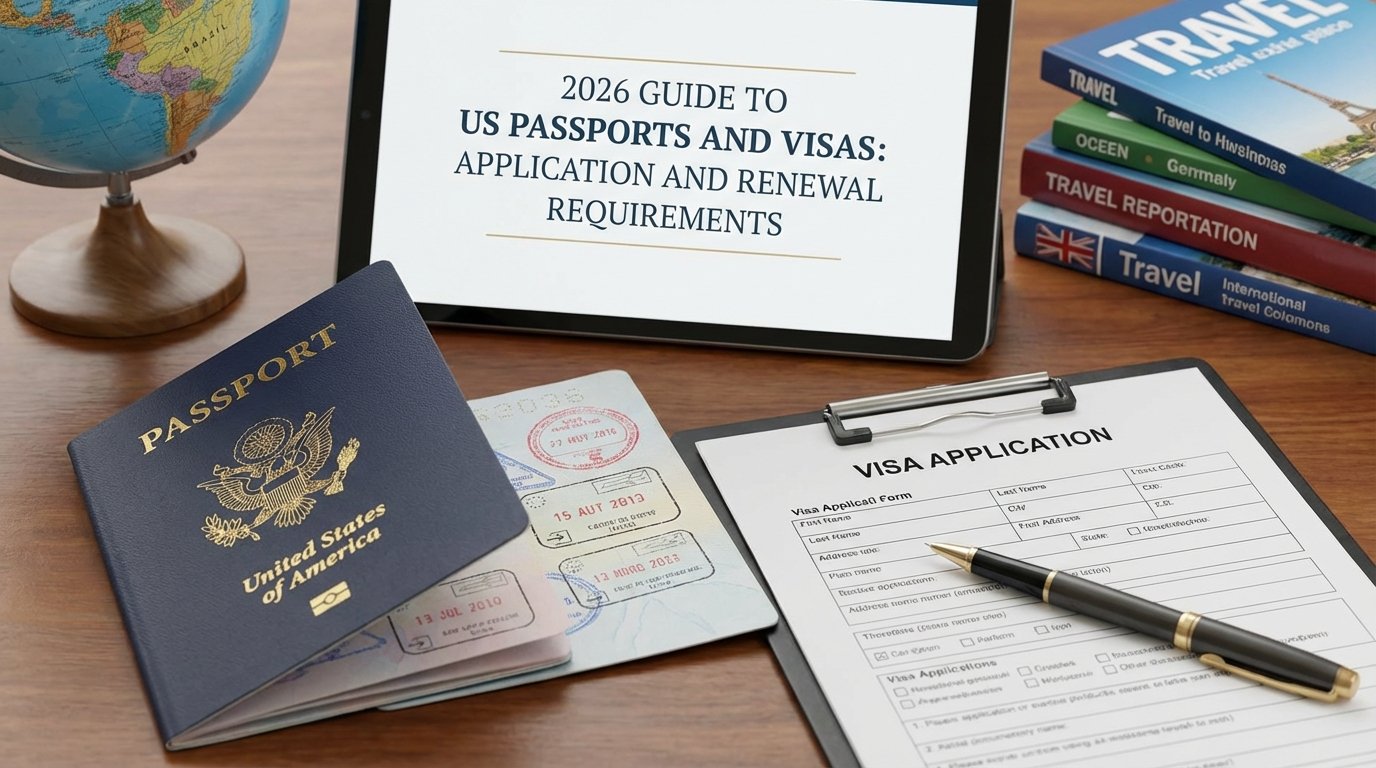
For example, if the United States Department of State issues a “Do Not Travel” advisory for a region due to ongoing Middle East conflict, purchasing travel insurance afterwards will likely not cover issues related to that conflict. Chad Martin, an expert in travel risk, advises travelers to check advisories for countries like Israel, Iran, or even the United Arab Emirates before booking any trip deposit.
Use and Limits of ‘Cancel for Any Reason’ (CFAR) Coverage
‘Cancel for Any Reason’ (CFAR) coverage offers a valuable layer of travel protection, especially in uncertain times. This type of travel insurance allows you to cancel your trip for any reason, including fear of war or civil unrest, and receive a partial reimbursement. Typically, CFAR policies reimburse 50-75% of your nonrefundable costs. However, there are strict eligibility requirements.
You must generally purchase CFAR coverage within 7-21 days of your initial trip deposit, and it often requires insuring 100% of your nonrefundable costs. Paul-Adrien Maizener from Generali Global Assistance highlights CFAR as the most flexible option for travelers concerned about unforeseen events. It provides peace of mind against issues like flight disruptions or changes in State Department guidance, but it’s not a full refund.
Travel Medical Insurance Covering War-Related Illnesses
Emergency medical coverage within travel insurance policies often includes treatment for illnesses or injuries sustained in war or war-like situations. This can be a critical component of traveler safety, especially in regions with elevated travel risk. However, a significant caveat exists: this coverage is typically excluded if war is declared or widely known before you purchase your travel insurance policy or begin your trip.
Aida Takyrbasheva, a travel insurance specialist, explains that insurers consider the increased risk and awareness of conflict at the time of policy purchase. Therefore, while emergency evacuation costs might be covered if a conflict erupts unexpectedly during your trip, coverage would likely be denied if you knowingly travel into an active war zone. Always check the policy fine print for specific conditions related to military action and emergency evacuation.
Expert Insight
“While emergency medical coverage may include war-related injuries, it is typically excluded if you knowingly travel into an active war zone or if the conflict was widely known before your policy purchase; therefore, CFAR and IFAR upgrades are essential as they are often the only protections for situations excluded by standard policies, such as military actions and airspace closures.”, Aida Takyrbasheva, Travel Insurance Specialist
War Exclusions in Travel Insurance Policies
Most standard travel insurance policies contain explicit war exclusion clauses. These clauses typically deny coverage for losses arising from acts of war, military action, invasion, or civil unrest. This is a crucial element of your travel insurance policy to understand.
Studies show that many insurance claims related to warfare, such as those stemming from the recent Iran-Israel conflicts, are denied due to these exclusions. This is particularly true when a conflict affects flight routes or neighboring countries, even if your destination, like the United Arab Emirates or transit hubs such as Dubai International Airport, is not directly involved.
Terry Boynton, president of Yonder Travel Insurance, explains that a single war-related conflict can impact thousands of travelers. Insurance companies cannot afford to pay all those claims simultaneously without risking their stability. This exclusion helps maintain the system’s financial viability and ensures broader travel protection for other foreseeable events.
Impact of Geopolitical Conflicts on Travel Insurance Claims
The ripple effects of geopolitical conflicts, such as the ongoing Middle East conflict, significantly influence travel insurance claims. During recent Iran-Israel conflicts, travelers faced widespread claim denials, particularly for trip cancellation and flight cancellations. Some travelers reported evacuation costs upwards of $20,000, which standard policies often do not cover due to war exclusions.

Frank Harrison of World Travel Protection highlights that airspace closures and flight disruptions caused by such conflicts create a complex web of denied claims. Even if your destination isn’t directly at war, disruptions to the global aviation network can render your travel insurance policy ineffective for trip cancellation or nonrefundable costs.
Flight Cancellations and Airspace Closures Due to War
Airspace closures and rerouted flights caused by actions like Iran’s recent military operations often lead to extensive flight cancellations. Insurers heavily rely on United States Department of State guidance. If a destination is not directly at war but is indirectly affected by closed airspace or a high-risk travel advisory, claims are frequently denied.
Travelers experienced this firsthand when flights through key hubs like Dubai International Airport were disrupted. Understanding the policy fine print regarding flight disruptions and the definition of an “act of war” is essential for effective travel risk management.
The Role of Travel Advisory Systems in Insurance Coverage
Insurers use the U.S. State Department Travel Advisory System to determine known travel risks. Trips to countries with high-risk alerts, especially those related to civil unrest or military action, are often considered foreseeably risky. This foresight can lead to claim exclusions related to war or other related events.

Suzanne Morrow of InsureMyTrip emphasizes that if a warning is issued before you purchase your travel insurance, any related claims are likely to be denied. This underscores the importance of checking State Department guidance before making a trip deposit.
Use and Limits of ‘Cancel for Any Reason’ (CFAR) Coverage
For enhanced travel protection against unforeseen events, including war fears, “Cancel for Any Reason” (CFAR) coverage is a critical option. These policies, which must typically be purchased within 7-21 days of your initial trip deposit, allow you to cancel your trip for virtually any reason, including geopolitical conflicts.
CFAR policies usually reimburse 50-75% of your nonrefundable costs, offering a vital safety net. However, they come with strict eligibility requirements and are more expensive than standard travel insurance. Michael Ryan and Michael Giusti of insuranceQuotes.com consistently advise travelers to review the CFAR policy fine print carefully.
Travel Medical Insurance Covering War-Related Illnesses
While war exclusions are common for trip cancellation, emergency medical coverage within a travel insurance policy often includes treatment for illnesses or injuries sustained in war or war-like situations. This is a key distinction for traveler safety.
However, a crucial caveat exists: coverage is typically excluded if a war is officially declared before you begin your travel. This is because the increased risk and awareness of conflict at the time of policy purchase make it a foreseeable event. Paul-Adrien Maizener of Generali Global Assistance advises understanding these nuances when managing your travel risk.
Expert Insight
“Standard travel insurance policies almost always exclude acts of war, meaning that Cancel For Any Reason (CFAR) coverage is often the only way to protect your investment against military unrest or airspace closures.”, Industry Analyst
Impact of Geopolitical Conflicts on Travel Insurance Claims
Geopolitical conflicts significantly influence travel insurance claims, often leaving travelers without recourse. During the recent Iran-Israel conflicts, many individuals, like Aida Takyrbasheva, found their travel insurance policies void and claims denied. She was in the United Arab Emirates when airspace across the Middle East closed abruptly, severely impacting flights from Dubai International Airport.
Frank Harrison, regional security director for the Americas at World Travel Protection, highlighted that travelers without specialist travel risk management services faced substantial emergency evacuation costs, sometimes reaching up to $20,000. These nonrefundable costs can quickly deplete savings, underscoring the importance of understanding your travel coverage.
The ripple effects of such conflicts, including widespread airspace closures and flight cancellations, fundamentally alter claim outcomes. Michael Ryan and Michael Giusti of insuranceQuotes.com emphasize that these indirect impacts, such as flight disruptions due to a closed aviation network, frequently lead to claim denials under standard travel insurance policies.
Many insurance claims related to warfare, such as those stemming from the recent Iran-Israel conflicts, are denied due to specific war exclusion clauses. These clauses typically deny coverage for losses arising from acts of war, military action, invasion, or civil unrest, even if your destination is not directly involved but affected by the Middle East conflict.
The United States Department of State guidance plays a critical role here. If the destination is not directly at war but affected indirectly, for example, by rerouted flights or closed airspace, claims are often denied. Travelers need to check the policy fine print regarding foreseeably risky events and State Department travel advisories.
For those concerned about potential civil unrest or military action, “Cancel for Any Reason” (CFAR) coverage offers a vital alternative. This type of travel protection allows you to cancel your trip for any reason, including fears related to the Iran-Israel conflict or other geopolitical tensions. CFAR policies typically reimburse 50-75% of your nonrefundable costs, such as your trip deposit, but must be purchased within 7-21 days of that initial deposit.
It is crucial to note that while standard trip cancellation coverage often includes insurance exclusions for acts of war, emergency medical coverage may offer more flexibility. Travel medical insurance often covers treatment for illnesses or injuries sustained in war or war-like situations. However, this coverage typically excludes situations where war is declared or ongoing before you purchase your travel insurance policy, as the risk would be considered foreseeable.
Expert Insight
“While standard trip cancellation coverage often includes insurance exclusions for acts of war, ‘Cancel for Any Reason’ (CFAR) coverage offers a vital alternative, though it typically requires purchase within 21 days of your initial trip deposit to reimburse nonrefundable costs.”, Industry Travel Specialist
Flight Cancellations and Airspace Closures Due to War
Airspace closures and rerouted flights caused by military actions, such as those initiated by Iran, frequently lead to widespread flight cancellations and disruptions across the aviation network. This directly impacts your travel plans and potential insurance claims.
During the recent Middle East conflict involving Iran and Israel, many travelers, including those transiting through Dubai International Airport, experienced severe flight disruptions. These events underscore a critical aspect of travel risk management: understanding how your travel insurance policy responds to such crises.
Insurers often rely on guidance from the United States Department of State. If a destination is not directly at war but is indirectly affected, for instance, by a closed airspace impacting connecting flights, claims are frequently denied under the war exclusion clause. Frank Harrison of World Travel Protection emphasizes that even if you are far from the direct conflict zone, your travel coverage can be voided.
This situation highlights the importance of understanding the policy fine print. Suzanne Morrow, CEO of InsureMyTrip, notes that major geopolitical events consistently lead to spikes in inquiries about travel protection. Travelers like Aida Takyrbasheva, who was in the United Arab Emirates when airspace across the Middle East closed abruptly, found their insurance claims denied, demonstrating the financial vulnerability when an act of war impacts your itinerary.
Studies show that many insurance claims related to warfare are denied due to these exclusions, especially when the conflict affects flight routes or neighboring countries. Emergency evacuation costs can reach up to $20,000 in such scenarios, making robust travel insurance essential for traveler safety.
The Role of Travel Advisory Systems in Insurance Coverage
Understanding your travel insurance policy in 2026 requires close attention to international advisories. Insurers, including those working with Generali Global Assistance, heavily rely on the United States Department of State Travel Advisory System to assess known risks.
When the State Department issues high-risk alerts, particularly Level 3 (reconsider travel) or Level 4 (do not travel), for a destination, any travel to that country is often considered a foreseeable event. This is critical for your travel risk management.
This foreseeability can lead to significant insurance exclusions for claims related to civil unrest, military action, or war. For example, if you plan a trip to a region with ongoing conflicts or heightened tensions, such as parts of Mexico or Venezuela, your travel coverage might be severely limited or entirely void.
Paul-Adrien Maizener of Generali Global Assistance stresses that these advisories are crucial for determining policy applicability. Always check the latest State Department guidance for your destination before purchasing travel insurance to understand potential war exclusion clauses.
Suzanne Morrow from InsureMyTrip and Michael Giusti of insuranceQuotes.com consistently advise travelers to consult these warnings. If a travel insurance policy is purchased after a Level 3 or 4 advisory is issued for war or civil unrest, related claims for flight cancellations, emergency evacuation, or nonrefundable costs are highly likely to be denied.
This also applies to ripple effects, such as closed airspace or flight disruptions impacting major hubs like Dubai International Airport, even if your final destination is not directly under a Level 4 alert. The Middle East conflict involving Iran and Israel highlighted how quickly the aviation network can be affected, leading to widespread flight disruptions.
Use and Limits of ‘Cancel for Any Reason’ (CFAR) Coverage
For travelers seeking maximum flexibility, Cancel for Any Reason (CFAR) coverage offers a robust solution, especially when facing concerns about civil unrest or military action. This optional upgrade allows you to cancel your trip for virtually any reason, including fears of war or civil unrest, even if standard travel insurance policies would include a war exclusion.
CFAR policies typically reimburse 50% to 75% of your nonrefundable costs, such as your trip deposit or nonrefundable flight costs. This can be crucial during times of geopolitical conflict, like the recent Iran-Israel conflicts, which have led to significant flight cancellations and widespread travel disruptions. However, strict eligibility requirements apply. You usually must purchase CFAR within 7 to 21 days of your initial trip deposit, and you must insure 100% of your prepaid nonrefundable trip costs.
Chad Martin, an expert on travel risk management, advises travelers to consider CFAR for complex itineraries or destinations with potential political instability, such as those in the Middle East conflict zone. This type of travel protection can offer peace of mind when official State Department guidance might not fully cover indirect impacts like closed airspace or the ripple effects on the aviation network, even for transit hubs like Dubai International Airport.
Travel Medical Insurance and War-Related Illnesses
Emergency medical coverage within standard travel insurance policies can sometimes extend to treatment for illnesses or injuries sustained in war or war-like situations. However, this critical travel protection typically applies only if the conflict was not declared or widely known before your policy’s effective date.
If military action or war is declared or becomes a foreseeable event before you purchase your travel insurance policy and begin your travel, coverage for war-related medical emergencies is often excluded. This is due to the increased risk and awareness of conflict at the time of policy purchase, aligning with standard insurance exclusions for known perils.
Traveler safety is a primary concern for companies like Yonder Travel Insurance, but a pre-existing conflict often negates specific medical protections related to an act of war. Always review the policy fine print carefully to understand the scope of your emergency medical coverage, especially concerning the war exclusion clause. Frank Harrison of World Travel Protection emphasizes the importance of understanding these nuances.
Many individuals, including those transiting through major hubs like Dubai International Airport, learned this lesson during the recent Iran-Israel conflicts. While emergency evacuation costs might be covered under specific riders, general medical treatment for war-related injuries often falls under the war exclusion if the conflict was already active.
Understanding Foreseeable Events and Insurance Exclusions
The concept of foreseeable events is central to how travel insurance policies operate, especially concerning geopolitical conflicts. If a conflict, political instability, or other major event has already occurred or is widely reported before you purchase your travel insurance policy, it is generally considered foreseeable.
In such cases, standard travel insurance policies will likely exclude claims related to that event. This means if you book a trip to Israel or Iran after a conflict has begun, your policy may not cover disruptions like flight cancellations or emergency evacuation costs.
This principle applies to various travel risks, from natural disasters to civil unrest. Always secure your travel protection early to maximize your coverage options against unforeseen circumstances.
War Exclusions in Travel Insurance Policies
Most standard travel insurance policies explicitly contain war exclusion clauses. These clauses typically exclude acts of war, military action, invasion, or civil unrest from trip cancellation coverage. During recent Iran-Israel conflicts, many travelers, like those transiting through Dubai International Airport, faced claim denials due to these specific insurance exclusions.
Studies show that many claims related to warfare are denied, especially when the conflict affects flight routes or neighboring countries. This highlights the critical importance of understanding the policy fine print before travel, as noted by experts such as Michael Giusti of insuranceQuotes.com.
Impact of Geopolitical Conflicts on Travel Insurance Claims
Geopolitical conflicts significantly impact travel insurance claims. During recent Middle East conflicts, such as those involving Iran and Israel, travelers faced not only claim denials but also substantial evacuation costs, sometimes up to $20,000. Experts like Terry Boynton of Yonder Travel Insurance emphasize that ripple effects, including airspace closures and flight disruptions, significantly influence claim outcomes.
Even if your destination is not directly involved, the wider aviation network can be affected, leading to extensive flight cancellations. This underscores why careful travel risk management is essential for traveler safety.
Flight Cancellations and Airspace Closures Due to War
Airspace closures and rerouted flights caused by military action, like recent events involving Iran, frequently lead to flight cancellations. Insurers often rely on United States Department of State guidance; if a destination is not directly at war but indirectly affected, claims are often denied. Frank Harrison of World Travel Protection regularly advises clients on these complex scenarios.
These disruptions can result in significant nonrefundable costs for travelers. Understanding what constitutes an “act of war” in your policy is crucial for anticipating potential insurance claims related to such events.
The Role of Travel Advisory Systems in Insurance Coverage
Insurers widely use the United States Department of State Travel Advisory System to determine known risks. Trips to countries with high-risk alerts, such as those experiencing civil unrest or military action, are often considered foreseeably risky. This can lead to claim exclusions related to war or other major events.
Suzanne Morrow of InsureMyTrip advises travelers to consult these advisories before purchasing a policy, as they directly influence what travel coverage will be available. Ignoring these warnings can severely limit your travel protection.
Use and Limits of ‘Cancel for Any Reason’ (CFAR) Coverage
For travelers concerned about unforeseen conflicts, ‘Cancel for Any Reason’ (CFAR) coverage offers a valuable alternative. These policies, which must typically be purchased within 7-21 days of your initial trip deposit, allow you to cancel your trip for virtually any reason, including fears of war or civil unrest.
CFAR policies usually reimburse 50-75% of your nonrefundable costs. However, they have strict eligibility requirements and are often more expensive than standard policies. Paul-Adrien Maizener of Generali Global Assistance highlights CFAR as a critical tool for comprehensive travel risk management in an unpredictable global landscape.
Travel Medical Insurance Covering War-Related Illnesses
Emergency medical coverage within standard travel insurance policies can sometimes extend to treatment for illnesses or injuries sustained in war or war-like situations. However, this critical travel protection typically applies only if the conflict was not declared or widely known before your policy’s effective date.
If military action or war is declared or becomes a foreseeable event before you purchase your travel insurance, medical coverage related to that specific conflict is usually excluded. Chad Martin, an expert in travel insurance, stresses the importance of understanding these distinctions for any traveler considering destinations with elevated political risk.
Booking Flexibility and Refundable Options
When planning international travel, particularly to regions with potential geopolitical tensions or the risk of civil unrest, prioritizing booking flexibility and refundable options is crucial. While travel insurance provides a vital safety net, fully refundable flights and accommodations offer direct financial protection against unforeseen events like flight cancellations or closed airspace.
This proactive strategy minimizes your nonrefundable costs, significantly reducing your overall financial exposure. Many airlines and hotels offer flexible booking options, though these often come at a higher price point. Consider this trade-off between cost and flexibility, especially for destinations with a higher travel risk, such as those affected by the Middle East conflict or where State Department guidance indicates increased peril.
This approach complements any travel insurance policy you hold, offering an additional layer of travel protection. For instance, if you book a trip to the United Arab Emirates, planning to transit through Dubai International Airport, and new military action erupts, having refundable bookings can save you from significant losses, even before considering insurance claims.
The Role of Travel Advisory Systems in Insurance Coverage
Insurers heavily rely on the U.S. State Department Travel Advisory System to assess known risks. Trips to countries with high-risk alerts, indicating civil unrest, political instability, or the potential for military action, are often considered foreseeably risky. This can lead to claim exclusions related to war or other major events.
For example, if the United States Department of State issues a Level 3 or 4 advisory for a country like Iran or Israel before you purchase your travel insurance policy, any subsequent events related to the conflict would likely be deemed foreseeable. This significantly impacts your travel coverage for trip cancellation or interruption.
Understanding Foreseeable Events and Insurance Exclusions
The concept of foreseeable events is central to how travel insurance policies operate, especially concerning geopolitical conflicts. If a conflict, political instability, or other major event has already occurred or is widely reported before you purchase your travel insurance policy, it is generally considered foreseeable. In such cases, standard travel insurance policies will likely exclude claims related to these events.
This principle was starkly highlighted during recent Iran-Israel conflicts, where many travelers with existing policies found their claims denied. Experts like Michael Ryan and Michael Giusti of insuranceQuotes.com emphasize that if a conflict is public knowledge, it’s difficult to claim it was unforeseen. This applies to events like military action, civil unrest, or even significant flight disruptions due to an aviation network being impacted.
War Exclusions in Travel Insurance Policies
Most standard travel insurance policies explicitly contain a war exclusion clause, which denies coverage for acts of war, military action, invasion, or civil unrest. This means that if your trip is disrupted due to a war or war-like event, your trip cancellation or interruption benefits may not apply. Studies show many claims related to warfare are denied due to these exclusions, especially when the conflict affects flight routes or neighboring countries.
Terry Boynton of Yonder Travel Insurance and Suzanne Morrow of InsureMyTrip frequently advise travelers that these exclusions are standard. For instance, if you had a trip planned to the Middle East and military action led to closed airspace over Dubai International Airport, your standard travel insurance policy might not cover your flight cancellations or nonrefundable costs if the war exclusion applies.
Impact of Geopolitical Conflicts on Travel Insurance Claims
During recent Iran-Israel conflicts, travelers faced significant challenges, with many experiencing claim denials and unexpected evacuation costs. Competitors note ripple effects such as airspace closures and flight cancellations significantly influence claim outcomes. For example, some travelers reported evacuation costs up to $20,000, which standard policies often did not cover due to war exclusions or foreseeable event clauses.
Frank Harrison from World Travel Protection and Paul-Adrien Maizener of Generali Global Assistance underline that even if a destination is not directly at war, indirect impacts like flight disruptions or closed airspace can lead to denied insurance claims. This underscores the importance of thorough travel risk management and understanding your policy fine print.
Flight Cancellations and Airspace Closures Due to War
Airspace closures and rerouted flights caused by conflicts, such as those stemming from Iran’s actions, frequently lead to flight cancellations. Insurers often rely on State Department guidance; if your destination is not directly involved in a war but is affected indirectly by military action or civil unrest (e.g., due to its proximity to the Middle East conflict), claims are often denied.
The aviation network can be severely impacted, leading to widespread flight disruptions. For travelers whose trips involve transit through major hubs like Dubai International Airport, these closures can strand them, leading to significant nonrefundable costs if their travel protection doesn’t specifically address such scenarios.
Use and Limits of ‘Cancel for Any Reason’ (CFAR) Coverage
For those concerned about geopolitical tensions, ‘Cancel for Any Reason’ (CFAR) coverage offers a crucial layer of travel protection. CFAR policies, which must typically be purchased within 7-21 days of your initial trip deposit, allow you to cancel your trip for any reason, including fears of war, civil unrest, or military action.
While CFAR policies provide unparalleled flexibility, they usually reimburse only 50-75% of your nonrefundable costs and have strict eligibility requirements. Chad Martin advises that this coverage is particularly valuable for destinations with a higher travel risk, offering peace of mind against unforeseen events that standard travel insurance policies might exclude.
Travel Medical Insurance Covering War-Related Illnesses
Emergency medical coverage within travel insurance often includes treatment for illnesses or injuries sustained in war or war-like situations. However, this coverage typically excludes situations where war is declared or widely known before travel begins, due to the increased risk and awareness of conflict at the time of policy purchase.
It’s vital to review the policy fine print. While emergency evacuation might be covered, significant evacuation costs related to an act of war or ongoing military action could be excluded if the conflict was foreseeable. Travelers heading to regions with potential unrest, even for business, should understand these nuances for their traveler safety.
Supplemental Security and Evacuation Coverage
For travel to high-risk areas, standard travel insurance may be insufficient. Supplemental security and evacuation coverage can provide critical protection, particularly for emergency evacuation costs. This is especially relevant given recent events like the Iran-Israel conflicts, which highlighted the need for robust traveler safety measures.
These specialized policies are designed for situations where standard emergency evacuation for medical reasons is not enough. They can cover extraction from a dangerous zone due to civil unrest, military action, or a United States Department of State guidance alert. For instance, if you are caught in a region experiencing military action, your emergency evacuation would be covered.
Providers like World Travel Protection, as highlighted by experts such as Frank Harrison, offer services that go beyond typical travel protection, focusing on comprehensive political risk management. This is vital for maintaining traveler safety in volatile regions, particularly in areas like the Middle East conflict zones, where flight disruptions and closed airspace can complicate travel plans.
War Exclusions in Travel Insurance Policies
Most standard travel insurance policies explicitly contain war exclusion clauses. These clauses typically exclude coverage for trip cancellation, interruption, or medical expenses arising from acts of war, military action, invasion, or civil unrest. This means that if your trip is affected by such events, as seen during the Iran-Israel conflicts, your insurance claims may be denied.
Studies show that many claims related to warfare are denied due to these exclusions, especially when the conflict affects flight routes or neighboring countries. For example, if you had a trip planned through Dubai International Airport during a period of active military action, your standard policy might not cover your nonrefundable costs if you cancelled due to the conflict.
Impact of Geopolitical Conflicts on Travel Insurance Claims
Geopolitical conflicts, such as the recent Iran-Israel tensions, significantly impact travel insurance claims. Travelers caught in affected regions have faced substantial financial losses, with evacuation costs alone potentially reaching up to $20,000. Michael Ryan, an expert in travel risk management, emphasizes how the ripple effects, including airspace closures and flight cancellations, directly influence claim outcomes.
For instance, an unforeseen escalation in the Middle East conflict can lead to widespread flight disruptions, leaving travelers stranded or facing significant nonrefundable costs. Insurance providers like Yonder Travel Insurance, represented by Terry Boynton, often highlight the importance of understanding these specific insurance exclusions before purchasing a travel insurance policy.
Flight Cancellations and Airspace Closures Due to War
Airspace closures and rerouted flights caused by conflicts, such as those stemming from Iran’s actions, frequently lead to flight cancellations. During periods of heightened tension, like the recent events involving Iran and Israel, the aviation network can be severely disrupted. Airlines may cancel flights to ensure traveler safety, leaving passengers to manage nonrefundable costs themselves.
Insurers often rely on United States Department of State guidance to assess risk. If a destination is not directly at war but is affected indirectly by a nearby conflict, such as the United Arab Emirates being impacted by the Middle East conflict, claims for flight disruptions might still be denied under war exclusion clauses, unless specific supplemental coverage is in place.
The Role of Travel Advisory Systems in Insurance Coverage
Travel advisory systems, particularly the United States Department of State Travel Advisory System, play a critical role in how insurers determine known risks. If a country, such as Mexico or Venezuela, has a high-risk alert due to civil unrest or political instability, trips planned to these destinations are often considered foreseeably risky. This can lead to claim exclusions related to war or civil unrest.
Suzanne Morrow of InsureMyTrip advises travelers to meticulously check these advisories before booking. If a travel insurance policy is purchased after a Level 3 or 4 advisory is issued, any subsequent insurance claims related to the advisory’s stated risks, like military action or civil unrest, are highly likely to be denied. This underscores the need for proactive travel risk management.
Use and Limits of ‘Cancel for Any Reason’ (CFAR) Coverage
For travelers concerned about the unpredictable nature of global conflicts, ‘Cancel for Any Reason’ (CFAR) coverage offers a crucial layer of protection. This specialized travel protection allows you to cancel your trip for any reason, including fears of war, civil unrest, or even simply changing your mind. However, CFAR policies typically reimburse only 50-75% of your nonrefundable costs, not 100%.
To be eligible, CFAR coverage usually must be purchased within 7 to 21 days of your initial trip deposit. Michael Giusti of insuranceQuotes.com emphasizes that these policies have strict eligibility requirements and are more expensive than standard travel insurance. While it offers flexibility against unforeseen events like a sudden Middle East conflict, it’s not a full refund guarantee for your trip deposit.
Travel Medical Insurance Covering War-Related Illnesses
Emergency medical coverage within travel insurance policies often includes treatment for illnesses or injuries sustained in war or war-like situations. However, there’s a critical caveat: this coverage typically excludes situations where war is declared or widely known before travel begins. If you purchase a policy knowing a region is experiencing military action, your coverage for war-related incidents may be void.
This distinction is crucial for traveler safety. While you might be covered for an unexpected medical emergency in a stable region, a deliberate trip into an active conflict zone like Iran or Israel after a war has been declared might not be. Paul-Adrien Maizener of Generali Global Assistance stresses the importance of understanding this policy fine print to avoid unexpected out-of-pocket evacuation costs.
Comparing Travel Insurance Options for Global Conflicts
Selecting the right travel insurance policy requires careful comparison, especially when anticipating global conflicts. Different policies offer varying levels of travel coverage and have distinct insurance exclusions. Understanding these nuances is crucial for effective travel risk management. The table below outlines key considerations.
| Feature | Standard Travel Insurance | Cancel for Any Reason (CFAR) | Specialized High-Risk Policy |
|---|---|---|---|
| War Exclusion | Generally Excluded | May be Covered (50-75% reimbursement) | Often Covered with specific conditions |
| Civil Unrest | Generally Excluded | May be Covered | Often Covered |
| Flight Cancellations (War-related) | Denied if war exclusion applies | Covered if CFAR invoked | Covered, including for closed airspace |
| Emergency Evacuation Costs | Limited, often excludes war | Not typically primary coverage | Comprehensive, including political evacuation |
| Medical Coverage (War-related) | Excludes if conflict is foreseeable | Not primary medical coverage | Often includes specific war-related injury/illness |
| Trip Deposit Reimbursement | Specific covered reasons only | 50-75% for any reason | Depends on policy, often broader |
War Exclusions in Travel Insurance Policies
Most standard travel insurance policies explicitly exclude acts of war, military action, invasion, or civil unrest from trip cancellation coverage. This “war exclusion” clause means that if your trip is disrupted by events like the recent Iran-Israel conflicts, your claim for nonrefundable costs may be denied. Michael Giusti of insuranceQuotes.com advises, “Always read the policy fine print. The devil is truly in the details when it comes to war exclusions and travel insurance claims.”
Impact of Geopolitical Conflicts on Travel Insurance Claims
Geopolitical conflicts significantly impact travel insurance claims. During recent Iran-Israel conflicts, many travelers faced claim denials and unexpected evacuation costs, sometimes exceeding $20,000. These ripple effects, such as airspace closures and flight cancellations, heavily influence whether a claim is approved. For example, disruptions impacting major aviation network hubs like Dubai International Airport can lead to widespread flight disruptions and denied claims, as noted by experts like Aida Takyrbasheva.
Flight Cancellations and Airspace Closures Due to War
Airspace closures and rerouted flights, often caused by military action or civil unrest, frequently lead to flight cancellations. Insurers typically rely on United States Department of State guidance. If your destination is not directly at war but is affected indirectly by a Middle East conflict, such as through closed airspace, claims related to these flight disruptions are often denied under the war exclusion. This was a common issue during the Iran-Israel tensions.
The Role of Travel Advisory Systems in Insurance Coverage
Insurers use travel advisory systems, such as the United States Department of State Travel Advisory System, to determine known risks. If you plan a trip to countries with high-risk alerts, especially related to civil unrest or foreseeable events like military action, your travel insurance policy may exclude coverage for incidents stemming from these known perils. Suzanne Morrow of InsureMyTrip emphasizes the importance of checking State Department guidance before booking any travel, particularly to regions like the United Arab Emirates or Israel.
Use and Limits of ‘Cancel for Any Reason’ (CFAR) Coverage
Cancel for Any Reason (CFAR) coverage offers a more flexible option for travel protection against unforeseen global conflicts. This specialized travel insurance policy allows you to cancel your trip for any reason, including fears of war or civil unrest. However, CFAR policies usually reimburse only 50-75% of your nonrefundable costs and have strict eligibility requirements, typically needing to be purchased within 7-21 days of your initial trip deposit. Chad Martin of Yonder Travel Insurance highlights CFAR as a critical tool for traveler safety in uncertain times.
Travel Medical Insurance Covering War-Related Illnesses
Emergency medical coverage within a travel insurance policy often includes treatment for illnesses or injuries from war or war-like situations. However, this coverage typically excludes situations where war is declared or foreseeable before your travel begins or your policy is purchased. This distinction is crucial, as policies are designed to cover unexpected events, not known or pre-existing conflicts. Frank Harrison of World Travel Protection notes that specialized high-risk policies are more likely to offer comprehensive medical coverage for war-related injuries, even in areas with active military action.
Terry Boynton from Yonder Travel Insurance adds, “For high-risk destinations, standard emergency evacuation may not be enough. You need specific political evacuation coverage to ensure your traveler safety.”
Frequently Asked Questions About Travel Insurance and Global Conflicts
Does travel insurance cover war-related flight disruptions?
Standard travel insurance policies almost universally include a war exclusion clause. This means that flight disruptions, such as those impacting Dubai International Airport due to the ongoing Middle East conflict involving Iran and Israel, are typically not covered. Claims for cancellations or delays stemming from military action or civil unrest are often denied.
However, if you are concerned about potential flight cancellations or closed airspace due to geopolitical events, Cancel for Any Reason (CFAR) coverage offers a crucial alternative. This allows you to cancel your trip for any reason, including fears of war or military action, and receive reimbursement for 50-75% of your nonrefundable costs. Remember, CFAR has strict eligibility requirements and must usually be purchased soon after your initial trip deposit.
What if the U.S. State Department issues a travel advisory for my destination?
The United States Department of State issues travel advisories that significantly impact your travel insurance policy. If the U.S. State Department issues a high-level advisory (Level 3: Reconsider Travel or Level 4: Do Not Travel) for your destination *before* you purchase your policy, any related disruptions, including those from civil unrest or war, may be considered foreseeable events. This often leads to insurance exclusions for claims related to those specific risks.
Always check the latest State Department guidance before buying travel protection. As experts like Suzanne Morrow from InsureMyTrip advise, understanding these advisories is a critical component of effective travel risk management.
Can I get medical coverage if I get injured in a war zone?
Emergency medical coverage within standard travel insurance policies may cover war-related illnesses or injuries, but with a significant caveat: the conflict must *not* have been declared or widely known before your policy’s effective date. If the conflict is considered foreseeable, such as the current Iran-Israel situation, coverage for such incidents is typically excluded due to the inherent increased risk.
For destinations with elevated risks of civil unrest or military action, specialized high-risk policies, often including emergency evacuation and evacuation costs, may offer broader coverage. Experts like Frank Harrison from World Travel Protection frequently highlight the importance of understanding the policy fine print regarding medical care in high-risk areas.
Is it worth buying ‘Cancel for Any Reason’ coverage?
If you are concerned about potential geopolitical conflicts, flight cancellations, or other unforeseen events that could disrupt your plans, Cancel for Any Reason (CFAR) coverage can be a highly valuable investment. As Aida Takyrbasheva and other experts note, CFAR allows you to cancel your trip for virtually any reason, including fears of military action, closed airspace, or even general concerns about traveler safety.
This coverage typically reimburses 50-75% of your nonrefundable costs. To be eligible, you usually need to purchase CFAR within 7-21 days of your initial trip deposit. Michael Giusti from insuranceQuotes.com often emphasizes that while it costs more, the flexibility and peace of mind it offers for travel risk management are often worth the extra premium, especially in an unpredictable global climate.
Who are some key experts in travel insurance for global conflicts?
Navigating travel insurance during times of global conflict requires expert insight. Key professionals providing critical guidance include Terry Boynton from Yonder Travel Insurance, who offers deep analysis on war exclusion clauses; Frank Harrison from World Travel Protection, specializing in emergency evacuation and travel protection in high-risk zones; and Suzanne Morrow from InsureMyTrip, who advises on understanding insurance claims and policy fine print.
Additionally, Michael Giusti from insuranceQuotes.com provides valuable insights into the nuances of travel insurance policy during periods of civil unrest and international tensions. These experts are crucial resources for understanding insurance exclusions, foreseeable events, and ensuring comprehensive travel coverage for destinations impacted by situations like the Middle East conflict.