
Table of Contents
- Global Travel Advisory and U.S. Government Warnings
- Travel Disruptions and Airspace Closures
- Risks of Targeted Attacks on U.S. Interests Abroad
- Travel Insurance Coverage During Global Tensions
- Preparation and Planning for Safe Travel
- How to Handle Flight Cancellations and Being Stuck Abroad
- Global Travel Advisory and U.S. Government Warnings
- Travel Disruptions and Airspace Closures
- Risks of Targeted Attacks on U.S. Interests Abroad
- Travel Insurance Coverage During Global Tensions
- Preparation and Planning for Safe Travel
- How to Handle Flight Cancellations and Being Stuck Abroad
- Essential Travel Safety Measures for Americans Abroad
- Understanding U.S. Travel Advisory Levels
- Frequently Asked Questions Amid Global Tensions
Navigating Travel Advisories and U.S. Government Warnings
The U.S. Department of State issued a worldwide caution alert on March 22, 2026, urging Americans abroad to exercise increased caution globally. This directive is particularly critical for U.S. citizens in the Middle East, where geopolitical tensions continue to escalate. Since February 28, over 70,000 Americans have departed the Middle East, a direct response to growing conflict concerns.

The United States government is actively facilitating evacuation flights and has updated numerous travel advisories for various regions. These security updates are crucial for ensuring the safety of U.S. interests and citizens overseas. For the latest information, U.S. citizens should regularly consult TravelGov and enroll in the Smart Traveler Enrollment Program (STEP).
Travel Disruptions and Airspace Closures
International travel is currently facing significant challenges due to periodic airspace closures and increased security alerts. Airlines and U.S. authorities have issued warnings about potential flight cancellations and delays, particularly affecting routes through conflict zones such as the Middle East. These travel disruptions can severely impact international travel plans, leading to unforeseen complications for travelers.
Major international hubs, including JFK Airport, could experience ripple effects from these disruptions. Monitoring real-time security updates and flight information from sources like USA TODAY and Fox News is vital for anyone traveling overseas.
Risks of Targeted Attacks on U.S. Interests Abroad
The current climate of geopolitical tensions elevates the risk of targeted attacks on U.S. interests or locations associated with Americans worldwide. Groups supportive of Iran, for example, have demonstrated capabilities to threaten U.S. interests. U.S. diplomatic facilities, including the U.S. embassy, have been targets in the past, underscoring the need for heightened security vigilance for Americans abroad.
From Tehran to the United Arab Emirates, U.S. citizens must remain aware of their surroundings and monitor local security alerts. The U.S. Department of State consistently provides information regarding potential terrorist threats and security concerns.
Travel Insurance Coverage During Global Tensions
Understanding your travel insurance coverage is more critical than ever. Many policies offer protection against terrorist attacks, weather related issues, injuries, and illnesses. However, it is imperative to review policy details carefully, as coverage may exclude government mandated bans, similar to those seen during the COVID-19 pandemic.
‘Cancel anytime’ policies, while offering significant flexibility without requiring justification, vary in what they cover specifically for war or government restrictions. Laura Morillo, a Deluca Luxury Travel Designer, emphasizes the importance of scrutinizing policy documents to understand limitations, especially concerning evacuation flights or extended stays due to unforeseen circumstances.
Preparation and Planning for Safe Travel
Effective preparation is the cornerstone of safe international travel during periods of increased caution. Experts recommend planning trips 4-6 months in advance, utilizing professional travel advisors, and prioritizing travel safety over cost. Registering with the U.S. embassy or consulate in your destination country via the Smart Traveler Enrollment Program (STEP) is a non-negotiable step for U.S. citizens.
Continuously monitoring official travel advisories through the U.S. Department of State channels, including TravelGov, is essential. Stay informed via reliable news sources and official government alerts to navigate potential dangers effectively. This proactive approach helps mitigate risks associated with geopolitical tensions and unexpected events.
How to Handle Flight Cancellations and Being Stuck Abroad
Should your international travel plans be disrupted by flight delays or cancellations, prompt action is crucial. If flights are grounded, consider immediate options such as waiting for rescheduled flights, or seeking alternative transportation to neighboring countries or airports. Contacting your travel insurance hotline services for emergency assistance should be a priority.
It is vital to recognize that not all travel insurance policies cover evacuation flights. Therefore, pre-arranged emergency plans and readily accessible resources, including contact information for the U.S. embassy and family, are paramount. Utilize communication platforms like WhatsApp or X (formerly Twitter) for rapid updates and to stay connected with loved ones and official channels.
Expert Insight
“The cost of emergency medical transportation can run into the tens of thousands of dollars or more, especially if you’re in a remote destination, reaching up to $225,000 for evacuations from Asia or Australia.”, Daniel Durazo, Allianz Global Assistance
Global Travel Advisory and U.S. Government Warnings
The U.S. Department of State issued a significant worldwide caution alert on March 22, 2026. This security alert urged Americans abroad to exercise increased caution globally, with a particular emphasis on the Middle East due to escalating geopolitical tensions. Such warnings are critical for U.S. citizens traveling overseas.
Official U.S. government warnings are not new, the Department of State consistently monitors global conditions. However, this particular travel advisory highlights the heightened geopolitical tensions currently impacting international travel and U.S. interests.
Since February 28, 2026, over 70,000 Americans have already departed the Middle East due to ongoing conflict concerns, as reported by sources like USA TODAY and Fox News. The United States government has actively facilitated these movements, including conducting 60 evacuation flights. These efforts underscore the seriousness of the situation for Americans abroad and the potential for severe travel disruptions.
Travel Disruptions and Airspace Closures
Travelers should be prepared for potential travel disruptions and airspace closures, especially in conflict zones like the Middle East, including areas near Iran. Airlines and U.S. authorities have warned of flight cancellations and delays that could significantly affect international travel plans. Monitoring security updates is crucial to avoid being stranded.
Risks of Targeted Attacks on U.S. Interests Abroad
Groups supportive of Iran may threaten U.S. interests or locations associated with Americans worldwide. U.S. diplomatic facilities and U.S. embassy locations have been targeted in the past, increasing safety concerns for Americans abroad. Enhanced security vigilance is advised when traveling, particularly near areas with heightened geopolitical tensions.
Preparation and Planning for Safe Travel
Experts recommend planning trips 4-6 months in advance, prioritizing travel safety over cost. Registering with the Smart Traveler Enrollment Program (STEP) via TravelGov is highly advised for all U.S. citizens traveling overseas. This program allows the U.S. embassy to contact you in an emergency and provides security updates. Monitoring official travel advisories through Department of State channels and platforms like WhatsApp and X is essential for staying informed.
Travel Disruptions and Airspace Closures
Geopolitical tensions frequently lead to unforeseen travel disruptions. Periodic airspace closures are a common consequence, directly impacting international flight safety. These closures can cause significant flight cancellations and flight delays.

Airlines and U.S. authorities have issued warnings regarding such disruptions, particularly in conflict zones like the Middle East, including potential Iran threats. Travelers should anticipate potential changes to their itineraries, directly affecting international travel plans, including those through major hubs like JFK Airport.
You must remain vigilant for security updates. Monitoring official channels, such as those from the Transportation Security Administration, is essential. These disruptions are a direct result of the current global climate, necessitating increased caution for all U.S. citizens traveling overseas.
Expert Insight
“The consequence is an intricate recalibration of the world’s aviation flows, showing the extent to which geopolitics and airline operations have become interconnected, leading to longer flight times, increased fuel consumption, and higher operational costs.”, Airways Magazine Operational Analyst
Risks of Targeted Attacks on U.S. Interests Abroad
Geopolitical tensions, particularly in the Middle East, elevate the risks of targeted attacks. Groups supportive of Iran pose a significant threat, potentially targeting U.S. interests or locations associated with the United States and Americans throughout the world. This includes diplomatic facilities.
Historically, U.S. diplomatic facilities, both within and outside the Middle East, have been targeted. This increases safety concerns for Americans abroad. Security vigilance is paramount for U.S. citizens traveling overseas.
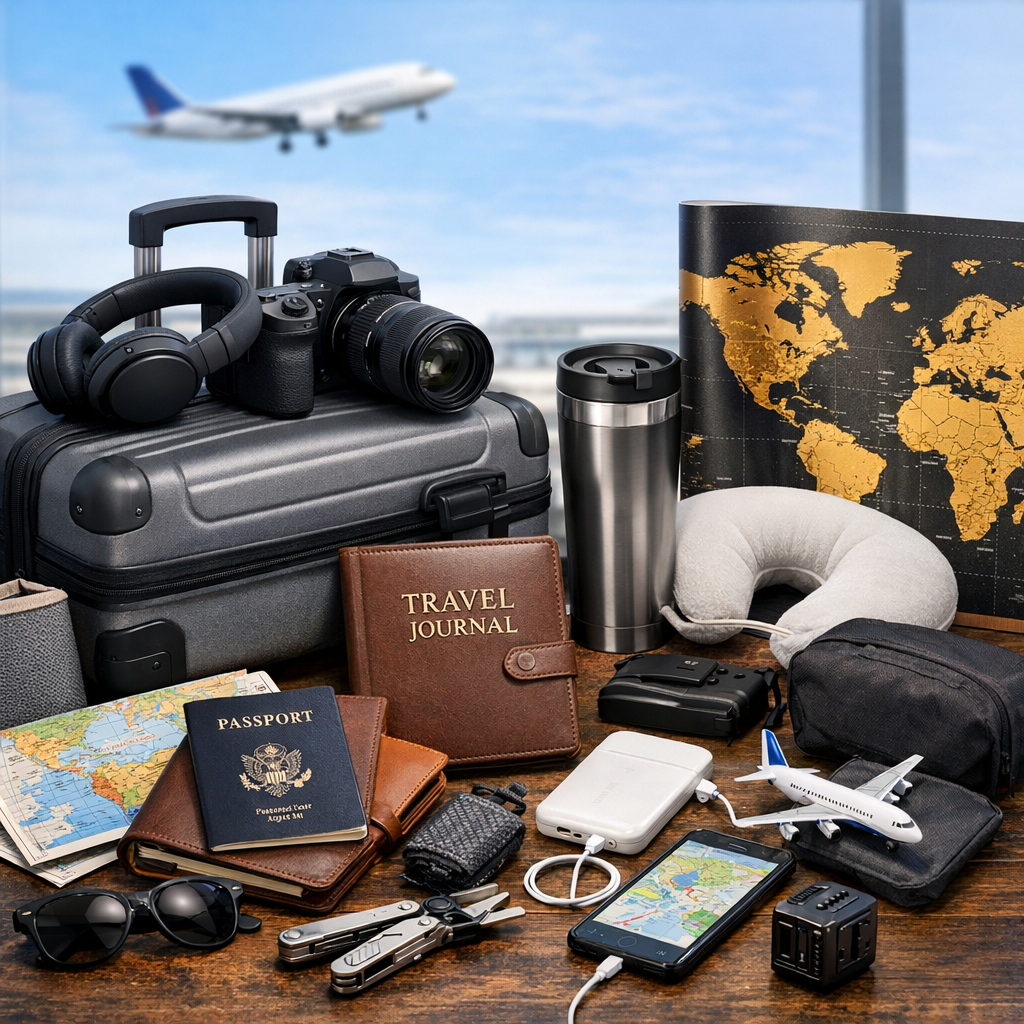
To mitigate these Iran threats, you must maintain a high level of awareness of your surroundings. Stay informed about potential security alerts issued by the nearest U.S. embassy. This includes areas like Tehran or the United Arab Emirates. The U.S. Department of State’s worldwide caution advisory underscores this necessity.
The U.S. Department of State issued a worldwide caution alert on March 22, 2026, advising Americans to exercise increased caution globally, especially in the Middle East. Over 70,000 Americans have left the Middle East since February 28 due to conflict concerns. The U.S. government conducts evacuation flights and issues travel advisories for various regions, stressing the importance of the Smart Traveler Enrollment Program (STEP program) for security updates.
Expert Insight
“With the IRGC explicitly labeling American affiliated universities as military targets and regional tensions reaching a breaking point, U.S. citizens must maintain peak situational awareness and utilize the STEP program as the threat to educational and diplomatic infrastructure expands.”, Regional Security Analyst
Travel Insurance Coverage During Global Tensions
Understanding your travel insurance policy is crucial, especially with the current geopolitical tensions. Many standard travel insurance policies cover events such as terrorist attacks, weather issues, injuries, and illnesses. However, coverage often has specific limitations that U.S. citizens must be aware of when traveling overseas.
Policies may specifically exclude government mandated bans. For instance, during the COVID-19 pandemic, many policies did not cover cancellations due to government restrictions. War or political conflicts also present distinct challenges for coverage, often falling under exclusions for international travel.
“Cancel anytime” policies offer the most flexibility. These allow travelers to cancel a trip without needing specific justification, though they are typically more expensive. Given the current worldwide caution advisory from the U.S. Department of State, reviewing the fine print is essential to understand what is covered regarding geopolitical tensions, security alerts, and potential travel disruptions like airspace closures.
It’s important to note that not all policies cover evacuation flights, which can be critical if you find yourself stuck abroad due to flight delays or cancellations in areas like the Middle East. Expert advice suggests contacting your insurance hotline services for emergency assistance and confirming what provisions exist for such scenarios.
Preparation and Planning for Safe Travel
Effective preparation is your best defense against travel complications, especially given current geopolitical tensions and the worldwide caution advisory from the U.S. Department of State. Experts recommend planning international travel 4 to 6 months in advance. This allows ample time to monitor evolving conditions and potential travel disruptions.
Prioritize safety over cost when making travel decisions. Using professional travel advisors, like Laura Morillo of Deluca Luxury Travel Designer in Winston-Salem, can provide expert guidance. They can help navigate complex situations, from airspace closures to securing alternative international flight options.
You must register with the Smart Traveler Enrollment Program (STEP) via TravelGov. This free service allows the U.S. embassy or consulate in your destination to contact you during emergencies, providing critical security alerts and updates for Americans abroad. The STEP program is vital for U.S. citizens traveling overseas, particularly in regions like the Middle East.
You should also monitor official travel advisories through the U.S. Department of State channels. This includes their website, WhatsApp, and their X account, @TravelGov. Staying informed is paramount for travel safety and maintaining security vigilance against potential Iran threats or other terrorist threats.
Global Travel Advisory and US Government Warnings
The U.S. Department of State issued a worldwide caution alert on March 22, 2026, advising Americans to exercise increased caution globally, especially in the Middle East. This comprehensive travel advisory underscores the heightened risks. Over 70,000 Americans have left the Middle East since February 28 due to conflict concerns, with the US government facilitating evacuation flights and issuing specific travel advisories for various regions. This level of security vigilance is critical for all U.S. citizens.
Risks of Targeted Attacks on US Interests Abroad
Groups supportive of Iran may threaten U.S. interests or locations associated with Americans worldwide. U.S. diplomatic facilities have been targeted in the past, increasing safety concerns for Americans abroad. This highlights the need for constant security vigilance and awareness of potential terrorist threats, especially when traveling overseas. The U.S. embassy and diplomatic facilities are often primary targets, making it crucial for U.S. citizens to stay informed via TravelGov security updates.
Travel Disruptions and Airspace Closures
Periodic airspace closures may cause significant travel disruptions, particularly in areas experiencing geopolitical tensions like the Middle East. Airlines and U.S. authorities have warned of flight cancellations and delays, especially in conflict zones. This directly affects international travel plans and necessitates proactive planning to mitigate the impact of flight delays or being stuck abroad. You should always check for security alerts regarding airspace.
How to Handle Flight Cancellations and Being Stuck Abroad
If flights are canceled, travelers should consider waiting, seeking transportation to neighboring countries or airports, and contacting insurance hotline services for emergency assistance. Not all policies cover evacuation flights, so pre-arranged plans and resources are vital. This proactive approach is crucial for Americans abroad facing unexpected travel disruptions, especially when dealing with increased caution advisories from the U.S. Department of State.
How to Handle Flight Cancellations and Being Stuck Abroad
Flight cancellations can occur with little warning, especially during periods of worldwide caution and heightened geopolitical tensions. If your international travel plans are disrupted, assess your options calmly. Do not panic.
If your flight is canceled, consider waiting for the next available flight or seeking transportation to neighboring countries or alternative airports. For instance, if you’re experiencing travel disruptions in the U.S., exploring options from major hubs like JFK Airport or even regional centers like the Piedmont Triad area (as reported by Denver7 for local news) can be prudent. Contact your airline directly for rebooking and immediate security updates.
Understanding Your Travel Insurance and Emergency Resources
It is critical to contact your travel insurance hotline services for emergency assistance. Be aware that not all policies cover evacuation flights, especially those related to government mandated bans or war. Many travel insurance policies cover terrorist attacks, weather issues, injuries, and illnesses, but coverage for war or government restrictions varies significantly. A “cancel anytime” policy offers the most flexibility, but typically at a higher premium. Knowing your policy’s limitations and having pre-arranged plans are vital for U.S. citizens.
Having a clear understanding of your insurance, emergency contacts, and alternative routes can significantly mitigate the impact of being stuck abroad. This is particularly relevant given current Iran threats and the U.S. Department of State’s global travel advisory, which emphasizes increased caution, especially in the Middle East. The U.S. government conducts evacuation flights in severe situations, but these are not guaranteed for all Americans abroad.
Leveraging U.S. Government Resources for Americans Abroad
Registering with the Smart Traveler Enrollment Program (STEP) via TravelGov is highly recommended for U.S. citizens traveling overseas. This free service allows the U.S. embassy or consulate in your destination to contact you in an emergency, whether it’s a natural disaster, civil unrest, or family emergency. It also provides security alerts and helps the U.S. Department of State locate you during a crisis.
In short, effective preparation, including monitoring the State Department’s worldwide caution alerts and understanding your resources, is your best defense against travel complications. The U.S. Department of State issued a worldwide caution alert on March 22, 2026, advising Americans to exercise increased caution globally, especially in the Middle East, due to risks of targeted attacks on U.S. interests abroad and diplomatic facilities. Over 70,000 Americans have left the Middle East since February 28 due to conflict concerns, underscoring the severity of geopolitical tensions and potential travel disruptions like airspace closures and flight delays.
Essential Travel Safety Measures for Americans Abroad
Maintaining security vigilance is critical for Americans abroad, especially during periods of worldwide caution and heightened geopolitical tensions. Always be acutely aware of your surroundings. Avoid large gatherings or demonstrations, as these can quickly become volatile and pose significant security risks.
Keep a low profile and avoid drawing unnecessary attention to yourself. Secure your personal belongings, including passports, wallets, and credit cards. Utilizing hotel safes when available is a fundamental step in preventing theft.
Communicate your detailed itinerary to trusted family or friends back in the United States. Provide them with copies of your passport and visa information. This ensures someone knows your whereabouts and can assist if needed, particularly if you face travel disruptions or flight delays.
“The most effective strategy for safe international travel during periods of heightened global tension is proactive, informed preparation. Rely on official sources and maintain constant situational awareness.”
Global Travel Advisory and US Government Warnings
The U.S. Department of State issued a worldwide caution alert on March 22, 2026, advising U.S. citizens to exercise increased caution globally, especially in the Middle East. This security alert underscores the importance of being prepared. Over 70,000 Americans have reportedly left the Middle East since February 28 due to escalating conflict concerns and Iran threats. The U.S. government actively conducts evacuation flights when necessary and regularly updates travel advisories for various regions through TravelGov, emphasizing the need for constant monitoring.
Risks of Targeted Attacks on US Interests Abroad
Travelers must understand the elevated risks of targeted attacks on U.S. interests or locations associated with Americans abroad. Groups supportive of Iran may pose terrorist threats worldwide. U.S. diplomatic facilities, including U.S. embassies, have historically been targets, increasing safety concerns for Americans traveling overseas. Maintaining security vigilance is paramount, and U.S. citizens should be aware of their proximity to such potential targets.
Preparation and Planning for Safe Travel
Experts consistently recommend planning international travel 4-6 months in advance, especially given current geopolitical tensions. Consider using professional travel advisors who are adept at navigating complex security updates. Prioritize safety over cost, particularly when traveling to regions under a travel advisory. Registering with the Smart Traveler Enrollment Program (STEP) via TravelGov is critical. This program allows the U.S. embassy or consulate to contact you in an emergency, whether it’s a natural disaster, civil unrest, or family emergency, and provides security updates. Monitoring official travel advisories through Department of State channels like TravelGov, WhatsApp, and X (formerly Twitter) is non-negotiable for U.S. citizens.
Understanding U.S. Travel Advisory Levels
Understanding the U.S. Department of State’s travel advisory levels is fundamental for all U.S. citizens planning international travel. Each level indicates a different degree of risk. You must interpret these warnings correctly to ensure your travel safety and security vigilance, especially amid rising global tensions and the current worldwide caution alert.
| Advisory Level | Description | Key Action for Travelers |
|---|---|---|
| Level 1: Exercise Normal Precautions | Generally safe, standard precautions apply. | Stay informed, be aware of surroundings. |
| Level 2: Exercise Increased Caution | Heightened risks present, be more vigilant. | Reconsider travel, review security plans. |
| Level 3: Reconsider Travel | Serious risks present, avoid non-essential travel. | Avoid travel, develop evacuation plans. |
| Level 4: Do Not Travel | Life-threatening risks, avoid all travel. | Do not travel, depart if already there. |
This table provides a clear overview of the State Department’s warnings. Always check TravelGov for the most current information. The worldwide caution alert currently places many regions under Level 2 or 3, particularly in the Middle East due to geopolitical tensions.
Global Travel Advisory and U.S. Government Warnings
The U.S. Department of State issued a worldwide caution alert on March 22, 2026, advising Americans abroad to exercise increased caution globally. This is particularly crucial for those in the Middle East, where significant conflict concerns persist. Since February 28, over 70,000 Americans have left the Middle East, a testament to the urgency of these warnings. The United States government is prepared to conduct evacuation flights and has issued specific travel advisories for various regions, including those with increased Iran threats.
Travel Disruptions and Airspace Closures
International travel is increasingly susceptible to travel disruptions, especially in conflict zones. Competitors highlight that periodic airspace closures may cause significant flight delays and cancellations. Airlines and U.S. authorities have warned of these issues, particularly in regions like the Middle East. This directly impacts international flight safety and your travel plans, making constant monitoring of security updates essential.
Risks of Targeted Attacks on U.S. Interests Abroad
Groups supportive of Iran may pose significant terrorist threats to U.S. interests or locations associated with Americans worldwide. U.S. diplomatic facilities and U.S. embassies have been targeted in the past, increasing safety concerns for U.S. citizens traveling overseas. Maintaining a low profile and registering with the Smart Traveler Enrollment Program (STEP program) are critical for your security. This program allows the State Department to provide security alerts and locate you in an emergency.
Travel Insurance Coverage During Global Tensions
When traveling during periods of geopolitical tensions, understanding your travel insurance coverage is vital. Many travel insurance policies cover terrorist attacks, weather issues, injuries, and illnesses. However, coverage may exclude government mandated bans, similar to those seen during COVID-19. “Cancel anytime” policies offer flexibility without needing justification, but policies vary significantly in what they cover for war or government restrictions. Always review your policy’s fine print regarding evacuation flights and travel disruptions.
Preparation and Planning for Safe International Travel
Experts recommend planning international travel 4-6 months in advance. Utilize professional travel advisors, prioritize travel safety over cost, and register with the U.S. embassy or consulate through the Smart Traveler Enrollment Program (STEP program). Continuously monitor official travel advisories through Department of State channels and TravelGov. This proactive approach is crucial for Americans abroad, especially when traveling to areas under increased caution or those with a security alert.
How to Handle Flight Cancellations and Being Stuck Abroad
If you face flight cancellations or find yourself stuck abroad, swift action is necessary. Consider waiting for the next available flight, seeking transportation to neighboring countries or airports, or contacting your travel insurance hotline for emergency assistance. It is crucial to remember that not all policies cover evacuation flights, so pre-arranged plans and readily available resources are vital. Stay in contact with your U.S. embassy and monitor security updates, particularly if you are in a region like the Middle East or near Tehran, where travel disruptions can escalate quickly.
Frequently Asked Questions Amid Global Tensions
Understanding the immediate implications of global tensions on your travel plans is paramount. Here, we address the most frequently asked questions for U.S. citizens navigating international travel amid the current worldwide caution alert.
What is the Worldwide Caution Advisory Issued by the U.S. Department of State?
The U.S. Department of State issued a worldwide caution advisory on March 22, 2026, urging all Americans globally to exercise increased caution. This alert specifically highlights heightened risks in the Middle East, including potential threats to U.S. interests and diplomatic facilities, due to escalating geopolitical tensions, particularly those related to Iran. This critical security alert is essential for all U.S. citizens traveling overseas.
How Do Geopolitical Tensions Impact International Travel?
Geopolitical tensions lead to significant travel disruptions, impacting international travel plans for U.S. citizens. You should anticipate periodic airspace closures, flight delays, and cancellations, especially in regions like the Middle East. These tensions also escalate security alerts and increase the risk of targeted attacks on U.S. diplomatic facilities or Americans abroad. Travelers must prioritize security vigilance and expect potential changes to their itineraries, including evacuation flights if necessary. Since February 28, over 70,000 Americans have left the Middle East due to conflict concerns, a fact widely reported by outlets like USA TODAY and Fox News.
Should I Cancel My International Trip Due to Rising Global Tensions?
The decision to cancel an international trip is deeply personal, but it must be an informed one. You should consult the latest U.S. Department of State travel advisory for your specific destination on TravelGov. Register with the Smart Traveler Enrollment Program (STEP program) to receive real-time security updates and enable the U.S. embassy to contact you in an emergency. If your destination is under a Level 3 or 4 advisory, reconsidering travel is strongly advised, especially given the current worldwide caution and Iran threats. President Joe Biden’s administration emphasizes the importance of these advisories.
What Should I Do if My Flight is Canceled While Traveling Overseas?
If your international flight is canceled while traveling overseas, act immediately. Contact your airline for rebooking options. Explore alternative transportation to neighboring countries or airports if necessary, but always prioritize your travel safety. Crucially, contact your travel insurance provider’s emergency hotline for assistance. Ensure you have emergency funds and a robust backup plan, as not all policies cover evacuation flights. This proactive approach is vital for managing travel disruptions.
Does Travel Insurance Cover War or Government-Mandated Travel Bans?
Travel insurance coverage for war or government-mandated travel bans varies significantly. Many standard policies exclude these events, highlighting the importance of reading the fine print. While some policies cover terrorist threats, weather issues, injuries, and illnesses, specific exclusions for government-mandated bans, such as those seen during the COVID-19 pandemic, are common. “Cancel anytime” policies offer more flexibility but come at a higher cost. Always understand what your policy covers during periods of geopolitical tensions and international travel disruptions. Laura Morillo, a Deluca Luxury Travel Designer, often advises clients on these crucial distinctions.
References
- Worldwide Caution – Travel – State Department
- US issues worldwide travel caution as tensions rise
- State Department issues worldwide caution alert amid ongoing Iran …
- US State Department issues worldwide travel advisory for … – YouTube
- How to prepare for international travel as global tensions rise – WXII