
Table of Contents
- Introduction
- 1. Evolving Enforcement Landscape at U.S. Airports
- 2. Who is Most Affected: Traveler Profiles Under Scrutiny
- 3. How Detentions Are Executed: Typical Scenarios at Airports
- 4. Legal Risks and Traveler Rights
- 5. Employer and Travel Policy Implications
- 6. Practical Travel Strategies for Safer Domestic Trips
- 7. Trends to Watch: Post-Pandemic Normalization or Escalation
- FAQ
- Conclusion
Introduction
Context and scope
Recent reporting indicates increased detention actions at U.S. airports targeting domestic travelers. Our review examines how ICE data sharing with the TSA is shaping enforcement, and what that means for mobility and civil liberties after the pandemic. The focus is on domestic flights and the potential chill on routine business and personal travel.

This section grounds the topic in practical realities travelers may face, including how statuses reflected on Form I-94 and pending USCIS petitions intersect with travel decisions. We’ll highlight where enforcement is occurring, who is most at risk, and what norms might shift in the months ahead.
Key questions for travelers
- What exactly has changed in ICE and DHS enforcement at airports?
- Who is most likely to be affected on domestic routes?
- What rights and documents should you carry during airport encounters?
- How should employers and travelers approach domestic travel risk?
1. Evolving Enforcement Landscape at U.S. Airports
What has changed in ICE and DHS enforcement
ICE now leverages broader data-sharing with DHS to extend review into routine airport touchpoints. This means questioning can occur in security lines or at boarding gates, not solely at traditional immigration checkpoints.
Practical reality: a traveler with a pending petition may be questioned if status flags appear in a shared system, and could be detained if issues persist, even when travel is legitimate.
Action steps: verify status documents before you travel, carry copies of pending petitions, and keep contact details with each agency current. If you must travel during a status review, have concise explanations ready for any gaps and consider a trusted advisor on standby.
Role of TSA data-sharing and its implications
TSA data-sharing with ICE and DHS accelerates risk assessment early in the process. Expect more checks at security zones and potentially at gates when indicators arise.

Practically, this can lead to longer processing times for travelers whose documents require closer verification. Prepare for possible delays by planning reentry options and arriving earlier.
- Documentation Keep all relevant documents organized and accessible.
- Communication Have a brief, factual explanation ready about your status if questioned.
- Contingency Know your airline policy for missed connections and rebooking due to detentions.
| Aspect | Impact |
|---|---|
| Data-sharing scope | Broader access between ICE, TSA, and DHS |
| Touchpoint enforcement | Detentions or questioning can occur at check-in, gates, or jet bridges |
| Traveler categorization | Prioritization on statuses with pending petitions or documentation gaps |
2. Who is Most Affected: Traveler Profiles Under Scrutiny
Travelers with expired status but pending petitions
You may face heightened scrutiny at airports if your underlying nonimmigrant status has expired but a petition or application remains timely filed. Even routine domestic trips can become detention risks because of cross-agency data checks and reflexive enforcement at entry points.
<pConcrete steps: carry filing receipts, USCIS notices, and any correspondence indicating petition timing. Have digital and printed copies ready. Use a dedicated folder in your phone to store PDFs and tracking numbers in case staff request evidence.
Data to consider: processing times for petitions often extend beyond anticipated dates, creating longer windows where status is unsettled. Expect closer scrutiny when a gap exists between expiry and adjudication.
People with valid employment authorization or advance parole
An EAD or advance parole does not guarantee smooth domestic travel. Detectors may still flag travelers under broader enforcement triggers, especially if status gaps align with pending actions or data matches raise risk indicators.
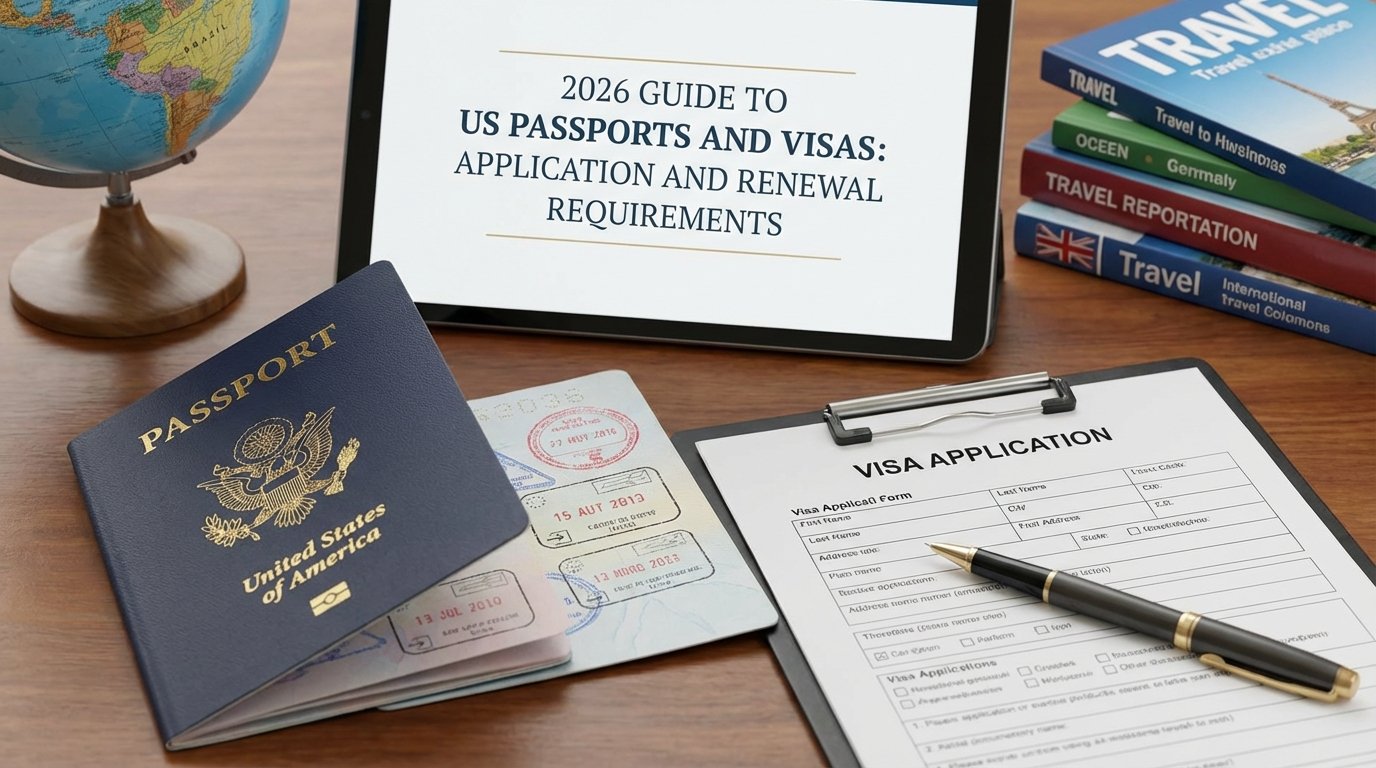
<pPractical approach: verify current status just before departure. Carry both the EAD card and documentation for advance parole, and be prepared to present them along with your passport or state ID during encounters.
Common pitfall: assuming permission clears routine checks. If your filing history shows pending actions, arrival staff may request additional proof or direct you to secondary screening.
Travelers on domestic routes versus international-origin flights
Detentions can occur on domestic routes, not only at international gateways. You may encounter enforcement in gate areas or boarding zones due to interagency data signals.
<pRoute planning tip: evaluate the necessity of travel when your status is under review. If possible, postpone or choose routes with flexible tickets and clearer layovers.
Practical note: keep your attorney or legal service contact updated and ready to respond quickly if a notice or request arises during travel.
3. How Detentions Are Executed: Typical Scenarios at Airports
Point-of-contact encounters (check-in, gates, jet bridges)
Detentions often start at routine touchpoints where data signals meet human review. At check-in, agents may request additional documents or verify status indicators carried by the traveler. Gate areas and jet bridges can become sites for brief questioning when preliminary checks flag risk signals.
Travelers should be prepared to present documentation beyond a passport or driver’s license. Carry copies of key immigration documents and receipts for pending filings so you can respond quickly if questioned at these points.
Practical example: a traveler with a pending asylum petition may be asked for proof of ongoing filings, appointment letters, or proof of address. Having a digital copy accessible on a secure device speeds responses at the gate. Keep a compact folder or digital wallet with your key docs for quick retrieval.
Patterns of questioning and detention processes
Interviews tend to follow a concise script focused on status, current petitions, and travel purpose. If a concern arises, the process can escalate to a short detention or transfer to another processing area. Detentions often occur with minimal prior notice, then resume once clarifications are achieved.

What this means in practice: expect direct questions about status and pending actions, and have ready, organized documentation to avoid delays.
How to prepare: compile a single, labeled packet with your passport, visa or petition receipts, travel itinerary, and contact information for your attorney or sponsor. Practice brief, factual answers to common questions to reduce hesitancy during an interview.
Common timing and locations of enforcement actions
Detentions cluster around peak travel windows when passenger screening is busiest. High-traffic terminals, security checkpoints, and boarding gates are frequently cited locations. Enforcement timing may align with data alerts triggering additional scrutiny during these moments.
Practical note: plan for potential delays and know where to access legal counsel or on-site assistance if a detention occurs.

Edge cases to consider: during irregular operations or weather disruptions, officers may intensify checks, creating longer wait times. If you receive a detention notice, document the time, location, and officers involved, and request a written explanation for the action when possible.
4. Legal Risks and Traveler Rights
Understanding authorized stay vs. pending petitions
Authorized stay covers a defined period in the U.S. If you have a pending petition, such as adjustment of status or asylum, your stay can remain authorized during processing. Enforcement actions can still occur if data signals flag timing gaps or documentation issues.
Practical example: a pending I-485 while working with a valid EAD does not guarantee automatic clearance at every border check. Airports may run data matches that reveal mismatches between your stay window and filing status.
Documentation to carry and when to seek legal counsel
Keep originals and clear copies of key documents. Focus on items that answer both status and action steps if questioned:
- USCIS receipt notices and approval notices for pending petitions
- I-94 records showing entry, departure, and status history
- Employment Authorization Document (EAD) and Advance Parole where applicable
- Proof of current status or ongoing petitions, such as notices from USCIS
- Valid photo ID like a driver’s license or Real ID
If detention or questions arise beyond routine checks, contact an immigration attorney familiar with DHS procedures and airport enforcement practices.
Impact of prior removals or criminal history
Prior removal orders or certain criminal histories can heighten scrutiny at checkpoints. This can occur even with pending petitions or a period of authorized stay.
Actionable steps: carry concise explanations and all supporting documents, and have a plan to contact counsel quickly if you face intensified review.
5. Employer and Travel Policy Implications
What employers should know about domestic travel risk
Travel risk is real even when a petition or status is pending. DHS detentions can occur during in‑country trips, affecting sponsored employees with active filings. Treat travel risk as an operational concern for teams with global workforces.
Policies should reflect employees’ varied immigration statuses. Develop incident response plans for detentions, provide access to legal referrals, and document approved travel rhythms to minimize disruption. For example, consider scheduling travel during lower scrutiny windows and align approvals with current legal guidance.
Employee documentation and risk mitigation strategies
- Maintain current status records and secure copies of key filings, receipts, and EADs for travelers and HR.
- Notify employees about optimal travel timing to avoid peak hours when checks may intensify, and share a concise pre‑travel alert with current risk notes.
- Use a standardized business‑travel checklist that verifies status, route notes, and emergency contacts, and requires manager sign‑off before bookings.
- Advise travelers to carry originals and clear copies of essential documents, and ensure a digital backup accessible to HR in case of loss or seizure.
Checkpoint procedures for business travelers
- Provide travelers with guidance on potential status inquiries at check‑in, gates, and boarding areas, and supply a brief script for consistent communication.
- Establish a rapid escalation path to in‑house counsel or immigration specialists when detentions occur, including direct contact numbers and expected response times.
- Record incidents and outcomes, then review data quarterly to refine risk controls and update policies with concrete lessons learned.
6. Practical Travel Strategies for Safer Domestic Trips
Pre-trip immigration status review and timing considerations
Know your current status and filed petitions before you travel. Verify expiry dates for nonimmigrant visas, pending adjustments, and any Advance Parole or EAD validity. Align travel with expected processing timelines and potential backlogs to minimize surprises.
Practical steps:
- Develop a status timeline that includes I-94 dates, filing receipts, and anticipated decision milestones, updated regularly.
- Schedule travel to avoid peak screening periods at busy hubs and consider alternative airports when feasible to reduce delays.
- Consult your immigration attorney about domestic travel risk when status is pending or expired, and document any waivers or notes when you travel.
Alternative travel planning and documentation checks
Keep layered documentation traces to ease checks. Use a combination of digital and paper records where allowed by your status.
- Carry originals and clear copies of EAD, Advance Parole, I-94, receipt notices, asylum filings, and relevant court orders.
- Ensure booking details match the exact names and identifiers on your documents to prevent mismatches at check‑in.
- Prepare a concise status summary with key dates, officer-friendly identifiers, and emergency contacts for quick reference if questioned.
Crisis response: what to do if detained
Know your immediate options and contacts. Detentions can occur unexpectedly even with valid documents.
- Request a legal liaison and preserve all notices and ticketing records from the encounter.
- Ask for the stated detention reason and note data signals cited by officers for later review.
- Reach out to your immigration attorney promptly for guidance on next steps, including potential emergency filings or travel adjustments.
7. Trends to Watch: Post-Pandemic Normalization or Escalation
Early indicators of policy shifts
Monitor DHS and ICE updates that may tighten domestic travel scrutiny or expand data sharing with TSA. A sudden focus on domestic routes in briefing notes can signal forthcoming changes. Practitioners track real-time enforcement trackers to observe momentum before formal guidance is revised.
Action step: set alerts for guidance changes from DHS and ICE and map references to domestic flights. Compare a three-month window of guidance releases to detect shifts in emphasis.
Note: small policy tweaks can ripple into detentions at busy corridors like major metro hubs. View upticks as a reason to reassess route planning rather than a definitive risk signal.
Regional variance in enforcement intensity
Enforcement activity can vary by airport hub. Coastal gateways with heavy international traffic may show stricter checks than inland airports. Build a baseline by reviewing detention patterns at your typical airports over the past year.
Practical step: develop a simple matrix of airports, historical detention rates, and current incident trends. Use it to adjust itineraries toward gateways with lower risk where possible.
Nuance: surges can occur during holidays or large events. Always confirm current patterns before travel.
Media reporting vs. official guidance
News coverage can outpace official releases. Cross-check reports with DHS and ICE publications and watch notices from immigration organizations for confirmation.
Tip: when a media account cites a specific incident, wait for official statements before changing plans. Apparent spikes may reflect temporary enforcement activity rather than a long term shift.
Internal linking suggestions
- Compare regional enforcement profiles using enforcement-tracker data from AILA.
- Review how TSA data sharing may influence domestic travel decisions at major gateways.
FAQ
What is driving the increase in detentions at US airports for domestic travel?
Expanded data sharing between DHS, ICE, and TSA partners has tightened scrutiny. Enforcement now targets travelers with pending or expired status who hold relief like EAD or advance parole, making domestic trips riskier for those documents.
Practical implications you can act on
For a real world example, a student with pending asylum may face questioning during a domestic flight. If your EAD is near expiry, plan for potential delays and bring extra copies of supporting notices.
Document checks are increasingly strict at security points and airline kiosks. Be prepared to align your flight itinerary with your documented status to avoid detours at the gate.
Who is most at risk right now?
Travelers with pending petitions, those on domestic flights while status is in flux, and individuals carrying advance parole or EAD are most affected. Regional differences also shape detention likelihood, so two nearby airports can have different outcomes.
Actionable precautions by region
- Check the latest carrier notices for the airport you’ll use, since some hubs have stricter checks.
- Carry both original documents and clear copies, including any asylum receipts tied to your pending petition.
- Verify that your travel aligns with your current status, and if possible, avoid last minute bookings during high enforcement periods.
What documents should I carry if I must travel domestically?
- Original and copies of key immigration documents (I-94, EAD, advance parole).
- Receipt notices for pending applications and asylum filings.
- Any official notices or letters related to status or petitions, plus contact information for your attorney.
What should I do if I am detained?
Ask for a legal liaison, preserve all notices, and record officers’ questions and stated reasons. Call your immigration attorney immediately about emergency filings or bond options, and request assignment of a dedicated liaison if available.
Steps to take if detained
- Document the time, location, and badge numbers of officers involved.
- Keep all printed notices and ask for English translations if needed.
- Coordinate with your attorney to file any immediate stay or emergency relief requests, if appropriate.
How does this affect employers and business travel?
Employers should verify traveler documentation, assess risks for employees with pending status, and consider alternatives like virtual meetings, diversified itineraries, or delayed travel.
Employer best practices
- Maintain a traveler readiness checklist that includes status verification steps.
- Provide guidance on permissible travel windows and required documentation for domestic trips.
- Develop a fallback plan with refundable tickets and flexible itineraries to minimize disruption.
Conclusion
Detentions at U.S. airports on domestic flights are an evolving concern tied to how data is shared and how enforcement priorities are communicated. Travel risk is not uniform and varies by airport, route, and status history.
Practical steps you can take now
Review your status timelines and carry the right documentation for potential scrutiny. Keep two sets of copies: digital backups in a secure cloud folder and physical copies in a separate bag. Know whom to contact if you are detained and have a printed contact card in your wallet.
- Stay updated on policy shifts from DHS, ICE, and TSA briefing materials relevant to domestic travel.
- Map likely hotspots by airport and route to anticipate where enforcement activity can be higher, using recent incident data and local advisories.
- Coordinate with your immigration attorney before any planned domestic travel if status is pending or recently adjusted, and consider a pretravel legal review.
We at trafels.com recommend documenting every travel encounter and maintaining a clear status snapshot for quick reference. In practice, proactive planning reduces friction and improves your ability to respond if an encounter occurs. For example, if you hold a pending change of status, schedule travel to avoid peak security windows and always travel with a trusted companion when possible.
References
- Practice Alert: Reports of Increased Detention at U.S. Airports for …
- Increased ICE Enforcement at US Airports Targeting Domestic Air …
- Travel Advisory: Increased Risk of Airport Detentions for … – Penn Global
- Domestic Travel Advisory: Increased Risk of Airport Detentions
- Increased Detentions at U.S. Airports During Domestic Travel