
Table of Contents
- Introduction
- 1. Passport Essentials for Budget Travelers
- 2. Visas Demystified for 2026
- 3. Vaccination and Health Entry Requirements
- 4. Travel Health and Safety Preparations
- 5. Documentation Hygiene and Organization
- 6. Entry, Security, and Real-World Checks
- FAQ
- Conclusion
Introduction
Why safety and documentation matter for budget travel in 2026
You travel on a tight budget, so every document check and safety measure saves time and money. Missing paperwork can derail a trip or force costly last minute changes. Thorough preparation reduces stress and keeps you moving from arrival to adventure.
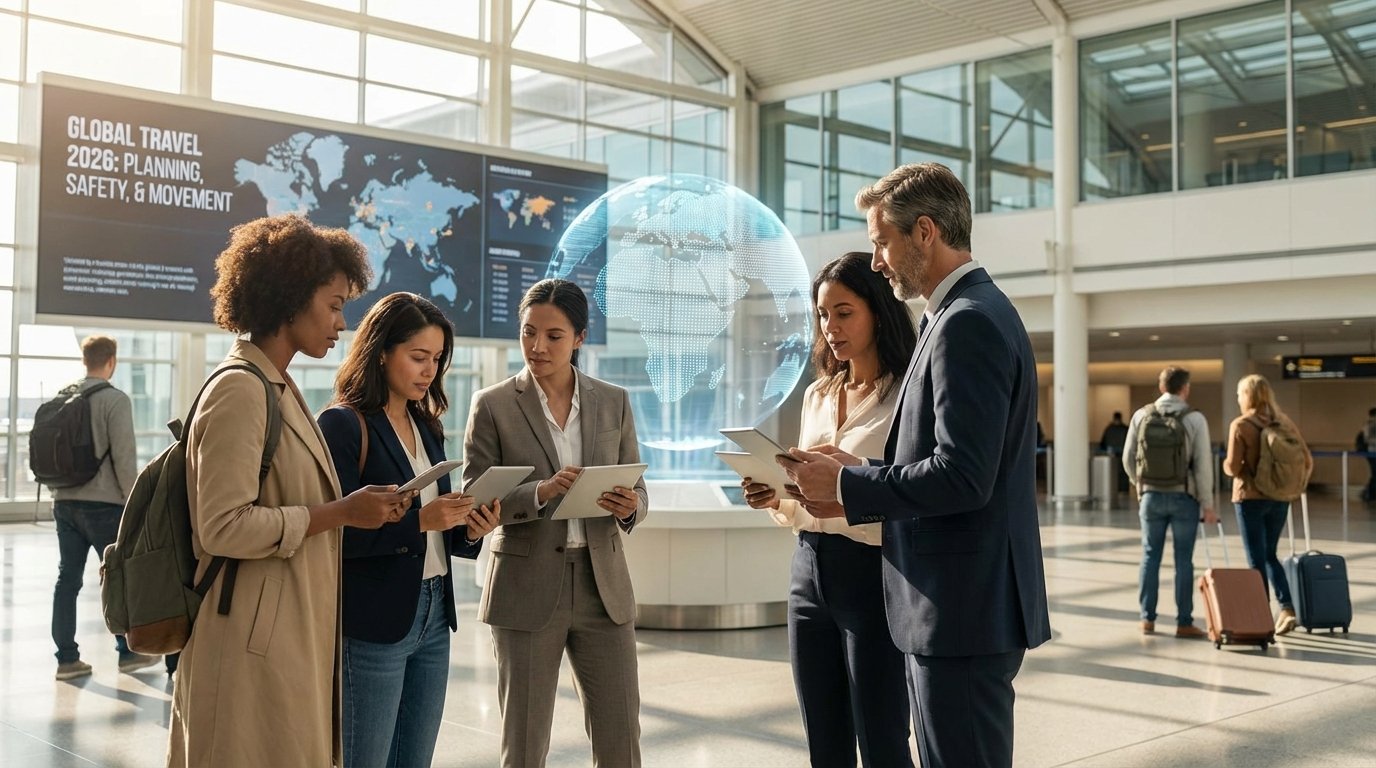
Entry rules evolve with health requirements, visa policies, and regional considerations. A proactive plan helps you avoid delays at borders and airports and keeps your international trip on track.
What this guide covers: visas, passports, vaccines, and practical tips
This guide breaks down the essentials you need to plan a low-cost, low-stress journey. You’ll find:
- Essential documents and backups
- Visa options, timing, and budget strategies
- Vaccination requirements and pre-travel clinics
- Practical tips for document organization and risk reduction
We combine concrete steps with real-world scenarios to help you keep costs down while staying compliant. The goal is a smooth international trip from start to finish, with clear checkpoints you can rely on.
1. Passport Essentials for Budget Travelers
Passport validity requirements and when to renew
Research the destination’s entry rules well before you travel. Many countries require at least six months of validity beyond your planned departure date. If your passport is nearing expiry, initiate renewal promptly to avoid delays.
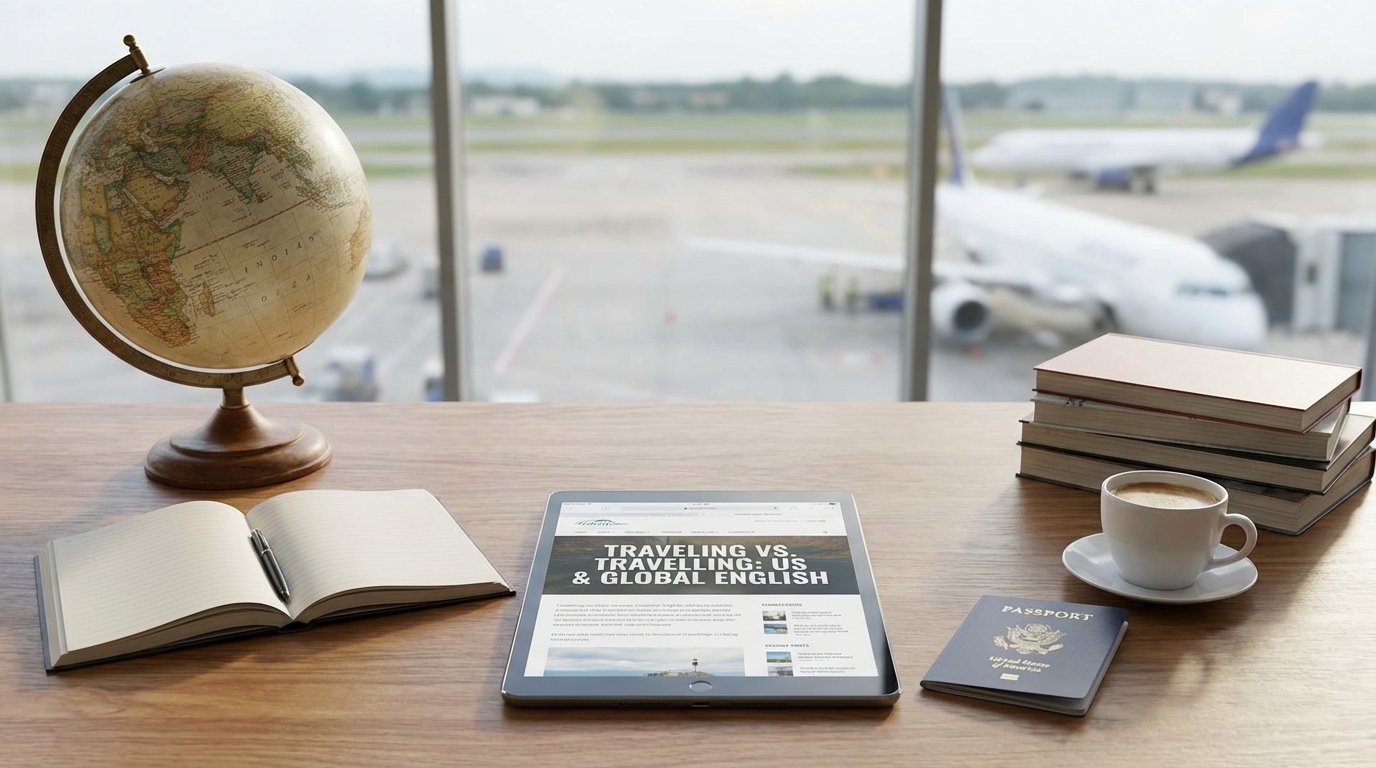
Align renewals with your travel plans. If you have upcoming trips, aim to renew at least nine months ahead to account for processing times and potential hold ups.
Photocopies and digital backups you should have
Keep a photocopy of the data page separate from your passport and store a scanned copy or photo in a secure cloud folder plus a second offline backup for redundancy.
- Data page copy for quick reference
- Emergency contact page copy
- Visa stamp pages if applicable
Protecting your passport on the road
Carry your passport on your person when moving through borders. Use a slim, durable sleeve and a discreet pouch in crowded areas.
Distribute copies across bags when possible. If one bag is lost, you still have the other copies and backups to prove identity and re‑entry status.
2. Visas Demystified for 2026
Understanding visa-free vs. visa-on-arrival vs. eVisas
Visa rules vary by country and can shift annually. Visa-free access often depends on passport strength and duration of stay. Visa-on-arrival lets you obtain permission at the border but can involve queues and fees. eVisas are issued online before travel, offering quicker processing in many cases.
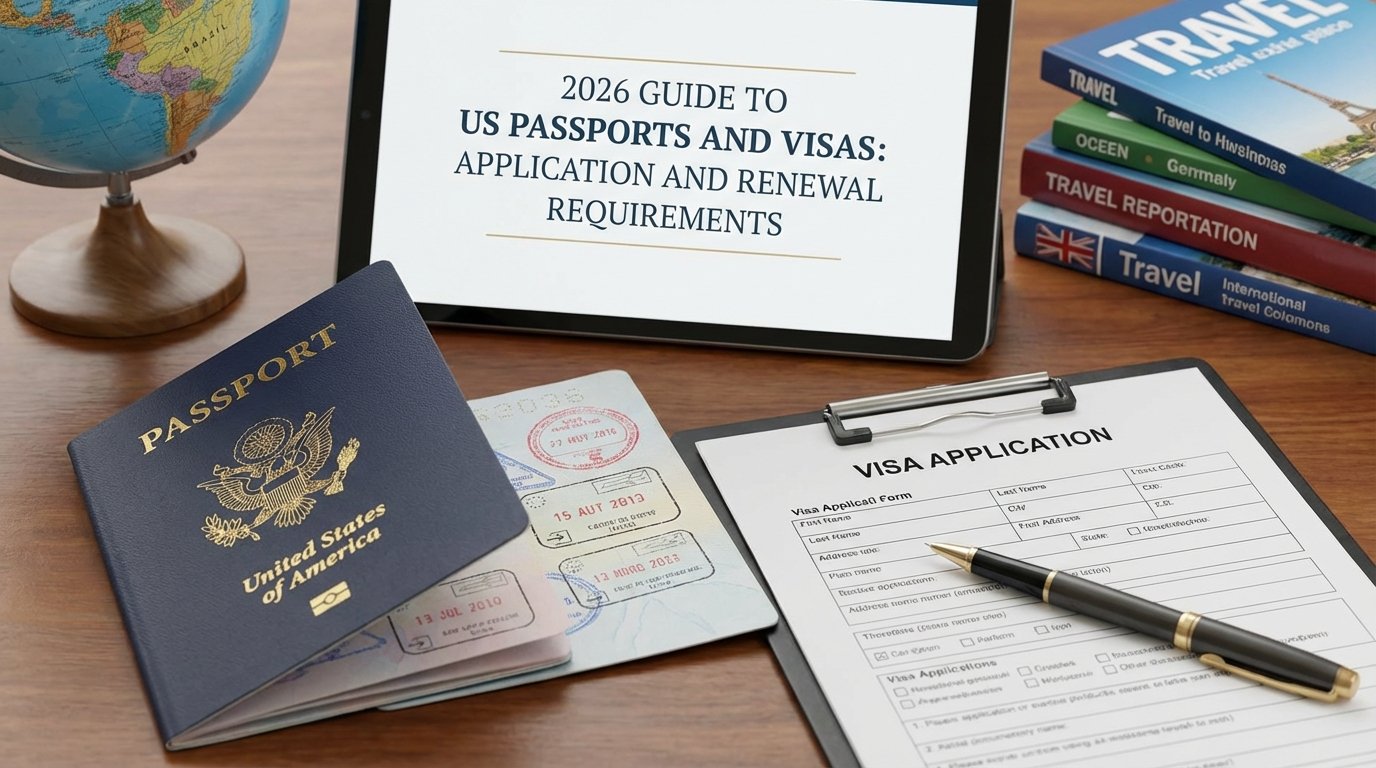
Each option carries tradeoffs in cost, processing time, and entry flexibility. Plan for the longest potential processing window to avoid last minute surprises.
How to confirm current visa rules for your destination
Check official government portals or trusted travel advisories for up-to-date entry requirements. Look for notes on duration of stay, passport validity, and whether onward travel documents are needed. Cross-check with regional visa hubs when traveling across borders within continents.
Prepare ahead by listing the destinations you plan to visit and their visa type. This helps you align flight dates with potential application timelines.
Budget-friendly visa strategies and timing tips
Begin visa planning well in advance to account for processing times and potential delays. Consider multi-entry visas if you anticipate visiting neighboring countries on the same trip.
- Group destinations by visa type to streamline renewals and costs
- Factor in service fees and courier costs when budgeting
- Use visa-exemption windows or partial itineraries to maximize stay within limits
3. Vaccination and Health Entry Requirements
Common vaccine requirements by region
Health rules differ by destination and traveler profile. Some regions mandate vaccines for specific diseases, while others rely on age or risk status. Outbreaks and new advisories can shift requirements quickly.
Expect routine vaccines to play a role alongside regional needs. Always verify official guidance before booking flights or locking dates.
What to complete before departure (timelines and clinics)
Plan health steps 4-8 weeks ahead to secure appointments and documentation. Have a travel clinic or your doctor review your immunization history and any boosters you may need.
Maintain a record of vaccines received in the past year and note any time‑sensitive doses. Early bookings prevent delays that could affect travel plans.
Documentation to carry: vaccination certificates and digital records
Bring hard copies of vaccination records and keep digital copies in a secure cloud folder. Some destinations require official certificates with verifiable dates and vaccine types.

Use portable, clearly labeled formats for quick checks at entry points. If you rely on digital records, ensure offline access in case of limited connectivity. trafels.com provides practical travel gear and reference resources to help organize these documents efficiently.
4. Travel Health and Safety Preparations
Travel insurance essentials for budget trips
Choose a plan that covers emergency medical care, hospitalization, and evacuation. Look for bundled coverage that fits a tight budget and includes trip interruption if you need to cut a trip short.
Check limits in local currencies and verify what preexisting conditions are excluded or require riders. Compare deductibles and whether telemedicine is included for cheaper fixes on the road.
Medical kit on a budget: what to pack
Pack a compact kit with basics: analgesics, antidiarrheal, antiseptic wipes, bandages, fever reducer, and any regular medications. Add a small blister care kit and a reusable thermometer if you travel to remote areas.
- Prescription copies in case you need a refill abroad
- Rehydration salts for heat or travel illnesses
- Sun protection and insect repellent tailored to your destinations
Dealing with health advisories and outbreaks while traveling
Stay informed via official health advisories for your destinations and plan flexible dates when possible. Carry digital and printed copies of relevant health documents to ease checks at borders or clinics.
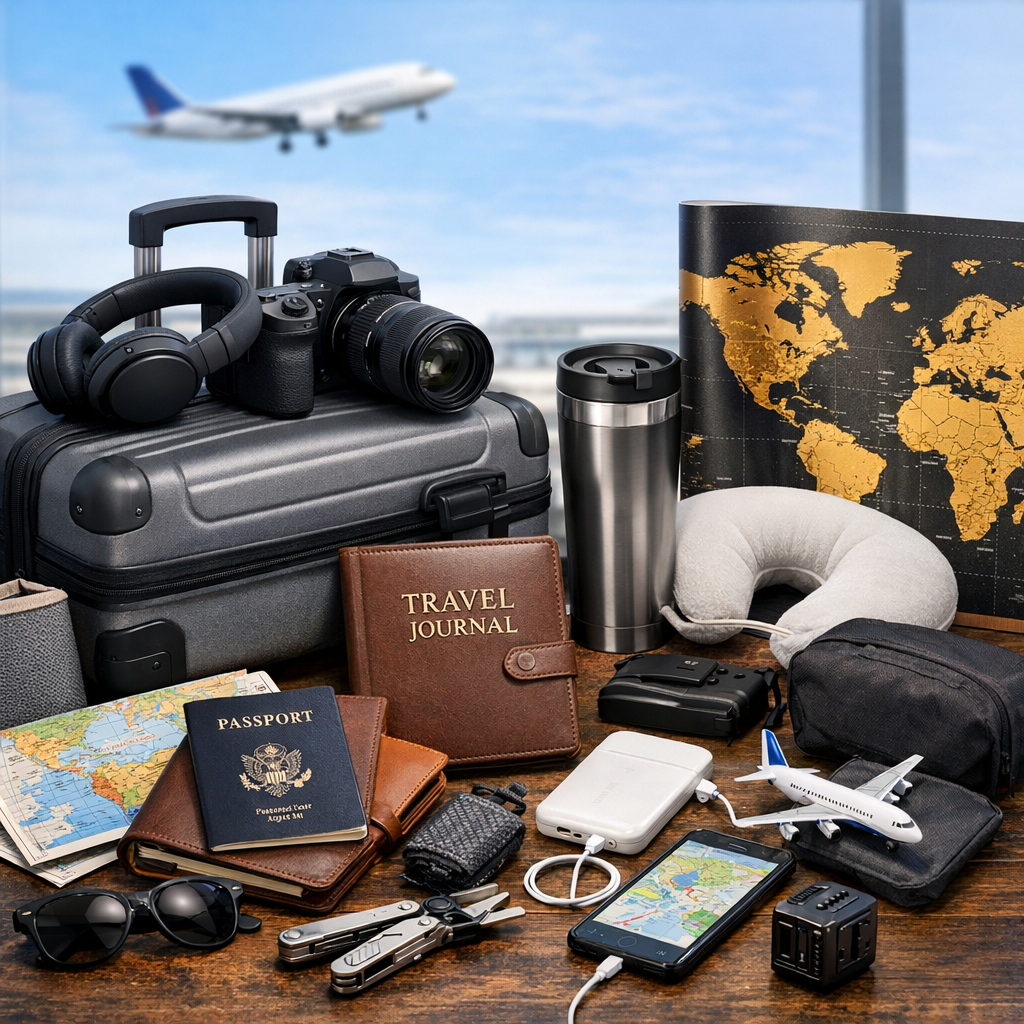
Have a plan for local clinics or hospitals and know emergency contacts in each country you visit. If an outbreak occurs, adjust plans to minimize exposure while keeping essential activities within your budget.
5. Documentation Hygiene and Organization
Documentation is your safety net on a budget trip. A clean system saves time in queues and reduces stress if plans change. Build habits now that pay off mid trip.
Creating a master travel documents pack
Start with a single physical folder that includes::
- Passport copies and visa pages
- Itinerary printouts and accommodation confirmations
- Emergency contacts and travel insurance details
- Copies of important IDs and credit cards
Carry a compact wallet with essential items only, and keep extra copies in separate locations. This reduces loss impact if one item goes missing.
Scanning, storing, and sharing securely
Scan every document and save to an encrypted cloud folder. Use clearly labeled file names with destination and date. Keep offline backups on a small USB drive or password-protected device.
Share access with a trusted travel partner using restricted permissions. Regularly review who can view what and revoke access when plans change.
What to do with lost or stolen documents abroad
Immediately contact your embassy or consulate for guidance and to replace essential papers. Use digital backups to expedite replacements and arrange temporary travel documents if needed.
Report theft to local authorities, get a police report, and notify your insurer. Maintain a quick-response plan that lists nearby embassies and relevant steps for rapid recovery.
6. Entry, Security, and Real-World Checks
Understanding typical immigration checks
Immigration checks vary by country but share core elements. You’ll present your passport, visa or eVisa validation, and any required health documents. Officers may ask about your travel plans, funds, and return or onward tickets. Have clear, concise answers ready to avoid delays.
Expect questions about accommodation, intended activities, and length of stay. Border control may request to see copies of bookings or your travel insurance. Don’t rely on memory for dates; keep a ready itinerary and contact details handy.
Tips to speed through queues and minimize risk
- Keep all documents organized in a single folder or digital wallet for quick retrieval.
- Use eGates where available if you meet the eligibility criteria.
- Answer questions succinctly and stay calm throughout the process.
- Keep security checks separate from immigration when possible to reduce bottlenecks.
- Learn a few local phrases to ease interaction at the booth.
What to avoid to stay compliant on a budget trip
- Avoid misdeclaring purpose of visit or overstaying your allowed window.
- Do not carry restricted items that could trigger additional scrutiny.
- Ensure all documents are complete and visas valid at entry points.
- Avoid unofficial channels for entry advice or shortcuts.
FAQ
What documents do I need to travel internationally in 2026?
Core documents typically include a valid passport, any required visas, and proof of onward travel when requested. Some destinations may also ask for vaccination certificates or health forms. Always carry copies of your passport data page, visa pages, and travel insurance details in both digital and physical formats.
Are passport cards ever acceptable for international travel?
Passport cards are limited to land and sea travel to nearby destinations. They do not replace a full passport for most international flights. If you plan long haul travel or flights, carry a passport book to avoid entry issues.
Do I need vaccines even for short trips?
Vaccine requirements vary by country and health risk at your destination. Check official guidance for your itinerary and schedule any needed vaccines well in advance. Some countries may require proof of certain immunizations or negative health screenings.
How can I budget for visas without delaying my trip?
Plan visas during the destination research phase. Estimate fees, processing times, and potential courier costs. Apply early where possible and consider visa on arrival or eVisa options to reduce upfront spending and time in queues.
Conclusion
Key takeaways for safe, affordable international travel in 2026
Plan with a clear destination and travel dates to anchor visas, vaccinations, and budget routing. Stay aware of entry rules and adapt plans if needed.
Keep your passport and essential documents on you or in a secure digital wallet. Redundancy saves time and stress at borders.
- Verify entry rules early and monitor changes before you depart.
- Budget for visas using visa-on-arrival or eVisa options when feasible.
- Carry vaccination certificates and confirm regional health requirements well in advance.
A practical pre-trip checklist to ensure peace of mind
| Category | Action | Timing |
|---|---|---|
| Documents | Refresh passports, gather visas, photocopies, and digital backups | 6-12 weeks before |
| Vaccinations | Check regional requirements and schedule required vaccines | 4-8 weeks before |
| Finances | Budget for visas, medical kits, and emergency funds; set currency access | During planning |
| Insurance | Purchase travel insurance with medical and evacuation coverage | Before booking flights |
| Packing | Pack light, durable luggage and a compact medical kit | 1-2 weeks before |