
Table of Contents
- Introduction
- 1. Personal Planning Pros and Cons
- 2. Organized Adventure Companies: Benefits and Trade-offs
- 3. When DIY Planning Shines: Destinations and Scenarios
- 4. When an Organised Tour Excels: Destinations and Scenarios
- 5. Logistics and Safety Essentials for Both Approaches
- 6. Cost and Time Efficiency: DIY vs Organized Tours
- FAQ
- Conclusion
Introduction
Why this choice matters for adventure travel
Your planning approach shapes moments on the ground. You might chase hidden gems at your own pace or lean on a curated route that covers highlights efficiently. The choice influences time management, costs, and your comfort in unfamiliar environments.

Real world example: a jungle trek in Costa Rica benefits from local permits and guides, while a multi-country rail trip in Europe favors flexible, on‑the‑spot discoveries. Your priorities determine when to book, and when to improvise.
Overview of planning autonomy vs. structured itineraries
Autonomy means independent travel with minimal prebooking. You control every stop, departure, and night’s stay, and you can pivot at any moment.
Organized itineraries provide a ready made framework with guides, logistics, and streamlined access to experiences. This reduces decision fatigue and can minimize crowd exposure in peak seasons.
- Autonomy advantages: flexibility, potential cost savings, insider discoveries.
- Organized itinerary advantages: time efficiency, safety nets, access to local expertise.
| Aspect | DIY Planning | Organized Tour |
|---|---|---|
| Pacing | Full control | Pre set schedule |
| Costs | Variable, can be lower or higher | Typically bundled |
| Logistics | You manage all bookings | Handled by operator |
| Risk management | Depends on you | Guided and supported |
1. Personal Planning Pros and Cons
Flexibility and control over pacing
You decide how long to stay in a place and when to move on. This means you can linger in a Rome hidden gems district or skip a crowd if a moment calls for a slower pace.

With DIY planning, you can adjust suddenly to weather, mood, or new recommendations without waiting for a group decision. For example, a sudden rain shower can push you from an outdoor ruin to a cozy trattoria with a same day reservation.
- Change plans on the fly without conforming to a fixed timetable.
- Prioritize experiences you personally value, not those a group might chase.
Cost considerations and budgeting
Costs can wiggle with DIY travel. You control where to splurge and where to cut corners, from lodging to dining choices. In practice, booking centrally located yet affordable apartments can save transit time and meals.
However, hidden expenses can creep in through last minute transport, unplanned activities, or peak season price spikes. Always budget a contingency and verify cancellation windows.
- Potential savings by booking local transport and staying in varied lodging.
- Risk of overrun if you misjudge time or availability.
Local knowledge and insider tips
Relying on local networks can unlock offbeat routes, private tastings, and authentic experiences rarely found in brochures. Example: a resident host might arrange a sunset walk along lesser known riverbanks with a private guide.
Crafting your own route lets you weave in bespoke ideas and Rome hidden gems that match your interests.
- Direct access to neighborhood guides, resident hosts, and smaller operators.
- Opportunity to tailor routes to niche interests like food markets or historic districts.
Responsibility for safety and logistics
You shoulder every booking, risk assessment, and backup plan. This builds resilience but adds cognitive load. Use a simple checklist: confirm accommodations, transport windows, and contact numbers the night before.
When plans derail, you must source replacements, communicate changes, and manage contingencies in real time. Maintain offline maps and a local SIM for emergencies.
| Aspect | DIY Planning |
|---|---|
| Pacing control | High flexibility |
| Cost dynamics | Variable, needs careful budgeting |
| Local access | Direct, potentially richer |
| Safety/logistics load | High responsibility |
2. Organized Adventure Companies: Benefits and Trade-offs
Structured itineraries and time savings
Organized tours provide a ready made plan with timed entries and built in transit. This can free you from daily logistics and decision fatigue.
You’ll typically move efficiently between highlights, which is valuable in destinations with tight access windows or complex transport networks.
- Fixed schedules reduce idle time and misbookings.
- Previewed routes highlight must see experiences without hunting for options.
Example: in a city like Rome, a 1 day tour might bundle the Colosseum, Roman Forum, and Palatine Hill with skip the line access and a transit pass, letting you cover more in less time.
Tip: ask for a detailed day-by-day map and backup options if a site overruns its slot so you can reallocate time without losing core experiences.
Access to guides, equipment, and permits
Guides bring local knowledge, language help, and insider access. Operators often supply or arrange equipment and necessary permits for activities.

That support can open doors to experiences you might miss independently, especially in regions with logistical hurdles.
- Experienced guides improve site interpretations and safety framing.
- Equipment and permit handling lowers entry barriers for specialized activities.
Real world: a trekking tour includes porter support, trekking poles, and park permits, enabling a shorter acclimatization period and fewer admin headaches.
Practical step: confirm gear lists in advance and request alternative equipment if you have size or health needs.
Safety protocols and risk management
Organized options typically include documented safety plans, emergency contacts, and contingency routes. This reduces exposure to unknown risks.
Having a dedicated operator means problems are escalated through a structured chain, which can be reassuring in remote areas.
- Structured risk assessments accompany each activity.
- Emergency communication and support are centralized.
Edge case: in high altitude treks, verify acclimatization schedules and weather contingency plans with the operator to avoid surprises.
Group dynamics and pacing
Traveling with a group creates shared moments and social momentum. The pacing is set to the group’s average, which can smooth uneven experiences.
Some travelers may feel rushed or off schedule if interests diverge, but organizers often offer options to customize within the group flow.
- Group options can include optional add ons or alternative activity tracks.
- Local guides tailor commentary to a mix of first time visitors and returning travelers.
| Aspect | Organized Tour |
|---|---|
| Pacing | Pre set group tempo |
| Guide access | Included with local expertise |
| Safety | Structured protocols |
| Social dynamic | Shared experiences |
3. When DIY Planning Shines: Destinations and Scenarios
Destinations with flexible entry points and self-guided options
You can shape a route around your interests in walkable neighborhoods or cities with straightforward transit. This approach reduces reliance on fixed timetables and group tours.
In places like compact historic cores, you can start later in the day, linger in a favorite district, and hop onto trains or trams when it suits you. This works well when you want to escape crowds and explore at your own pace.
- Walkable historic centers with reliable transit links
- Low barrier to access popular sights outside peak times
- Opportunities to connect with local hosts for niche experiences
Trips that benefit from private schedules and custom routes
Private itineraries pay off when some travelers crave specific experiences or when groups have different pacing. You can set start times, reorder days, and adjust activity levels for each day.
Custom routes also help you dodge crowds by visiting sights during shoulder hours or choosing lesser known viewpoints along the way.
- Flexible dawn or sunset starts for photography or scenery
- Theme-focused days, such as street food tours or architectural walks
- Allocating more time to favorites while trimming elsewhere
Budget-conscious scenarios and crowd avoidance through timing
DIY planning highlights savings by targeting off season windows and cost-aware routing. Early bookings or midweek visits can cut hotel rates and transport fares.
Smart timing reduces exposure to peak crowds, improving access to highly sought sites and genuine experiences.
- Shoulder season lodging discounts
- Midweek museum passes and reduced transit fares
- Spreading visits to popular attractions over several days
When local transport and independent logistics work best
Regions with dependable bus and rail networks and clear signage suit DIY planning. You gain control over how long you stay in each place and what you skip.
National parks, smaller towns, and coastal routes reward planning that aligns transport options with interests and pacing needs.
| Aspect | DIY Planning Shine |
|---|---|
| Entry points | Flexible and self paced |
| Scheduling | Private, custom timelines |
| Budget | Potential savings with timing |
| Logistics | Local transport optimization |
4. When an Organised Tour Excels: Destinations and Scenarios
Remote or logistics-heavy regions requiring permits
Organised tours excel when permits, local licenses, or complex entry rules are the norm. A single operator handles approvals, gear, and compliance, removing guesswork from your plan.
In practice, you avoid last minute hold ups and gain reliable access to restricted areas. You travel with a documented plan, carry-ready paperwork, and a clear contingency that the operator can swap in real time.
Time-constrained itineraries and peak-season risk reduction
If you have a tight schedule, a tour offers a condensed, well-paced framework. Everything from transport to activities is pre-arranged, maximizing your time on the ground.
During peak season, a guided group reduces the chance of missing highlights and helps you bypass lines through structured routing and staggered entry times.
Safety-focused travel and guided problem-solving
Organised options provide documented safety protocols and direct access to emergency contacts. Issues are escalated through a clear chain, which matters in remote regions.
Guides bring local knowledge, appropriate equipment, and tested contingency plans that mitigate common travel risks. If weather shifts or terrain changes, they adjust itineraries to keep you covered.
Social aspects, networking with fellow travelers, and shared experiences
Joining a tour creates instant social momentum. You gain built-in companions for activities, meals, and transit between destinations.
Shared experiences often yield practical tips, like the best sunset viewpoints or a reliable local café, and these connections can extend beyond the trip.
| Aspect | Organised Tour |
|---|---|
| Permits and access | Handled by operator |
| Time management | Pre-planned, efficient routing |
| Safety protocols | Documented plans and guides |
| Social dynamics | Group experiences and networking |
5. Logistics and Safety Essentials for Both Approaches
Regardless of how you travel, getting the basics right saves time and reduces risk. Prepare early, verify rules, and keep a clear record of all documents. This section covers the essentials you should check for any itinerary.
Documentation, visas, and entry requirements
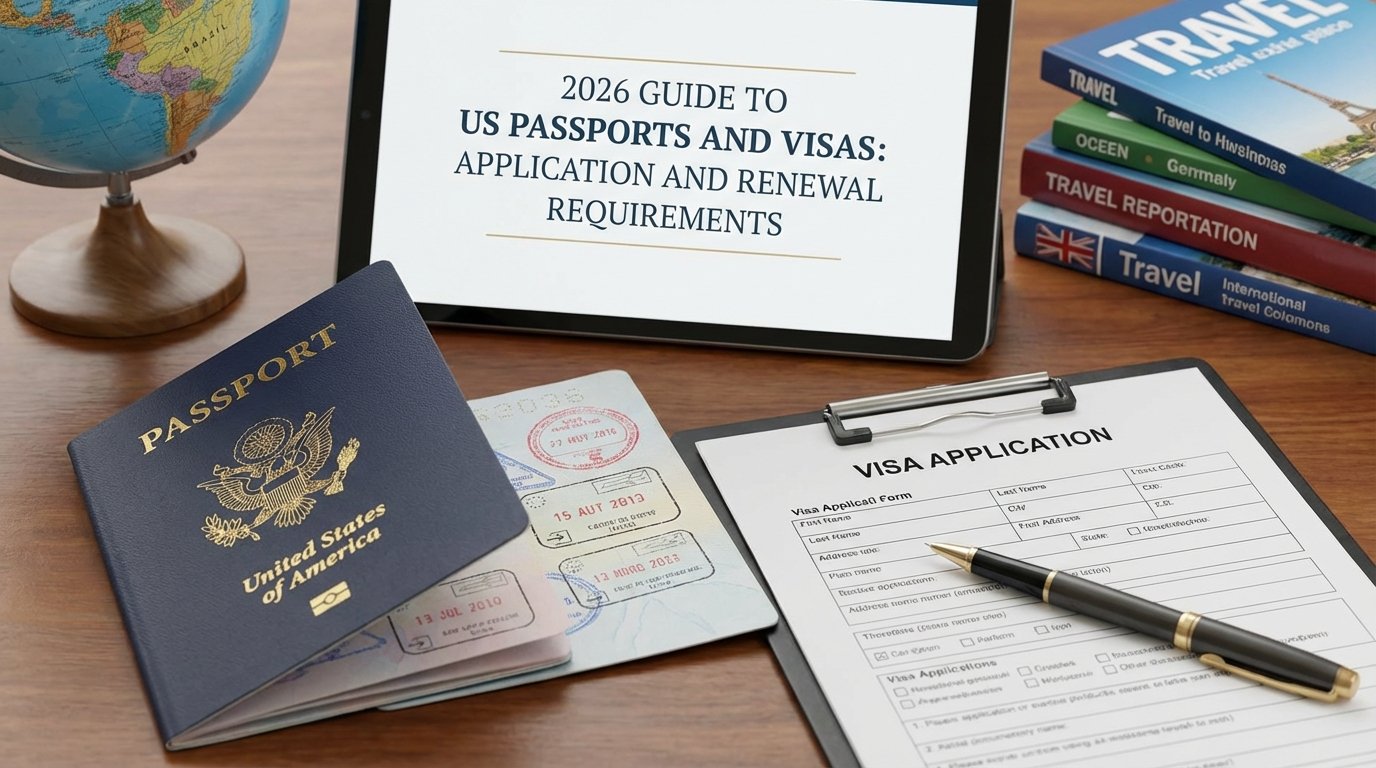
Start with nationality-specific visa rules and entry requirements for your destinations. Keep digital and physical copies of passports, visas, and emergency contacts. Verify rollover rules for multi-country trips to avoid last minute holds at borders.
- Passport validity: usually six months beyond travel end date
- Visa windows and processing times
- Transit and border permit needs for multi-country routes
Insurance, emergency plans, and communications
Choose a plan that covers medical, evacuation, and activity-specific risks. Share your itinerary with a trusted contact and set up a two-way communication plan in remote areas.
- Medical and evacuation coverage
- Emergency contacts and local SIM or satellite device
- Phone preloads with maps and offline documents
Equipment lists and gear strategies
Match gear to the environment and pace of your trip. Prioritize versatile, weight-efficient items and check gear requirements for activities and permits.
- Layered clothing for variable conditions
- Compact safety and repair kits
- Permits-specific gear (if needed) and carry-on compliant equipment
Crowd management and maximizing sightseeing time
Plan to visit popular sites during shoulder hours and use pre-booked entries where possible. Build flexibility into your schedule to adapt to delays or changes.
- Time-block strategy for key attractions
- Official app or guidebook checklists to avoid detours
- Backup plans for rain or strikes, including alternative sites
Practical example: If you’re touring Europe in fall, pair pre-booked museum slots with free afternoon hours for cathedral bells or markets. This cuts lines and preserves energy for evenings.
| Aspect | Practical tips |
|---|---|
| Documentation | Digital backups, laminated copies |
| Insurance | Medical, evacuation, activity coverage |
| Gear | Lightweight, multi-use items |
| Sightseeing | Pre-booked slots, flexible blocks |
6. Cost and Time Efficiency: DIY vs Organized Tours
Hidden costs to watch in each path
DIY trips often look cheaper at first glance but can incur local transport fees, permits, and charges for last minute changes. Plan for research time and contingency funds to cover unexpected expenses.
Organised tours may present a single upfront price but still include optional activities, single supplements, or peak season surcharges. Build a buffer by listing every potential add‑on and confirming what’s included.
Time saved versus flexibility
Organised tours cut planning time with pre booked transport and fixed routes, letting you focus on experiences. You gain efficiency but lose the spontaneity to switch plans on a whim.
With DIY, you control pacing and detours, yet you’ll spend hours researching, booking, and solving issues when plans falter.
How to compare total value beyond sticker price
- Assess total duration value: count hours of activities across the trip, not just calendar days.
- Factor risk management: guides and permits can prevent costly delays and misdirections.
- Consider access to expertise: local knowledge can reveal time saving routes and superior experiences.
- Account for unpredictability: set aside a contingency fund to reduce stress when plans change.
Tips for budgeting with or without a guide
- Build a two column budget: essentials and extras, with a 10 20% contingency.
- Compare all inclusive quotes against itemized DIY costs to reveal true value.
- Pre book key elements early to lock in prices and avoid rate hikes.
- Track spend during the trip to adjust plans in real time without overspending.
FAQ
Here are quick answers to common questions about planning an adventure trip yourself versus using an organised tour. The aim is to help you decide what fits your style and destination.
- Which approach saves time? An organised tour typically saves planning time through pre-arranged transport, lodging, and activities. For example, a week long trek in Patagonia often includes transfers, lodge nights, and guided sections already scheduled.
- How is safety handled differently? Guided options usually provide trained guides, safety briefings, and established emergency procedures, while DIY relies on your own risk assessment and local knowledge. In practice, a guided dive trip includes buddy checks and emergency ascent protocols.
- What destinations suit DIY planning? Places with flexible entry points, strong self guided transport, and abundant local resources work well for independent travel. Think rural Nepal hills where local buses connect villages, or Icelandic ring road trips with well marked campsites.
- Where do tours shine? Remote regions, permits, or complex logistics benefit from a tour that includes permissions, gear, and local support. For instance, crossing Arctic Svalbard or remote Selkirk ranges often requires operator coordination and specialist equipment.
- How does this affect costs? DIY can appear cheaper but hidden costs may rise. Tours bundle costs but can add extras if not careful. A DIY itinerary might save on guide fees but run higher on insurance, gear rentals, and transport gaps.
| Aspect | DIY Pros | Organised Tour Pros |
|---|---|---|
| Planning time | Maximum control, longer prep | Rapid setup, less legwork |
| Flexibility | High, detours allowed | Structured but predictable |
| Safety | Personal risk judgment | Guided risk management |
| Cost clarity | Itemized spend by you | All-inclusive options reduce surprises |
Conclusion
Choosing between a DIY adventure and an organised option hinges on your priority: time, flexibility, risk, and budget realities.
For total control and bespoke pacing, independent travel rewards careful preparation and local insight. You can craft private schedules, chase spontaneous moments, and tailor routes around interests in places like Rome, London, or Corfu. Practical step: map your must-see sites, then build a flexible fallback plan for weather or closures.
If you value efficiency, safety nets, and reduced logistical friction, an organised tour offers predictable costs, access to guides, and streamlined permits in complex destinations such as Ha Long Bay or Central Otago. Practical tip: ask for a sample itinerary, check group size, and verify what activities are included versus paid separately.
- Assess your destination: some spots reward self-navigation, others demand coordinated logistics.
- Weigh hidden costs and contingency needs against upfront pricing and included services.
- Consider group dynamics, pace, and social aspects if you seek shared experiences.
In practice, many travellers blend approaches: core routing with DIY elements, or a guided framework that leaves room for personal exploration. Your best choice aligns with how you want to spend time, handle risk, and allocate resources on your next journey. Trafels recommends testing a hybrid plan by booking a core route with optional add-ons to gauge comfort before committing fully.
References
- Is it better to plan an adventure trip yourself or go with an organised …
- Planning independently vs group tours: pros and cons – Facebook
- Do you prefer creating your own itineraries or booking with a travel …
- How to choose between guided tours or independent travel
- Better to organise your own trip or go through a company?