
Table of Contents
- Introduction
- 1. The Core Value of Human Judgment in Travel Planning
- 2. AI as a Tool, Not a Replacement: Enhancing Advisor Capabilities
- 3. Building Trust Through Experience and Relationships
- 4. Three Phases of Travel Advisors’ Work in the AI Era
- 5. Personalization at Scale: Techniques for Tailored Recommendations
- 6. Safety, Compliance, and Documentation: The Advisor’s Edge
- 7. Measuring Value: How Travelers Benefit from Modern Advising
- FAQ
- Conclusion
Introduction
The evolving role of travel advisors in an AI-forward landscape
Artificial intelligence is changing how we gather information and generate ideas, but it does not replace the human touch. Travel advisors bring years of experience, supplier networks, and the ability to advocate when plans shift. In an AI-forward landscape, our role is to pair data-driven insights with personal judgment to craft itineraries that feel tailored and confident.

We view AI as a companion that broadens our toolkit rather than a substitute for expertise. It helps sift through options, identify patterns in demand, and surface practical constraints. The real value comes when we translate that data into decisions shaped by your preferences, timelines, and comfort levels.
What readers will gain: balancing expertise with technology
You will learn how to blend AI-powered insights with human judgment to deliver personalized service at scale. The sections ahead cover:
- How advisors remain advocates and problem solvers during disruptions
- Ways AI can handle routine tasks so we focus on bespoke itineraries
- Strategies for maintaining trust and clear communication with clients
1. The Core Value of Human Judgment in Travel Planning
Personal constraints, preferences, and context that shape itineraries
You guide the itinerary with a clear view of what matters to you. Budget quirks, accessibility needs, and time constraints color every choice, from flight times to lodging tiers. Advisors translate vague desires into concrete options, filtering by what truly fits your daily rhythm and comfort level.
Context matters too. Seasonal crowds, local events, and cultural norms influence what is feasible and enjoyable. A thoughtful advisor weighs these factors alongside your stated interests to craft a plan that feels doable rather than theoretical.
Advisors as advocates during crises and changes
When plans shift, your travel advisor advocates on your behalf. They navigate supplier policies, adjust itineraries, and secure alternate arrangements with empathy and speed. This human expertise often shortens disruption recovery and preserves the core experience you sought.

In practice, this means proactive communication, transparent tradeoffs, and concrete alternatives. You gain a trusted partner who prioritizes your priorities while managing the realities of travel logistics.
2. AI as a Tool, Not a Replacement: Enhancing Advisor Capabilities
Data-driven insights for smarter recommendations
AI compiles patterns in travel demand, pricing signals, and supplier performance to reveal options that may not be apparent from a single source. This helps advisors tailor itineraries to a traveler’s interests and practical constraints without losing the human touch.
AI acts as a diagnostic partner rather than a replacement for judgment. It helps identify potential bottlenecks, surfaces contingency paths, and highlights destination trends that support timely, realistic proposals.
Automating routine tasks to free up time for personalization
Automated data gathering, quote assembly, and itinerary updates take routine work off the plate, freeing advisors to focus on bespoke touches aligned with hobbies, accessibility needs, and pacing preferences.
Automation also streamlines communications. Standard confirmations, policy checks, and booking updates can be handled efficiently, allowing for deeper client conversations.
- AI-powered travel intelligence tools provide visibility into booking behavior and opportunities.
- AI-driven chatbots handle routine client interactions, freeing up advisor time for high-value tasks.
- Algorithms assist with dynamic pricing alerts, helping advisors propose timely options.
3. Building Trust Through Experience and Relationships
Developing supplier relationships that benefit travelers
Experience with multiple suppliers informs practical decisions for travelers. Advisors know which properties, airlines, and tour operators consistently meet expectations and handle exceptions well. Those relationships can translate into smoother upgrades and favorable terms when plans shift.
Strong partnerships also improve access to insider inventory and priority support during peak seasons or disruptions. This connection often means faster problem resolution and more flexibility in substitutions that preserve the traveler’s core experience.
Transparent communication and expectation management
Clear honesty about constraints sets the tone for trust. Advisors outline trade-offs between time, budget, and comfort, and document preferences to avoid repeated clarifications.
Proactive updates during planning and timely notifications when changes occur keep travelers confident. Plain language about what is included, what is not, and how decisions affect the journey helps travelers feel in control and informed.
4. Three Phases of Travel Advisors’ Work in the AI Era
Planning with AI-generated options aligned to traveler constraints
AI surfaces a broader set of itineraries that fit your constraints, from budget limits to time windows. The advisor screens these options through practical experience, discarding impractical choices and highlighting feasible tradeoffs. You receive a curated short list with clear implications for each option.
This phase blends data insights with human judgment. Advisors compare AI-suggested routing, seasonal patterns, and supplier terms to craft a plan you can actually execute.
Booking coordination and vendor orchestration
The advisor coordinates air, hotel, rail, activities, and transfers in a single integrated flow. AI helps by flagging conflicts, optimizing sequencing, and ensuring policy compliance across suppliers. The result is coherent planning rather than a tangle of bookings.

Expect transparent documentation of what’s booked, what’s pending, and any contingencies. This clarity helps prevent last minute surprises.
Support and advocacy during disruptions
When plans shift, the advisor advocates on your behalf, negotiating with suppliers and sourcing alternatives quickly. AI can flag potential issues, but human responsiveness and empathy drive faster recoveries.
Proactive updates, alternative routing, and clear cost implications are standard. The aim is to preserve your core experience while adapting to new constraints.
5. Personalization at Scale: Techniques for Tailored Recommendations
Leveraging client history, loyalty programs, and accessibility needs
Personalization starts with a precise record of what matters to each traveler. Advisors map past trips, preferred pacing, and mobility or dietary needs to tailor recommendations from the first AI-generated option.

Seasoned advisors weave loyalty status, carrier and hotel preferences, and preferred departure windows into the planning process to surface feasible itineraries quickly. This approach reduces back-and-forth and increases the likelihood of a smooth booking.
- Pull in loyalty benefits to maximize value without adding complexity
- Highlight accessible options and confirm feasibility with suppliers in advance
- Use client history to anticipate needs before they arise
Curating experiences to avoid crowds while maximizing time
Real value comes from selecting experiences that feel exclusive without sacrificing efficiency. AI can generate options rapidly, but the adviser adds context to ensure choices align with pace and priorities.
Advisors balance peak times, local events, and transport bottlenecks to create calmer days with standout moments. They sequence activities to hit high-impact moments when crowds are lighter.
- Staggered activity slots to smooth demand and reduce wait times
- Localized alternatives that deliver authentic moments with lower footfall
- Priority access ideas where possible, aligned to your pacing needs
Note: Techniques like AI-assisted itinerary ideation can propose a broad set of options, but human curation ensures choices align with unique constraints and preferences. This combination scales personalization without sacrificing quality.
6. Safety, Compliance, and Documentation: The Advisor’s Edge
Navigating visas, passports, and entry requirements
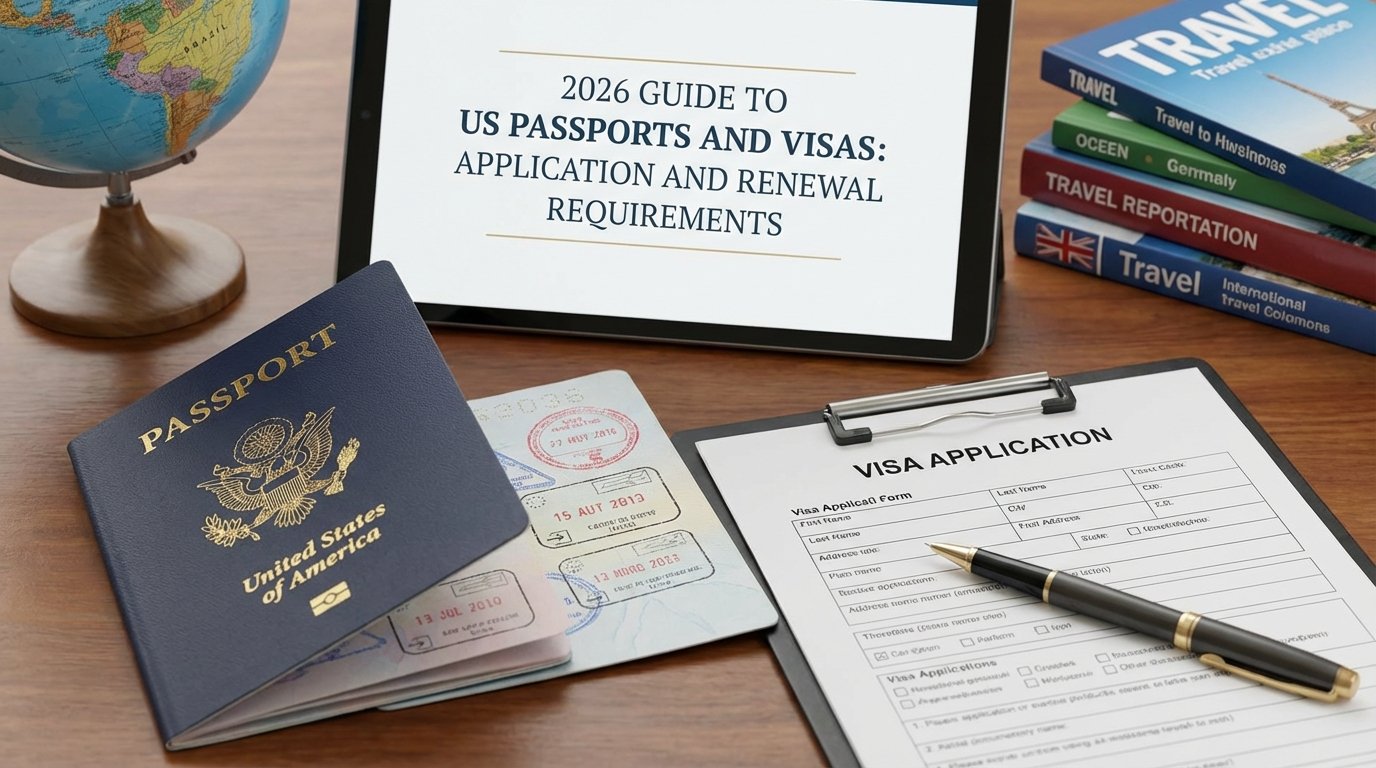
Travel advisors translate complex rules into clear steps you can follow. They track passport validity, visa windows, and destination-specific entry rules to prevent last minute holds or denied boarding.
Expect proactive checks early in the planning process. Advisors verify document needs across traveler profiles and alert you to renewals or updates well before departure.
Travel safety protocols and crisis response expertise
Advisors integrate current health, safety, and security guidance into itineraries. They assess risk levels for regions you plan to visit and adjust plans accordingly to preserve your core experience.
When disruptions occur, advisors coordinate rapid responses with suppliers, arrange alternatives, and communicate clearly about any costs or changes. This reduces anxiety and keeps you moving forward.
- Pre-trip document checklists tailored to each destination
- Policy-aware routing to minimize exposure to risk during travel
- Incident response plans that prioritize traveler welfare and continuity
7. Measuring Value: How Travelers Benefit from Modern Advising
Time saved
Advisors condense hours of online research into a focused set of options tailored to you. They filter out noise and present routes, activities, and pacing that align with your schedule.
Coordinating planning, booking, and support in one workflow reduces back-and-forth and last minute changes that derail trips.
Planning accuracy
Experience and AI-generated options align with your constraints, loyalty status, and accessibility needs. This helps prevent missing details like transfer times, visa windows, or peak-traffic days.
Clear, written documentation of what’s booked, what’s pending, and potential contingencies lets you verify before committing.
Peace of mind
Advisors advocate during disruptions, balancing empathy with practical steps. You receive timely alternatives, cost clarity, and ongoing updates that preserve your core experience.
Resolution of issues with empathy and speed
When plans shift, the advisor coordinates with suppliers to secure contingencies and transparent pricing. AI can flag problems, but human responsiveness drives timely, compassionate handling.
| Metric | Advisor-enhanced approach | AI-only approach |
|---|---|---|
| Time to final plan | Shortened via curated options | Longer due to exploration noise |
| Risk of missing details | Lower with expert review | Higher without human checks |
| Disruption handling | Empathetic advocacy | Reactive automation only |
FAQ
How do AI tools fit into travel planning without replacing human advisors? AI helps with data gathering, trend spotting, and generating options. Advisors interpret those outputs, apply constraints, and advocate for you across suppliers and edge cases.
- Can AI generate multi-stop itineraries that match accessibility needs?
- Yes, AI can propose options, but a human advisor confirms feasible routes, timing, and practical accessibility details.
- What counts as personalized service in 2026?
- It combines tailored recommendations with proactive support, from visa checks to crisis advocacy, grounded in your history and preferences.
What makes an advisor valuable during disruptions? They coordinate with suppliers, reassess options quickly, and communicate clearly about costs and alternatives. This reduces stress and keeps you moving forward.
| Aspect | Advisor-led approach | AI-only approach |
|---|---|---|
| Planning pace | Curated, constraint-aware options | Broad but noisy results |
| Support quality | Empathetic, real-time advocacy | Automated responses |
| Trust factor | Supplier relationships and transparency | Algorithmic recommendations |
Conclusion
In an AI forward travel landscape, advisers remain essential for translating data into meaningful, safe experiences. Our role is to fuse technology with human judgment to deliver planning precision and compassionate support.
The best outcomes come from clear collaboration between AI tools and expert guidance. AI handles data gathering, trend spotting, and option generation, while we finalize itineraries, manage risk, and advocate across suppliers when plans shift.
Key takeaways to keep travel counseling personal and relevant:
- Maintain a clear planning framework that blends AI generated ideas with traveler constraints and preferences.
- Prioritize transparent communication about options, costs, and contingencies from the first interaction.
- Protect time for bespoke touches, accessibility needs, loyalty considerations, and unique interests that only expert insight can optimize.
As the industry evolves, we continue refining supplier relationships and crisis protocols to ensure you stay confident from booking through journey completion.
In practice, that means you benefit from faster, more accurate planning paired with a human advocate who understands you and your boundary conditions when the unexpected occurs.