


Table of Contents
- Introduction
- Transit safety and getting around
- 3. Personal security and belongings
- 4. Staying connected and emergency readiness
- 5. Health, visas and documentation for UK travelers
- 6. Must-do safe planning and itinerary tips
- 7. Red flags and what to do if something goes wrong
- FAQ
- Conclusion
Introduction
Overview of San Jose for UK travelers
San Jose is Costa Rica’s capital, a compact gateway to the country’s cultural and natural diversity. For solo travelers from the UK, it offers museums, markets, and affordable stays in walkable neighborhoods. Expect warm weather, friendly locals, and a mix of modern areas with historic charm.
Choosing well-reviewed hostels or budget hotels that attract other solo travelers helps with introductions and safety. Focus on well-lit streets, reliable transit access, and dining options at comfortable distances from your base. Plan day trips to nearby parks or coastal towns, and consider guided options when leaving the city core.
Why safety-minded planning matters for solo trips
Travel safety is a baseline, not an afterthought. Solo travelers adjust to a new pace and environment, so thoughtful preparation helps you stay flexible and focused on experiences.
- Know your transport options and stick to populated routes after dark.
- Protect valuables by minimizing visible cash and keeping bags secure.
- Have emergency contacts and local support ready before you arrive.
Practical steps to navigate San Jose confidently
Download reliable transit maps offline before departure. In practice, ride-hailing apps and registered taxis are safer for late returns. Share your daily plans with staff or fellow travelers when staying in hostels.
- Carry a compact day bag and keep a photocopy of your passport separate from the original.
- Limit card usage to trusted merchants and prefer contactless payments where possible.
- Ask hostel staff for current safety tips specific to your neighborhood and time of day.
Transit safety and getting around
Official transport options and apps to use
San Jose blends official public transit with rideshare services. Use registered taxis or reputable apps to reduce risk. For airport transfers, opt for prepaid services or hotel pickups rather than street hails.
- Official buses run on clear routes across the city and nearby areas. If a line shifts, have a backup plan like a rideshare to finish the last mile.
- Ride-hailing apps offer traceable, cashless rides with driver details and ETA. Save your pickup location and share trip status with a friend.
- Airport shuttles and hotel transfers are common safe options for first arrivals, especially after dark. Confirm pickup point with your hotel before arriving.
Tips for nighttime travel and avoiding risky routes
Travel confidently by sticking to well lit, populated corridors. Prepare your route in advance and share it with someone you trust, plus note a backup path in case of detours.
- Prefer main streets with regular foot traffic after dark. If you must detour, choose well lit, crowded blocks and avoid shortcuts through alleys.
- Avoid isolated neighborhoods and beaches at night, especially far from the city center. Use rideshare instead of walking long distances after hours.
- Walk with purpose, keep your phone accessible, and carry a light bag to deter distractions.
- When taking a taxi, verify plate and driver details in the app before entry, and sit in the back seat for oversight and safety.
| Transport option | Pros | Cons | Tips |
|---|---|---|---|
| Official buses | Low cost, broad coverage | Schedule changes, long walks from stops to venues | Check live updates; carry a compact map for last mile guidance |
| Ride-hailing apps | Convenient, trackable, cashless | Surge pricing during peak times | Confirm driver and vehicle details in the app before entry |
| Airport transfers | Predictable for arrivals, stress-free | Higher cost than public options | Book in advance through your hotel or a reputable provider |
3. Personal security and belongings
Practical steps to protect valuables
Keep a low profile with documents and cash. Use a hotel safe or a discreet pouch for essentials when you’re out exploring the city.
- Carry only what you need for the day and distribute valuables across bags to avoid a single loss.
- Use a lightweight, cut resistant bag with lockable or tethered zippers for extra security.
- Photocopy passport pages and important IDs; store digital copies securely offline on a portable drive or encrypted cloud, then keep the originals in a hotel safe.
- Avoid displaying large sums of cash or expensive gear in crowded areas, and consider a money belt under clothing for high traffic zones.
How to dress and behave to minimize risk
Dress for comfort and inconspicuous travel. Simple clothing and a practical bag reduce unwanted attention.
- Keep bags in front of you in busy spaces and on public transport; consider a crossbody strap to prevent snatch attempts.
- Limit back-pocket usage and avoid flashy accessories that signal wealth; opt for neutral colors and breathable fabrics for mobility.
- When alone, stay on well lit, populated streets and avoid shortcuts through secluded zones after dark.
- Trust your instincts: if a route feels off, switch to a busier corridor or seek help at a shop or cafe with cameras and staff.
| Security focus | Recommended practice | Rationale |
|---|---|---|
| Valuables | Split storage across multiple places, minimize cash; keep a digital backup | Lessens loss impact if items are misplaced or stolen |
| Bags | Choose lockable, close to your body carry | Deters pickpockets and slows grabs |
| Public spaces | Travel in groups when possible, follow trusted routes | Reduces exposure to opportunistic theft |
4. Staying connected and emergency readiness
SIM card, eSIM, and Wi‑Fi options for travelers
Staying connected helps you navigate safely and respond quickly in unfamiliar areas. Costa Rica offers options that fit a range of travel styles and budgets.
- Local SIM cards from major providers like Kolbi and Orange deliver affordable data and straightforward top-ups. For example, a 5 GB plan can cover a week of navigation and ride shares in San Jose and popular beach towns.
- eSIMs suit travelers who want to switch networks without swapping SIMs. Confirm your phone supports eSIMs, and activate before departure to avoid roaming charges.
- Portable WiFi hotspots keep multiple devices online. If you’re traveling with a group or remote-working, a single device can support cameras, maps, and collaboration apps.
- Public WiFi in cafes and libraries should be treated as a backup. Always use a VPN on open networks and disable auto-connect features to reduce risk.
Local emergency numbers and embassy guidance
Know the right numbers before you land. Local authorities and reputable help centers can guide you quickly in a pinch.
- Emergency services in San Jose and major towns use centralized numbers; confirm the local dial codes upon arrival and save them in your phone.
- Register with your home country’s embassy or consulate in Costa Rica. They provide safety alerts, travel advisories, and direct assistance if needed.
- Keep a printed copy of your passport, itinerary, and key contacts, in addition to digital copies stored offline in a secure wallet.
- Share your location with trusted contacts and enable real-time sharing in your map app when moving between neighborhoods or late at night.
5. Health, visas and documentation for UK travelers
Passport
Ensure your passport is valid for at least six months beyond your planned departure date. Carry a spare photocopy of the main pages in case of loss.
Visa basics for Costa Rica
UK travelers usually enter Costa Rica as tourists without a visa for short stays. Check current entry rules before you travel, as policies can change. Have your onward ticket ready for immigration if asked.
Vaccinations, health insurance, and travel safety resources
- Stay up to date on routine vaccines. Consider any region specific recommendations from health authorities.
- Travel health insurance is essential. Verify coverage for medical evacuations and any activities you plan.
- Bring a basic first aid kit and any personal medications in their original packaging with prescriptions.
| Documentation | Practical tip | Why it matters |
|---|---|---|
| Passport | Six months validity, copies stored offline | Smooth entry and easier in-country processing |
| Travel insurance | Policy with medical and evacuation coverage | Financial protection in emergencies |
| Medications | Carry in original packaging, with prescriptions | Avoids customs delays and misclassification |
6. Must-do safe planning and itinerary tips
Balanced day plans to avoid crowds and fatigue
Structure each day to balance planned sights with rest. Start with popular areas in the morning when it’s quieter and cooler, then mix in quieter activities later in the day.
- Alternate active sightseeing with relaxed breaks to keep energy steady.
- Choose accommodations within a short walk or quick ride of your day’s core sights.
- Factor buffer time between transitions to avoid rushing.
Safe dining, attractions, and crowd-aware scheduling
Choose busy, well lit venues and prefer daytime tours when possible. Reputable operators add a layer of safety and reliability.
- Prefer venues with clear lighting and visible staff after dark.
- Book tours or activities with established operators and check reviews beforehand.
- Confirm routes on official maps or trusted recommendations to avoid isolated areas.
| Planning element | Smart approach | Why it helps |
|---|---|---|
| Transit timing | Plan daytime transfers and verify ETA in advance | Minimizes late night risks and uncertainty |
| Crowd thresholds | Visit popular spots earlier and avoid peak times | Less confusion, smoother movements |
| Meal planning | Reserve seats or choose well-reviewed venues in busy districts | More predictable dining experiences |
7. Red flags and what to do if something goes wrong
Recognizing common scams and risky situations
Stay alert for distractions and offers that press you to act quickly or feel unusual. If a deal seems too good to be true, take a step back and verify.
- Unsolicited helpers at transit hubs offering shortcuts or carrying bags for a fee.
- Strangers who are overly friendly and push for private details or sudden changes to plans.
- Pressure to hurry you into tickets, tours, or services without clear information.
Step-by-step actions if you feel unsafe
Trust your instincts and move away from the situation. Stay calm, disengage, and head toward populated areas.
- Walk to a well lit, busy location such as a staffed venue or hotel lobby.
- Find staff or security if the situation escalates or you feel targeted.
- Dial local emergency numbers if you are in immediate danger or need police support.
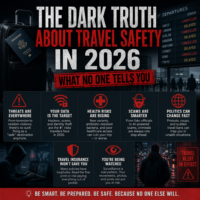
Practical tips you can apply now:
- Use a short, firm line like I am not interested, thank you, then walk away.
- Keep valuables secure and out of sight, using zippers and inner pockets.
- Travel with a buddy system at night or in unfamiliar areas whenever possible.
| Situation | Immediate action | Why it helps |
|---|---|---|
| Approached with pressure to make a quick decision | Politely decline, step away, seek a safer location | Reduces risk of impulsive or costly mistakes |
| Someone insists on handling money or documents for you | Keep valuables close, refuse, move away | Prevents theft or misplacement of belongings |
| Feelings of being followed or watched | Enter a public spot, contact local authorities if needed | Increases personal safety and access to help |
FAQ
Is San Jose safe for solo female travelers?
Yes, with careful planning. Stick to well-lit, populated areas and avoid strolling alone at night in unfamiliar neighborhoods. Choose reputable accommodations that host other solo travelers, and keep valuables secure and discreet.
Practical steps: map out two safe routes from the hotel to key sights, and identify a reliable 24/7 contact at the property. If you feel uneasy, head to a staffed venue or cafe and stay there until daylight returns.
What should I do if I’m traveling overseas alone for the first time?
Plan ahead with a practical itinerary and safe transit options. Share your plans with a friend back home, save local emergency numbers, and carry photocopies of your passport and important documents. Learn a few local phrases to ask for help if needed.

Actionable tips: register with your embassy if offered, download offline maps, and carry a lightweight doorstop for hotel security. Practice a simple phrase like Help me, I’m lost in the local language.
What transportation tips are essential for UK travelers?
Prefer official transport options and verify routes before leaving your hotel. Use rideshare or licensed taxis in the evening, and plan a walking route in advance. Arrange airport transfers ahead of time to reduce last‑minute stress.
Specifics: check for contactless payment options, carry a small amount of local currency for tips, and bring a power bank for navigation apps during long days.
| Tip area | Practices | Benefit |
|---|---|---|
| Safety mindset | Travel in well-lit areas, avoid flashy jewelry | Reduces unwanted attention and risk |
| Documentation | Carry copies of passport and contacts | Keeps you prepared if documents are lost |
| Transit planning | Pre-booked transfers, daytime travel when possible | Lower exposure to nighttime risks |
Conclusion
Key takeaways for a confident solo trip from the UK
Plan with purpose. Map routes, book reputable stays, and keep a flexible buffer for rest days. You gain confidence when you know how you will move between neighborhoods and what to do if plans shift.

Prioritize visibility and practicality. Travel light when possible, secure valuables, and choose public, well lit areas for movement. Small routines, like keeping a backup photo of your passport and a quick access emergency contact, make a big difference.
Resources and further planning considerations
- Secure accommodation options that host other solo travelers to increase daytime interactions
- Prepaid transfers from the airport to your first hotel to reduce late night stress
- Local SIM or eSIM setup before departure for reliable connectivity
- Emergency numbers and embassy contact details stored offline and online
| Area | Practical step | Benefit |
|---|---|---|
| Transit | Arrange official transport for arrivals and late evenings in advance | Minimizes exposure to sketchy routes and improves pace |
| Accommodations | Choose hostels or guesthouses with verified solo traveler reviews | Supports safety in numbers and practical tips from peers |
| Connectivity | Activate a local data plan or roaming option before departure | Fast access to maps, translation, and help if plans change |