Table of Contents
- Introduction
- 2. Cultural norms and perceived etiquette in air travel
- 3. The psychology behind requests: why passengers ask for favors
- 4. Common categories of requests and why they arise
- 5. How cabin crew manage inappropriate requests
- 6. Passenger rights, airline policies, and what to know before you fly
- FAQ
- Conclusion
Introduction
Context and scope
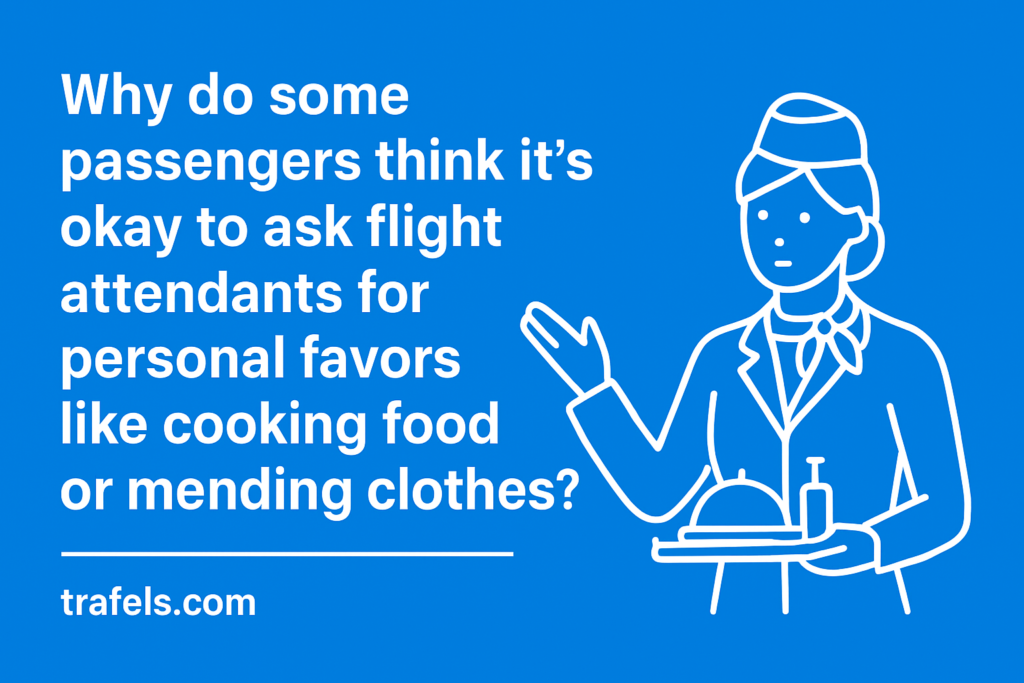
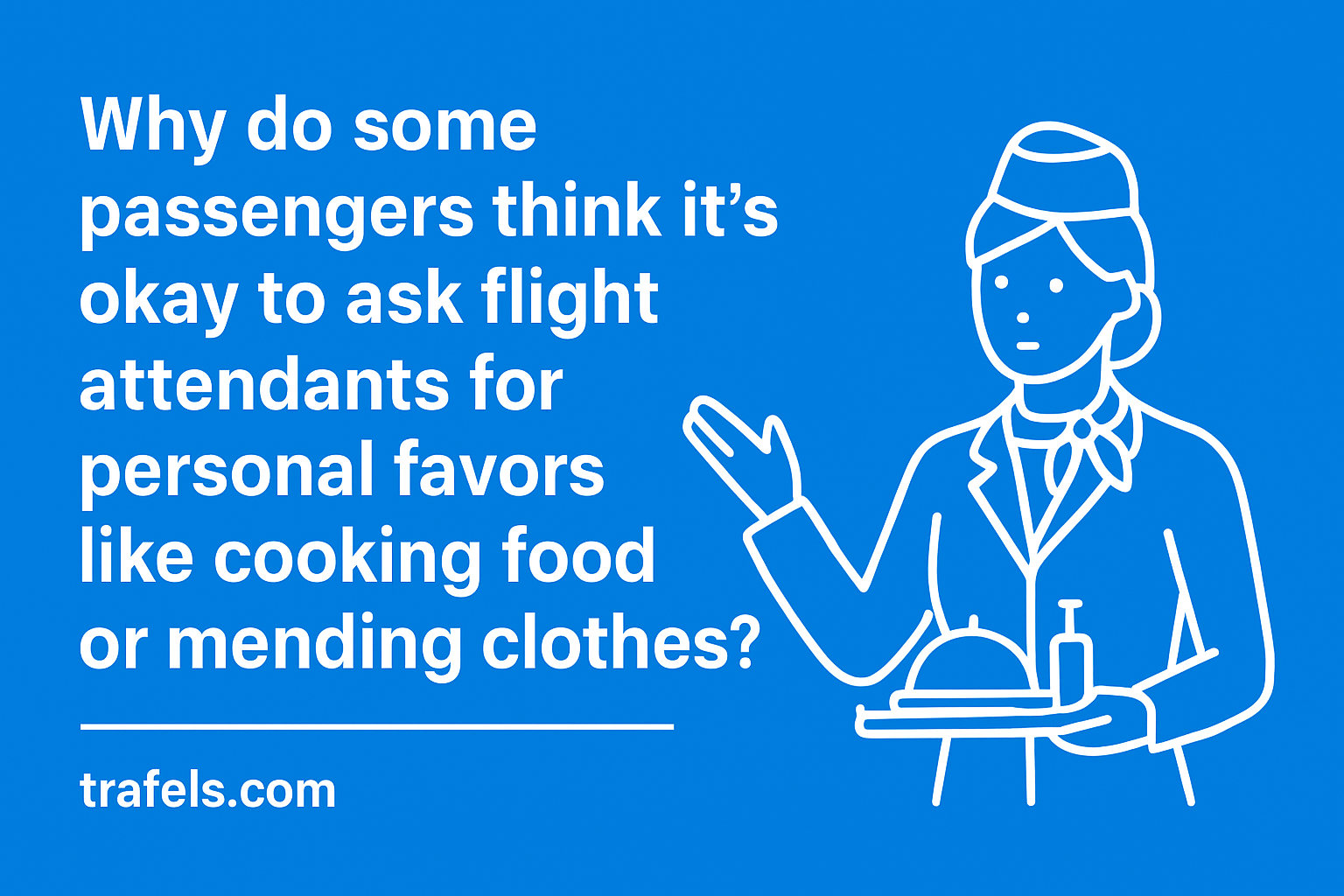
On some flights, people test boundaries by asking attendants for personal favors such as cooking meals or mending clothes. This guide from trafels.com explains why these requests arise, how crew manage them, and how you can interact respectfully without compromising safety or service standards.
We address etiquette, airline policies, and practical tips you can use before you fly. The aim is to help you understand where lines are drawn and how to frame requests in a way that respects crew workload and safety requirements.
What readers will gain from this guide
- Clarity on why certain requests are inappropriate or unlikely to be fulfilled.
- Strategies for asking for help in a respectful, realistic way.
- Awareness of common limits, including safety protocols and resource constraints.
- Practical steps to prepare for a smoother in-flight experience and better interactions with cabin crew.
2. Cultural norms and perceived etiquette in air travel
Regional differences in interaction styles
Etiquette on board varies with local politeness codes and social expectations. In some regions, passengers anticipate proactive help and see flight attendants as hosts of the journey. In others, conversations are more restrained and requests stay succinct. These patterns influence what feels appropriate when you interact with crew.
Understanding these differences helps you frame requests respectfully. A traveler from a service-oriented culture may expect more hands-on assistance, while someone from a self-reliant background might favor minimal intervention. Clarity and sensitivity reduce the risk of misinterpretation.
How service norms shape passenger behavior
Airlines train crews to balance courtesy with safety and workload. This training establishes a service framework that defines what is feasible and communicates limits clearly. Passengers often mirror these cues in how they phrase requests.

Routes and aircraft types also influence expectations. Some carriers emphasize a highly personalized experience on long-haul flights, while others prioritize efficiency on shorter legs. Recognizing these nuances helps you align your requests with the voyage and avoid friction with crew.
3. The psychology behind requests: why passengers ask for favors
Perceived familiarity and authority of crew
Passengers often view flight attendants as approachable yet authoritative figures. That blend can lower perceived risk, making requests feel more feasible. The ongoing display of care may come across as willingness to help beyond standard duties, especially when crews are friendly and engaged.
Familiarity can also come from repeated interactions on the same airline or route. If a crew member has assisted you before, you might default to trust, even when a request falls outside normal service. This can blur boundaries in the moment.
Stress, fatigue, and decision making under flight conditions
Flight environments are inherently stressful. Dehydration, cabin pressure changes, and disrupted schedules tax your thinking. In these moments, people lean on simpler, emotionally driven choices rather than weighing policy details.

Fatigue lowers impulse control and raises the odds of seeking convenience over necessity. When concerns feel urgent, passengers may bypass formal channels used on the ground, hoping for a quick, compassionate response.
4. Common categories of requests and why they arise
Dietary accommodations and food requests
Passengers seek dietary accommodations when meals don’t align with their restrictions, allergies, or cultural preferences. In the moment, a traveler might ask for substitutions, snacks, or special preparation to feel comfortable during the flight.
These requests often stem from last minute changes, miscommunications at check-in, or unfamiliar menu options. Clear preflight notes and calm communication with crew can reduce the need to press for on board improvisations.
Clothing repairs and comfort adjustments
Clothing issues on board include loose buttons, hem adjustments, or requests to borrow items like socks or a shawl. Comfort-focused asks emerge when passengers experience temperature shifts or seat discomfort during long flights.

Crew handle these within limits, prioritizing safety and available inventory. Before boarding, pack a compact comfort kit and know where you can discreetly request help without disrupting service for others.
Non-urgent requests that strain resources
Some passengers request non-urgent favors such as extra pillows, entertainment access, or assistance with personal errands. While these may seem harmless, they can stretch crew resources on busy legs of the journey.
Passengers should weigh the practicality of the request and consider whether it impacts safety protocols or other passengers. When in doubt, frame requests as reasonable and time-bound to avoid bottlenecks.
5. How cabin crew manage inappropriate requests
Communication strategies
Crew members use concise language to set boundaries without escalating tension. Clear explanations of what can and cannot be done help passengers adjust expectations in real time.

Polite refusals are paired with policy-aligned alternatives, such as offering generic comfort options or guiding passengers to official channels for exceptions. This keeps service professional and reduces confusion.
Escalation processes and safety considerations
When a request falls outside guidelines, crew escalate to a supervisor or purser to confirm feasibility. This ensures consistency across the fleet and minimizes on the spot disagreements.
Safety remains the top priority. If a demand could interfere with crew duties, passenger safety, or in-flight operations, crew will defer or decline and document the incident for after-flight review.
- Documented refusals with brief rationales help maintain accountability.
- Rerouting or rescheduling non-urgent tasks may be proposed to avoid impacting service for other passengers.
- Passengers are informed of the expected handling time when a request requires special approval.
6. Passenger rights, airline policies, and what to know before you fly
Reviewing airline policies on personal requests
Policies vary by carrier, route, and aircraft. Before you travel, check the airline’s official rules on in-flight assistance and personal requests. Look for sections covering dietary substitutions, clothing adjustments, and non-urgent favors.

Clear policy information helps you set realistic expectations and reduces friction with crew. If a request sits in a gray area, knowing where it falls in policy guides you to the appropriate channel for an exception or accommodation.
Tips for respectful interactions and expectations
Ask politely, use neutral language, and frame requests as time-bound and reasonable. Start with what you need and acknowledge crew constraints. Keep requests concise to avoid disrupting service flow.
Have a backup plan. If a preferred accommodation cannot be provided, be ready to accept an alternative that aligns with policy and safety needs. This keeps the interaction constructive and minimizes delays for others.
Practical checklist before boarding
- Review dietary needs noted at booking or check-in and verify menu options.
- Pack a compact comfort kit to reduce last-minute requests for personal items.
- Know the official channels for exceptions, such as special meals or medical accommodations.
- Prepare a brief, respectful note for crew if you have a time-sensitive concern that requires coordination.
FAQ
This section answers common questions about interacting with flight attendants when you need help that might feel personal. It explains boundaries, etiquette, and practical steps to request assistance respectfully.
How should I phrase a request without overstepping?
Be polite, concise, and time-bound. Start with what you need, acknowledge crew constraints, and avoid implying entitlement. If a request strays from policy, ask about available official options rather than insisting on a specific outcome.
What constitutes an appropriate request?
Requests tied to safety, comfort, or dietary needs that fall within carrier guidelines are usually appropriate. Personal favors that require crew to perform tasks outside their role or beyond inventory should be declined with alternatives.
What if I feel my request was declined unfairly?
Ask calmly for the official channel to pursue an exception. Note the date, flight number, and crew member if needed. Airlines may review non-urgent refusals after the flight to ensure consistency.
What should I pack to reduce the need for special favors?
- Essential snacks or dietary substitutes approved for your needs
- A small comfort kit with items like a lightweight blanket or socks
- A brief, polite note detailing time-sensitive concerns for crew reference
How can I help maintain a smooth cabin experience?
Respect service timings, keep requests brief, and be prepared with alternatives. This helps crew prioritize safety and service for all passengers while still addressing legitimate needs.
Conclusion
Requests for personal favors on a flight sit at the edge of service boundaries. View cabin crew as safety professionals first and hospitality partners second. Keep requests practical, time-bound, and aligned with policy.
Maintain concise, respectful interactions. Acknowledge crew constraints and offer reasonable alternatives to reduce friction and support a smoother experience for everyone on board.
Before you travel, review the airline’s rules on in-flight assistance. Knowing where exceptions can be made helps you set realistic expectations and respond calmly if a request is declined.
- Prepare a brief, polite note for time-sensitive concerns if needed.
- Pack a compact comfort kit to minimize last-minute needs.
- Know your rights and the official channels for any exception requests.
Thoughtful preparation and respectful communication prevent awkward moments and keep attention on safety, comfort, and efficient service for all passengers.