


Table of Contents
- Introduction
- 1. Understand the local security landscape
- 2. Entry and movement considerations within Meghalaya
- 3. Safety practices for non-tribal/non-Khasi travelers in Meghalaya
- 4. Transportation options and contingencies
- 5. Health, emergency readiness, and legal considerations
- 6. Planning safer sightseeing and crowd management
- FAQ
- Conclusion
Introduction
At trafels.com, we aim to give you clear, travel-ready guidance about moving through Meghalaya as a non-tribal or non-Khasi traveler. This section sets the framework for safety considerations you should weigh before tomorrow’s trip.
Purpose and scope of safety considerations for non-tribal/non-Khasi travelers
You deserve practical steps that focus on real risks and everyday logistics. We outline how to assess security conditions, read advisories, and plan movements with minimal disruption. The guidance covers:
- Local cultural awareness and respectful interactions
- Documentation and legal requirements
- Transportation reliability and contingency planning
Current context: regional tensions, travel advisories, and local transport dynamics
Authorities emphasize staying informed about developments in the region. Travel advisories can change quickly, and real-time updates from officials and transport operators may impact plans. Monitor reliable sources before and during your trip to adapt safely.
| Aspect | What to monitor | Practical impact |
|---|---|---|
| Regional advisories | State Department or equivalent updates, local BNSS-related restrictions | Adjust travel plans, consider postponement if alerts rise |
| Local transport dynamics | Public transport reliability, road closures, security checks | Plan extra travel time, identify safe alternates |
1. Understand the local security landscape
Overview of current tensions between Assam and Meghalaya and potential impact on travel
Tensions between Assam and Meghalaya can affect road movement and access to border towns. Disruptions to transport routes may occur, with authorities sometimes restricting gatherings or traffic in certain corridors. For travelers, this means potential delays, alternate routes, and a need for flexible scheduling.
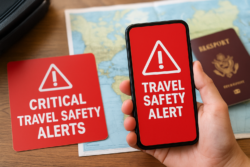
Expect fluctuations in cross-border travel conditions. Local disruptions can arise near major checkpoints or during periods of heightened security. Staying aware of nearby developments helps you adjust plans quickly and avoid restricted areas.
How to read regional advisories and real-time updates
Consult official sources for current risk levels and actions you should take. Look for notes on travel levels, advisories, and specific guidance for Meghalaya and adjacent states.
Translate advisories into actions: if an advisory indicates increased caution, limit nonessential travel and select daytime movements. Consider waiting for changes in levels before proceeding.
| Source | What it covers | Practical takeaway |
|---|---|---|
| State Department travel advisory | Overall risk levels, country-wide guidance, and travel considerations | Check for level changes and plan contingencies |
| Local government alerts | Rail and road disruptions, BNSS-related restrictions, crowd advisories | Re-route if needed and allow extra time |
2. Entry and movement considerations within Meghalaya
Routes into Shillong from Guwahati and potential disruptions
Guwahati is the main entry point for reaching Shillong. Transport reliability can fluctuate due to local disruptions or security checks linked to regional tensions. Expect occasional delays and possible changes to service availability.

Plan for alternate routes and flexible timing. Short-notice route adjustments by local operators are possible, so have a practical backup plan.
Stay-in-place vs. travel-on-alert guidance for daytime and nighttime movement
During the day, opt for planned movements with clear destinations and known pickup points. At night, minimize travel unless arrangements are verified and stable.
Practical steps to balance risk and practicality:
- Confirm daytime routes and schedules with trusted operators.
- Share your itinerary with a trusted contact and check in at planned times.
- Keep essential contacts handy, including local authorities and your embassy contacts.
3. Safety practices for non-tribal/non-Khasi travelers in Meghalaya
Cultural sensitivity and respectful behavior
Interact with courtesy while keeping local customs in mind. Dress modestly in public spaces and avoid drawing unnecessary attention in crowded areas. Meghalaya hosts diverse communities, and respectful behavior helps ease daily interactions.

Learn a few phrases in the local language and follow guidance from hosts or guides. If unsure, observe how residents conduct themselves in markets, religious sites, and public events before joining in. This practical courtesy supports safer, more comfortable travel.
Personal safety measures: documentation, accommodation choice, and local contacts
- Keep both digital and physical copies of ID, permits, and emergency contacts separate from your wallet.
- Choose accommodations with visible security measures, reliable reviews, and 24/7 reception.
- Identify a local contact or hotel staff member who can assist during disruptions or delays.
Share your itinerary with a trusted person and set regular check-ins. Know nearby police outposts or helpline numbers for quick access if trouble arises. This prepares you for sudden changes and reduces uncertainty.
4. Transportation options and contingencies
Public transport vs. private hire: risks and reliability
Public transport remains affordable but can be unpredictable during local disruptions. Schedules may shift and services can be unreliable on short notice.
Private hire offers more control over timing and routes, but costs can rise if detours or demand spikes occur. In rural stretches, vehicle availability may drop without advance planning.
- Cross-border services between Assam and Meghalaya may operate irregularly depending on security advisories.
- Road conditions can change with little warning, affecting travel times and access to key towns.
- Always confirm operator contact details and have a backup plan for last-minute cancellations.
What to do if cross-border or intra-state transport is disrupted
Have an alternative route ready and identify secondary hubs where you can regroup. Local authorities may reroute traffic to safer corridors, so know nearby towns that can serve as skip points.

Keep essential documentation on you and share your revised plan with a trusted contact. If you must wait for transport, choose well-lit, identifiable waiting areas with visible staff or security presence.
| Scenario | Recommended action | Risk level |
|---|---|---|
| Delayed cross-border service | Use a vetted private hire or travel with a group, confirm pickup points | Medium |
| Route cancellation due to advisory | Switch to an alternate corridor and reassess timing | High |
5. Health, emergency readiness, and legal considerations
Documentation, permits, and local laws travelers should know
Carry both digital and physical copies of your passport, visa, and any required permits. Local guidelines can change quickly, so stay current with official advisories. Have your embassy contact details readily accessible in case you need assistance.
Know basic local laws and cultural norms to avoid inadvertent violations. Some areas may have restrictions on photography or entry to certain sites. When in doubt, ask a local guide or hotel staff before proceeding.
Access to medical facilities and emergency numbers
Identify nearby hospitals or clinics in Shillong and along your typical routes. If you have ongoing health needs, bring essential medications with a copy of prescriptions and a letter from your doctor. Pack a basic first aid kit for minor injuries.

Save emergency numbers in multiple places on your phone and carry a simple health card with your blood type and any allergies. If you encounter a medical issue, coordinate with your accommodation staff or local authorities for safe transport to care facilities.
| Aspect | Practical steps | Why it matters |
|---|---|---|
| Documentation | Carry copies; confirm permits as needed | Supports travel legitimacy and quicker assistance |
| Medical readiness | Medications, prescriptions, health card | Reduces risk during gaps in service |
| Emergency access | Local contacts, embassy numbers, hotel staff | Improves response time in crises |
6. Planning safer sightseeing and crowd management
Identifying less crowded, safer time slots for popular sites
Check local advisories and current conditions before you head out. Early mornings or late afternoons often see fewer visitors at key spots, helping you avoid bottlenecks.
Build flexibility into your plan. If a site becomes crowded, pivot to a quieter nearby viewpoint or shift to a different activity that aligns with your risk tolerance.
- Confirm updated crowd data from local tourism offices or hotel staff before visiting.
- Avoid peak weekends or festival dates when possible to minimize contact with large groups.
- Stagger entry times to maintain personal space and reduce touch points.
Prioritizing essential sights and flexible scheduling
Prepare a short list of must-see sites and pair it with a flexible plan that allows rapid adjustments if advisories change.
Include buffer times between destinations to absorb delays from security checks or transport disruptions, so your core itinerary stays reachable.
FAQ
Is Shillong safe for non-tribal non-Khasi travelers right now?
Safety can vary by day and location. Check the latest travel advisories and local updates before moving. Local authorities may adjust restrictions or traffic patterns in response to incidents.
How do I read travel advisories responsibly?
Look for the current level and context, such as the main risks cited and the areas affected. Note any regional notes that pertain to your route or destination.
What should I do if advisories change while I am traveling?
Have a backup plan for alternate routes and safe shelters. Stay in touch with a trusted contact who can help coordinate a safe regrouping point.
What documentation do I need on hand?
Carry government-issued ID, travel permits if required, and copies of essential documents. Digital copies can speed up verification if physical copies are lost or damaged.
Which transport options are most reliable locally?
Public transport can be affected by disruptions. Consider vetted private hires and confirm pickup points in advance. If services pause, identify nearby towns that can serve as safe transfer points.
- Know emergency numbers for the area and have offline maps ready.
- Share your itinerary with a trusted contact and update them if plans change.
Conclusion
Traveling from Shillong as a non-tribal/non-Khasi traveler requires careful risk assessment and real-time awareness. The situation can shift quickly based on regional dynamics and local responses, so staying informed is essential.
Key takeaways for safer planning:
- Monitor India travel advisory updates from reputable sources and note the current travel level for your route.
- Confirm entry and movement permits if your itinerary includes border towns or sensitive corridors.
- Maintain flexible scheduling to accommodate potential disruptions or advisories changes.
- Prepare a local contact plan, including hotel staff and embassy resources, for swift coordination during emergencies.
What this means in practice is clear: check advisories before departure, prioritize flexible routing, and have contingency options ready. By combining regional awareness with practical safety steps, you reduce risk while preserving the ability to explore key sites nearby and beyond.
| Action | Why it matters |
|---|---|
| Review travel advisories daily | Captures day-to-day changes in risk, traffic, and restrictions |
| Keep a flexible itinerary | Allows rapid rerouting if conditions worsen |
| Maintain emergency contacts | Speeds up coordination with local authorities and support networks |