
Table of Contents
- Introduction
- 2. Compression Bags: The Case for Space Maximization
- 3. Hybrid Approaches: Using Cubes and Bags Together
- 4. Practical Scenarios: Minimalist Packing by Trip Type
- 5. Packing Techniques for Carry-On Efficiency
- 6. Durability, Weight, and Portability Factors
- FAQ
- Conclusion
Introduction
Why minimalist carry-on matters
You want clarity and speed when you travel. A minimalist carry-on reduces bulk, speeds through security, and cuts decision fatigue. With careful packing, you can fit essentials for a week or more in a single bag.
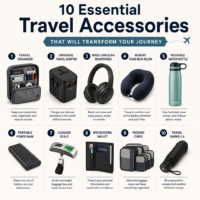
trafels.com emphasizes organization and security. You’ll minimize wasted space while keeping access to what you need at a moment’s notice.
Overview of packing cubes vs. bags
Packing cubes help you categorize items and preserve order inside a bag. They also make it easier to transfer outfits from a suitcase to hotel drawers without chaos.
Compression bags and space bags promise extra bulk reduction by removing air. They can maximize luggage space but may affect fabric freedom and accessibility during security checks.
What this guide covers
This guide compares packing cubes and bags for carry-on setups, with practical tips for small spaces and fast accessibility at checkpoints. You’ll find:
- Organization strategies for limited space
- Pros and cons of different bag systems
- Security-friendly packing tips for quick inspection
2. Compression Bags: The Case for Space Maximization
How compression bags reduce bulk
Compression bags shrink bulk by removing air from clothing and soft items, turning bulky piles into flat, stackable layers. They’re most effective with fabrics that compress easily, like t-shirts, underwear, and lightweight sweaters.
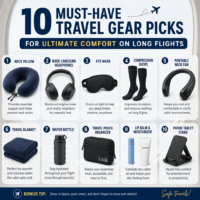
They also help create uniform packing blocks that can reduce shifting during transit. When space is at a premium, compression bags offer a straightforward way to gain inches without adding weight.
When to use vacuum vs non-vacuum variants
Vacuum bags achieve the highest compression by pulling air out with a pump or vacuum accessory. They’re suited to longer trips where every inch matters. Non-vacuum bags rely on manual squeezing, offering convenience without extra equipment.
Use vacuum bags when you want dramatic reduction and you have access to a reliable air source. Opt for non-vacuum bags for quick pack and unpack cycles or when you’re moving between stops with limited setup time.
Impact on soft fabrics and packing flow
AIR removal can tighten fabrics and influence crease patterns. Plan folds or rolls strategically before sealing to minimize wrinkles. Place heavier items above the compressed blocks to preserve balance and accessibility.
3. Hybrid Approaches: Using Cubes and Bags Together
Complementary roles in a single bag
You can combine packing cubes and bags to keep items organized while maximizing space. Use cubes for daily outfits and folded separates, and reserve compression bags for bulkier layers like light jackets or sweaters. This mix preserves accessibility without sacrificing order.
Layering strategy for quick access and compression
Adopt a three-layer approach inside your carry-on:
- Top layer: frequently used items in a small cube or pouch for instant access at security checks.
- Middle layer: a larger cube with outfits organized by day or activity.
- Bottom layer: compression bags for overflow layers, such as outerwear that can be compressed when not needed.
Examples of minimalist setups that mix both
Scenario A: A week with variable weather
- One compact cube for daily outfits
- One compression bag for a lightweight jacket and sweater set
- Small bag or pouch for toiletries and electronics

Scenario B: Short business trip with a few formal pieces
- One formal outfit in a slim cube to prevent wrinkling
- Compression bag for casual layers to free space
- Flat packing sleeve within the bag for quick access to documents or chargers
4. Practical Scenarios: Minimalist Packing by Trip Type
One-week international city trip
For a week abroad, balance flexibility with compactness. Use a combination of packing cubes for daily outfits and a slim compression bag for outerwear that can be compressed when not in use. Prioritize versatile pieces that mix and match to reduce total item count.
Organize by day with a small cube for underwear and socks, a second cube for tops, and a third for bottoms. Keep a compact toiletry kit in a pouch for quick security checks. Choose breathable fabrics that dry quickly after laundry visits.
Weekend getaway with variable weather
Expect quick weather shifts. Pack a light jacket in a compression bag and reserve space for a compact sweater. Use a small cube for layerable outfits, and tuck extras in a flexible bag inside the carry-on that stays accessible without full unpacking.

Limit footwear to one versatile pair and place them at the bag’s base to stabilize the load. For delicate pieces, use a flat sleeve within a cube to reduce creasing.
Business travel with quick turnaround
Prioritize crisp presentation and fast turnaround. Pack one formal outfit in a slim cube to minimize wrinkles, with accessories in a nearby pouch. Use a compression bag for casual layers to free space for documents or devices.
Keep a tech sleeve near security and organize chargers and cables in a clearly labeled pouch for rapid inspection.
5. Packing Techniques for Carry-On Efficiency
Folding vs rolling vs bundling
Choose a method based on fabric and item type. Folding works well for structured pieces that resist wrinkles. Rolling minimizes crease risk for soft fabrics and saves space. Bundling, or a bundle technique, balances items to reduce overall wrinkles and stabilizes the load inside the bag.

Experiment with a hybrid approach. Use folding for dress shirts, rolling for tees and casual pants, and bundling for outfits that require minimal ironing post travel.
Itemization and packing lists for minimalists
Build a master list and tailor it per trip length. Break items into categories to track redundancy and weight.
- Essential garments only: light jacket, tops, bottoms, underwear, socks
- Adapters and chargers in a single pouch
- One versatile dress or shirt that pairs with multiple bottoms
- Compact toiletries kit with travel-sized containers
Security and airport considerations
Keep a quick-access pouch near the top with documents, a pen, and electronics cables. Place liquids in the allowed-quantity bag and remove bulky items first during screening.
Table: packing technique comparisons
| Technique | Best for | Drawbacks |
|---|---|---|
| Folding | Structured fabrics, wrinkle resistance | Limited space gain |
| Rolling | Soft fabrics, flexible items | Can compress shapes unevenly |
| Bundling | Full outfits with minimal wrinkles | Setup time, requires practice |
6. Durability, Weight, and Portability Factors
Materials and wear resistance
Durability matters when you travel light and move quickly through crowds. Look for ripstop fabrics, reinforced seams, and coatings that resist moisture and snagging. Consider how the material handles abrasion on luggage handles and inside crowded airports.
Weight trade-offs between cubes and bags
Packable cubes add structure without a heavy footprint, but thicker variants can add noticeable weight. Lightweight mesh or fabric cubes reduce bulk while maintaining visibility. Bags with minimal hardware tend to save weight, but may compromise internal organization at a glance.
Accessibility and carry-on dimensions
Choose setups that keep essentials within quick reach. Low-profile cubes stack neatly in cabin-size carry-ons, while slim compression bags can fit along edges to maximize space without widening the profile. Verify your bag’s internal layout to ensure easy access during security checks and in-flight storage.
| Aspect | Packing Cubes | Bags |
|---|---|---|
| Durability | Depends on fabric; reinforced edges | Often durable with coatings or laminates |
| Weight | Moderate; adds structure | Often lighter per volume |
| Accessibility | Organized layers; can be sequence dependent | Often quicker access to contents |
FAQ
Do packing cubes actually save space for everyone?
They help create predictable stacks and prevent items from shifting, especially with soft fabrics and mixed sizes. For rigid items, the space savings may be less noticeable.
Are compression bags allowed in carry-on?
Compression bags are generally permitted in carry-on luggage. Use them for soft items, but avoid packing them so full that rigid contents press against the bag walls, which can negate the compression effect.
How many cubes or bags are enough for a minimalist trip?
Start small and adjust as needed. A typical minimalist setup includes:
- 2-3 medium packing cubes for tops and bottoms
- 1 small cube or pouch for underwear and socks
- 1 tech sleeve or dedicated pouch for cables and chargers

Tailor based on trip length, climate, and your organization style.
Conclusion
Which approach best fits a true minimalist mindset?
Minimalism reduces decision fatigue and wasted space. Packing cubes deliver clear organization and quick access, while bags with minimal hardware keep weight down and loading simple. The best fit depends on your items, bag shape, and how you move through airports.
A practical recommendation for Trafels readers
Start with a lightweight carry-on and a small set of packing cubes. Use compression bags selectively for soft, bulky items when you expect longer stretches away from laundry.
- Try a 2-3 medium packing cubes setup for tops and bottoms
- Include 1 small pouch for underwear and socks
- Keep a slim tech sleeve for chargers and cables
| Scenario | Recommended approach | Why |
|---|---|---|
| City week in temperate climate | Packing cubes + slim bag | Balance of structure and accessibility |
| Weekend with variable weather | Bags with compression for outerwear | Max space when packing bulk layers |
We at trafels.com emphasize testing your setup before departure. Practice packing so you know exactly where each item lives and how the bag shifts under security checks. This reduces stress and keeps your carry-on within cabin limits.