
Table of Contents
- Introduction
- 1. The Core Day-Trip Backpack System
- 2. The Essential Day-Trip Gear Capsule
- 3. Everyday-Collow-Through Gear: Camera, Tech, and Safety
- 4. Organization Tactics for Speed and Accessibility
- 5. Wardrobe and Gear Synergy for Day Trips
- 6. Practical Scenarios: From City Walks to Scenic Detours
- 7. Maintenance, Durability, and Longevity of Your Gear
Introduction
Purpose of a dynamic day-trip backpack setup
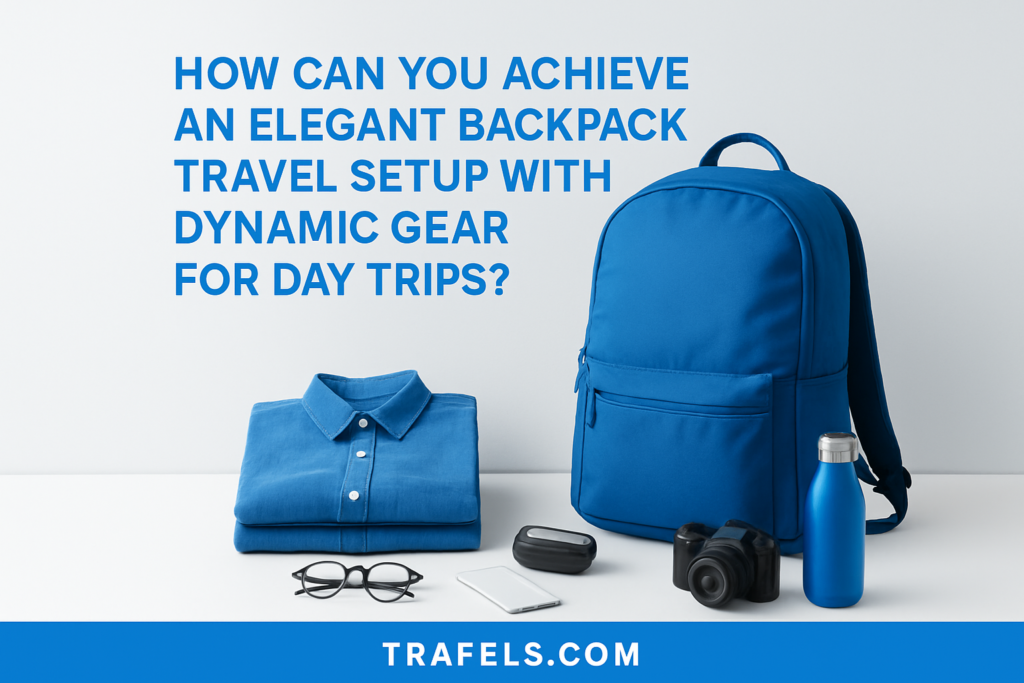
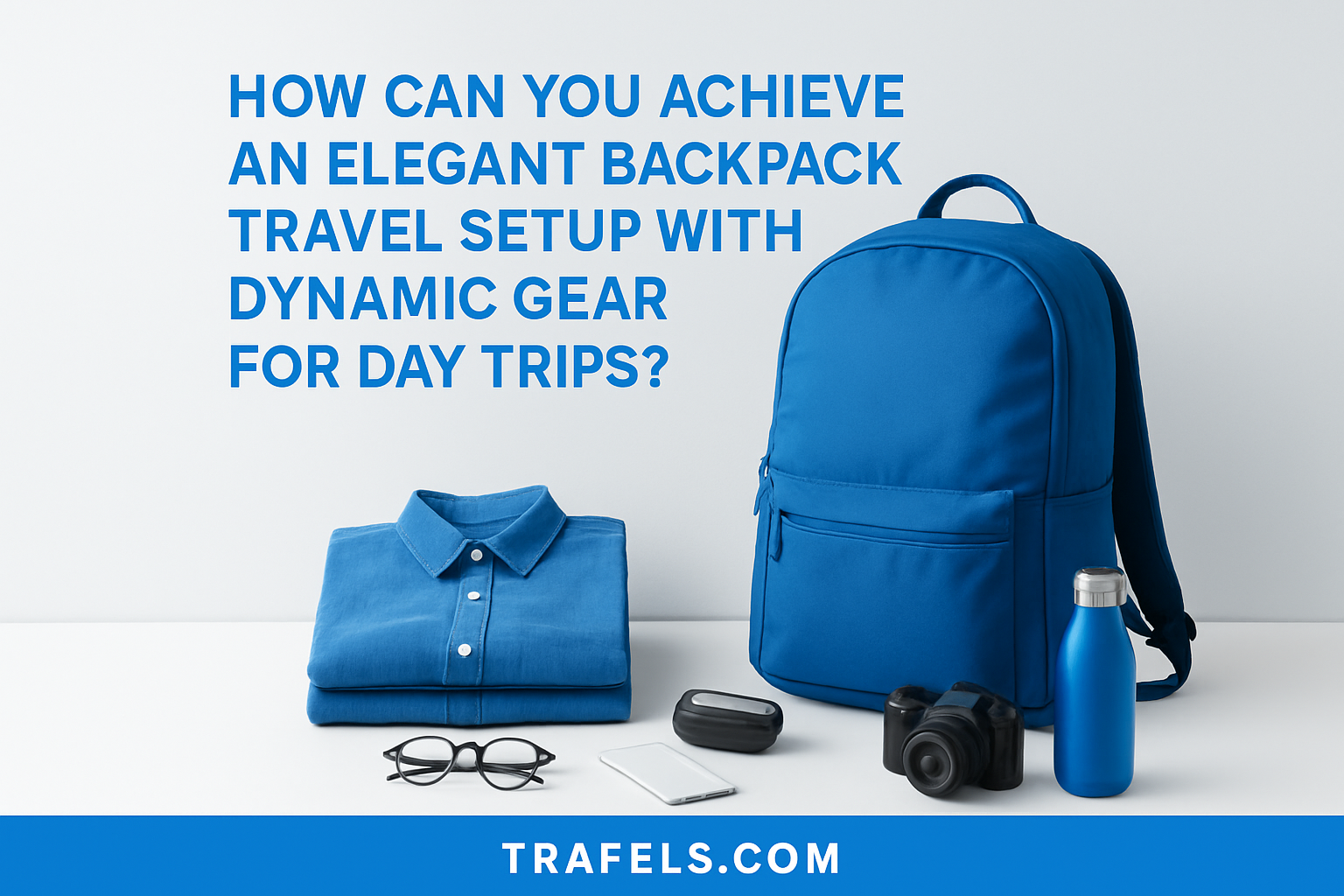
You want a pack that keeps pace with your day. Dynamic means quick access, modularity, and resilience in varying weather and crowds. The goal is to maximize sightseeing time while minimizing hassle.
Think of a setup that adapts from city strolls to light hikes without changing bags. A smart system reduces hesitation and stress when you switch venues or transport modes.
What makes an elegant, efficient pack design
Elegance lives in the details: clean organization, accessible pockets, and durable materials. Efficiency comes from deliberate zoning and predictable retrieval paths.
Key traits to aim for:
- Low profile, balanced weight distribution
- Versatile access points for rapid reach
- Modular inserts or adaptable gear panels
Overview of the gear philosophy for day trips
Our approach centers on essential versatility and everyday reliability. We favor gear that scales from light city walking to brief outdoor detours without bulk.
Core ideas:
- Carry-on compatible mindset with a dedicated daypack core
- Thoughtful layering for weather shifts
- Quality, compact power and hydration without excess
1. The Core Day-Trip Backpack System
Choosing a versatile daypack: size, access, and organization
Size matters. Aim for a pack around 20 to 28 liters for days that blend city strolls with light outdoor detours. It should fit your frame without riding up your back or pulling at your shoulders.
Access matters more than you think. Look for multiple entry points such as a top panel, side zip, and a quick-access top pocket. This keeps essentials in reach without unpacking everything.
Organization wins time. A dedicated sleeve for a laptop or tablet, a padded electronics zone, and compressible panels for bulk help you keep gear predictable. Consider modular dividers that can be rearranged as your day evolves.
Carrying a lightweight secondary pack or insert for quick changes
Use a compact insert or a slim secondary pack to swap components for different activities. This keeps the main bag lean while letting you switch to a lighter setup for quick excursions.
- Insert sizes around 5-10 liters work well for city hops.
- Choose a system with grab handles and simple fastenings for rapid access.
- Ensure the insert can load into a larger bag without removing straps.
How to optimize weight distribution and comfort
Balance is key. Place heavier items close to your spine and toward the center of gravity to reduce sway and fatigue during walking or transit.
- Distribute weight evenly between left and right sides.
- Use sternum and waist straps to stabilize the load.
- Replace heavy items with compact, multi-use alternatives where possible.
2. The Essential Day-Trip Gear Capsule
Hydration and nourishment: water bottle, snacks, and quick-access food
Hydration powers longer explorations. Select a lightweight, leakproof bottle that fits either side pocket or a quick-grab top pocket.
- Opt for a bottle with a narrow neck to ease sipping in crowded spaces.
- Pack compact, high-energy snacks in a small inner pouch for rapid access.
- Designate a slim dedicated pocket for grab-and-go nourishment.
Power and connectivity: compact power bank and charging strategies
Stay charged without bulk. A compact power bank plus a short charging cable covers most day trips.
- Choose a power bank with enough capacity to top up a phone once or twice per day.
- Use a pocket-located cable sleeve to keep cords organized.
- Recharge during transit or downtime to maximize sightseeing time.
Protection and weather readiness: light jacket, umbrella, and rain shell
Weather can shift quickly in urban landscapes. A slim, packable layer and a compact umbrella handle the surprises.
- Carry a light, breathable jacket that packs into a small sleeve.
- Include a compact umbrella for sudden showers or wind protection.
- Opt for a rain shell that folds flat and stows near the top for fast access.
3. Everyday-Collow-Through Gear: Camera, Tech, and Safety
Camera options for travel light without sacrificing quality
Opt for a compact system that handles casual city shoots and street moments without bulk. A mirrorless body with interchangeable lenses remains small when not in use.
- Prime lens for low light and sharp detail in tight spaces
- Compact zoom for flexibility without swapping lenses
- Dual-purpose bag inserts to protect the camera and keep it accessible
Cable management, adapters, and quick-access tech
Organize cords and accessories so you never hunt for a charger in a crowd. Streamlined layouts save minutes and deter tangles.
- Label cables and store them in a shallow pouch near the top
- Carry a universal adapter set for international travel
- Use a small power bank with a dedicated USB-C sleeve for fast grabs
Personal safety and security items to keep on hand
Safety basics should be within reach during city days. Build a compact kit that deters risk and supports quick responses.
- Mini flashlight and a whistle for signaling in crowded areas
- RFID-blocking card sleeve for essentials
- Light, secure lock and a discreet money clip for valuables
4. Organization Tactics for Speed and Accessibility
Zoning: separate compartments for quick access vs. valuables
Establish clear zones so you reach what you need without fumbling. Place everyday items in a fast-access top pocket and reserve valuables closer to your spine for security.
- Fast-access zone: everyday items
- Secure zone: passport, wallet, small electronics
- Midline zone: bulkier items you need during the day
Packing cubes and roll/pouch systems for rapid retrieval
Modular organizers keep items visible and reachable. Roll garments to save space and minimize wrinkles. Use small pouches for cords, snacks, and meds for instant grab.
- One for cables and adapters
- One for snacks and quick bites
- One for condensable layers
Nesting routes: how to carry daypack inside larger pack when needed
Practice compact nesting by tucking the daypack into a larger bag with minimal effort. Choose a slim-profile daypack with attachable straps so it can ride inside or on the exterior when space allows.
- Use compressible sleeves to protect the daypack
- Keep grab handles accessible for fast removal
- Confirm compatibility between shells and the main bag before travel
5. Wardrobe and Gear Synergy for Day Trips
Compact clothing strategy that adapts to crowds and weather
Choose pieces that mix and match, compress well, and stay presentable in varied settings. Prioritize fabrics that resist wrinkles, dry quickly, and layer smoothly.
- Two to three versatile tops that pair with multiple bottoms
- A lightweight, neutral outer layer that folds compactly
- Packable pants or a skirt that transitions from day to evening
Shoes, accessories, and demonstration of a minimal, stylish look
Footwear should balance comfort and style for city walking and light trails. Accessories stay intentional and small in footprint.
- One pair of versatile sneakers or loafers
- One compact belt and a slim scarf or hat for color
- Minimal jewelry that resists tarnish and snagging
How to layer effectively for Europe-style day trips
Layering keeps you prepared for shifting conditions and crowds. Build from the base up for quick adjustments.
- Base layer that wicks moisture without bulk
- Mid layer for warmth, easy to remove in crowded spaces
- Top layer that protects against wind and rain, folds flat for stash
6. Practical Scenarios: From City Walks to Scenic Detours
Urban exploration: keeping essentials accessible on foot and transit
Urban days demand quick access and calm confidence. Position tickets, transit passes, and a phone in a dedicated top pocket for fast grabs. A slim, structured daypack helps you move through crowded streets without snagging on rails or other bags.
- Use a fast-access zone for keys and a compact wallet
- Keep the load light to stay agile on stairs and platforms
- Choose packs with solid back support to reduce fatigue during long walks
Hiking day trips: balancing light gear with safety
Lightweight does not mean light on safety. Pack a compact rain shell, a map or city guide, and a small first aid item in an accessible pocket.
- Carry a compact snack pouch for energy between viewpoints
- Keep a whistle and a small flashlight within easy reach
- Prefer a daypack with grab-and-go side access for quick nature breaks
Crowd-avoidance and time-saving tactics when carrying a daypack
A thoughtful setup saves minutes in busy spaces. Pre-pack frequently used items in a reusable pouch and position it near the top for rapid retrieval.
- Map your route with a dedicated pocket for tickets and receipts
- Use a weather-ready shell that tucks away neatly to prevent bulk
- Practice quick transitions between city gaps and scenic detours
7. Maintenance, Durability, and Longevity of Your Gear
Care routines to extend pack life and water resistance
Keep your daypack in good shape with regular cleaning and proper storage. Wipe away dust, then spot clean stains with mild soap. Air dry away from direct heat to avoid distortion.
- Inspect zippers and seams after each trip
- Reapply fabric water repellents as needed to sustain weather resistance
- Store in a cool, dry place to prevent mold and odor buildup
Modular upgrades: when to swap or add gear
Reassess your setup after peak seasons or evolving travel goals. If the daily load grows or you need quieter access, consider upgrading to a pack with stronger organization or a lighter shell. Prioritize compatibility with existing inserts or organizers.
- Upgrade to a larger, more versatile daypack if you frequently exceed capacity
- Add modular pouches for quick retrieval and reduced rummaging
- Swap to weather-ready shells for more extreme environments
Rotation and packing hygiene for frequent travelers
Routine rotation helps prevent uneven wear on a single bag. Maintain a simple cleaning cycle and rotate between packs if you travel often. Keep a compact hygiene kit inside each bag to manage moisture and odor.
- Rotate daily use between two trusted packs
- Air out packs after use to minimize odor buildup
- Use separate compartments for damp items to avoid contamination