
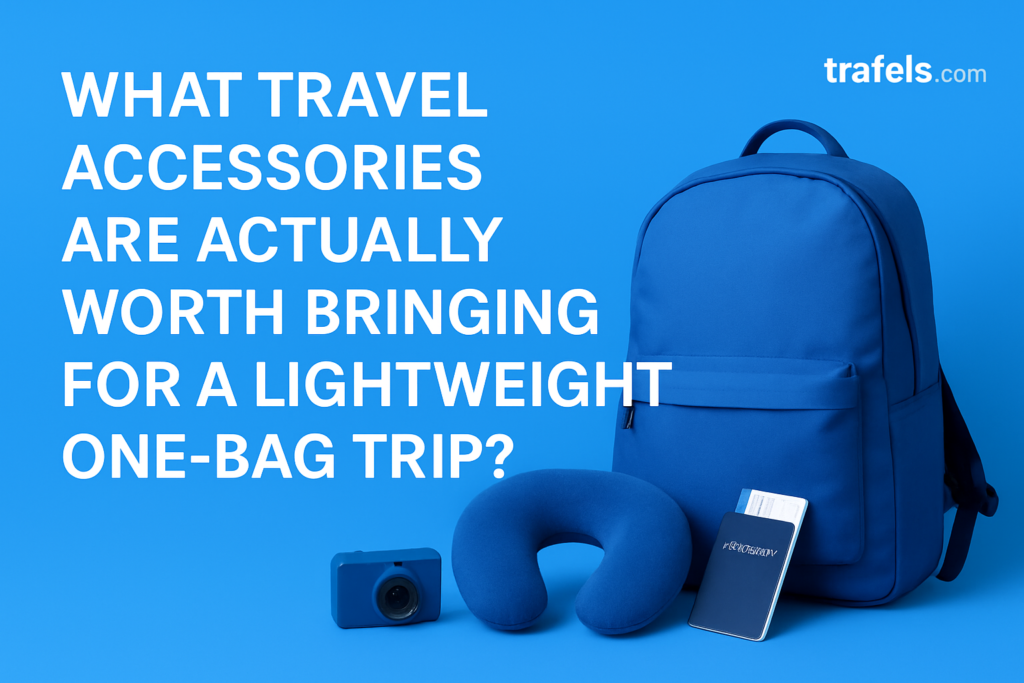
Introduction of travel accessories
Why packing light matters
Packing light is not just about trimming items; it’s about increasing flexibility on the road. We focus on compact, durable gear that saves space and time without sacrificing safety or comfort. The aim is to move quickly, avoid extra luggage fees, and keep essentials within arm’s reach.
At trafels.com we ground our guidance in real-world use. A smaller pack reduces fatigue, minimizes distractions, and leaves more room for experiences rather than possessions.
How to evaluate each item for weight and utility
Use a practical checklist before adding anything to your bag:
- Weight: is it light enough to wear or carry all day without strain?
- Size: can it compress or fold to fit in tight spaces?
- Versatility: does it serve multiple purposes?
- Durability: will it hold up across climates and handling?
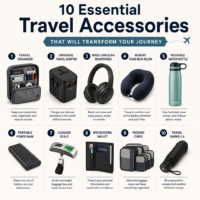
Weigh benefits against trade-offs. If an item saves time or reduces bulk more than it adds weight, keep it. If not, it goes. This approach keeps your kit lean, organized, and ready for time-saving travel.
1. Compression Socks
Why they matter on long journeys
On flights and long drives, compression socks help maintain circulation and reduce leg fatigue. They can lessen swelling during extended periods of sitting, which makes sightseeing more comfortable after you land. For a lightweight one-bag approach, they offer practical support without adding bulk.
When and how to choose pair types
- Length: knee-high provides more support, while crew-length fits more footwear and climates.
- Compression level: opt for mild to moderate (15-20 mmHg) for everyday travel comfort; consult a clinician if you need higher pressure.
- Material: merino blends balance temperature regulation and odor resistance, reducing the need for frequent laundry.
- Care: select machine-washable fabrics to keep packing light and simple.
2. Travel Wallet with RFID Protection
Must-have features
You want a compact wallet that keeps essentials accessible without adding bulk. Look for RFID shielding, a slim silhouette, and multiple quick-access slots. A built-in coin pocket, a dedicated travel document sleeve, and a pull tab for easy retrieval save time in security lines or at check-ins.
- RFID protection to guard cards and passports
- Industry-standard minimum thickness and weight
- Transparent or quick-access window for ID
- Dedicated slots for cash, cards, and boarding passes
Organizing cash, cards, and documents
Efficient organization reduces bulk and stress. Separate sections for cash, a handful of essential cards, and travel documents keeps you moving fast through airports and hotels. Choose a wallet with clear zones and tactile separators so you know where to reach without looking.
- One slim slot for emergency cash
- Two to three card slots for debit, credit, and transit
- Document sleeve for passport or boarding pass
- Slim zipper or clip to secure small items
Weight and space trade-offs
High-value, compact options trade a bit of capacity for much less bulk. If you travel with a tiny power bank or a compact USB-C charger, you can offset the wallet’s minimal footprint by keeping only essential cards and a digital copy of documents.
3. Multi-Port USB-C Charger and Cable Kit
Essential charging setup for devices
A compact charging hub saves time on a light itinerary. Look for a unit with multiple USB-C ports and at least one USB-A option to cover older gear. A 65W or 45W fast charger can power a laptop, tablet, and phone from a single outlet, reducing the need for multiple bricks.
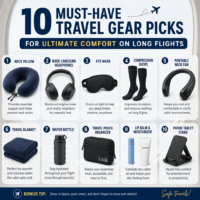
Real-world weight and space matter here. A slim charger plus a couple of short cables fits inside a small pouch and leaves room for other essentials.
- Multi-port capability to handle phones, tablets, and a tiny laptop
- Fast charging support for quick top-ups between activities
- Interchangeable plug ends for international travel
- Compact cables, avoiding long tangles
Cable management tips
- Use 1-2 compact USB-C to USB-C cables (0.3-0.5 m) for tight spaces
- Wrap cables with a small Velcro strap or silicone band to prevent bulk
- Label cables by device to speed up plugging in at checkpoints
- Store cables in a dedicated zip pocket to keep the kit organized
| Item | Weight | Space | Key Benefit |
|---|---|---|---|
| Multi-port USB-C charger (65W) | 120-180 g | Low profile | Power laptop and accessories from one brick |
| USB-C to USB-C short cables (2 pieces) | 30-40 g per cable | Very compact | Fast, tidy connections |
4. Compact Travel Towel and Quick-Dry Cloths
Absorbency and drying speed
A compact travel towel should balance absorbency with weight. Look for fabrics that wick moisture quickly and dry efficiently between uses. A towel in the 300-350 g range offers a practical mix of bulk and performance for a one-bag trip.
- High GSM (roughly 400-600) boosts absorbency without adding bulk
- Microfiber blends dry faster than cotton
- Hollow-core or technical fibers speed up drying
Space-saving techniques
Choose a towel that compresses into a small pouch or nests in a corner of your kit. Quick-dry cloths can double as washcloths, towels, and microfiber wipes, reducing the need for multiple textiles.
- Roll to minimize thickness
- Use a compact dedicated sack for easy access
- Pair with a lightweight microfiber cloth for lens or screen cleaning
| Item | Weight | Drying Time | Best Use |
|---|---|---|---|
| Compact travel towel (microfiber) | 150-250 g | 15-30 minutes on average | Bathing, gym, hostel stays |
| Quick-dry cloths (set of 2-4) | 20-60 g total | Under 10 minutes | Face, hands, lenses, surfaces |
5. Reusable Lightweight Bottles with Leakproof Caps
Material choices
Choose materials that balance weight, durability, and safety. Stainless steel offers strength and odor resistance, while BPA-free plastic options keep weight down. Look for leakproof lids and smooth interiors to minimize residue buildup.
- Stainless steel for durability and taste neutrality
- Collapsible silicone for ultra-lightweight options
- BPA-free plastic for the lightest weight when space is at a premium
Capacity and stability
Balance capacity with carry weight. A pair of 500 ml bottles is a practical default; 750 ml can reduce refills but adds bulk. Consider a flat base and non-slip coatings to keep bottles steady in bags and on surfaces.
- 500 ml bottles for frequent refills and easy packing
- 750 ml bottles to minimize refills on longer stays
- Flat-bottom design improves stand stability in bags and at desks
| Bottle Type | Weight | Cap Type | Best For |
|---|---|---|---|
| Stainless steel 500 ml | 120-180 g | Leakproof screw | Durability, café refills, long days |
| Collapsible silicone 500 ml | 40-70 g | Snap or twist cap | Max space savings, light packs |
6. Universal Power Plug Adapter with Built-In USB Ports
Compatibility tips
Choose an adapter that covers the regions you visit most. A slim form factor helps it fit in tight outlets or a crowded power strip. Look for interchangeable plugs to reduce the number of bulk adapters in your kit.
- Target 3-4 plug styles for global coverage
- Prefer a compact design that sits flush with the wall
- Check that the unit supports both USB-C and USB-A outputs
Safety considerations
Safety comes first when you’re traveling with electronics. Ensure the adapter has built-in overcurrent, overvoltage, and short-circuit protection. A grounded design reduces shock risk in older outlets.
- Look for surge protection suitable for laptop charging
- Avoid adapters without a fuse or thermal cutoff
- Keep liquids away and never cover the adapter with fabric
| Feature | Benefit | Example |
|---|---|---|
| Interchangeable plugs | One device for multiple regions | US/EU/UK/AU |
| Built-in USB ports | Simplifies charging for phones and small devices | USB-C PD for laptops, USB-A for accessories |
| Safety protections | Protects devices and reduces risk in varying outlets | Overcurrent, short-circuit, surge |
7. Small Pouch for Toiletries (Solid or Minimal Liquid)
Keep liquids out of the way while staying TSA-friendly by prioritizing solid or minimally liquid options. Choose a compact pouch layout that makes access quick and spill risk low.
Carry-on rules compliance
Opt for a pouch that fits standard carry-on limits while packing efficiently. Solid alternatives reduce screening friction and speed up lines. Inside, arrange items for fast access and minimal movement.
- Solid alternatives for toothpaste, deodorant, and lotion
- Travel-sized containers only for liquids when necessary
- Lockable zippers for added security and organization
Fragrance-free and TSA-friendly options
Fragrance-free products lessen irritation and ease security checks. Favor clear labeling and single-ingredient items to simplify packing.
- Fragrance-free toiletries in solid form when possible
- Soap sheets or bars with low moisture content
- Minimal liquid bottles that comply with standard TSA limits
| Option | Weight | Space | Best For |
|---|---|---|---|
| Solid toothpaste tabs | ~5-10 g per tab | Very compact | No liquids, quick packing |
| Solid deodorant stick | ~15-25 g | Low bulk | All-day freshness |
| Minimal liquid bottles (30 ml max) | ~30 g per bottle | Small footprint | Portable essentials |
FAQ
Yes, you can travel with a single bag and still stay connected. A compact setup tends to favor devices with flexible charging and small footprints so you can focus on experiences instead of logistics.

What makes a travel accessory truly worth it? Look for items that save time in security checks, organization, and daily routines. If an item adds bulk or weight without a clear benefit, it may not be worth it.
- Which items save space the most? Consider multi-use tools and foldable or collapsible options.
- How do I choose the right power solutions? Prioritize USB-C power banks with ample capacity and compatible wall chargers for global use.
- What should I skip on ultralight trips? Large bottles, redundant chargers, and bulky pouches that don’t fit your packing flow.
If you want a quick reference, refer to the compact kit sections earlier in this article for actual weight and volume estimates. The emphasis is on items you can pack and unpack without slowing you down.
| Question | Answer |
|---|---|
| Is a slim first-aid kit necessary? | Yes, a minimal kit covers basics without adding bulk. |
| Can I rely on digital readers for reading on the go? | Yes, a compact e-reader can replace bulky books and screens. |
Conclusion
A truly lightweight one-bag approach hinges on selecting high-value items that earn their keep. The goal is to reduce bulk without sacrificing reliability or comfort.
Focus on compact, multipurpose gear that speeds through daily routines and security checks. Each item should clearly justify its weight by saving time, improving carry comfort, or enhancing independence on the road.
- Prioritize versatility over novelty. If an object replaces two others, it earns its place.
- Measure value by impact on travel flow. Can it be unpacked and repacked in seconds?
- Balance weight with real-world needs. A tiny accessory that never sees use wastes space.
| Takeaway | Why it matters | Example |
|---|---|---|
| Compression and organization | Reduces rummaging and speeds transitions between locations | Small pouch with labeled compartments |
| Reliable charging | Keeps devices ready without carrying bulky adapters | Multi-port USB-C charger kit |
| Solid toiletries | Cuts liquid management while staying TSA-friendly | Solid alternatives and minimal liquids |
References
- What are your favorite high quality things you bring on your travels?
- Travel accessories that are actually worth bringing
- What are favorite one bag travel accessories?
- What are some essential items or gadgets that you recommend travelers pack for their trips?
- Don’t Forget These One Bag Travel Essentials in 2026