
U.S. Travel Restrictions on Global Tourism Impact
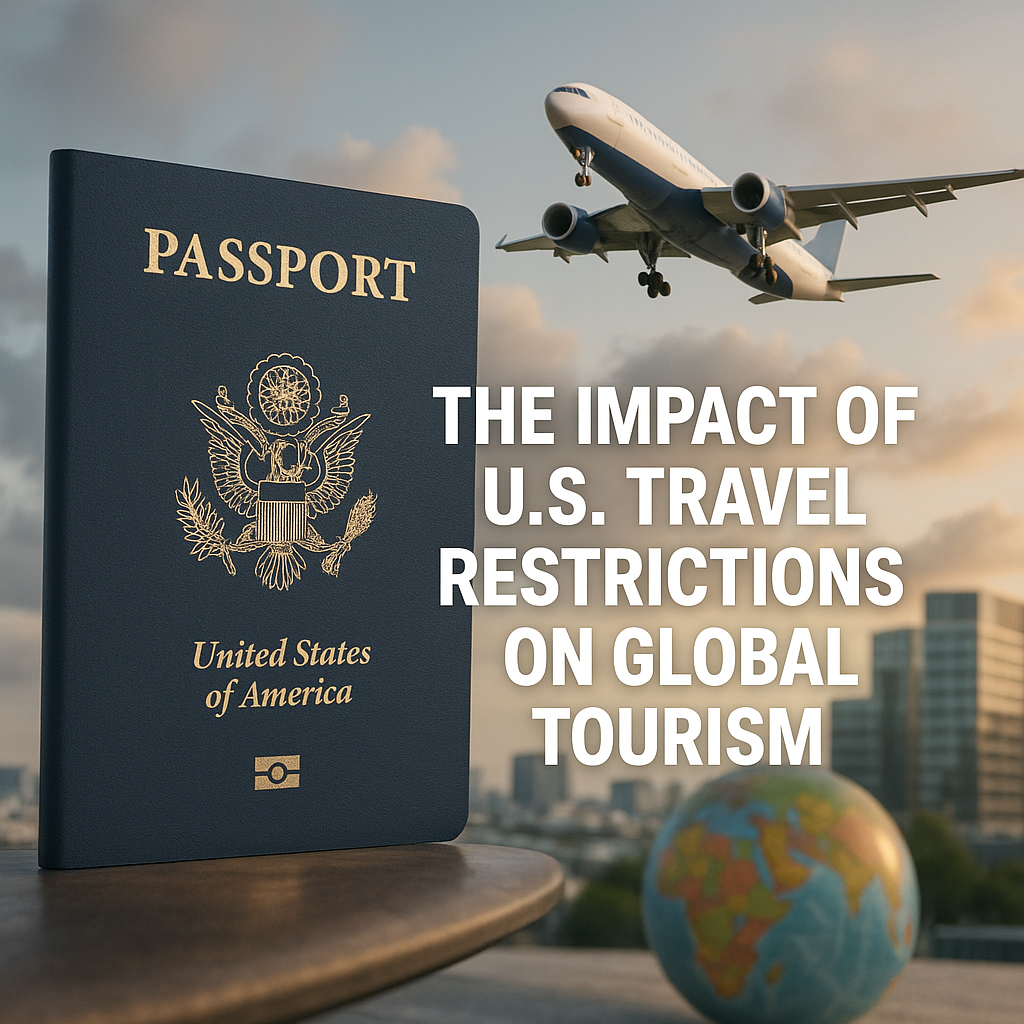
The United States has long been a premier global tourist destination. However, recent shifts in U.S. politics and immigration policies have significantly altered this landscape. Understanding these impacts is crucial for travelers and industry stakeholders alike.
In short, the nation’s appeal as a top destination faces considerable challenges. This guide provides an authoritative overview of how current U.S. policies affect global tourism, impacting everything from international visitor spending to the U.S. hotel industry.
The Economic Fallout: Declining International Visitor Spending
The United States is experiencing a significant downturn in international travel and tourism. Projections indicate a potential loss of $12.5 billion in international visitor spending by 2025. This decline directly impacts the U.S. economy, affecting various sectors including the U.S. hotel industry and the airline industry.
Data from the U.S. Department of Commerce and the International Trade Administration reveals a worrying trend. From May 2024 to May 2025, international arrivals to the United States were down 2.4% from the previous year. This indicates that the United States is no longer the top global tourist destination it once was, a stark reality echoed in reports by the World Travel & Tourism Council (WTTC report) and Oxford Economics.
Political Climate and Traveler Perception: A Deterrent
U.S. politics and immigration policies have created a negative perception among potential visitors. Surveys indicate that 46% of travelers are now less likely to visit the United States due to perceived political instability and the travel warnings issued by other nations. Policies enacted under Donald Trump, including threats of U.S. tariffs and stricter U.S. border policies, have contributed to this sentiment.
The rhetoric around mass deportations and increased social media scrutiny for visa applicants has created an environment of uncertainty. This perception of risk, highlighted by the U.S. Travel Association, deters foreign tourists and diminishes the appeal of the United States as a welcoming destination, impacting tourism to the U.S. significantly.
Specific Trends: Who’s Visiting and Who Isn’t?
While overall international arrivals have declined, specific country trends offer a nuanced picture. Through May 2025, arrivals from Canada saw a notable decrease of 16.8%, and South Korea experienced an 11.3% drop. These figures underscore the impact of stricter entry requirements and political tensions on key markets.
Conversely, arrivals from Mexico increased by 13.9%, demonstrating regional variations in travel patterns. However, even with this increase, the overall trend points to a slowdown after the initial post-pandemic recovery, signaling ongoing challenges for the U.S. travel sector and its goal to attract foreign tourists for events like the FIFA World Cup and the Route 66 centenary.
Economic Ramifications for the United States
The reduction in tourism to the U.S. has profound economic consequences. Analysts from Oxford Economics and Tourism Economics estimate that international visitor spending could decline by $12 billion in 2025. This is critical, as travel and tourism contributed approximately 3% of the U.S. Gross Domestic Product in 2023, according to the U.S. Bureau of Economic Analysis.
A decrease in visitors directly impacts industries reliant on tourism, such as hospitality, retail, and even manufacturing. The U.S. hotel industry and the airline industry face significant revenue losses, compounding existing workforce shortages. This economic strain is a serious concern for policymakers and organizations like Brand USA and the U.S. Travel Association.
The Broad Reach of U.S. Travel Restrictions
The U.S. travel ban and other travel restrictions have a wide-ranging impact beyond specific numbers. Countries such as Afghanistan, Iran, Somalia, and Yemen face comprehensive travel bans, while citizens from Venezuela and Cuba experience sharply restricted visas. This diminished engagement from various regions contributes to a broader decline in global tourism to the United States.
These policies, often debated within the House Homeland Security Committee, affect not only individual travelers but also diplomatic relations and the United States‘ soft power. The increasing U.S. visa wait times and complex visa waiver program requirements further complicate entry for many foreign tourists, leading to growing calls for a U.S. travel boycott from some international groups.
Effects of U.S. Travel Restrictions on International Tourism
Recent U.S. policies, including various travel bans and stricter visa regulations, are directly impacting tourism to the U.S. The World Travel & Tourism Council (WTTC) has projected a substantial decline in international visitor spending. The United States is no longer considered the top global tourist destination.
Analysts at Oxford Economics and the WTTC estimate that the U.S. was projected to lose a staggering $12.5 billion in international visitor spending in 2025. This downturn follows declining international arrivals noted from May 2024 to May 2025. Such figures underscore a significant shift in global travel patterns away from the United States.
Impact of U.S. Political Climate and Policies on Traveler Perception
The U.S. political climate and immigration policies, particularly those enacted under Donald Trump, have significantly altered how foreign tourists view the United States. Travel warnings and perceived risks associated with U.S. border policies and potential mass deportations have made many international travelers hesitant. A notable 46% of travelers polled in recent years are less likely to visit the U.S. due to political instability and the threat of U.S. tariffs or stricter social media scrutiny at the border.
These concerns extend beyond just visa interview wait times; they encompass a broader perception of unwelcoming policies. The U.S. Travel Association has expressed deep concern over these trends, noting how they undermine efforts by Brand USA to promote the nation as a premier global tourist destination. Such policies have inadvertently fueled discussions of a U.S. travel boycott in some regions.
Declining Arrivals and Specific Country Trends
Data from the U.S. Department of Commerce’s International Trade Administration (ITA) confirms a slowdown. Through May 2025, year-to-date international arrivals to the United States were down 2.4% from the prior year. This overall decline masks varied trends from specific regions.
For instance, arrivals from Canada saw a notable decrease of 16.8%, partly due to concerns over U.S. border policies and the ongoing debate around U.S. tariffs. Similarly, South Korea experienced an 11.3% reduction in visitors to the U.S., highlighting how international travel is being redirected. Conversely, arrivals from Mexico increased by 13.9%, indicating regional variations in response to U.S. border policies and travel restrictions.
Economic Impacts of Reduced Tourism
The reduction in tourism to the U.S. carries significant economic implications. Analyses by Tourism Economics and the U.S. Bureau of Economic Analysis estimate that international visitor spending could decline by $12 billion in 2025 alone. Travel and tourism contributed approximately 3% of U.S. Gross Domestic Product in 2023, making this downturn particularly impactful.

A decrease in foreign tourists directly affects the U.S. hotel industry, the airline industry, and various manufacturing sectors. These industries already face workforce shortages, and reduced visitor numbers exacerbate their economic challenges. The WTTC report underscores the urgency for policy adjustments to mitigate these losses, especially with major events like the FIFA World Cup and the Route 66 centenary approaching, which could otherwise boost the economy.
Effects of U.S. Travel Bans on Specific Countries and Regions
The U.S. travel ban has created severe restrictions, particularly impacting countries like Afghanistan, Iran, Somalia, and Yemen, where all travel is effectively banned. Other nations, including Venezuela, Cuba, and Argentina, face sharply restricted visas, making tourism to the U.S. exceptionally difficult for their citizens. These broad restrictions significantly diminish overall tourist numbers from these regions.
These policies not only deter individual travelers but also affect diplomatic relations and the soft power of the United States. The House Homeland Security Committee has raised concerns about the long-term implications of these bans on international engagement. The U.S. visa wait times and consular backlogs further complicate matters, making the United States a less accessible global tourist destination for many.
Impact of U.S. Political Climate and Policies on Traveler Perception
The current U.S. political climate significantly influences traveler perception. Many potential visitors now view the United States with caution. Policies enacted by the U.S. government, particularly under Donald Trump, have contributed to this shift, creating perceived risks for foreign tourists.
Travel warnings issued by various nations, coupled with perceived political instability, deter international travel. A significant 46% of travelers polled in recent years indicated they are less likely to visit the U.S. This reluctance stems from threats, U.S. tariffs, and broad travel bans, which collectively create perceived risks for foreign tourists.
Effects of U.S. Travel Restrictions on Specific Countries and Regions
The U.S. travel ban has broad implications, extending beyond mere numbers. Certain countries face outright bans or sharply restricted visas. This includes Afghanistan, Iran, Somalia, and Yemen, where all travel is banned to the United States. Venezuela and Cuba also face significant visa restrictions due to U.S. immigration policies.
This broad restriction diminishes overall tourist numbers from these regions. It also deters broader international engagement, impacting diplomatic and soft power initiatives. The House Homeland Security Committee has discussed the implications of these immigration policies on national security and economic interests, noting how they affect international visitor spending.
U.S. Visa Policies and Processing Delays
Beyond outright bans, U.S. visa policies and processing delays present significant hurdles. Lengthy visa interview wait times discourage potential visitors, particularly from countries without a Visa Waiver Program. Consular backlogs contribute to these delays, making travel planning difficult and uncertain for foreign tourists.
The U.S. Department of Commerce and the International Trade Administration are tracking these trends, which directly impact tourism to the U.S. The U.S. Travel Association continually advocates for streamlined visa processes to support tourism recovery efforts. These delays affect not only leisure travelers but also business visitors, impacting international trade and collaboration, ultimately affecting the U.S. hotel industry and airline industry.
Expert Insight
“We need to let travelers around the world know that we want their business. We certainly understand some of the issues we have here in the United States that focus on illegal immigration. Unfortunately, some travelers around the world are wondering if legal visitors are welcome.” , Geoff Freeman, CEO of the U.S. Travel Association
Social Media Scrutiny and Digital Restrictions
The United States’ approach to social media scrutiny for foreign tourists adds a complex layer to its border policies. Proposed measures involving comprehensive social media profile vetting raise significant privacy concerns. Such actions risk deterring international visitors who perceive increased surveillance.
These digital restrictions, coupled with the ongoing threat of mass deportations, contribute to a less welcoming image of the United States. This environment impacts traveler safety perceptions and willingness to visit. The U.S. Department of Commerce and U.S. Travel Association have noted a decline in international visitor spending due to such stringent policies.
The impact of U.S. politics on international travel extends beyond visa restrictions. The perception that international travelers may feel under increased surveillance can significantly affect their overall experience. This contributes to the narrative that the U.S. is no longer the top global tourist destination it once was, a point emphasized by reports from Oxford Economics and the World Travel & Tourism Council.
Expert Insight
“Security at the U.S. border is vital but the planned policy changes will damage job creation; even modest shifts in visitor behavior, put off by the planned changes, will have real economic consequences for U.S. Travel & Tourism, making the country feel less welcoming and less attractive for both leisure and business travel.” , Gloria Guevara, President and CEO of WTTC
Key Tourism Indicators: Pre- and Post-Restriction
Understanding the tangible effects of U.S. travel restrictions and U.S. border policies is essential for international travel planning. This data, sourced from the World Travel & Tourism Council (WTTC report), Oxford Economics, and the U.S. Department of Commerce, highlights the significant shifts in tourism to the United States.
The table below clearly illustrates key changes in international tourism to the United States, showing the direct impact of recent immigration policies and the political climate under leaders like Donald Trump.
| Indicator | Pre-Restriction (2024) | Post-Restriction (Projected 2025) | Impact |
|---|---|---|---|
| International Visitor Spending | $181 Billion | $168.5 Billion | Down $12.5 Billion |
| International Arrivals Growth | Positive | Down 2.4% (YTD May) | Significant Decline |
| Global Tourist Destination Ranking | Top Position | No Longer Top | Loss of Leadership |
| Canadian Arrivals | Growing | Down 16.8% | Sharp Decrease |
| South Korean Arrivals | Growing | Down 11.3% | Notable Decrease |
| Mexican Arrivals | Growing | Up 13.9% | Regional Increase |
Effects of U.S. Travel Restrictions on International Tourism
The United States, once a premier global tourist destination, is experiencing a notable decline in its appeal. Recent U.S. politics and immigration policies, including stricter visa rules and travel bans, are directly impacting tourist numbers. Projections from the WTTC report and Oxford Economics indicate that the U.S. is set to lose $12.5 billion in international visitor spending in 2025 alone.
This decline in international visitor spending signifies a significant blow to the U.S. hotel industry and other sectors reliant on tourism. Data reveals a consistent decrease in international arrivals from May 2024 to May 2025, confirming that the United States is no longer considered the top global tourist destination, a position it held for many years.
Impact of U.S. Political Climate and Policies on Traveler Perception
The current U.S. political climate, particularly under the influence of figures like Donald Trump, has significantly altered how foreign tourists perceive the United States. Travel warnings issued by various governments and the aggressive rhetoric surrounding U.S. border policies have created a perception of increased risk for international travelers. A recent poll cited by Skift indicated that 46% of travelers are less likely to visit the U.S. due to political instability and policies enacted by the U.S. government.
Threats of mass deportations, the implementation of U.S. tariffs, and broad travel bans contribute to a less welcoming image. These factors create an environment where traveler safety is a growing concern, deterring potential visitors who seek a predictable and welcoming travel experience. The U.S. Travel Association continues to monitor these trends closely.
Decline in International Arrivals and Specific Country Trends
Through May 2025, international arrivals to the United States were down 2.4% from the previous year, according to the U.S. Department of Commerce and the International Trade Administration. This slowdown follows a period of post-pandemic recovery, demonstrating that recent U.S. travel restrictions are having a clear and measurable effect.
Specific country trends highlight the uneven impact. Arrivals from Canada saw a sharp decrease of 16.8%, while South Korean arrivals declined by 11.3%. In contrast, Mexican arrivals increased by 13.9%, potentially reflecting regional travel patterns or differing U.S. visa policies for neighboring countries. This data underscores the varied responses to U.S. border policies and immigration policies from different international markets.
Economic Impacts of Reduced Tourism
The economic ramifications of reduced tourism to the United States are substantial. Analyses from Tourism Economics and the U.S. Bureau of Economic Analysis estimate that international visitor spending could decline by $12 billion in 2025. This directly impacts the U.S. hotel industry, airline industry, and a wide array of support services.
While travel and tourism contributed approximately 3% to U.S. Gross Domestic Product (GDP) in 2023, a sustained decrease in foreign tourists will inevitably shrink this contribution. The U.S. Travel Association continually advocates for policies that support the industry, recognizing that reduced international travel exacerbates existing workforce shortages and impacts local economies across the country, from major cities to destinations like Route 66, which is preparing for its centenary.
Effects of the U.S. Travel Ban on Specific Countries and Regions
The U.S. travel ban, a contentious aspect of U.S. politics and immigration policies, has had profound effects on specific countries and regions. For nations such as Afghanistan, Iran, Somalia, and Yemen, all non-essential travel to the United States remains banned. Other countries, including Venezuela and Cuba, face sharply restricted visas and extended U.S. visa wait times, making international travel to the U.S. exceptionally difficult.
These broad restrictions not only diminish overall tourist numbers from these affected regions but also carry significant diplomatic and soft power consequences. They foster a perception of exclusion and can deter broader international engagement. The House Homeland Security Committee frequently reviews the implications of these policies on both national security and global relations, while Brand USA works to counter negative perceptions where possible.
Looking Ahead: Tourism Recovery and Policy Strategies
The United States faces a critical juncture in its tourism sector. Events like the FIFA World Cup and the Route 66 centenary in 2026 offer significant opportunities to boost international visitor spending. However, the nation will only fully capitalize on these with strategic policy adjustments and a clear focus on improving the perception of the United States as a welcoming global tourist destination.
Addressing the Decline in International Arrivals and Economic Impacts
Recent U.S. policies, including travel bans and stricter visa rules, are directly impacting tourism to the U.S. The World Travel & Tourism Council (WTTC report) and Oxford Economics have highlighted the tangible effects. Through May 2025, international arrivals to the United States were down 2.4% from the previous year, following a period of recovery post-pandemic. This decline is particularly noticeable with decreases from Canada (-16.8%) and South Korea (-11.3%), although arrivals from Mexico increased by 13.9%.
This reduction in international travel has significant economic consequences. The U.S. Bureau of Economic Analysis and Tourism Economics estimate that international visitor spending could decline by $12 billion in 2025. This impacts various sectors, including the U.S. hotel industry and the airline industry, which already face workforce shortages. The overall travel and tourism sector accounted for about 3% of U.S. Gross Domestic Product in 2023, underscoring the importance of international tourism to the U.S. economy.
Impact of U.S. Political Climate and Policies on Traveler Perception
The overall perception of the United States as a welcoming destination needs urgent improvement. Concerns about traveler safety, particularly in the wake of U.S. politics and policies enacted during the Donald Trump administration, continue to weigh on international travel decisions. Surveys cited by Skift indicate that 46% of travelers are less likely to visit the U.S. due to perceived political instability, travel warnings, and policies like the threats of mass deportations and U.S. tariffs. Such measures create perceived risks and deter foreign tourists.
The effects of U.S. travel restrictions, including the U.S. travel ban on countries like Afghanistan, Iran, Somalia, and Yemen, and sharply restricted visas for Venezuela and Cuba, further diminish overall tourist numbers and deter broader international engagement. These actions, combined with social media scrutiny of travelers, contribute to a less welcoming image for the United States.
Strategic Policy Adjustments for Tourism Recovery
Brand USA, the nation’s destination marketing organization, plays a vital role in promoting the United States. Their efforts, combined with potential changes in U.S. politics and immigration policies, will dictate the pace of tourism recovery. Addressing U.S. visa wait times, reviewing U.S. border policies, and reconsidering issues like the Visa Waiver Program are crucial steps. The U.S. Department of Commerce and the International Trade Administration must work to restore the United States’ position as a premier global tourist destination.
The U.S. Travel Association continues to advocate for policies that support the growth of international visitor spending. This includes reducing consular backlogs, ensuring federal matching funds for Brand USA, and carefully reviewing current immigration policies. By proactively addressing these challenges, the United States can rebuild its appeal and ensure that future events like the FIFA World Cup truly maximize tourism to U.S. shores.
Frequently Asked Questions About U.S. Travel Restrictions and Tourism
The landscape of international travel to the United States has undergone significant shifts, prompting numerous questions from travelers and industry professionals alike. Trafels.com provides authoritative answers to the most common queries regarding U.S. travel restrictions, their economic impact, and the outlook for tourism to the U.S.
What is the projected economic loss for U.S. tourism in 2025?
The United States faces a substantial economic challenge. Analysts from the World Travel & Tourism Council (WTTC) and Oxford Economics project the nation will lose an estimated $12.5 billion in international visitor spending in 2025. This downturn is directly attributed to the lingering effects of U.S. travel restrictions and evolving immigration policies, which have made the U.S. less appealing as a global tourist destination.
How have U.S. travel restrictions affected specific countries?
Through May 2025, the U.S. Department of Commerce and the International Trade Administration reported a notable decline in international arrivals. Visitors from Canada were down 16.8%, and those from South Korea saw an 11.3% decrease. Conversely, arrivals from Mexico increased by 13.9% during the same period, suggesting varied regional impacts on tourism to the U.S. These trends highlight the complex and uneven effects of U.S. border policies and travel warnings.
What role does U.S. politics play in traveler perception?
U.S. politics, particularly during the administration of Donald Trump, has profoundly impacted traveler perception. Approximately 46% of international travelers indicate they are less likely to visit the United States due to perceived political instability, stricter U.S. border policies, and general travel warnings. The threat of U.S. tariffs, mass deportations, and increased social media scrutiny at borders have collectively contributed to a less welcoming image, directly impacting tourism to the U.S.
Are there ongoing U.S. travel bans on certain countries?
Yes, the United States maintains comprehensive travel bans on several countries, including Afghanistan, Iran, Somalia, and Yemen. Additionally, nations such as Venezuela and Cuba face sharply restricted visa processes, creating significant hurdles for their citizens seeking international travel to the U.S. These ongoing travel restrictions are a critical factor in the overall decline of foreign tourists.
What efforts are being made for tourism recovery?
Organizations like Brand USA and the U.S. Travel Association are actively working to restore the United States’ image as a premier global tourist destination. They advocate for streamlined visa policies, reduced U.S. visa wait times, and improved perceptions of traveler safety. The goal is to boost international visitor spending, especially with major events like the FIFA World Cup and the Route 66 centenary approaching in 2026. These efforts are crucial for the U.S. hotel industry and airline industry, which have been significantly affected by reduced international travel.
References