
- Key Takeaways
- The New Global Travel Landscape
- Why Borders Are Tightening
- Navigating Your Application Process
- The Traveler’s New Reality
- Beyond Visas: Other Mandates
- Preparing for Future Travel
- Conclusion
- Frequently Asked Questions
- What are the new visa regulations for traveling abroad?
- How can I stay updated on visa changes?
- What documents do I need for my visa application?
- Are there any health mandates related to visas?
- How long does it take to process a visa application?
- What should I do if my visa is denied?
- Can I travel without a visa?
Key Takeaways
- Learn about new visa rules and ETIAS/ETA that you need to know before traveling to different countries. Traveling abroad? New visa rules you must know.
- Stay up to date on destination-specific protocols and entry requirements, which can shift due to local rules or health guidance. Look into these things well in advance so you’re not surprised on your trip.
- Watch out for the REAL ID Act in America — travellers will need a compliant form of ID to take a flight. Verify any deadlines and collect the required documentation needed to comply.
- Be aware of possible budgetary repercussions from higher visa fees and additional expenses related to document preparation. Plan for these expenses while budgeting your trips.
- Traveling abroad? Here are new visa rules you need to know. Consider flexible itineraries that let you comply without compromising fun.
- Be aware of health mandates and digital arrival cards needed to enter certain countries. Get your health papers in order for seamless entry.
===
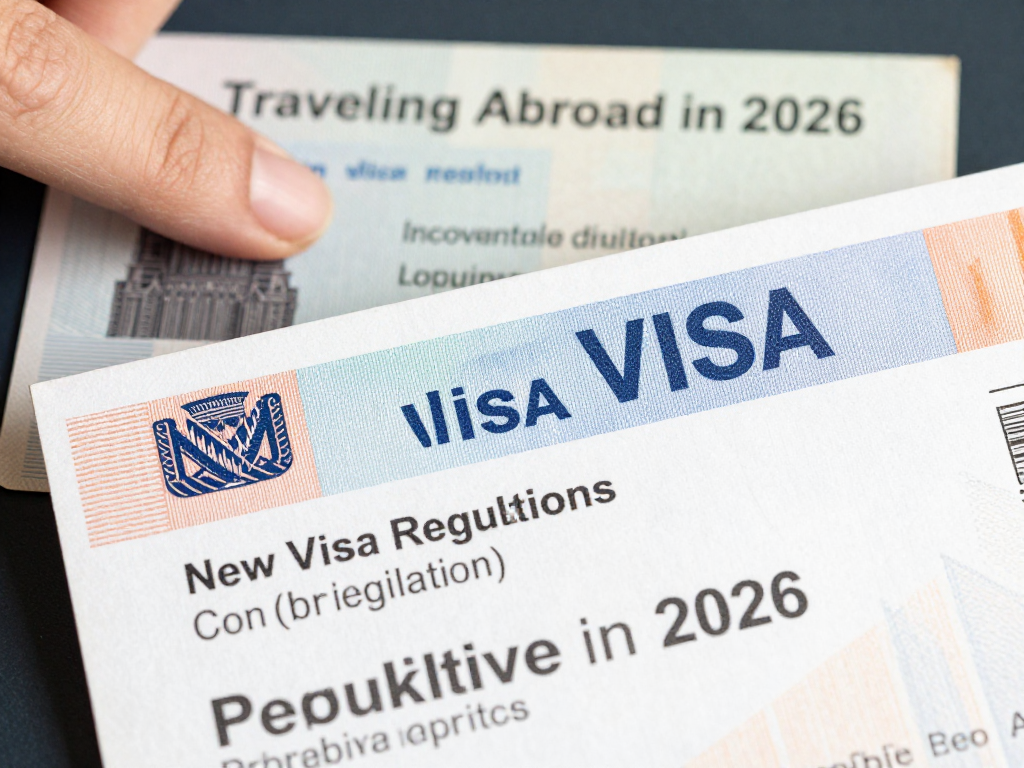
Coming from abroad? What you need to know about new visa rules for traveling abroad. Recent visa policy changes can impact travelers in a big way, whether for vacation, business or education. Various nations have revised their entry criteria, such as paperwork and application procedures, so it’s essential to be aware in advance. Keeping current with these rules can prevent holdups and guarantee adherence to local legislation. Traveling Abroad? New Visa Rules You Need to Know – This guide details the key changes to be aware of, providing you with actionable information to navigate the new visa landscape with confidence. If you’re traveling abroad, here are the important new visa rules you should be aware of.
The New Global Travel Landscape


As the world of global travel changes, staying ahead of updated visa rules and entry protocols can make all the difference in your next overseas trip. Different countries roll out electronic travel authorizations and biometric checks, and travelers need to keep up.
1. European Union (ETIAS)
ETIAS launches later in 2026. Visa-exempt travelers must apply before visiting EU states. To get through this, travelers require a passport, ID, and their travel details. Eligibility depends on nationality and the reason for travel, key elements to determine ETIAS permission. The application fee is estimated at €20 (approximately $24), and processing times will vary.
2. European Union (EES)
What is the European Entry/Exit System (EES) The new travel landscape The EES helps track traveler movements at borders. This system improves safety and security for travelers and border control by taking biometric data upon passport control for all individuals entering the Schengen Zone. With the EES becoming fully operational by April 10, 2026, travelers need to get ready for this new mandate. Biometric data collection involves handing over fingerprints and facial recognition when crossing into Europe and leaving it.
3. United Kingdom (ETA)
Beginning February 25, 2026, the UK will require an Electronic Travel Authorization (ETA) for visitors from 85 countries, such as the U.S., Canada, and Australia. Key documents include your accommodation and travel details. It’s important to submit your application for the ETA early to avoid holding up travel plans. ETA fees are still being finalized but should be comparable to those in other countries with similar systems.
4. United States (REAL ID)
Going anywhere in the U.S. Means following the REAL ID Act that requires you to present a validated ID card at airports. Keeping track of expiration dates is crucial in order to avoid potential issues when flying. All it takes is presenting some documents, like an ID and proof of residency to secure a REAL ID. Not having a REAL ID can stall your domestic and international travel.
5. Destination-Specific Rules
Travelers should investigate destination entry restrictions or requirements. Several countries provide waivers or exemptions for particular groups, simplifying travel. Visa rules might differ from one location to the next, depending on how long you are staying, so see what applies before booking. Our country pages are designed to keep travelers updated on these country-specific conditions and any potential changes.
Why Borders Are Tightening

Why borders and visa regulations really are tightening in part due to security and digital. Why borders are tightening again.
Enhanced Security
Airport and border security are being tightened everywhere. They involve more stringent biometric screening that now applies to children under 14, seniors 79+, diplomats, and most Canadians. Here’s why borders are tightening. Authorities are following international travel carefully, particularly for green-card holders from 19 countries under increased scrutiny.
Customs and border protection agencies prioritize traveler safety and security. Heightened screening is the new normal and it affects the air travel experience. Increased questioning at borders signals a move toward deep dives of people crossing a nation’s borders.
Digital Transformation
For instance, with digitization altering the landscape of travel documents, many nations have moved to electronic authorization for entry. This change makes travel applications easier. For example, online applications can ease approvals and help obtain the right visas easily.
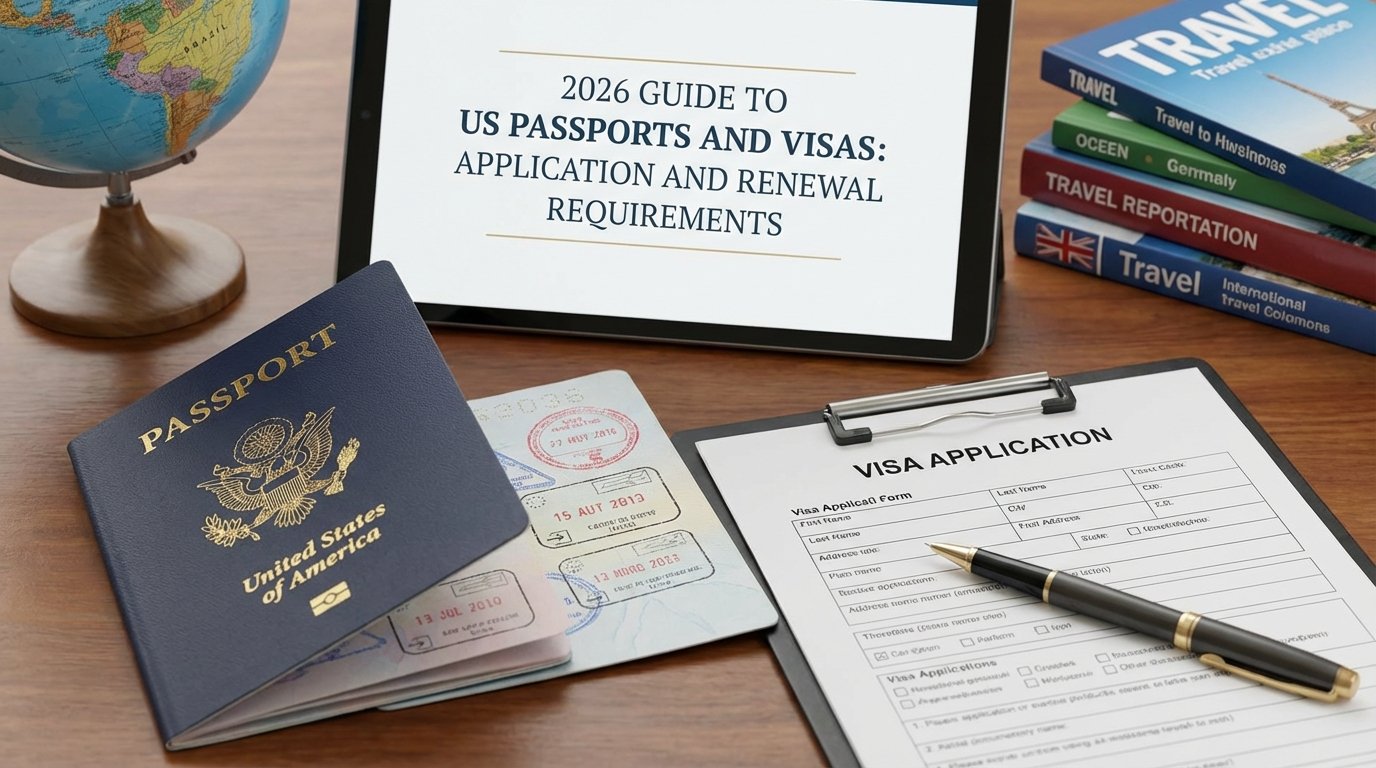
When travel approvals are recorded digitally, authorities can track information more easily. This change is causing us to worry about data security and privacy. Travelers need to know how their information is stored and utilized in this landscape.
Over-tourism Management
Strategy | Impact on Travel |
|---|---|
Limiting tourist numbers | Reduces crowding in popular destinations |
Seasonal travel restrictions | Affects availability of accommodations |
Promoting off-peak travel | Encourages exploration of less-visited areas |

Nations are trying different tactics to control over-tourism without severely limiting visitors. Popular destinations could restrict visitors to protect local culture and nature. If you’re headed to popular destinations, brace for travel restrictions this peak season that might dramatically change your plans.
Travelers should think about how these over-tourism efforts might affect their travel plans. Fewer visitors could mean better experiences, but restricted access to some attractions.
Navigating Your Application Process

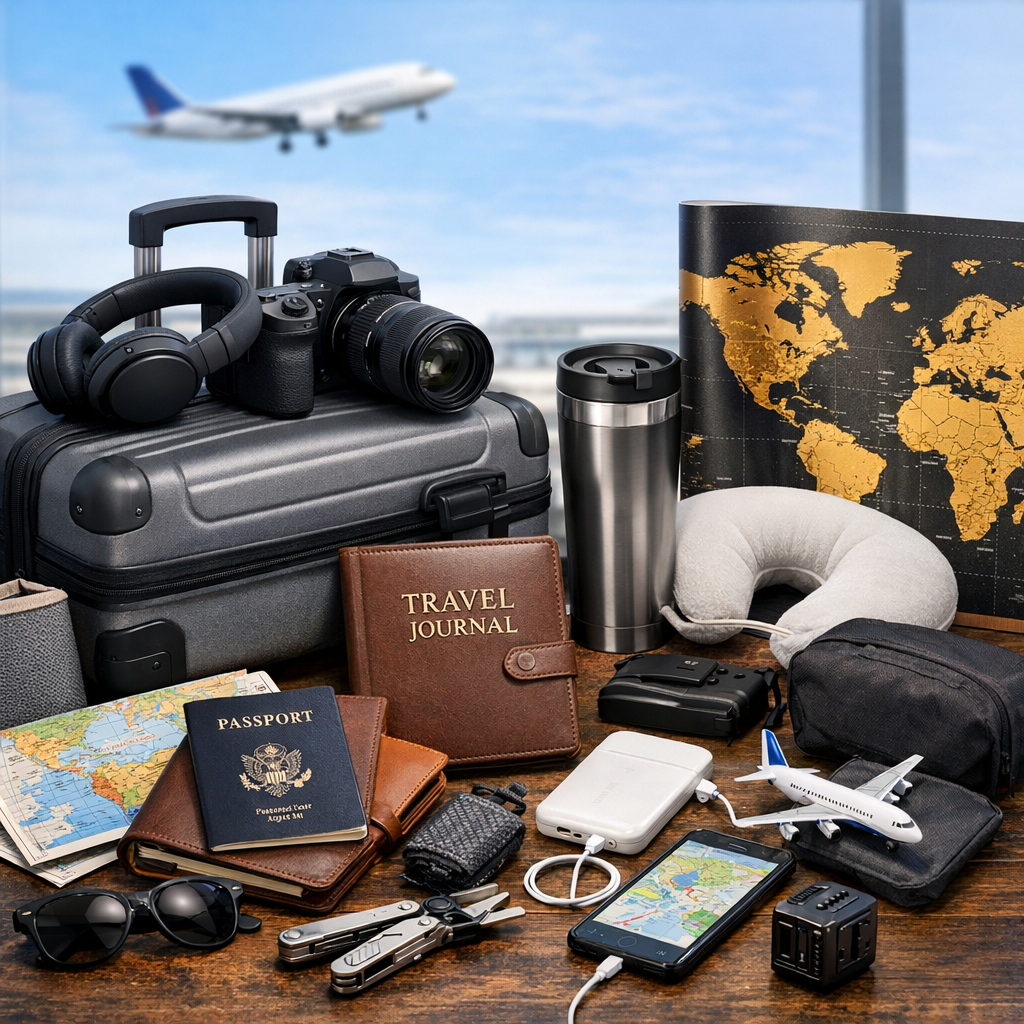
To actually get there, you’ll need to know the application process. This section takes you through the required documents, application timelines, and common pitfalls to aid you on your way through the maze of visa regulations.
Required Documents
Start by making a checklist of everything you need. You will need your passport, visa application, recent photographs, and accommodation. Make sure your passport is valid for at least six months beyond your stay. Documents such as flight details and hotel bookings are important as they support your travel claims.
It’s prudent to maintain these electronically in your files. If something is misplaced on a trip, backups can rescue you from undue stress. Keep everything organized and within reach.
Application Timeline
For instance, timing your journey in accordance with the expected processing period for a visa or authorization is vital. Each country is different. Tourist visas may take longer than business visas. It is best to look up the particulars for your country of visit.
Keep in mind that public holidays may cause processing delays. Submitting applications early, several months before your trip if at all possible, will save you from last minute headaches. By being proactive, you have space to adjust if they end up delayed.
Common Pitfalls
Steering clear of typical mistakes will help you save time and frustration. Incomplete applications cause you needless processing delays or rejections. Remember to include any applicable fees and submit in the format requested by the authorities.
Double-checking personal info for accuracy is critical as errors can cause mayhem. It’s wise to get a clear understanding of specific requirements from consulates or government services to steer clear of misinterpreting any document needs or processes.
The Traveler’s New Reality
These new rules aren’t inconvenient or surprising. They are forming the foundation of a traveler’s new reality. Grasping these shifts is critical to managing your voyage.
Budgeting for Fees
Travelers should prepare to pay more for visa applications. That extends beyond visas to travel authorizations and any service fees. For example, individuals hailing from more than 60 visa-exempt nations, such as U.S. Citizens, will be required to obtain approval via the European Travel Information and Authorisation System (ETIAS) prior to arriving in 30 European countries beginning in late 2026. There’s a separate fee for every permission, which adds up.
Be sure to check out any financial aid and fee waivers they offer to see if you qualify. Certain nations might provide support for qualifying travelers, therefore, digging can be rewarding. Don’t leave out the documentation prep and submission fees; those are overlooked!
Surprise expenses can arise because of last minute travel. For instance, if a new health document is required within days of departure, this could lead to rushed fees.
Losing Spontaneity
New rules lay a serious smack down on last minute getaways. Pre-application for visas or travel authorizations means that travelers have to plan ahead, not just throw a bag together and hit the airport. This transition necessitates making contingency plans that consider processing times and possible paperwork problems.
Travelers should find a happy medium between flexibility and adherence. Tight schedules can be constraining, as they give you a container in which to fit your entry qualifications. A little preparation can go a long way in saving time and stress while you’re on the road.
Data Privacy Concerns
Privacy concerns arise when travelers share personal information with travel authorities. It’s not data entry alone — know the rules protecting your data. With new systems rolling out, especially with technologies like TSA ConfirmID which will be mandatory beginning February 1, keeping tabs on security updates is needed.
Consider how comfortable you are with digital tracking. They may improve safety, but they create concerns about how information is used and stored. Protecting your data when you travel should be as important as following new mandates.
Beyond Visas: Other Mandates
Other essential mandates and requirements are related to health for easy access into your destination country. Knowing these things can save you a headache once you get here.
Health Declarations
Check if health declarations are required for your destination. Other than visas, additional mandates include gathering required health documents, such as vaccination proof or negative test results. For instance, some countries require proof you have received the Covid vaccine.
Keep up with evolving health regulations for seamless arrival. Requirements can change quickly with emerging health issues or policy adjustments. Adhere to health declaration presentation procedures on arrival, such as online or border control.
Digital Arrival Cards
Find out about the new digital arrival cards for entry to select countries. These cards frequently expedite your entry by giving you the ability to provide key information digitally prior to your journey. Getting your arrival card submitted online before you get there makes processing quicker and waiting at customs faster.
Here’s why digital arrival cards can be a boon for the waiting times at customs. For example, these cardholders frequently encounter shorter lines, easing the airport experience. Validate what you need to provide on the digital arrival card for compliance. This might be your travel itinerary, personal information, and health status.
Beyond visas: other mandates As rules shift, visitors should anticipate more online sign-ups, access charges and upgraded vetting from 2026 onwards. This covers everything from new security requirements at airports to new international routes. It’s great news that Americans still have visa-free access to favorites such as the UK and Europe’s Schengen Zone.
Preparing for Future Travel
Planning for the next trip abroad means keeping up with the latest visa and travel authorization news. As rules evolve, it is crucial to keep on top of these changes in advance so you do not get caught. For example, if you carry older ID cards, check with your state’s issuing agency that your card meets REAL ID requirements. The mandate kicked in on May 7, 2025. Non-compliant travelers could be charged a surcharge for using other identity screening mechanisms at airport security.
Recalibrating your future travel, US citizens visiting the UK can now apply for an ETA via an online or app-based system. The application process typically includes providing evidence of identity, residency status, a SSN, and proof of address. This forward-thinking strategy guarantees that you have the important paperwork in order long before any unexpected last-minute trouble arises.
Resilience in your travel plans is important. Since shifts can come on a whim, it’s smart to be ready for schedule squashing. Effective January 27, travelers who cannot fit within a seat’s armrests need to buy an additional seat up front. By remaining flexible, you can roll with any unforeseen difficulties.
More broadly, this bolsters your international travel peace of mind. Beginning in 2026, all airports will implement new security requirements, among them the European Travel Information and Authorisation system (ETIAS) for visa-exempt travelers arriving in Europe for short stays. The ETIAS will be valid for three years and will need to be renewed when the passport expires. Starting February 25, non-visa visitors from 85 countries must register through the ETA program. Keeping these timelines in mind keeps you prepared and informed.
Conclusion
Going abroad? New visa rules you gotta know! Staying on top of updates keeps surprises at bay. Get to know the new rules to keep your journeys frictionless. Knowledge is power when it comes to going abroad. Double-check essential documents, deadlines, and any extra health mandates pre-trip.
Navigating this shifting terrain may feel intimidating. Knowing what’s coming makes it doable. Hit up trusted sources for all the updates. Get help if you struggle. Take the proper precautions and adventure abroad while operating with these new guidelines smoothly.
Go, see, conquer the world. Act now to get ready for your next adventure and make it as smooth as possible.
Frequently Asked Questions
What are the new visa regulations for traveling abroad?
New visa regulations might entail tougher applications, more paperwork, and increased processing times. Verify what the particular regulations are for your destination country beforehand.
How can I stay updated on visa changes?
You can stay informed by regularly checking government websites, travel news outlets, or travel apps that provide updates about visa regulations and requirements.
What documents do I need for my visa application?
Typically, these documents include your valid passport, photos, travel insurance, accommodation information, and bank statements. They differ from country to country, so check with the consulate or embassy involved.
Are there any health mandates related to visas?
A lot of countries are now mandating that you have proof of vaccination or negative COVID tests before they’ll approve a visa. Verify health recommendations for your destination ahead of time so that you comply.
How long does it take to process a visa application?
Processing times differ significantly by country and type of visa. It can be anywhere from a few days to a few weeks. Plan to apply well in advance of your intended travel date.
What should I do if my visa is denied?
If your visa is refused, you should be given a reason. Examine this thoroughly and reapply or appeal with the feedback in mind.
Can I travel without a visa?
Certain countries permit visa-free entry for limited periods, whereas others mandate obtaining a visa regardless of the duration. Check entry rules for your nationality before you book!