
- Key Takeaways
- Key Travel Safety Trends 2026
- Your Proactive Safety Checklist
- Leveraging Technology for Safety
- The Psychology of Safe Travel
- The New Age of Insurance
- Navigating Information Overload
- Conclusion
- Frequently Asked Questions
- What are the top travel safety trends for 2026?
- How can I prepare a travel safety checklist?
- How does technology improve travel safety?
- Why is travel insurance more important in 2026?
- How can I avoid information overload when planning a safe trip?
- What psychological factors help maintain safe travel habits?
- Are there global standards for travel safety?
Key Takeaways
- Embracing technology, from smart travel apps to wearable devices, assists travelers in remaining informed about safety alerts and health monitoring during their journeys.
- Prioritizing health measures, such as vaccinations, health certifications, and travel insurance, bolsters well-being on the road.
- Defending against cyber dangers with strong passwords, secure connections, and staying scam-smart is vital for safe travel.
- Keeping tabs on geopolitical shifts and travel warnings will help steer you toward safer destinations and routes.
- Situational awareness and intuition are your friends when it comes to personal safety and make you a more resilient traveler in unfamiliar territory.
- Helping us all travel safer and saner by organizing travel info, proactive safety checklists, and flexible insurance choices.
Travel safety in 2026: trends and tips you need now cover the latest ways people keep trips safe and smooth. Shifts in global health, digital tech, and local regulations impact how travelers prepare and protect themselves. More travelers use travel apps and smart alerts to track real-time risks. Health checks, insurance updates and border changes all play a bigger part in trip plans. Travel Safety in 2026: Trends and Tips You Need Now Safety Tips Now – Pick trusted transport, guard your digital info, and local customs. Trends reveal a surge in solo journeys, with additional emphasis on secure pathways and assistance. This guide walks through the key trends and spots safer trip tips, so you can plan with less stress.
Key Travel Safety Trends 2026
Travelers in 2026 are safer, smarter and more safety-conscious than ever. The travel landscape shifts quickly, with trends emerging to transform the way we plan and experience trips. These trends require vigilance and smart decisions from health and digital security to geopolitics and mobility advances.
Trend | Implications for Travelers |
|---|---|
Health-Focused Travel | Higher demand for wellness, hygiene, and health certifications |
Digital Threats | Increased need for cybersecurity and data protection |
Geopolitical Changes | Greater caution in destination selection |
Tech Integration | Growing use of smart tools for real-time safety |
Mobility Innovations | Safer, eco-friendly, and tech-driven travel options |

1. Tech Integration
Smart travel apps keep travelers informed and safe by providing real-time safety risk alerts from weather to political events. Many of us already take wearables to track our health on the go, keeping an eye on heart rate or oxygen levels. Contactless payment is everywhere, reducing touch points in crowded areas. More travelers adopt AI-driven tools that recommend safe routes, alert them to risky zones, or even translate emergency information.
2. Evolving Health
Vaccinations and health certificates are a given for the majority of international travel. Before every trip, travelers verify health rules for their destination. Stashing a personal health kit—masks, sanitizer, basic meds—is the norm. Health insurance with emergency coverage abroad is no longer a nice-to-have but an expectation.
Some travelers might include additional arrangements for chronic or acute illness, particularly in isolated or vulnerable locations.
3. Digital Threats
Travelers create robust passwords, implement two-factor authentication, and keep passwords private. Public Wi-Fi is a hazard, and they’ve adopted virtual private networks to ensure data is secure. We’re used to patching devices before we leave and sealing software holes hackers may exploit. Scams go after travelers with bogus booking sites and phishing, so consumers get wise.
Digital threats impact both personal and financial safety, so travelers keep up on the most recent dangers.
4. Geopolitical Climate
Checking news for political shifts helps travelers pick safe spots. Government travel advisories are must-reads before booking. If an area becomes unstable, many rapidly switch plans. Engaging with locals allows travelers to grasp actual dangers and steer clear of trouble spots.
5. Mobility Innovations
Electric cars, driverless shuttles and bike shares are safer and greener ways to get around. Ride-sharing apps now allow users to see driver information and share rides with friends for safety reasons. Green options, such as biking or walking, minimize contact with congested areas. Public transport is cleaner, more secure and is tracked in real-time.
Your Proactive Safety Checklist
A proactive safety checklist is crucial for making 2026 travel safer. Being proactive about safety, anticipating risks, knowing local emergency contacts, and being prepared for the unexpected can keep you out of trouble and make your trip more enjoyable. Before you go, know the steps to take for your safety:
Review your travel insurance. Ensure it addresses health, belongings, and trip modifications. Know limitations and what is not covered specifically.
Compile a list of local emergency services, hospitals, and embassies at your destination. Store them electronically and physically.
Establish emergency communication plans with your party. Determine how you will link up if they separate or if phones go down.
Track risks where you are going. Research health advisories, crime statistics, and weather alerts.
Don’t forget to have a contingency plan for travel delays, lost baggage, or prescriptions. Carry copies of critical documents and means to access money in case your primary card fails.

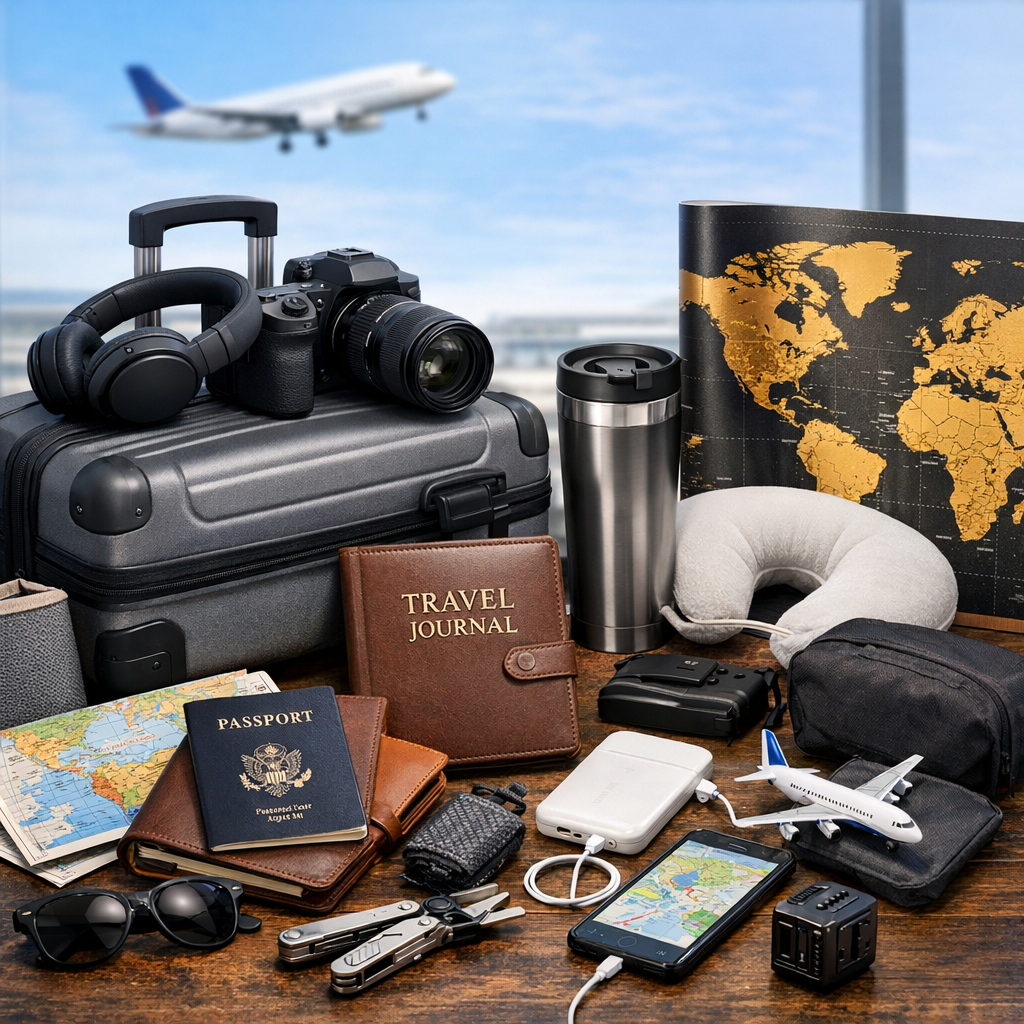
Pre-Trip
- Inspect accommodation for cameras or security, secure locks, and controlled access.
- Read recent reviews for any notes on safety.
- Bring a complete first aid kit that includes wound care, basic medications, and allergy treatments. Include a flashlight and a portable charger.
- Carry personal safety items like a whistle or a small alarm.
- Leave your route and contact information with a trusted individual.
- Discuss emergency plans with your travel party in advance.
When you arrive, take a moment to do a quick scan of your hotel room. Check behind curtains, under beds, in closets and showers. Find the two closest exits and count the doors between your room and the closest one. This assists if you have to navigate your way out with haste. Putting these checks in place can let you sleep well from the get-go.
During Travel
Be alert in crowded venues such as airports, train stations, or bazaars. Be on the lookout for pickpockets and keep flashy, pricey-looking things hidden. Keep your valuables close and use bags with secure zips.
Select trusted transit and verify your driver’s ID before entering. If you use ride-hailing apps, match the car and driver’s information each time. Maintain a lifeline to home. A quick text or call can be a lifesaver if plans change or you need assistance.
Post-Trip
- Store travel documents and personal info safely.
- Revisit Your Proactive Safety Checklist
- Issue concerns or incidents to local authorities or travel providers.
- Discuss what worked or didn’t with travel partners.
Think about how your safety steps worked. These minor adjustments can turn your next trip into an even safer one.
Leveraging Technology for Safety
Travel in 2026 is digital-first at its essence. Smart travelers are turning to tech tools to reduce risk and foster peace of mind. Airports and hotels anywhere in the world use biometrics and contactless systems so lines zip by and manual checks are few and far between. With digital identities and e-tickets, fraud is minimized and security teams are able to detect potential concerns earlier. Smart kiosks at hotels allow guests to check in solo, reducing the need for in-person personnel assistance and enabling you to maintain distance where necessary. These updates are time-saving and help prevent the transmission of germs.
Emergency alert apps for mobile phones have become must-haves for travelers. Many apps leverage AI to monitor local dangers, provide immediate notifications and direct people to safety locations. In a crisis like sudden storms, protests or health scares, these apps can provide directions or link travelers with local assistance. For instance, apps in Asia and Europe can push out messages in a multitude of languages and function even if cell networks are spotty. Others connect with local police or embassy contacts, allowing you to quickly access assistance.
GPS tracking provides an additional safety net. In this vein, a lot of travel apps allow you to share your live spot with your loved ones. This allows loved ones to check in at any time and know if something seems amiss. GPS can assist rescuers in locating people during wildfires, floods, or other disasters. Other airlines and travel agencies now incorporate GPS tracking into their apps, providing clients and their families tracking for each leg of their journey.
Comm tools are more immediate now. Basic messaging apps allow individuals to check in or dispatch alerts at the press of a button. Some will even text updates if you don’t check in as planned. This eliminates uncertainty for families at home and allows travelers to more easily communicate their itinerary or adjustments.
VR training is the new hotness for trip prep. Some agencies even provide VR programs that take their travelers through airport checks, customs and even local safety drills. This kind of prep helps people identify dangers in advance and understand how to respond if disasters strike. Because VR training is shared by lone travelers and groups alike, anyone can feel more prepared before they head out.
The Psychology of Safe Travel
Safe travel in 2026 is more than rapid security screenings or geotracking apps. It’s about molding our cognitive, behavioral, and reactive patterns. Eighty-two percent of travelers are concerned; most give confidence in their safety a mere three to three and a half out of ten, but a proactive mindset is half the battle. Richer experiences: Many now opt for lesser-known places. Fifty-two percent are looking for something new and forty-one percent want to travel somewhere fresh. This pivot requires travelers to find new methods to remain safe in these frequently uncertain settings.
Situational Awareness
Situational awareness is simply paying attention to what’s going on around you at all times. This skill helps identify dangers, such as a desolate street at night or a bus station packed with people. Travelers can reduce risk by training themselves to check exits, note who is around them, and keep an eye out for suspicious activity. In locales with sparse services, such as during shoulder seasons, this consciousness is all the more crucial.
Hearing is as important as seeing. Listening for sounds or tonal shifts can expose stress or ease around you. Scenario planning is useful—consider what you would do if your phone got lost or you became separated from your party. If you practice these steps, it will become easier to act quickly if something unanticipated occurs.
Intuition
Trusting gut feelings can be a powerful safety tool. If something or someone is weirding you out, it’s clever to scram or ask for assistance. Prior experience informs intuition. Thinking about what worked or didn’t work on past trips helps you develop keen instincts over time.
Discussing unease with travel companions or natives can expose unadvertised dangers or answers. Checking in with yourself, particularly in unfamiliar locations, keeps you keyed to early warning signs. This routine keeps safety at the forefront of your thoughts without feeling nervous all the time.
Resilience
Resilience is the ability to recover from adversity. When up against missed flights, lost baggage or shuttered hotels, as is common in less populated or off-peak destinations, keeping your cool goes a long way. Addressing issues incrementally, such as discovering an alternative road or local guidance, instills assurance.
A good attitude can assist passengers in adjusting instead of freaking out. Tiny moments of self-care, like getting rest, eating right, and taking mini-breaks, rejuvenate concentration. This simplifies coping with stress and maintaining vigilance as you navigate new terrain.
The New Age of Insurance
Travel insurance is no longer just about the old risks. It matches new habits, tech, and the way we view travel today. More travelers are booking extended travel, blending work and leisure, and seeking secure, memorable accommodations. A lot of people use AI to locate places, compare prices and book, with 83% of younger travelers saying AI helps them plan better trips. As travel evolves, so too must insurance coverage.
Full-fledged travel insurance now insures more than lost bags or missed flights. Today’s coverage ranges from medical emergencies to travel insurance and unforeseen events like a border shutdown. For extended stay or work travelers, it means coverage for remote work tools, medical assistance, and rapid itinerary changes. Consider flexible policies that allow a traveler who gets sick or needs to leave early to easily switch dates or destinations. A lot of policies include telehealth, which is a necessity now, not a benefit.
Being flexible is important since travelers crave choices that conform to their schedules and requirements. Policies now provide simple upgrades, fee-free date alterations, and greater options to last-minute bookers or plan-switchers. Properties and providers have evolved with malleable check-in, extended stays, wellness sanctuaries, and work nooks. These innovations make travelers feel protected and nurtured, wherever they may be.
Personalization shines in contemporary insurance. Travelers want plans that align with how and why they travel, be it for health, work, leisure, or all three. Health is a big worry; 95% purchase coverage for overseas trips. Eco travel is on the rise too; so a lot of insurers cover green lodging, carbon offsets, and safe transport for people that choose sustainable ways to get around.
Trends are now towards immersive, unique experiences. Travelers are opting for new destinations, boutique accommodations and authentic experiences instead of cookie cutter tours. Insurance has to keep up, providing more expansive coverage and backing for these expeditions. Keeping pace with these trends assists travelers in selecting the appropriate coverage for every journey.
Navigating Information Overload
Travel in 2026 means having to sift through more information than ever. With the majority seeking new destinations and more than half selecting under-the-radar locations, there’s no absence of tips or viewpoints. Excessive input can drown out your ability to choose what’s important. With non-US travelers declaring risk is random and the majority scoring their safety assurance only 3 to 3.5 out of 10, many now feel in limbo. That makes it more understandable why travelers inquire not just where to vacation, but if it’s even safe to vacation.
- Keep data sorted and simple: Just drop travel guides, local rules, and emergency contacts into folders or note apps. Divide info by trip stage — planning, transit, and arrival. For instance, store visa rules and health alerts together and local maps and transport tips elsewhere. Then when cities shift quickly with new bike shares or micro mobility hubs, you can refresh details without scraping through a jumble.
- Set limits on how much you read. Too many sources can make you freeze. Choose two or three reliable sites for safety updates, weather, and local news. Check once a day, no more. Avoid infinite scroll and tag with transparent, up-to-date sourcing. When big shifts hit, think new water rules in a drought-prone locale. Incorporate those updates into your master travel file, not just wherever else.
- Use checklists for safety: Before you pack, jot down key action steps such as reviewing entry rules, insurance, local emergency numbers, and water safety advice. For instance, if going to a city that’s implementing transit adjustments to reduce congestion and pollution, see if you require special apps or passes for new bike shares. If water is a concern, take refillable bottles or filters and be aware of safe sources.
Travel information overload doesn’t only waste time. It keeps you prepared in a world where safety, the environment, and local regulations evolve rapidly. Regenerative trends and new tech now color every trip, and with 50% of the world soon to be under ‘extremely high’ water stress, keeping needs crisp and info lean is essential.
Conclusion
Travel evolves quickly and safety regulations evolve with it. In 2026, smart tools, strong habits and clear facts are what will keep you safe. We’re wearing wearables to track health, check real-time alerts on skinny apps and select tough insurance plans hassle-free. These quick checks and daily habits now translate to less stress on the road down the line. They crave easy answers, not a mound of info. Truth beats legend and baby steps count the most. Be smart for every trip with the newest tools. To stay ahead, discover fresh tips, visit trusted sources and spread the word! Travel smart, travel safe and spread the word.
Frequently Asked Questions
What are the top travel safety trends for 2026?
In 2026, travelers are using smart devices, real-time alerts, and AI-powered risk assessments. Many focus more on health, data privacy, and sustainable travel practices.
How can I prepare a travel safety checklist?
Think items such as emergency contacts, current travel insurance, health papers, and protected versions of critical IDs. Pack safety gear and research local risks before you go.
How does technology improve travel safety?
Technology offers real-time updates, location tracking, and digital records. With plenty of apps providing emergency and translation help, travel is safer and more informed.
Why is travel insurance more important in 2026?
Travel safety 2026: trends and tips you need now. Travel insurance now covers health, interruptions, and even cyber. Expanded coverage provides peace of mind as risks shift during travel.
How can I avoid information overload when planning a safe trip?
Trust your sources — official apps and trusted travel advisories. By filtering by destination and your filters, you can stay on track.
What psychological factors help maintain safe travel habits?
Being calm, alert, and flexible enables visitors to respond swiftly to threats. A good attitude leads to smart choices in unfamiliar territory.
Are there global standards for travel safety?
Yes, a lot of nations adhere to guidance such as that from the WHO and IATA. Always check for updated standards before your trip.