
- Key Takeaways
- The New Travel Mindset
- Post-Pandemic Travel Safety Challenges
- How to Prepare Intelligently
- Navigating Your Journey Safely
- Understand Your Traveler Rights
- The Trust Deficit
- Conclusion
- Frequently Asked Questions
- What are the biggest travel safety challenges after the pandemic?
- How can I prepare for post-pandemic travel?
- What should I know about my rights as a traveler?
- How do I stay safe during my trip?
- Why is trust an issue in travel now?
- What is the “new travel mindset”?
- Are travel insurance policies different post-pandemic?
Key Takeaways
- Be flexible and up to date on travel restrictions, safety guidelines, and health mandates at your destination.
- Evaluate medical care and cybersecurity concerns by investigating local health infrastructure and using protected connections for personal data.
- Treat yourself to a detailed travel checklist of critical documents, the right insurance, and a health kit.
- Take care of your body and mind by practicing mindfulness, traveling to less congested destinations and adhering to health protocols.
- Know your cancellation rights, data rights, and hotel health measures.
- Confirm travel info from official sources. Check travellers’ reviews and service providers for trustworthiness and transparency.
Post-pandemic travel safety challenges: what to know Updates in local laws, mask rules and proof of vaccines or tests are all travelers now face. Some destinations are utilizing digital health passes or maintaining tighter border controls. Certain locations have increased fees or restrictions on crowd sizes. Delayed flights and long waits at airports remain commonplace. Local services, such as hotels or transport, might operate with reduced personnel or operating hours. Insurance and refund policies can shift, so it’s still key to check the details before booking. To assist with safe and smooth trips, this post covers what you need to know about the biggest changes and how to plan ahead.
The New Travel Mindset
The drive to wander is an inherent human impulse. The post-COVID era has transformed our perceptions of travel. Safety and health are a priority, and travelers are more conscious of risks and their role in maintaining safe trips.
It’s all about flexibility. Embracing it is a must. Plans can shift quickly with new regulations or health warnings. Tons of travelers now book flights and hotels with decent refund/change policies. This provides peace of mind should they need to change dates or even cancel. Folks are willing to make some last-minute pivots, like trading crowded for open. This adaptability keeps travel plans secure and seamless, even when plans fall apart.
Health and safety come first in travel decisions. A lot select destinations that demonstrate they prioritize health and hygiene, such as providing hygiene stations or clean spaces, clear mask policies and availability of hand sanitizer with at least 60% alcohol. Others seek locations with a solid track record for health care and public safety. The concept of quarantine or isolation pre- or post-trip is not uncommon at this point. Others consider it a means of safeguarding themselves and those around them. Easy things, such as applying hand sanitizer or recognizing how frequently they touch their face, have become second nature to most.
Travelers recognize the importance of respecting local customs. Every destination might have different health-check steps, masks, and public spaces. Before they go, they’re checking local government sites or trusted travel advisories. It keeps them out of trouble or fines and demonstrates respect for the locals in every destination.
Being assertive about your own safety is more important than ever. Keeping up with news, weather and public health alerts keeps travelers making smart decisions. We all have digital copies of health records or insurance, just in case. Selecting uncrowded areas—such as open parks or countryside locations—allows visitors to experience a sense of liberation, ensures their safety and provides an authentic opportunity to bond with the natural world. This transition demonstrates that travelers desire authentic, impactful experiences, not just stopovers.
Post-Pandemic Travel Safety Challenges
The pandemic has redefined the way we view sanitization, data security, and self-care. Rules and systems are varied across the board, so staying abreast of changes impacting your trip is key.
1. Health Infrastructure
Healthcare quality differs significantly between regions. Some have top-notch hospitals and clinics, while others only provide rudimentary care. It’s worth checking the local COVID numbers and vaccination rates. Know where the nearest hospital or clinic is before you go, just in case. Many areas have telehealth available. These services can assist travelers in consulting with doctors online if they require medical advice on the road.
2. Evolving Protocols
Travelers encounter a hodgepodge of regulations that often shift on short notice. Entry requirements could be proof of vaccination, tests, or even a quarantine period. A 14-day quarantine is just not going to work for most people. There are safety protocols for airlines, hotels, and public spaces. Others still mandate masks or social distancing. Local health authorities can change guidance frequently, so check official resources in advance and throughout your journey.
3. Digital Security
Cyber risks have increased as travel depends more on digital tools. Protect your accounts with robust passwords and 2FA. Avoid public wi-fi when banking or ticket booking unless you have a VPN encrypting your data. Be sure your apps and devices are updated. This aids in blocking emerging cyber threats. Never give away sensitive information if you’re uncertain about the network’s security.
4. Mental Well-being
Travel has become more stressful for many. Mindfulness, deep breathing, or short walks calm anxiety. Maintaining a routine brings a sense of normalcy, even in a new location. Seek enjoyable or relaxing distractions, such as reading or local sightseeing. If stress accumulates, seek support from friends or a therapist.
5. Crowded Spaces
Crowds remain an issue. Go early or late to attractions to skip the crowds. Maintain your distance and mask up in congested spaces. If you must travel, go outside. Parks, trails, or open-air markets provide ample room to keep your distance. Stay vigilant, wash your hands frequently, and don’t touch your face to reduce hazard.
How to Prepare Intelligently
Post-pandemic travel requires thoughtful preparation. Rules and risks can shift quickly, and preparation is everything. Begin by surveying the state of affairs at your destination. Research local regulations, safety protocols, and health warnings. Know what papers you need, what you need to bring, and what will keep you safe. Here’s a quick travel checklist:
- Passport, visa, and travel permits
- Vaccination card (updated)
- Health insurance details
- Face masks (cloth or disposable) and gloves
- Hand sanitizer and disinfecting wipes
- Thermometer and basic first-aid items
- Emergency contacts and digital copies of documents
Documentation
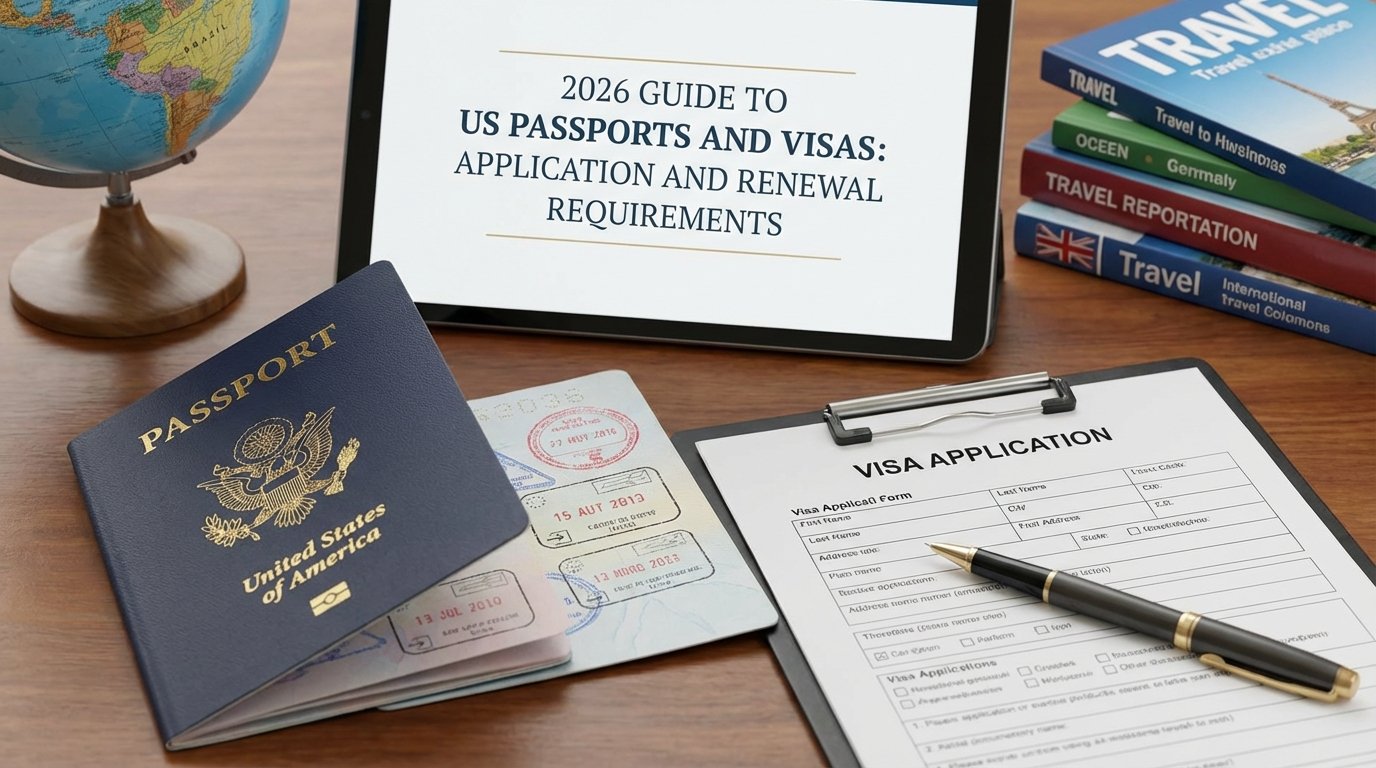
Collect travel documents such as passport, visa, and travel permits. Certain destinations might require you to have additional paperwork like a health declaration form or evidence of recent vaccinations. Don’t forget to double-check your vaccination card, particularly for those two-dose vaccines, as many points of entry will ask you for proof.
Save these documents digitally on your phone or a safe cloud storage. If you drop something, you’ll have a buffer. Pack it all in a travel wallet so you don’t scramble at the airport. For health compliance, see if you require additional paperwork such as negative test results or quarantine agreements.
Insurance
Choose a travel insurance that takes care of health emergencies, cancellations, and delays. Not all policies cover pandemic-related events, so check the details. Look for exclusions and coverage limits. It might only protect against specific sicknesses or cancellations.
If you fret about pandemic disruptions, seek plans with medical transport or extended stay add-ons. Store your insurance card and emergency numbers in your wallet and save them on your phone.
Health Kit
Pediatric face masks (cloth or disposable) and gloves are to be worn outdoors in crowds or public spaces.
Mini bottles of hand sanitizer and a pack of disinfecting wipes use liberally, especially after touching things in airports or on planes.
A simple first-aid kit includes bandages, painkillers, any necessary prescriptions, and allergy medication.
Digital thermometer—take your temperature daily, particularly if you’re feeling under the weather.
Include reusable cloth masks if you desire a green option. Air on commercial planes is filtered, but masks provide additional peace of mind. When you come back, assume a two-week quarantine from others.
Navigating Your Journey Safely
Travelers today encounter unprecedented safety concerns in this post-pandemic era. Safe travel now requires more planning, awareness, and use of new tools. From busy portals of transit to keeping hands clean, every action helps make travel easy and secure for everyone.
Transit Points
Getting to the airport, train, or bus station early provides more room and less stress. This helps bypass lines and packed waiting rooms, where the chance of airborne illness can be greater. At most large transportation centers, authorities put up obvious notices and directions, so travelers can get through security with less hassle.
Mobile check-in saves time and minimizes personal interaction. Several airlines and train services provide mobile boarding passes, which are scanned at gates. Keeping transit schedules at your fingertips avoids unnecessary exposure in between stops. Whenever possible, select routes that bypass bustling hub transfer locations to reduce your risk. Contactless payments such as loading a ticket or food onto a mobile wallet mean travelers never have to exchange a bill or card.
On-Board
Making the airlines step up to their own standards includes masks often required and limited cabin movement. The air on most commercial planes is filtered with high-quality systems, but travelers still disinfect tray tables, seat belts, and armrests before sitting. It’s easy to pop a small pack of sanitizing wipes and use them on hard surfaces.
Limiting movement around the cabin means less time in proximity to others. Passengers should remain seated as much as possible, only use lavatories when necessary and adhere to crew directions. You must take water and wash your hands prior to and after eating. Hands off the face, which reduces the likelihood of becoming ill.
On-Ground
Securing a ride with rigorous security procedures is essential. Some rideshare services have partition screens between driver and rider, or buses sanitize seats between passengers. Booking hotels or rentals with transparent health measures, such as enhanced cleaning and mask mandates, can give you peace of mind.
Travelers should check local news for advisories and avoid high risk areas if you can. Connect with locals or hotel staff for advice on safe places to go or dine. Personal hygiene counts, so frequently wash hands and keep sanitizer nearby.
Understand Your Traveler Rights
Traveler rights have expanded post-pandemic. Shifting health protocols, privacy concerns, and flexible booking policies define how you cross borders, book accommodations, and manage unexpected disruptions. By finding out what you can request and what you should demand, you can navigate more effectively and bypass traps.
Accommodation
Aspect | What to Check | Why It Matters |
|---|---|---|
Health Protocols | Mask use, sanitizer stations, social distancing | Reduces risk of illness |
Cleaning Practices | Frequency of room cleaning, bedding changes | Keeps shared spaces safe |
Staff Training | Staff knowledge on hygiene and emergencies | Ensures proper response in incidents |
Emergency Contacts | Local emergency services and hotel contacts | Quick access if problems arise |
Not every hotel adheres to the same safety regulations. Inquire about their cleaning schedule and whether employees have received recent hygiene training. Make sure they have current emergency numbers at the front desk and in your room. Certain areas might require additional documentation or health verification for check-in, so verify beforehand.
Privacy
Your rental car — your data is routinely collected when you make travel arrangements. Know your traveler rights — read privacy policies to find out if they’re selling your name, passport number or payment details. Certain providers require more information than necessary. Opt out if you can. Just give what’s required when you book online.
It’s wise to password protect your phone or tablet. This reduces the tension should your device get lost or stolen. About: Know Your Traveler’s Rights. If you are using public wifi in airports or hotels, don’t type in sensitive information. Know your traveler rights and know how your data is going to be used before you complete a booking.
Cancellations
- Read the booking terms for refund or rebooking rules.
- Save all emails, receipts, and phone records related to changes.
- Contact airlines or hotels early to discuss new plans.
- Check local laws on travel refunds and consumer rights.
If your flight gets canceled, record every call or email. Provide airlines with multiple phone numbers and an email so you stay in the loop on status changes. Certain airlines require you to re-confirm bookings for international flights 72 hours prior. Failure to do so can impede claims or refunds. Beware of too-good-to-be-true offers, which may not be subject to refund regulations or could be scams.
The Trust Deficit
The pandemic has left a scar on trust, not just for travel, but public health and government recommendations too. There’s now a trust deficit between what travelers think and what companies and officials say. People are skeptical of what’s true and what’s not. They witnessed contradictory messaging and shifting health rules. This trust deficit influences the way individuals around the world plan, book, and experience travel.
Verifying Information
Official government sites provide the best updates on travel restrictions, border controls and health warnings. These sites help travelers sidestep stale or inaccurate headlines. Good travel blogs and forums provide you with on-the-ground, first-hand accounts from recent travelers. Fact-checkers can help verify claims by airlines, hotels and tour operators. Sometimes those companies oversell their safety standards or disguise their refund policies. Trusted organization social feeds, such as that of the World Health Organization or leading airlines, provide immediate notice of abrupt shifts. With all this disinformation, it’s important to fact-check from at least two or three sources before you make plans.
Assessing Providers
Factor | What to Look For | Why It Matters |
|---|---|---|
Certifications | Recognized travel associations, health seals | Shows compliance with standards |
Customer Service | Fast, clear, helpful responses | Indicates reliability |
Pricing Transparency | Upfront costs, no hidden fees | Builds trust, avoids surprises |
Data Privacy | Clear privacy policies | Protects personal information |
Certain providers show recommendations from worldwide travel organizations. They indicate they are up to some health and safety standards. If a company responds promptly and transparently to inquiries, it’s more likely to be trustworthy. Checking and comparing prices across sites can reveal if a provider is upfront about fees. Transparency counts, particularly when everyone is pinching pennies and tourist-sector jobs are on the line.
Reading Reviews
Recent reviews indicate whether cleaning, mask, or distancing rules are still applicable. They emphasize if a hotel or airline is adhering to pledged safety measures. The good and bad reviews all count. Negative feedback can alert to bad service, while the positive notes highlight where companies excel. Leveraging review aggregator sites, such as TripAdvisor or Trustpilot, can provide this broader perspective and mitigate bias from individual entries.
Conclusion
Travel feels a little different these days. More rules, new risks, and trust gaps stick out post-pandemic. Well-informed travelers make safer travelers. Reading the fine print, keeping tabs on local health regulations, and knowing your rights transform stress into serenity. Tales from the road prove that tiny actions, whether it’s bringing spare masks or double-checking entry policies, have a tremendous impact. Every trip begins with great tips and concludes with wise decisions. For more tips or to share your own travel wins, see our updates or comment below. Keep your wits about you, keep your smart safe, and get on with your journey.
Frequently Asked Questions
What are the biggest travel safety challenges after the pandemic?
Travelers now have to navigate health risks, shifting entry requirements and unforeseen disruptions. Safety protocols differ from place to place, so it is crucial to remain informed and adaptable for a more secure travel experience.
How can I prepare for post-pandemic travel?
Know before you go: travel safety challenges post-pandemic. Know travel rules. This groundwork lets you sidestep last-minute headaches and hit the road with assurance.
What should I know about my rights as a traveler?
Know your rights to cancellations, refunds, and health requirements. Know airline and hotel policies. This insight assists you in making judgment calls if plans shift on the fly.
How do I stay safe during my trip?
Observe local health regulations, steer clear of crowds, and use contactless payment. Stay vigilant and keep emergency contacts accessible. These measures minimize hazards and safeguard your health.
Why is trust an issue in travel now?
The pandemic disrupted standards of health and safety. Travelers might be uneasy about dependability. Always consult recent reviews and official sources for updates before booking.
What is the “new travel mindset”?
These days, travelers put a premium on health, flexibility, and trusted information. Being adaptable and proactive lets you respond to evolving conditions and keeps your journey safer and smoother.
Are travel insurance policies different post-pandemic?
Yep, a lot of them now cover pandemic-related interruptions. Read the policy to see what is covered. This helps you in selecting coverage suitable to your needs.