
- Key Takeaways
- The Digital Nomadism Catalyst
- The Allure of a Borderless Life
- Navigating Inherent Challenges
- The Ripple Effect on Global Economies
- The Unspoken Environmental Cost
- Building a Sustainable Nomad Future
- Conclusion
- Frequently Asked Questions
- What is digital nomadism?
- What are the main benefits of being a digital nomad?
- What challenges do digital nomads face?
- How does digital nomadism impact global economies?
- Are there environmental concerns with digital nomadism?
- What is needed for a sustainable digital nomad future?
- Do digital nomads need special visas?
Key Takeaways
- Technological advancements and a shift toward flexible work culture have fueled the rise of digital nomadism, enabling professionals to work from just about anywhere.
- Cultural immersion, continuous learning, and expanded networks benefit digital nomads and spur personal and professional growth.
- Capitalizing on lower living costs in different areas and maximizing earnings potential can provide a financial edge. However, it demands meticulous planning and budgeting.
- Overcoming time zone differences, social isolation, and travel logistics are all issues that digital nomads need to address to stay productive and mentally healthy.
- While digital nomads fuel local economies and shape worldwide talent allocation, they need to address their ecological footprint and embrace eco-friendly habits.
- Responsible travel, community engagement, and ongoing education pave the way for a bright, sustainable digital nomad future globally.
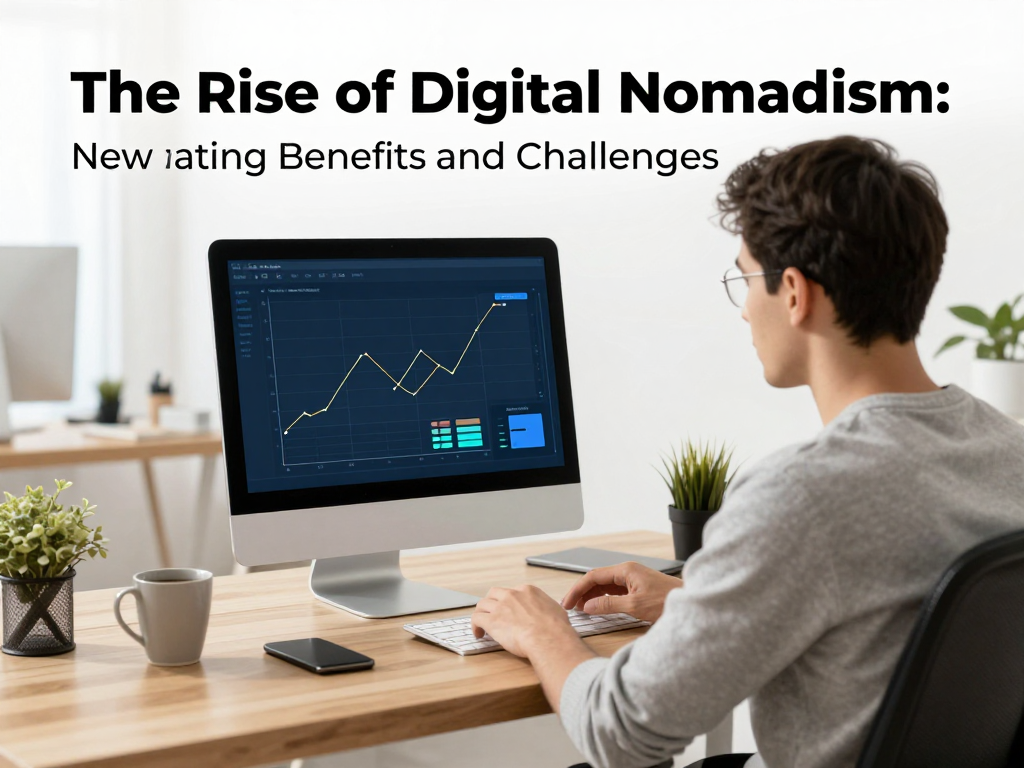
The rise of digital nomadism provides more work freedom and allows people to earn from nearly anywhere with internet. Others seek this life for improved work/life balance and fresh scenery. It’s transformed both the location and nature of work, yet it carries serious obstacles such as trans-time zone disconnects and irregular earnings. To understand what enables or impedes digital nomads, it’s useful to examine both the benefits and challenges of this transition.
The Digital Nomadism Catalyst
Digital nomadism has redefined our perceptions of work, its locations, and our roles as citizens of a global community. This transformation isn’t simply about new job descriptions or fashionable destinations but a profound transformation in how work and life interlock.
Identify technological advancements that enable remote work and travel.
High-speed internet and user-friendly tools now enable individuals to do their work from nearly anywhere. Video calls, real-time chat, and cloud platforms allow us to collaborate even if we’re spread out across the planet. Destinations such as these little towns in Mexico have installed fibre-optic lines to attract digital nomads, highlighting how the right tech upgrades can transform an entire region. The expansion of rapid internet access implies that even rural or formerly remote locations are now capable of accommodating connection-reliant workers. They unlock new possibilities for travel and allow individuals to take their work wherever they roam.
Recognize the shift in work culture towards flexibility and autonomy.
That traditional 9-to-5 office day is increasingly uncommon. A lot of businesses are concerned with output and less concerned with time sitting at a desk. This shift provides employees more control over when and how they complete their work. We can now create our own schedules, work around family or other needs, and select where we want to live. For others, a beach cafe or city park can serve as an office. With this liberty, however, the challenge of maintaining discipline arrives. By mingling work and play, it becomes difficult to turn off. The boundary between professional and personal time is fuzzy.
Assess the impact of globalization on the rise of digital nomadism.
Globalization has made it easier for us to cross borders for work. More positions are accessible to applicants from multiple nations, and travel is more accessible to a broader population than ever. Travel has gotten cheaper and more accessible over the past decade. Digital nomads flock to places like Bali, Lisbon, and Mexico City due to their vibrant expat communities, co-working spaces, and affordable living expenses. There is great Wi-Fi, community, and the opportunity to learn from individuals from many different cultures.
Explore the influence of the COVID-19 pandemic on remote work trends.
The COVID-19 pandemic accelerated the transition to remote work. A lot of companies had to convert to home offices almost instantaneously. This normalized remote work, not made it rare. Workers got accustomed to video meetings and remote collaboration, and a lot of them found they enjoyed the flexibility. The prospect of being forced to live near the office began to seem less and less appealing. The transformation proved that for most work, being bound to one location is unnecessary. Many opted to continue working from new locations, even as travel reopened.
The Allure of a Borderless Life
The Allure of a Borderless Life It’s about abandoning fixed routines and finding meaning in a world characterized by volatility and ambiguity. Among these, millennials and Gen Z in particular are giving up old-school concepts of achievement in favor of experiences, connection, and self-development. The digital nomad lifestyle allows individuals to form their identities through direct experience of other cultures and ways of living.
1. Redefined Freedom
Digital nomadism offers workers greater autonomy over their days. The beauty of being able to select when and where you live and work leads to superior work-life balance. They might be sitting at a café in Lisbon for the morning or working from a beach in Bali. This flexibility makes it easy to accommodate work around their passions — be it hiking, photography, or a new skill. Even better, most nomads structure their schedules around travel, family, or side projects, allowing them to craft their day on their terms.
2. Cultural Immersion
When you live in new places, you get access firsthand to their local communities. Nomads attend block parties, sample local delicacies, and participate in folk dances. By mastering local tongues, they can bond and decipher nuanced social signals. These cultivate an admiration for a borderless existence. As the years pass, most nomads characterize themselves as a blend of cultures, values, and philosophies gleaned from every location they call home.
3. Financial Arbitrage
Remote work makes it possible for individuals to get paid in powerful currencies and expend it in low cost-of-living areas. If you’re with a company located in Western Europe or North America, for instance, you can live in Southeast Asia or South America and get a lot more out of your salary. Many people pick cheap cities to stash cash, reduce loans, or fund side hustles. Others leverage their global lifestyle to seek out new venture capital or launch startups in emerging regions.
4. Continuous Learning
A borderless life makes you a better learner. Others take classes or workshops abroad to learn new abilities. Adjusting to new work styles and cultures renders them more malleable. Encountering peers from different backgrounds introduces new perspectives and thoughts. Many keep current on worldwide tendencies by joining online communities and in-person activities. This continuous learning keeps them ahead in a rapidly evolving world.
5. Network Expansion
Nomads develop robust worldwide networks from meetups, co-working spaces, and industry events. They bond with other entrepreneurs who have similar aspirations. There is something about working on projects with people from all over the place that injects new perspectives. These networks provide lifelong support, guidance, and opportunity.
Navigating Inherent Challenges
Digital nomadism provides autonomy and adaptability. It presents genuine difficulties. There are inherent challenges to cross-border work that include time zone shifts, unpredictable travel, legal barriers, and occasional isolation. These obstacles require thoughtful planning and pragmatic tactics, particularly if you travel frequently or collaborate with clients and teams overseas.
Logistical Hurdles
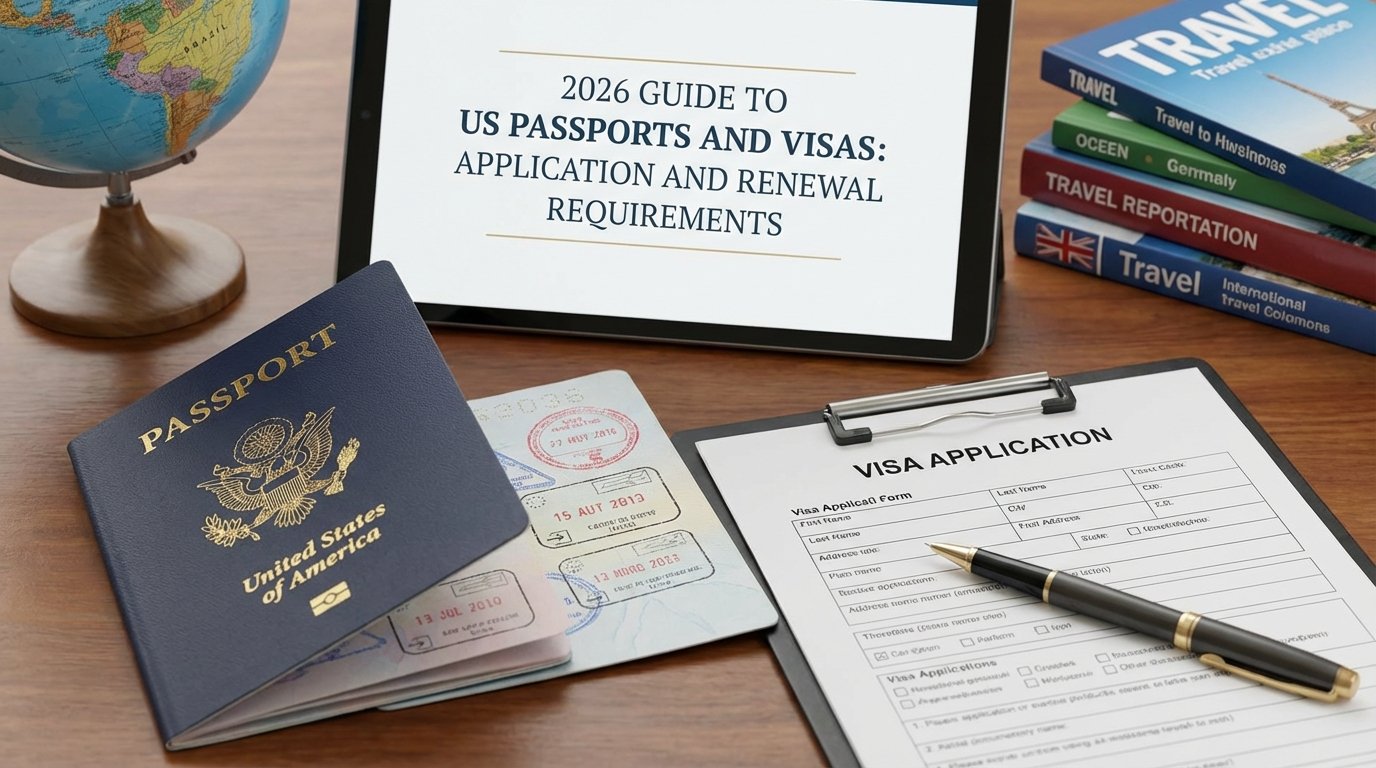
A good travel checklist keeps transitions smooth. Book transport and lodging ahead, check visa and entry rules, and confirm access to healthcare and emergency contacts. Prepare for chaos by having alternative payment options in case of card failures. Be aware of local customs and laws.
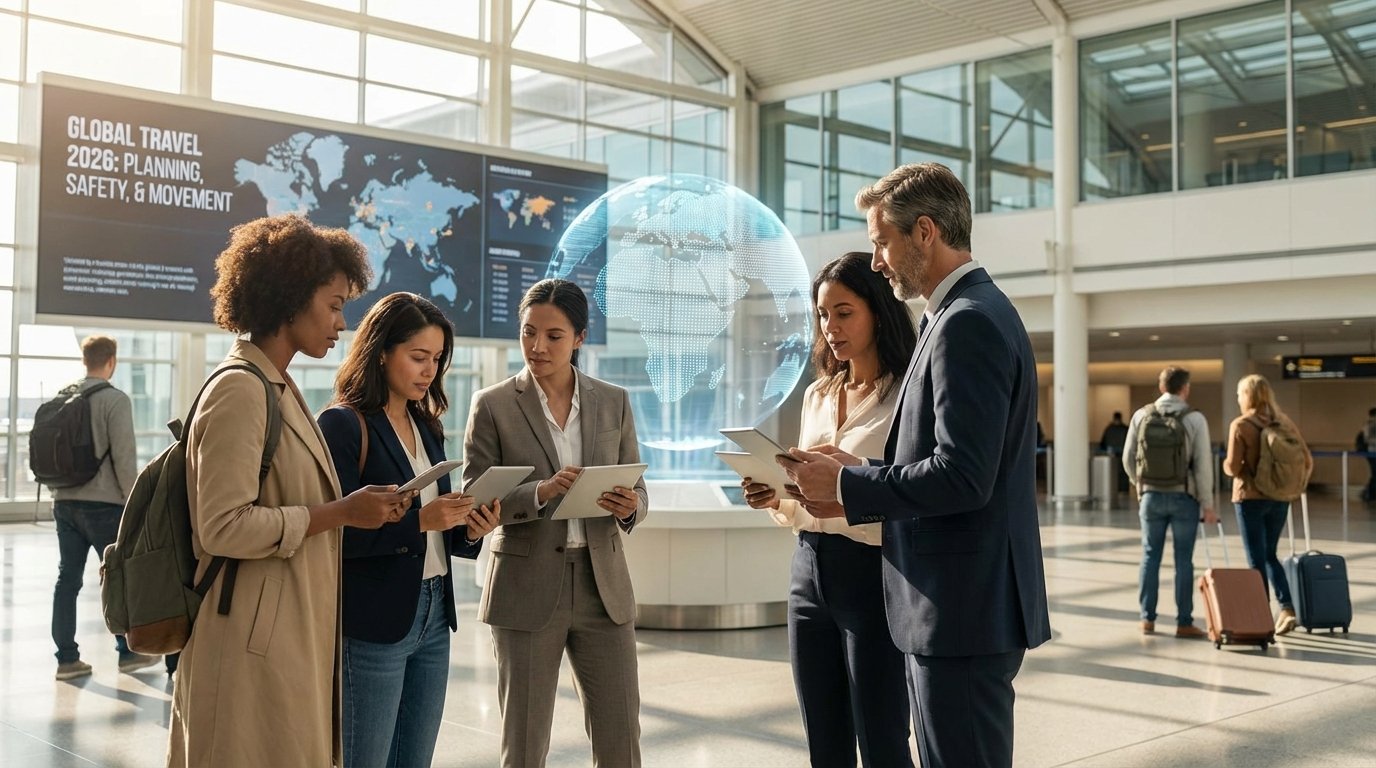
Internet dependability is not a foregone conclusion. News coverage pre-arrival. Bring a wireless hotspot or SIM card. Book places with reliable internet speed reviews. Some nomads resort to coworking spaces in bigger cities for reliable connectivity.
A routine keeps work on course. Establish working hours that accommodate your local time and still align with clients or teams. Identify a ‘zone’ to go into, even if that ‘zone’ shifts from week to week.
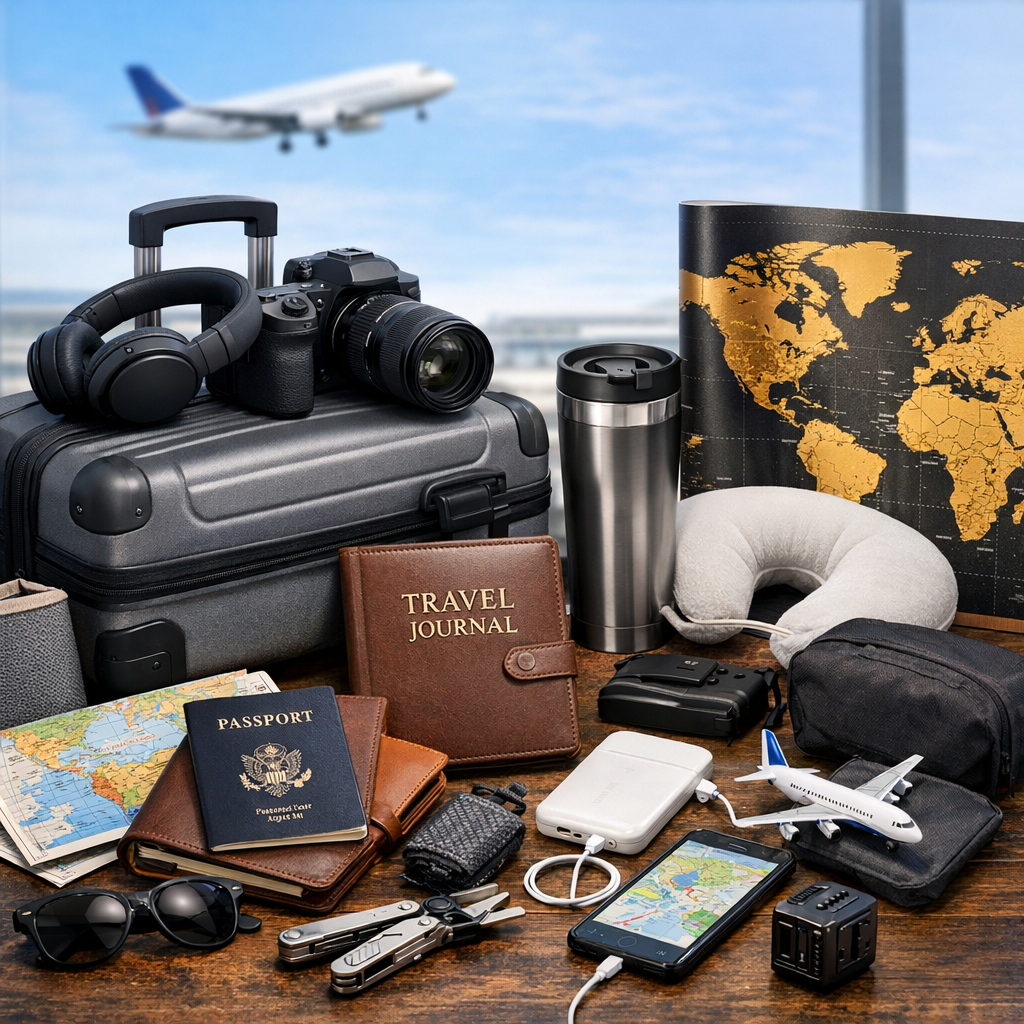
Pre-trip, confirm you’ve packed passports, insurance, documents, work permits and adapters. Make sure to have online and paper copies of anything essential. Bring necessary equipment, chargers and offline backups.
Social Isolation
- Schedule time each week for social outings or calls.
- Stay in shared accommodations or hostels for easy meetups.
- Use language exchange events to connect with people locally.
- Try volunteering or joining local classes to break routine.
Co-working spaces, community hubs — these are places that provide not just work desks but authentic opportunities to connect with others. Many nomads swear these spots provide a feeling of community, reduce isolation, and spark productive connections.
Digital nomads’ online forums and groups provide assistance by giving advice, locating friends, and swapping tips about locations or obtaining visas. Many of them use these channels to schedule meetups or work sessions.
Regular check-ins with friends and family can be the anchor that keeps those relationships strong, even across distances and time zones. It helps alleviate the sense of isolation.
Mental Wellbeing
Caring for mental health is key. Even simple habits such as daily walks, journaling, or listening to music can reduce stress. Others carve out hard work blocks to protect against drain from the “always on” mode.
Mindfulness helps cope with the unpredictability of travel. Meditation, deep breathing, or simple grounding exercises can keep stress in check when confronting new cultures or last minute surprises.
If stress or loneliness become overwhelming, connecting with a counselor or online therapist can be a significant change.
Intermingling work and play is essential. Schedule in some hobbies, some sightseeing, or some rest days, whatever it takes to keep you recharged and balanced.
The Ripple Effect on Global Economies
It’s not just about tourism and remote work. The rise of digital nomadism is altering global economies. The ripple effect on global economies shows that as more people work from anywhere, they deliver direct and indirect impacts on cities, small towns, and entire nations. Local businesses, housing markets, and even financial systems are having to respond to emerging patterns of spending and living. While nations boasting robust digital infrastructure are blazing trails, others are striving to close the gap and frequently encountering both potential and pitfalls along the way.
Economic Contribution | Example/Detail | Impact |
|---|---|---|
Local spending | Cafés, coworking spaces, gyms, markets | Boosts small business revenue |
Short-term rentals | Growth in Airbnb and similar platforms | Raises property values and rental rates |
Tourism and leisure | Museums, tours, local events | Increases seasonal tourism income |
Infrastructure investments | Upgrades to Wi-Fi, public transit, waste mgmt | Creates construction and tech jobs |
Financial services | Use of crypto-linked Visa cards | Simplifies cross-border transactions |
Specialized services | Legal, tax, and relocation support | New business opportunities |
Local Impact
Digital nomads tend to infuse new dynamism into local cultures. They dine in local eateries, participate in community activities, and occasionally open businesses that hire locals. This can foster a combination of cultures and ideas, which can help small towns become more innovative and inclusive.
This brings challenges as well. Additional visitors can burden public transportation, generate more garbage and tax internet infrastructure. As a result, many of our favorite destinations — from Lisbon to Bali — have experienced rent and home prices increase since short-term rentals are simply more profitable to landlords. This can cause stickiness in terms of affordable living for locals.
Tourism benefits, but it can make a sleepy town a happening place. Other regions have experienced their local customs transform, even disappear, as establishments adjust to serve the palates of tourists rather than permanent residents. To constrain them, urbanists and grassroots organizations advocate for smarter trash pickup, fresh web portals, and equitable rental regulations.
Nomads and locals can exchange skills and ideas. Others provide language exchanges, collaborative workshops, or mentorship programs. This type of exchange aids your growth and sustains the local culture.
Talent Distribution
Remote work allows talent to disperse rather than concentrate in urban centers. Developers, designers, and marketers now work from mountain towns in South America, beach cities in Southeast Asia, or new hubs in Eastern Europe. That shift not only spreads wealth and skills to locations that would have otherwise exported talent to big economies.
Others are beginning to attract nomads with dedicated visas, fast internet, and brand new coworking spaces. Georgia, Estonia, and Portugal have all introduced digital nomad visas to inject new vigor and expenditures. Others like Mexico City and Chiang Mai gained notoriety for their value lifestyles and robust expat communities, attracting younger professionals and families.
This shift is making teams more diverse. Individuals from various backgrounds, cultures, and time zones collaborate. They exchange new mental models, sparking better ideas and quicker solutions. With increased mobility, companies can recruit the most qualified individual for the position regardless of their location.
The resulting cultural and skill fusion frequently sparks new start-ups or other creative endeavors. Multicultural teams with alternative perspectives can identify new markets and innovate novel solutions or customer approaches that a local-only team may overlook.
The Unspoken Environmental Cost
The rise of remote work and digital nomads has transformed lifestyles across the globe. The environmental toll of this lifestyle tends to be underreported. With the rise of working on the road, the lifestyle patterns of digital nomads have introduced fresh difficulties for the planet and host cultures alike.
Travel Habit | Carbon Emissions (kg CO₂ per trip) | Waste Generation | Impact on Local Resources |
|---|---|---|---|
Short-haul flight | 156 | High | Moderate (fuel, water, energy) |
Long-haul flight | 1,676 | High | High (fuel, water, energy) |
Train travel | 41 | Low | Low (mainly energy) |
Bus travel | 27 | Low | Moderate (fuel, some waste) |
Car rental/shared | 104 | Moderate | Moderate (fuel, water for upkeep) |
Travel is central to digital nomadism, and moving around a lot—particularly by plane—causes a steep increase in carbon emissions. Just one long-haul flight can create more than 1,600 kilograms of carbon dioxide, which is far higher than any other type of travel. In Bali and Lisbon, for example, the nomad-fueled short-term rental boom displaced locals, creating housing shortages and rent spikes. This displacement process, known as gentrification, can push native residents from their own communities.
Not only tourism, the endless stream of visiting remote workers can be taxing. In Bali, the need for water and energy has increased as visitors have flocked in, straining infrastructure that was already limited. Waste management in smaller cities or island destinations might not be able to handle the additional burden generated by an increasing number of short-term visitors. The rise of coworking spaces and cafes can translate into greater energy consumption and more waste, such as single-use plastics and packaging.
A lot of digital nomads tend to opt for cheaper locales, possibly in the developing world, where essentials like water and power are already taxed. These communities might lack robust waste infrastructure or sufficient clean water to accommodate locals and tourists alike. As remote workers upgrade laptops, phones, and other tech gear at a rapid pace, this contributes to the world’s electronic waste problem, much of which is landfill or otherwise environmentally damaging to dispose of.
There are means to reduce these effects. A few nomads are beginning to use public transportation, stay in eco-conscious accommodations, and reduce their energy consumption. Opting to support local businesses rather than big chains, using reusable containers, and being conscientious about your water and energy usage can do a lot of good. An emphasis on sustainability, even on the road, is required if this lifestyle is to endure without causing more damage than it prevents.
Building a Sustainable Nomad Future
Building a sustainable nomad future is about making savvy decisions that allow us to work and wander while nurturing our environment and connections. The digital nomad trend just keeps going up. Sixty-five million people will consider themselves digital nomads by 2025. That’s fourteen million who are certain and fifty-one million who are considering it. Tech smooths the way and the feeling of freedom and flexibility lures a lot, particularly Gen Z, who now make up thirty-five percent of digital nomads. While a majority of nomads, eighty-one percent, say they’re satisfied with their income, and ninety-three percent say they will maintain this lifestyle, the life of moving frequently can be hard. It’s an art to wrangle new locations, figure out accommodations, and stay on top of work. Most nomads utilize short-term hotels, hostels, rentals, or co-living. That has a huge impact on local places and locals.
Encourage responsible travel habits to protect local environments
Digital nomads, hopping from city to city, tax the environment. Good habits keep places clean and safe. Opting for eco-friendly stays, utilizing public transportation, and generating minimal waste can contribute. For instance, bringing reusable bottles or bags, selecting accommodations that conserve water and energy, and respecting local regulations all contribute to environmental conservation. If every nomad steps carefully, the impact on the local ecosystem lowers.
Foster partnerships between nomads and local organizations for sustainability
Collaborating with local communities can foster a sustainable connection between nomads and the destination towns. Local businesses, NGOs, or community programs provide opportunities for nomads to contribute. For example, some nomads participate in beach clean-ups or assist with local workshops. This not only benefits the local community but allows nomads to gain new experiences and form authentic connections.
Develop educational programs focused on environmental awareness
The education is key. Providing courses or quick guides on how to travel with less damage equips nomads with the means to improve. These activities can share information about the local region, educate on waste, and provide energy-saving tips. These, along with other skills such as analytical and creative thinking, are critical and sought after. Mastering these assists nomads in troubleshooting and navigating new locations.
Create platforms for sharing best practices in sustainable nomad living
There are online groups and forums that allow nomads to share tips and experiences around sustainable living. By sharing what works, be it smart packing, finding local food, or using bike shares, you help others make better choices. A trusted platform can surface local groups and events, simplifying participation.
Conclusion
The increasing trend of digital nomadism: pros and cons We desire greater autonomy and options in our professional lives. Most discover fresh concepts by traveling. Rapid internet and convenient transportation make this lifestyle feasible for thousands. Still, challenges remain. Nomads have to plan for work rules, health, and money. Cities and towns experience both positive and negative transformations from this movement. Some are concerned for the planet as well. Today, a lot are seeking to make this lifestyle equitable and sustainable for everyone. To connect with fellow pioneers, share your journey, or review local policies prior to departure. Every step matters. Stay curious and open. So here we are, on the new frontier again.
Frequently Asked Questions
What is digital nomadism?
It’s a lifestyle where they leverage technology to work remotely and travel the world, living in coffee shops, co-working spaces, and new cities rather than settling in one location.
What are the main benefits of being a digital nomad?
Major advantages are flexible working hours, cultural immersion, and selecting your surroundings. Many find themselves with a healthier work-life balance and personal development.
What challenges do digital nomads face?
While these digital nomads face unstable internet, time zone differences, visa issues, and loneliness, work-life balance and productivity can be hard.
How does digital nomadism impact global economies?
Digital nomadism boosts local business by injecting foreign revenue. It can promote tourism, spur demand for co-working spaces, and facilitate cultural exchange.
Are there environmental concerns with digital nomadism?
Travel, particularly air travel, has a heavy carbon footprint. Short-term stays can overstretch local resources, rendering environmental impact a concern for numerous digital nomads.
What is needed for a sustainable digital nomad future?
For a sustainable future, digital nomads will need to prioritize responsible travel, eco-friendly accommodations, reliable internet access, fair visa policies, and support local economies. Digital nomads can assist by being intentional about their footprint.
Do digital nomads need special visas?
With several countries offering special digital nomad visas, these enable remote workers to remain legally for multiple months. Conditions differ by nation. Be sure to check local laws prior to traveling!