- Key Takeaways
- How Political Events Impact Safety
- The Traveler’s Inner Compass
- Navigating Official Guidance
- The Ripple Effect on Tourism
- Proactive Traveler Strategies
- Beyond the Headlines
- Conclusion
- Frequently Asked Questions
- How do political events affect travel safety worldwide?
- Where can travelers find reliable safety advice during political events?
- What should I do if political unrest starts while I am abroad?
- Can political instability impact my travel insurance coverage?
- How does political turmoil affect tourism in a country?
- What proactive steps can travelers take to stay safe during uncertain political times?
- Are all political events equally risky for travelers?
Key Takeaways
- Political events affect travel safety around the world all the time.
- Government stability, border integrity and diplomatic relations all affect safety perceptions and travel access.
- Keeping up with official statements and travel advice is important for making informed travel plans.
- Economic and civil unrest can increase risks, disrupt local infrastructure, and impact the tourism industry worldwide.
- There are real benefits for travelers from forward planning, such as pre-trip research, contingency strategies, and knowledge of local emergency protocols.
- Taking this local and ethical view into consideration makes for more educated, respectful and ultimately more rewarding travel.
Effect of political unrest on global travel safety refers to how political instability can influence the security conditions for travelers across various regions. Unexpected unrest, elections or legislation can result in roadblocks, curfews or changes to security advice. Travelers may encounter closed airports, increased border controls, or local restrictions. Even peaceful rallies or leadership shifts can muddy the rules for travelers. Many countries revise their travel warnings after these events and that allows people to plan better. To provide a perspective, the lead body will offer instances of politics influencing travel. It highlights what to watch for when booking trips in various regions.
How Political Events Impact Safety
Political events mold how travelers perceive safety and shade the decisions they make. We’ve seen how geopolitical shifts, border changes, and unrest can change a destination’s reputation overnight. For international travelers, these episodes have tangible, immediate effects.
- Political crises can immediately ignite safety concerns and trip cancellations.
- Tourists generally steer clear of countries with shaky governments or experiencing civil unrest.
- Politically motivated sudden changes to border access or visa rules wreck travel plans.
- Bad news about riots or policy changes can keep them away for years.
1. Border Integrity
There is border control, which can restrict who comes into or leaves a country. Political bickering tends to create new regulations, additional inspections, or even shutdowns. This translates into potentially longer lines, less availability, and more unpredictability for passengers. For example, during migration surges, certain states impose harsh entry restrictions, which interfere with and decelerate tourism and disorient travelers. Contested borders, such as in some regions of Asia or Eastern Europe, increase danger for everyone, not just locals. Secure, well-administered frontiers are important to maintain the flow of tourists and minimize risks.
2. Civil Unrest
Protests and demonstrations scare away visitors. Tourists fear being caught up in unrest or curfews. This concern has merit. Almost 20% of non-US visitors had delayed or canceled trips because of unrest in US cities. Local economies and tourism businesses take a hit as bookings fall. The psychological cost to travelers is legitimate; seeing turmoil in person can be harrowing and influence their travel habits moving forward. To reclaim confidence, governments frequently increase police patrols or initiate public safety initiatives, but faith is slow to restore.
3. Infrastructure Stability
Roads, airports and public transit can get damaged by political unrest. Secure, trusted transport is essential for a convenient journey. When governments are broke or shaky, repairs fall behind and breakdowns are ubiquitous. Even in times of crisis, highly financed systems can crack. As we saw after the unrest, investment in repairs and upgrades goes a long way to restoring traveler trust. New-age rail lines or renovated airports convey normalcy and security.
4. Economic Volatility
When economies go south, travel expenses can jump around. Abrupt currency declines can make trips less expensive for certain travelers, but they often indicate underlying issues such as increased crime or reduced amenities. Economic downturns can push up theft, as is often the case in cities that go through a recession. Travelers might have issues with currency exchange or discover credit cards are less widely accepted. Crisis is fairly easy to spot, but recovery, like steady exchange rates or economic reform, can gradually regain faith in a destination.
5. Diplomatic Relations
Tense diplomatic ties typically result in tighter travel advisories or bans. Most travelers turn to embassy updates as their default source for the latest safety information. Good relations, meanwhile, lubricate travel and inspire new tourism agreements. Political events and safety When nations stand together, tourists feel secure and come flocking.
The Traveler’s Inner Compass
Travelers today find themselves in a world in which political events and tensions can shift itineraries overnight. Decisions of where to go are shaped by a cocktail of values, histories, communities and cultures. Today, travelers consider more than just leisure; they factor in world affairs and policies, as well as local stability before planning a trip. According to recent research, 62% of respondents say political climates do not influence where they travel, but just 26% of non-US travelers concur. This gap underscores how individual and cultural influences form a traveler’s internal compass.
Media Perceptions
Media coverage does a lot about how safe travelers will feel about a destination. News stories frequently highlight unrest or crises, which can make risks seem greater than they are. Scary reports of demonstrations, changes in policies, or riots might scare travelers into calling off or modifying trips, even if the incidents aren’t close to where tourists go. Social media quickens the news cycle, but not all news is true or complete. Travelers are good at posting experiences and warnings online, and groupthink spreads at lightning speed. Figuring out who to trust is crucial. Seeking updates from trusted international organizations and checking official government guidance can help separate noise from reality.
Personal Risk Tolerance
Every traveler has a different comfort level with risk. Your age, previous travel, and personality factor in as well. Young folks and women are more apt to alter their plans or believe US travelers come off more poorly overseas. Others take trip insurance or simply alter travel dates instead of foregoing destinations altogether. Awareness of your own limits is valuable. Jot down what terrifies you and what you require in order to feel secure — a helpful exercise that could strike the right balance between adventure and prudent caution. It’s not unusual now to catch glimpses of individuals seeking information and reassurance, constructing a novel travel confidence.
The Anxiety Effect
Fears about political instability can prevent travelers from visiting new destinations. The worry of taking the wrong bus at the wrong moment shifts how much people experience trips or even if they take them. Pre-travel anxiety makes us overplan or skip places. Most of us deal by refreshing live updates, chatting with fellow road warriors, or purchasing refundable tickets. Little things like these keep stress down and travel fun even in uncertain times.
Navigating Official Guidance
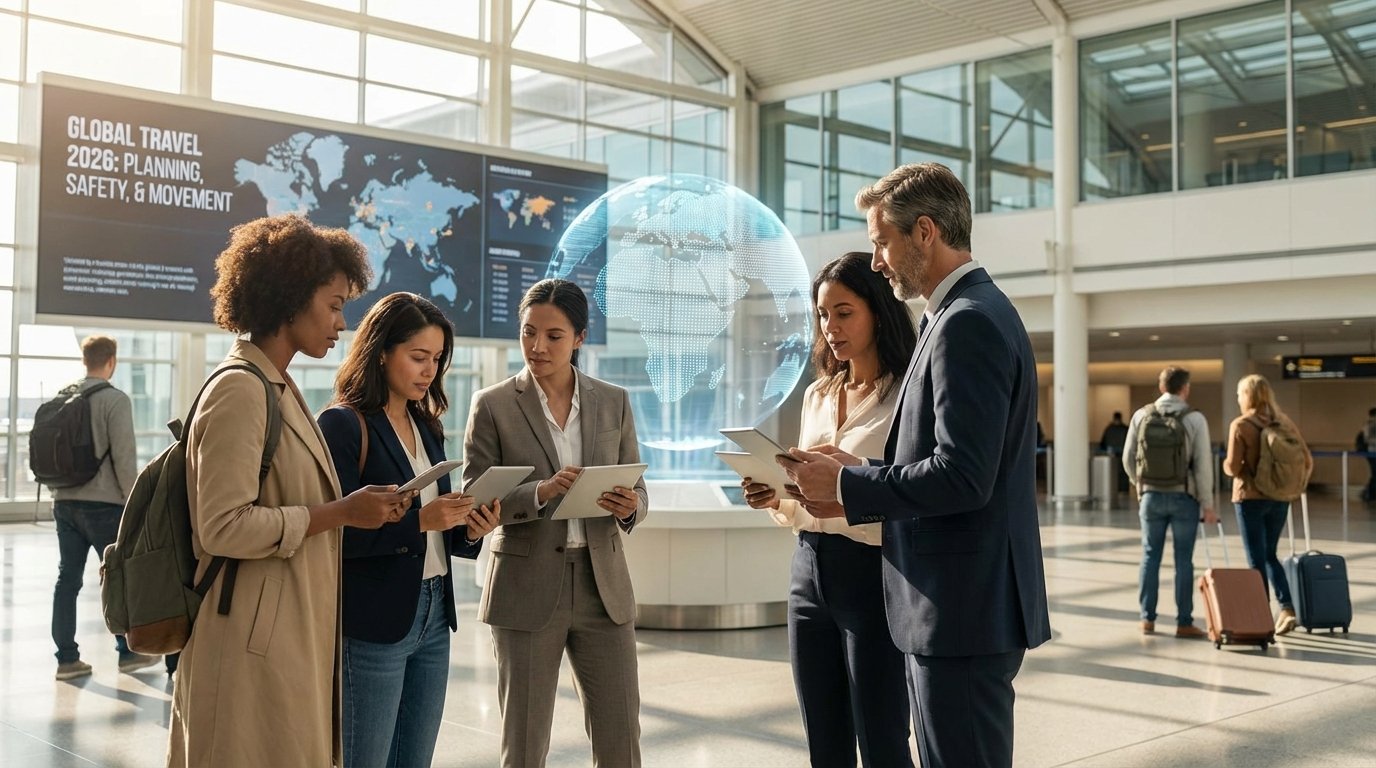
Political events have the power to reshape the travel landscape overnight. Government guidance, in particular, becomes the touchstone for travelers everywhere. Most people look to them for guidance on where to go, how safe it is, and what risks to balance. Advisories and embassy support aren’t just bureaucratic; they’re often life-saving, particularly in periods of uncertainty.
Government sites such as the U.S. Department of State, UK Foreign Office, and Australia’s Smartraveller are primary sources for travel alerts and warnings. They post real-time updates, precautionary advice, and country-specific guidance. Travelers can look to international organizations like the WHO and the UN for useful guidance. Mobile apps and email alert services provide fast updates. Social media, if judiciously used and verified against official sites, gives immediate updates.
Keeping up-to-date with travel advisories is crucial as 63% of respondents claim that they influence where they choose to visit. Following official guidance Official warnings can alter the perception of a destination, at times resulting in avoidance. Israel, Pakistan, and China are among the most avoided destinations, with more than half of travelers having avoided them recently following guidance. Women and travelers under 35 are most reactive to these updates, with significant changes in travel.
How governments react to global events affects where people travel. Diplomatic events, like boycotts at the 2022 Winter Olympics or FIFA World Cup, alter where people travel. These official positions, apparent in advisories, can create reassurance or stoke fresh anxieties.
Interpreting Advisories
Advisories range from basic cautions to hard “do not travel” notices. Going through these guides closely allows travelers to identify both general and specific dangers. Not every caution is equal. General risk warnings can span large regions affected by turmoil, whereas specific threat warnings zoom in on incidents or sites. Travelers, in turn, need to align advisory information with their own itineraries, considering everything from intended destinations to on-the-ground activities. This helps you think clearly instead of reacting to a headline.
Understanding Insurance
Travel insurance is a must when you’re dealing with political risks. Full policies can address cancellations, medical situations, and evacuations. Most travelers think insurance is just for medical woes, and coverage around political unrest is equally important. A solid policy provides peace of mind, allowing adventurers to focus on the adventure and not stress about the what if. Some travelers forgo insurance or pick the least expensive option and overlook important coverage.
Using Embassy Support
Embassies assist during political turmoil, providing security alerts and emergency connections. How to Register Your Travel Plans with an Embassy. Embassy staff can offer local updates, assist with evacuation, and act as a crucial communication bridge if the situation shifts rapidly. Getting embassy assistance is a matter of reviewing official guidance pages or registering with traveler programs prior to departure.
The Ripple Effect on Tourism
Political events affect the way people travel everywhere around the globe. Safety concerns, government policies, and media coverage influence where they go, how they travel, and what they spend. These shifts don’t stay put. The impact reverberates well outside the country.
Political Event | Direct Impact on Tourism | Economic Implications | Example |
|---|---|---|---|
Civil unrest | Drop in tourist arrivals | Loss of revenue, job cuts | US protests led to 20% of non-US visitors canceling trips |
Terror attack | Global decline in travel | Slow recovery for affected region | 9/11 attacks: global dip in international travel |
Policy shift (visa bans) | Shift in traveler flows | Neighboring countries gain | Stricter US policies sent more travelers to Canada/Mexico |
Media coverage of violence | Perception-driven changes | Destinations rebrand for recovery | Paris 2015: drop in visits, Spain/Greece gain |
Economic Consequences
Tourism operators in precarious areas experience a ripple effect of lost bookings. Hotels, restaurants, and tour operators will reduce staff or even close. Fewer arrivals means fewer jobs — especially in destinations where tourism constitutes a significant portion of the economy. The ripple effect on tourism leads to a decline in demand for markets, transport, and local crafts.
Long-term downturns can damage entire communities. Destinations might attempt to rebound with promotions or packages. Others reinvent themselves with safety campaigns and collaborate with security specialists. These measures contribute to restoring confidence and supporting the local economy, though recuperation may span years.
Recovery Narratives
Some cities have reconstructed their tourism post-crisis by telling tales of resilience. New York and Washington D.C. After 9/11 invited travelers back with safety campaigns. That sort of activity demonstrated to the world that they were open and safe again. Community actions such as local recovery or clean-up events have a strong role in rebuilding confidence.
Good communication makes all the difference. Destinations that share transparent status updates and safety measures frequently have visitors returning sooner. Travelers respond well to openness and genuine local voices. This strategy can transform a destination’s reputation and increase reservations.
Shifting Destinations
When one area is in trouble, others get hit with more tourists. Following the 2015 Paris attacks, tourists pivoted to Spain and Greece. These destinations registered an increase in hotel nights even as Paris suffered an 8.5% decline in hotel nights. Some travelers look for ‘safe havens’ to visit.
They change travel, purchase insurance or subscribe to travel safety. These ripples alter local economies. While increasing income, more visitors can add new stresses to local resources and culture.
Proactive Traveler Strategies
Political events around the globe can change travel safety rapidly. Travelers now reconsider not only where to travel but how to plan. Instead of steering clear of areas entirely, a lot of people modify their behavior and get savvy with sources, purchase insurance, or sign up for travel security services. Helping me is making my own checklist. If traveling to a tense location, find out the political scene, laws, and recent news. This includes looking up travel notices, visas, and safety issues. It helps frame a personal “political crisis playbook” so you know who to listen to, what to watch, and how to respond if the unexpected occurs.
Pre-Trip Intelligence
Method | What It Offers | Where to Find It |
|---|---|---|
Official Travel Advisories | Country-specific safety alerts | Government websites |
Online Forums | Real-time traveler experiences | Travel forums, social media |
News Outlets | Breaking events, political updates | Global news websites |
Local Contacts | Insider details on ground realities | Community boards, local guides |
Forums and news channels online track rapid changes. Travelers browse real-time reports and chat about current happenings and compare tips between sites. Touching base with locals online pre-arrival or in person frequently provides a reality check on what’s really going on beneath the headlines.
Pre-trip intelligence helps you mold your itinerary. If news breaks about unrest somewhere, say one city, switch to a neighboring town or change your travel dates. This flexibility can minimize stress and keep you out of trouble.
On-Ground Awareness
Be vigilant in unfamiliar locations. Look out for demonstrations, shifting police presence, or unexpected shutdowns. Watch what the locals do if stores close early or people converge. Change your plans if it feels wrong.
Being in the moment makes a difference. Just switch routes or park yourself if the mood swings. Flying under the radar. Let your phone do the updating and stay in touch with hotel staff or local contacts for advice.
Maintaining a regular direct line of communication with trusted people at home establishes confidence. Send your location or schedule check-ins.
Emergency Protocols
- Save local embassy and emergency numbers in your phone
- Know basic phrases in the local language for help
- Identify hospitals and safe zones nearby
- Have digital and paper copies of important documents
A personal safety plan includes what you’ll do if you lose track, have a curfew, or need to bail quickly. Know the protocol for each situation. Know local emergency plans, such as evacuation routes or shelters.
Keeping up with buddies and family is important through messaging apps, social media, or even hotel phones as a last resort. Definite plans and being in communication transform the unknown into a controllable hazard.
Beyond the Headlines
Travelers today encounter a world where geopolitics and world events heavily influence their adventures. News reports tend to emphasize turmoil or regulations. Such coverage doesn’t necessarily paint the complete picture of travel security. Countless travelers are obsessing over how politics might impact their itineraries. A greater exploration can inform smarter, more secure travel decisions.
Local Perspectives
Hearing from the locals gives you a much better sense of what’s really going on. Locals tend to know how the politics actually unfold day to day. Their experiences can counter the narratives spun by news organizations, which sometimes emphasize the exceptional or extreme. Occasionally, something that the news media terms a ‘crisis’ is a local protest or election that has no bearing on everyday life for the majority of the population.
Understanding the culture is crucial. What seems prickly or dangerous to outsiders can be normal to those who reside there. Travelers who chat it up with locals, inquire or participate in community events can achieve a more nuanced perspective about what is secure and what isn’t. This boots-on-the-ground strategy aids tourists in sidestepping headline hysteria and witnessing the real dangers. Building trust with locals paves the way for deeper, more meaningful trips.
Unseen Opportunities
Politics can occasionally open up new opportunities for the adventurous traveler. Areas in the news might receive fewer tourists, resulting in shorter lines, lower prices, and more opportunities to experience the authentic culture. For instance, some discovered hidden gems in areas experiencing recent turmoil, indulging in neighborhood art scenes or visiting less-crowded market stalls. Supporting small shops and small business owners on difficult days fuels local economies and produces heartwarming, memorable interactions.
Others use these pauses to find those special experiences, like being introduced to the local history or participating in village life. It’s smart to remain wary, such difficulties can allow visitors to experience a different facet of a nation not found in travel books.
Ethical Considerations
Tourists need to consider the morality of touring locations in political distress. It’s a double-edged sword. Visiting these places can either assist or destroy, depending on how you respond. Responsible tourism is about obeying local laws, respecting traditions, and ensuring your dollars work for communities. Many travelers seek to ‘give back’, such as opting for green lodging or participating in volunteer initiatives.
It’s good to support local voices. It’s clever to purchase from tiny stores and utilize neighborhood guides. Over time, these decisions can shift the mentality of travelers and what it means to be a good guest abroad.
Conclusion
Political shifts impact travel in real ways. Policy changes, protests, and new rules can switch plans in a heartbeat. Local news provides a real-time snapshot of what is safe or unsafe. Travelers look at travel warnings and change their itinerary accordingly with facts, not just headlines. Just look at recent events in Hong Kong, France, or Brazil for how quickly the ground can shift. Travelers who research, ask locals, and rely on trusted sources come through safer and more confident. To keep trips smooth, check tips from reliable sources, chat with fellow travelers, and stay adaptable. If you have tips or stories of your own, real talk guides others in their journey as well. Let your next journey introduce a little more simplicity by staying plugged in and prepared for anything.
Frequently Asked Questions
How do political events affect travel safety worldwide?
Political events can alter safety risks in a country. Protests, unrest, or new governments might result in disruptions, additional controls, or, in the worst case scenario, violence, rendering certain regions less safe to travel.
Where can travelers find reliable safety advice during political events?
Travelers can check official government travel advisories, reputable media sources, and international bodies for up-to-date safety information ahead of and during their travels.
What should I do if political unrest starts while I am abroad?
Follow local news and official sources for the latest updates. Steer clear of protest sites, heed local authorities, and have emergency numbers nearby. Register with your embassy if you can.
Can political instability impact my travel insurance coverage?
Indeed, certain plans will not cover political events such as civil unrest or government actions. Be sure to check your policy wording and speak with your provider to see what you are covered for in the event of political activity.
How does political turmoil affect tourism in a country?
Political upheaval means fewer visitors. Safety, transport disruptions, and bad press can all dampen tourism and hurt local businesses.
What proactive steps can travelers take to stay safe during uncertain political times?
Be informed through the local news, avoid unsafe areas, keep your documents safe, and have an escape plan. Think about flexible bookings and travel insurance for good measure.
Are all political events equally risky for travelers?
No, not all of them are equally dangerous. Some are peaceful or local, while others are violent and widespread. Evaluate each situation independently with trusted facts.