
- Key Takeaways
- The Modern Solo Traveler’s Mindset
- Your Proactive Solo Safety Plan
- Leverage Future-Ready Technology
- Navigating Cultural Nuances
- Choosing Your 2026 Destination
- The Unspoken Rules of Staying Safe
- Conclusion
- Frequently Asked Questions
- What are the top safety tips for solo travelers in 2026?
- How can technology help keep me safe while traveling alone?
- How do I choose a safe destination for solo travel in 2026?
- What should I know about local customs to stay safe?
- Is it safe to use public Wi-Fi when traveling solo?
- How do I handle emergency situations while traveling solo?
- What are unspoken rules every solo traveler should follow?
Key Takeaways
- Have faith in your instincts and be aware of your environment to identify opportunities and dangers when traveling solo.
- Foster confidence through goal-setting, reward yourself, and connect with encouraging communities along the way.
- Stay safe by understanding your destination, preparing for emergencies, and educating friends and family.
- Employ tech from safety apps and wearables to digital privacy tools to boost your security and peace of mind on the road.
- Be mindful of local customs, attire, and social norms to ensure you have great interactions and an incredible experience.
- Opt for places with robust security and infrastructure and never leave home without a contingency plan.
How to Stay Safe Traveling Solo in 2026 Travelers employ refreshed planning, situational awareness, and digital and physical security. Many solo travelers these days pick used spots and check for safety alerts prior to every journey. Smart devices and travel apps assist with real-time alerts, maps, and rapid access to assistance if necessary. Discussing your trip with trusted individuals and storing duplicate documents are standard measures. Health and cultural respect remain key for every stop. With some foresight and vigilance, solo travelers experience greater security on the road. The following sections provide straightforward advice and resources for more secure solo journeys during 2026.
The Modern Solo Traveler’s Mindset
Today’s solo traveler sees past stereotypes. They prioritize growth, discovery, and reframing. Travel is less about big leaps and more about small, incremental ones. Most begin closer to home—going out to eat or wandering their own city solo—to cultivate ease. Women and men both select secure locations, preferring destinations with reputations for benevolent natives and solid traveler communities. Flexibility meets planning. Doing research, learning key words, and using travel apps all assist. It’s about discovering the meaning of life, tasting culinary delicacies, and chatting with locals. They watch costs by choosing shoulder seasons or inexpensive destinations. Digital savvy keeps them plugged in and up to date. New friendships spring up naturally—be it over a meal or at a new site.
Cultivate Intuition
Relying on intuition counts for most in unfamiliar situations. Observing sounds, body language, or group behavior can signal when to take your leave or when it’s okay to stay a while longer. Previous solo adventures impart lessons on what feels right or wrong, enabling travelers to act more quickly the next time. Mindfulness—paying attention to every sight, smell, and sound—keeps you alert and reduces hazards. Several maintain a travel journal, recording both instincts and results, which hones intuition for future journeys. Locals and solo travelers alike have tales of moments when their gut instincts kept them out of trouble.
Embrace Confidence
Small goals, such as ordering lunch in a new language, can generate confidence. Embracing challenges, like signing up for a local tour or hiking solo, demonstrates what’s achievable. There’s support in travel groups online and in real life, where advice and encouragement stream. All these little victories, even catching the right bus, accumulate and make the next leap easier. To most, these little victories mean more than grand success.
Practice Detachment
Nerves stay calm when you focus on what is, not what might go wrong. Embracing mishaps liberates travelers from fear. Deep breaths or short breaks can calm anxious thoughts and help maintain a clear mind. Just remember, travel is about process, not perfection. Adhering to this mentality allows solo travelers to relish the journey, even when the itinerary shifts.
Your Proactive Solo Safety Plan
About Your Proactive Solo Safety Plan Traveling alone in 2026 demands that your plan prioritize your safety. Traveling by yourself presents a unique set of hazards that groups don’t have to worry about, so a clear, proactive plan keeps you out of trouble and gives you more fun. Start with a safety essentials checklist: pack a personal alarm, portable power bank, a first aid kit, travel-size hand sanitizer, a copy of your passport, and a small flashlight. Always have a reusable water bottle and basic medications with you. Set up a VPN app on your phone and tablet. Investigate your destination’s safety rating via global indexes and see what vaccines are advised. Leave behind your complete schedule — flights and hotels as well as local emergency numbers — with a trusted family member or friend.
1. Digital Fortification
Make sure you have unique, strong passwords for all travel accounts and enable two-factor authentication. This step prevents hackers from accessing your accounts if a single password spills. Upload copies of critical documents, such as your passport and insurance to an encrypted cloud folder. Update your phone, tablet, and laptop prior to leaving. These updates frequently patch security vulnerabilities. Don’t ever go on public Wi-Fi for banking or shopping. If you have to use it for maps or messaging, connect via a VPN. Bring a power bank so your devices don’t die when you need them most.
2. Accommodation Vetting
Review and safety-check every hotel or hostel you look at. Seek out venues in active, well-lit neighborhoods. Make sure they use solid locks and have cameras in public spaces. Select properties with 24-hour front desks for assistance if you require it during the night. If you can, select ground floors with convenient exits or upper floors with controlled entry.
3. Transit Strategy
Daily plan your routes. Know your transportation options, schedule, and prices. Be sure to use reputable taxi apps or reliable local options. Maintain zipped-up bags in your lap, not on the seat beside you or at your feet. Know the public transport rules, where to stand and how to pay. It’s how you disguise yourself, become camouflaged, and become less of a mark.
4. Situational Awareness
Pay attention to your environment. Don’t tune out on your phone. Observe those around you and if it doesn’t feel right, trust your instincts. If you’re wondering, ask families or couples rather than random solo travelers. Back off from anyone acting weird or aggressive.
5. Emergency Protocol
Locate the nearest hospitals, clinics, and embassies. Store local emergency numbers in your phone. Have a portable door lock for your room. Pack a basic first aid kit. Find out the fundamentals for local emergency procedures, such as evacuation paths and the closest police stations.
Leverage Future-Ready Technology
Technology keeps solo travelers safer and more aware. Armed with new tools and smart devices, travel in 2026 can be both secure and smooth. Leveraging future-ready technology using the right apps and devices and staying current with safety tech can make a real difference.
Personal Safety Apps
Travelers turn to personal safety apps for real-time aid and comfort. Install apps that are designed for solo travelers. Seek out those with excellent ratings, strong privacy policies and controls, and recent updates. Send your live location to trusted contacts, so they are aware of your whereabouts and can intervene if necessary. Certain apps go a step further and link you up with local emergency services and community resources, displaying nearby hospitals, embassies, or police stations. Always update before your trip. Modern apps are less buggy and more secure.
Below is a table showing how different safety apps stack up:
| App Name | Key Features | Global Reach | Cost |
|---|---|---|---|
| bSafe | Live GPS, SOS alert, voice trigger | High | Free/Paid |
| Noonlight | Silent alarm, location tracking | Medium | Paid |
| GeoSure | Safety ratings, local tips | High | Free |
| TripWhistle | Emergency numbers, maps | High | Free |
Wearable Devices
Smartwatches and fitness trackers monitor your health and location. A number of these now have emergency buttons that can alert authorities or contacts. Several models are capable of monitoring your heart rate, stress, and sleep, which comes in handy in unfamiliar surroundings or during extended hikes. Healthcare becomes much more manageable with future-proof technology. Avoid public USB charging ports as they compromise your data. Choose wearables with SOS capabilities and verify these are configured before your trip begins.
Digital Privacy Tools
Protecting your information is as essential as your physical security. Use future-ready technology. Put firm privacy controls on social media, and don’t ever overshare your location in real time. Exercise caution when accessing sensitive accounts such as banking apps on open networks. Two-factor authentication provides a basic means of enhancing security. Disable Bluetooth when unused to avoid opportunistic access to your devices. Always update your device’s software before you travel, and audit permissions on every single travel-related app. Keep up with new threats by following trusted sources for the latest tips in cybersecurity.
Navigating Cultural Nuances
Safe as a solo traveler 2026 means reading the room wherever you go. Each culture has its own rules for what’s polite, what’s indeed private, and what’s best left unspoken. Catching these signals, even the small ones, enables you to navigate unfamiliar areas with greater confidence. When you blend, you attract less notice and create opportunities to bond, which can make your journey easier and more secure.
- Observe how locals are greeting each other before you intervene.
- Give people their space, if that’s the custom. So don’t crowd.
- Avoid hot topics around politics, faith, or personal money.
- Learn a few easy phrases in the local language.
- Say hello to staff or servers, especially at night.
- If you want assistance, target families or couples, not solo passersby.
- Arrange transport in advance, don’t just hitch with anybody.
- Try small local customs to build rapport.
Local Etiquette
Every location you arrive at has a unique manner of saluting and honoring you. Some cultures bow, some shake hands, some might just nod. One of the easiest ways to make your business card stand out is to use a great greeting. Personal space, too, varies from one country to the next. In some places, folks rub shoulders; in others, there’s a lot of breathing room.
Indulging in local customs, such as eating with hands or removing shoes at the door, can help you fit in. Steer clear of contentious topics that could be offensive. A smile or a nod is usually sufficient to demonstrate you’re amiable without overstepping any boundaries. Observing local behaviors allows you to understand what is appropriate and what is off limits.
Dress Codes
Clothes communicate. In certain locations, skin is totally cool, in others it’s not. A little research before you pack is important. Modest dress, such as long pants and covered shoulders, is safer in conservative regions. Choose outfits that work inside and outside and can take on a couple of different scenes. Cross-cultural fashions are smart, as are multifunctional garments.
Social Interactions
Be open when dealing with new people and stay vigilant. Non-verbal communications often speak even louder than words. Be alert to signals as to what’s welcome and what’s not. Establish your own safe border early. Chat with locals and other tourists, but go with your instincts if something doesn’t seem right. Chatting up staff at night gets you attention in a positive way. If you require assistance, families and couples are generally safer than singles to flag down. Hailing your own cab is safer than accepting a stranger’s lift. Over time you’ll develop instincts that help you identify safe versus risky situations. These experiences become your personal solo travel guidebook.
Choosing Your 2026 Destination
Picking your 2026 destination is a balance of safety, solo-friendly support, and cultural influences on your journey. To help you decide, consider these criteria:
Check safety ratings and recent travel advisories.
Review local healthcare and emergency response services.
Prioritize destinations with active tourist infrastructure.
Seek out areas known for friendly locals.
Research local customs, especially those affecting solo female travelers.
Consider seasonal risks, like weather and disease outbreaks.
Check out recent solo traveler reviews and their worries.
Plan for reliable communication and transportation options.
Urban Sanctuaries
City-based destinations typically provide the best backing for lone travelers in terms of explicit safety protocols, cosmopolitan populations and convenient facilities. Cities such as Tokyo, Lisbon and Wellington wow with strong infrastructure and a friendly spirit. Safe neighborhoods in these cities tend to mix local culture, history and entertainment. For travelers who crave both city buzz and coziness, urban destinations such as Bangkok’s riverside streets or Queenstown’s bustling heart offer a variety of experiences. Taking advantage of local guides or walking tours helps you become familiar with the city’s layout and secret spots while building confidence in your new environment.
| City | Safety Rating | Key Attractions | Local Support |
|---|---|---|---|
| Tokyo | High | Temples, tech districts | Tourist police |
| Lisbon | High | Historic quarters, coast | Info centers |
| Wellington | High | Art, harbor, gardens | 24/7 helplines |
| Bangkok | Moderate | Markets, palaces, food scene | Local guides |
| Queenstown | High | Adventure sports, lakefront | Visitor hubs |
Remote Retreats
Remote getaways such as Corfu, Koh Samui or even New Zealand are attracting solo travelers looking for tranquility and adventure in the wild. If you’re going to be in some backcountry cyber retreats, check how accessible emergency assistance is. Some islands won’t have hospitals close by, or local weather like monsoon seasons could impact access or safety. Easy actions, such as informing your trusted companion of your itinerary and toting a charged phone, matter. Whether hiking or snorkeling, outdoor activities provide wellness and adventure. Be sure to seek out safe, marked trails and lifeguards on the beach.
Emerging Havens
Some travelers are now seeking out new destinations with a reputation for safety and local culture. Mexico’s Riviera Maya, Portugal’s coast and the Dominican Republic are experiencing an upswing, buoyed by new protocols and favorable feedback. Certain areas operate trial runs to enhance tourist assistance, including overt police patrols or multilingual assistance centers. To experience local life through a new lens, consider lesser-known towns or rural areas, and investigate the area’s stability and availability of basic services in advance. Consider hazards such as health advisories, particularly in areas with mosquito-borne diseases or recent turmoil.
The Unspoken Rules of Staying Safe
Solo travel requires more than a plan. It requires smart habits. It does pay to heed a few sorely underrated rules that can go a long way toward staying safe in any country or city. These practices serve any traveler, regardless of their stop or frequency.
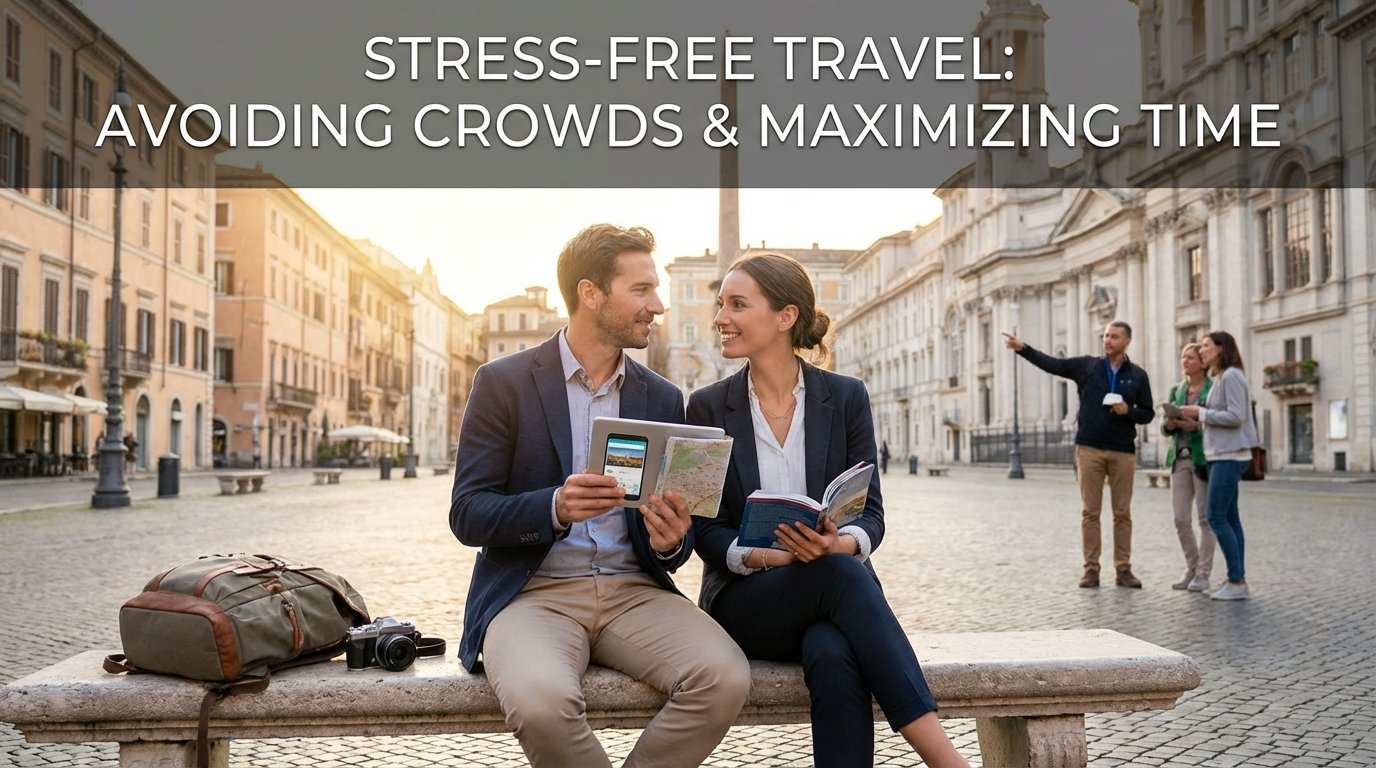
Trusting your instincts is the key. If something seems even a little ‘off,’ it’s logical to get away or alter your course. Most solo travelers develop a sixth sense about these kinds of things—maybe it’s that someone is observing too intently or a location is eerily silent. If you smell a rat, get out. If a back street is a little dark or an empty metro station at night seems dangerous, choose a busier one. In crowded locations, knowledge does you more good than concern. Rest by moving, not by sitting too long. When you go out at night, chat with an observer or a server for a minute so they’re aware you’re on your own. If you must request assistance, choose a family or a couple—they tend to be more accepting of aid and less disruptive.
Stay under the radar by being inconspicuous. Flashy clothes and high-end electronics catch the eye. In congested areas such as the great European city squares, pickpockets target careless tourists. Bring what you need, one card, some cash, and have your passport stored digitally online. Leave the passport in a safe at your hotel when possible. Don’t discuss your plans with strangers and don’t post your location on social media until after you exit.
Watch out for strangers’ help. Not all are ill-intentioned, but prudence dictates that you gauge their purpose prior to consenting. If someone insists on taking you somewhere or wants to carry your bag, refuse gently. If you have to stop for directions, families and couples are safer bets. If it still makes you uncomfortable, just walk to a well-lit, busy area. In most tourist-friendly cities, these types of places are safe for women at night, but those quiet spots away from the center require a bit more prudence.
Have an escape plan at all times. Have emergency contacts at the ready, know where your nearest embassy is, and have a means of contacting your hotel if you’ve made changes to your itinerary. It’s easy to be prepared and it can eliminate hours of hassle.
Conclusion
Solo trips 2026 shine for savvy travelers. Smart planning, current tools, and local knowledge are a game-changer. Fast advice beats massive conceptual breakthroughs. Phone apps, maps, and wearable tech all provide security. Being in the know about local customs can help you circumvent minor dangers. Select places that align with your comfort level and individual style. Keep your wits about you, listen to your instincts, and keep your family updated. Many solo travelers these days share real stories and trade tips and lessons from one another. Travel safe, keep it simple, and make each trip memorable. Have your own tried and true advice or anecdote? Pass it on and prepare someone else for their next adventure.
Frequently Asked Questions
What are the top safety tips for solo travelers in 2026?
Prepare in advance, opt for reliable transportation, maintain communication, and have duplicate documents. Be alert, listen to your gut, and leave your travel plan with a trusted friend.
How can technology help keep me safe while traveling alone?
Leverage travel safety apps, digital maps, and real-time translation tools. Emergency alert wearables can help alert your contacts or local authorities quickly if necessary.
How do I choose a safe destination for solo travel in 2026?
Check up-to-date travel advisories, local laws, and healthcare standards. Seek out places known for traveler safety and inclusiveness.
What should I know about local customs to stay safe?
Educate yourself on basic cultural norms, dress codes, and local etiquette. Being respectful of local customs minimizes confusion and keeps you out of unnecessary spotlight.
Is it safe to use public Wi-Fi when traveling solo?
Access only secure, password protected networks. Please do not log into anything important or conduct any kind of banking or financial transactions on public wifi.
How do I handle emergency situations while traveling solo?
Familiarize yourself with local emergency numbers and where the closest hospital or embassy is. Have emergency numbers at hand and remain calm to think clearly.
What are unspoken rules every solo traveler should follow?
Don’t look like a tourist, keep your valuables out of sight and don’t broadcast your itinerary. Keep your wits about you, particularly in groups or new environments to minimize danger.