
- Key Takeaways
- Evolving Child Safety Protocols
- Pre-Travel Family Briefing
- Navigating Modern Transportation
- Global Health and Wellness
- The Digital Safety Net
- Corporate Duty of Care
- Conclusion
- Frequently Asked Questions
- What are the latest child safety protocols for travel in 2026?
- How can I prepare my family before a trip?
- What should I know about modern transportation safety for children?
- How do global health protocols protect traveling children?
- What is the digital safety net for child travelers?
- How do companies ensure duty of care for families traveling with children?
- Are there special considerations for international travel with children?
Key Takeaways
- Travel With Kids – Safety Protocols For 2026 Use updated safety protocols and digital tools, like tracking apps and digital checklists, to enhance child safety during travel.
- Plan ahead for health requirements. This includes pre-travel check-ups, customized first aid kits, and up-to-date vaccinations for all destinations.
- Select your mode of transportation and lodging with caution, opting for providers that have child-centric amenities, an impeccable safety record, and transparent emergency protocols.
- Educate kids on situational awareness. Stick together in public, identify emergency exits, and adhere to family communication plans.
- Leverage smart devices for communication, location tracking, and privacy protection while monitoring children’s online activity and setting clear usage boundaries.
- Have a pre-travel family briefing about your plans, expectations, safety rules, and so on. Bring your kids into the loop and make sure everyone is on the same page about their role and responsibilities.
2026 safety protocols for traveling with children Travel security measures now encompass child-friendly seat designs, more stringent identification verification, and digital health passports. Many airports feature contactless family check-ins and real-time updates. Hotels and public venues should have explicit hygiene measures in place, and employees should be educated in child safety. Mom and Dad discover fresh mobile apps for the status of children’s travel rules and instant assistance. Airlines pass out child safety kits and long-trip tips. To accommodate worldwide necessities, most have basic icon signs and assistance counters for foreign visitors. These enhancements aim to provide families reassurance while they’re on the road. The following sections provide more information on each protocol.
Evolving Child Safety Protocols
Child safety protocols continue to evolve to assist families in traveling with less hassle, particularly during peak travel periods. A number of airports and travel hubs have begun updating their systems, utilizing new digital tools and more family-friendly services. These attempts make trips easier while staying current with regulations such as U.S. Safety standards. The table below compares protocols and their features:
| Protocol | Features | Advantages | U.S. Compliance |
|---|---|---|---|
| Digital travel apps | Real-time tracking, alerts, emergency tools | Fast updates, peace of mind | Yes |
| Booster seats & seatbelts | Age/size-appropriate restraints | Injury prevention | Yes |
| Family security lanes | Streamlined screening for parents, kids | Reduced wait, less stress | Yes |
| Child-friendly lodging vetting | Safety checks, secure entry, kid amenities | Safer, comfortable stays | Yes |
1. Digital Preparedness
Travel checklists on smartphones monitor passports, tickets, and vaccine records, reducing forgotten items. Travel apps assist families in staying informed about flights, airport modifications, and gate alterations. Emergency contacts configured on devices provide immediate assistance when required. Educating children on responsible device use, such as not posting personal information or using location apps only with parent’s permission, has become a piece of the family travel preparation.
2. Health Vigilance
Pre-trip, families tend to visit pediatricians for checkups and vaccine refreshers. First aid kits are on hand with child masks, allergy meds, and basic wound care. You can track health alerts for your destination like outbreaks or air quality warnings online. Staying current on local vaccine recommendations protects you from disease, particularly in destinations where the risks may differ from those at home.
3. Transport Security
Plenty of airports have family lanes now. These lanes, at airports such as Orlando International and Charlotte-Douglas, allow families traveling with children under 12 to go through in the shortest amount of time with minimum inconvenience. TSA agents are patient with children, who may accompany adults for free in these lines. We do luggage checks by the book, and parents walk the kids through every stage to reduce anxiety and bewilderment.
4. Accommodation Vetting
Find hotels with cribs, secure play areas, and evacuation procedures. Other family reviews tell you if a place really works for kids. Pre-booking, inquire about smoke alarms, window locks, and secured doors. Ask hotel personnel what their child safety regulations are and what emergency procedures they have.
5. Situational Awareness
In crowds, children must be in “arms reach.” Point out exits to them and discuss what to do if you get separated. Families plan meeting spots and use elementary signals. Scouting hazards in unfamiliar locations, such as congested streets or unfamiliar structures, is vital for protecting one another.
Pre-Travel Family Briefing
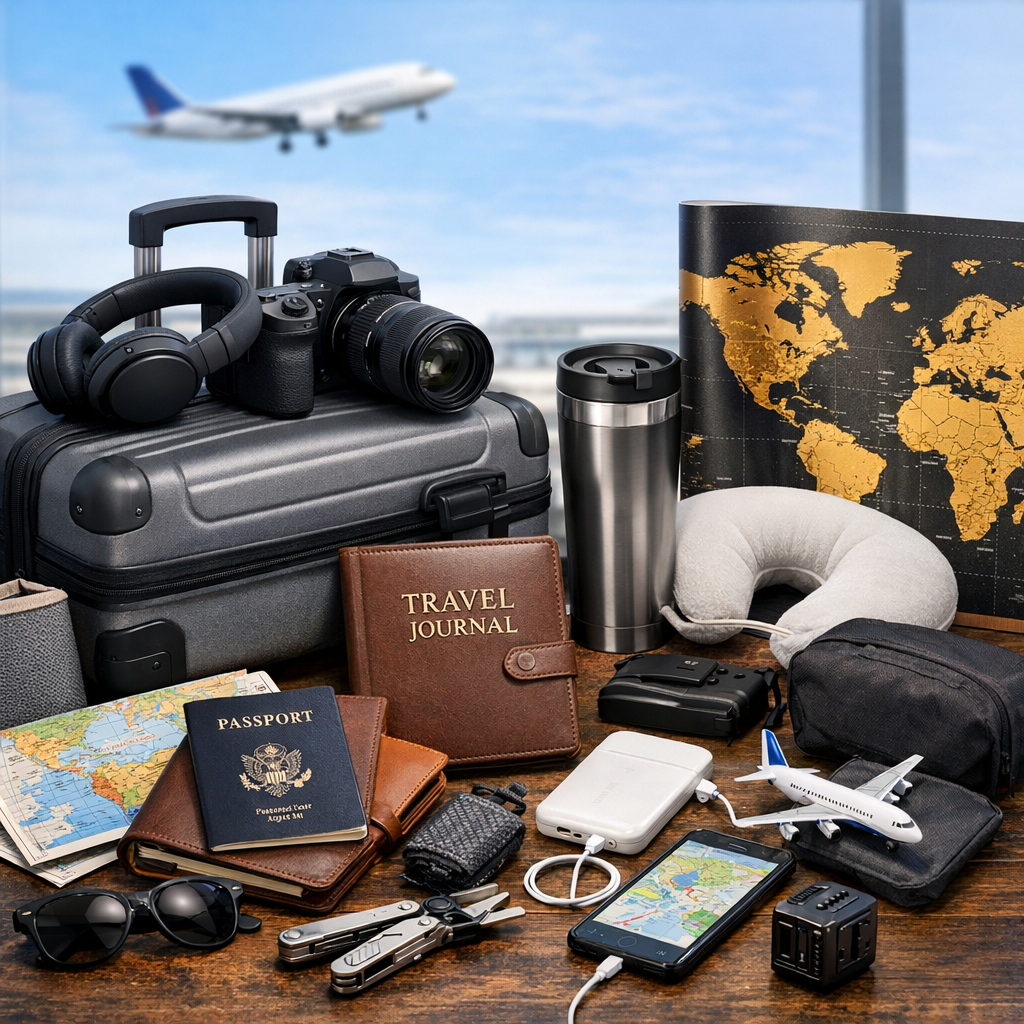
A pre-travel family briefing establishes the mood for a secure and soothing journey. It provides everyone, even young children, a neat idea of what to expect. This step reduces stress and maintains alignment. Begin by having a pre-travel family meeting. Take this opportunity to set up the travel agenda, discuss your destination, and review safety rules. Parents can show kids the road ahead with maps or pictures or even a printed schedule. It assists in making the trip less frightening and provides kids essential information in an age-appropriate manner. Walk through what to do if someone is lost, how to identify airport personnel, and use emergency contacts. For airport travel, expose kids to what security checks look like. In 2026, quite a few airports have “Families on the Fly” lanes where kids 17 and under are permitted to accompany adults through checks, which makes things more seamless and less stressful.

Engage kids in planning. Let them assist in picking activities or selecting a favorite snack for the journey. Get them involved by having them help you create a packing checklist, so they’re aware of what to bring and can pack some themselves. It’s a small step that gives them some control and makes them feel like they’re part of the trip, not just along for the ride. Kids who help plan are more likely to stick to the rules and keep up with the group. For example, allowing a child to choose a book or toy to bring along can occupy them and reduce stress.
Cover potential travel day challenges. Discuss how there could be delays, long lines, or last minute plan changes. Describe these as standard and nothing to fear. Assist kids in generating coping strategies, such as packing a comfort object or a travel game. Reiterate the importance of sticking close, listening for directions, and never straying. Tell them that sticking together is the safest way to be. A quick, but truthful pep talk about these sorts of things goes a long way towards helping kids, particularly little ones, anticipate and remain calm.
Navigating Modern Transportation
Going somewhere with kids in 2026 demands detailed preparation. The spectrum of transport—air, land and sea—are now safer and more kid-friendly. By navigating modern transportation with these factors in mind, you can help keep your little ones safe and comfortable. Delays are still prevalent, so factoring in a buffer for trips or connecting flights is smart. For families, it’s important to verify airline policies on seating and child amenities and to seek out rideshares that provide appropriate car seats. Health hazards are easily dealt with by checking in with doctors and verifying vaccines pre-travel. Remaining vigilant, sharing emergency routes and having predetermined secondary meeting locations are all components of a comprehensive safety strategy.
Air Travel
Getting kids ready to fly begins with walking them through the airport and flight procedure so they understand what’s ahead. This can reduce stress for children and parents alike and keeps everyone on track. Certain family-centric airports have implemented their own family lanes to expedite the process and minimize the wait time and anxiety.
- Examples of snacks include cut fruit, rice cakes, granola bars, crackers, and dried fruit.
- Entertainment ideas include coloring books, small puzzles, e-readers with headphones, travel games, and sticker books.
For international flights, search for airlines that provide bassinets, children’s meals and onboard play kits. Prior to takeoff and landing, run safety instructions by your kids to further ingrain safe behavior and ensure they know what to do during an emergency.
Ground Travel
Road Trips — Use the right kid seats and make sure they accommodate the child’s size and weight. Schedule rest breaks every 2 to 3 hours to get the kids out and moving. This alleviates boredom and general discomfort.
Older children can learn road safety and local traffic laws, reinforcing responsible behavior as they age. Navigation apps can help us avoid traffic jams and make trips more efficient. Pre-travel communication plans can assist if devices die or journeys are delayed.
Water Travel
Opt for cruise lines that emphasize child security and have organized activities. Before you go, discuss safe swim and excursion rules, and have your kids wear life jackets on all watercraft.
Crew members’ directions take priority. Families get pre-travel safety briefings and real-time updates during disruptions, increasing safety. Post-trip debriefs make future plans better.
Global Health and Wellness
On the road with kids – staying on top of your health and wellness, especially with changing environments. Risks differ by area, climate, and prevalent health patterns. Planning for the usual suspects and employing good hygiene practices promotes easier travel.
| Destination Type | Potential Risks | Recommended Health Items |
|---|---|---|
| Tropical Regions | Insect-borne diseases, sunburn | Insect repellent, sunscreen, hats, long sleeves, oral rehydration salts |
| Urban Areas | Air pollution, respiratory issues | Face masks, hand sanitizer, basic first aid kit |
| Rural/Countryside | Waterborne illnesses, animal bites | Bottled water, antiseptic, bandages, water purification tablets |
| Coastal/Waterfront | Drowning, sun exposure | Life jackets, sunscreen, insect repellent, hydration packs |
Sling some broad spectrum sunscreen and insect spray on, using the sunscreen first, then the repellent. Whether you’re planning on being outside, you’ll need hats, light long-sleeved shirts, and lots of safe drinking water. Remind kids to stay hydrated with water and provide nutritious meals featuring fresh fruits and veggies whenever you can. Watch for any sickness signs like high fever, skin rash, vomiting, diarrhea, or cough. Look for medical attention if kids have signs of dehydration, such as dry mouth, decreased urine, or irritability. Prepare for common problems: motor vehicle safety, water safety, and protection from environmental factors.
Proactive Measures
If you’re heading somewhere your kids might need travel vaccinations and preventive drugs, talk to a pediatrician. You might need vaccines for yellow fever, Japanese encephalitis, or tick-borne encephalitis depending on where you’re going and what you’re doing.
Put together a travel health plan with emergency numbers and locations of nearby healthcare centers. Pass these facts along to every adult in your circle.
Educate children to clean their hands before eating and after using the washroom. Demonstrate to them how to avoid direct contact with anyone who appears ill.
Stock a travel health kit with adhesive bandages, antiseptic wipes, oral rehydration salts, a digital thermometer, and any regular medications. Include motion sickness medicine and additional facemasks.
On-Trip Responses
If a child is sick, relocate to a quiet corner, screen for fever or dehydration, and give fluids. Provide oral rehydration if vomiting or diarrhea begins. If experiencing ear pain while flying, feed or give a bottle or pacifier to suck on during descent. For injuries, cleanse wounds and cover them with a bandage.
Maintain a print and digital cheatsheet of nearby hospitals and emergency numbers within easy reach.
Talk about easy methods for kids to inquire if they are sick or threatened, such as approaching uniformed employees or emergency buttons.
Keep calm and speak softly when emergencies arise. Children observe and imitate our reaction.

The Digital Safety Net
Digital safety net. Thousands once depended on cash, pencils, and metal keys to navigate the dangers of journey and digital existence.
Smart Devices
GPS trackers enable parents to track younger children, particularly amid crowds in airports or on public transportation. These tiny devices can be worn on a wrist or tucked in a pocket, displaying live location on a phone. For older kids, a phone with emergency numbers saved provides rapid assistance if they become lost or need to call for help. It is useful to configure devices with easy numbers to reach parents or other trusted adults, via speed dial or voice command.
Training kids to use these devices is just as critical as distributing them. Kids should understand how to send a message, make a call, or share their location if they get separated. Though tech is convenient, it’s prudent to impose screen-time guidelines so kids don’t tune out the world around them or forget offline safety.
Privacy Concerns
Privacy isn’t just a buzzword. Families must discuss what not to post online. Kids post such information as where they are staying or travel plans, oblivious to the risks. Parents ought to review kids’ chat sessions and friend lists, attending to scams or outreach from odd strangers. With phishing scams and unsafe games on the rise, even a quick slip can cause issues.
Checking your social media privacy settings before a trip is essential. Lots of platforms change their rules, so it’s clever to see who can view posts and who can message. Age verification is more a factor now, as legislation calls for tighter grips on who views adult material. Legal scrimmages around these rules continue. States and courts are still figuring out how to draw reasonable, transparent lines while seeking to safeguard free speech and ensure the safety of children online. Baseline guardrails are emerging in some areas, but families shouldn’t wait for legislation to catch up before taking basic, powerful measures.
Corporate Duty of Care
Corporate duty of care in travel is more than corporate policy. It’s a foundational concept, grounded in law and ethics, that directs how a company protects its personnel. By 2026, it’s a core concept for firms whose employees journey with kids. More than 50 have established duty of care laws, so there’s a lot riding on doing child safety right. The fundamental pillars are legal, ethical, and operational, all of which influence how firms construct their procedures.
On the legal side, that means companies must comply with laws such as occupational health and safety laws, along with contract obligations and tort law. For instance, if a family goes on work travel and a child is injured because of failure to plan well, the company can be at legal risk. Moral obligation extends beyond, connecting with regard for human rights and what a company represents. It’s not only about preventing litigation; it’s about providing care to families as human beings, not simply employees or travelers. The third pillar, operational, is where all the planning meets the pavement—risk checks, emergency plans, traveler tracking, and health resources. ISO 31030 is the world’s first guide to help companies establish robust, transparent travel risk management strategies, including ones for kids.
Family friendly policies are key. A quality policy will allow employees to bring kids when necessary, provide aid for secure accommodation, and provide access to kid-friendly travel. For instance, a multinational company might negotiate with safe play areas in hotels or offer car seats for all car rides. The flights are important as well. Corporations can select carriers with child safety measures, such as specific seating or kid meals, to minimize risk on extended journeys.
Business must provide employees the resources and education to protect children on the road. This includes explicit protocols for travel risks, child safety checklists, and training on how to respond if something happens. Most companies now employ apps that monitor travelers, provide alerts on regional threats, and deliver immediate assistance in an emergency. This isn’t just good for the company; it makes parents feel seen and cared for.
Transparent communication between executives and employees counts. Employees should feel comfortable voicing concerns about travel for their children’s safety. This can be as simple as a hotline or a regular check-in before and after trips. Two-way chat enables companies to identify issues in their infancy, respond quickly in a crisis, and demonstrate an understanding of families’ needs.
Conclusion
Staying safe while traveling with kids now requires more than just seat belts and hand sanitizer. Families employ new tech, rapid checks and straightforward measures pre-departure. Some utilize GPS trackers, others use old school buddy systems. Parents these days educate their kids in risk-spotting, not rule-obedience, especially when it comes to safety precautions around travel. Airlines, trains and buses display obvious tips and update them frequently. Medical recommendations evolve quickly, so consult reputable sources prior to every journey. The fundamentals remain: stay informed, communicate with children and monitor travel advisories. Watch for new tools that suit your family. For additional advice or updates, consult current guides or speak with travel professionals prior to your next family vacation.
Frequently Asked Questions
What are the latest child safety protocols for travel in 2026?
Child safety protocols now integrate digital check-ins, biometric identification, and real-time travel updates. They provide a safety net for kids and peace of mind for parents on the go.
How can I prepare my family before a trip?
Family meeting – Go over travel plans, safety rules, emergency contact numbers and procedures if you get separated. This ensures everyone knows their responsibility and stays safe.
What should I know about modern transportation safety for children?
Sleek conveyances provide cushioned seats for tots, safe havens and supervised boarding. Use age-appropriate restraints and heed staff guidance for safety.
How do global health protocols protect traveling children?
Worldwide health protocols need current vaccinations, health screenings, and immediate medical assistance available. These precautions ward off sickness and offer speedy assistance when necessary.
What is the digital safety net for child travelers?
The digital safety net is comprised of GPS tracking, parental controls, and secure communication apps. These tools enable parents to keep tabs on kids and react quickly in an emergency.
How do companies ensure duty of care for families traveling with children?
The companies offer safety briefings, emergency contacts, and responsive support. They provide travel insurance and real-time updates that assist parents in safeguarding their loved ones while abroad.
Are there special considerations for international travel with children?
Indeed, always check entry criteria, bring appropriate ID, and investigate local statutes for kids on the go. This planning keeps trouble at bay and guarantees a hassle-free trip.