
- Key Takeaways
- Essential Post-COVID Travel Protocols
- Understanding Digital Health Credentials
- Rethinking Travel Insurance
- The New Traveler’s Mindset
- Emerging Safe Destinations
- Your Personal Safety Toolkit
- Conclusion
- Frequently Asked Questions
- What are the essential safety protocols for post-COVID travel?
- How can I obtain digital health credentials?
- Is travel insurance still necessary in a post-COVID world?
- How has the traveler’s mindset changed since COVID-19?
- Are there any emerging safe destinations to consider?
- What items should be in my personal safety toolkit for travel?
- How can I stay updated on travel guidelines related to COVID-19?
Key Takeaways
- Tips for leftover post-covid travel: upgraded safety updates
- Get your paperwork in order, such as vaccination or a negative test result, prior to departure.
- Opt for hotels and locations that have received health safety certification.
- Use contactless payments and digital check-ins to reduce touch points along the way.
- Keep updated on any travel limitations and local health rules at your destination.
- Be flexible with your plans, embrace ever-changing health guidelines, and travel responsibly.
===
Navigating post-covid travel: essential safety updates
So many places now have new health protocols, including mask mandates and testing, that affect travel plans. Knowing entry rules and local health protocols can guide travelers’ decision-making. Vaccination status may factor heavily in travel choices and limitations. With policies differing by country and region, understanding what’s ahead reduces stress and makes travel safer. We’ve outlined some important updates and practical tips to help you navigate post-covid travel.
Essential Post-COVID Travel Protocols

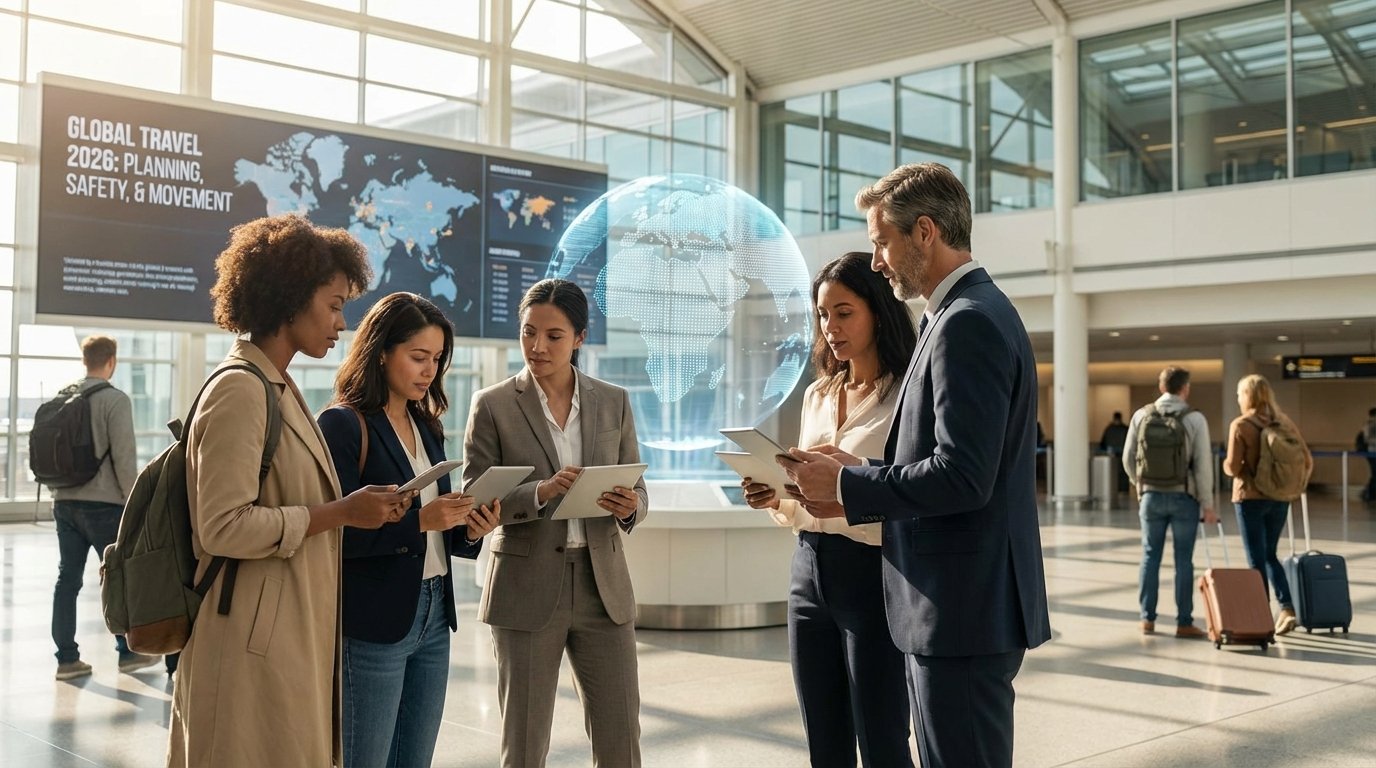
As the world begins to reopen, travelers have to get used to new safety protocols. Knowing the key protocols can make your trip safe. Here are important post-COVID travel protocols to consider.
1. Pre-Departure
Collect critical documents such as vaccination records and negative test results pre-travel. Places are still requiring these to be able to enter or do things. Checking local health regulations at both departure and arrival is important because these can vary widely.
Travel insurance that covers Covid-related issues, including cancellation and medical emergencies. This provides a safety net in case things go awry. Make an emergency contact list as well so you have crucial numbers at hand when traveling.
2. Airport Navigation
When at the airport, stick to safety protocols such as mask wearing and hand sanitizing stations as much as possible. It’s best to arrive early to account for longer security checks. Follow everyone’s local guidelines for social distancing while waiting in line and boarding.
Keep track of live travel restrictions. Airport policy changes are quick with shifting health guidelines, thus staying updated is crucial.
3. In-Flight Experience
On the flight, practice in-flight safety by donning PPE like masks. To reduce contact with personnel, take advantage of mobile check-in and digital boarding passes. Mind your airline’s hygiene standards. They must specify cleaning procedures for passengers.
Be considerate of your fellow travelers – stay clean and practice good onboard hygiene. Don’t forget that airplane cabins typically have filtered air, which is a lot less likely to spread viruses.
4. Ground Transportation
If you take public transport or rideshares, choose contactless payment if possible. Look up local safety protocols pertaining to transportation options, such as vehicle cleanliness standards and occupancy limits.
Opt for services with rigorous hygiene measures, such as private transfers. Take care to respect regional mask and proof of vaccination requirements in transit.
5. Accommodation Stays
Choose certified accommodations for health safety with trusted sanitation measures. Ask about the hotel’s cleaning protocols.
Ask for contactless check-in and digital keys to reduce the need for physical touch points at the hotel. Be sure you are aware of the hotel emergency protocols and local health guidelines.
Understanding Digital Health Credentials
Digital health credentials are now essential in the post-COVID travel experience. These credentials validate a person’s health information and enable safe movement and access to the physical world. Their transformation represents a reaction to the pandemic and to entrenched customs of global travel.
There are several types of digital health passes currently available:
Vaccination Passports: Documents that confirm vaccination against COVID-19.
Testing Certificates: Proof of negative COVID-19 test results prior to travel.
Health Declaration Forms: Self-reported health status that may include symptom checks.
Contact Tracing Passes: Used for tracking and tracing exposure during outbreaks.
Countries differ on the specific requirements for these digital health passes. For example, certain countries might accept a paper vaccination card, and others require an app-based validation system that stores your health data. These compliance guidelines are important to keep up on as they can shift constantly.
Using apps or platforms for receiving and presenting these health credentials is essential. This helps make the process more efficient, and these tools can add another layer of security so that personal health information stays protected.
Digital health credentials aren’t just about international travel. They’re being used across the US to check vaccination status at events and venues. Equity and access will continue to be an issue, especially for those not yet eligible for vaccinations or without healthcare resources. What about vulnerable populations, like refugees, who have even more difficulty accessing these credentials? Is it fair? Is it private?
In spite of these problems, digital health credentials seek to instill trust in travel by demonstrating one’s health status to travelers and authorities alike. Their application traces back to the days of travelers sharing vaccination cards or other health evaluations well prior to the pandemic.
Rethinking Travel Insurance
Traveling is full of unknowns, which is why travel insurance is such a crucial piece of the puzzle. In the era of COVID-19, it’s time to rethink travel insurance. Knowing what you are covered for ensures you are protected in case of medical emergencies and quarantine.
So when comparing travel insurance options, take into account a number of items including coverage types, cost, and important features. The table below summarizes various plans to help you compare:
| Insurance Provider | Coverage Type | Price Range | Key Features |
|---|---|---|---|
| Provider A | Basic Medical Coverage | 4% of trip cost | Emergency evacuation, hospital stays |
| Provider B | Comprehensive Coverage | 8% of trip cost | Trip cancellation, lost baggage protection |
| Provider C | Premium Coverage | 12% of trip cost | Cancel for any reason, 24/7 support |
Choosing the perfect policy is key. Policies are all over the board. People over 65 generally pay extra because they are more likely to claim. It typically costs between 4 and 12 percent of the overall price of your trip. If you’re taking valuables worth $1,000 or more, find plans that cover theft or loss.
Smart to cover trip cancellations from getting sick or a shift in regulations. Each country has different regulations, so you will have to look up exactly what you need for each destination. Since travelers are now opting for smaller groups or solo travel because of safety issues, the right kind of insurance is more important than ever.
Even with soaring airfares, travelers continue to place an emphasis on trips. Thirty-five percent think that travel is more important in the post-pandemic era. Buy insurance within 15 days of booking your trip as some policies can require 24 to 48 hours to ramp up.
The New Traveler’s Mindset
The new traveler’s mindset Wanderlust is in our DNA, but the pandemic has rewritten our travel DNA. Flexibility is key as rules and safety protocols keep changing.
Adopt a flexible traveler’s mindset when it comes to planning, as quarantine and safety measures may shift suddenly. Uncertainty is the new traveler’s mindset. Certain places may change their entry rules overnight. For instance, some countries might still insist on a negative PCR test within a set period or vaccination status. Failure to do so could result in quarantine for up to 14 days upon arrival. Keeping up to date with these changes can make the difference between a smooth trip and frustrating delays.
It is essential to develop a wary attitude. An increased awareness of personal and health safety should inform how you travel. Maintaining your distance from others is still recommended, with research showing it is two to ten times more dangerous to be at one meter than two meters from someone in terms of transmission risk. Mask up in crowded spaces and sanitize your hands regularly, which will help keep you safe during travel.
Travel responsibly – choose sustainable and safe destinations that support locals. As tourists, we can select destinations that care about health and the planet. Backing local businesses means supporting the economy and encouraging destinations to keep things safe. How these destinations position their tourism products as safe will be key to their rebound and success going forward.
Take charge in health security by abiding by safety guidelines throughout your adventure. This means following local health regulations and looking for new advisories prior to departure. If you show symptoms of COVID-19 upon arrival or test positive, you could be refused entry or quarantined for up to 14 days. Knowing these dangers makes for a more secure trip for you and those in your vicinity.
Emerging Safe Destinations
Evolving safe destinations as the world adjusts its post-COVID travel approach. These are locations with strong safety campaigns and recovery.
| Destination | Safety Initiatives | Recovery Efforts |
|---|---|---|
| Florianopolis, Brazil | Effective vaccination campaigns, health protocols | Reopening tourism with strict guidelines |
| Namibia | Low population density, outdoor activities | Promoting eco-tourism and wildlife experiences |
| The Marianas | Community involvement, strict entry protocols | Focus on sustainable tourism to boost economy |
| Rwanda | Health screenings, contact tracing | Investments in health infrastructure for tourism |
| Grenada | Swift border closures, proactive health measures | Tourism campaigns highlighting safety protocols |
| Eswatini | Health protocols for accommodations and tours | Partnerships with global health organizations |
| Mongolia | Adoption of Safe Travels Protocol | Emphasis on cultural tourism |
| Philippines | Enhanced sanitation measures across tourism sites | Promotion of domestic tourism |
Emerging Safe Destinations – Florianopolis, Brazil leads with COVID-19 success. Thanks to successful vaccination campaigns and rigorous health measures, the city stands prepared to receive visitors again safely, where tourists can experience a blend of beach relaxation and island culture within the safe health standards.
Namibia is notable for its sparse population, which enables visitors to experience extensive wilderness with reduced danger. With its focus on eco-tourism, visitors are enticed to connect with nature, from wild animal safaris to awe-inspiring rock formations.
The Marianas have been safe through a government, business, and community partnership. That unified voice has created strict entry procedures that guarantee a safe tourist experience.
Rwanda is prioritizing visitor health with health screenings and contact tracing in place. The nation’s investment in health infrastructure increases tourist confidence and safety.
Because Grenada closed its borders quickly, it was able to take proactive measures that ensured safety for residents and visitors alike. New Safe Travels destination. The tri-island destination touts its safety efforts.
Eswatini has implemented protocols across hotels and tours to provide a safe travel experience. It’s buttressed by a raft of strategic partnerships with global health organizations that add credibility.
Mongolia has recently joined the Safe Travels Protocol to support its dedication to safe travel. Highlighting its vibrant culture, it draws travelers seeking distinctive experiences in a safe environment.
Philippines has emerged by sanitizing tourist destinations and encouraging local travel. This emphasis on safety is restoring confidence among travelers and promoting local discovery.
Your Personal Safety Toolkit
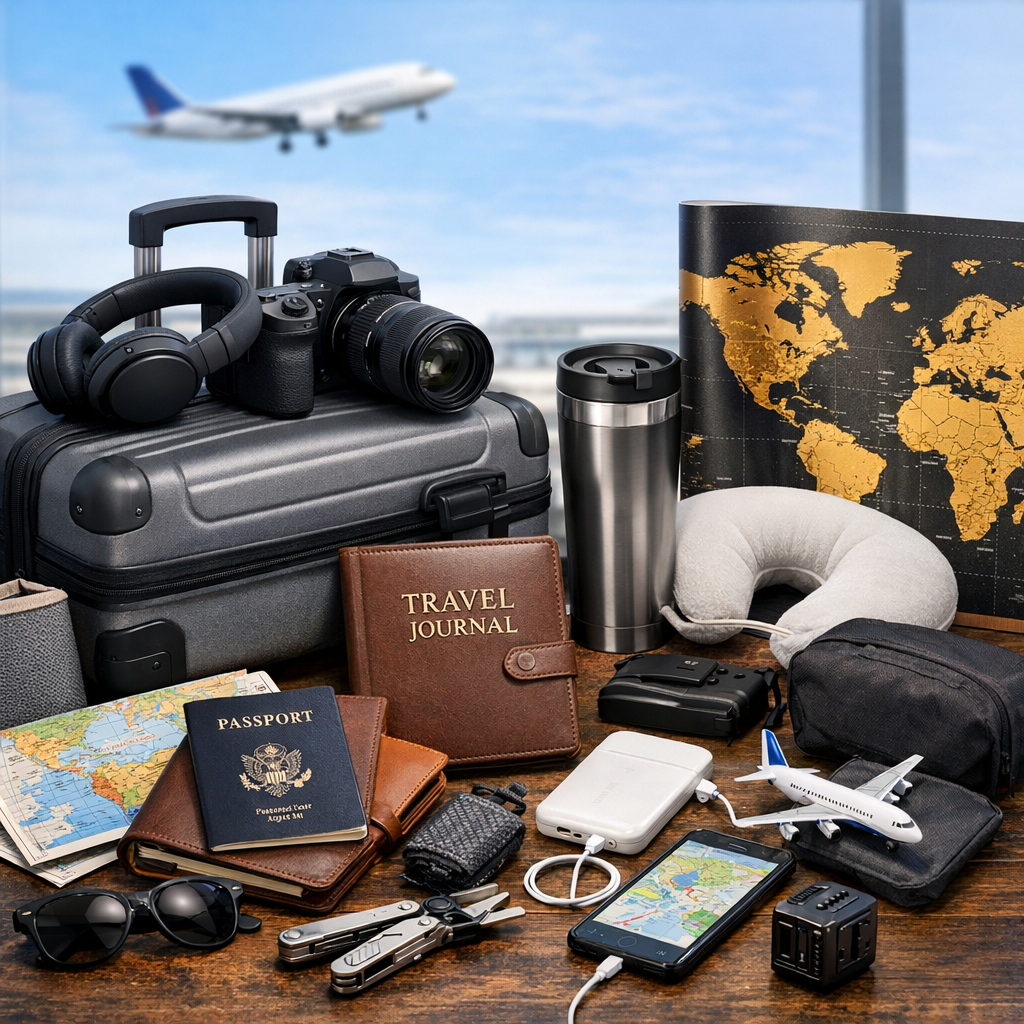
Now that travel is returning in this post-COVID era, a personal safety toolkit is crucial to your survival. From masks and sanitizers to travel documents, make sure masks fit well and are of quality. Hand sanitizer is your friend! Having a good one with a minimum of 60% alcohol content on your person is vital, and using it correctly—generous application and rubbing for 20 seconds minimum—is a great way to reduce the flu’s spread. Make sure you have copies of your passport, vaccination card, and travel insurance information. Just having these items corralled in a safe yet accessible location can save valuable time in emergencies.
Adding some digital tools to your travels increases your preparedness. Use apps that confirm health status and monitor up-to-the-minute changes to travel restrictions at your destination. These are crucial for keeping you up to date on entry or local health guideline changes. Don’t forget to turn on two-factor authentication (2FA) on all your accounts, particularly on email and banking apps. This provides security against unauthorized access and protects your personal information on the go.
Just as important is brushing up on your own personal precautions. Mind your safety. Follow local health protocols, be up to date on vaccinations and test if needed. Know local emergency numbers. Save them on your phone and write them down somewhere safe. Know where the closest hospitals, clinics, and pharmacies are so you can act accordingly during an emergency.
Finally, being prepared for the unplanned moments is the cornerstone of safe travel. Pack a simple survival kit that includes some first aid supplies, a spare phone charger, and a little local currency. This toolkit can be a lifesaver in unexpected situations. Watch your accounts for fraudulent charges after your trip, protecting yourself against cybersecurity breaches.
Conclusion
Navigating post-COVID travel: crucial safety updates Knowing the safety guidelines keeps you safe and makes your experience better. Digital health credentials make it easier to gain access to many venues, smoothing the way for your travels. Selecting the right insurance can provide that peace of mind when your trip hits a bump. Navigating post-COVID travel: must-have safety updates Discovering new safe destinations means new adventures! Packing your own safety toolkit prepares you for anything. Welcome these updates and, as always, travel intelligently! Plan your next trip with confidence today.
Frequently Asked Questions
What are the essential safety protocols for post-COVID travel?
What travelers need to know: Wear masks in crowded areas, keep your distance, and wash hands frequently. Know before you go: Be sure you are up to date on local regulations and guidelines for safety at your destination.
How can I obtain digital health credentials?
Digital health passes are available through health apps or via airline or government platforms. These usually require proof of vaccination or a negative test.
Is travel insurance still necessary in a post-COVID world?
Yes, travel insurance is still key. Seek out plans that provide COVID insurance, medical expense, and cancellation coverage for peace of mind on your next trip.
How has the traveler’s mindset changed since COVID-19?
Safety and flexibility are top priorities for travelers now. They want to travel to destinations with safety protocols and are willing to book last-minute as things shift.
Are there any emerging safe destinations to consider?
Already, nations with elevated vaccination rates and minimal infections are standing out as safe havens. Check the latest travel restrictions and safety measures for every destination.
What items should be in my personal safety toolkit for travel?
Masks, hand sanitizer, disinfecting wipes, a thermometer and any required medications need to be in your personal safety toolkit. That way, you’re covered for multiple scenarios when on the road.
How can I stay updated on travel guidelines related to COVID-19?
Check official government sites and trusted health organizations often. Stay up to date on evolving travel guidelines and requirements by following your airline and local news.