


Using State Department’s Travel Alerts Effectively
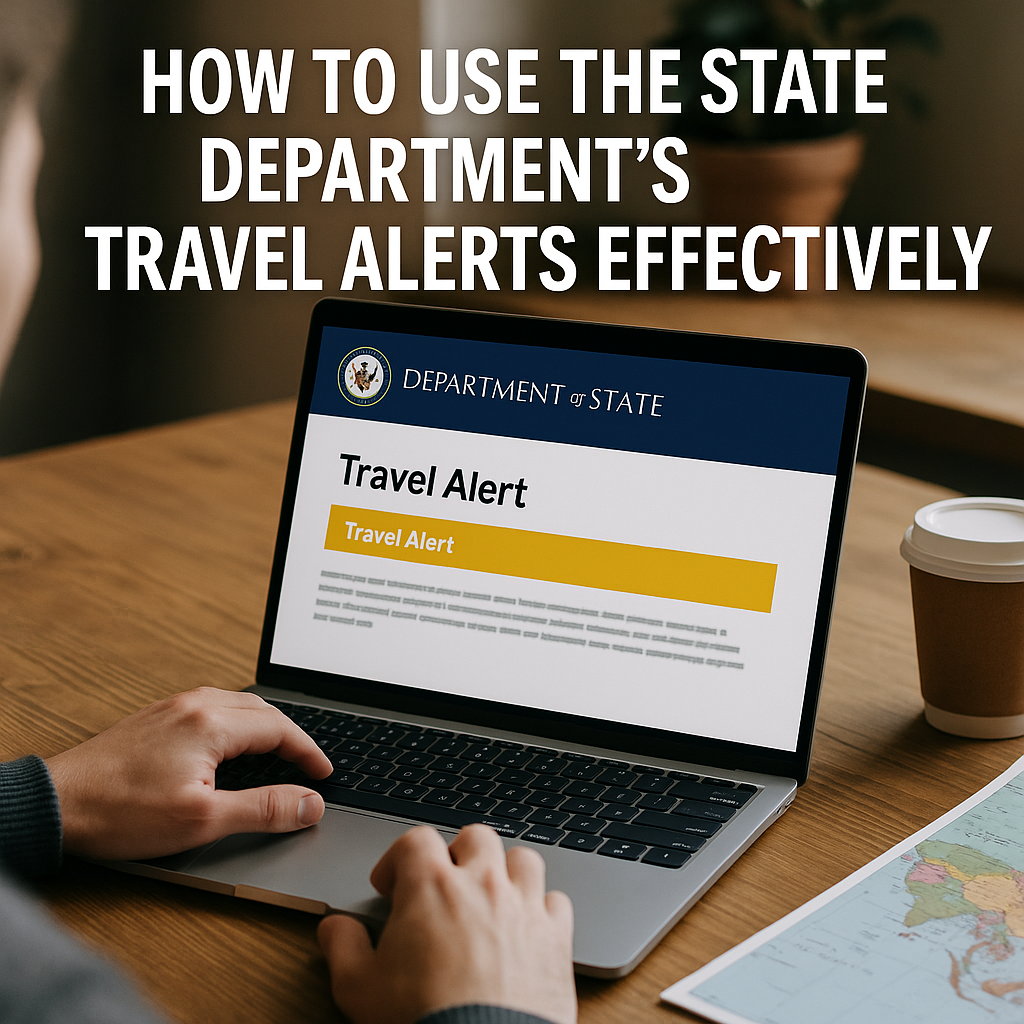
International travel requires careful preparation. As a U.S. citizen traveling abroad, understanding and utilizing the U.S. Department of State’s travel advisories is paramount. These resources provide expert-level guidance on international travel safety, helping you navigate potential risks and ensure a smoother journey.
Understanding the U.S. Department of State Travel Advisory Levels
The U.S. Department of State issues comprehensive travel advisories, categorizing countries into four distinct travel risk levels. It’s crucial for U.S. citizens abroad to recognize these levels, as they directly impact travel decisions and your safety. Level 1 advises travelers to “Exercise Normal Precautions,” indicating a relatively low risk environment. Level 2 suggests “Exercise Increased Caution,” often due to heightened crime rates or specific regional concerns. Level 3 warns to “Reconsider Travel,” signaling significant risks such as widespread civil unrest, terrorism threats, or disease outbreaks. Finally, Level 4 is a stark “Do Not Travel” advisory, reserved for countries where life-threatening risks are prevalent and U.S. government assistance may be severely limited in emergencies. Currently, 19 countries have a Level 4 alert, indicating extremely high risk and limited support from the U.S. government.
Factors Influencing Travel Advisory Levels
Several critical factors influence a country’s assigned travel advisory level. The Department of State considers nine primary risk indicators: crime, terrorism, civil unrest, health concerns (like disease outbreaks), natural disasters, time-limited events, kidnapping, wrongful detention, and other potential risks. For example, widespread violence, high crime rates, or significant terrorism threats are primary considerations that can quickly elevate a country’s travel risk levels. Consular officers constantly monitor these situations, ensuring that travel planning is based on the most current and comprehensive international travel safety data available.
How to Interpret Travel Advisory Maps and Country Reports
To effectively use these resources, you should consult the interactive travel advisory map and detailed country-specific information pages provided by the U.S. Department of State. These pages offer in-depth insights beyond just the overall risk level, detailing specific areas of concern or particular threats. The U.S. State Department updates Level 3 and Level 4 advisories at least every six months, with urgent updates issued immediately if circumstances dictate. Level 1 and Level 2 advisories are checked annually unless urgent circumstances necessitate earlier revisions. This regular update schedule ensures you have the most current information for your travel planning.
Registering in the Smart Traveler Enrollment Program (STEP)
For U.S. citizens traveling abroad, the Smart Traveler Enrollment Program (STEP registration) is an indispensable tool for international travel safety. This free service allows you to enroll your trip with the nearest U.S. Embassy or U.S. Consulate. STEP registration is critical because it enables the Department of State to provide emergency assistance, such as during natural disasters or civil unrest. Enrollees receive timely travel alerts, security updates, and important information about local conditions, ensuring you’re informed and prepared for any eventuality. The Office of Overseas Citizens Services heavily promotes STEP for good reason.
Enrolling in STEP and Preparing for Emergencies
Enrolling in the Smart Traveler Enrollment Program (STEP) is a straightforward process that significantly enhances your traveler safety enrollment. You simply create a STEP account and provide your personal and trip details, including your destination, dates, and emergency contact information. It’s also wise to save the contact information for the nearest U.S. Embassy or U.S. Consulate directly on your mobile device. Travelers who enroll in STEP are more likely to receive timely assistance and critical updates, especially during sudden events like volcanic eruptions, protests in Paris, or other unexpected disruptions. This proactive step can be invaluable for your safety while traveling abroad.
Responding to Specific Alerts and Emergency Situations
Even if a country maintains a lower overall travel risk level, it’s vital to pay close attention to specific embassy alerts regarding isolated regional issues. For instance, a Level 1 advisory for Iceland may still be accompanied by a specific alert about a volcanic eruption, even if the country’s overall status remains low due to minimal widespread impact. These targeted alerts can inform you about localized violence, natural disaster warnings, or specific terrorism threats that might not affect the entire country but could impact your immediate travel plans. Consular officers work to ensure these details are communicated effectively to U.S. citizens abroad.
Frequency and Timing of Travel Advisory Updates
The U.S. Department of State is committed to providing current and relevant international travel safety information. As previously noted, Level 3 and Level 4 advisories are updated at least semi-annually, with urgent updates issued as needed to reflect rapidly changing situations. Level 1 and Level 2 advisories are reviewed annually, or more frequently if circumstances warrant. These regular updates ensure that U.S. citizens abroad have access to the latest safety information, helping them make informed decisions before and during their trips. Staying informed through these travel alerts is a cornerstone of responsible travel planning.
Understanding U.S. Department of State Travel Advisory Levels
The U.S. Department of State issues comprehensive travel advisories to guide U.S. citizens abroad. These advisories assign countries one of four distinct travel risk levels. Recognizing these international travel risk levels is crucial for making informed travel decisions and ensuring your international travel safety.

Level 1, “Exercise Normal Precautions,” indicates the lowest risk. For example, countries like Iceland and Germany often maintain a Level 1 advisory, suggesting a generally safe environment for travelers. Level 2, “Exercise Increased Caution,” advises awareness of heightened risks, which might include increased crime rates or specific terrorism threats. Level 3, “Reconsider Travel,” suggests serious risks are present, such as significant civil unrest or disease outbreaks. Finally, Level 4, “Do Not Travel,” signifies an extremely high-risk environment and potential limited U.S. government assistance during emergencies. This is the most severe travel alert.
Currently, 19 countries are under a Level 4 advisory. This indicates a severely high-risk environment where U.S. embassy support or U.S. Consulate assistance may be severely limited. When traveling abroad, especially to a Level 4 country, U.S. citizens abroad should understand that emergency assistance may be minimal.
Interpreting Travel Advisory Maps and Country Reports
The U.S. Department of State provides interactive maps and detailed country-specific information pages, which are indispensable tools for U.S. citizens abroad. These resources offer up-to-date travel alerts and advisories, crucial for your international travel safety and travel planning.
Understanding how to interpret these resources is vital. The interactive maps provide a quick visual overview of international travel risk levels, while country reports offer granular detail on specific threats such as crime reports, terrorism threats, civil unrest, natural disasters, and disease outbreaks.
Frequency and Timing of Travel Advisory Updates
The U.S. Department of State ensures that travel advisories remain current. Level 3 and Level 4 advisories are updated at least every six months. Level 1 and Level 2 advisories are reviewed annually. However, urgent circumstances, such as sudden civil unrest or a new disease outbreak, can trigger earlier updates for any level, ensuring travelers have the latest safety information and travel alerts.

This regular update schedule, as noted by the U.S. Department of State, is critical for maintaining the relevance of travel advisories. For instance, a sudden natural disaster warning or a significant change in crime rates can lead to an immediate update, providing essential guidance for U.S. citizens abroad.
Understanding U.S. Department of State Travel Advisory Levels
Recognizing the four distinct international travel risk levels is paramount for making informed travel decisions. The U.S. Department of State assigns each country one of these levels, reflecting the severity of risks present for U.S. citizens abroad. There are currently 19 countries with a Level 4 advisory, indicating extremely high risk and often limited U.S. government assistance in emergencies.
These levels range from Level 1, “Exercise Normal Precautions,” indicating the lowest risk, to Level 4, “Do Not Travel,” which signifies life-threatening risks where U.S. embassy support may be severely limited. Every traveler should internalize these distinctions as part of their travel planning.
| Advisory Level | Description | Update Frequency (Minimum) | Example (2026 Context) |
|---|---|---|---|
| Level 1: Exercise Normal Precautions | Lowest risk, standard international travel safety measures. | Annually | Iceland (despite localized volcanic activity) |
| Level 2: Exercise Increased Caution | Heightened risks, be aware of specific threats. | Annually | Germany (general vigilance advised, especially in major cities) |
| Level 3: Reconsider Travel | Serious risks, re-evaluate necessity of travel. | Semi-annually | Mexico (certain regions due to crime rates) |
| Level 4: Do Not Travel | Life-threatening risks, U.S. government assistance may be limited. | Semi-annually | Chad (due to various security concerns and civil unrest) |
Factors Influencing Travel Advisory Levels
The U.S. Department of State considers nine primary risk factors when determining travel advisories: crime, terrorism, civil unrest, health (including disease outbreaks), natural disasters, time-limited events, kidnapping risk, wrongful detention, and other risks. Crime and terrorism are consistently primary considerations, with widespread violence often leading to higher travel risk levels.
For example, a sudden increase in crime reports in a specific region of Mexico might elevate its advisory level, or a heightened terrorism threat in Paris before events like the 2024 Paris Olympics could trigger a specific travel alert. Consular officers continuously monitor these factors to provide accurate guidance for U.S. citizens abroad.
Registering in the Smart Traveler Enrollment Program (STEP)
The Smart Traveler Enrollment Program (STEP) is a critical tool for U.S. citizens traveling abroad. Enrollment in STEP helps the U.S. Embassy or U.S. Consulate coordinate emergency assistance, such as during natural disaster warnings or civil unrest. Travelers receive timely travel alerts, security updates, and information about natural disasters and other risks directly to their registered email or phone.
Creating a STEP account with your personal and trip details is a proactive step in ensuring your international travel safety. Enrollees are significantly more likely to get timely assistance and updates, especially during sudden events like volcanic eruptions in Iceland or unexpected protests, ensuring you are prepared for potential emergencies.
Responding to Specific Alerts and Emergency Situations
Even if a country maintains a lower overall travel advisory level, it is crucial to pay attention to specific embassy alerts for isolated regional issues. For instance, while Iceland remains at Level 1 despite localized volcanic activity, the U.S. Embassy would issue a specific alert for the affected area. This allows U.S. citizens abroad to take appropriate precautions without impacting the entire country’s advisory.
These targeted travel alerts are vital for addressing localized violence, natural disaster warnings, or disease outbreaks that may not warrant a nationwide change in the Department of State’s travel advisories. Always save emergency contact information for the nearest U.S. Embassy or U.S. Consulate on your devices, and understand how to access emergency assistance, including passport services for a lost passport.
Registering in the Smart Traveler Enrollment Program (STEP)
The Smart Traveler Enrollment Program, known as STEP, is a critical tool for U.S. citizens traveling abroad. Enrollment is a fundamental aspect of international travel safety. It provides timely travel alerts and essential support from the U.S. Department of State.
STEP allows the U.S. Embassy or U.S. Consulate in your destination country to coordinate emergency assistance. Enrollees receive notifications about security alerts, natural disasters, and other risks. This direct communication is invaluable for U.S. citizens abroad, especially when dealing with unforeseen emergencies or changes in travel risk levels.
Enrolling in STEP and Preparing for Emergencies
Create a STEP account with your personal and trip details. Save the contact information for the nearest U.S. Embassy or U.S. Consulate on your devices. These proactive steps are vital for your safety and ensure you receive timely emergency consular assistance.

Enrollees are significantly more likely to receive timely assistance and updates. This is particularly true during sudden events. Examples include volcanic eruptions, like recent activity in Iceland, or civil unrest, such as protests in Paris before the 2024 Paris Olympics. The Office of Overseas Citizens Services also leverages STEP data to provide targeted support.
Responding to Specific Alerts and Emergency Situations
Even if a country maintains a lower travel risk level, such as a Level 1 advisory, specific regional events can prompt immediate alerts. For instance, Iceland’s volcanic eruption triggered a specific alert from the U.S. Embassy, advising travelers in the affected area, even though the overall country remained at Level 1 due to minimal widespread impact. This highlights the importance of paying close attention to these localized travel alerts.
STEP registration ensures you receive these critical updates directly. Whether it’s a natural disaster warning, a sudden increase in crime reports, or new terrorism threats, the Department of State uses STEP to disseminate vital information quickly. This direct communication allows you to adjust your travel planning and take necessary precautions, enhancing your overall international travel safety.
Responding to Specific Alerts and Emergency Situations
Even with a country’s overall travel risk levels, you must pay close attention to U.S. Embassy alerts. These communications often detail isolated regional issues, such as volcano eruptions or local violence. Such events may not alter a country’s overall travel risk level, but they demand immediate awareness for U.S. citizens abroad.

For instance, Iceland’s volcanic eruption prompted a specific alert from the U.S. Department of State. However, the country maintained its Level 1 advisory due to minimal widespread impact. Your local U.S. Embassy or U.S. Consulate provides these granular updates, which are crucial for your international travel safety.
The Smart Traveler Enrollment Program (STEP) is vital here. Enrollees receive notifications about security alerts, natural disasters, and other risks directly. This ensures you get timely travel alerts, especially during sudden events like volcanic eruptions or protests, enabling you to adjust your travel planning accordingly.
Frequency and Timing of Travel Advisory Updates
The U.S. Department of State is diligent in updating its travel advisories, ensuring U.S. citizens abroad have the latest international travel safety information. This applies both before and during your trips. Consular officers continuously monitor global conditions to provide accurate guidance and timely travel alerts.
Level 3 (Reconsider Travel) and Level 4 (Do Not Travel) advisories are updated at least semi-annually. However, urgent updates are issued as required, based on rapidly evolving situations such as civil unrest, natural disasters, or significant terrorism threats. These proactive updates are crucial for your travel planning and overall traveler safety.
For Level 1 (Exercise Normal Precautions) and Level 2 (Exercise Increased Caution) advisories, the U.S. State Department checks these annually, unless urgent circumstances dictate earlier updates. This systematic approach ensures that the travel risk levels accurately reflect current conditions, from crime reports to disease outbreaks.
Angela Kerwin, Deputy Assistant Secretary for Overseas Citizens Services, emphasizes, “Our diplomats and consular officers on the ground in all those places have more up-to-date information than anyone in Washington could have.” This highlights the critical importance of localized intelligence in creating comprehensive travel advisories and ensuring effective emergency assistance for U.S. citizens abroad.
Preparing Before Traveling Based on Advisory Information
Effective travel planning requires careful integration of travel advisory information. The U.S. Department of State provides clear directives for U.S. citizens abroad. If a country carries a Level 3 advisory, you should reconsider travel. For a Level 4 advisory, the directive is clear: do not travel. These international travel risk levels are designed to protect your safety.
Understanding the U.S. Department of State Travel Advisory Levels
It is paramount to understand the four levels of risk the U.S. Department of State uses. These range from Level 1 (Exercise Normal Precautions) to Level 4 (Do Not Travel). Each level significantly impacts your travel decisions and the availability of U.S. embassy support. For instance, a Level 4 advisory indicates extremely high risk and often means limited emergency assistance from the U.S. government.
Currently, approximately 19 countries have a Level 4 alert. This signifies an environment where U.S. citizens abroad face substantial dangers. Always check the current status of your destination to ensure your safety and preparedness.
Factors Influencing Travel Advisory Levels
Beyond the overall level, you must review the specific risk indicators for your destination. The U.S. Department of State considers nine primary factors when assigning a travel advisory level. These include crime reports, terrorism threats, civil unrest, health concerns, natural disasters, time-limited events, kidnapping, wrongful detention, and other risks. Understanding these allows for targeted precautions in your travel planning.
Crime and terrorism are frequently primary considerations for higher travel risk levels. Widespread violence or persistent threats can quickly elevate a country’s advisory status. Consular officers continuously monitor these conditions to provide accurate travel alerts.
How to Interpret Travel Advisory Maps and Country Reports
To stay fully informed, utilize the interactive maps and country-specific information pages provided by the U.S. Department of State. These resources offer up-to-date travel advisories and granular details specific to your destination. The U.S. State Department updates Level 3 and Level 4 advisories at least every six months, with Level 1 and Level 2 advisories checked annually. However, urgent circumstances, such as civil unrest or natural disasters, can trigger earlier updates.
For example, even if a country like Iceland remains at Level 1, specific local events, such as a volcanic eruption, will trigger a detailed alert. This ensures you are aware of isolated regional issues, even if the overall country risk remains low. Always consult these detailed reports for comprehensive international travel safety information.
Registering in the Smart Traveler Enrollment Program (STEP)
The Smart Traveler Enrollment Program (STEP) is a critical tool for U.S. citizens abroad. Enrollment helps the U.S. Embassy or U.S. Consulate coordinate emergency assistance during crises. By registering, you receive timely travel alerts, security updates, and notifications about natural disasters or other risks affecting your travel. This proactive measure significantly enhances your personal security while traveling abroad.
Enrollees in STEP are far more likely to receive timely assistance and updates, especially during sudden, unforeseen events like protests in Paris or natural disaster warnings in Mexico. The Office of Overseas Citizens Services uses STEP data to locate and assist U.S. citizens effectively.
Enrolling in STEP and Preparing for Emergencies
Creating a STEP account is straightforward. You input your personal details and trip itinerary, including specific dates and locations. It is also crucial to save U.S. Embassy or U.S. Consulate contact information directly on your devices. This ensures you have immediate access to emergency assistance, even if you lose your phone or internet access.
Beyond STEP registration, ensure your passport services information and emergency contact details are readily accessible. This is especially true when traveling to areas with higher travel risk levels. In the event of a lost passport, knowing the passport replacement process is vital for your return.
Responding to Specific Alerts and Emergency Situations
Always pay close attention to U.S. Embassy support alerts for isolated regional issues. Even if the overall country advisory is at a lower level, localized events such as volcano eruptions, severe crime rates, or unexpected civil unrest can pose immediate threats. For example, specific alerts were issued for the 2024 Paris Olympics due to potential terrorism threats, even though France remained at a lower overall advisory level.
These specific travel alerts, often distributed through STEP, provide actionable advice to mitigate risk. They might advise avoiding certain areas experiencing protests or provide guidance on health notices from the Centers for Disease Control and Prevention regarding disease outbreaks. Your ability to respond effectively hinges on receiving and acting upon this critical information promptly.
Frequently Asked Questions
What is the difference between a travel advisory and a travel alert?
The U.S. Department of State issues comprehensive travel advisories for ongoing conditions, categorizing them by four distinct travel risk levels. These advisories provide a broad overview of long-term risks in a country. In contrast, travel alerts, often received through Smart Traveler Enrollment Program (STEP) registration, provide real-time, specific notifications about immediate, time-sensitive events. These can include natural disasters, civil unrest, or terrorism threats. Both are crucial for maintaining international travel safety for U.S. citizens abroad.
How often are travel advisories updated by the U.S. Department of State?
The U.S. Department of State maintains a rigorous update schedule for its travel advisories. Level 3 advisory and Level 4 advisory designations are updated at least every six months. Level 1 advisory and Level 2 advisory designations are reviewed annually. However, the U.S. Department of State issues urgent updates for any level as circumstances dictate, such as new disease outbreaks or significant civil unrest. This ensures U.S. citizens abroad receive the most current information for their travel planning.
What should I do if my destination country has a Level 4 advisory?
A Level 4 advisory means “Do Not Travel.” This indicates life-threatening risks, such as widespread violence, severe crime, or persistent terrorism threats. If your destination, like Chad, or a specific region, such as certain areas of Mexico, carries this designation, the U.S. government’s ability to provide emergency assistance may be severely limited. This includes help with a lost passport or other critical passport services. The Office of Overseas Citizens Services strongly advises U.S. citizens to reconsider all travel plans to such destinations due to the extreme travel risk levels.
Is STEP registration mandatory for U.S. citizens traveling abroad?
No, Smart Traveler Enrollment Program (STEP) registration is not mandatory. However, the U.S. Department of State highly recommends it for all U.S. citizens traveling or residing abroad. STEP enrollment provides critical emergency assistance, security alerts, and direct U.S. Embassy support. This traveler safety enrollment significantly enhances your safety by allowing consular officers to contact you during natural disasters, civil unrest, or other emergencies, and helps with emergency contact with family. For instance, during events like the 2024 Paris Olympics, STEP alerts can provide crucial, localized information.
What kind of emergency assistance can a U.S. Embassy provide?
U.S. Embassies and U.S. Consulates provide vital emergency consular assistance for U.S. citizens abroad. This includes help with a lost passport or passport replacement process, emergency contact with family, information on local resources, and coordination during natural disasters, civil unrest, or disease outbreaks. Consular officers are prepared to assist with various situations, from crime reports to navigating complex local laws. For example, if you are in Germany or Iceland and an unexpected event occurs, your U.S. Embassy can be a critical resource.
Understanding the U.S. Department of State Travel Advisory Levels
The U.S. Department of State’s travel advisories are designed to inform U.S. citizens about international travel safety through a clear, four-level system. Level 1 indicates “Exercise Normal Precautions,” such as when visiting countries like Iceland. Level 2 means “Exercise Increased Caution,” often due to specific crime rates or terrorism threats. A Level 3 advisory, “Reconsider Travel,” suggests significant risks like widespread civil unrest or disease outbreaks. Finally, a Level 4 advisory, “Do Not Travel,” is reserved for countries with extremely high travel risk levels, such as Chad, where the U.S. government’s ability to provide emergency assistance is severely limited. Currently, approximately 19 countries globally carry a Level 4 alert, indicating life-threatening risks and minimal support from the U.S. government in emergencies.
Factors Influencing Travel Advisory Levels
The U.S. Department of State considers nine key risk indicators when assigning travel advisory levels. These include crime, terrorism threats, civil unrest, health concerns (such as disease outbreaks monitored by the Centers for Disease Control and Prevention), natural disasters, time-limited events, kidnapping risk, wrongful detention, and other risks. Crime and terrorism are primary considerations; for instance, widespread violence in certain regions of Mexico can elevate the overall travel risk level. The presence of these factors directly impacts the assigned advisory, guiding U.S. citizens abroad in their travel planning.
How to Interpret Travel Advisory Maps and Country Reports
For effective travel planning, U.S. citizens abroad should utilize the U.S. Department of State’s interactive travel advisory maps and detailed country-specific information pages. These resources provide up-to-date advisories and critical risk indicators. For example, while Germany might be a Level 1 advisory, its country report could highlight specific regional concerns. The U.S. State Department ensures Level 3 and 4 advisories are updated at least every six months, and Level 1 and 2 advisories are checked annually, unless urgent circumstances, like a sudden natural disaster warning, necessitate earlier updates. This ensures you have the latest safety information.
Registering in the Smart Traveler Enrollment Program (STEP)
The Smart Traveler Enrollment Program (STEP) is a critical tool for U.S. citizens traveling abroad. It is a free service that allows travelers to register their trip details with the nearest U.S. Embassy or U.S. Consulate. This traveler safety enrollment ensures you receive timely travel alerts and security alerts, especially during unforeseen events like natural disasters or civil unrest. Enrollment helps U.S. Embassies coordinate emergency assistance, providing a vital communication channel between U.S. citizens abroad and the Office of Overseas Citizens Services. For example, if you are in Paris during a significant event like the 2024 Paris Olympics, STEP alerts can provide crucial, localized information.
Enrolling in STEP and Preparing for Emergencies
To maximize your international travel safety, create a STEP account with comprehensive personal and trip details. This includes your itinerary, contact information, and emergency contacts. It is also wise to save the contact information for the nearest U.S. Embassy or U.S. Consulate directly on your devices. Enrollees are significantly more likely to receive timely assistance and updates, especially during sudden events such as volcanic eruptions in Iceland or widespread protests. This proactive approach to travel planning ensures you are prepared for potential emergencies and can access emergency consular assistance swiftly.
Responding to Specific Alerts and Emergency Situations
Even if a country maintains a lower overall travel risk level, U.S. citizens abroad must pay close attention to specific embassy alerts. These alerts often highlight isolated regional issues, such as volcano eruptions, localized violence, or specific terrorism threats that may not impact the entire country’s advisory status. For instance, while Iceland might remain at a Level 1 advisory, a specific volcanic eruption could prompt a targeted alert for the affected area. Responding promptly to these detailed travel alerts, and understanding their localized implications, is essential for maintaining personal international travel safety and accessing emergency assistance if needed.
References