

- Key Takeaways
- Defining Emerging Destinations
- Assessing Safety in Emerging Travel Destinations
- Common Safety Concerns
- How to Research Safely
- Decoding the Risk Narrative
- Practical Safety Strategies
- Conclusion
- Frequently Asked Questions
- What are emerging travel destinations?
- Are emerging travel destinations safe to visit?
- What common safety risks exist in emerging destinations?
- How can I check the safety of a new travel destination?
- What steps should I take to stay safe in emerging destinations?
- Why do some destinations have a reputation for being unsafe?
- What resources are best for researching travel safety?
Key Takeaways
- Traveling to emerging destinations can be exciting, but they come with their own safety challenges that travelers need to be aware of.
- Investigate the local government, infrastructure, and health systems of a destination to get a better sense of how safe it is and what services are available.
- Honor culture and traditions to facilitate good relations and avoid confusion.
- Prepare yourself regarding petty crime, health, or natural hazards through good sources and local advice.
- Between official travel advisories, traveler forums, and safety checklists, you can put together a pretty good idea of how safe your new destination will be before you leave.
- Learn situational awareness and use technology to keep you safe and in touch when you travel to someplace new.
Travel smart by investigating the safety of new destinations. New destinations are appealing with new things to see and less congestion. They don’t have established security histories or official travel guidance. Local health care, emergency assistance, and public regulations vary. Safety is about local news, weather, and how local folks treat visitors. While travelers crave stories, they want real facts to make safe plans too. To assist in smart decisions, this post shares top advice, reliable resources, and ways to vet before venturing anywhere new. The meat will provide more on how to balance safety and identify reliable information when selecting where to travel.
Defining Emerging Destinations
About to define what we mean by emerging destinations. These locations typically mix untouched beauty, distinctive culture, and vibrant economic potential. These could be in remote areas or secluded alps of popular nations. The boom in worldwide travel has ignited development in places that previously had little tourism or investment, drawing those who seek diversion and less competition.
Some of the most supportive regions seeing tourism and economic growth are places like Albania, which saw visitor numbers surge from 3 million in 2015 to 10 million in 2023, with expected growth to 30 million by 2030.
The Arctic, previously neglected, is attracting explorers to this last unexplored region, similar to the increase in Antarctica cruises over the past decade or so. Indonesia’s Raja Ampat, known for its beaches and sea life, is firmly on the map for globetrotters seeking natural getaways, though the destination’s booming fame sparks concerns about the effect on the local ecosystem. Heritage-laden cities such as A Coruña, Spain, combine old world charm with culinary and cultural pulls, making them alluring as well. Ecuador and Peru’s Amazon, with indigenous-led ecotourism, offers explorers an opportunity to connect with culture and nature.
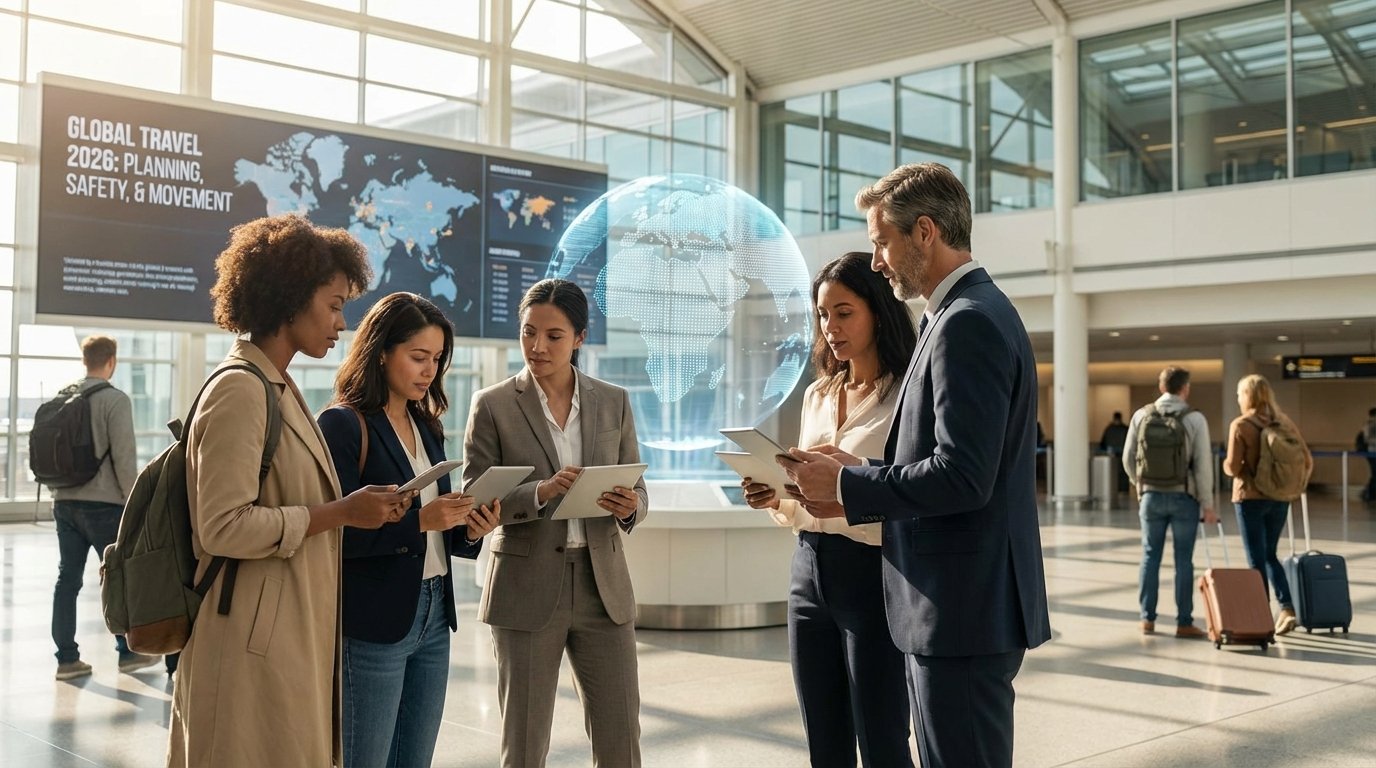
It’s the uniqueness of the culture and social dynamics there that distinguished these emerging destinations. Many emerging destinations, like the Amazon, provide immersive experiences with local lifestyles, whether that be cuisine, festivals, or everyday habits. In A Coruña, medieval streets, local markets, and a commitment to slow living provide visitors with a slice of history and tradition. From Raja Ampat to off-grid cabins across the globe, emerging destinations give us a chance to immerse ourselves in nature and escape the hustle of urban life.
Safety and access vary significantly by location. Albania’s beaches are more accessible these days, but there’s still a chance that parts of the country could be caught short in an emergency situation with insufficient infrastructure or services. Whether it’s in a remote region of the Arctic or Amazon, assistance may be miles away and language and cultural differences can complicate the situation. While nature retreats and off-grid cabins promise quiet, visitors have to prepare for essential services and dependable communication with the outside world.
They provide a fifty-fifty mix of exciting and dangerous. The rise of set-jetting, where visitors go to locations featured in books or movies, further fuels demand and could exceed local preparedness. Nature escapes, slow travel, and personalized trips provide fresh avenues for exploring the world and demand conscious consideration of safety, respect, and sustainability.
Assessing Safety in Emerging Travel Destinations
Safety in up-and-coming travel spots is about evaluating a lot of different factors, from political stability to local culture. Travelers need to know if a place is safe, accessible, and what they can expect in terms of health and culture. Safety is a moving target influenced by current events, travel warnings, and reputation.
1. Governance
A smart government does more to establish safety. Local officials maintain peace, establish regulations and handle emergencies. Destinations such as Japan and Switzerland demonstrate good governance, being highly transparent and minimally corrupt. Certain areas of Latin America have experienced disturbances or delayed emergency reactions, which is worrisome. They can be mood changers overnight, recent protests or elections. Government transparency and a readiness to engage with the public foster trust, which makes travelers feel secure. Tourism policies like tourist police or safety guidelines weigh in.
Region | Political Stability | Governance Structure |
|---|---|---|
Western Europe | High | Parliamentary Democracies |
Japan | High | Constitutional Monarchy |
Latin America | Mixed | Presidential Republics |
West Asia | Low–Medium | Monarchies/Republics |
Australia | High | Parliamentary Democracy |

2. Infrastructure
Good infrastructure signifies less risk. Switzerland and Australia are leading the pack with pristine, efficient trains, safe roads and modern airports. Some up-and-coming destinations might have rough roads, flaky public transit or intermittent phone service. Fundamental necessities such as clean water and functioning sanitation are huge factors. If these are missing, health hazards increase and travel becomes more difficult. Well-developed infrastructure assists tourists with transportation, emergency assistance, and enhances their experience.
3. Health Systems
Quality health care is not equal around the globe. Some locations feature world-class hospitals, while others provide just rudimentary care. When it comes to safe travel, access to pharmacies and medicine is important, particularly in rural areas. Visitors should verify if any vaccines are required and what health concerns exist, such as mosquito-borne diseases. Emergency response varies significantly; Japan and Australia have excellent systems, while some places may not have quick support.
4. Cultural Norms
Customs can impact how secure visitors feel. Observing local traditions, such as dress codes, keeps you out of trouble. Language gaps can delay assistance in emergencies or everyday interaction. In certain locations, visitors are eagerly invited, whereas in others, they might be met with a bit of suspicion. Being cognizant of these standards will save you trouble and make your travel easier.
5. Local Security
Crime varies from city to city and country to country. Certain areas, even in safe nations, are more criminal or scammier than others. The police presence gives you peace of mind, but their approach is different. Community initiatives, such as watch groups or tourist aid offices, increase security. Knowing what to steer clear of and how to access assistance if needed is crucial for your sanity.
Common Safety Concerns
New travel destinations are exciting for the new sights and culture, but harbor subtle hazards if you’re ignorant. Almost all travelers seek safety advice prior to departure, so it pays to be informed about what problems to be vigilant for when in unfamiliar territory.
Pickpocketing and scams abound in crowded places such as subway stations, bus stops, and popular landmarks. Thieves are pros and often work in gangs with street shows or commotions as diversions. From bogus taxis to assistance that leads to theft, scams are prevalent. For instance, in certain cities, it’s better to keep bags zipped, use money belts, and distance yourself from crowds when possible. Some spots, like sections of Mexico, carry such strong warnings for crime and kidnapping that travelers should consult travel advisories and be aware of what neighborhoods to steer clear of. Speaking loudly or congregating at hangouts popular with Americans can make you a target for abuse and violence, so assimilate and keep a low profile.
Political or civil unrest can shift quickly and surprise travelers. Demonstrations, strikes, or abrupt government upheaval can cause blocked routes, shut airports, or impose curfews. These happenings may not receive good global news coverage, so it’s wise to stay tuned for local updates leading up to and during your visit. If you’re visiting somewhere where turmoil is the norm, a few Middle Eastern or Central American cities, for example, have an escape plan and know where your embassy is.
Natural disasters and environmental hazards vary by location. We have the same common safety concerns: earthquakes, tsunamis, hurricanes, floods, landslides, and wildfires. Anywhere can experience these. Knowing how to react in these situations can be life saving. For instance, island nations can have tsunamis, and Southeast Asia can experience seasonal floods. Accidental drownings and water incidents are among the leading causes of death overseas, so swimming in unfamiliar waters, rough seas, or without lifeguards is a hazard. Travelers should brush up on emergency procedures and familiarize themselves with local warning systems.
Health risks such as infectious diseases, subpar food safety and insufficient medical assistance exist. In the tropics, you’ll need heavy-duty insect repellent with DEET, Picaridin, PMD or IR3535 to protect against malaria or dengue. Street food might look delicious, but if not prepared safely, it can lead to food poisoning. Certain countries have regulations concerning prescription medications, so it’s essential to verify these in advance. Medical care might not be as accessible as back home, and language barriers can delay assistance in a crisis.
How to Research Safely
Government travel advisories, for example, the U.S. Department of State or the United Kingdom’s Foreign Office, provide up-to-date alerts on local conditions, safety risks, and health outbreaks. These sites typically tell you if there are protests or natural disasters or areas travelers should steer clear of. Good travel sites such as Lonely Planet or TripAdvisor will add more context, often encompassing local customs, health requirements, and what to expect in transport or nightlife. For instance, being aware if a nation enforces harsh drug laws or separate regulations regarding attire can assist tourists in avoiding legal issues or causing cultural offense.
It’s user reviews and travel forums that allow travelers to listen to people who have just been! These firsthand accounts illuminate unforeseen hazards, such as careless cabbies, bad roadways, and how secure an area feels after dark. Social media groups are useful for on-the-ground updates and tips. For instance, certain travelers might write about an unexpected transit strike or a spike in pickpocketing around bus stops. By reading these stories, travelers can better judge if a risk is broad or isolated.
A basic checklist can assist travelers in remembering what to check before departure. This should encompass researching local laws and customs, vaccinations that might be required, and familiarizing yourself with health risks such as malaria or dengue in the case of heading to a tropical destination. Using DEET, Picaridin, PMD or IR3535 insect repellents is a smart way to protect yourself from insect-borne illness. Your checklist should prompt travelers to research emergency numbers, hospitals, and the closest embassy or consulate.
Key is making up a list of emergency contacts. That would be local police and ambulance services, as well as your home country’s national embassy or consulate. In certain areas, it’s best to steer clear of locations that scream ‘American’, as these can be haunts for small-time crooks or political friction. Monitoring local news ensures that travelers can respond in advance to protests or delays in transport, so signing up for local news feeds or alerts is a smart move.
Decoding the Risk Narrative
How the concept of risk influences perceptions of up-and-coming vacation destinations. All too often, media stories focus on sensational events, which might not correspond to actual statistics on safety. For instance, headlines might zoom in on instability in Myanmar or Afghanistan, but such coverage doesn’t always paint the complete scenario. Solid data, like annual security reports, paint a more straightforward narrative. Seventy-seven countries experienced security deterioration in recent years, frequently attributed to geopolitical tensions. The fact that nations such as Iceland, Australia, Canada, and Switzerland maintain low risk ratings highlights the non-uniform nature of risk across the globe.
Personal accounts from travelers add yet another dimension to the risk tale. Blogs and forums abound with authentic experiences, from slick jaunts in Port Moresby to rap sheets on robbery in Kabul or Quetta. These on-the-ground notes serve as an excellent counterweight to what you read in the news. One yammerer’s travel nightmare does not make a dangerous destination. Reading multiple reports, not just a couple, helps form a more balanced perspective and identify patterns that are important for upcoming journeys.
What feels risky versus what is risky. We may be more concerned about locations that receive the most media coverage, but the reality may suggest a lesser likelihood of damage than anticipated. For example, others avoid travel to Pakistan on news of border flare-ups, despite the fact that tourist areas can remain peaceful for extended periods. On the upside, countries with less press might still be risky, such as weak health care in much of South Sudan or Haiti, which can be precarious in the event you fall ill or get injured.
Fear-driven narratives in news and cyber chatter tend to nudge tourists away from up and coming locations. Protests, storms, or crime stories get more clicks and shares and they are altering risk perceptions. A savvy strategy implies verifying actual information, monitoring local warnings, and formulating an emergency plan. That means safe meeting points and how to communicate with friends or family if networks fail.
Practical Safety Strategies
As you venture into new travel territory, a pragmatic mentality toward safety minimizes danger and creates calm confidence. Good situational awareness means to remain vigilant of what’s going on around you at all times. In crowded tourist areas like subway stations or bus stops, be wary of pickpockets who often prey on travelers. Don’t blab too loudly in public; it will attract attention. Opting for accommodations in popular, safer areas, while occasionally pricier, usually signifies enhanced security and ease.
Staying connected with someone at home is an important strategy. Know when and how you’ll check in. Just texting or calling at the end of every day for a moment gives both you and your family peace of mind. If you get into trouble, someone will know where you are and your schedule. This habit can be a lifesaver in emergency situations, particularly in areas with spotty coverage.
As a traveler, you can use tech to enhance safety. As a practical safety measure, download safety apps that allow friends to monitor your whereabouts or notify local police in case of an emergency. Many apps push these real-time updates about weather, health alerts, or area unrest. Prior to departure, look up typical scams in your destination. Knowing what to watch out for makes it easier to spot and steer clear of these traps.
Being proactive is smart. Put your valuables in locked bags or carry a money belt underneath your clothes. Divide your bills and cards between different locations so you aren’t robbed of everything at once. Avoid heading into sketchy areas, especially at night, and do not go overboard. Too much booze or partying can fog your decision-making and leave you vulnerable to being conned or getting hurt. In tropical areas, apply powerful insect repellents containing DEET, Picaridin, PMD, or IR3535 when near water to prevent bug bites that transmit infections.
Conclusion
Travel to new places holds both promise and uncertainty. There’s a lot of great spots out there, but every place has its dangers. It’s good to fact check, get current travel news and plan smart. Research local regulations and take lessons from the journeys of others. These measures make them confident in their security wherever they visit. Risk stories tend to define our perceptions of a place, but data offers a clearer perspective. Fresh safety insights and real-world tips make every adventure safe and fun. For your next adventure, check realities, trust your instincts and be open to new destinations. Post your travel tips to keep everyone safe.
Frequently Asked Questions
What are emerging travel destinations?
Emerging travel destinations are those countries or regions that are becoming popular with travelers but haven’t yet become ‘mainstream’. They tend to provide distinct experiences, less congestion, and a growing tourism infrastructure.
Are emerging travel destinations safe to visit?
It depends on where you go. Most new destinations are safe if you’re careful. Always check up-to-date travel advisories and local conditions prior to your trip!
What common safety risks exist in emerging destinations?
Risks might encompass limited healthcare, local laws you don’t understand, petty theft or less developed emergency response. Knowing what is expected and being prepared will keep you out of trouble.
How can I check the safety of a new travel destination?
Check official travel advisories, recent news, and traveler reviews. Government websites and trusted travel boards have current and reliable safety information.
What steps should I take to stay safe in emerging destinations?
Be street smart, hold your valuables close and listen to local wisdom. If you can, register with your embassy and always keep emergency contacts near you.
Why do some destinations have a reputation for being unsafe?
Our sense of danger is shaped by media, by history, and by cultural miscommunication. We need to examine more current, unbiased data to get a better sense.
What resources are best for researching travel safety?
Check official government travel advisories, international health organizations, and trustworthy travel sites. These are good sources of up-to-date safety information.