Table of Contents
- Crowd Avoidance: Maximizing Sightseeing During Alerts
- Global Travel Alerts and Advisory Systems
- Risks in Crowded Public Spaces During Conflicts
- Expansion of High-Risk Travel Zones Beyond Conflict Areas
- European and Latin American Threats in Tourist Hotspots
- Pre-Travel Research and On-Ground Vigilance
- Crowd Control Strategies for Sightseeing Safety
- Impact of Crowd Density on Safety
- Historical Crowd Disasters and Lessons
- Global Travel Alerts and Advisory Systems
- Risks in Crowded Public Spaces During Conflicts
- Expansion of High-Risk Travel Zones
- European and Latin American Threats in Tourist Hotspots
- Pre-Travel Research and On-Ground Vigilance
- Crowd Control Strategies for Sightseeing Safety
- Impact of Crowd Density on Safety
- Historical Crowd Disasters and Lessons
- Strategic Timing for Crowd Avoidance
- Midweek Travel Advantages for Enhanced Security
- Utilizing “Transition Hours” for Enhanced Security
- Leveraging Technology for Real-Time Crowd Data
- Avoiding Viral Destinations and Crowded Public Spaces
- Security Risk Assessment Table: Navigating International Travel Risks
- Psychological Aspects of Crowd Dynamics
- Environmental and Weather Considerations
- Critical Crowd Management Techniques
- Legal Risks and Insurance for Event Safety
- Training and Education for Crowd Management Teams
- Frequently Asked Questions About Crowd Avoidance and Travel Safety
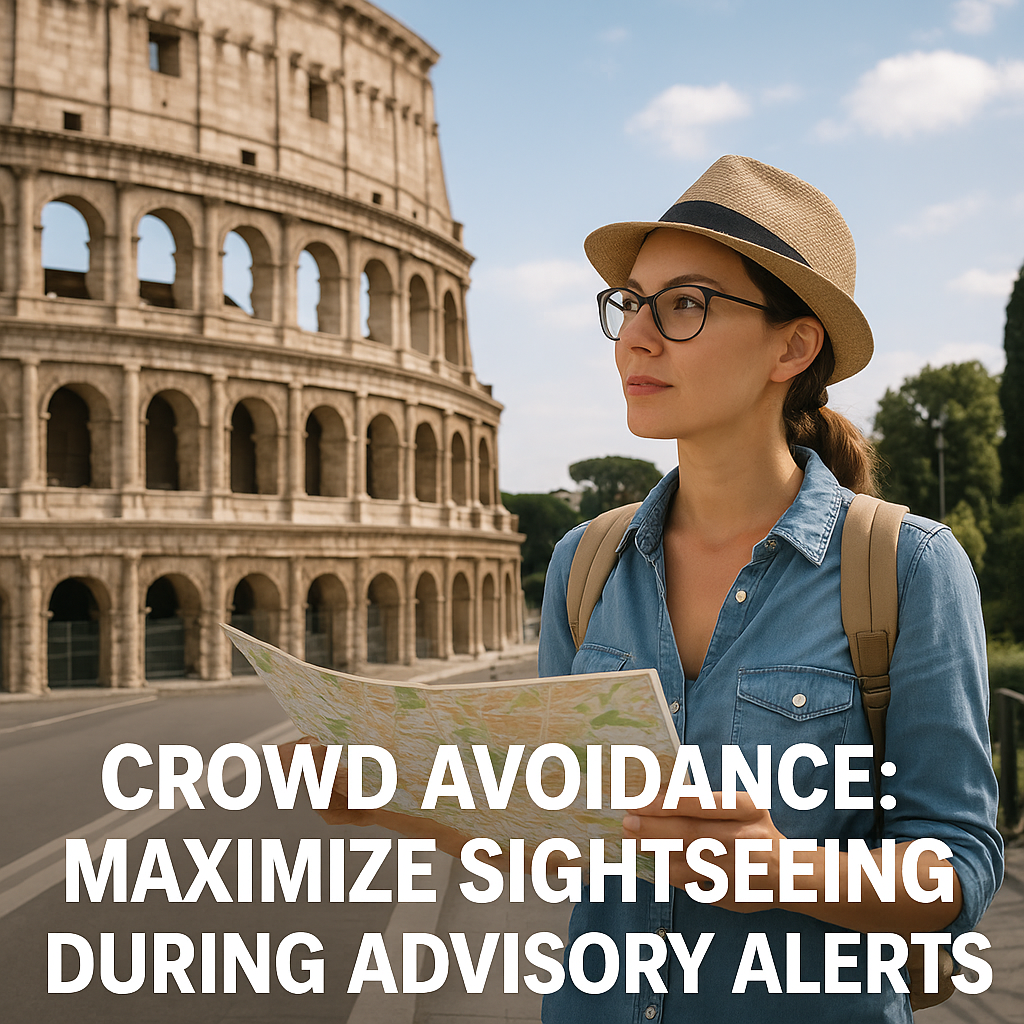
Crowd Avoidance: Maximizing Sightseeing During Alerts
International travel in 2026 demands heightened awareness, especially when navigating crowded destinations during advisory alerts. This guide provides authoritative strategies for traveler vigilance, ensuring you maximize sightseeing while prioritizing personal security.
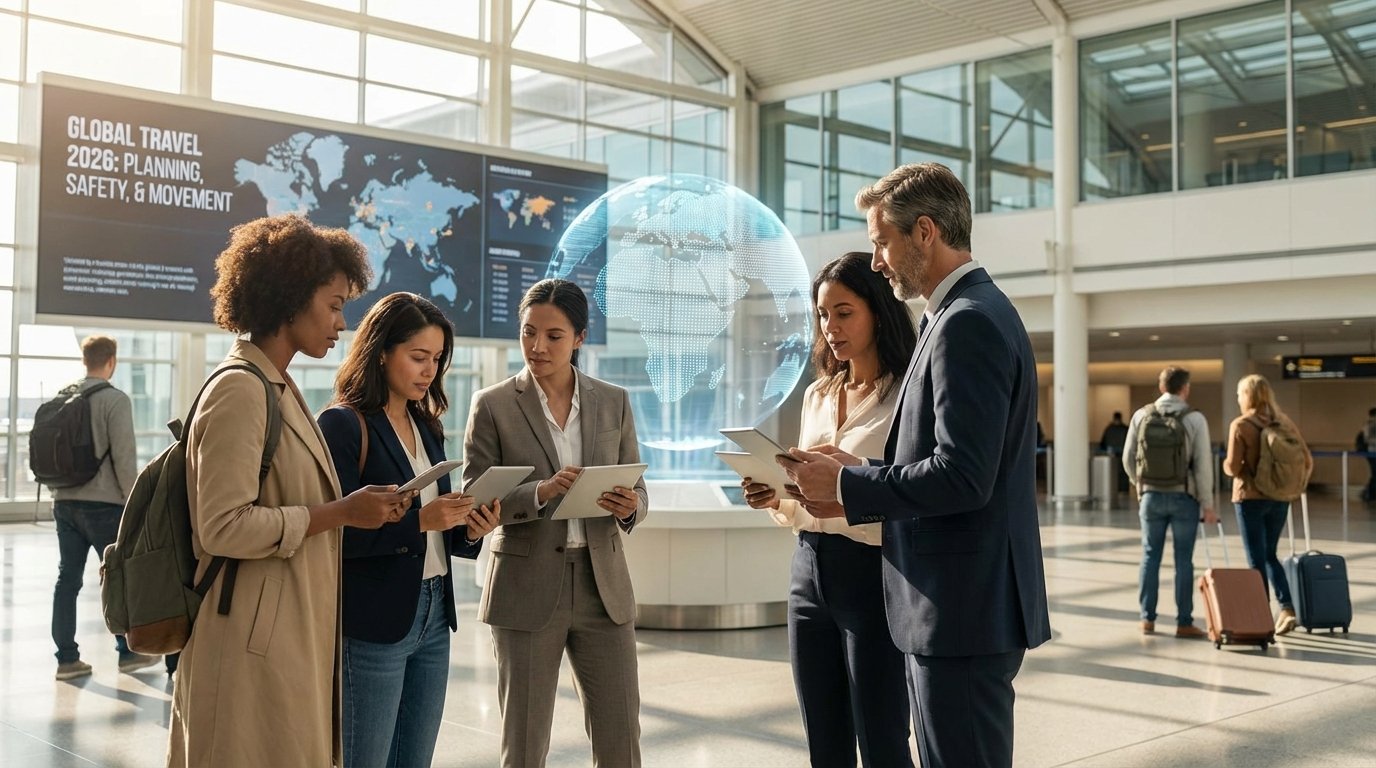
The US Department of State frequently issues warnings. Understanding these security risks is paramount for any international traveler. You need to be prepared for rapid changes in local conditions and potential travel disruptions.
Global Travel Alerts and Advisory Systems
The United States, through the US Department of State, issues renewed Worldwide Caution notices, advising increased vigilance for travelers abroad. Over a dozen countries are currently listed at higher risk levels due to ongoing conflict, terrorism concerns, or civil unrest. These travel alerts are critical for understanding the international travel risk.
Travel advisories emphasize planning for rapid changes in local conditions and potential transportation disruptions. Whether you are traveling to Europe, the Middle East, or North Africa, staying informed about these security briefings is essential for your safety.
Risks in Crowded Public Spaces During Conflicts
Crowded destinations, often holiday hotspots, present significant security risks, especially during periods of elevated international travel risk. Recent high-profile attacks, such as vehicle-ramming incidents at Christmas markets in Germany and France, and assaults at tourist hotspots in Spain, demonstrate that environments like markets, waterfronts, and transport hubs are prime soft targets for retaliatory attacks. This necessitates heightened awareness and adaptive safety strategies.
Understanding the potential for security incidents in places like Paris, Nice, or Lyon is crucial. Even in seemingly safe areas, a strong security presence is advisable, and individual traveler vigilance is key to avoiding becoming a victim.
Expansion of High-Risk Travel Zones Beyond Conflict Areas
Travel advisories now cover not only active conflict zones like Haiti, particularly Port-au-Prince, and parts of the Middle East, including the West Bank and Gaza, but also popular vacation destinations such as Mexico and the Maldives. These alerts cite risks from gang violence, cartel activity, and potential terror threats, despite their popularity among tourists.
Even destinations like Costa Rica, known for its natural beauty, have seen rising petty crime and robberies in crowded tourist areas. This underlines the fact that security risks are not confined to traditional conflict zones like Somalia or Afghanistan’s Bamyan Province, but extend to many international travel destinations.
European and Latin American Threats in Tourist Hotspots
European countries like Germany, France, and Spain have significantly increased security presence at Christmas markets and city centers following recent terror attacks. Similarly, Latin American destinations such as Costa Rica experience rising petty crime and robberies in crowded tourist areas, requiring tourists to exercise extra caution and maintain situational awareness.
Even in the United States, crowded areas like Bourbon Street in New Orleans can present risks. The US Department of State’s warnings extend to various forms of security incidents, from civil unrest to targeted attacks in crowded destinations.
Pre-Travel Research and On-Ground Vigilance
US government advisories stress the importance of thorough pre-travel research into current safety conditions, continuous monitoring of local news and alerts, and adjusting itineraries accordingly. Enrollment in traveler registration programs is strongly promoted to facilitate targeted emergency assistance and provide timely travel alerts.
This proactive approach to US travel safety, combined with strong traveler vigilance and situational awareness, is your best defense against unexpected security incidents. Security analysts consistently advise comprehensive preparation for international travel risk.
Crowd Control Strategies for Sightseeing Safety
Top strategies for maximizing sightseeing safely in crowded destinations include identifying multiple exits, actively avoiding bottlenecks, and monitoring unusual behavior in crowded areas such as markets, religious sites in Israel or the Gulf states, and transport hubs. Effective crowd control can significantly reduce incidents like crushes, especially since crowd density exceeding 4-5 persons per square meter greatly increases risks.
When planning your itinerary, consider the security presence and potential for retaliatory attacks in areas identified by the US Department of State as having heightened terrorism concerns. This is particularly relevant for Middle East travel, including Iran, Israel, and the Gulf states, as well as North Africa travel.
Impact of Crowd Density on Safety
When crowd density exceeds 4-5 people per square meter, the risk of compression asphyxia increases dramatically. Pressures of 30 pounds per square foot can restrict breathing, and forces exceeding 1,000 pounds have been recorded during surge events, leading to severe injuries or fatalities. Understanding these physical dangers is crucial for traveler vigilance in crowded destinations.
This knowledge should inform your decision-making when navigating holiday hotspots or areas with known security risks. Avoiding excessively dense crowds is a practical application of the Worldwide Caution Notice and other travel advisories.
Historical Crowd Disasters and Lessons
The Astroworld Festival tragedy underscores critical failures in entry control, communication, and crowd segmentation, with alarms ignored for 37 minutes after authorities declared a ‘mass casualty’ event. This highlights the paramount importance of proper monitoring and swift response protocols in any large gathering, especially in areas with elevated security risks.
Lessons from such incidents reinforce the need for comprehensive security risk assessment and robust crowd management techniques. For international travel, this means being aware of potential “soft targets” and practicing heightened traveler vigilance.
Expert Insight
“Crowd forces can reach levels that are almost impossible to resist, where just thirty seconds of pressure can lead to unconsciousness; therefore, avoiding high-density environments is essential as most fatalities result from compressive asphyxia caused by systemic failures in crowd management rather than ‘panic’ or ‘trampling’.” , Professor Keith Still, Crowd Science Expert
Global Travel Alerts and Advisory Systems
International travel in 2026 demands heightened awareness, especially when navigating crowded destinations during advisory alerts. The US Department of State maintains a robust system of travel advisories, issuing renewed Worldwide Caution notices that urge increased vigilance for travelers abroad. Understanding these security risks is paramount for any international traveler.
Currently, over a dozen countries, including regions within the Middle East, North Africa, and parts of Europe, are listed at higher risk levels due to conflict, terrorism concerns, or civil unrest. These travel alerts emphasize the necessity of planning for rapid changes in local conditions and potential travel disruptions. You must consult these resources before and during your trip. Situational awareness is your primary defense.
The US Department of State regularly updates its Travel Safety Advisories, providing critical guidance on international travel risk. For example, specific warnings are in place for Israel travel safety, Gulf states security, and areas like Port-au-Prince in Haiti, and Bamyan Province in Afghanistan. These advisories help travelers understand potential security incidents and avoid nonessential travel to conflict zones.
You need to be prepared for anything. Security analysts continuously monitor global threats, including the potential for retaliatory attacks and the targeting of soft targets in crowded destinations. This means even popular holiday hotspots, like those in Mexico or the Maldives, might carry unexpected security risks due to gang violence or cartel activity, despite their appeal to tourists.
Expert Insight
“Americans traveling abroad should exercise increased vigilance and maintain high situational awareness, as rising geopolitical tensions and potential retaliatory attacks may target U.S. interests and soft targets even in popular global destinations.” , U.S. Department of State Security Advisory
Risks in Crowded Public Spaces During Conflicts
Crowded environments present inherent security risks, especially during periods of elevated international travel risk, as highlighted by US travel safety advisories. The US Department of State’s renewed Worldwide Caution notices continually emphasize the increased vigilance required from travelers abroad.
Recent high-profile security incidents, such as vehicle-ramming attacks at Christmas markets in Europe, including Germany and France, and assaults at tourist hotspots, demonstrate this vulnerability. These events underscore the persistent terrorism concerns.
Crowded public spaces like markets, waterfronts, and transport hubs are considered soft targets for retaliatory attacks. This necessitates heightened awareness and adaptive safety strategies for any traveler.
Always identify multiple exit routes and maintain a clear line of sight to your surroundings. This situational awareness is critical for personal security, particularly in crowded destinations.
Expansion of High-Risk Travel Zones Beyond Conflict Areas
Travel advisories now cover not only active conflict zones like Haiti, particularly Port-au-Prince, and parts of the Middle East, including the West Bank and Gaza, but also popular vacation destinations. For example, Mexico and the Maldives, despite their popularity, are cited for risks from gang violence, cartel activity, and potential terror threats.
This expansion means that nonessential travel to seemingly benign locations can carry significant security risks. Travelers must understand that international travel risk is no longer confined to traditional conflict zones like Somalia or Afghanistan’s Bamyan Province.
European and Latin American Threats in Tourist Hotspots
European countries, including Germany, France (Paris, Nice, Lyon), and Spain, have significantly increased security presence at Christmas markets and city centers following recent terror attacks. These measures aim to mitigate the risk of further security incidents in holiday hotspots.
Similarly, Latin American destinations like Costa Rica and even parts of the United States, such as New Orleans’ Bourbon Street, see rising petty crime and robberies in crowded tourist areas. This requires tourists to exercise extra caution and maintain high traveler vigilance.
Expert Insight
“With the security situation deteriorating in 77 countries and risk ratings failing to improve globally, international travel has entered a new era of unpredictability where safety challenges are no longer confined to traditional conflict zones but increasingly impact popular tourist hotspots.” , Global Risk Analyst
Expansion of High-Risk Travel Zones
Travel advisories are no longer confined to traditional conflict zones. They now encompass popular holiday hotspots, signaling a broader spectrum of international travel risk for the United States traveler.
For instance, while regions like Haiti, specifically Port-au-Prince, and parts of the Middle East, including Israel and Gulf states, remain high-risk due to ongoing security incidents and terrorism concerns, even destinations like Mexico and the Maldives now carry warnings.
These warnings stem from escalating gang violence, cartel activity, and potential terror threats, challenging the perception of these locations as entirely benign. The US Department of State’s travel alerts highlight this critical shift.
This expansion means you must meticulously assess the security presence and situational awareness even in seemingly safe locations. It underscores the need for heightened traveler vigilance everywhere.
European and Latin American Threats in Tourist Hotspots
Europe continues to face significant terrorism concerns. Countries like Germany, France, and Spain have notably increased their security presence at Christmas markets, city centers, and other crowded destinations following recent security incidents and retaliatory attacks. This proactive stance aims to mitigate risks to soft targets.
In Latin America, popular destinations such as Costa Rica are experiencing a rise in petty crime and robberies, particularly in crowded tourist areas. This necessitates heightened traveler vigilance and situational awareness from visitors.
When traveling to these regions, be acutely aware of your personal belongings. Avoid overtly displaying signs of wealth to minimize your risk of becoming a target. The US Department of State continually updates travel advisories for these areas, underscoring the ongoing international travel risk.
Pre-Travel Research and On-Ground Vigilance
Thorough pre-travel research is non-negotiable for any international traveler. The US Department of State consistently stresses the importance of researching current safety conditions, monitoring local news, and understanding travel alerts and advisories, especially for destinations in Europe, the Middle East, or Latin America.
You must adjust your itineraries based on real-time information. Enrollment in the Smart Traveler Enrollment Program (STEP) is highly recommended; it facilitates targeted emergency assistance and allows the US Department of State to reach you during a crisis, such as those that might arise in conflict zones or areas with heightened terrorism concerns.
This proactive approach significantly reduces your exposure to security risks. Countries like Germany, France, and Spain, despite their popularity, have increased security presence at holiday hotspots and city centers. Understanding these security incidents and retaliatory attacks, particularly in soft targets, is part of essential traveler vigilance.
The US Department of State issues renewed Worldwide Caution notices, advising increased vigilance for travelers abroad. Over a dozen countries, including parts of the Middle East (like Israel and the Gulf states), North Africa, and even some areas of Mexico and the Maldives, are listed at higher risk levels due to conflict, terrorism, or civil unrest. These travel alerts emphasize planning for rapid changes in local conditions and potential travel disruptions.
Crowd Control Strategies for Sightseeing Safety
Effective crowd control is a critical component of personal safety in crowded destinations. Implement strategies such as identifying exits, avoiding bottlenecks, and monitoring for unusual behavior. This is crucial for traveler vigilance, especially when the US Department of State issues travel advisories or a worldwide caution notice.
These techniques are crucial in locations like markets, religious sites, and transport hubs. Understanding crowd dynamics can mitigate incidents such as crushes, which can occur rapidly. For instance, in Europe, cities like Paris, Nice, and Lyon have heightened security presence in crowded areas due to terrorism concerns.
When crowd density exceeds 4-5 people per square meter, the risk of compression asphyxia increases dramatically. Pressures of 30 pounds per square foot can restrict breathing, and forces exceeding 1,000 pounds have been recorded during surge events, leading to injuries or fatalities. This underscores the need for situational awareness in popular holiday hotspots and even in areas perceived as safe, like Germany’s Christmas markets or New Orleans’ Bourbon Street.
Historical crowd disasters, such as the Astroworld Festival tragedy, underscore failures in entry control, communication, and crowd segmentation. Alarms were ignored for 37 minutes after authorities declared a ‘mass casualty’ event, highlighting the importance of proper monitoring and response protocols. This applies to all international travel risk scenarios, from the Middle East to Latin America, and requires robust security risk assessment.
In short: Be aware of your surroundings at all times. This applies whether you are in Israel, the Gulf states, North Africa, or even popular vacation spots like Mexico and the Maldives, where security incidents can still occur due to gang violence or cartel activity, despite their image as soft targets.
Impact of Crowd Density on Safety
Crowd density is a significant factor in your safety, particularly in crowded destinations. When density exceeds 4-5 persons per square meter, the risk of compression asphyxia increases dramatically. This is a critical aspect of traveler vigilance, especially during travel alerts or when the US Department of State issues a worldwide caution notice.
Pressures of 30 pounds per square foot can restrict breathing, leading to serious security risks. Forces exceeding 1,000 pounds have been recorded during surge events, leading to severe injuries or fatalities. You must understand these security risks when navigating holiday hotspots or areas with a high security presence.
Avoid areas where you feel physically compressed or unable to move freely. This applies to locations like Christmas markets in Germany, France, or Spain, or transport hubs in Europe. Situational awareness is key to avoiding such dangerous scenarios. The United States government, through the US Department of State, consistently advises caution in such crowded environments, emphasizing the importance of US travel safety.
Historical Crowd Disasters and Lessons
Past events provide stark lessons in crowd safety. The Astroworld Festival tragedy, for example, underscored failures in entry control, communication, and crowd segmentation. Alarms were ignored for 37 minutes after authorities declared a ‘mass casualty’ event. This highlights the critical importance of proper monitoring and rapid response protocols by event organizers and local authorities.
This incident, along with others in crowded destinations globally, emphasizes the need for robust crowd management techniques. You must not rely solely on external crowd management; personal situational awareness is key. The US Department of State continually issues travel alerts and advisories, underscoring the dynamic nature of security risks, even in popular holiday hotspots.
The lessons from such tragedies inform global travel advisories and security risk assessment protocols. As you navigate international travel, particularly in Europe or the Middle East, understanding these historical failures enhances your traveler vigilance. Even in locations like New Orleans’ Bourbon Street, or during large public gatherings, the risk of crowd-related incidents necessitates heightened awareness.
Strategic Timing for Crowd Avoidance
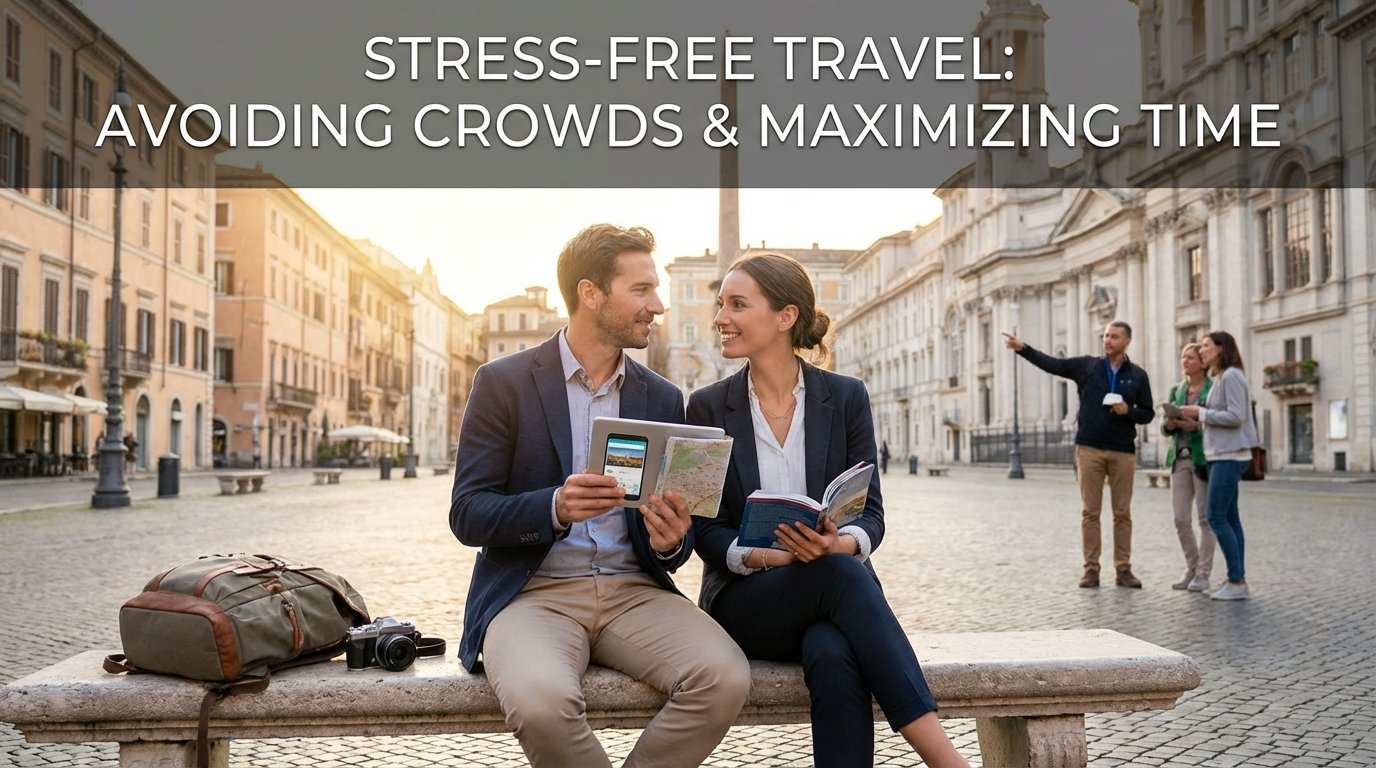
One of the most effective methods for avoiding crowds, particularly in crowded destinations under travel alerts, is strategic timing. Experienced travelers, well-versed in US travel safety and Department of State advisories, often begin their day much earlier than most tourists.
Arriving at attractions around sunrise or immediately at opening times allows for a more peaceful experience. This also often provides better lighting for photography and cooler, more comfortable weather, essential for maximizing sightseeing during international travel.
The first one to two hours of the day are typically the calmest at most popular sites, offering a significant advantage for traveler vigilance against security risks. This approach helps mitigate the risks associated with high crowd density, which can quickly exceed 4-5 people per square meter, leading to dangerous conditions such as compression asphyxia.
Midweek Travel Advantages for Enhanced Security
Weekends naturally attract more local visitors, significantly increasing crowd levels at popular sites and creating potential security risks. Whenever possible, plan your sightseeing for Monday through Thursday to enhance your traveler vigilance.
Midweek visits offer a distinctly different experience, often with fewer queues and more space to explore. This allows for greater situational awareness and reduces the likelihood of encountering crowded destinations, which are often considered soft targets during periods of heightened terrorism concerns. Flexibility in your travel dates can dramatically enhance your trip by allowing you to avoid holiday hotspots.
This approach is critical even in major European cities like Paris, Nice, and Lyon, where security presence is increased due to past security incidents. The US Department of State frequently issues travel advisories, including Worldwide Caution Notices, that underscore the importance of avoiding large gatherings, especially during travel alerts.
Utilizing “Transition Hours” for Enhanced Security
Most tourists follow predictable patterns, leading to peak arrivals in the late morning and highest crowd levels in the afternoon. Smart travelers leverage “transition hours” to enhance their traveler vigilance and minimize exposure to security risks.
These strategic periods include early morning, late afternoon just before closing, or during traditional lunch hours when many others are eating. By targeting these times, you often find more breathing space and a less harried experience, which is crucial for maintaining situational awareness, especially in crowded destinations.
Consider planning a late lunch to take advantage of emptier attractions. This strategy is particularly effective in popular European destinations like Paris, Rome, or even cities in the Middle East, where large groups tend to adhere to fixed schedules. Avoiding the peak afternoon rush can significantly reduce your vulnerability in what could otherwise become a soft target.
The US Department of State’s advisories frequently highlight the increased security risks in crowded public spaces. By strategically timing your visits, you directly address concerns about high crowd density, which can impede rapid exit during a security incident. This proactive approach is a cornerstone of effective international travel risk management.
Leveraging Technology for Real-Time Crowd Data
Modern technology offers powerful tools for crowd avoidance, especially when navigating crowded destinations during advisory alerts. Apps and online platforms can provide real-time information on how busy a location is before you arrive, enhancing your overall US travel safety.
Utilize these resources to make informed decisions about when and where to visit. Some tools can even suggest less-crowded alternatives nearby, helping you maintain traveler vigilance and avoid potential security risks. This pre-emptive check can save you significant time and frustration, particularly in popular European holiday hotspots or major cities in the Middle East.
The US Department of State frequently issues worldwide caution notices. Understanding these travel advisories and combining them with real-time crowd data is paramount for any international traveler. For instance, areas like Bourbon Street in New Orleans, or major markets in Germany and France, can quickly become densely packed, increasing security concerns.
Avoiding Viral Destinations and Crowded Public Spaces
Social media can rapidly transform once-obscure locations into crowded hotspots. Viral posts often highlight a single picturesque frame, inadvertently obscuring the surrounding infrastructure or lack thereof. This phenomenon can lead to significant overcrowding, creating hazards, traffic jams, and considerable inconvenience for both tourists and local residents.
Officials in places like Portofino, Italy, and Kyoto, Japan, have implemented measures to manage these sudden surges in tourist numbers, recognizing the impact on local communities and the quality of the visitor experience. When planning your international travel, exercise extreme discretion when considering destinations that have recently gone “viral.”
Beyond the allure of viral trends, it is crucial to understand the inherent security risks associated with crowded public spaces, particularly during periods of heightened worldwide caution or travel alerts issued by the US Department of State. Recent high-profile attacks, such as vehicle-ramming incidents at Christmas markets in Europe, including Germany and France, and assaults at tourist hotspots in cities like Nice and Paris, demonstrate that crowded environments are prime targets for attackers. This necessitates heightened awareness and adaptive safety strategies for any international traveler.
Crowded environments like markets, waterfronts, transport hubs, and religious sites are considered soft targets. Your situational awareness in such areas is paramount for US travel safety. Always identify multiple exits, avoid bottlenecks, and monitor unusual behavior. Understanding the impact of crowd density on safety is also critical; when crowd density exceeds 4-5 people per square meter, the risk of compression asphyxia increases dramatically, with pressures capable of restricting breathing and causing severe injury or fatality.
Security Risk Assessment Table: Navigating International Travel Risks
Understanding the varying levels of security risk is vital for international travel. The US Department of State frequently issues renewed Worldwide Caution notices, advising increased vigilance for travelers abroad. This table provides a simplified overview of common risk factors and their implications for traveler vigilance, helping you plan for potential travel disruptions.
| Risk Factor Category | Description and Examples | Impact on Traveler |
|---|---|---|
| Political Instability | Civil unrest, protests, armed conflict zones (e.g., Afghanistan, West Bank, Haiti, Port-au-Prince) | Avoid nonessential travel, maintain heightened situational awareness, monitor local news and travel alerts. |
| Terrorism Concerns | Threat of retaliatory attacks, soft targets (e.g., crowded public spaces in Europe, Middle East, Germany, France, Spain) | Increased vigilance, avoid large gatherings, identify exits, be aware of security presence, especially in holiday hotspots. |
| Crime Rates | Petty crime, organized crime, gang violence (e.g., Mexico, New Orleans’ Bourbon Street, Costa Rica, Maldives) | Secure valuables, avoid isolated areas, do not resist robbery, be aware of surroundings, especially in crowded destinations. |
| Natural Disasters | Hurricanes, earthquakes, tsunamis (e.g., Caribbean, Pacific Rim) | Monitor weather alerts, have evacuation plans, ensure comprehensive travel insurance coverage. |
| Health Risks | Disease outbreaks, inadequate medical facilities (e.g., Somalia, remote regions of North Africa) | Consult travel health advisories, ensure vaccinations, carry necessary medications, and understand local medical infrastructure. |
Global Travel Alerts and Advisory Systems: Staying Informed
The United States government, specifically the US Department of State, is your primary resource for US travel safety information. They issue renewed Worldwide Caution notices, advising increased vigilance for travelers abroad. Over a dozen countries are frequently listed at higher risk levels due to conflict, terrorism concerns, or civil unrest. These travel alerts emphasize planning for rapid changes in local conditions and potential transportation disruptions, offering critical safety briefings for international travel risk.
Risks in Crowded Public Spaces During Conflicts: Soft Target Vulnerability
Recent high-profile security incidents, such as vehicle-ramming attacks at Christmas markets in Europe (like Germany and France) and assaults at tourist hotspots, demonstrate that crowded environments are prime soft targets for attackers. Places like markets, waterfronts, transport hubs, and even religious sites in the Middle East and Europe necessitate heightened awareness and adaptive safety strategies. Always identify exits and be aware of your surroundings in these crowded destinations.
Expansion of High-Risk Travel Zones Beyond Conflict Areas
Travel advisories now extend beyond active conflict zones like Haiti, Port-au-Prince, the West Bank, Gaza, Afghanistan’s Bamyan Province, and parts of the Middle East. Popular vacation destinations such as Mexico and the Maldives are also cited for risks from gang violence, cartel activity, and potential terror threats. Even in seemingly idyllic holiday hotspots, traveler vigilance is paramount due to evolving security risks.
European and Latin American Threats in Tourist Hotspots
European countries like Germany, France (Paris, Nice, Lyon), and Spain have significantly increased security presence at Christmas markets and city centers following recent terror attacks. Similarly, Latin American destinations such as Costa Rica experience rising petty crime and robberies in crowded tourist areas. Tourists visiting these regions, including New Orleans’ Bourbon Street, must exercise extra caution and maintain strong situational awareness.
Pre-Travel Research and On-Ground Vigilance: Your Best Defense
US government travel safety advisories stress the importance of thorough pre-travel research into current safety conditions, continuous monitoring of local news and travel alerts, and the flexibility to adjust itineraries accordingly. Enrollment in traveler registration programs, such as the Smart Traveler Enrollment Program (STEP) for United States citizens, is highly promoted to facilitate targeted emergency assistance and provide crucial safety briefings.
Crowd Control Strategies for Sightseeing Safety
Effective crowd control is a critical aspect of minimizing security risks in crowded destinations. Top strategies include identifying multiple exits, actively avoiding bottlenecks, and monitoring unusual behavior in high-density areas like markets, religious sites, and major transport hubs. Understanding crowd dynamics can significantly reduce incidents such as crushes, as crowd density exceeding 4-5 persons per square meter greatly increases personal safety risks.
Impact of Crowd Density on Safety: Understanding the Danger
When crowd density exceeds 4-5 people per square meter, the risk of compression asphyxia increases dramatically. Pressures of 30 pounds per square foot can restrict breathing, and forces exceeding 1,000 pounds have been recorded during surge events, leading to severe injuries or fatalities. Security analysts emphasize that understanding these physical dynamics is crucial for ensuring safety in crowded public spaces, especially during times of heightened tension or potential retaliatory attacks.
Historical Crowd Disasters and Lessons: Learning from the Past
The Astroworld Festival tragedy, for instance, underscores critical failures in entry control, communication, and crowd segmentation. Alarms were reportedly ignored for 37 minutes after authorities declared a ‘mass casualty’ event, highlighting the vital importance of proper monitoring, effective communication protocols, and rapid response systems. These lessons are invaluable for anyone planning to navigate crowded destinations, whether in the Gulf states, Israel, Iran, or any other global hotspot.
Psychological Aspects of Crowd Dynamics
Understanding the psychological aspects of crowd dynamics is crucial for maintaining traveler vigilance, especially in crowded destinations during advisory alerts. Crowd behavior is complex, and individual rationality can quickly be overridden by panic in a large group, leading to dangerous security risks.
People often exhibit a “herd mentality,” tending to follow the path of least resistance or imitate the actions of those around them. This can result in dangerous surges or bottlenecks, particularly in areas like holiday hotspots or during security incidents in the Middle East or Europe. For example, during civil unrest or a retaliatory attack, this behavior can escalate risks dramatically.
To maximize sightseeing safely, you must maintain composure and make independent, informed decisions. This is particularly vital when the US Department of State issues worldwide caution notices or specific travel advisories concerning terrorism concerns or conflict zones.
When crowd density exceeds 4-5 people per square meter, the risk of compression asphyxia increases dramatically. Pressures of 30 pounds per square foot can restrict breathing, and forces exceeding 1,000 pounds have been recorded during surge events, leading to injuries or fatalities. This impact of crowd density on safety underscores why situational awareness is paramount in crowded environments like markets in Germany or city centers in France and Spain.
Historical crowd disasters, such as the Astroworld Festival tragedy, underscore the critical importance of entry control, effective communication, and crowd segmentation. In that incident, alarms were ignored for 37 minutes after authorities declared a ‘mass casualty’ event, highlighting severe failures in monitoring and response protocols. Lessons from such events are vital for understanding how to avoid similar security incidents in crowded destinations, from Port-au-Prince in Haiti to Bourbon Street in New Orleans.
Environmental and Weather Considerations
External factors such as weather and environmental conditions significantly impact crowd safety, especially in crowded destinations during advisory alerts. Extreme heat, heavy rain, or icy conditions can exacerbate security risks in crowded settings, potentially leading to travel disruptions or security incidents.
Poor visibility due to fog, heavy smog, or darkness can also hinder movement and increase the likelihood of incidents. This is particularly relevant in holiday hotspots or densely packed areas in cities like Paris or New Orleans’ Bourbon Street. Always check local forecasts and dress appropriately for the conditions to maintain traveler vigilance.
Adjust your plans if adverse weather is expected. For example, a sudden storm in the Middle East or North Africa could quickly turn a busy market into a chaotic environment, increasing the risk of injury or making you a soft target for opportunistic crime. The US Department of State advises travelers to monitor local conditions closely.
Critical Crowd Management Techniques
While often handled by event organizers, understanding critical crowd management techniques empowers you as a traveler. These include clear signage, effective communication, and designated entry/exit points.
Look for security personnel and emergency services. Note where they are positioned. These elements are designed to maintain order and facilitate safe movement.
Your awareness of these structures aids your personal safety planning, especially when navigating crowded destinations during advisory alerts. This proactive approach is a key part of traveler vigilance, recommended by the US Department of State.
Crowd Control Strategies for Sightseeing Safety
Effective crowd control reduces incidents such as crushes, which are a significant security risk. Always identify multiple exits, avoid bottlenecks, and monitor unusual behavior in crowded areas like markets, religious sites, and transport hubs. This is particularly vital in holiday hotspots or areas prone to security incidents.
For example, in Europe, heightened security presence at Christmas markets in Germany and France follows past retaliatory attacks. Your situational awareness in these environments is paramount.
Impact of Crowd Density on Safety
Understanding crowd density is critical for your personal safety. When crowd density exceeds four to five persons per square meter, the risk of compression asphyxia increases dramatically. Pressures of 30 pounds per square foot can restrict breathing, and forces exceeding 1,000 pounds have been recorded during surge events, leading to injuries or fatalities.
This risk is particularly relevant in crowded destinations like Bourbon Street in New Orleans or major event venues in the Middle East. High international travel risk means you must be aware of these physical dangers.
Historical Crowd Disasters and Lessons
Historical crowd disasters, such as the Astroworld Festival tragedy, underscore failures in entry control, communication, and crowd segmentation. Alarms were ignored for 37 minutes after authorities declared a ‘mass casualty’ event, highlighting the importance of proper monitoring and response protocols.
Lessons from such events inform current worldwide caution notices and travel advisories, emphasizing the need for robust security presence and traveler vigilance in any crowded setting, from Israel to the Gulf states.
Legal Risks and Insurance for Event Safety
When you attend large events, understand the inherent legal risks. Ensure your travel insurance provides adequate coverage. Policies vary significantly regarding civil unrest, terrorism, or medical emergencies in conflict zones. This is critical for US travel safety and traveler vigilance.
Before departure, review your insurance policy thoroughly. Confirm what is covered and, more importantly, what is excluded. Pay close attention to clauses concerning nonessential travel to high-risk areas. The US Department of State often issues travel advisories that can impact coverage.
This scrutiny is a crucial step for your financial and personal security. Without proper coverage, you could face significant financial burdens during travel disruptions or security incidents. Always prioritize comprehensive protection.
Global Travel Alerts and Advisory Systems
The US Department of State frequently issues renewed Worldwide Caution Notices, advising increased traveler vigilance abroad. Over a dozen countries are often listed at higher risk levels due to ongoing conflict, terrorism concerns, or civil unrest. These travel alerts emphasize planning for rapid changes in local conditions and potential transportation disruptions, especially in crowded destinations.
Risks in Crowded Public Spaces During Conflicts
Recent high-profile attacks, such as vehicle-ramming incidents at Christmas markets in Europe and assaults at tourist hotspots, demonstrate that crowded destinations like markets, waterfronts, and transport hubs are prime soft targets for attackers. Heightened situational awareness and adaptive safety briefings are essential when navigating these environments, particularly in regions with elevated security risks.
Expansion of High-Risk Travel Zones Beyond Conflict Areas
Travel advisories now cover not only active conflict zones like Haiti and parts of the Middle East but also popular vacation destinations such as Mexico and the Maldives. These advisories cite risks from gang violence, cartel activity, and potential terror threats. Even popular holiday hotspots require careful consideration of international travel risk due to these evolving threats.
European and Latin American Threats in Tourist Hotspots
In Europe, countries like Germany, France, and Spain have increased security presence at Christmas markets and city centers following recent terror attacks in cities like Paris and Nice. In Latin America, destinations like Costa Rica are experiencing rising petty crime and robberies in crowded destinations, demanding tourists exercise extra caution. This highlights the need for worldwide caution.
Pre-Travel Research and On-Ground Vigilance
US Department of State advisories stress the importance of researching current security risks and safety conditions. Monitor local news and travel alerts, and be prepared to adjust itineraries accordingly. Enrollment in traveler registration programs is also promoted to facilitate targeted emergency assistance during security incidents or travel disruptions.
Crowd Control Strategies for Sightseeing Safety
Effective crowd control reduces incidents such as crushes, particularly in crowded destinations like markets, religious sites, and transport hubs. Key strategies include identifying multiple exits, avoiding bottlenecks, and monitoring unusual behavior. Your personal situational awareness is a vital tool against potential security incidents.
Impact of Crowd Density on Safety
When crowd density exceeds 4-5 people per square meter, the risk of compression asphyxia increases dramatically. Pressures of 30 pounds per square foot can restrict breathing, and forces exceeding 1,000 pounds have been recorded during surge events, leading to severe injuries or fatalities. This is a critical factor for traveler vigilance in highly crowded destinations.
Historical Crowd Disasters and Lessons
Tragedies like the Astroworld Festival underscore failures in entry control, communication, and crowd segmentation. Alarms were ignored for 37 minutes after authorities declared a ‘mass casualty’ event. These events highlight the critical importance of proper monitoring and rapid response protocols for public safety, especially in holiday hotspots or during large gatherings.
Training and Education for Crowd Management Teams
Effective crowd management relies on well-trained teams. These professionals are equipped to conduct security risk assessments, implement crowd flow strategies, and respond to emergencies. Their presence is a positive indicator of safety planning, especially in crowded destinations.
You can often observe their coordination at major events or popular tourist sites, including holiday hotspots across Europe or the Middle East. A visible and organized security presence suggests a proactive approach to public safety and traveler vigilance.
The US Department of State often highlights the importance of trained personnel in mitigating security risks, particularly when travel advisories are in effect. Understanding these teams’ roles can enhance your personal situational awareness during international travel.
Frequently Asked Questions About Crowd Avoidance and Travel Safety
Navigating international travel in 2026, especially during advisory alerts, requires a proactive approach to safety. These frequently asked questions address common concerns for travelers seeking to maximize sightseeing while mitigating security risks.
What is a Worldwide Caution notice?
A Worldwide Caution notice is a high-level alert issued by the US Department of State. It advises United States citizens globally to exercise increased caution due to heightened tensions, terrorism concerns, or the risk of retaliatory attacks in multiple regions. These notices often highlight areas like the Middle East, including Israel and Gulf states, or North Africa, emphasizing the need for traveler vigilance.
How does crowd density impact safety?
Crowd density significantly impacts safety, particularly in crowded destinations. When density exceeds 4-5 people per square meter, the risk of compression asphyxia rises dramatically. This level of density can restrict breathing and lead to severe injuries or fatalities due to physical pressure. Historical crowd disasters, such as the Astroworld Festival, underscore the critical importance of effective crowd control strategies and monitoring to prevent such security incidents.
Are popular vacation spots also high-risk?
Yes, popular vacation spots can indeed be high-risk. Travel advisories now cover not only active conflict zones like parts of Haiti or the West Bank but also popular destinations such as Mexico and the Maldives. These warnings cite risks from gang violence, cartel activity, and potential terror threats, despite their popularity. Even European holiday hotspots like Germany, France, and Spain have increased security at Christmas markets and city centers following recent security incidents, demonstrating that soft targets are always a concern.
What are “transition hours” for sightseeing?
“Transition hours” refer to specific periods at attractions when crowds are typically lighter. These often include early morning right after opening, late afternoon before closing, or during traditional lunch hours. Utilizing these times helps avoid peak crowd levels, enhancing both your sightseeing experience and personal security in crowded destinations.
How can I stay informed about travel alerts?
To stay informed about international travel risk, you should regularly check the US Department of State’s travel advisories website. Enrollment in the Smart Traveler Enrollment Program (STEP) is also highly recommended, as it provides direct travel alerts, safety briefings, and facilitates emergency assistance from the United States embassy or consulate during international travel.