
Table of Contents
- Managing a Lost Passport in a High-Risk Zone
- Immediate Steps After Passport Loss or Theft
- Obtaining an Emergency Passport and Consular Services
- Contacting Local Police and Embassy Procedures
- Preparing and Storing Digital Travel Documents
- Planning Ahead for Visa and Document Backups
- Emergency Travel Document Checklist
- The Golden Hour: Immediate Steps After Passport Loss or Theft
- Obtaining an Emergency Passport and Navigating Consular Services
- The Golden Hour: Immediate Steps After Passport Loss or Theft
- Contacting Local Police and Embassy Procedures
- Obtaining an Emergency Passport in a Bureaucratic Ordeal
- Preparing and Storing Critical Travel Documents
- Planning Ahead for Visa and Document Backups
- Checklist for Emergency Travel Document (ETD) Documentation
- Preparing and Storing Travel Documents
- Immediate Steps After Passport Loss or Theft
- Obtaining an Emergency Passport and Consular Services
- Contacting Local Police and Embassy Procedures
- Planning Ahead for Visa and Document Backups
- The Anatomy of a Passport Crisis: A Timeline in a High-Risk Zone
- Immediate Steps After Passport Loss or Theft
- Obtaining an Emergency Travel Document (ETD)
- Contacting Local Police and Embassy Procedures
- Preparing and Storing Travel Documents
- Planning Ahead for Visa and Document Backups
- Emergency Documentation Checklist
- Documentation Requirements for Emergency Travel
- Frequently Asked Questions Regarding Lost Passports and Travel Security
Managing a Lost Passport in a High-Risk Zone
The moment you realize your passport is gone, the world feels much smaller. In a high-risk zone or a country with limited consular services, this bureaucratic ordeal can quickly escalate into a security crisis.

You must act with precision to regain your identity and mobility. Expert-level guidance suggests that your pre-trip preparation is the only thing standing between a 48-hour recovery and a weeks-long nightmare.
This case study analyzes how to navigate the logistical hurdles of a stolen passport when the stakes are at their highest. We examine the critical steps required to interface with agencies like VFS Global and the United States Department of State.
Immediate Steps After Passport Loss or Theft
At 10:00 AM, the discovery of a stolen passport occurs. By 11:00 AM, the golden hour for recovery begins. This window is critical for neutralizing the threat of identity theft and initiating the emergency travel document process.
Your first action must be filing an official police report. In high-risk environments, local law enforcement documentation is the primary requirement for any travel insurance claim or consular assistance. This report serves as legal proof that your original document is no longer valid.
Following the police report, you must contact the nearest U.S. embassy or consulate immediately for emergency services. For example, a traveler in a remote region might need to coordinate with the Sri Lankan Embassy or the nearest United States mission to flag the document as stolen in international databases.
Obtaining an Emergency Passport and Consular Services
An Emergency Passport Issuance is a specialized process designed for travelers who need to return home or move to a safer location. Unlike a standard ten-year passport, an emergency document can often be issued within a few hours of your appointment.
Consular services prioritize these cases to ensure travel safety. In a notable case involving Drexel University, a student was able to secure a replacement in a single afternoon by having the correct documentation ready for the embassy staff.
Wait times for a full passport replacement can take weeks, especially if you are using a courier service like UPS or a third-party visa application process. An emergency travel document is your fastest route to exiting a high-risk zone securely.
Contacting Local Police and Embassy Procedures
Navigating the bureaucratic ordeal of foreign police stations requires patience and clarity. You must provide specific details about the theft to ensure the police report is accurate for the VFS Global or embassy officials who will review it later.
Embassy procedures often require you to appear in person. If you are in a city like Paris, France, or Venice, you may have easier access to these facilities than if you are in a high-risk zone with limited diplomatic presence.
Be prepared for logistical hurdles if you lack supporting documents. Many travelers face significant delays because they do not have a birth certificate or secondary ID to prove their citizenship to the consular officer during the interview.
Preparing and Storing Digital Travel Documents
Global Rescue LLC and other travel security experts emphasize that digital backups are your most valuable asset. You should store scans of your passport, Schengen visa, and birth certificate on secure cloud platforms accessible via Android or iOS devices.
The Drexel University case study highlights a common failure point: the lack of a birth certificate copy. Without a digital or physical backup, the embassy must spend extra time verifying your identity through government databases in Washington DC or New York.
Maintain a secure folder in Google Drive or a similar service. Having these files ready allows you to print them at your hotel or embassy, significantly accelerating the emergency travel assistance process and reducing the recovery time.
Planning Ahead for Visa and Document Backups
Effective travel risk assessment starts before you leave home. You should always have a secondary ID, such as a driver’s license, stored separately from your primary passport. This ensures you have some form of identification if your main bag is stolen.
If your journey involves a complex visa application process, such as a UK visa or a Schengen visa, keep copies of your approval letters. These documents help the embassy understand your legal status in the country and facilitate faster communication with immigration authorities.
By using biometric data and secondary ID protocols, travelers have successfully reduced their recovery time from several weeks to just 48 hours. Preparation is the difference between a managed incident and a total travel collapse.
Emergency Travel Document Checklist
To secure an Emergency Travel Document (ETD), you will generally need the following items prepared for your embassy visit:
- A copy of the official local police report.
- Two identical passport-sized photos.
- Digital or physical copies of your lost passport and visas.
- Proof of citizenship, such as a birth certificate or social security card.
- Confirmed travel itinerary for your return or onward journey.
- The required fee, often payable by credit card or local currency.

Securing these items in advance through a digital vault ensures that even if you lose everything, you can still prove who you are. This proactive approach is the hallmark of professional travel safety and risk management.
The Golden Hour: Immediate Steps After Passport Loss or Theft
The discovery of a stolen passport in a high-risk zone triggers a high-stakes race against time. At 10:00 AM, the traveler realizes their primary identification is gone. By 11:00 AM, the golden hour begins, where every action determines if the recovery takes 48 hours or several weeks.
Your first priority is to stay calm and secure your remaining essentials. Ensure your phone, wallet, and any emergency funds are hidden. Panic is your greatest enemy in a high-risk environment like Paris or other major transit hubs where pickpocketing is common.
The immediate actions you take within the first hour are vital for your travel security. You must file an official police report at the nearest station. This document is not just a formality, it is a legal requirement for your embassy to process a replacement and for any future travel insurance claims.
The Golden Hour: Police Reports and Consular Contact
Following the police report, contact the nearest embassy or consulate immediately. In a documented case involving an international student from Drexel University, prompt reporting to the Drexel Police and the Sri Lankan Embassy in Washington DC was the difference between being stranded and moving forward.
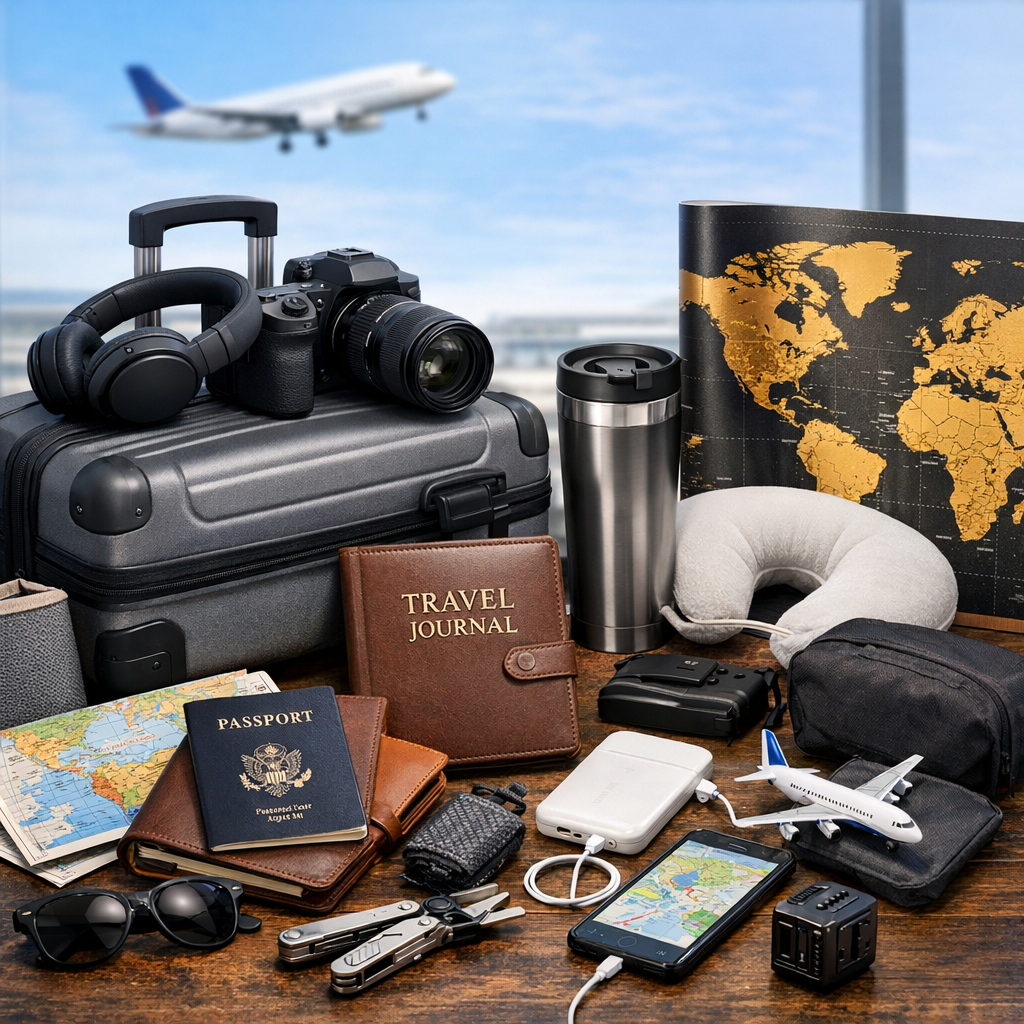
Whether you are in France or the United States, notifying consular services ensures your lost document is flagged in international databases like Interpol. This prevents identity theft and stops unauthorized use of your travel documents by third parties.
If you are a U.S. citizen, the embassy in Paris or the nearest consulate can provide specific guidance on local risks and expedited processing. They often coordinate with organizations like Global Rescue LLC to assist with travel emergency logistics and security protocols.
Obtaining an Emergency Passport and Travel Documents
Obtaining an emergency passport, also known as an Emergency Travel Document or ETD, can often be completed within hours if you are prepared. This temporary document allows you to return home or continue to your next destination with minimal interruption.
For the Drexel University student, having the right support meant receiving an emergency passport in just a few hours. However, the process requires specific documentation that you must have ready to present to consular officers.
To secure an Emergency Passport Issuance, you generally need a passport photo, proof of citizenship, and your travel itinerary. Digital document backup is essential here, as it allows you to print copies of your lost passport and visas from a secure cloud service like Google or iOS iCloud.
Preparing and Storing Critical Identification
Expert-level preparation involves keeping digital copies of your passport, Schengen visa, UK visa, and birth certificates. In the Drexel case, the lack of a birth certificate copy complicated the emergency passport process, highlighting a common vulnerability in travel risk assessment.
Store these scans on a secure, encrypted mobile device such as an Android or iPhone. You should also keep physical photocopies in a separate location from your original documents, such as a hotel safe or with a trusted contact in New York or Venice.
Planning ahead for visa and document backups includes knowing the requirements for VFS Global or the VFS consulate in your region. Early visa processing and maintaining a secondary ID protocol significantly reduce the bureaucratic ordeal if a theft occurs.
Logistics and Post-Incident Analysis
The logistical hurdles of a lost passport often involve coordinating with a courier service or tracking a missing delivery. If your replacement documents are being sent via UPS, track them closely to ensure they arrive at your secure location without further delay.
A post-incident analysis of successful recoveries shows that biometric data and secondary ID protocols reduced recovery time from weeks to 48 hours. Using services like Elite Medical Group, P.C. for medical transport or Rick Steves for travel safety tips can also bolster your overall resilience.
Finally, ensure your travel insurance covers the costs of passport recovery and any necessary crisis response services. This proactive approach transforms a potential security crisis into a manageable delay, allowing you to regain your mobility and peace of mind.
Checklist for Emergency Travel Document (ETD) Requirements
- Official police report from local authorities.
- Two identical passport-sized photographs.
- Proof of identity, such as a driver’s license or secondary ID.
- Proof of citizenship, like a digital scan of a birth certificate.
- Confirmed travel itinerary for your return or onward journey.
- Payment for the emergency passport fee, usually in local currency.
Obtaining an Emergency Passport and Navigating Consular Services
An Emergency Travel Document, or ETD, is your primary lifeline when facing a stolen passport or lost travel documents in a high-risk zone. Unlike a standard ten-year passport, an emergency passport is a temporary solution with limited validity, often restricted to a specific itinerary for your return to the United States or your next secure destination.
The speed of emergency passport issuance is the difference between a minor delay and a total travel disaster. In high-stakes environments like Paris or Venice, consular services can often issue these documents within hours if you provide the correct documentation. For example, travelers who utilize Global Rescue LLC services have successfully completed the entire passport recovery process in a single afternoon.
Securing an ETD requires specific identity verification documents. At a minimum, you will need a formal police report, two passport-sized photos, and proof of citizenship. While a digital document backup of your original passport is helpful, many embassies, such as the Sri Lankan Embassy or VFS Global offices, may require a birth certificate or secondary ID to verify your identity before printing the new document.
The Critical Role of Local Police and Embassy Procedures
Your recovery timeline depends on your immediate interaction with local law enforcement. In cities like Paris, France, you must file a police report immediately to document the theft. This official record is a mandatory requirement for the United States embassy and most other foreign missions before they can initiate the visa application process or passport replacement.
If you are an international student, such as those from Drexel University, you should also contact your study abroad risk management office. These institutions often have direct lines to emergency travel assistance and can help coordinate with the nearest consulate in Washington DC or New York if you are navigating complex international courier issues during your trip.
Be aware that bureaucratic ordeals can vary by region. While some consular services are highly efficient, others may face delays due to local holidays or staffing. Utilizing a travel security membership like Global Rescue LLC or Elite Medical Group, P.C. can provide the necessary boots-on-the-ground support to navigate these local hurdles and expedite your travel risk assessment.
Preparing and Storing Travel Documents for Rapid Recovery
The Drexel case study highlights a vital lesson: preparation is your best defense against travel emergency scenarios. You must keep digital copies of your passport, Schengen visa, UK visa, and birth certificates stored on secure platforms like Google Drive, or accessible via your Android or iOS device. Accessing these files via your phone can reduce your recovery time from weeks to 48 hours.
Physical backups are equally important. Keep a printed copy of your identity verification documents in a separate location from your primary wallet, such as a hotel safe or a hidden luggage compartment. This redundancy ensures that even if your phone and passport are stolen in a security incident, you still possess the data needed for the consulate to verify your status.
Experts like Rick Steves often emphasize that pickpocketing prevention is the first line of defense, but document redundancy is the second. If you lose your primary ID, having a secondary ID and emergency funds allows you to manage the costs of new photos, courier service fees, and embassy travel without being stranded.
Planning Ahead for Visa and Document Backups
Early visa processing and maintaining a travel insurance policy that covers passport recovery are essential strategies for any high-risk journey. Your travel insurance terms should be reviewed to ensure they cover the costs of expedited shipping via UPS or other specialized courier services if your replacement documents must be sent from a central hub.
Before you depart, verify if your transit points or final destinations accept temporary documents. Some countries have strict rules against entering on an ETD, which could complicate your return flight. Always confirm with your airline and the destination embassy before leaving the city where your emergency passport was issued.
By integrating biometric data and maintaining strict secondary ID protocols, you significantly reduce the logistical hurdles of a lost passport. This proactive approach transforms a potential security crisis into a manageable delay, ensuring that your study abroad or international business trip remains on track despite the challenges of a high-risk zone.
The Golden Hour: Immediate Steps After Passport Loss or Theft
The first sixty minutes after discovering a stolen passport are critical for your travel security. You must immediately initiate a travel risk assessment to determine if your physical safety is also at risk, especially in high-risk zones.
Your first action is to file an official police report at the nearest local station. This document is not just a formality, it is a legal requirement for emergency passport issuance and future travel insurance claims.
If you are in a city like Paris, France, or Venice, be wary of common pickpocketing hotspots where travel documents are frequently targeted. Prompt reporting helps local authorities and provides you with the necessary paper trail for the United States embassy.
Contacting Local Police and Embassy Procedures
Filing a police report requires specific protocols to be effective. When you visit the station, bring a translator if you are not fluent in the local language to ensure your written statement accurately reflects the time, location, and circumstances of the theft.
Once you have the report, reach out to your diplomatic mission immediately. While the Sri Lankan Embassy in Washington DC or VFS Global offices in New York often require appointments, most embassies maintain a 24/7 duty officer for a travel emergency.
For an international student, such as those from Drexel University, contacting campus security or a study abroad risk management office can provide additional support. They often have established protocols for emergency travel assistance and can help coordinate with the embassy.
Obtaining an Emergency Passport in a Bureaucratic Ordeal
An emergency passport can often be issued within a few hours if you are prepared. This temporary document allows you to bypass the standard 10-year passport replacement wait time, which is vital during a crisis.
In the Drexel case, a student managed to receive an emergency passport in just a few hours by having the right documentation ready. This speed is the difference between being stranded for weeks and continuing your journey or returning home safely.
Be aware that an Emergency Travel Document has limited validity. It is usually restricted to your specific itinerary back to the United States or your next secure destination, and it may not be accepted for a future Schengen visa or UK visa application.
Preparing and Storing Critical Travel Documents
Expert-level preparation involves keeping digital copies of your passport, visas, ID cards, and birth certificates. Store these securely on cloud services like Google or accessible via iOS and Android devices.
In the Drexel University example, the lack of a digital birth certificate or physical copy significantly complicated the emergency passport process. Without these identity verification documents, the embassy must rely on slower secondary protocols.
Supporting documents are the backbone of passport recovery. Having a secondary ID and a scan of your birth certificate allows the embassy to verify your citizenship through biometric data and existing records much faster, reducing recovery time to 48 hours.
Planning Ahead for Visa and Document Backups
Always plan for unforeseen delays by initiating your visa application process early and maintaining multiple backups. Services like Global Rescue LLC or Elite Medical Group, P.C. offer crisis response services that include document assistance.
If you are dealing with an international courier loss containing your original documents, having digital backups becomes your only lifeline. Use secure platforms or private servers to share encrypted copies with trusted contacts.
Travelers like Rick Steves emphasize that while a lost passport is a bureaucratic ordeal, it is manageable with managing travel delays through pre-trip preparation. Secure your digital files and maintain emergency funds to cover unexpected costs like medical transport or expedited courier service fees.
Checklist for Emergency Travel Document (ETD) Documentation
To ensure a swift recovery, you must present the following items at the consulate or VFS Global center:
- A copy of the official police report from the local precinct.
- Two identical passport-sized photos that meet specific embassy standards.
- Proof of identity, such as a driver’s license or a secondary government ID.
- Proof of citizenship, typically a birth certificate or a digital scan of the lost passport.
- Your confirmed travel itinerary for the return trip or next destination.
- The required fee for emergency passport issuance, often payable in local currency or by credit card.
Preparing and Storing Travel Documents
Your travel security strategy must begin before you leave the United States. Expert travelers maintain both digital and physical backups of all critical documents to avoid a bureaucratic ordeal. This includes your passport identification page, Schengen visa, birth certificate, and national ID cards.
Store digital scans in a secure, encrypted cloud service such as Google Drive or iCloud, accessible via your Android or iOS device. Additionally, keep a set of physical photocopies hidden in a separate piece of luggage from your original documents. If your primary bag is stolen in a high-risk area like Paris or Venice, you still have the means to prove your identity.
In the Drexel University case study, the lack of a birth certificate copy complicated the passport recovery process. Do not make this mistake. Treat your digital document backup as your lifeline. If you lose everything, being able to log into a secure account at a local internet cafe can save you days of administrative back and forth.
Immediate Steps After Passport Loss or Theft
The first sixty minutes after discovering a stolen passport are critical for your travel security. You must immediately initiate a travel risk assessment to determine if your physical safety is also at risk. This is especially true in high-risk zones where pickpocketing prevention failed.
Your first action is to file an official police report at the nearest local station. In the Drexel University incident, reporting the theft to the local authorities and the Drexel Police was a vital step. This document is a legal requirement for any insurance claim and is essential for the emergency passport issuance process.
Once you have the police report, contact the nearest embassy or consulate immediately. For example, a student in a remote area would need to contact the Sri Lankan Embassy or the United States Embassy in the capital. Quick communication ensures that your lost passport is flagged in international databases to prevent identity theft.
Obtaining an Emergency Passport and Consular Services
An emergency passport can often be issued within hours, allowing you to return home or continue your journey. In the Drexel case, the student received an emergency passport in just a few hours after providing the necessary proof of identity. This rapid turnaround is pivotal in resolving a crisis.
Consular services in cities like New York, Washington DC, or Paris are equipped to handle these emergencies. However, you must provide specific documentation, including passport photos and proof of citizenship. Having these ready in your digital document backup significantly accelerates the timeline.
If you are a study abroad student, your university and organizations like Global Rescue LLC or Elite Medical Group, P.C. can provide emergency travel assistance. These crisis response services often coordinate with the embassy to streamline the visa application process and passport recovery.
Contacting Local Police and Embassy Procedures
Filing a police report and contacting the embassy are the most essential first steps after a theft. Experts like Rick Steves highlight that delays occur most often when supporting documents like birth certificates are missing. You must be proactive in gathering these files.
During the Drexel University incident, the student had to navigate the Sri Lankan Embassy protocols. They noted that having a clear record of the incident from the police helped the embassy officials verify the claim. Without this, the bureaucratic ordeal could have lasted weeks instead of days.
Be aware that some regions may require a courier service for document delivery. If you face a logistical delay during this time, it can further delay your travel. Always track your submissions through VFS Global or other official visa application process channels.
Planning Ahead for Visa and Document Backups
The Drexel student emphasized that planning for unforeseen delays is the only way to manage a travel emergency effectively. This includes early visa processing and keeping multiple copies of travel documents in different locations. Preparation is the difference between a minor setback and a total trip cancellation.
Your travel insurance policy should include a section regarding lost documents. Ensure your plan covers passport replacement fees and any necessary medical transport or medical evacuation membership. Companies like Global Rescue provide these integrated security and health services.
Final post-incident analysis shows that biometric passport replacement and secondary ID protocols reduced recovery time from weeks to 48 hours. By utilizing biometric data already on file with the government, the embassy can verify your identity even if you have no physical papers left. This modern travel safety protocol is a game changer for international security.
Emergency Travel Document (ETD) Checklist
- Official police report from the local station.
- Two identical passport-sized photographs.
- Proof of travel plans, such as flight itineraries.
- Digital or physical copy of your birth certificate.
- Completed emergency passport application forms.
- Payment for the emergency issuance fee.
The Anatomy of a Passport Crisis: A Timeline in a High-Risk Zone
The moment you realize your passport is gone, the world feels much smaller. In a high-risk zone or a country with limited consular services, this bureaucratic ordeal can quickly escalate into a security crisis. You must act with precision to regain your identity and mobility.
Consider the timeline of a traveler in a remote region. At 10:00 AM, the discovery of the theft occurs. By 11:00 AM, the golden hour begins. The subject immediately initiates their travel security protocol, moving to a secure location to access their encrypted digital document backup.
By 12:00 PM, the traveler is filing a local police report. This step is non-negotiable, as the police report serves as the legal foundation for all subsequent emergency passport issuance. Without this document, consular services in cities like Paris or New York cannot verify the theft, stalling the recovery process indefinitely.
Immediate Steps After Passport Loss or Theft
If you lose your primary identification, your first priority is to contact the nearest embassy or consulate. For a United States citizen, this means reaching out to the local American Citizen Services unit. In more complex cases, such as the Drexel University incident involving the Sri Lankan Embassy in Washington DC, coordination between multiple jurisdictions is required.
Travelers must provide proof of citizenship and identity. If you are a student on a study abroad program, notify your university risk management office immediately. They often have direct lines to crisis response services like Global Rescue LLC or Elite Medical Group, P.C. to assist with logistics.
During this window, you must also secure your remaining assets. If your wallet was stolen alongside your passport, use an Android or iOS device to freeze your credit cards via mobile banking apps. Securing emergency funds through a secondary, hidden source is vital for covering unexpected local fees and courier service costs.
Obtaining an Emergency Travel Document (ETD)
Securing an emergency passport is a specialized process designed for urgent travel. Unlike a standard 10-year booklet, an ETD is often issued with limited validity to get you to your next destination or back to your home country. In many cases, an emergency passport can be issued within hours if you arrive prepared.
To facilitate an Emergency Passport Issuance, you will typically need to provide a new passport photo, the aforementioned police report, and evidence of your upcoming travel itinerary. Consular officers in hubs like Paris, France or Venice will prioritize travelers with confirmed departures within 24 to 48 hours.
The Drexel University case study highlights that receiving an emergency passport in just a few hours is possible but requires perfect documentation. Having a digital scan of your birth certificate and previous visa stickers can prevent the days of waiting that typically plague those who are unprepared.
Contacting Local Police and Embassy Procedures
Navigating the police report process in a foreign language can be a significant hurdle. In high-risk zones, local authorities may be less familiar with the specific requirements for international travelers. Clearly state that you need a report for a stolen passport to satisfy VFS Global or consular requirements.
Once you have the report, proceed to the embassy. Be prepared for biometric verification. Modern travel security relies heavily on biometric data stored in the cloud or on secondary ID protocols. This data allows the United States Department of State to verify your identity even when physical documents are missing.
If you are an international student or a professional on a mission, ensure your sponsoring organization is looped into the embassy communications. Organizations like Drexel University often provide additional identity verification letters that can expedite the vetting process at the consulate.
Preparing and Storing Travel Documents
Your travel security strategy must begin before you leave your home. Expert travelers maintain both digital and physical backups of all critical documents. This includes your passport identification page, Schengen visa, birth certificate, and national ID cards.
Store digital scans in a secure, encrypted cloud service such as Google Drive or iCloud. Ensure these are accessible via two-factor authentication that does not rely solely on your lost mobile phone. Physical copies should be kept in a separate location from your original documents, such as a hotel safe or a hidden compartment in your luggage.
A traveler who lacks a digital or physical copy of their birth certificate faces significant delays. In the Drexel example, the absence of these secondary documents complicated the emergency passport process, turning a manageable situation into a potential multi-week ordeal.
Planning Ahead for Visa and Document Backups
If your travel involves a Schengen visa or a UK visa, the complexity of a lost passport increases. You are not just replacing a booklet: you are replacing your legal right to be in the region. This is why early visa processing and maintaining multiple copies of your visa stickers are recommended.
Use a reputable courier service for any document transport, but be aware that logistical delays can occur. Always track your packages and have a buffer time in your itinerary to handle unforeseen delays. High-risk zones often have less reliable infrastructure, making these buffers even more important.
A traveler who has practiced a travel risk assessment and has secondary ID protocols in place can reduce their recovery time from weeks to just 48 hours. This efficiency is the hallmark of an expert-level traveler. By combining biometric data with pre-trip preparation, you turn a potential disaster into a manageable logistical hurdle.
Emergency Documentation Checklist
To ensure a 48-hour recovery, you must have the following items ready for the consulate:
- Official police report from local authorities.
- Two identical passport-sized photos (check local size requirements).
- Digital or physical copy of your lost passport and visa stickers.
- Proof of identity, such as a driver’s license or national ID card.
- Proof of citizenship, such as a birth certificate or naturalization certificate.
- Confirmed travel itinerary for your return or onward journey.
- Payment for emergency passport fees (credit card or local currency).
In short: preparation is your best defense. Whether you are navigating the streets of Paris or a remote high-risk outpost, your ability to produce documentation rapidly will define your experience. Stay informed, stay backed up, and follow the protocols used by global security experts.
Documentation Requirements for Emergency Travel
To obtain an Emergency Travel Document (ETD) or an Emergency Passport Issuance, you must present specific credentials at the consulate or embassy. Failing to provide these will turn a manageable situation into a prolonged bureaucratic ordeal.
In high-risk zones like certain districts in Paris, France, or during a complex travel emergency in the United States, your speed of recovery depends on your preparation. Consular Services require physical or digital proof to verify your identity before they can override standard wait times.
| Required Item | Description | Purpose |
|---|---|---|
| Police Report | Official statement from local authorities like the Paris security forces | Legal proof of a stolen passport or lost passport |
| Passport Photos | Two identical, recent color photos (often 2×2 inches) | Identification for the new emergency document |
| Proof of Identity | Driver’s license, Drexel University ID, or National ID card | Verification of your persona and photo match |
| Proof of Citizenship | Birth certificate or a high-quality digital scan | Verification of your legal status and right to protection |
| Travel Itinerary | Confirmed flight, train bookings, or VFS Global receipts | Determines the validity period and urgency of the ETD |
Immediate Steps After Passport Loss or Theft
The moment you realize your document is missing, you must initiate a travel risk assessment. Your first move is filing an official police report with local law enforcement to document the theft or loss officially.
Contact the nearest embassy or consulate immediately to report the incident. In a documented case involving a student from Drexel University, reporting to the Sri Lankan Embassy in Washington DC was the catalyst for a rapid resolution.
Do not wait until the next business day if you are in a high-risk area. Use your mobile device, whether it is an Android or iOS platform, to locate the nearest diplomatic mission and notify your travel insurance provider like Global Rescue LLC.
Obtaining an Emergency Passport
An emergency passport can often be issued within a few hours if you have the correct documentation ready. This limited-validity document is designed to get you home or to your next destination without delay.
During the passport recovery process, the embassy will prioritize travelers with immediate departures. For example, travelers in Venice or New York have successfully received replacement documents in under 48 hours by presenting a clear travel itinerary.
Be prepared to pay the standard passport replacement fee. Most embassies accept major credit cards or cash, but having a backup fund secured via Google Pay or a secondary card is a vital safety protocol.
Contacting Local Police and Embassy Procedures
Filing a police report is not just a formality, it is a critical requirement for any future insurance claim or visa application process. Local police in cities like Paris or Rome are familiar with tourist thefts and can provide the necessary paperwork quickly.
Embassy procedures vary, but most require an in-person interview. You may need to visit a VFS Global center or a specific consular section to provide biometric data and sign your application under oath.
Missing documents, such as a birth certificate, can cause significant delays. If you are stuck without these, the embassy may need to contact the vital records office in your home city, such as Philadelphia or New York, to verify your status.
Preparing and Storing Travel Documents
The most effective way to survive a lost passport is to maintain a digital document backup. Store encrypted scans of your passport, Schengen visa, UK visa, and birth certificate on a secure cloud service.
Keep physical photocopies in a separate location from your originals. Expert travelers like Rick Steves often suggest leaving a set of copies with a trusted contact at home who can send them via a courier service if needed.
Having these copies allows the consulate to verify your identity through their database much faster. This preparation is the difference between a week-long delay and a 24-hour turnaround in passport issuance.
Planning Ahead for Visa and Document Backups
Early visa processing and thorough document management are the hallmarks of a secure traveler. Always research the specific requirements for your destination, including any need for a VFS Global appointment or specialized medical transport coverage.
If you are part of a study abroad program, coordinate with your university’s risk management office. They often have direct lines to emergency travel assistance and can help navigate the bureaucratic ordeal of foreign bureaucracies.
Consider a membership with a crisis response service like Elite Medical Group, P.C. or Global Rescue. These organizations provide logistical support that goes beyond what a standard embassy can offer during a high-stakes security crisis.
Frequently Asked Questions Regarding Lost Passports and Travel Security
Managing a stolen passport in high-risk zones like Paris, France, or navigating a travel emergency in the United States requires immediate, expert-level action. Your recovery speed depends on following strict security protocols and leveraging services like Global Rescue LLC or VFS Global.
Can I fly with just a police report after a theft?
No. A police report is a vital record of the crime, but it is not a valid travel document for international borders. You must obtain an Emergency Passport Issuance or an Emergency Travel Document from your embassy before an airline will allow you to board.
In the event of a stolen passport, your first step is filing a report with local authorities, such as the Drexel Police if you are a student at Drexel University, or the local prefecture in Paris. This documentation is required by Consular Services to verify the incident and begin the replacement process.
How do I obtain an emergency passport in a high-risk zone?
To secure an emergency passport, you must visit the nearest consulate or embassy, such as the Sri Lankan Embassy in Washington DC or the U.S. Embassy in Paris. You will need to provide identity verification documents, including a birth certificate or a secondary ID like a driver’s license.
Case studies show that travelers who maintain a digital document backup on Google Drive or iCloud can reduce recovery time significantly. Having these scans allowed one traveler to receive a replacement in just a few hours, turning a potential weeks-long ordeal into a 48-hour delay.
What if there is no embassy available in my current country?
In regions with limited Consular Services, you may need to contact a third-party embassy that handles affairs for your nation. For example, European Union citizens can seek help from any EU member state embassy if their own country is not represented.
If you are in a remote area, you may need to coordinate with a travel risk assessment team or a crisis response service like Global Rescue. They can assist with logistics, including secure transport to a major hub like New York or Venice where consular facilities are available.
Does travel insurance cover the cost of passport replacement?
Most premium travel insurance policies cover the fees for a passport replacement and the travel expenses incurred to reach an embassy. However, you must review the travel insurance terms regarding high-risk zones or active conflict areas before your trip.
Organizations like Elite Medical Group, P.C. often recommend comprehensive coverage that includes medical evacuation membership and emergency travel assistance. This ensures that if a logistical issue occurs with your new documents, your additional stay is financially protected.
How should I prepare for a potential travel emergency?
Preparation is the difference between a minor setback and a total crisis. Always keep digital copies of your Schengen visa, UK visa, and birth certificate on a secure mobile device running Android or iOS. Share your itinerary with trusted contacts via secure platforms or email.
Experts like Rick Steves suggest carrying emergency funds in cash and a secondary ID stored separately from your primary passport. If you are an international student, ensure your visa application process records are accessible online to expedite identity verification during a bureaucratic ordeal.