
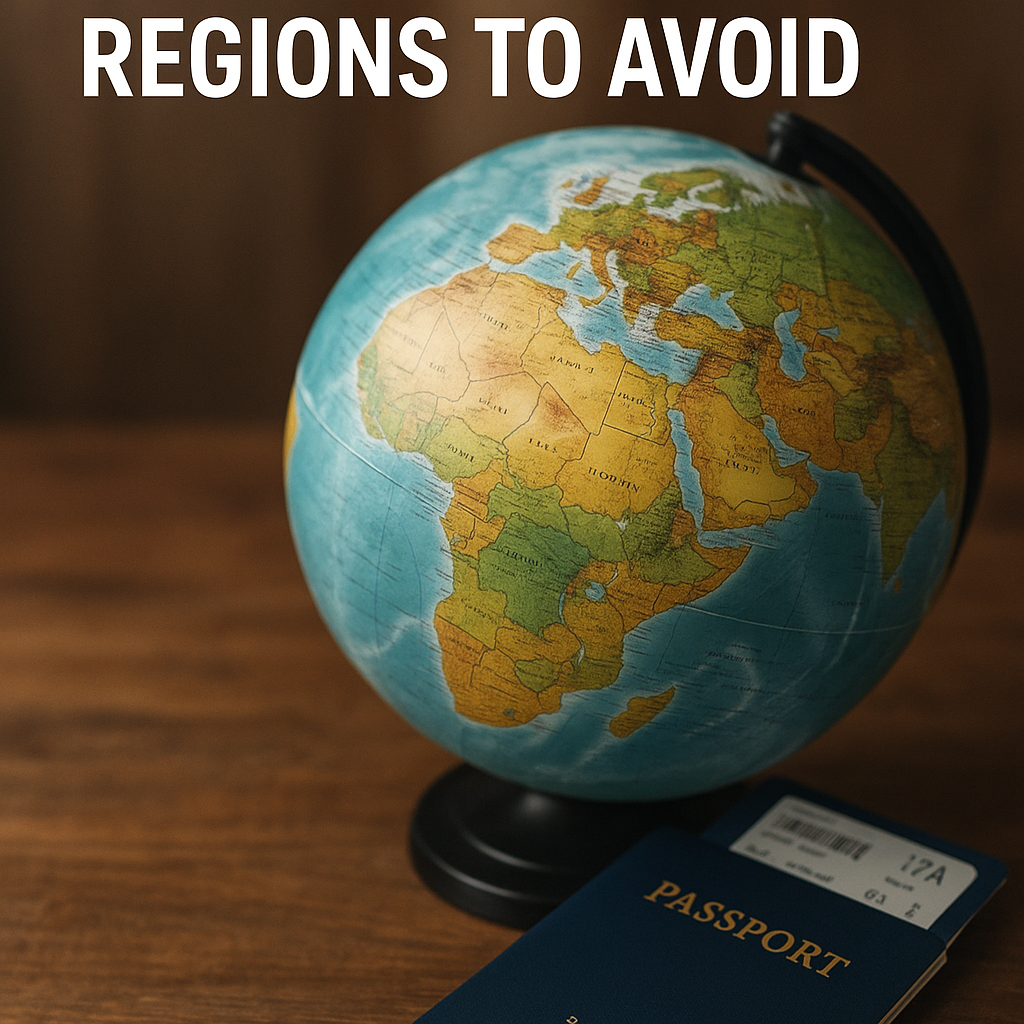


March 2026 Travel Update: Regions to Avoid
As of March 28, 2026, international travel requires careful consideration. The global landscape is constantly shifting, necessitating vigilance for all travelers. The U.S. State Department consistently updates its travel advisories to ensure American citizens are fully informed of potential risks.
You must prioritize your safety. This guide provides essential information on regions currently under elevated travel warnings, allowing you to make informed decisions for your upcoming international travel.
Understanding U.S. State Department Travel Advisories
The U.S. State Department issues travel advisories to help you assess risks worldwide. These advisories range from Level 1, “Exercise Normal Precautions,” to Level 4, “Do Not Travel.” Knowing these distinctions is crucial for international travel safety.

A Level 1 advisory indicates generally safe conditions. Level 2, “Exercise Increased Caution,” suggests heightened awareness due to specific risks. Level 3, “Reconsider Travel,” warns of serious risks that could impact your safety. Finally, a Level 4 “Do Not Travel” warning signifies life-threatening risks, such as active conflict, terrorism, or severe violent crime.
Guatemala: Elevated Risk Regions and Safety Recommendations
As of March 12, the U.S. State Department upgraded several regions in Guatemala to a Level 4 “Do Not Travel” advisory. This includes the San Marcos Department, Huehuetenango Department, Zone 18 in Guatemala City, and Villa Nueva. These areas present extreme risks to travelers.
The primary concerns in these high-risk Guatemalan regions are serious crime and terrorism. Travelers face significant threats from robbery, carjacking, and assaults. Drug trafficking and gang-related crime are rampant, with cartels and criminal organizations operating openly, contributing to a high rate of murders.
For your safety, the U.S. Embassy and the U.S. State Department strongly recommend that travelers avoid public transportation, particularly “chicken buses,” which are frequently targeted by criminals. Opt for accommodations with private security. Avoid traveling alone, especially at night or in remote areas. Enroll in the Smart Traveler Enrollment Program (STEP) to receive travel alerts and enable the U.S. Embassy to assist you in an emergency.
Middle East Travel Warnings: Conflict and Terrorism Risk
Several Middle Eastern countries remain under severe “Do Not Travel” advisories due to ongoing conflict, terrorism, and civil unrest. These include Iraq, Syria, Iran, Yemen, and Lebanon. The situation in these regions is highly volatile, posing extreme dangers to U.S. nationals.

The U.S. State Department advises U.S. nationals to exercise increased caution or avoid travel entirely to countries such as Saudi Arabia, Kuwait, Qatar, Bahrain, United Arab Emirates, Israel, and Turkey. These regions face varying degrees of terrorism risk, political instability, and potential for sudden escalation of conflict, making international travel safety a paramount concern.
Mexico: Security Alerts and Cartel Activity
Mexico also presents significant travel warnings due to widespread violent crime and cartel activity. While not entirely a “Do Not Travel” country, many Mexican states and cities are under a “Reconsider Travel” status or “Exercise Increased Caution” advisory.
The presence of powerful figures like Nemesio Oseguera Cervantes, known as “El Mencho,” leader of a notorious cartel, contributes to the high levels of drug trafficking and gang-related crime. Travelers should be aware of the potential for violent confrontations between rival groups or with authorities, which can lead to situations requiring you to shelter in place.
Always consult the U.S. State Department’s specific travel advisory for each Mexican state you plan to visit. The Smart Traveler Enrollment Program (STEP) is vital for receiving timely travel alerts and safety recommendations for Mexico and other high-risk regions.
Expert Insight
“In 2025, the results of our evaluations underscore the reality that global and national disruptions continue to increase, and now more than ever travelers must be prepared when exploring the world.” , Dale Buckner, CEO of Global Guardian
Regions Upgraded to ‘Do Not Travel’ Advisory
As of March 28, 2026, the U.S. State Department has significantly updated its travel advisory for several regions in Guatemala. These areas are now under a Level 4 ‘Do Not Travel’ warning, the highest risk classification.
This critical change, effective March 12, stems from a marked increase in crime and terrorism risks. You must prioritize your international travel safety and avoid these locations entirely.
Specifically, the San Marcos Department, Huehuetenango Department, Zone 18 in Guatemala City, and the city of Villa Nueva are now under this urgent directive. The U.S. Embassy has reinforced this message, urging U.S. nationals to reconsider travel to these areas.
Crime and Terrorism Risks in Guatemala’s High-Risk Regions
The high-risk regions of Guatemala, including the San Marcos Department, Huehuetenango Department, and Zone 18 in Guatemala City, face extreme levels of violent crime and terrorism. Serious crime risks are prevalent, encompassing robbery, carjacking, drug trafficking, assaults, and murders.
These violent acts are frequently perpetrated by cartels, gangs, and other criminal organizations. The U.S. State Department emphasizes that local law enforcement in these areas may not respond as quickly or effectively as in the United States, further increasing the danger to travelers.
You should be aware that cartel activity, particularly related to drug trafficking, contributes significantly to the instability. Newsweek and The New York Times have reported extensively on the escalating gang-related crime in these departments.
Traveler Safety Recommendations for Guatemala
Given the elevated Guatemala travel advisory, U.S. nationals planning international travel to the region must take extreme precautions. The U.S. State Department strongly recommends enrolling in the Smart Traveler Enrollment Program (STEP) to receive travel alerts and locate you in an emergency.
You should avoid public transportation, especially ‘chicken buses,’ which are frequently targets for criminal activity. Always opt for reputable transportation services. It is crucial to stay in accommodations with private security.
Furthermore, avoid traveling alone, especially at night or in remote areas. Exercise increased caution even in areas not under a ‘Do Not Travel’ warning. These safety recommendations are vital for mitigating the significant terrorism risk and violent crime you might encounter.
General Safety Levels and Ranking of Travel Advisories
Understanding the U.S. State Department’s Travel Advisory Levels is crucial for international travel safety. These travel warnings provide a clear framework for assessing risk.

Level 1, ‘Exercise Normal Precautions,’ indicates the safest destinations. Level 2, ‘Exercise Increased Caution,’ suggests potential risks requiring vigilance. Level 3, ‘Reconsider Travel,’ advises against non-essential travel due to significant risks.
Level 4, ‘Do Not Travel,’ represents the highest risk, advising against all travel due to critical threats like kidnapping, terrorism, and civil unrest. This is the current status for the San Marcos Department and Huehuetenango Department.
Expert Insight
“The purpose of the meeting is to discuss the growing threat of criminal violence in Central America. The murder rates and other violent criminal behavior have been skyrocketing, which have significant implications for U.S. interests in the region.” , Paul Stares, Senior Fellow at the Council on Foreign Relations
Traveler Safety Recommendations for Guatemala
If you must travel to other parts of Guatemala, strict adherence to safety recommendations is paramount. The U.S. State Department provides clear guidance to mitigate risks. These measures are designed to enhance your personal security in a challenging environment, especially given the current Guatemala travel advisory.
Enrollment in the Smart Traveler Enrollment Program (STEP) is highly advised. This program allows you to receive crucial travel alerts and updates directly from the U.S. Embassy. It also helps the U.S. Embassy locate you in an emergency, a critical component of international travel safety.
Avoid public transportation options such as ‘chicken buses’ or unlicensed taxis, as these modes of transport are often targeted by criminals. Always opt for secure, private transportation arranged through reputable services to reduce your vulnerability to violent crime and gang-related crime.
You should seek accommodations that provide private security and secure parking. This reduces your vulnerability to external threats. Do not accept invitations from unknown individuals, and always keep your drinks and personal items secure and attended, particularly in areas like Guatemala City or Villa Nueva.
Traveling alone, especially at night or in remote areas, significantly increases your risk. Always strive to travel in groups and remain aware of your surroundings at all times. This is particularly important in regions like the San Marcos Department and Huehuetenango Department, which are under a ‘do not travel’ warning.
Expert Insight
“To mitigate risks in Guatemala, travelers should prioritize secure, private transportation over public options, stay in accommodations with private security, and utilize the ASISTUR tourism assistance program for 24/7 emergency support.” , International Travel Safety Specialist
Specifics of U.S. Advisories for Middle East Countries
As of March 28, 2026, several countries in the Middle East remain under severe travel advisories from the U.S. State Department. These warnings are primarily due to ongoing conflict, terrorism risk, and civil unrest, impacting international travel safety.
The U.S. State Department has issued Level 4, ‘Do Not Travel’, advisories for Iraq, Syria, Iran, Yemen, and Lebanon. You are strongly advised to avoid travel to these nations.
The risk of wrongful detention, kidnapping, and direct involvement in conflict zones is exceptionally high. The U.S. government’s ability to provide emergency consular services in these areas is often severely limited or non-existent, making these critical travel warnings.
Other countries in the region, including Saudi Arabia, Kuwait, Qatar, Bahrain, and the United Arab Emirates, are currently under Level 3, ‘Reconsider Travel’, advisories. This status is due to armed conflict, terrorism risks, and potential for civil unrest. Turkey is also under a Level 3 advisory, similar to the Guatemala travel advisory for specific regions.
“The Department of State has no higher priority than the safety and security of U.S. citizens abroad. Information contained in these advisories reflects an assessment of threats only insofar as they may impact U.S. citizens, nationals, and legal residents.” , U.S. State Department.
Understanding U.S. Travel Advisory Levels
Understanding the U.S. State Department’s travel advisory system is crucial for international travel planning. The system categorizes risk into four distinct levels, providing clear guidance on the precautions you should take to ensure your international travel safety.
Level 1: Exercise Normal Precautions
This is the lowest travel advisory level. It indicates that while some risk is inherent in all international travel, no unusual threats are present. Many popular tourist destinations fall into this category, requiring only standard safety recommendations.
Level 2: Exercise Increased Caution
At this level, travelers should be aware of heightened risks to safety and security. This could be due to increased crime, specific health risks, or potential civil unrest. You should remain vigilant and take extra precautions, always consulting the U.S. State Department for the latest travel warnings.
Level 3: Reconsider Travel
This travel advisory recommends avoiding non-essential travel due to serious risks to safety and security. These risks might include significant crime rates, ongoing civil unrest, or a higher threat of terrorism. As of March 28, 2026, countries like Turkey and some Gulf states currently fall under this level, prompting you to reconsider travel plans.
Level 4: Do Not Travel
This is the highest travel advisory level, reserved for situations where there is a high likelihood of life-threatening risks. These risks often include active armed conflict, widespread terrorism, kidnapping threats, or severe civil unrest. If you are already in a Level 4 country, the U.S. State Department advises you to leave as soon as it is safe to do so. Examples include Iraq, Iran, Lebanon, Syria, and Yemen, which face severe terrorism risk and ongoing conflict.
As of March 12, 2026, the U.S. State Department upgraded several regions in Guatemala to the highest risk level, ‘Do Not Travel.’ This includes the San Marcos Department, Huehuetenango Department, Zone 18 in Guatemala City, and Villa Nueva. These regions face extreme risks due to increased violent crime, drug trafficking, and gang-related crime, often linked to cartel activity. The U.S. Embassy strongly advises against travel to these areas.
In short, always consult the U.S. State Department’s official travel advisories before planning any international trip. Enroll in the Smart Traveler Enrollment Program (STEP) to receive travel alerts and ensure you are fully aware of the current risks and can prepare accordingly for your international travel safety.
Global Warnings Related to Terrorism and Civil Unrest
The global threat of terrorism and civil unrest remains a significant concern for international travelers. The U.S. State Department has issued a worldwide caution travel advisory, urging Americans abroad to exercise increased vigilance. This alert, published March 22, 2026, reflects rising geopolitical tensions across various regions and the ongoing terrorism risk.
You must recognize that American interests and citizens can be targeted by groups supportive of Iran or other extremist organizations. This risk extends beyond the Middle East, potentially affecting U.S. diplomatic facilities and American citizens globally. Newsweek and The New York Times have reported extensively on these ongoing threats, emphasizing the need for international travel safety.
Countries like Mexico also experience significant security challenges. The recent death of Mexican drug lord Nemesio Oseguera, also known as ‘El Mencho’, sparked widespread retaliatory violence. The U.S. Embassy in Mexico issued a security alert, advising U.S. citizens in certain parts of Mexico to ‘shelter in place’ due to ongoing security operations and criminal activity. Cartel activity, drug trafficking, and gang-related crime remain serious issues in various Mexican states, contributing to the Mexico security alert.
Remaining informed about specific local conditions and following guidance from the Smart Traveler Enrollment Program (STEP) is crucial for your safety. Enroll in the STEP program to receive travel alerts and safety recommendations directly from the U.S. State Department.
Regions Upgraded to ‘Do Not Travel’ Advisory
As of March 12, 2026, the U.S. State Department upgraded several regions in Guatemala to a ‘do not travel’ advisory, the highest risk level. These areas include the San Marcos Department, Huehuetenango Department, Zone 18 in Guatemala City, and Villa Nueva. This decision reflects a severe increase in crime and terrorism risk in these specific locations. Travelers should reconsider travel to these areas due to the high risks involved.
Crime and Terrorism Risks in Guatemala’s High-Risk Regions
The high-risk regions of Guatemala, particularly the San Marcos Department, Huehuetenango Department, and Zone 18 in Guatemala City, face severe crime and terrorism risks. Serious violent crime is prevalent, including robbery, carjacking, drug trafficking, assaults, and murders. These acts are often perpetrated by cartels, gangs, and other criminal organizations. The U.S. State Department emphasizes these dangers in its travel warnings, urging extreme caution.
Traveler Safety Recommendations for Guatemala
For your international travel safety in Guatemala, the U.S. State Department provides critical safety recommendations. You are strongly advised to enroll in the Smart Traveler Enrollment Program (STEP) for real-time travel alerts. Avoid public transportation, especially ‘chicken buses,’ which are frequently targets of criminal activity. Stay in accommodations with private security, and never travel alone, particularly at night or in remote areas. These precautions are vital for mitigating the terrorism risk and violent crime.
Specifics of U.S. Advisories for Middle East Countries
Several Middle Eastern countries remain under Level 4 ‘do not travel’ advisories due to ongoing conflict, terrorism, and civil unrest. This includes Iraq, Syria, Iran, Yemen, and Lebanon. The U.S. State Department advises U.S. nationals to avoid travel to these regions entirely. For countries like Israel, while not uniformly Level 4, the security situation can rapidly escalate, necessitating constant vigilance. You must be aware of the pervasive terrorism risk throughout the region and heed all travel warnings from the U.S. State Department. These travel advisories are regularly updated, reflecting the volatile geopolitical landscape.
General Safety Levels and Ranking of Travel Advisories
Understanding the U.S. State Department’s travel advisory system is key to international travel planning. Level 1 indicates ‘Exercise Normal Precautions’ for countries deemed safe. Level 2 advises ‘Exercise Increased Caution.’ Level 3 recommends that you ‘Reconsider Travel’ due to significant risks. Finally, Level 4 is a ‘Do Not Travel’ warning, reserved for regions with extremely high risks such as kidnapping, terrorism, and civil unrest. Always check the latest travel advisory before making your travel plans, using resources like the U.S. State Department website or the STEP program for current travel warnings and safety recommendations.
Understanding U.S. State Department Travel Advisory Levels
The U.S. State Department issues comprehensive travel advisories to inform American citizens of potential risks abroad. These advisories are crucial for your international travel safety, providing a standardized framework for assessing global conditions. You must understand these levels to make informed decisions about your destinations.
This table outlines the U.S. State Department’s four travel advisory levels, detailing the associated risks and recommended actions for travelers.
| Advisory Level | Risk Assessment | Recommended Action |
|---|---|---|
| Level 1: Exercise Normal Precautions | Lowest safety and security risk. | Normal vigilance, standard travel precautions. You can expect a relatively safe environment. |
| Level 2: Exercise Increased Caution | Heightened risks to safety and security (e.g., crime, health issues, or political instability). | Increased awareness, extra security measures. You should be more vigilant than usual. |
| Level 3: Reconsider Travel | Serious risks to safety and security (e.g., high crime, civil unrest, terrorism, or widespread health concerns). | Avoid non-essential travel. You should seriously evaluate the necessity of your trip. |
| Level 4: Do Not Travel | Highest likelihood of life-threatening risks (e.g., active conflict, widespread terrorism, kidnapping, or severe health crises). | Do not travel to this location. If you are already present, you should leave as soon as it is safe to do so. |
Regions Under “Do Not Travel” Advisories: Guatemala and Beyond
As of March 28, 2026, several regions worldwide are under a Level 4 “Do Not Travel” warning. Notably, the U.S. State Department upgraded specific areas within Guatemala to the highest risk level on March 12, 2026. This includes the San Marcos Department, Huehuetenango Department, Zone 18 in Guatemala City, and Villa Nueva. These designations reflect a critical assessment of the terrorism risk and pervasive violent crime.
You must recognize the severe dangers in these Guatemalan regions. The crime and terrorism risks are extensive, encompassing robbery, carjacking, drug trafficking, assaults, and murders. These acts are frequently perpetrated by cartels, gangs, and other criminal organizations. The U.S. Embassy in Guatemala has repeatedly emphasized these dangers, urging American citizens to avoid these areas entirely due to the high likelihood of life-threatening situations.
Essential Traveler Safety Recommendations for Guatemala
For those considering travel to other parts of Guatemala, or if you are already there, stringent safety recommendations are paramount. You are strongly advised to enroll in the Smart Traveler Enrollment Program (STEP) to receive travel alerts and locate you in an emergency. Avoid public transportation, particularly “chicken buses,” which are frequently targets for criminals. You should always stay in accommodations with robust private security and never travel alone, especially at night or in remote areas. Be aware of your surroundings and understand that even in areas not under a “Do Not Travel” advisory, the threat of gang-related crime and cartel activity remains a significant concern.
U.S. Advisories for Middle East Countries
Beyond Central America, the U.S. State Department maintains Level 4 “Do Not Travel” advisories for several Middle Eastern countries due to ongoing conflict, terrorism, and civil unrest. This list includes Iraq, Syria, Iran, Yemen, and Lebanon. For nations like Israel, while not uniformly Level 4, the security situation can rapidly escalate, necessitating constant vigilance. You must be aware of the pervasive terrorism risk throughout the region and heed all travel warnings from the U.S. State Department. These advisories are not merely suggestions, they are critical safety recommendations designed to protect your life.
Countries such as Saudi Arabia, Kuwait, Qatar, Bahrain, and the United Arab Emirates generally fall under Level 2 “Exercise Increased Caution” due to terrorism concerns. However, the geopolitical landscape in the Middle East is volatile. You should always consult the latest U.S. State Department travel advisory before planning any international travel to these regions. The Smart Traveler Enrollment Program (STEP) is an invaluable resource for receiving real-time travel alerts and ensuring the U.S. Embassy can assist you if needed.
Frequently Asked Questions About Travel Advisories
Understanding U.S. State Department travel advisories is crucial for international travel safety. These frequently asked questions address common concerns and provide essential guidance for navigating global travel warnings and ensuring your security abroad.
What does a ‘Do Not Travel’ advisory mean for me?
A ‘Do Not Travel’ advisory, or Level 4, signifies that the U.S. State Department has identified a very high likelihood of life-threatening risks. These can include armed conflict, widespread violent crime, terrorism, or kidnapping. You should not travel to these areas, which currently include specific regions in Guatemala, such as the San Marcos Department, Huehuetenango Department, Zone 18 in Guatemala City, and Villa Nueva. If you are already in a Level 4 area, you should leave as soon as it is safe to do so, as U.S. Embassy consular assistance may be extremely limited.
How often are U.S. travel advisories updated?
The U.S. State Department regularly updates its travel advisories based on current events, security assessments, and intelligence from U.S. Embassies and other sources. Updates can occur at any time, especially in response to rapidly changing situations like conflicts or natural disasters. For instance, the recent updates for Guatemala were issued on March 12, 2026, due to increased crime and terrorism risk. Always check the official travel.state.gov website for the most current information and any new travel alerts.
What is the Smart Traveler Enrollment Program (STEP)?
The Smart Traveler Enrollment Program (STEP) is a free service for U.S. citizens and nationals traveling and living abroad. It allows you to register your trip with the nearest U.S. Embassy or Consulate. This enables you to receive important information from the Embassy about safety conditions in your destination country, helps the U.S. Embassy contact you in an emergency, and helps family and friends get in touch with you during a crisis. Enrolling in STEP is a key safety recommendation for any international travel, especially to regions with higher travel advisory levels.
Should I cancel my trip if my destination has a Level 3 ‘Reconsider Travel’ advisory?
A Level 3 ‘Reconsider Travel’ advisory indicates serious risks to safety and security. While it is not a complete prohibition on travel, you should carefully weigh the risks against the necessity of your trip. The U.S. State Department advises against non-essential travel to these areas. For example, some regions of Mexico may fall under a Level 3 advisory due to drug trafficking or gang-related crime. Consider postponing your trip or choosing an alternative destination with a lower advisory level, such as a Level 1 ‘Exercise Normal Precautions’ country.
Are there any COVID-19 related travel advisories still in effect?
As of March 2026, while many countries have eased COVID-19 related restrictions, the U.S. State Department continues to factor health conditions, including the potential for disease outbreaks, into its overall travel advisory levels. You should always check the specific country advisory for any health-related warnings or entry requirements that may still be in place. While direct COVID-19 specific travel warnings have largely subsided, global health threats remain a component of the comprehensive international travel safety assessment.
References
- U.S. State Department upgrades travel advisory: ‘Do not travel’ to …
- Map shows US travel warnings around world for March 2026
- Places the U.S. Government Warns Not to Travel Right Now
- Current travelling safety in the world (3.3.2026) according to … – Reddit
- 3 countries Americans are now told to avoid – Cleveland.com