
Table of Contents
- Air Travel Safety: What to Expect in 2026
- Key Changes in Domestic Air Travel Security for 2026
- Airline Policy Shifts in 2026
- International Travel Regulations in 2026
- Comparison of Key Travel Updates for 2026
- Additional Travel Tips for 2026
- Frequently Asked Questions About Air Travel in 2026
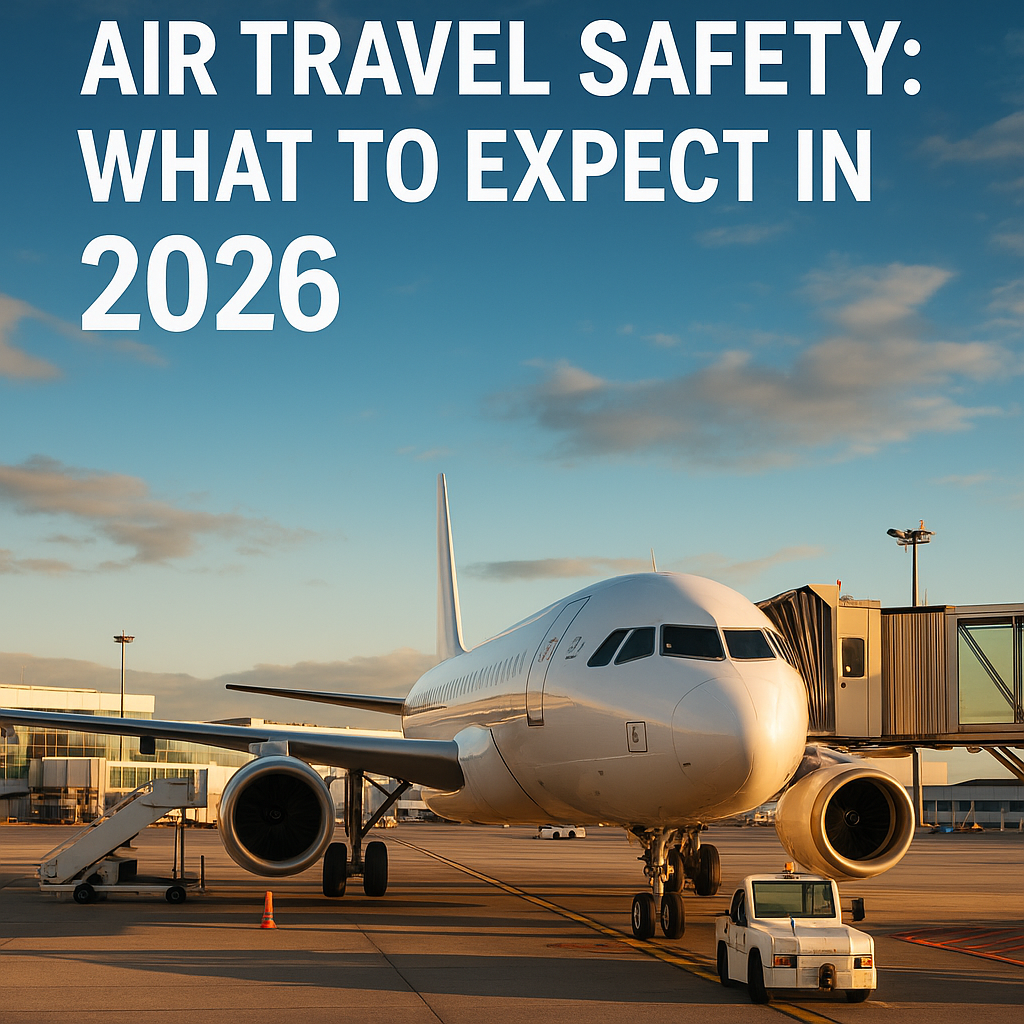
Air Travel Safety: What to Expect in 2026
This guide from trafels.com provides a detailed overview of what you need to know for safer and more efficient air travel this year. Our focus is on expert-level guidance to navigate the new landscape of airport rules for 2026 and regulations.
Key Changes in Domestic Air Travel Security for 2026
Domestic air travel in 2026 introduces several critical updates, primarily from the Transportation Security Administration (TSA). These TSA security changes aim to enhance security while streamlining the passenger experience. However, careful attention to these new airport rules for 2026 is essential for all travelers.
REAL ID Enforcement and Noncompliance Fees
The enforcement of the Real Identification Act is no longer theoretical. Starting February 1, 2026, travelers without a REAL ID-compliant driver’s license or another acceptable form of identification, such as a passport, will face specific consequences. The Transportation Security Administration is shifting from an educational approach to strict REAL ID enforcement.

You will encounter a $45 noncompliance fee if your driver’s license is not REAL ID compliant. This REAL ID fee grants a 10-day travel window. If you travel again beyond this period without a compliant ID, reapplication of the TSA noncompliance fee will be necessary. This policy change emphasizes the importance of verifying your domestic flight ID well in advance of your travel date.
TSA Screening Procedure Updates
Good news for many travelers: as of 2025, the TSA shoe policy has largely changed. Most passengers no longer need to remove their shoes at TSA checkpoint rules security checkpoints. This update is part of broader airport security updates designed to make the screening process more efficient.
Additionally, new airport guest pass programs are being tested at select airports, including locations like San Diego, Seattle, Orlando, and Philadelphia. These TSA guest pass programs allow non-ticketed individuals to pass through security to the gate area, which is beneficial for those assisting travelers or saying goodbye at the airport gate access.
Stricter Lithium Battery Rules
Lithium battery safety regulations are becoming increasingly stringent. Airlines are now requiring lithium battery packs and portable chargers to remain on passengers’ persons, rather than being stowed in overhead bins or checked luggage. This is a direct response to fire risks associated with these items.
You may observe airline staff, like those from Air France or Delta Air Lines, enforcing these lithium battery rules by requiring passengers to remove charging blocks from carry-on bags during flights. Always check your airline’s specific carry-on battery rules before flying to avoid delays or confiscation. This is a critical aspect of airline safety regulations for 2026.
Airline Policy Shifts in 2026
Beyond the TSA security changes and new airport rules for 2026, airlines are implementing significant policy changes that will impact your travel experience, from seating to loyalty programs. These airline policy shifts are crucial for all travelers to understand, especially those planning business travel in 2026.
Southwest Airlines’ Plus-Size Passenger Policy
Effective January 27, 2026, Southwest Airlines’ new plus-size policy will be implemented. Passengers unable to fit comfortably in a single seat must purchase an additional seat at full price. Refunds for this extra seat are contingent upon the flight departing with empty seats.
This marks a notable shift in airline policy and requires advance planning for affected travelers. This policy is a key point of discussion for travel tips for 2026, especially concerning comfort and cost.
Transition to Assigned Seating
Another significant change for Southwest Airlines is the transition from open to assigned seating and numbered boarding groups, also beginning January 27, 2026. This move replaces their long-standing open seating model, bringing them in line with other major carriers like American Airlines and United Airlines.
This change impacts how passengers board and select their seats, aligning Southwest Airlines with industry standards and affecting the overall passenger flow at the airport gate access points.
Airline Loyalty Program Restructuring
Major carriers, including Delta Air Lines, American Airlines, and United Airlines, are restructuring their airline loyalty program calculations. Points are now primarily based on the fare paid, not miles flown. Furthermore, basic economy tickets may earn no loyalty points.
You must verify the specific reward program details with your chosen airline to understand how your travel will contribute to loyalty benefits. This is a critical factor for frequent flyers and those involved in travel management, as these changes significantly alter the value proposition of existing loyalty programs.
International Travel Regulations in 2026
Beyond domestic airport rules for 2026 and airline policy shifts, international travel also presents new requirements. Travelers must understand these international entry requirements, particularly for entry into Europe and the UK.
European Travel Entry and Exit System Updates
Traveling to Europe’s Schengen Area will soon require new digital authorizations. The European Travel Information and Authorization System (ETIAS) will become mandatory for visa-free travelers entering Schengen countries.
This digital authorization will cost approximately $20 USD, be valid for three years, and is expected to be enforced in late 2026. This is a crucial step in Europe’s enhanced border security.
Additionally, the Entry-Exit System (EES) biometric screening will use biometric data at border crossings. While some infrastructure delays are anticipated, travelers should prepare for these new digital authorization systems and potential processing times.
Understanding these new travel regulations is essential for smooth entry into Europe. These systems aim to streamline border control while enhancing security for all visitors.
UK Electronic Travel Authorization (ETA)
Similar to Europe, the United Kingdom is implementing its own UK Electronic Travel Authorization (ETA). This digital permit is required for visa-exempt visitors entering the UK.

The ETA aims to enhance border security by pre-screening travelers. Ensure you apply for your ETA well before your planned travel to the UK to avoid any travel disruptions.
This digital travel authorization is part of a broader global trend towards more robust international border control biometric systems, reflecting new travel regulations focused on security and efficiency.
Comparison of Key Travel Updates for 2026
As you plan your journeys in 2026, understanding the latest international entry requirements, domestic flight ID rules, and airline policy shifts is crucial. This table summarizes the most impactful new travel regulations you will encounter.
| Policy/Regulation | Effective Date | Impact on Travelers | Key Entity/Authority |
|---|---|---|---|
| REAL ID Enforcement | February 1, 2026 | Non-compliant IDs incur a $45 noncompliance fee. | Transportation Security Administration |
| Southwest Airlines Plus-Size Policy | January 27, 2026 | Extra seat purchase required if unable to fit in one seat. | Southwest Airlines |
| Southwest Assigned Seating | January 27, 2026 | Transition from open to assigned seating. | Southwest Airlines |
| Lithium Battery Rules | Ongoing enforcement | Batteries must be on your person, not in overhead or checked bags. | Various Airlines, TSA |
| ETIAS for Europe | Late 2026 (expected) | Digital authorization ($20, 3-year validity) for Schengen entry. | European Union |
| UK Electronic Travel Authorization | Varies by nationality | Digital permit required for visa-exempt UK entry. | UK Government |
REAL ID Enforcement and Noncompliance Fees
Starting February 1, 2026, the Transportation Security Administration (TSA) will strictly enforce REAL ID requirements for domestic flight ID. If your driver’s license is not REAL ID compliant, you will face a $45 noncompliance fee for each instance of non-compliance. This fee is valid for 10 days, meaning you will need to reapply if traveling again within that period without a compliant ID. The TSA is shifting its focus from education to penalties for noncompliance, impacting your airport rules for 2026 experience.
Stricter Regulations on Lithium Batteries
New lithium battery rules are now in full effect. Airlines, in conjunction with the TSA, are requiring all lithium battery packs to remain on passengers’ persons, not in overhead bins or checked bags, due to fire risks. You might notice heightened enforcement, such as flight attendants asking passengers to remove charging blocks during flights. This is a critical airport security update and a key part of airline safety regulations you must adhere to for carry-on battery rules.
Changes in TSA Screening Procedures
TSA security changes continue to evolve. As of 2025, most passengers no longer need to remove their shoes at security checkpoints, streamlining the process. Furthermore, new airport guest pass programs are being tested at select airports like San Diego, Seattle, Orlando, and Philadelphia. These programs allow non-ticketed guests through security to the gate, benefiting those dropping off or assisting travelers. This is an important update to TSA checkpoint rules and airport gate access.
Southwest Airlines’ New Plus-Size Policy
Effective January 27, 2026, Southwest Airlines has updated its plus-size passenger policies. Passengers unable to fit comfortably in a single seat will now be required to purchase an extra seat at full price. Refunds for this additional seat are only available if the flight departs with empty seats. This marks a significant industry shift in airline policy shifts and affects how you should prepare for travel with Southwest Airlines.
Southwest Airlines Transition to Assigned Seating
Also beginning January 27, 2026, Southwest Airlines is transitioning from its traditional open seating model to assigned seating and numbered boarding groups. This major airline policy shift will change how you board and select your seat, impacting your overall travel experience with Southwest Airlines.
Changes in Airline Loyalty Program Calculations
Major carriers like Delta Air Lines, American Airlines, and United Airlines are restructuring their airline loyalty programs. Loyalty points are now primarily based on the fare paid rather than miles flown, with basic economy tickets often earning no points. Policies vary across airlines, so it is essential for you to verify reward program details and understand basic economy fare restrictions before booking. This affects travel management for both leisure and business travel in 2026.
European Travel Entry and Exit System Updates
For those traveling to Europe’s Schengen Area, significant digital authorization systems are coming into play. The European Travel Information and Authorization System (ETIAS) will be required for visa-free travelers, costing approximately $20 and valid for three years. This digital authorization is expected to be enforced in late 2026. Additionally, the Entry-Exit System (EES) will use biometric data at international border control biometric systems, though infrastructure delays at border crossings are anticipated. These are crucial international entry requirements for Europe.
UK Electronic Travel Authorization (ETA)
Beyond Europe, the UK Electronic Travel Authorization (ETA) is also being rolled out. This digital permit is required for visa-exempt UK entry, with its effective date varying by nationality. Always check the latest passport requirements and pre-departure documentation for your specific travel plans to the UK.
Additional Travel Tips for 2026
Always review all pre-departure documentation requirements well in advance. This includes passport requirements, visa information, and any digital authorization systems needed for your destination. Check government websites for the latest international entry requirements. This proactive approach helps avoid issues with domestic flight ID rules and new travel regulations.
Frequently Asked Questions About Air Travel in 2026
Navigating the evolving landscape of air travel in 2026 requires up-to-date information. Here are answers to common questions regarding new travel regulations, security updates, and airline policy shifts that will impact your journeys this year.
Table of Contents
- Air Travel Safety: What to Expect in 2026
- Key Changes in Domestic Air Travel Security for 2026
- Airline Policy Shifts in 2026
- International Travel Regulations in 2026
- Comparison of Key Travel Updates for 2026
- Additional Travel Tips for 2026
- Frequently Asked Questions About Air Travel in 2026
Air Travel Safety: What to Expect in 2026
This guide from trafels.com provides a detailed overview of what you need to know for safer and more efficient air travel this year. Our focus is on expert-level guidance to navigate the new landscape of airport rules for 2026 and regulations.
Key Changes in Domestic Air Travel Security for 2026
Domestic air travel in 2026 introduces several critical updates, primarily from the Transportation Security Administration (TSA). These TSA security changes aim to enhance security while streamlining the passenger experience. However, careful attention to these new airport rules for 2026 is essential for all travelers.
REAL ID Enforcement and Noncompliance Fees
The enforcement of the Real Identification Act is no longer theoretical. Starting February 1, 2026, travelers without a REAL ID-compliant driver’s license or another acceptable form of identification, such as a passport, will face specific consequences. The Transportation Security Administration is shifting from an educational approach to strict REAL ID enforcement.
You will encounter a $45 noncompliance fee if your driver’s license is not REAL ID compliant. This REAL ID fee grants a 10-day travel window. If you travel again beyond this period without a compliant ID, reapplication of the TSA noncompliance fee will be necessary. This policy change emphasizes the importance of verifying your domestic flight ID well in advance of your travel date.
TSA Screening Procedure Updates
Good news for many travelers: as of 2025, the TSA shoe policy has largely changed. Most passengers no longer need to remove their shoes at TSA checkpoint rules security checkpoints. This update is part of broader airport security updates designed to make the screening process more efficient.
Additionally, new airport guest pass programs are being tested at select airports, including locations like San Diego, Seattle, Orlando, and Philadelphia. These TSA guest pass programs allow non-ticketed individuals to pass through security to the gate area, which is beneficial for those assisting travelers or saying goodbye at the airport gate access.
Stricter Lithium Battery Rules
Lithium battery safety regulations are becoming increasingly stringent. Airlines are now requiring lithium battery packs and portable chargers to remain on passengers’ persons, rather than being stowed in overhead bins or checked luggage. This is a direct response to fire risks associated with these items.
You may observe airline staff, like those from Air France or Delta Air Lines, enforcing these lithium battery rules by requiring passengers to remove charging blocks from carry-on bags during flights. Always check your airline’s specific carry-on battery rules before flying to avoid delays or confiscation. This is a critical aspect of airline safety regulations for 2026.
Airline Policy Shifts in 2026
Beyond the TSA security changes and new airport rules for 2026, airlines are implementing significant policy changes that will impact your travel experience, from seating to loyalty programs. These airline policy shifts are crucial for all travelers to understand, especially those planning business travel in 2026.
Southwest Airlines’ Plus-Size Passenger Policy
Effective January 27, 2026, Southwest Airlines’ new plus-size policy will be implemented. Passengers unable to fit comfortably in a single seat must purchase an additional seat at full price. Refunds for this extra seat are contingent upon the flight departing with empty seats.
This marks a notable shift in airline policy and requires advance planning for affected travelers. This policy is a key point of discussion for travel tips for 2026, especially concerning comfort and cost.
Transition to Assigned Seating
Another significant change for Southwest Airlines is the transition from open to assigned seating and numbered boarding groups, also beginning January 27, 2026. This move replaces their long-standing open seating model, bringing them in line with other major carriers like American Airlines and United Airlines.
This change impacts how passengers board and select their seats, aligning Southwest Airlines with industry standards and affecting the overall passenger flow at the airport gate access points.
Airline Loyalty Program Restructuring
Major carriers, including Delta Air Lines, American Airlines, and United Airlines, are restructuring their airline loyalty program calculations. Points are now primarily based on the fare paid, not miles flown. Furthermore, basic economy tickets may earn no loyalty points.
You must verify the specific reward program details with your chosen airline to understand how your travel will contribute to loyalty benefits. This is a critical factor for frequent flyers and those involved in travel management, as these changes significantly alter the value proposition of existing loyalty programs.
International Travel Regulations in 2026
Beyond domestic airport rules for 2026 and airline policy shifts, international travel also presents new requirements. Travelers must understand these international entry requirements, particularly for entry into Europe and the UK.
European Travel Entry and Exit System Updates
Traveling to Europe’s Schengen Area will soon require new digital authorizations. The European Travel Information and Authorization System (ETIAS) will become mandatory for visa-free travelers entering Schengen countries.
This digital authorization will cost approximately $20 USD, be valid for three years, and is expected to be enforced in late 2026. This is a crucial step in Europe’s enhanced border security.
Additionally, the Entry-Exit System (EES) biometric screening will use biometric data at border crossings. While some infrastructure delays are anticipated, travelers should prepare for these new digital authorization systems and potential processing times.
Understanding these new travel regulations is essential for smooth entry into Europe. These systems aim to streamline border control while enhancing security for all visitors.
UK Electronic Travel Authorization (ETA)
Similar to Europe, the United Kingdom is implementing its own UK Electronic Travel Authorization (ETA). This digital permit is required for visa-exempt visitors entering the UK.
The ETA aims to enhance border security by pre-screening travelers. Ensure you apply for your ETA well before your planned travel to the UK to avoid any travel disruptions.
This digital travel authorization is part of a broader global trend towards more robust international border control biometric systems, reflecting new travel regulations focused on security and efficiency.
Comparison of Key Travel Updates for 2026
As you plan your journeys in 2026, understanding the latest international entry requirements, domestic flight ID rules, and airline policy shifts is crucial. This table summarizes the most impactful new travel regulations you will encounter.
| Policy/Regulation | Effective Date | Impact on Travelers | Key Entity/Authority |
|---|---|---|---|
| REAL ID Enforcement | February 1, 2026 | Non-compliant IDs incur a $45 noncompliance fee. | Transportation Security Administration |
| Southwest Airlines Plus-Size Policy | January 27, 2026 | Extra seat purchase required if unable to fit in one seat. | Southwest Airlines |
| Southwest Assigned Seating | January 27, 2026 | Transition from open to assigned seating. | Southwest Airlines |
| Lithium Battery Rules | Ongoing enforcement | Batteries must be on your person, not in overhead or checked bags. | Various Airlines, TSA |
| ETIAS for Europe | Late 2026 (expected) | Digital authorization ($20, 3-year validity) for Schengen entry. | European Union |
| UK Electronic Travel Authorization | Varies by nationality | Digital permit required for visa-exempt UK entry. | UK Government |
REAL ID Enforcement and Noncompliance Fees
Starting February 1, 2026, the Transportation Security Administration (TSA) will strictly enforce REAL ID requirements for domestic flight ID. If your driver’s license is not REAL ID compliant, you will face a $45 noncompliance fee for each instance of non-compliance. This fee is valid for 10 days, meaning you will need to reapply if traveling again within that period without a compliant ID. The TSA is shifting its focus from education to penalties for noncompliance, impacting your airport rules for 2026 experience.
Stricter Regulations on Lithium Batteries
New lithium battery rules are now in full effect. Airlines, in conjunction with the TSA, are requiring all lithium battery packs to remain on passengers’ persons, not in overhead bins or checked bags, due to fire risks. You might notice heightened enforcement, such as flight attendants asking passengers to remove charging blocks during flights. This is a critical airport security update and a key part of airline safety regulations you must adhere to for carry-on battery rules.
Changes in TSA Screening Procedures
TSA security changes continue to evolve. As of 2025, most passengers no longer need to remove their shoes at security checkpoints, streamlining the process. Furthermore, new airport guest pass programs are being tested at select airports like San Diego, Seattle, Orlando, and Philadelphia. These programs allow non-ticketed guests through security to the gate, benefiting those dropping off or assisting travelers. This is an important update to TSA checkpoint rules and airport gate access.
Southwest Airlines’ New Plus-Size Policy
Effective January 27, 2026, Southwest Airlines has updated its plus-size passenger policies. Passengers unable to fit comfortably in a single seat will now be required to purchase an extra seat at full price. Refunds for this additional seat are only available if the flight departs with empty seats. This marks a significant industry shift in airline policy shifts and affects how you should prepare for travel with Southwest Airlines.
Southwest Airlines Transition to Assigned Seating
Also beginning January 27, 2026, Southwest Airlines is transitioning from its traditional open seating model to assigned seating and numbered boarding groups. This major airline policy shift will change how you board and select your seat, impacting your overall travel experience with Southwest Airlines.
Changes in Airline Loyalty Program Calculations
Major carriers like Delta Air Lines, American Airlines, and United Airlines are restructuring their airline loyalty programs. Loyalty points are now primarily based on the fare paid rather than miles flown, with basic economy tickets often earning no points. Policies vary across airlines, so it is essential for you to verify reward program details and understand basic economy fare restrictions before booking. This affects travel management for both leisure and business travel in 2026.
European Travel Entry and Exit System Updates
For those traveling to Europe’s Schengen Area, significant digital authorization systems are coming into play. The European Travel Information and Authorization System (ETIAS) will be required for visa-free travelers, costing approximately $20 and valid for three years. This digital authorization is expected to be enforced in late 2026. Additionally, the Entry-Exit System (EES) will use biometric data at international border control biometric systems, though infrastructure delays at border crossings are anticipated. These are crucial international entry requirements for Europe.
UK Electronic Travel Authorization (ETA)
Beyond Europe, the UK Electronic Travel Authorization (ETA) is also being rolled out. This digital permit is required for visa-exempt UK entry, with its effective date varying by nationality. Always check the latest passport requirements and pre-departure documentation for your specific travel plans to the UK.
Additional Travel Tips for 2026
Always review all pre-departure documentation requirements well in advance. This includes passport requirements, visa information, and any digital authorization systems needed for your destination. Check government websites for the latest international entry requirements. This proactive approach helps avoid issues with domestic flight ID rules and new travel regulations.
Frequently Asked Questions About Air Travel in 2026
Navigating the evolving landscape of air travel in 2026 requires up-to-date information. Here are answers to common questions regarding new travel regulations, security updates, and airline policy shifts that will impact your journeys this year.