
- Key Takeaways
- The 2026 Climate-Travel Nexus
- Navigating New Travel Realities
- Shifting Regulatory Landscapes
- Technological Aids for Travelers
- The Unseen Economic Ripple
- Industry Adaptation Strategies
- Conclusion
- Frequently Asked Questions
- How does climate change affect travel safety in 2026?
- What new travel regulations are expected in response to climate change?
- What technologies help travelers stay safe during climate events?
- How does climate change impact travel insurance?
- Are some destinations safer than others in 2026 due to climate change?
- How are travel industries adapting to climate risks?
- What economic effects can travelers expect from climate-driven changes?
Key Takeaways
- Travelers in 2026 will encounter heightened safety risks due to extreme weather events, infrastructure strain, and climate-related health hazards. This necessitates careful planning.
- Keeping an eye on live weather information and regulations will enable travelers to quickly adjust to unexpected disruptions and shifting safety guidelines among destinations globally.
- Understanding how travel destinations are impacted by climate change and how they’re addressing resilience and sustainability will become an increasingly important factor in responsible and safer travel.
- Investing in robust travel insurance that covers natural disasters and cancellations can offer essential backing in climate-induced crises.
- Leveraging technology like weather apps, GPS, and emergency communication tools will enhance travel safety and preparedness in unforeseen weather scenarios.
- Backing industry initiatives for sustainability and resilience will make travel safer and more adaptable for everyone around the world.
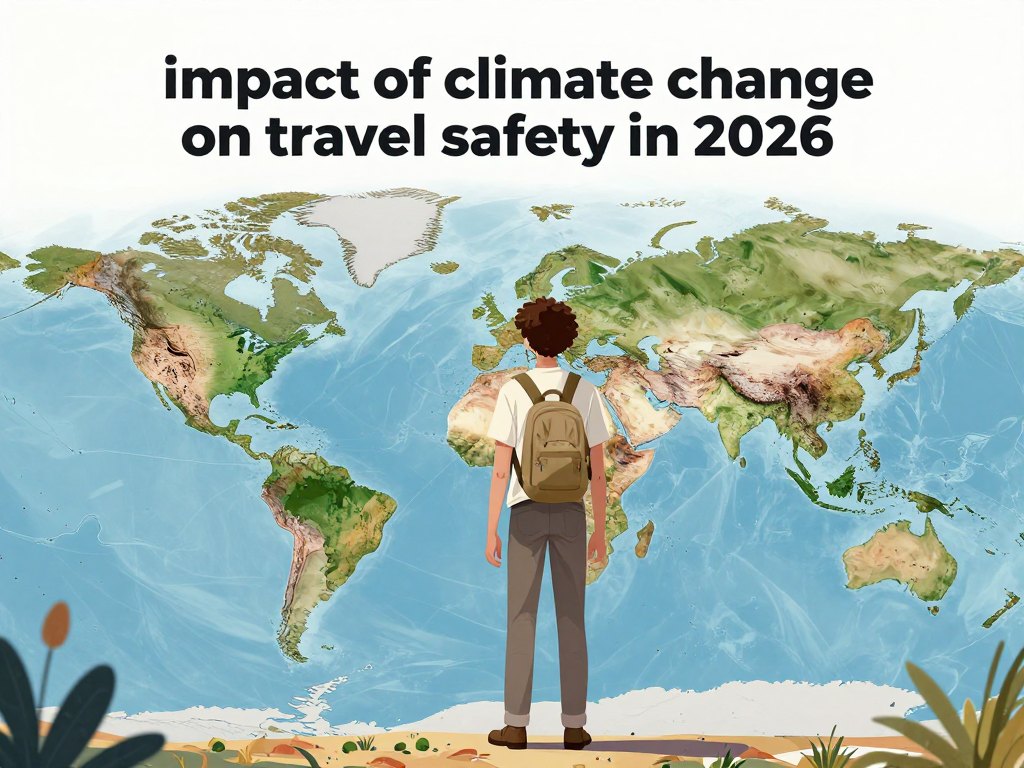
The impact of climate change on travel safety in 2026 is increasing as weather events, rising sea levels, and changing climates influence how people travel and organize. More floods, wildfires, and heatwaves can impact flight times, roads, and emergency services. Places previously considered safe havens could experience storms or droughts that introduce new dangers for visitors. Health concerns such as heat stress and water shortages are increasingly common in many regions. Travel advice and insurance policies are beginning to shift in accordance with these new risks. To assist you in making smart choices as a traveler, the main body will examine the key trends, real-life examples, and safety tips that matter most for 2026.
The 2026 Climate-Travel Nexus
In 2026, climate change is transforming the world of travel. More travelers reconsider when, where, and how they travel. The impact goes beyond destinations. Weather, infrastructure, health, and even the very way people plan and select their travels are all changing.
Extreme Weather Event | Impact on Travel Safety | Example Scenario |
|---|---|---|
Heatwaves | Heat illnesses, flight delays, wildfires | Outdoor sports suspended, roads closed |
Flooding | Road/rail closures, airport shutdowns | Tourists stranded, detours needed |
Hurricanes | Canceled cruises, hotel evacuations | Coastal resorts evacuated |
Snow Droughts | Shorter ski seasons, avalanche risk | Resorts close, fewer winter tourists |

1. Weather Volatility
Weather is less reliable, so travel plans are harder to pin down. Sudden storms, shifting seasons, and heatwaves can put a kink in everything from sightseeing to outdoor sports. Torrential rain or snow can wash out roads or delay flights, sometimes with short notice. For instance, ski trips now contend with short seasons caused by low snow and increased heatwaves that shut down hiking trails. Travelers must check forecasts frequently, plan extra time, and be prepared to reroute if conditions change quickly.
2. Infrastructure Strain
Climate change is putting new strain on roads, bridges and airports. Hotter days crack the asphalt, and flooding undermines rail lines. A lot of locations depend on ancient transit networks not designed for these extremes, increasing the potential for disruptions. Additional work is required, and interruptions or shutdowns might be prevalent, particularly in congested cities or remote regions with limited means. Travelers should check on local infrastructure and support advocacy for stronger, safer systems.
3. Health Risks
More heat means more heat-related illnesses such as dehydration and heatstroke, particularly in packed tourist attractions. Higher temperatures are transporting mosquito-borne illnesses like dengue to new regions. Wildfires cause bad air quality and make it difficult to breathe for vulnerable populations. Travelers should bring sun protection, hydrate, heed health advisories, and avoid outdoor spaces during extremes.
4. Destination Viability
A few beloved spots lie at long-term peril from heat, storms, or rising seas. Coral reefs wither in warmer water and beaches erode. Here’s why some ski resorts are forced to shut down early because of snow loss. New destinations appear as temperatures change. Most globetrotters seek out destinations with solid green initiatives, preferentially treating those that regenerate local environments. We intentionally focus on regenerative tourism that supports communities and the planet.
5. Transit Disruptions
Air and rail face more storm, heat and flooding delays. Travelers have to check schedules, monitor for updates, and arrange contingency routes. Crowds move to new paths or go off season. Delays and extended wait times are inevitable. Public transit is at similar risk, with outages or slowdowns expected during climate events.
Navigating New Travel Realities
Climate change is changing the realities of travel. Navigating these new realities requires travelers to remain vigilant to changing weather patterns, emerging risks, and increasing demand for flexible planning. Rising temperatures, random storms, new fees, and such are the norm. A lot of travelers are resorting to data-driven analytics, sustainable decisions, and mindful travel to make trips safe and meaningful.
Risk Assessment
Travelers now require a robust risk rationalization scheme per journey. Others use apps that monitor weather, natural disasters, and political unrest as they happen. These tools help travelers select paths and places with lower climate risk profiles. Travelers take summer trips that head to cooler areas, away from heat waves and wildfires.

A basic safety checklist can help:
- Check the latest weather and geopolitical updates before leaving.
- Review evacuation plans and local emergency contacts.
- Make sure your mobile devices include essential travel and alert apps.
- Research local healthcare options and access points.
Some travelers now avoid hurricane zones and hotspots of civil disruption. By addressing these dangers up front, your planning is less fraught and safer.
Smart Packing
- Throw in a little first aid kit, face masks, water purification tablets, and a flashlight.
- Carry portable chargers and power banks for electronics.
- Pack light, waterproof clothes and equipment that can withstand a sudden change in weather.
- Include emergency snacks and a copy of important documents.
A lot of travelers opt for multi-taskers so luggage remains light and flexible. Quick access to such goodies during emergencies is essential. Travelers are more green, packing reusable water bottles and steering clear of single-use plastics. This aligns with the conservation-focused tourism movement.
Insurance Shifts
- Seek out policies with natural disaster, trip delay, and climate emergency coverage.
- Opt for insurance with round-the-clock support and real-time updates.
- Compare providers that have strong climate risk coverage.
- Just be sure the policy is flexible enough to be amended in case of last minute changes.
Full insurance now covers new taxes and fees cities have begun charging to fund conservation and infrastructure. A number of policies assist with weather-related or sudden geopolitical travel disruptions.
Shifting Regulatory Landscapes
Governments and travel authorities across the globe are adapting regulations to tackle the increasing hazards climate change poses to travel safety. Fresh regulations shape people’s flow and seek to align tourism with environmental and public safety interests.
Governments are establishing new taxes to fund cleanups and alleviate the strain on congested locations. Bali began a $10 tax on tourists, whereas some Mexican states utilize environmental impact taxes. Greece swapped its overnight stay tax for a climate crisis resilience fee.
New Zealand imposes a $21 conservation fee from overseas visitors to fund local initiatives and preserve wildlife.
There’s a push for regulations that prioritize the safety of travelers and locals. More locations are imposing hard limits or even shuttering sites to prevent harm from flooding, wildfires, or storms. Small island states confronting sea level rise are adapting travel regulations to safeguard sensitive shores and mitigate liability.
Sustainable travel is front and center. As many nations look to reduce emissions, control their tourism numbers and preserve their wilderness, this means more data tracking and new rules for travelers and the tourism industry.
Stricter Protocols
Travelers have to master new safety protocols as governments change rules for airports, hotels and public areas. More screening, health checks and rapid response plans are being put in place, particularly in sites vulnerable to heatwaves, floods or hurricanes. This means that travelers should anticipate extended delays and enhanced screenings upon arrival. Others have begun asking for documentation of training or safety workshops, particularly for those heading into areas where natural disasters are a concern. Adapting daily practices, like donning protective gear or complying with regional evacuation exercises, becomes elements of this new normal.
Information Mandates
As regulatory landscapes shift, travelers will need to share more about their health and safety, particularly when exploring climate-sensitive destinations. Reliable data assists officials in mitigating hazards and responding more quickly to crises. Government official sites and reputable travel agencies are the best sources for regulation updates. Additional paperwork, like climate impact statements or evidence of sustainable practices, is becoming standard. Equipping yourself to these changes means keeping documents on hand and verifying requirements prior to every trip.
Access Restrictions
Certain locations have started restricting access during severe weather or to preserve delicate ecosystems. These bans can be abrupt, as with wildfire or flood-prone parks. Shifting regulatory landscapes require travelers to plot detours or choose less congested areas, particularly in high-risk seasons. Local regulations could temporarily shut famous destinations to allow natural recuperation or avoid congestion. Staying ahead of the official updates minimizes last-minute surprises and keeps your trip safer and more flexible.
Technological Aids for Travelers
Travel safety in 2026 is crafted by smart technology, made to assist individuals navigate the evolving hazards induced by climate change. More travelers turn to weather apps and alerts for sudden storms, floods, or heatwaves. These apps have evolved now using data mining and prediction technologies to issue rapid alerts customized to your location and itinerary. A traveler could receive a push alert if heavy rain or wildfire smoke was anticipated where they’re going, providing them with an opportunity to adjust plans or stay safe. Certain weather apps, like One Concern, provide air quality checks and real-time details about nearby power outages — critical information as climate-related events intensify.
GPS and mapping technologies have become smarter and more granular, assisting users in locating secure paths in unknown or dynamic terrains. In 2026, these tools can display real-time hazards such as flooded roadways, landslides, or delays due to extreme weather. GPS systems now integrate with smart city operations, adjusting routes the moment conditions change. This way travelers can dodge unsafe zones or reach shelter quicker. AR capabilities allow travelers to visualize safe corridors or obstructed routes as overlays in their phone’s display, simplifying navigation during hectic or confusing scenarios.
Travel tools center on real-time intel on climate risks. A lot of booking sites and travel apps have started to include dashboards that feature wildfire, hurricane, or heat warnings for a destination. These platforms employ automation and agentic AI to connect travelers with safer alternatives or recommend booking modifications if risks increase. Travelers need to be careful: algorithm-driven recommendations can lead to crowded spots and sometimes even scams through fake sites or phishing emails. You should still double-check sources and use trusted platforms when making plans.
Portable chargers and backup devices have become traveler essentials in the event of blackout or extended hold time. Connectivity is king in these climate emergencies and portable battery packs keep phones and navigation tools juiced. Some travelers even use solar-powered chargers for additional dependability. Smart devices can monitor power consumption, so they survive longer on a journey.
The Unseen Economic Ripple
The hidden cost of climate change to travel safety and affordability. As weather becomes increasingly unpredictable, these types of travel interruptions — flight delays, cancellations and reroutes — tend to become the norm. In turn, these result in additional charges to passengers — like last-minute hotels, ticket changes or lost reservations. The table below sums up some of the main financial effects for travelers facing climate-related disruptions:
Disruption Type | Cost Impact (EUR) | Example |
|---|---|---|
Flight Cancellations | 200–600 per person | Rebooking fees, hotel stays, food |
Delayed Departures | 50–150 per person | Missed connections, extra meals |
Lost Luggage | 100–300 per case | Replacement items, delivery fees |
Route Changes | 75–250 per traveler | New transport, extra nights in city |
These costs can accumulate quickly, particularly for families or groups. The weaker U.S. Dollar, which fell 10.7% in early 2025, means Americans receive a lower value abroad. With rates around $1.15 per euro, every purchase overseas is more expensive. For a lot of folks, that likely translates into trimming activities or meals or even the duration of their visit. Visitor-dependent destinations might get squeezed as tourists look for locations where their dollar stretches farther or scrap trips altogether.
Destinations impacted by climate change — think wildfires, floods, or storms — have an even more uphill battle. As weather risks increase, business insurance rates will escalate, and certain destinations could experience a decrease in reservations. As time goes on, this results in lost jobs, decreased investment in local infrastructure, and a diminished rate of disaster recovery. In tourist-centric economies such as seaside towns or mountain resorts, this can translate to permanent declines in the quality of life for many laborers.
Swings in both markets due to climate and new tariffs in 2025 have made prices less stable. These invisible tariffs increase prices on products and services, which can make traveling, dining, and even everyday essentials more expensive. Inflation induced by these shifts causes visitors and residents alike to fork over additional bucks. The U.S. Travel industry has been resilient, and the year ahead may expose more fundamental changes as these forces intensify.
Industry Adaptation Strategies
As the world continues to combat climate change, the travel industry is making consistent adaptations to stay safe and travel forward in 2026. A lot of airlines and airports are now considering how extreme heat, high winds or downpours can alter daily operations. For instance, airports utilize computer models to determine whether runways remain safe amid hot spells or if strong winds could cause flight cancellations. These measures assist in creating flights that are more protected and minimize the possibility of hold-ups or mishaps. The aviation industry is seeking to reduce its carbon footprint, such as trialing new, low-emission fuels. They’re targeting net zero by 2050, and most now quantify their emissions to demonstrate progress.
Sustainable travel is exploding. More travelers desire trips that are not bad for the planet. A lot of us now choose ‘coolcations,’ vacations in cooler locations, to escape heat waves. Others stay away from regions prone to hurricanes or floods. In other words, the travel industry needs to alter not only the way it plans trips but what it offers. Some governments are now imposing climate resilience fees. These divert to constructing sturdier sea walls or subsidizing solar power on tourist beaches. The funds can also assist in repairing roads or bridges post-storm, which can make travel safer for all.
Tourism is leveraging more data to plan for climate risks. Industry adaptation includes airlines examining weather trends, sea levels, and historical storms to assist travelers in selecting less risky destinations. Data assists companies in understanding when to alert visitors regarding fires, floods, or excessive heat. That protects folks and informs wise decisions. Simultaneously, travel brands are collaborating with local communities, scientists, and government to exchange expertise and ideate. For example, there are hotels that are now solar powered or that capture rainwater for their daily needs. Others back conservation initiatives by tacking on a small tax to every booking that finances on-the-ground wildlife projects.
Industry leaders get that collaboration is the key. By sharing lessons and building networks, we can help us all deal with new climate risks. Together with our shared knowledge, the travel industry can assist travelers in remaining safe, preserve local communities, and maintain open travel for everyone.
Conclusion
Travel in 2026 looks a lot different with climate change in the mix. Floods and heat waves divert routes and impede travel. New rules have travelers prepared for rapid changes. Tech lets travelers detect hazards quickly and navigate safely. Local economies experience these shifts, with fresh employment and expenses. Airlines, hotels, and tour groups now anticipate wild weather and shifting demands. Simple steps help keep trips safe: check weather, use alerts, and know local laws. Be informed and make wise choices. Stay on top of trusted sources so travels remain safe. To keep pace, track travel news and use tools designed for rapid shifts. Safe travels and make it a memorable one.
Frequently Asked Questions
How does climate change affect travel safety in 2026?
Climate change adds hazards such as extreme weather, wildfires, and flooding. Travelers could experience abrupt disruptions, route deviations, or emergencies. A little advance planning and staying in the know is key to being safe.
What new travel regulations are expected in response to climate change?
Most countries could implement more rigorous travel warnings, health screenings, and emergency measures. These regulations assist in safeguarding tourists and indigenous populations from climate-induced risks.
What technologies help travelers stay safe during climate events?
Mobile apps, real-time weather alerts, and emergency communication systems keep travelers updated and able to make quick decisions. These tools are accessible and convenient to use.
How does climate change impact travel insurance?
Travel insurance includes climate coverage, with more policies covering delays, cancellations, and emergency situations. Be sure to check policies before booking.
Are some destinations safer than others in 2026 due to climate change?
Yeah, some places are just less vulnerable to extreme weather or disasters. Reviewing travel advisories and climate risk maps can help you select safer places to visit.
How are travel industries adapting to climate risks?
Airlines, hotels and tour operators are refreshing emergency plans, fortifying infrastructure and providing flexible bookings. Their objective is to keep travelers safe and minimize disruptions.
What economic effects can travelers expect from climate-driven changes?
Travel could become more expensive because of higher insurance, greater regulation, and emergency services. Safer travel choices, combined with better planning, can minimize surprise spending.