- Key Takeaways
- The New Global Gateway
- Navigating Post-Pandemic Visa Changes
- Common Applicant Hurdles
- The Human Element of Delays
- Strategies for Success
- Future of Global Mobility
- Conclusion
- Frequently Asked Questions
- What are the main changes in visa applications after COVID-19?
- How can I speed up my visa application process?
- Why are visa processing times longer now?
- What common mistakes should I avoid in my application?
- How do health requirements affect visa approval?
- What can I do if my visa application is delayed?
- What is the future of global mobility for travelers?
Key Takeaways
- Staying up to date with shifting visa policies and health mandates is key to traveling safely and successfully in a post-pandemic world.
- By welcoming digital and keeping their docs straight, they can make visa applications less painful and less bugged by administrative chaos.
- Flexibility and patience are key because processing delays and shifting policies are the new normal in a post-covid, resource-constrained world.
- For instance, preparing for remote interviews and updated health requirements can make the difference in obtaining your visa approval.
- Peer networks and immigration lawyers offer great support and advice.
- Forward planning and weekly progress checks enable applicants to adjust to changing criteria and keep their application moving forward.
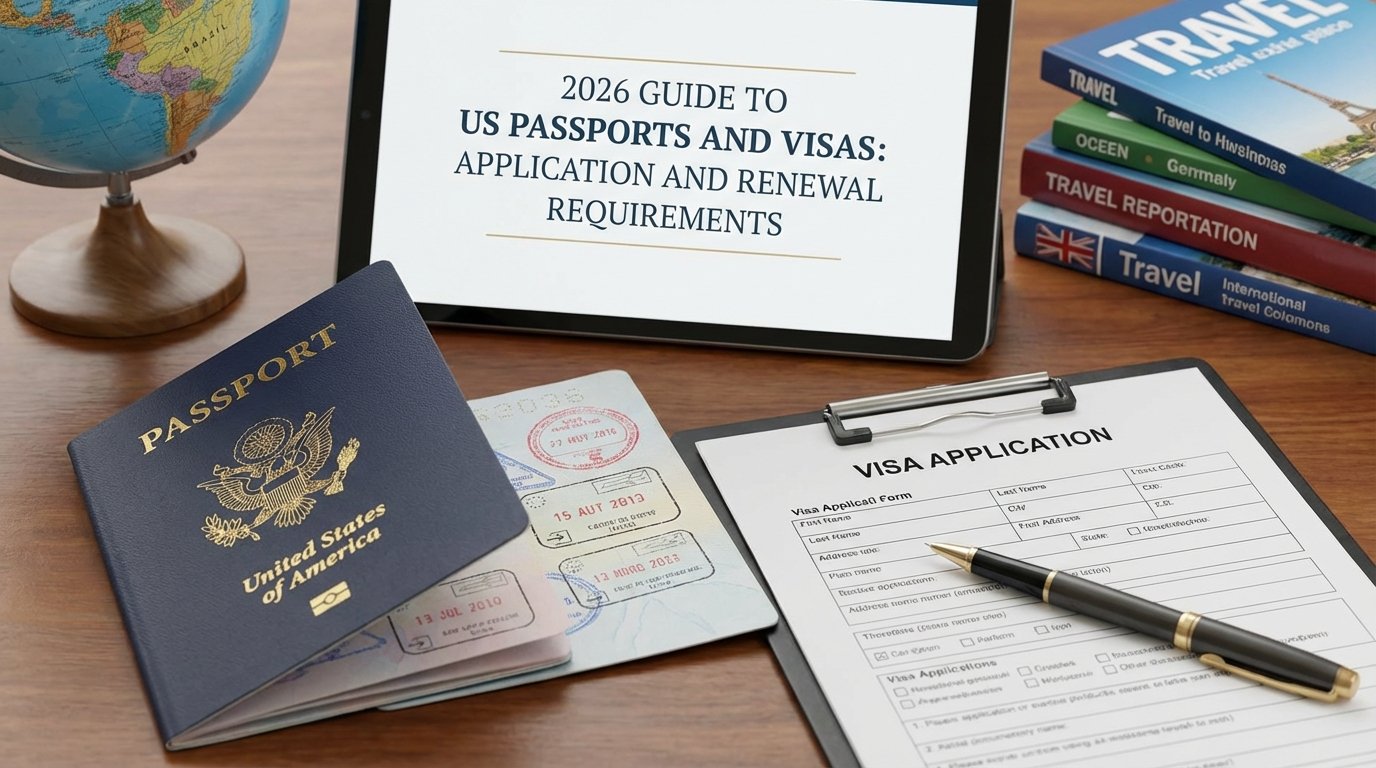
Post-COVID world visa applications navigation means dealing with countries changing rules to loosen or tighten travel. Some now rely on digital forms, supplementary health checks and virtual interviews. Others require evidence of vaccines or recent tests. Processing times can change with backlogs or new security steps. Travelers and expats need to track embassy updates and official sites. Regulations can shift quickly, so staying on top of the latest announcements is crucial. To assist you with planning, this guide breaks down what to anticipate, what procedures to pursue, and what documentation to prepare. The following sections parse these observations and offer advice for easier visa applications.
The New Global Gateway
Visa policies and entry requirements are continually evolving as nations adapt to health risks and emerging travel patterns. Most countries now provide online visa application portals and some require vaccination certificates, recent health tests or travel insurance. The table below shows some entry rules for popular destinations:
Country | Visa Type | Health Requirements | Processing Time (days) |
|---|---|---|---|
Australia | eVisitor | Proof of vaccination, health form | 5–20 |
Canada | eTA/Visitor | Health declaration, insurance | 7–30 |
Germany | Schengen | Test or vaccine proof | 10–15 |
Japan | Tourist | Health screening, insurance | 7–20 |
UAE | Tourist | Health insurance, test result | 3–7 |
Brazil | Visitor | Health declaration | 10–15 |
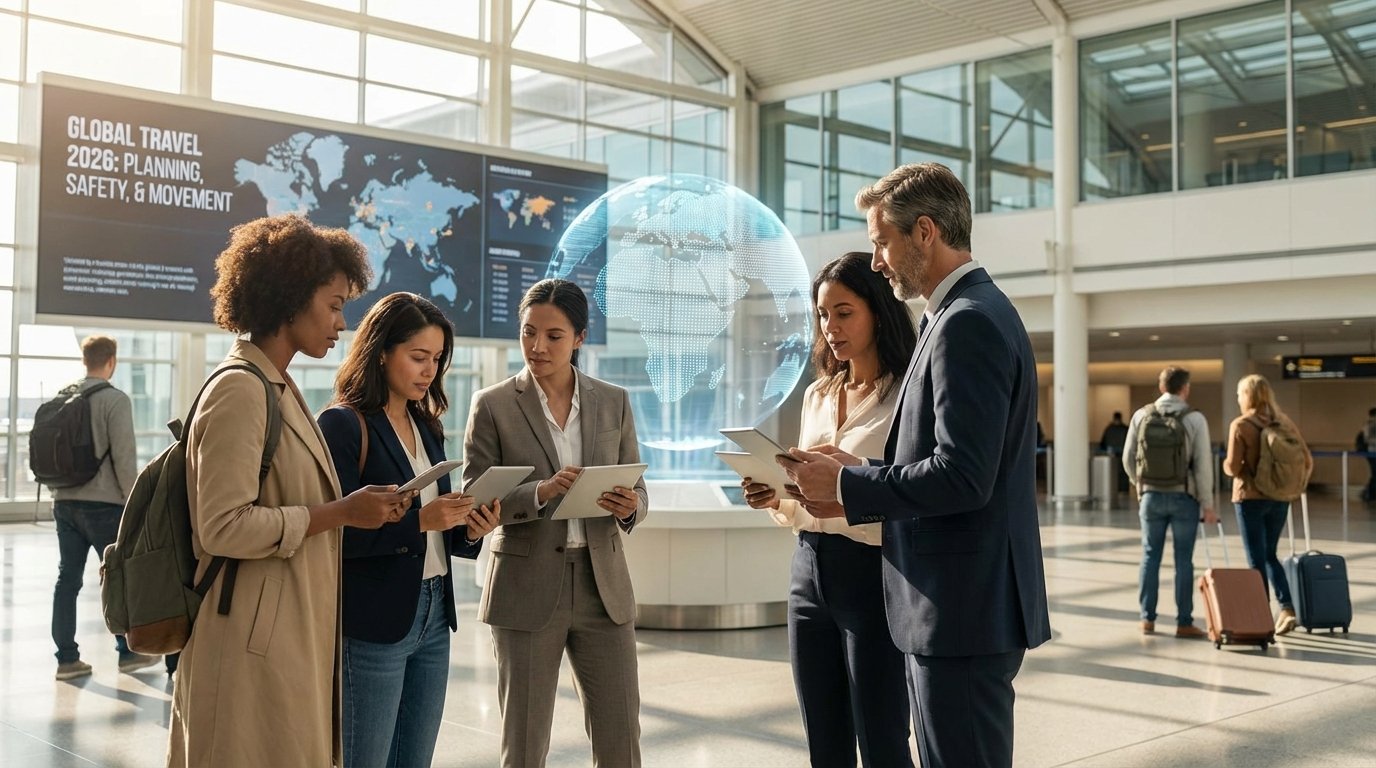

Travelers should check the site for each individual country prior to any trip. Checking government sites or trusted global travel advisories can avoid last-minute headaches because entry rules can change suddenly. Most countries provide updates via email alerts or apps, which make it more convenient to keep up. For instance, the European Union’s Reopen EU tool provides real-time entry updates for all member states.
Global cooperation in a post-pandemic world Countries share health data and leverage digital visa systems to secure borders. Most have established express lanes for travelers who have achieved a health standard, like being fully vaccinated. Certain governments collaborate on the cross-recognition of vaccine certificates. For example, those with an EU Digital COVID Certificate can travel among numerous European nations with less screening.
New regulations opened additional routes for individuals interested in working or studying overseas. Digital nomad visas are now prevalent in Estonia and Barbados, allowing remote workers to extend their stay beyond that of a typical tourist. A few nations provide unique short-term work permits for industries with a significant worker shortage, including healthcare and IT. This creates new possibilities for those seeking to craft careers or discover new destinations while working remotely.
Navigating Post-Pandemic Visa Changes
Visa applications now have new steps. Other countries have changed rules, forms, and timelines. It’s crucial to double-check the latest updates from the official sources before you apply. Check for new eligibility rules as some countries have altered who can apply or introduced new requirements. Prepare to present additional health documentation such as insurance or vaccine verification, as these are commonplace these days. Processing times could be a little slower than pre-pandemic, so build in a few days of buffer.
1. Digitalization
Visa systems are now mostly online. Most embassies implement web forms which enable you to apply online and submit documents from anywhere. You can track your status and receive alerts via email or text. Most countries publish visa requirements and changes on official sites, so you can search them quickly. Ensure your scanned documents are crisp and stored in convenient folders. This accelerates your process and is a lifesaver if you need to re-submit anything.
2. Health Mandates
Health rules change quickly, and they are location-specific. Some countries eliminated all COVID test requirements, such as the United States in June 2022. Some may still require evidence of vaccination or recent testing. Immigration offices typically require applicants to have health insurance for pandemic costs. Occasionally, you are required to upload or present these papers at your visa interview or border. These mandates can impact your travel, such as requiring you to rebook flights or obtain additional tests.
3. Remote Interviews
Most embassies do video calls, not in-person interviews. You’re savvy to test your camera and mic first and ensure your internet is rock solid. You could run through a few common questions to get comfortable. Dress nice and choose a place with nice light and no noise. Following the call with a thank you note helps demonstrate you care and keeps your name top of mind.
4. Processing Delays
Extended delays are expected. Backlogs exist, despite some places like the U.S. Slashing theirs by 25%. While some embassies like China now provide more services, they still have limits. Consult the official site for updates on your application. If you have a deadline, keep in close contact with consular staff to avoid surprises.
5. Policy Fluidity
Visa regulations can be altered in weeks or even days. Take U.S. Vaccine rules for travelers, which changed thrice in 2022 and 2023 alone. Governments may relax or restrict regulations as situations change. Keep checking official embassy pages and record any changes. Rapid adaptation is essential to staying on course.
Common Applicant Hurdles
Visa applicants today encounter an array of new and familiar obstacles constructed by both policy and the world’s recent public health crisis. Each stage of the process harbors its own course of roadblocks. Having a sense of these can enable you to anticipate them and establish well-defined, achievable goals.
- Rigid document stipulations, like a passport with a minimum of six months’ validity.
- Delayed appointment or interview dates, particularly at consulates with backlogs.
- New digital scans with social media handles now scrutinized.
- Multi-agency security reviews can result in weeks or even months of silence.
- Financial evidence like bank statements or proof of income can be difficult to satisfy.
- Murky or changed rules, particularly for those coming from areas under more suspicion.
- Effect of regional differences, with certain regions such as portions of Africa experiencing extended delays.
Landing pages, or how to impress your prospective advisor. Consular staff typically depend on initial batches of documents and responses to make their preliminary impression. Preparation of everything from having all your paperwork in order to demonstrating that you have a plan can help set the tone. Here’s one useful piece of advice: keep each document in the same order as the embassy/consulate checklist. This not only accelerates the review but demonstrates attention to detail.
A current passport is still a fundamental requirement. Other embassies, for instance, need it to be valid for 6 months after the date of visit. Missing this can mean starting over, so double-check timelines.
Delays are expected, not unusual. Certain U.S. Consulates globally have interview wait lists extending over two years, largely from pandemic-related backlogs. Multi-agency security reviews pile on, with applicants frequently left in limbo. These checks can be activated by all sorts of things, from your travel history to your social media postings. While the U.S. Now routinely collects social media details, posts deemed incongruent with U.S. Interests can delay or deny an application. This is an increasing worry for a lot of people, particularly those from areas that are already under tighter evaluation.
For most, the toughest aspect is the anxiety of the unknown. Financial limits can compound stress, as evidence of funds is required for the majority of visas. It’s natural to be apprehensive when things are so uncertain. Patience and resilience remain key. Each hurdle can be handled with deliberate steps and some patience.
The Human Element of Delays
Visa delays post-COVID are more than just slow paper. Every stalled case is a human being with ambitions, schedules, and anxieties. Many of those waiting for the answer were stuck, with plans on hold and lives in limbo. When courts shuttered or ran with fewer staff, people missed deadlines or waited a long time. For others, the absence of updates caused stress and eroded trust. Many had to make extreme sacrifices, pausing work or separating from loved ones.
The pandemic presented these incarcerated individuals with fresh hazards. Too many centers made it difficult to remain safe or healthy. In certain centers, as many as 99% of folks contracted the virus within three months. Living there were orphans and street kids, many concerned about getting sick, missing court dates, or being deported. By April, deportation flights accounted for 20 percent of the country’s positive COVID-19 cases. These figures illustrate the importance of improved management and transparent policies during challenging periods.
Empathy was a huge factor in how individuals survived delays. Working with officers who heard us and had patience mattered. Some staff waved in-person interviews for new cases, while those with earlier deadlines missed out on this assistance. When the rules changed quickly, it was good to encounter staff who put things in plain words. Little things, like straightforward responses or even just a friendly word, relieved anxiety and uncertainty.
Telling human stories counted as well. A lot of us found support in online forums or local groups. These rooms allow your users to swap advice, blow off steam, or seek solace. Knowing about others in the same boat slashed through the isolation. Community groups frequently offered practical advice, such as how to monitor case status or secure a quality attorney. That backing kept many people in the trenches strong.
Transparent updates from immigration offices may alleviate anxiety. Others wanted more information on the status of their files and the reasons for the delays. As the backlog built, so did the calls for candid, straightforward updates. They wanted improved mechanisms to check on their case, follow timelines, or be alerted if the rules changed. Calls for additional online alternatives and explicit notices appeared in numerous comment periods.
Strategies for Success
Visa policies now shift quickly, and post-covid measures seem more ambiguous. Success is about thinking forward, remaining adaptable, and meticulously monitoring every paper or regulation. Every traveler encounters a unique sequence. Therefore, having a checklist and taking advice from others really helps.
Proactive Planning
Map out the whole process: (1) Research visa type and destination rules. (2) List required documents. (3) Consider biometrics or interviews. (4) Turn in the form, online or in person. (5) Track record. (6) Wait for approval. (7) Make contingency plans if rejected or deferred.
Hurdles reappear, like new rules or demands for additional evidence. Reading official sites and recent traveler forums will catch them first. If you know you need a transit visa or your country has new entry checks, allow additional time.
Check in on your results each week. Forgot your paperwork? Is your timeline holding up? Tweak plans if you encounter obstacles. For example, if biometrics appointments book up quickly, schedule early.
Tasks to do first: schedule biometrics, gather official records, and ask for work or school letters. These have various deadlines, so maintain a list and check them off as you progress.
Document Readiness
- Create a folder, digitally and on paper, for each document category.
- Save scans of your passport, photos, visa forms, support letters, flight and lodging proofs, and insurance.
- Make sure that each file complies with what your destination is requesting for size or color of photos, official translations, and so on.
Some countries require biometric data or police checks. Read the consulate’s requirements carefully. Missing a single page could set you back weeks. Always maintain spare copies in a cloud drive or USB. This serves you well should you need to re-submit or prove your case down the line.
Expert Consultation
Consult immigration lawyers or visa consultants if regulations appear ambiguous. They can clarify jargon and demonstrate what applies to you. Several provide an initial chat for free or conduct group webinars on typical issues for international travelers.
Legal advice will highlight small things that snare a lot of applicants, such as how to demonstrate proof of funds or ties to your home country. If you intend to travel frequently, establishing a lasting connection with a consultant could make future applications easier.
Future of Global Mobility
The future of global mobility is changing fast, defined by new rules and new tools. A lot of countries are experimenting with digital age-focused visas in the era of remote work and digital nomads. Increasingly, governments and regions around the world are simplifying it for individuals to live and work abroad without rigid connections to a single employer or location. Take Estonia, Portugal, and Barbados, which all provide digital nomad visas that allow you to work from anywhere for up to a year or more. The UAE and Croatia have rolled out initiatives designed to attract talented remote workers.
Visa Option | Who It Serves | Key Features | Notable Countries |
|---|---|---|---|
Digital Nomad Visa | Remote workers, freelancers | Stay 6–24 months, no local employer | Estonia, Portugal, Barbados, UAE |
Start-Up Visa | Entrepreneurs | Support for new business, fast-track | Canada, Chile, France |
Short-Term Business | Business travelers | Multiple entries, up to 90 days | Schengen area, Singapore |
Remote Work Permit | Employed by foreign firm | Proof of income, health insurance | Croatia, Dubai |
Technology is transforming the visa application process. Most of the major immigration systems are moving to digital border checks. For example, Europe’s Entry/Exit System will require biometrics in place of passport stamps. This assists in monitoring an individual’s duration of stay in the area and facilitates simpler verification of policies such as the 90/180 day rule by border officers. AI will screen the majority of applications by 2030, with automated document screening, background checks and even blockchain-based compliance records. Such systems can help accelerate processing, but they spark concerns around privacy, equity and who’s allowed to move freely.
Divides between richer and poorer countries could deepen if travel restrictions aren’t equitable. A digital identity system driven by the priorities of richer countries might actually reduce mobility for people from poorer countries. Even in more affluent nations, a strong passport doesn’t count for much if you can’t afford to travel. Travel restrictions and enhanced checks risk exacerbating these divides unless new international standards are developed with equity in mind.
Conclusion
Visa regulations change rapidly now and additional procedures frequently arise. Most encounter bottlenecks and patchwork regulations varying from location to location. True tales underscore the power of solid preparation and sincere assistance. Tough knowledge and consistent updates count more than ever for those who wish to traverse borders. Watch for new policies and review trusted sources frequently. Exchange tips and experiences to make your plans work. Stay savvy, support one another, and apply what applies. Your next journey could very well hang in the balance.
Frequently Asked Questions
What are the main changes in visa applications after COVID-19?
Lots of countries need proof of vaccination, health insurance, and screenings. Online applications and digital documents are more common. Processing times can be extended due to new safety checks.
How can I speed up my visa application process?
Provide correct, comprehensive paperwork and submit early. Track official updates and apply online if possible. Having all necessary health information at hand helps prevent visa processing delays.
Why are visa processing times longer now?
Embassies and consulates have backlogs from pandemic closures. Health and safety checks increase time as well. Staffing shortages in certain locations may add additional delay.
What common mistakes should I avoid in my application?
Missing documents, incomplete forms, and out-of-date information are frequent mistakes. Verify all requirements and submit translations if required. Keep copies of all you send.
How do health requirements affect visa approval?
Most countries these days demand proof of vaccinations or negative COVID tests. The absence of health documents can cause denial or additional delays. Be sure to look up the most current entry requirements for where you’re heading.
What can I do if my visa application is delayed?
Reach out to the corresponding embassy or consulate for updates. Be patient and document all correspondence. Have backup travel itineraries in case of long delays.
What is the future of global mobility for travelers?
Digital visas and health passports are going to be the norm. Countries are trying to simplify processes and make travel safer. Being informed and flexible will assist travelers in adjusting to shifts.