
- Key Takeaways
- Rethink Your Safety Baseline
- Assemble Your Core Travel Safety Kit
- What About Luggage Security?
- Customize Your Kit
- Pack for Quick Access
- The Invisible Safety Tool
- Conclusion
- Frequently Asked Questions
- What are the top safety essentials for travelers?
- How do I secure my luggage while traveling?
- Should I carry digital or paper copies of my documents?
- How can I make my travel safety kit fit my destination?
- Why is quick access to safety items important?
- What is an “invisible” safety tool?
- How often should I update my travel safety kit?
Key Takeaways
- Evaluate your current travel safety habits and update your packing list with essential safety items that match your destination and activities.
- Create your own travel safety survival kit, complete with first aid supplies, personal security items, digital defenses, and emergency contacts.
- Luggage safety is our packers’ priority, so we use sturdy, lockable bags and GPS trackers. We arrange valuables to be easily accessible and identifiable.
- Tailor your safety kit to your destination, activities, climate and personal health requirements.
- Maintain situational awareness, respect local customs, and trust your instincts to keep safe when traveling in new places.
- To keep your most vital items near at hand throughout your trip, regularly revisit and rehearse your packing routine with your tiered system and carry-on strategies.
Packing for the safety conscious traveler means selecting items that will help keep you safe and prepared while on the road. Stuff such as a solid door lock, a mini first aid kit and copies of important papers tend to make the top of the list. Some travelers include a flashlight, portable charger and luggage lock for extra comfort. Health basics like hand sanitizer and masks remain handy for a lot of journeys. These are smart, light, easy-to-pack choices for the safety-conscious traveler. All of these things reduce hazards and encourage a calm, carefree adventure. The following sections outline these essentials and demonstrate how they adapt to travel to various locations and circumstances.
Rethink Your Safety Baseline
Safety-minded globetrotters require a deliberate packing list. Rethink your safety baseline. See if you have routine holes—are your first aid skills current, do you carry a personal alarm? Make safety your priority according to where you’re headed and your travel style. As an example, solo travelers might desire additional personal safety tools, whereas visitors to remote areas will want to emphasize medical supplies. Getting clued in to risks at your destination lets you pack wisely. Know your local weather, customs, and advisories to pick the best gear, apparel, and protective items. Seasonal needs count as well. Lightweight clothes and sun hats are important for warm weather, while layers, gloves, and thermal socks are necessary for colder locations. Smart packing, such as stuffing barely used warm jackets to the very back of your suitcase, saves room. Think carry-on dimensions. Most airlines allow bags up to 56 cm x 23 cm x 36 cm. They require liquids to be in 100 ml bottles, with the exception of medical items, when exceptions may be made.
Beyond First Aid
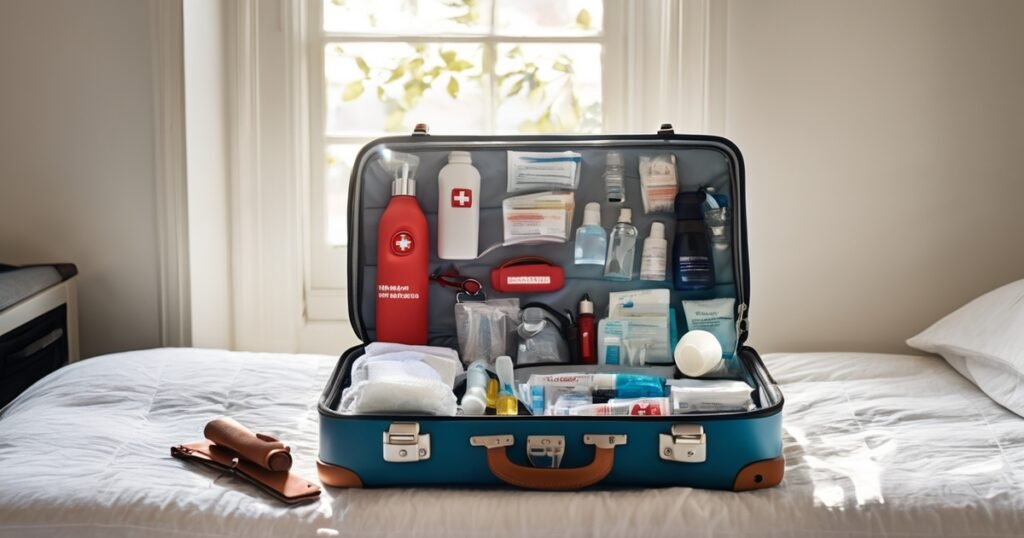
A loaded first aid kit extends beyond minor lacerations. Customize it with allergy meds, pain pills, and any prescription medicine you take. Think about wound dressings, tweezers, and antiseptic wipes for everyday problems.
Include health essentials such as rehydration salts, insect repellent, and sunscreen for varying climates. Rethink Your Safety Baseline. Take a first aid course. Understanding how to stop bleeding or manage a sprain will increase your comfort level. Store these things together and within easy reach.
Digital Defenses
- Update all devices with security software before departure
- Save scans of your passport, visa, and travel insurance in secure cloud storage.
- Use strong, unique passwords for important accounts
- Don’t check email or log into sensitive accounts on open Wi-Fi.
- Verify that your power bricks are 110 to 240 volts, so they are usable worldwide.
- Always log out when using shared devices or computers
Personal Space
Personal alarms can alert those around if you’re in danger. A safety whistle is another easy way to alert nearby individuals for assistance, particularly in public spaces or in unfamiliar neighborhoods.
Portable door lock provides a nice extra bit of security at your hotel or hostel room. Keeping your head up, tuning out of your phone, and listening to that pesky little gut will keep your bubble intact.
Assemble Your Core Travel Safety Kit
An all-star travel safety kit puts you in control of risk and the unexpected. It needs to include things for emergencies, health, and personal security, with revisions for new necessities or to exchange out old expired resources. Customize your packing to the location and event. Here are the essentials to consider:
1. Personal Security
Travelers frequently experience being robbed or losing something essential. Therefore, a theft-proof bag or purse is critical. Opt for one with reinforced zippers, secret pockets, and slash-proof straps to deter thieves. A cable lock keeps your luggage safe in transit or at the hostel room. An RFID-blocking wallet protects credit cards from electronic pilfering and a proof purse keeps valuables hidden. Several travelers include a safety whistle or mini-alarm for immediate assistance in busy areas.
2. Accommodation Security
Safety check before booking Look up reviewers for comments on locks, security staff, and lighting. Once checked in, store passports, cash, or electronics in the hotel room safe. If there’s no deadbolt, bring along a door stop alarm or portable lock for additional security. About – Do basic assembling your core travel safety kit. Always keep doors and windows locked, even when inside. They reduce dangers in new environments.
3. Health and Wellness
A travel health kit should begin with your prescription medications, as well as a copy of your prescription and ID. Pack for some of the common ailments like stomach upset, motion sickness, or pain. Throw in some hand sanitizer, disinfecting wipes, and a reusable water bottle to keep you clean and hydrated. Pack a first aid kit with bandages, antiseptic, and pain killers. Consider local health risks such as altitude sickness and customize your kit accordingly.
4. Digital Privacy
Public wi-fi is almost never secure. Use a VPN for banking or emailing. Update your device software regularly to minimize hacking risks. Don’t post your location or travels on social networks. A privacy screen keeps your work or banking info private from prying eyes nearby.
5. Emergency Preparedness
Write out key contacts and local emergency numbers, and keep them at hand. If you’re in a car, pack a roadside emergency kit with a flashlight, power bank, and basic tools. Keep abreast of local weather or natural disaster warnings. A personal alarm or safety whistle is a good addition to consider carrying.
What About Luggage Security?
Travelers today are fraught with danger from lost bags to petty theft. Whether or not the luggage is secure is a primary consideration for anyone who wants to protect their valuables. READ MORE Smart luggage, smart locks and smart tracking: what about luggage security? For added context, below is a comparison of common luggage features.
| Feature | Benefit | Example | Security Level |
|---|---|---|---|
| Hard-shell material | Durable, protects contents | Polycarbonate suitcase | High |
| Built-in locks | Quick access lock system | TSA-approved lock | Medium-High |
| Zippered closure | Easy to secure with small lock | Double zipper carry-on | Medium |
| GPS tracking | Real-time location updates | Smart luggage tracker | High |
| Removable straps | Secure to fixed objects | Clip-on arm strap | Medium |
| Discreet tags | Protects identity | Non-personalized tag | Medium |
Use less obvious luggage tags to protect your personal information. Go smart with your luggage – tracking features give you peace of mind. I try not to overpack simply to make bags lighter and less likely for thieves or handlers to snatch.
Smart Luggage Choices
Choose luggage that is sturdy and can take a beating. Hard-shell bags constructed from polycarbonate or aluminum provide superior protection against crushing or slicing. Light bags assist with long walks in airports or congested stations that can weigh you down.
Go with a bag that’s either lockable by design or zippered so you can put little locks on it. Certain bags include special arm straps so you can clip your bag to a chair or bed frame. Compartments help you stay organized and simplify the retrieval process, which saves time and prevents loss.
Effective Locking Strategies
Zipper locks add another level of security that will prevent fast grabbing. TSA-approved locks allow airport personnel to open your bag without smashing the lock. Even if your bag is within arm’s reach, it is smart to keep it locked, particularly in crowded areas such as train stations or airports.
Cable locks enable you to secure your luggage to a static object, preventing a thief from just snatching your bag and dashing. A lot of travelers keep portable safes or door stop alarms for added peace of mind in hotels or hostels. Combination locks are great for zippers and you can easily reset them if necessary.
Tracking and Recovery
A GPS tracker in your bag enables you to monitor its location live. Checking in your bag with a tracker makes it get found faster if it gets lost. Give your bag a distinctive identifier so you can locate it quickly on jam-packed carousels.
Keep your luggage receipt and important documents in a safe place so that you have proof of ownership should you have to make a claim. Never trust your valuables, like passports and cash, in a locked bag or a locker.
Customize Your Kit
A plain-vanilla safety kit might not cut it for all travelers. Every trip is different, so it’s worth customizing your kit depending on your location, your itinerary and your individual health. Check out the table below for sample kits in different scenarios.
| Activity/Environment | Core Kit Items | Additions to Consider |
|---|---|---|
| Urban Business Travel | Basic first-aid, hand sanitizer, bandages | Cloth/disposable face mask, anti-nausea meds |
| Remote Trekking | Sterile dressings, water purification tablets | Altitude sickness meds, thermal blanket |
| Beach or Tropical Visit | Sunscreen, insect repellent, electrolyte packets | Anti-diarrheal meds, sun hat |
| High Altitude | Ibuprofen, prescription meds, blister care | Altitude sickness meds, sunscreen |
Destination Analysis
Read up on the safety of your destination before you go. Brush up on local travel advisories and check for any health or weather alerts that could impact your plans. Something as simple as this can help you pack only what you’ll need, from masks during flu seasons to supplemental water purification for regions with questionable tap water.
Research the customs and local laws of where you’ll be. What’s acceptable at home may be offensive or even illegal elsewhere. This sidesteps inadvertent insult and keeps your journey graceful. Look at transport options ahead of time as well. Dependable public transport or screened ride-shares can enhance your security and reduce anxiety.
Activity Planning
Consider what you’re up to. What’s that — going hiking? A general kit just won’t cut it. Throw in blister care, a mini flashlight or whistle. For biking or climbing, a helmet and gloves are clever embellishments. For the newbies, waterproof pouches for your phone and papers keep the necessities dry.
The physicality of activities should inform your packing list. If you’re hitting high-altitude joints, pack altitude sickness meds. If local laws mandate protective equipment for specific sports, prepare your bag in compliance to prevent penalties or injuries. Customize your kit. Always double-check regulations before you pack.
Personal Needs
Consider personal health as you pack. Pack your prescription meds and a backup copy of the prescription in case you require a refill. For allergy sufferers, pack an antihistamine or even an epinephrine injector. Personalizing your kit with these supplies can be a game changer should you encounter a medical emergency overseas.
We’ve all got comfort necessities. A small travel pillow, trusted snacks, or noise-canceling earplugs can make a long journey more manageable. Pack sufficient toiletries, your preferred soap, and additional masks for congested or high-risk environments.
Vary based on how long you’ll be away. Short trips require fewer items. For extended adventures, consider refills or methods to resupply hygienically at your location.
Pack for Quick Access
Packing for safety isn’t just about what you bring. It’s about where every single thing lives in your bag because it allows you to grab it quickly and easily when time or safety is of the essence. A checklist is great to keep up with travel musts, from papers to medicine, and makes the entire thing more efficient. Packing cubes or bags make it easier to organize equipment: one for clothes, one for toiletries, and a small bag for security items. Any must-have papers, such as your passport, health cards, and emergency contacts, along with items like a wallet or phone, should always go somewhere you can reach without having to dig through your entire pack. Others have anti-theft bags that clip to chairs or fixtures and many have portable door locks or door stop alarms nearby. Drill your packing technique ahead of a trip to reveal what is effective and what bogs you down, so you can refine for speedy travel.
The Tier System
Packing with tiers introduces organization and expedites in-bag navigation. Pack high-need items, such as a first-aid kit with anti-diarrheal, pain relief, allergy tablets, and hand sanitizer, near the top or in outer pockets. These are items travelers say they most frequently need, particularly when struck down by sudden illness or strain. Middle-tier items, including a light jacket, snacks, and chargers, fall into the next layer down. Bulky or infrequently used things can go deeper or in less accessible areas. Test your kit after every excursion or as your requirements alter. What worked on one adventure might not suit the next.
Carry-On vs. Checked
Decide what rides shotgun and what gets stowed. Leave valuables, travel documents, and crucial health supplies in your carry-on. This is more secure because checked luggage can get held or lost and hotel safes aren’t foolproof. Utilize quick-access pockets for your eye mask, snack, or medicine. Stay within carry-on limits, but take advantage of the space. Roll clothes, zip tech into padded sleeves, and sneak a skinny safety kit into side pockets.
Dry Run Practice
Run a full pack on you before you go. Test the weight and see how it handles, whether you’re carrying or rolling your suitcase. Pack for quick access. Practice reaching for your first-aid kit, sanitizer, or documents so you’re not fumbling when it counts. If you have difficulty grabbing what you need, rearrange. Take your results and adjust your arrangement to maximize your speed and comfort for the actual journey.
The Invisible Safety Tool
For the security minded traveler, knowledge is frequently the best defense. Physical safety tools, like a personal safety alarm or a hidden camera detector, are still practical to carry. Developing habits such as situational awareness, cultural respect, and trusting your intuition are equally important. These invisible tools enable travelers to find their way in unfamiliar places, mitigate risk and react rapidly in the face of adversity, be it hotel room vulnerabilities or theft overseas.
Situational Awareness
Mindfulness is the secret. Watch for escape routes, see who is around, and be aware at transit stations or markets. Let’s face it, we’ve all heard stories of missing deadbolts or untrustworthy electronic safes in hotel rooms, so we know to be on guard. Keep your wits about you. Too much phone or headphone use can distract you from spotting sketchy behavior. Hang out with locals where you can. Their tips tend to highlight safe neighborhoods, recognized scams, and danger zones. Observe those around you. Unusual attention or erratic behavior can be a sign of trouble. A portable safety device or personal alarm, which releases a 120 dB sound heard up to 450 meters away, can be a deterrent if things feel off.
Cultural Respect
Investigate local traditions in advance. Understanding if something is polite or disrespectful keeps you out of trouble. Wear what is appropriate for the location, not just out of respect but to blend in and reduce your profile. In numerous locations, being singled out as a tourist makes you a theft target. Pick up a handful of phrases in the local language—basic greetings, “thank you” or “help”—to smooth encounters and demonstrate goodwill. Understanding and honoring cultural sensitivities, like religion or stance towards photography, will allow you to navigate more securely.
Instinct and Intuition
Trusting your gut isn’t just a cliche. If anything about a situation or location feels ‘off’—maybe a street seems a little too quiet or a person’s approach feels wrong, heed those warnings. Do something, whether it is to alter course or exit a location. Travel back in time to fine tune your intuition. If you feel unsafe, be good to yourself without guilt or embarrassment. Arming yourself with intelligent, must-have safety gear, such as a whistle or a hidden camera detector (58% of STR guests are worried about privacy, after all), equips you to react swiftly and productively to the unexpected.
Conclusion
A little smart packing keeps you prepared for most things. A well-prepared safety kit is a time and worry saver. Choose the tools that match your destination and travel style. Lock your bags, travel light, and stay close to home. A secret compartment or heavy-duty lock can prevent minor dangers. Consider a door alarm for rooms or tag your bag with a flashy marker. Easy switches bring security. Consider needs ahead of time. Try out your kit before you depart to identify any holes. Share tips with others. Little ideas go a long way. Bon Voyage! Have a tip or favorite tool? Leave it down below and assist other voyagers get equipped!
Frequently Asked Questions
What are the top safety essentials for travelers?
Our top essentials are a first aid kit, copies of travel documents, a personal alarm, a door lock, and a portable charger. This stuff keeps you safe and ready in most scenarios.
How do I secure my luggage while traveling?
Utilize luggage locks, tamper-evident straps, and opt for bags with robust zippers. Hold on to your valuables in your carry-on and never leave your bags unattended in public.
Should I carry digital or paper copies of my documents?
Bring both! Digital copies are convenient to have on your phone and paper copies come in handy if your device is lost or dead. Keep them apart for added protection.
How can I make my travel safety kit fit my destination?
Do some research into your destination’s risks, such as health concerns or climate. Modify your kit by including items like bug spray, water purification tablets, or masks where appropriate.
Why is quick access to safety items important?
Quick access ensures you will respond faster in emergencies, whether you require medical supplies or a personal alarm. Stuff these in outer pockets or at the top of your bag.
What is an “invisible” safety tool?
An ‘invisible’ safety tool, something like a money belt or other hidden pouch. These keep your valuables out of sight and minimize your likelihood of getting robbed.
How often should I update my travel safety kit?
Look over and refresh your kit prior to each journey. Verify expiration dates on medicines and restock any open or old items so everything is there when you need it.