
- Key Takeaways
- Beyond the Rankings
- Analyzing Global Safety Adaptations
- The Safest Regions for 2026
- A Personal Safety Framework
- The Illusion of Absolute Safety
- Future-Proofing Your Travels
- Conclusion
- Frequently Asked Questions
- What are global safety adaptations for 2026?
- How do safety rankings differ from real safety experiences?
- Which regions are considered safest for travel in 2026?
- How can travelers create a personal safety framework?
- Is absolute safety possible when traveling?
- What steps can travelers take to future-proof their trips?
- Why is cultural inclusivity important in global safety tips?
Key Takeaways
- Traveler 2026 should really look up the safest places, including new crime stats, health services, and traveler tips from different parts of the world.
- Being aware of changing travel warnings, enhanced insurance options, and new safety technologies is an important consideration for trip planning.
- By incorporating climate resilience, health preparedness, and cybersecurity into your travel habits, you’re equipping yourself to navigate risks in any environment.
- Embracing a personal safety mindset and emergency plans can boost confidence and security when you travel abroad.
- A little digital awareness, environmental responsibility, and cultural sensitivity go a long way towards safer, more enriched travels!
- Flexible travel plans combined with thorough risk management prepare travelers for the unexpected and in turn future travel challenges.
Analyzing global safety tips: adaptations for 2026 means looking at how safety advice is changing for people worldwide as they move through new risks and rules. Collectives and specialists give new advice on journey, office habits, well-being, and virtual behavior. Shifts in local legislation, tech usage, and world events result in updated steps and tips for safer daily living in 2026. We use apps, alerts, local news, and similar resources now to stay up to date. Some tips emphasize the importance of planning ahead and being aware of local customs. This post illustrates important trends in safety measures, what’s behind these trends, and how individuals across the globe can adapt them. Read on for a crystal-clear guide to help you plan ahead.
Beyond the Rankings
International safety indexes provide a basis for evaluating travel danger. On-the-ground realities frequently paint a fuller picture. In 2026, the safest countries for travel show up in a mix of old favorites and new spots:
- Japan
- New Zealand
- Norway
- Canada
- Singapore
- Portugal
- Switzerland
- Iceland
- Australia
- Denmark
These rankings are based on an analysis of crime rates, health care, natural disaster preparedness and public safety systems. For the countries that made the top of the list, they keep crime low and have solid police work. Most provide quick, dependable public and private health care that supports residents and tourists. Their streets and transit are as safe as can be, day and night, because they have simple rules and a public that abides by them. Take Singapore, for instance, whose low crime and stringent rules see to it that it is among the safest destinations for solo travelers. Norway and Iceland shine for both low crime and robust community trust. Nations such as New Zealand and Australia rank highly in speedy access to health care and well-defined emergency plans for natural disasters.
Certain spots not always top-of-mind are now getting noticed for security. Portugal, with its tranquil cities and hospitable people, attracts more visitors every year seeking solace. Denmark and Switzerland, both small, well-run places, garner kudos for social trust and sparkling streets. Even a few Eastern European cities, such as Ljubljana in Slovenia, are emerging on safe travel lists due to local initiatives to reduce crime and increase tourism.
How Americans experience safety helps determine where they go. Social media and travel review sites allow stories to circulate quickly, positive or negative. A country’s safe reputation can assist. However, one well-publicized poor event alters minds swiftly. When travelers witness locals out at night, clean streets and truthful public information, it breeds confidence. Places that speak transparently about regulations and provide genuine assistance to tourists gain more affection. In the long run, this molds what locations become famous for safety, even more than the statistics.
Analyzing Global Safety Adaptations
Traveler safety in 2026 depends on how quickly the world changes and how well we adapt. New hazards, climate change, sophisticated technology, and dynamic geopolitics influence the way we prepare for and react to adversity overseas. Knowing how these factors shift simple travel tips, insurance, and planning gets us all traveling more informed and with less anxiety.
1. Technological Shifts
Today’s safety measures depend on speedy, intelligent technology. Mobile apps provide real-time notifications of nearby risks, weather, or unrest, allowing travelers to quickly adjust if the situation shifts. Digital support tools, such as chatbots or 24/7 helplines, assist individuals in seeking aid with lost documents or emergencies. Safety accessories have expanded, as well. Imagine GPS trackers, portable water filters, or wearable alarms, all designed to be simple to use. Tech simplifies connecting, tracking, and acting, regardless of the country.
2. Climate Resilience
Climate change means more storms, wildfires, and floods, so trip planning needs to accommodate these. Looking at safety, measured by a location’s adaptation to previous climate events, counts for more now. Other places have new shelters, flood gates, or alert systems. Intelligent explorers research trends such as monsoons or heatwaves ahead of reserving. It’s prudent to build in some buffer time or alternate paths in case nature bogs you down.
3. Health Preparedness
Staying healthy encompasses more than just throwing a first aid kit in your bag. Travelers check local health warnings and disease risk months in advance. They ensure vaccinations and insurance are up-to-date, including emergency flights home. Others maintain an elegant health strategy with a defined action plan for locating swift care if necessary. Knowing where your closest hospital or clinic is can save time during a crisis and prevent a potential injury.
4. Cybersecurity Integration
Online menaces multiply as we employ more devices overseas. Smart tourists connect exclusively to protected Wi-Fi, use VPNs and strong passwords. They don’t broadcast their location on real-time social media. Two-factor authentication provides another buffer. Easy things like this prevent a lot of typical hacks and scams.
5. Evolving Geopolitics
Political turning points mold safety in ways the news can’t always depict. Staying up-to-date on travel alerts and the rationale behind them allows travelers to adjust plans before issues arise. Sidestepping hot spots or rerouting around emerging diplomatic problems keeps journeys moving. Others depend on local news or embassy updates to detect emerging threats in advance.
The Safest Regions for 2026
For 2026 travelers, regions with impeccable safety records, stability, and welcoming local attitudes are a major draw. Here’s a table of some of the safest cities with their dominant safety and cultural characteristics.
| City | Country | Key Safety Features | Cultural Attitudes |
|---|---|---|---|
| Singapore | Singapore | Low crime, strict laws, fast emergency help | Respectful, welcoming |
| Perth | Australia | Stable, clean, good policing | Laid-back, diverse |
| Abu Dhabi | UAE | Low crime, strict rules, strong police | Hospitable, open to guests |
| Bern | Switzerland | Stable, low crime, good services | Neutral, polite |
| Reykjavik | Iceland | Very low crime, safe public spaces | Warm, close-knit |
| Munich | Germany | Reliable police, strong community ties | Orderly, helpful |
| Ottawa | Canada | Low crime, safe transit, inclusive | Friendly, multicultural |
| Montevideo | Uruguay | Stable, well-policed, safe neighborhoods | Relaxed, tolerant |
| Tokyo | Japan | Low crime, clean, high-tech safety systems | Courteous, formal |
| Vancouver | Canada | Safe, diverse, strong emergency response | Open, inclusive |

These cities take the cake for low crime and great emergency infrastructure. For example, Singapore and Tokyo have rigorous policing and public order. Reykjavik’s diminutive size and community-mindedness keep crime almost unheard of. Ottawa and Vancouver demonstrate how stable government and quality public services instill a safe aura for visitors.
Top safe beach destinations for 2026 are Perth, Vancouver, and certain areas of Uruguay. Not only clean beaches, but vigilant lifeguards, quick access to medical assistance, and well-maintained public areas. Their beaches appeal to families and solo travelers who desire both tranquility and security.
Cultural attitudes contribute a lot to how safe a place seems. In Munich and Bern, regulations and regard serve to reduce minor offenses. Cities such as Abu Dhabi and Montevideo are famous for hospitality; people, even locals, will ‘go out of their way’ to assist a visitor. This accessibility counts as 52% of travelers opt for off-the-beaten-path locations, desiring not just security but a warm reception.
Not all locations are created equal. Level 4 countries or places with upheaval, such as Afghanistan or Haiti, should be avoided. Stable countries can still have some level of risk, but good governance and local attitudes make a big difference.
A Personal Safety Framework
My own personal safety framework isn’t necessarily universal. It needs to be reflective of a person’s travel or work style, traversing crowded urban environments, isolated areas, or hybrid work scenarios. It combines active risk avoidance, empiricism-based decision-making, and environmental flexibility. At work, safety is no longer just a physical consideration but one that encompasses mental health and well-being. With extreme weather events and new regulations such as OSHA’s Heat Illness Prevention Standard, the demand for a framework that encompasses both physical and psychological safety intensifies. Inclusivity and accessibility matter; without them, trust and engagement decline and safety hazards increase. Sharing frameworks with friends, family, and colleagues creates a culture of accountability and safety.
Digital Awareness
- Use unique, strong passwords for all travel-related accounts
- Turn on two-factor authentication on key accounts
- Update device firmware and security apps
- Avoid public Wi-Fi for sensitive transactions
- Log out of accounts after each session
- Backup important data before departure
Remain loyal to known, secure booking sites and itinerary update sources. Verified platforms reduce fraud and provide support when things go wrong. Protect against phishing by verifying website URLs and refusing to click links from unfamiliar emails or texts. Fake sites usually look weird or ask for excessive personal information. Keep all devices locked and trackable, and never leave them in the coffee shop.
Environmental Acuity
Explore local ecosystems and threats such as wildlife or flood plains. Learn about local climate patterns, particularly as extreme weather events grow more common. Keep away from high-risk areas if you can, and prepare for natural disasters. Shift itineraries if necessary to reduce carbon footprint by opting for low-emission transport or onsite accommodations. Eco-conscious travel is about choosing sustainable options and minimizing your impact because the planet’s health is our shared priority.
Cultural Sensitivity
Do some research on local customs and a few simple words before you arrive. Use this insight to demonstrate reverence and prevent friction. Small things, like dress or greetings, can foster trust with locals. Remain flexible with alternative lifestyles and willing to adapt your behavior if necessary. Joining a community-led tour or volunteer program can help foster real connections and enrich your experience of a trip.
Health Diligence
- Check local health advisories and vaccine requirements
- Pack essential medicines, prescription copies, and first aid supplies.
- Research food and water safety in advance
- Practice hand hygiene often and avoid high-risk foods
- Know where the nearest medical facility is located
Know the local food safety standards. Extremely basic habits, like washing your hands or spraying sanitizer, lower your chances of getting sick. Traveling with your own first aid kit means you aren’t forced to rely on getting to the nearest village for band-aids.
The Illusion of Absolute Safety
There’s no such thing as absolute safety in cyber or while traveling in 2026 or any time. No system can ever be 100% safe, digital or otherwise. The notion that complete safety is achievable is not only deceptive and may engender complacency. Instead, it’s important to construct defenses in depth and keep your exposure small by remaining flexible and open to transition. This applies to online security and personal security on the road.
| Key Points | Details |
|---|---|
| Risk Management | No plan can cover every risk. The goal is to lower risk, not remove it. For example, using strong passwords, two-factor login, and regular updates make systems harder to hack but not hack-proof. |
| Safety Planning | Plans should be flexible. Emergencies need quick changes, so having backup plans is key. Carrying a first aid kit, knowing local emergency numbers, and having a contact list can make a difference. |
| Situational Awareness | Paying attention to surroundings helps spot risks early. This means watching for odd activity online and offline. For travelers, this could mean keeping an eye on belongings or avoiding risky areas. Online, it means looking for phishing attempts or odd system behavior. |
| Proactive Mindset | Waiting for problems to happen is risky. Instead, check systems and routines often. Update software, practice safety drills, and make sure everyone knows what to do in a crisis. Share updates with friends, family, or coworkers to keep communication strong. |
There’s no such thing as bullet-proof cybersecurity because cybercriminals are constantly reinventing themselves. Attackers keep discovering new entry points, and defenders must keep innovating as well. Consider, for instance, the entry price for an advanced AI attack plummeting to training some tools at just $10,000. This implies that more individuals can initiate sophisticated attacks, thereby rendering continuous safety checks and updates even more essential. Robust security is layered—you might fall through one safety net, but the others catch you.
Preparedness is what counts, not the pursuit of perfect safety. Plans, vigilance, and training people to identify risks are all damage control. Each layer and every bit of training contributes, which is why you’re seeing attacks become less effective. Even though absolute security is impossible, consistent behavior nonetheless has a significant impact.
Future-Proofing Your Travels
Travelers in 2026 confront new options and dangers since it’s all about discovery. Forty-one percent plan to visit somewhere they’ve never been. Others prefer the hidden gems, searching for room, tranquility, and a tinge of mystery. This is a more marked trend among women, with sixty-three percent opting for off-the-beaten-path trips versus forty-nine percent of men. Non-US travelers display a particularly strong wanderlust, with fifty-four percent making it their primary objective. These shifts imply security requires new moves that match stride with a changing, occasionally uncertain, world stage.
Constructing a plan that can flex is crucial. Hard itineraries and fixed bookings don’t seem to scale to a world in which unexpected occurrences redefine the landscape. Choose tickets and rooms that allow you to cancel or reschedule with minimal or no fee. Seek out booking sites or apps that provide easy rebooking or refunds. Have a back-up plan for every leg of your journey, whether it’s alternative routes, accommodations, or transportation. If you’re traveling through the shoulder seasons, those periods between high and low travel, relax and take advantage of diminished crowds and better prices. Be sure to check ahead if local shops, clinics, or transit operate on reduced hours or stops as this is quite common.
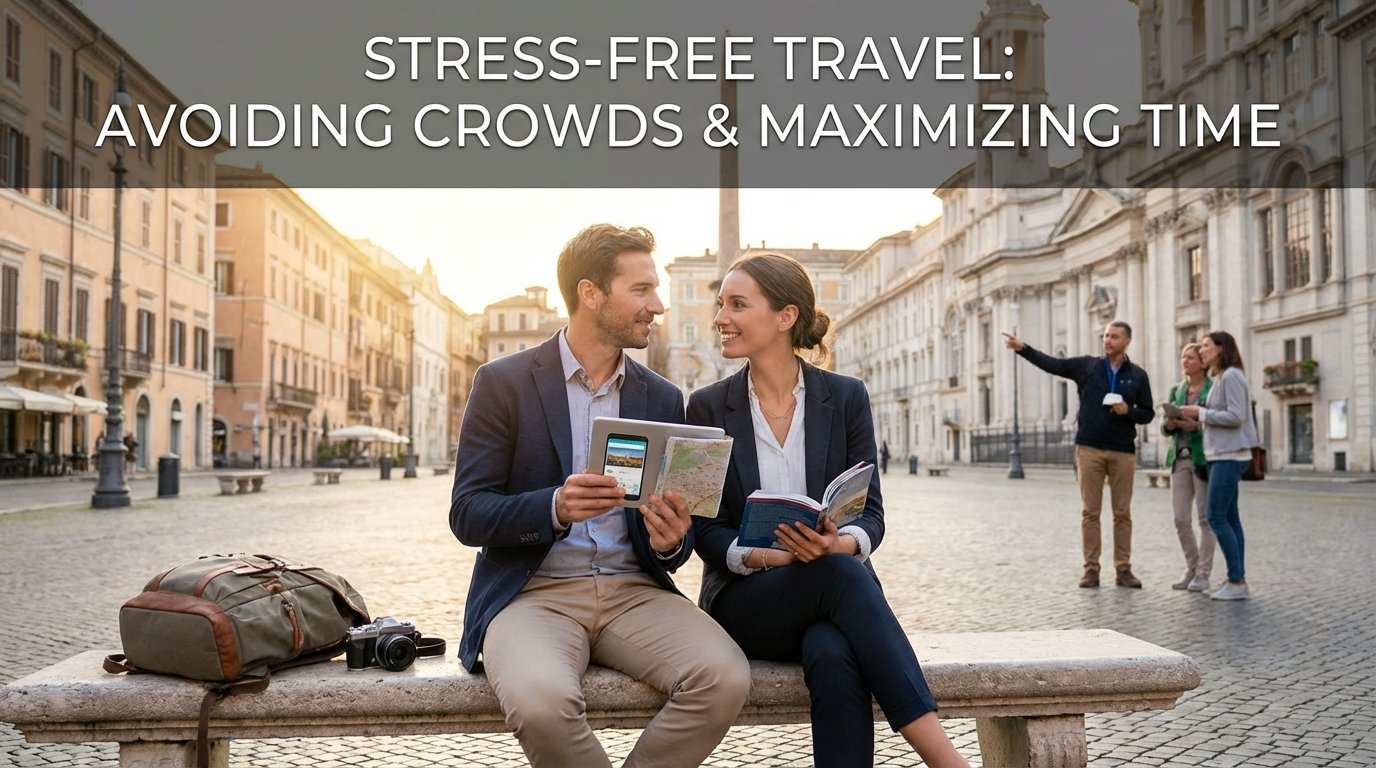
A good travel insurance policy is a must. This should cover medical assistance, cancellations, lost items, and even political or natural occurrences that may require you to cut your trip short. Compare what each policy covers and read the fine print for what is excluded. Some policies from insurers now refresh to include new risks, such as sudden border shifts or outbreaks, so choose one that does keep its terms fresh.
Travel smart and be informed about trends and risks with trusted global resources. Official government sites, travel advisories, and real-time news apps are essential. Social media can assist, but verify from multiple sources. With 82% of travelers concerned about safety, women in particular reporting higher worry, being informed is not just smart, it’s essential to travel today. Unpredictability, with 38% citing it as the key risk, requires that keeping flexible and informed is as important as packing your bag.
Conclusion
Safety keeps changing as new dangers emerge and former behaviors die away. Metropolises, rural communities, and airport transfer points all have their own aviation. Statistics and order are useful, but we need more than facts to keep safe. Some simple habits—checking news, learning local law basics, staying aware—go a long way. Change moves quickly, so keep your plans fluid. Utilize the tools that fit your personal journey, budget, and comfort level. As 2026 approaches, pass on tips and remain receptive to advice. To stay ahead, read updates and chat with travelers. Stay alert, stay friendly, and be wise about decisions no matter where life adventures next.
Frequently Asked Questions
What are global safety adaptations for 2026?
They’re a little different from previous years, as they incorporate lessons learned from recent world events and seek to more effectively safeguard travelers everywhere.
How do safety rankings differ from real safety experiences?
Safety ratings are data driven. Your mileage may vary. Things such as local customs, your own sense of awareness, and the unforeseen all contribute. Rankings are a roadmap, not a promise.
Which regions are considered safest for travel in 2026?
Areas with strong governments, dependable healthcare and minimal crime will be safest in 2026. Think parts of Northern Europe, East Asia and Oceania for instance. They change, so check current travel advisories before you plan!
How can travelers create a personal safety framework?
Travelers can construct their own safety system by investigating places they’re visiting, knowing rules and regulations, and having emergency contacts at the ready. Staying aware of your surroundings and trusting your instinct are imperative for safe travel.
Is absolute safety possible when traveling?
There’s no such thing as complete safety. Risks are everywhere, but awareness, preparation, and adaptability significantly reduce peril. Taking safety precautions can make travel safer, but not risk-free.
What steps can travelers take to future-proof their trips?
Travelers should heed global safety tips: be informed, insure, and digitize in 2026. Knowing local emergencies and health tips can set you up for a safe journey.
Why is cultural inclusivity important in global safety tips?
Being culturally inclusive makes safety advice meaningful and respectful to all. Local safety tips guide travelers in local etiquette and prevent faux pas. This approach makes travel more safe and pleasant.