
- Key Takeaways
- The Power of Collective Insight
- How Crowdsourcing Enhances Travel Safety
- Overcoming Traditional Limitations
- Ensuring Data Reliability
- The Human Element in Safety
- Future of Travel Security
- Conclusion
- Frequently Asked Questions
- What is crowdsourcing in travel safety?
- How does crowdsourcing improve safety for travelers?
- Is crowdsourced travel safety information reliable?
- Can crowdsourcing help in remote or unfamiliar places?
- What are the main benefits of crowdsourcing for travel safety?
- How is personal privacy protected in crowdsourced travel platforms?
- What is the future of crowdsourced travel safety?
Key Takeaways
- With crowdsourcing bringing together travelers and communities around the world, we can all travel smarter and safer.
- With real-time updates through mobile apps and social media, travelers can get instant alerts about local hazards, traffic congestion and emergencies.
- Incident reports that have been verified and data validation ensure that information is reliable and is shared with travelers.
- Dynamic risk assessments using crowdsourced data help identify and address emerging threats more quickly than traditional safety measures.
- With the support of the community and other members of the nest, crowdsourcing enhances travel safety.
- Continued technology developments, including algorithmic filtering and user reputation systems, make crowdsourced travel safety solutions more effective and reliable.
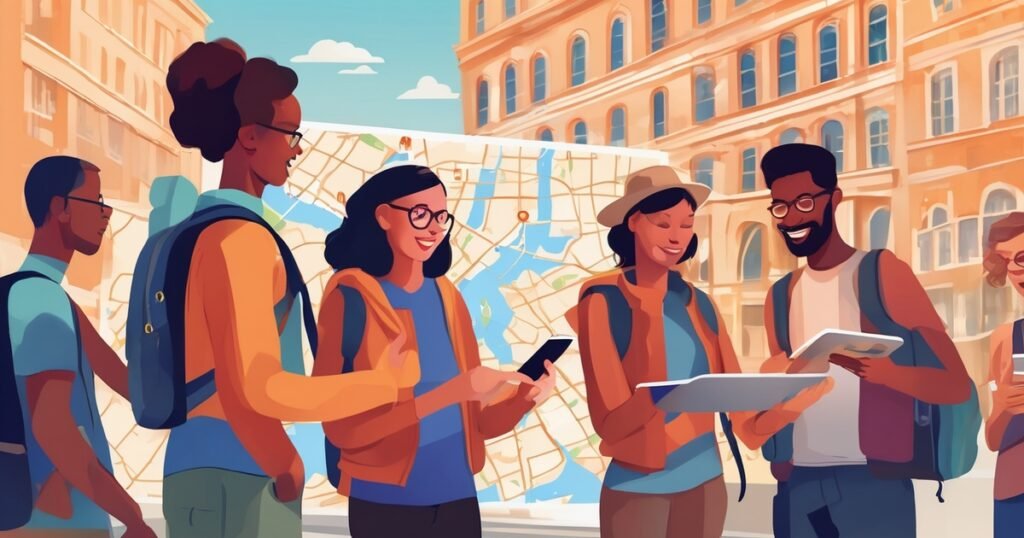
Crowdsourcing can enhance travel safety by letting travelers share and get real-time updates on risks, alerts, and local tips. They go online to platforms, apps, and forums where people post about blocked roads, scams, or unsafe zones to steer clear of. With many reports pouring in from across the globe, travelers can identify patterns or issues more quickly. This communal feedback spans topics ranging from health information to weather alerts. Technology lets users quickly add pictures, maps, or live messages, providing immediate information when it counts. To illustrate how crowdsourcing is making travel safer, the following sections provide real-world examples, best practices, and advice for leveraging these tools globally.
The Power of Collective Insight
About: Crowdsourcing leverages the wisdom of crowds to help make travel safer. By crowdsourcing information from other travelers, locals, and experts, crowdsourcing unites new perspectives and local knowledge from diverse sources. It fills holes left by standard safety cautions or by the authorities, who can occasionally overlook the actual dangers travelers encounter on the ground. Platforms such as the Intelligence Community Prediction Market (ICPM) and the Aggregative Contingents Estimation Program (ACE) have demonstrated how groups can identify threats early and distribute new information that increases travel safety.
Social media is now a primary source of breaking news and notification. Travelers post pictures, videos, and warnings of dangerous locations or incidents. In a few extreme instances, like the United States Capitol attack in January 2021, folks on the internet assisted police in hunting down suspects by visualizing and annotating data. You can employ this same approach globally. For instance, travelers can post on unsafe roads, scams, or protests and others can check and react. This generates a live map of dangers and safe havens that refreshes in real-time.
- Best practices for using community insights: * Consult reports from multiple sources before making travel decisions.
- Seek updates from those on the ground, not just official posts.
- Contribute your own discoveries to aid your community.
- Respect privacy – share photos or data.
- Use trusted apps and websites that verify community posts.
- Beware of disinformation, particularly in times of crisis.
- Leave feedback on platforms to aid accuracy and trust.
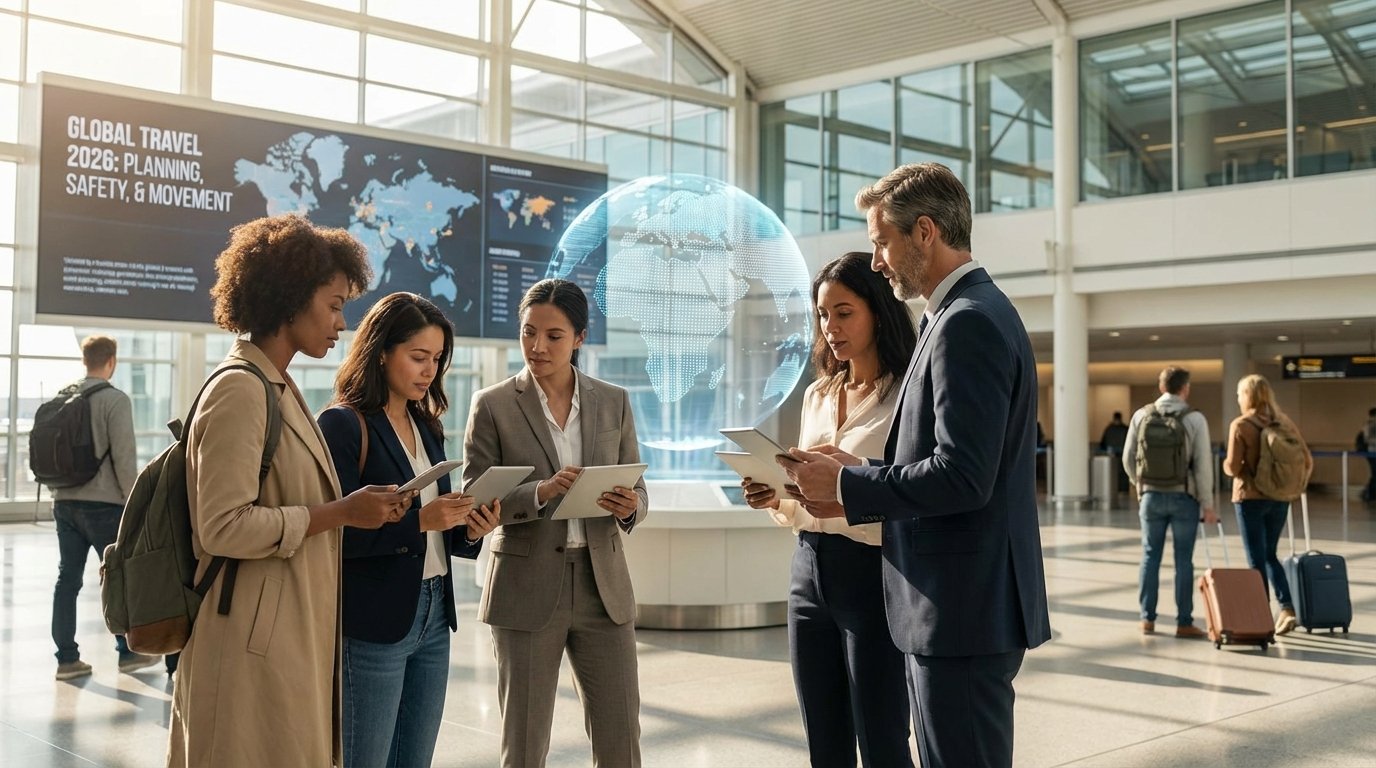
Working together with travelers and public safety groups is the secret to more robust security. Other cities leverage crowdsourced information to monitor crime or unsafe locations, allowing law enforcement to react more quickly. In Ukraine, crowdsourcing aided in collecting evidence of war crimes, demonstrating the strength of multiple eyes and multiple minds. This technique aids in identifying cyber attacks, combating misinformation, and measuring a city’s perceived security. In hybrid conflicts, crowdsourced tips can detect threats that formal channels might miss.
How Crowdsourcing Enhances Travel Safety
Crowdsourcing enables travelers and agencies to collaborate to improve safety. The more individuals contribute information, the quicker travel applications and infrastructure can detect issues, notify travelers, and assist in protecting travel experiences.
- Broadcast real-time road closures, traffic jams, and hazards.
- Map accident-prone zones to inform safety improvements and route decisions.
- Report road issues such as potholes and debris so maintenance gets done faster.
- Feed weather and route information to aid travelers in planning.
- Enhance traveler warnings with next-gen message boards and real-time apps.
- Mix crowdsourced and official information for the most complete picture of immediate dangers.
1. Real-Time Awareness
Crowdsourcing lets travelers receive updates on accidents, congestion, or unexpected danger as they occur. With GPS, apps can push location-based alerts or redirect users away from hazards. It helps folks stay out of trouble and choose safer routes. Such apps sometimes allow users to connect directly with emergency services, reducing response time. If travelers report hazards immediately upon viewing, everyone in the area enjoys these new updates.
2. Hyper-Local Context
Crowdsourced info provides a transparent view of what’s happening at a specific location. Users can receive risk information while they’re in the moment, such as a flooded street or congested intersection. Community feedback goes a long way toward customizing safety measures to local requirements. As users contribute anecdotes or images, it assists others in avoiding potentially hazardous locations. Data from nearby sensors, such as road temperature or traffic flow, adds even more detail, providing travelers a helicopter view.
3. Dynamic Risk Assessment
Crowdsourced data identifies those new threats as they arise by monitoring travel habits and road conditions. Time sensors indicate when places are most dangerous, such as peak commute times or late night hours. Traffic centers utilize this data to alter routes or issue warnings. They can anticipate, using what the data indicates to prevent issues before they escalate.
4. Verified Incident Reports
Not every report is accurate, so crowdsourcing platforms verify information through cross-referencing. Crowdsourced members verify what’s actually occurring. This method ensures that only reliable information is disseminated, minimizing hysteria and protecting visitors. Once a report is validated, it’s disseminated rapidly, so users can take immediate action.
5. Community Support
Crowdsourcing connects us to watch out for one another. Travelers feel connected and more inclined to report when they know it benefits the collective. Support networks can expand, providing advice and information to those who require it. Crowdsourced safety projects from neighborhood watch apps to group chats demonstrate the power of collective effort in keeping travel secure.
Overcoming Traditional Limitations
Conventional methods of collecting and distributing travel safety information are lacking. They’re slow and expensive and they miss fast-moving threats. Crowdsourcing addresses these shortcomings by allowing individuals to report issues as they experience them. This instantaneous feedback assists travelers and city planners alike to identify dangers earlier. For instance, spatial crowdsourcing allows users in urban environments to signal roadblocks or hazardous locations. They have validation rates ranging from 67% to 100%, meaning that a lot of eyeballs go a long way toward making the info better.

Tech tools speed smarter. Mobile crowd sensing collects information from phones and other devices. This provides a constant stream of knowledge on road and transit conditions, all at far less expense than conventional data gathering. Big data analytics and social media contribute. By peering at tweets and traffic reports, coordinators can find out where gridlock or crashes are actually occurring. These insights enable them to act before minor problems turn into major safety hazards.
Cross-border data sharing is difficult for most agencies. New tools are helping to tear down these barriers. Open-source software — such as what’s been developed using Python — allows global teams to access, exchange, and analyze data in adaptable ways. Machine learning and natural language processing (NLP) assist in making sense of vast volumes of text or numbers. They can detect patterns and even identify potential risks without human assistance, which translates to more comprehensive monitoring wherever you are.
Collaboration counts. Transport authorities who cooperate with crowdsourced data can enhance security for all. They can leverage multimodal recommender systems to regulate flow on buses, trains, and roads. This optimizes the flow and helps minimize emissions. Existing research finds bus and public transport enhancements reduce emissions by up to 21.11 percent in Hanoi and 17.37 percent in Da Nang. Crowdsourced reports plot surface maps that provide planners a vivid picture of trouble spots, all constructed more cheaply than conventional surveys.
Ensuring Data Reliability
They count on us for reliable, up-to-the-minute information to keep them safe. Crowdsourcing many voices can lead to erroneous or misleading reports. If reliable data is not checked, it can put travelers at risk and lead them in the wrong direction. For crowdsourced travel data to be valuable, platforms need to have robust mechanisms to maintain the data’s reliability. This includes employing verification tools, reputation mechanisms, smart algorithms, and expert partnerships. The combination of these approaches fosters confidence and provides travelers with transparent, data-driven notifications.
Verification Systems
Trustworthy travel information begins with rigorous fact-checking. Platforms establish firm guidelines to verify crowd sources prior to disseminating them. For instance, a report of road flooding may require photo evidence or confirmation by other users. Automated checks identify questionable or repeated reports and accelerate review. Tech tools such as geotagging and time stamps help verify a report’s reliability.
Feedback loops are essential. When users report mistakes or verify an event, the system learns. This assists in snagging errors more quickly as time goes on. Others keep human analysts in the loop for high-risk cases, such as natural disasters or public safety threats. These specialists examine flagged data and keep key alerts consistently reliable.
User Reputation
Crowdsourced travel data depends on user reputation to shape its trustworthiness. A rating system allows the community and platform to rate each user’s reliability. Those posting valuable, accurate information receive higher scores, and liars experience a loss of reputation. Here’s a simple view:
| User Action | Impact on Reputation | Data Reliability Outcome |
|---|---|---|
| Verified accurate tip | Score increases | Trustworthy info prioritized |
| False report | Score decreases | Info flagged, less visible |
| Consistent reporting | Score rises slowly | User seen as reliable |
| Malicious activity | Score drops sharply | Info hidden or removed |
History matters. Regular, verified reporters get the benefit of the doubt. Others reward truth with badges or little bonuses, which keeps people on the level. Keeping an eye out for malicious behavior, such as spam or incorrect flags, helps us identify and remove bad actors quickly.
Algorithmic Filtering
Platforms employ sophisticated algorithms to scan through thousands of reports each day. Filters emphasize immediate warnings, such as incidents or hazardous areas, according to proximity and intensity. Machine learning makes these systems smarter, learning which patterns tend to prove accurate. Over time, this filters out noise and improves important data.
That’s where data analysts come in to help keep filters functioning. They review flagged cases, test new features, and adjust rules as travel patterns evolve. Through such automation paired with expert oversight, platforms maintain crowdsourced travel data as reliable as possible.
The Human Element in Safety
Human judgment, even with more digital tools, remains at the core of safety. They employ their own instincts and previous experience to filter and evaluate crowdsourced alerts. A pedestrian consults a map and continues to look around before walking. Feelings, stress, and perceived safety can alter decisions. For instance, a person exhausted following a red-eye flight might overlook an alert that another would catch. A collective fear within a group may cause a place to feel less safe than it is. These human factors influence how safety tips are read and applied.
Humans assist humans, sharing what they see and hear. Passengers can post pictures or brief updates of a crowded avenue or subway hold-up. This allows other users to identify hazards or discover optimal routes. When folks participate, confidence develops because the data is sourced from multiple sources, not a single organization or corporation. It makes the safety net broader and more tangible. For instance, a cyclist might alert bikers to an obstacle like a broken curb or someone might tag a street where they characterized a dangerous feeling during a late-night walk. Community feedback indicates not only facts but also how safe people feel, which is often as valuable as hard data.
Public safety teams need to work with crowdsourced tools. Employees need to figure out how to sift through it, identify actual danger and respond quickly. After all, it’s not just about receiving alerts, but organizing what’s important and what’s noise. Well-trained teams can identify trends, overlap matching tips, and use local knowledge to bridge gaps. For instance, city workers can use daily reports from residents to schedule patrols or repair broken lamps earlier.

Open data instills confidence. When groups display where alerts originate, how they categorize them, and the speed of their response, people feel listened to. Readers can track updates, discover what advice made a difference, and rest assured their feedback matters. This attracts even more people to participate and contribute, improving the entire ecosystem.
Future of Travel Security
Travelers encounter new hazards these days, from political instability to pandemics, and these shifts inform how individuals conceptualize security. Old threat reports can be sluggish, expensive, and tend to overlook information that’s important to each individual. Free resources such as web blogs or government sites provide general guidance, but they often don’t update quickly enough or provide the detail users require. With more people flying, more than 1.5 billion international arrivals just a few years away, clean, fast and helpful security tools are more important than ever.
The next generation of travel security Mobile apps can import crowdsourced tips from travelers, workers, and locals virtually instantaneously. For instance, airports can allow thousands of employees, drivers, and visitors to use their phones to submit alerts discreetly. If someone spots a threat, even 30 seconds advance notice can be a huge multiplier in terms of warning others or accelerating a response before it festers. This speedy sharing isn’t just for airports; at train stations, hotels, or a crowded tourist destination, this trick can really come in handy.
Teaming up with tech companies is assisting travel organizations to manage large data sets and interpret them. These new tools can import tips, combine them with official sources, and display maps or alerts that make intuitive sense personalized to each user. For example, if a protest breaks out close to a hotel, a traveler’s phone may receive a push alert with recommendations for how to stay safe or access assistance. These company-to-company, data-to-data, user-to-user connections make the info timely and appropriate to the actual dangers you confront in each location.
Travelers’ needs aren’t one-size-fits-all or one-trip-fits-all. Some desire hard info on health risks, some care more about security or transport. Crowdsourced systems can update as needs change, with feedback and new features. As the tools improve, they will be able to categorize tips by type, verify fake news and provide actionable steps. This agile mindset keeps them prepared as the world shifts.
Conclusion
Crowdsourcing connects humans and information instantly. Travelers can verify roadblocks, health alerts, or crime trends from people on the ground. This blend of communal anecdotes and real-time information provides extra eyes and ears to detect dangers sooner. Old ways overlook local shifts, and crowdsourcing fills holes quickly. Easy solutions such as apps or websites keep it all accessible, so all are welcome to contribute. With more voices, travel becomes safer for all. To stay safe on the road, tap these crowd-powered tools and assist others by sharing what you see. The more we crowdsource safety, the safer we become. Tap into reliable sources for your next venture and contribute to constructing a more secure route.
Frequently Asked Questions
What is crowdsourcing in travel safety?
Crowdsourcing travel safety information is all about gathering real-time updates from a wide group of travelers. This communal wisdom aids in risk recognition, warning, and safer travel.
How does crowdsourcing improve safety for travelers?
Via crowdsourcing, you get real-time alerts on dangers, local situations, or emergencies. Travelers can choose wisely and steer clear of pitfalls with guidance from the crowd.
Is crowdsourced travel safety information reliable?
Crowdsourced data is only effective if users contribute. Its dependability increases as users and moderators contribute more. The more reports of the same problem, the more confidence it instills.
Can crowdsourcing help in remote or unfamiliar places?
Yes, crowdsourcing can be particularly useful in isolated backwaters. Through crowdsourcing, travelers can contribute specific local knowledge not found in official guides to travel safety.
What are the main benefits of crowdsourcing for travel safety?
The key advantages are real-time information, crowd-sourced diverse perspectives, and lightning-fast sharing of localized dangers. This crowdsourcing of travel safety keeps you in the know and in shape no matter where you fly.
How is personal privacy protected in crowdsourced travel platforms?
Most platforms anonymize and do not share personal user information. Users can issue reports anonymously, protecting privacy.
What is the future of crowdsourced travel safety?
The future could be improved technology, more intelligent data sorting, and broader involvement. The more people share, the more travel safety becomes proactive.