
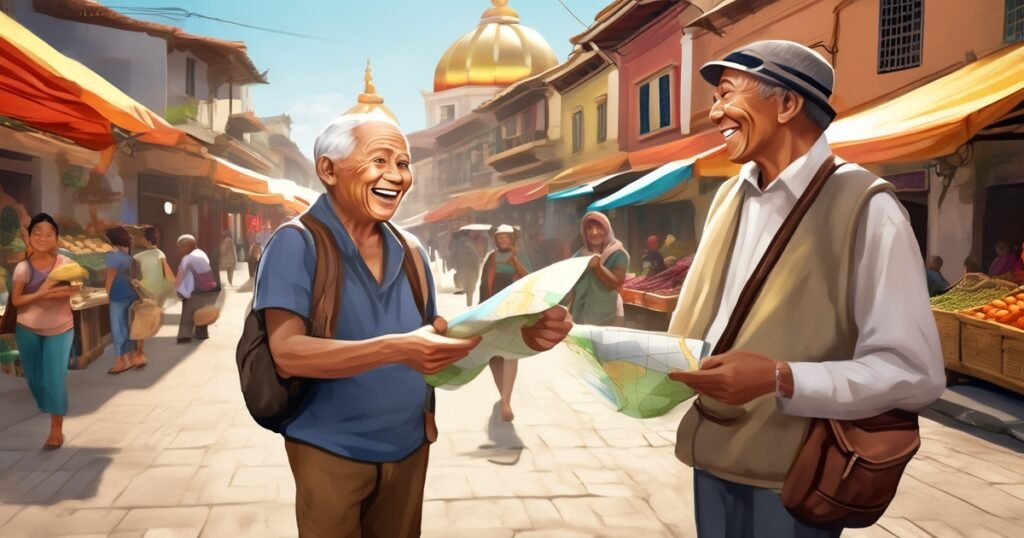
- Key Takeaways
- The Essence of Cultural Etiquette
- Why Cultural Awareness Matters
- Navigating Non-Verbal Cues
- Digital Etiquette Abroad
- How to Prepare
- When Mistakes Happen
- Conclusion
- Frequently Asked Questions
- What is cultural etiquette and why is it important for travelers?
- How can I learn about cultural etiquette before visiting a new country?
- What are some common non-verbal cues to watch for in other cultures?
- What is digital etiquette while traveling abroad?
- How should I prepare for cultural differences before traveling?
- What should I do if I make a cultural mistake while traveling?
- How does being culturally aware help keep travelers safe?
Key Takeaways
- Cultural etiquette, such as how to communicate, dine, and dress, will enrich your time abroad and win the hearts of the locals.
- Do your research on social norms, language basics, and local customs before you go so you’ll fit in comfortably and avoid any offensive faux pas.
- Keep yourself safe by educating yourself on local laws, risks, and digital etiquette, and purchasing travel insurance.
- Be a conscientious tourist. Honor cultural legacy, attend local festivals, and contribute to eco-friendly efforts aiding local communities.
- Be mindful of non-verbal cues like gestures, personal space, and eye contact to communicate respectfully and sidestep accidental offense.
- If you mess up, admit it, apologize, and turn it into a great cultural lesson.
Cultural etiquette and safety are essentials for any traveler seeking a hassle-free journey. Understanding basic customs, dress, and greetings goes a long way to establishing trust and respect among locals wherever you travel. Basic safety measures such as keeping an eye on your stuff, taking trusted transportation, and staying in lit areas reduce risk. Observing photo, tipping, or line-taking etiquette demonstrates class and helps steer clear of trouble. Most have local laws about public behavior that might be different from home. Little things protect you and respect the culture. To provide the full picture, the following sections cover basic etiquette, safety advice, and how to stay alert in unfamiliar locations.
The Essence of Cultural Etiquette
Travelers should understand that etiquette determines how people behave, from their manner of speaking to their wardrobe. Social rules vary a lot and what’s polite somewhere can be strange or even impolite elsewhere. Knowing the fundamentals keeps you from making a fool of yourself and establishes a foundation of trust with locals.
| Aspect | Example Regions | Typical Norm | Notable Difference |
|---|---|---|---|
| Greeting | Japan, France, US | Bow, handshake | Bowing in Japan, kiss in France |
| Communication Style | UK, Brazil, Turkey | Formal, casual | Directness varies by country |
| Dining Practices | Chile, Japan, US | Utensils, chopsticks | Eating with hands frowned upon in Chile |
1. Social Norms
Just as social mores can change rapidly from one country to another. In Japan, we bow to greet, while in France, we give a kiss on the cheek. Being aware of local greetings and farewells prevents awkwardness. There is something to be said about cultural etiquette. Many festivals and holidays have profound cultural significance, and respectfully participating helps cultivate a sense of community. Unwritten rules, like waiting in line or not talking over someone, could matter more than you think.
2. Communication Styles
Take the time to learn how to say hello and some polite phrases in the local language, such as ‘bonjour’ in France. Certain locations appreciate formal terms of address, while others prefer informal banter. As with any culture, listening well and reading body language is helpful since some gestures may be offensive in other places. For instance, a thumbs-up is good in many places but insulting in Turkey. With simple, thoughtful words, you build that positive initial impression.
3. Dining Practices
Dining rules are serious business. In Chile, cutlery is compulsory, even for traditionally finger foods. Chopsticks are common throughout most of Asia, but setting them upright in rice is considered unlucky in Japan. Tipping is risky in the US and rude in Japan. Meal times and what’s on offer can be very different from home, so enquiring into local food and swapping tales is a great way to bond.
4. Dress Codes
What you wear counts. Certain nations require modest attire, particularly in temples or mosques. In Egypt, public displays of affection and skimpy clothes are frowned upon. Bring along easy, clean clothes that suit a multitude of occasions and look for seasonal trends to help you fit in better.
5. Public Behavior
Basically, it’s about public niceness. Don’t shout or make a scene in quiet areas. Be respectful in places of worship by observing signs or inquiring if uncertain. Small courtesies, such as holding doors and offering assistance, go a long way toward making everyone’s travels more pleasant.
Why Cultural Awareness Matters
Cultural awareness is the capacity to observe and appreciate one’s traditions, beliefs, and actions of others. Each country comes with its own set of unwritten customs, including everything from how to greet someone to what’s polite or rude. Understanding these distinctions can prevent travelers from committing faux pas or causing issues. For example, wearing a facemask when sick is the norm in some locations and an oddity in others. Even something as small as presenting a gift with the left hand can be offensive. By being aware, travelers can avoid embarrassment, win trust with locals, and demonstrate genuine respect for the places they are visiting.
| Benefit | Impact on Travel Experience |
|---|---|
| Avoids misunderstandings | Prevents unintentional rudeness or offense |
| Builds positive rapport | Helps form genuine relationships with locals |
| Promotes safety | Reduces risk of conflict or unsafe situations |
| Fosters learning | Broadens worldview and appreciation for diversity |
| Supports responsible travel | Encourages preservation of local culture and environment |
Personal Safety
Knowing what’s legal and cultural customs before you arrive will help keep you out of trouble. Certain nations impose restrictions regarding attire or behavior or even public exhibitions of affection. Ignorance of these rules can occasionally result in fines or worse.

Keep informed about potential risks, such as political unrest or high-crime regions. Most governments have travel advisories online. Locals are a great resource for safe spots and warnings. They can tell you which neighborhoods are coolest for visitors and which to avoid.
Purchasing travel insurance is a wise move. It spans medical emergencies, lost baggage, and unexpected itinerary changes. Insurance provides practical support and peace of mind.
Authentic Connections
Participate in local festivals, markets, or workshops to encounter others and experience their culture first-hand. These provide a window into everyday life and tend to generate impromptu discussions.
Tell stories about your culture, too. This generates reciprocal learning and frequently new friendships. Always thank locals for their openness and kindness, whether it’s a humble meal or some invaluable advice.
Responsible Tourism
- Support businesses owned by locals.
- Avoid disturbing wildlife or natural habitats.
- Respect rules at sacred sites and historic monuments.
- Reduce waste and use reusable water bottles.
- Choose certified guides who know local customs.
By knowing how tourism affects the environment and society, travelers can make decisions that cause less damage. Being respectful is the right thing to do and it leads by example. Backing cultural preservation isn’t about preserving the status quo; it’s about giving communities the agency to present their culture.
Navigating Non-Verbal Cues
Non-verbal cues influence how travelers are perceived and how much they belong. Gestures, personal space, and eye contact all communicate loud and clear, frequently without a single word. Little errors can create misunderstandings or offense. Understanding what behaviors signify and when to deploy them makes for easier commuting and safer dance floor machinations.
Gestures
Gestures can signify remarkably different things in different locations. A thumbs up is nice in some places and not so nice in others. In Greece, the Middle East, or West Africa, it is impolite. It suggests laziness in New Zealand and it is ‘zero’ in Australia. Waving, smiling, or open palms are safe in much of the world, but not all. You should use your right hand to give, eat, or receive in India and much of Africa and the Middle East because the left is considered the nasty hand.
Pointing and beckoning require caution. In the Philippines, Japan, and Singapore, calling someone over with a curled finger is offensive. Bowing is prevalent throughout much of Asia, with a nod being given for casual greetings and a deeper bow for formal occasions. Loud voices may come across as impolite in Japan and South Korea, particularly in public.
Tourists would be better off observing the natives first. Reading between the lines in context prevents errors and cultivates trust.
Personal Space
Everyone has their own personal comfort zone with space. In some cultures, standing close demonstrates sincerity or respect. Some people prefer a larger bubble. Mastering these conventions prior to touchdown helps keep conversations flowing and enjoyable.
Touch is difficult. Some areas are okay with hugs or a hand on the back, but others consider it too intimate. Navigating non-verbal cues in crowded spaces, such as metros, means trying to give space when you can. Paying attention to how close locals stand and how much they touch helps you blend in better.
In Finland, talking with your hands in your pockets appears impolite. Little things like that count and imitating local customs aids assimilation.
Eye Contact
Eye contact etiquette varies. In certain cultures, maintaining eye contact is a sign of respect and attentiveness. In others, it comes across as brash or aggressive, which offends people.
Brief glances are fine in much of Asia. Prolonged stares are impolite or even a provocation. In more direct cultures, steady eye contact indicates trust and interest.
It’s a matter of matching the amount of eye contact locals employ that makes conversations less awkward and easier. It’s a great way to indicate that you’re listening, but not intruding.
Digital Etiquette Abroad
Travel these days is about more than just getting from point A to point B. Each click, photo, or post has an impact on the relationship between you and your host community. Digital etiquette enables travelers to be respectful and avoid misunderstandings online and off.
Photography Consent
Just because you’re comfortable taking pics doesn’t mean the locals are as well. In Japan, for example, it’s offensive to photograph people or certain venues without consent. Museums, temples and religious places abroad frequently prohibit pictures. Look out for signs or inquire with employees. Even in public, certain people don’t want their photo posted, particularly if you’re in a culture that appreciates privacy. Just walk up, smile and ask—most will be grateful for the compliment and happy to explain why pictures are a sore subject. In certain locations such as Ethiopia or India, you’ll find that shooting near religious ceremonies or rites is not only taboo but may even be insulting.
Social Media
Consider before you post pictures or anecdotes online. It’s offensive, for example, to post about praying, public displays of affection, or certain sites in Egypt or Islamic countries where being publicly affectionate is not acceptable. If your food experience is different from what you’re used to, don’t mock it. Eating with one’s hands is perfectly normal in India with the right hand and in Chile, even burgers are rude. Follow local accounts to discover what matters to people there and let your posts celebrate positive doings, not stereotypes. Social media can be a vehicle for ethical travel. Share content that uplifts local narratives and honors their lifestyle.
Online Privacy
Make sure you keep your data safe by using secure Wi-Fi and checking privacy settings on your devices. Don’t make your location public in real time to avoid unwanted attention or risk to safety. Educate yourself on local data laws; these rules can vary from country to country. For instance, certain countries limit what you can publish online, particularly regarding government or religion. Be sensitive when discussing sensitive issues and keep in mind that even offhand remarks can be misconstrued abroad.
How to Prepare
Preparation is the secret to safe, respectful travel, wherever you go. Understanding the local culture and expectations makes you blend in and prevents confusion. These small steps leading up to and during your trip can make a difference.
Pre-Trip Research
Begin by familiarizing yourself with the customs of your destination. A lot of countries have traditions that will shock you. For instance, tipping after a meal is not anticipated in Japan and can even be offensive. It is standard in the US. In India, it is polite to eat with your right hand, but not your left. You do not eat with your hands in Chile or slurp your noodles in Japan.

Consult your cultural guides, trusted travel blogs and international forums to hear firsthand tales from travelers. These guides offer great pragmatic tips, such as modest dress at temples or not eating in the vicinity of monuments. Brush up on some important local terms – greetings, thank you’s, polite requests. This diligence demonstrates deference and can unlock all sorts of avenues. Of course, always check your country’s dos and don’ts for instance, whether punctuality is prized or if it’s normal to be late.
Local Guidance
When you arrive, ask locals or cultural experts for tips. Most cities have some kind of visitor center or cultural workshop that can provide you with detailed information. Join a guided tour or participate in a cooking class. These are great sources for picking up customs, like how to greet or what not to gesture. A thumbs-up, for instance, might mean something you don’t expect.
Consult with other travelers who have made your trip. Their tales frequently include topics not in the official guides. Turn to tourism sites for up-to-date etiquette, local safety advice, and guidance on how to conduct yourself in public.
Mindful Observation
Observe how people behave in public, how they greet, queue, or chat. Observe if folks stand in line silently or socialize. Observe meal etiquette, for example, whether meals are quick or leisurely and whether there are particular protocols for food sharing.
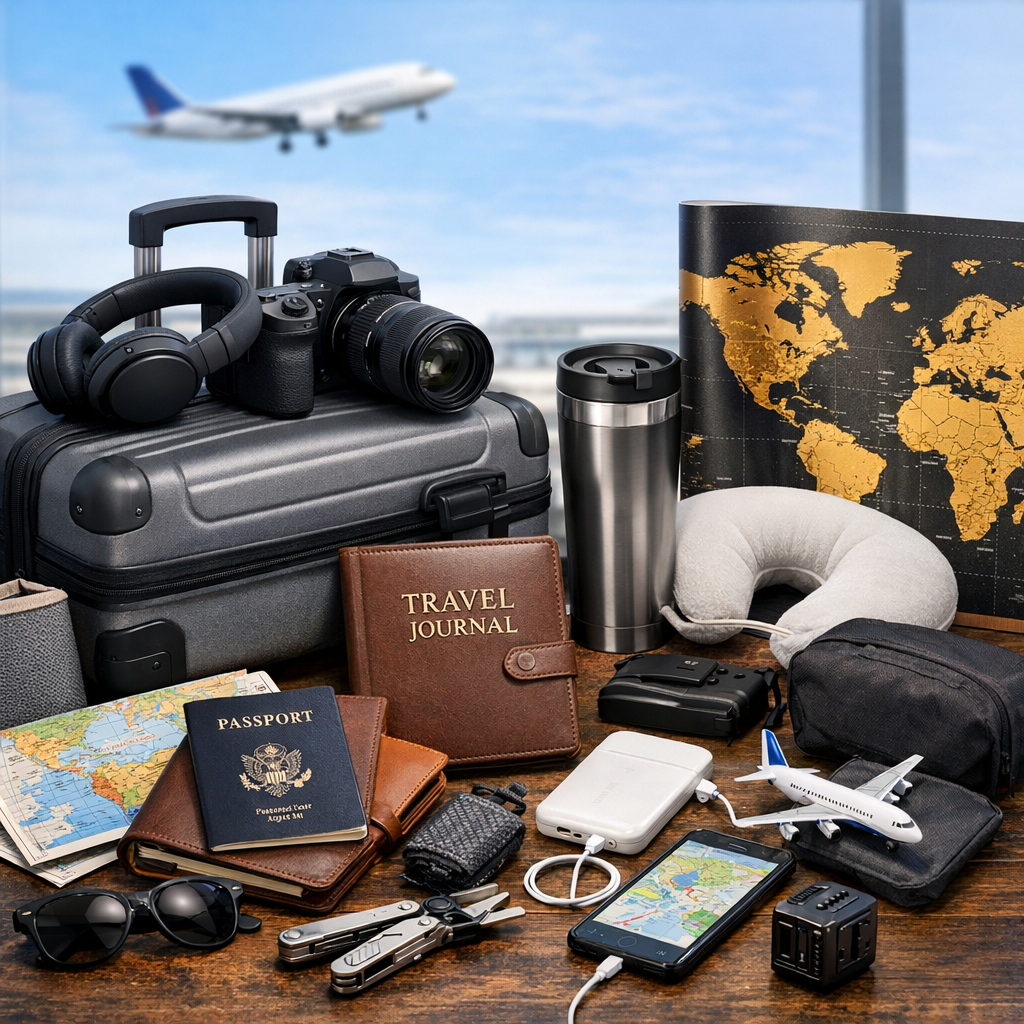
Being patient and polite counts, whether you’re waiting for a gondola in Venice or a ride-share in Miami. Little things, such as waiting your turn and smiling respectfully matter. Body language is important as well. Remember that even everyday gestures can be interpreted differently from one location to another. Think after each day about what clicked and what felt off. That lets you float with and blend in more seamlessly.
Always greet people politely and learn the local way.
Dress modestly where required, particularly at religious or historic sites.
Use your right hand for eating when required.
Avoid gestures that may be misunderstood.
Learn and use basic phrases in the local language.
Just be patient, kind, and mindful of the local customs.
Observe local dining customs and table manners.
Check if tipping is common or considered rude.
When Mistakes Happen
Road errors for an experienced flier are almost unavoidable. Sometimes, it means getting lost in a busy city, being shortchanged at a market or unintentionally cutting in line. Other times, it’s graver—like making an inappropriate gesture, stripping your shirt in a church or etching your initials on a monument. These types of errors, minor or major, can sour your connections with local citizens or even get you in hot water. What counts is how travelers react, learn and disseminate those lessons.
Acknowledge
Admitting when you’re wrong comes first. It may be as basic as stumbling into a taboo space or as intricate as detecting offense from a misread cue. Own up, even if the transgression is small. Humility is everything; demonstrate that you get the effect of your act, whether it’s cutting a line or abusing a local salutation. Locals like it when tourists own up when they’re wrong and respect local traditions. Thank them for their patience. This acknowledgment not only relieves pressure but allows travelers to digest and evolve from the encounter, which results in richer cultural insight in the long run.
Apologize
A genuine apology can take you far. If you’ve committed a faux pas, perhaps you’ve brought your shoes indoors or taken a picture of someone without permission, rely on easy, respectful words in the local language if you can. A subtle bow, a quiet voice, a gentle touch help express sorrow. Hear out colleagues, friends, random bystanders; it might sting, but it is typically helpful. When a cabbie talks you through a fare or a shopkeeper highlights a regulation, hear them out. A quality apology, the kind that rebuilds trust and demonstrates goodwill, can even lead to new cultural insight and familiarity.
Learn
Every error is an opportunity to study. Take a moment to ponder what occurred and why. Perhaps you weren’t aware of regulations in a saturated market or unique traditions concerning handshakes. Deconstructing these experiences with your fellow travelers allows us all to avoid the same mistake. Be inquisitive and learn about new destinations, cultures, and conventions ahead of time. Tell someone what you’ve learned. This encourages not just healthier travel habits but nurtures a broader culture of appreciation.
Conclusion
To travel thoughtfully, master cultural etiquette and safety essentials. Little things like a courteous greeting or a conscious action can unlock opportunities and protect you. In a hustling marketplace or sleepy town, a little respect travels a long way. Even a fast scan of local laws on the internet can save you headaches. Screw ups will occur, but ‘sorry’ is often a quick repair. They remember travelers who blend in, not who stick out. Stay clever, stay generous and enjoy every moment. For more tips and true tales, read our guide or trade your own travel victories and lessons. Every trip becomes easier with some know-how and an open mind.
Frequently Asked Questions
What is cultural etiquette and why is it important for travelers?
That is, cultural etiquette, which is what’s acceptable behavior in a given society. Knowing it saves travelers from faux pas, earns them respect, and keeps them safe in unfamiliar cultural settings.
How can I learn about cultural etiquette before visiting a new country?
Do some research online, read some guides or watch some videos from a good source. Websites of governments and travel forums can be informative about local customs and rules.
What are some common non-verbal cues to watch for in other cultures?
Non-verbal cues differ but can encompass gestures, eye contact, and personal space. For instance, direct eye contact can signify respect in some cultures and is considered rude in others.
What is digital etiquette while traveling abroad?
Digital etiquette involves respecting privacy, seeking consent prior to sharing photos of others, and adhering to local regulations regarding internet usage. Be sure to use polite and professional language in online communications.
How should I prepare for cultural differences before traveling?
Find out some handy phrases, local customs, and dress codes. Being prepared is respectful and can help you avoid unintentional offense.
What should I do if I make a cultural mistake while traveling?
Apologize graciously and show eagerness to learn. Most people respond well to sincere effort and respect, even when you screw up.
How does being culturally aware help keep travelers safe?
Understanding local customs will assist you in sidestepping danger or slighting someone. It facilitates connecting with locals and receiving assistance when necessary.