

- Key Takeaways
- Why Vaccinations Matter Now
- Essential Traveler Vaccinations
- Your Vaccination Timeline
- Finding a Travel Clinic
- Navigating Vaccination Trends
- Beyond the Needle
- Conclusion
- Frequently Asked Questions
- Why are travel vaccinations important?
- Which vaccinations are most important for international travelers?
- When should I get vaccinated before traveling?
- How do I find a reliable travel clinic?
- What are the current trends in travel vaccinations?
- Are there alternatives to injections for travel vaccines?
- How can I stay updated on travel health requirements?
Key Takeaways
- Vaccinations are an essential part of safeguarding travelers against infectious diseases and contribute to minimizing the risk of outbreaks worldwide.
- Stay updated on routine and destination-specific vaccines as requirements and recommendations can change based on global health trends and local disease risks.
- Evaluate your personal health status and consult healthcare professionals to identify necessary vaccines based on your travel itinerary and destinations.
- Schedule your vaccinations early enough to develop immunity and keep vaccine certificates for countries that still require them.
- Travel health mix: vaccinations and more to watch. Malaria prevention, safe food and water consumption, and insect protection.
- Stay on top of emerging vaccine innovations and evolving international vaccination requirements to prepare your trips and stay compliant with global guidelines.
Travel health: the vaccination trends you need to follow Travel habits, climate, and disease spread have changed, and with it, the vaccines that matter most to travelers. Certain countries may require proof of yellow fever, COVID-19, or meningitis vaccinations prior to granting entry. The last few years brought an increase in routine boosters and novel vaccines for emerging risks, such as dengue or Japanese encephalitis, to favored destinations. Travel health: vaccination trends to watch Health groups now emphasize checking local outbreaks and updating shots before travel. Practical considerations and border regulations dictate what vaccinations travelers need. To guide you toward safe and smooth travels, the subsequent sections explore the newest trends, essential immunizations, and advice for regions.
Why Vaccinations Matter Now
Vaccinations are crucial now as they significantly reduce the chances of contracting and transmitting infectious diseases that may be infrequent at home but widespread abroad, such as the measles vaccine and cholera vaccine. Skipping vaccines can lead to disease outbreaks both overseas and upon returning home. For travelers, staying current on vaccinations is essential for smart travel planning, particularly with new measles outbreaks and evolving COVID-19 travel rules.
Beyond the Basics
MMR, flu, polio, varicella, Tdap – these are not just childhood or senior vaccines! For global jetsetters, these simple shots prevent the transmission of illnesses to regions where they may have been eradicated or are still an issue. Some countries have experienced measles outbreaks as travelers imported the virus.

Yellow fever, cholera, Japanese encephalitis, and typhoid vaccines are commonly required or highly recommended for certain destinations. Yellow fever, for instance, is endemic in certain areas of Africa and South America but not in the US or Europe. Just one case in an unvaccinated traveler can spark a cascade of new infections.
Travel clinics provide guidance on vaccines, food and water safety, and insect bites. They assist travelers in navigating health risks specific to their destination, such as altitude sickness or rabies.
Travelers without vaccines trigger outbreaks in low immunity counties. This can impact entire communities and burden local healthcare services.
A Global Perspective
| Area | Vaccine Coverage (%) | Significant Outbreaks 2022-2023 |

About – Why Vaccinations Matter Now | North America | 92 | Measles, Influenza | | Europe | 89 | Measles, Polio | | Africa | 72 | Yellow fever, Cholera, Measles | | Asia | 81 | Japanese encephalitis, Dengue
International health regulations tell countries what vaccines travelers require. These policies help keep diseases from jumping boundaries. In areas where illnesses such as yellow fever prevail, vaccines can stop widespread sickness. In coordinated global efforts, vaccination is the only way to end epidemics and protect travelers and locals alike.
Your Personal Risk
Cross your own immunization records off the list before you book a trip. Certain trips necessitate vaccines you might’ve never had before, like rabies or Japanese encephalitis. In high-risk areas such as sub-Saharan Africa or Southeast Asia, the diseases travelers encounter are uncommon at home.
Why vaccines are crucial now. Miss just one shot, and you’re creating risk for yourself and others. Each trip needs to align with the required vaccines for that destination, taking into account your health and immunization history.
Essential Traveler Vaccinations
By getting travel vaccinations, such as the cholera vaccine and yellow fever vaccinations, you help prevent the spread of infectious diseases and protect yourself and your community. They’re an important part of travel planning — international vaccination requirements have been around since 1944.
- Hepatitis A
- Hepatitis B
- Typhoid fever
- Yellow fever
- Polio
- Japanese encephalitis
- Rabies (for specific activities)
- Meningococcal meningitis (for certain destinations and events)
- Routine immunizations (measles, mumps, rubella, tetanus, diphtheria, pertussis, influenza)
1. Routine Immunizations
Staying up-to-date on routine vaccines prior to any trip is important. They tend to be included in national immunization programs and consist of measles, mumps, rubella, polio, tetanus, diphtheria, and flu. If these are not up to date, travelers can potentially catch and transmit preventable diseases.
Routine shots don’t just protect your kid, they create a community-wide shield. Polio and measles can make a comeback if traveling sources introduce them from areas where the disease is still prevalent. Imported polio cases have now alarmed low-risk countries, for instance.
Routine vaccines make global travel safe. They are the frontline in preventing epidemics and protecting public health more generally.
2. Recommended by Destination
Every location is accompanied by specific health risks. This makes it important to research which vaccines are recommended for your travel destination. For instance, the yellow fever vaccine is a requirement for entry into certain African and South American countries. In regions with prevalent hepatitis A or typhoid, these immunizations prevent sickness from food or water.
Travelers visiting rural areas or engaging in the outdoors require the Japanese encephalitis vaccine. Health groups such as the World Health Organization and local health departments have timely recommendations by region. Certain vaccines, like Hepatitis B, require multiple doses, so advance planning is important.
3. Required for Entry
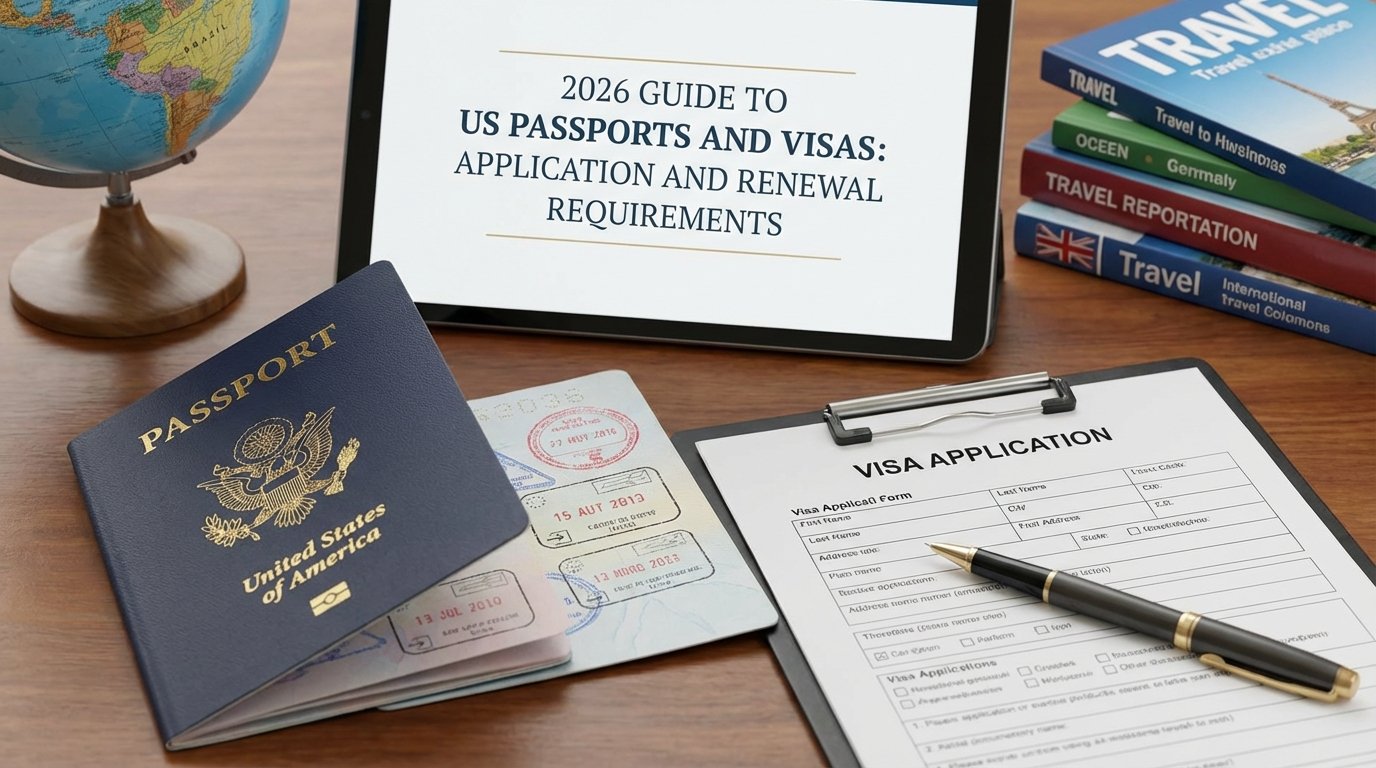
Several countries impose mandatory vaccinations for entry, particularly where there is a high risk of exposure to specific illnesses. Yellow fever is the most common, and travelers must demonstrate proof with a formal certificate. Saudi Arabia, for instance, has meningococcal vaccination requirements for Hajj and Umrah pilgrims.
Omitting mandatory vaccines can see you refused entry or quarantined. Vaccine rules fluctuate, so travelers need to verify entry requirements for each journey. Ignoring them can wreck travel plans.
4. Emerging Threats
New diseases can emerge rapidly and spread swiftly. Vaccine research has to keep up, like with Zaire ebolavirus or shifting flu strains. Some outbreaks result in new vaccine recommendations or emergency deployment of vaccines.
Travelers must remain vigilant about updates and evolving disease risks. Staying flexible and open to new vaccine recommendations keeps you from getting sick from threats that weren’t around ten years ago.
Your Vaccination Timeline
It’s about your vaccination timeline. The right vaccinations, including the cholera vaccine and measles vaccine, protect you and stop the spread. A smart vaccination timeline aligns your travel with your health requirements and adheres to up-to-date medical recommendations and local regulations.
Plan your journey and verify vaccine regulations for every country you enter. Vaccination schedules vary by location and some will want proof for certain vaccines at the border, with some countries listing more required shots than others. Check official government or health sites for their most up-to-date lists. For instance, the UK government publishes its complete vaccine schedule online and advises travelers to make appointments six to eight weeks prior to departure. That’s plenty of lead time for shots and boosters.
Plan vaccines in advance. A lot of vaccines take a few weeks to do their thing. Others, such as the hepatitis B series, require multiple doses over a month or more. Others, like yellow fever, require only one shot but must be administered at least 10 days prior to travel. Catching up on missed shots? This could imply a packed schedule or bundling vaccines. Skipping a dose can lead to reduced coverage or even entry issues at your point of arrival.
Be on the lookout for booster shots. Other vaccines, such as tetanus or polio, require boosters years later. Flu shots are annual and highly recommended if you travel during the flu season, particularly if you are a child, over 65, or a pregnant woman. Others may require evidence you received a recent booster, so maintain an up-to-date vaccine card.
Pair your timeline to your individual health. A few require additional shots or an altered schedule. Pregnant women, seniors, and people with chronic illness might receive alternative recommendations from their physician. Certain vaccinations are only for risk groups or specific age groups. For instance, the flu shot is for children over two and adults over 65, but not for infants under six months.
Keep up to date. Vaccine guidance evolves. New vaccines are added. Old advice, new update. Check in with a health care worker before you go and watch for updates from reliable sources.

Finding a Travel Clinic
Finding the right travel clinic is essential for obtaining necessary vaccines, including the malaria vaccine and rabies vaccine, along with current advice for your travels. Travel clinics tend to be more on the cutting edge as they specialize in global health needs and keep up with vaccine trends. For most, that means beginning by looking up local health departments, searching online, and calling 1-877-PA-HEALTH. Certain airports even operate health screening programs, such as gathering nasal swabs or wastewater samples. US citizens can register their trip with the nearest embassy or consulate for updates and support. If you have questions, you can email ra-pwsafetravel@pa.gov for help. The chance of encountering infectious diseases that are unusual at home increases with international travel. Choosing the right clinic means you receive straightforward responses and all the requisite immunizations.
General Practitioner
Role | General Practitioner | Specialized Travel Clinic |
|---|---|---|
Vaccination Scope | Routine vaccines, basic travel shots | Full range, rare and region-specific vaccines |
Health Review | Checks your health history, fills gaps in routine vaccines | Deep review, focuses on travel-specific health risks |
Advice | General health tips, limited on travel-specific issues | Up-to-date, tailored advice for global destinations |
Accessibility | Common, part of regular health care | May need to book in advance, less widespread |
Begin with your GP if you have one, as they understand your health background and can discuss your travel vaccination needs based on your itinerary. Mention your destination and any health concerns, and they will review your immunization records to identify missing shots. If traveling to endemic areas, your doctor may recommend additional vaccines, such as the cholera vaccine or yellow fever vaccinations, and may refer you to a travel clinic for specialized immunizations.
Specialized Clinic
Specialized travel clinics provide more than just shots; they are essential for ensuring you meet the necessary vaccination requirements for your destination. Staying informed about the current travel vaccination trends, these clinics have specialists who know what diseases are prevalent in different areas and the specific shots required. They offer a broader spectrum of vaccines, including those for endemic diseases and outbreaks, which general clinics may not provide.
Travel clinics may construct a vaccination schedule tailored to your trip’s itineraries and timing. This comes in handy for travelers with multiple destinations or extended stays abroad. Some even provide medications, health kits and tips to get around the usual travel bugs. You might need to book early, as certain vaccines need to be administered weeks before you leave. Make sure the clinic has your vaccines before you visit.
Navigating Vaccination Trends
Travel health regulations and vaccine requirements keep evolving as risks ebb and flow worldwide. By navigating these trends, travelers can sidestep wait lines, reduce exposure to illness, and book trips with less uncertainty. Infectious threats like the measles vaccine, chikungunya, and Chagas disease are on the march as international travel increases. Climate change accelerates the transmission of diseases, and gaps in global vaccination coverage grow larger. Measles surges now afflict every continent, from the Americas to Africa and Asia. These trends are influencing not just who needs what shots but how travelers gear up to make it safely across borders.
Shifting Policies
Governments keep shifting their entrance, exit, or transit vaccination requirements. Sometimes these rules come down fast during public health emergencies like outbreak spikes in measles or chikungunya. For instance, travelers might unexpectedly require proof of a recent measles vaccine or even a booster to enter. These shifts can affect all travelers and present additional hurdles for older adults, those with underlying health issues, or pregnant and nursing individuals. Several countries now ask for immunization documentation, particularly if traveling to an area where infectious diseases are known to be prevalent. The CDC encourages travelers to get vaccinated at least two weeks prior to departure so immunity can develop. Staying ahead of advisories and new mandates can save you from last-minute scrambles and keep your plans on course.
New Technologies
Vaccine research continues with innovations in safer and more effective shots, including the development of a malaria vaccine and advancements in travel vaccination. We first used mRNA vaccines at scale against COVID, and now we’re investigating their potential for other conditions. These vaccines provide optimism for rapid solutions to new risks, especially in endemic areas. Combination vaccines, which protect against multiple diseases at once, reduce the number of shots required. With an increasing number of new vaccines hitting the market, travelers might have a more convenient time staying protected, particularly when traveling to destinations where risks increase.
Future Outlook
Research continues to aim at diseases without good prevention tools, such as Chagas disease, which by 2025 still has no vaccine or preventive drug. They predict additional efforts to increase travel vaccination awareness among travelers, especially as disease outbreaks continue to rise. World health groups advocate for transparent and accessible vaccine information, particularly regarding the importance of routine vaccinations. With increased risks of illness from our vaccination, it’s more important than ever to keep up with the latest research and public health guidance. Taking preventive measures, including timely vaccination and heeding travel advisories, can reduce illness rates and the likelihood of post-travel medical care.
Beyond the Needle
Because while many travelers are preoccupied with travel vaccination requirements, staying healthy on the road requires more than a shot. Beyond the needle, travelers need to consider practical measures for disease prevention, risk mitigation, and health optimization to combat preventable diseases.
- Stock a travel first-aid kit full of essentials and medications.
- Bring some bug spray and sunscreen to prevent bites and sunburn.
- Above all, because we’re in hot climates here, keep drinking safe water.
- Wash hands frequently or use hand sanitizer when soap and water are not available.
- Avoid street food if unsure about hygiene standards.
- Wear seatbelts or helmets when using local transport.
- Choose safe accommodations with good hygiene and security.
- Stay informed about local health alerts and outbreaks.
Malaria Prevention
Malaria is a danger in most tropical areas. Prevention is much more than vaccines. Malaria vaccines are beginning to become available in targeted regions, but most travelers rely on prophylactic medication. They need to be initiated prior, taken throughout, and extended following departure. Not every traveler is sure which medicine is appropriate for where they are going, so discussing with a travel health provider is key.
Mosquito bite prevention is critical. Apply DEET insect repellent, wear long sleeves and pants, and sleep under a bed net as necessary. Unfortunately, some travelers skip these steps and become more vulnerable. By identifying early symptoms of malaria, including fever, headache, and chills, travelers can get treatment quickly. Malaria risk is seasonal, so local health updates prior to travel make a difference.
Food and Water Safety
It is crucial to eat and drink safely. A good number of travelers still fall ill from impure food and water. Use this checklist:
- Only eat food that is hot and freshly cooked.
- Avoid raw foods except fruits you peel yourself.
- Drink bottled or purified water—never from the tap.
- Eat with sanitary silverware and don’t eat vendor food from people who look dirty.
Nausea, stomach cramps, or diarrhea require immediate intervention. Other travelers forget they need to hydrate more when sick. Knowing about local food safety can help you dodge dangerous dishes.
Insect Protection
Insect-borne illnesses such as dengue and Zika are on the rise, making travel vaccination crucial. Other than DEET repellents, wearing light-colored, long sleeves and pants can reduce your risk of bites. It’s essential to remain in screened rooms or sleep under bed nets while being aware of the diseases in your destination, as prevention measures can vary. Most people forget to wear sun protection, and only 10% even consider it, but UV can exacerbate mosquito bite reactions.
Conclusion
Keeping current on your travel vaccines protects you and those around you. Trends in travel health shift quickly, and new dangers can emerge anywhere. Lots of travelers check for updates now before each trip, and even more clinics make it easy to get all shots in one visit. Most find the process straightforward and many countries provide explicit lists of what you require. For instance, travelers to Brazil still get yellow fever shots and those heading to Southeast Asia target hepatitis and typhoid. Whether planning a stress-free trip or something more spontaneous, check vaccine guides or chat with a travel health nurse. Stay savvy and keep health in your travel mix!
Frequently Asked Questions
Why are travel vaccinations important?
Travel vaccinations, such as the cholera vaccine and yellow fever vaccinations, safeguard you against severe ailments present in various areas. They stop outbreaks and protect local communities, as many countries still demand proof of certain vaccines to enter.
Which vaccinations are most important for international travelers?
Typical travel vaccinations include hepatitis A and B, yellow fever vaccine, typhoid, rabies vaccines, and Japanese encephalitis, with necessary vaccines varying based on your destination and health.
When should I get vaccinated before traveling?
Begin your travel vaccination series at least 4 to 6 weeks prior to travel. This ensures vaccines, such as the cholera vaccine, have time to take effect and allows for any necessary booster shots.
How do I find a reliable travel clinic?
Seek out clinics authorized by health authorities or endorsed by your nation’s health ministry, especially those offering routine vaccinations and travel vaccination requirements. Look for reviews, staff certifications, and vaccines offered.
What are the current trends in travel vaccinations?
Travel health: vaccination trends to watch as more travelers seek routine vaccinations.
Are there alternatives to injections for travel vaccines?
Certain travel vaccinations, including the cholera vaccine and yellow fever vaccinations, are offered in the form of oral medicines or nasal sprays. Not all vaccines have an alternative, so consult your healthcare provider about what’s best for you.
How can I stay updated on travel health requirements?
Stay informed about travel vaccination requirements and health advice from official government health sites and the World Health Organization to monitor local disease outbreaks and entry requirements for your destination.