
- Key Takeaways
- Assess Your Travel Viability
- Your Pre-Travel Health Blueprint
- Navigating Your Journey Safely
- The Unseen Risk: Mental Fortitude
- When Things Go Wrong
- Post-Travel Health Protocol
- Conclusion
- Frequently Asked Questions
- Is it safe to travel during a health crisis?
- What should I pack to stay healthy while traveling?
- How can I protect myself during flights or public transport?
- What should I do if I feel sick during my trip?
- How do I manage travel-related stress during a health crisis?
- What steps should I take after returning home?
- Are travel insurance and emergency contacts important?
Key Takeaways
- Check your health, check advisories, and check local impact.
- See your healthcare provider, get vaccinations, and pack smartly with these travel health tips.
- Know your destination’s risk. Dive into data on health conditions and entry requirements and opt for hotels with robust safety measures.
- Adhere to public health protocols during your trip, minimize contact by opting for contactless services, and steer clear of congested spaces.
- Reduce stress with meditation, stay in touch with support groups, and prepare an emergency plan.
- Keep an eye on your health upon returning home, adhere to local guidance, and consult medical services quickly if symptoms arise.
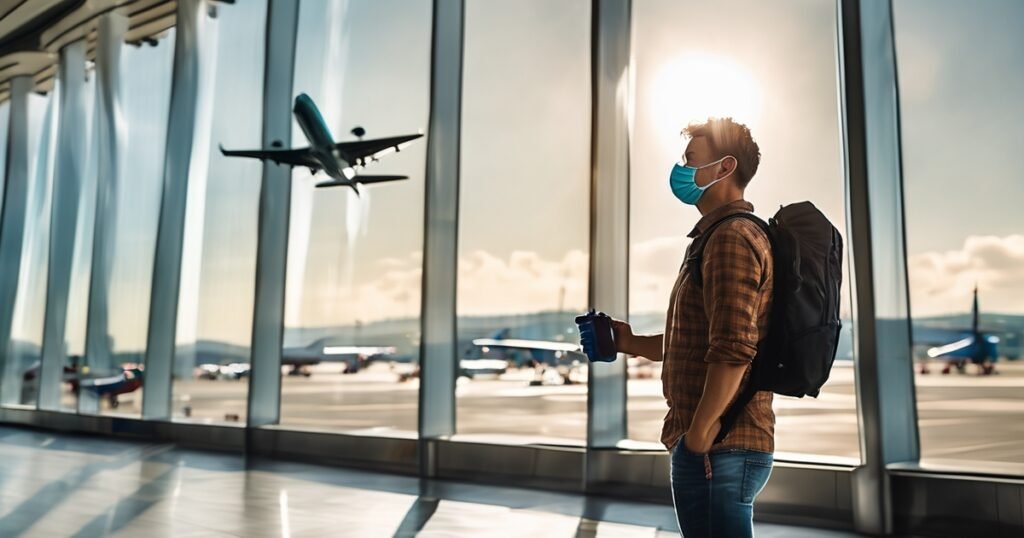
Traveling during health crises: tips for safety include planning ahead, checking local health rules, and packing the right supplies. Masks, hand-washing, and avoiding crowds reduce the risks. Choosing open spaces and booking flexible tickets gives you more control. Staying informed with reputable news and health sources means fewer surprises. These actions assist individuals in journeying with reduced concern. The following tips provide additional means of protection and guidance for savvy decision-making during travel.
Assess Your Travel Viability
Travel amid health crises requires a consideration of your health, the destination, and those around you. Every trip you take has risk and responsibility in it, so balancing your choices can help keep you and others safe.
Personal Health
For anyone considering traveling, begin with your health. If you have a pre-existing condition, such as diabetes, heart disease, or asthma, consult your health care provider. This is especially crucial for those who are pregnant, over 40, or have compromised immune systems. Certain conditions may require additional planning or could even make travel more risky.

A healthcare provider can assist in determining if travel is advisable and what precautions you should take to mitigate risks. They can test for whether you require specific vaccines or boosters. This is crucial for locations with diseases such as yellow fever or hepatitis. Ensure that routine vaccines, such as flu or COVID-19, are current.
Before leaving, build a checklist for your health needs:
- Prescription medicines for the duration of your trip, plus some extra days.
- Over-the-counter pain relief and fever reducers
- First aid kit (bandages, antiseptic wipes, etc.)
- Insect repellent to prevent mosquito-borne diseases
- Hand sanitizer and masks
- Duplicates of prescriptions and a list of allergies. Have a trusted person informed of your full travel plan in emergencies.
Getting sufficient sleep (7 to 8 hours for most adults), eating well, staying hydrated, and not over consuming alcohol prior to your trip allows your immune system to function optimally.
Destination Risk
Explore current health information for your destination. Certain countries, like India or Mexico, typically pose a higher risk for specific sicknesses, so check out recent COVID-19 or other outbreaks. Check your travel viability. Local health ministry sites and international bodies such as WHO regularly update this information.
Check on any entry regulations or quarantines, as these are prone to rapid change. Evaluate your travel feasibility. Study the local health infrastructure. Will you have access to clinics or hospitals if required? If you’re a newbie to things like motorcycling, don’t attempt it in bustling cities with sky high accident rates.
Destination | COVID-19 Rate (per 100k) | Hospital Capacity | Entry Restrictions |
|---|---|---|---|
India | 25 | Moderate | Yes |
Mexico | 30 | Limited | Yes |
Spain | 10 | High | No |
Japan | 5 | High | No |

Keep an eye out for dangers such as mosquito-related illnesses, particularly in tropical regions. Bring insect spray, cover up, and net yourself to sleep if necessary. Unexpected changes and emergencies can both add stress and increase the risk of accidents, so remain flexible and have a plan B.
Ethical Considerations
Consider your travel viability, particularly if you’re venturing where a health crisis hit hard. Delaying your trip is the least you can do to avoid further burdening local health infrastructure.
If you do, pick businesses that adhere to health guidelines and contribute to the local economy in safe ways. Acquaint yourself with and be respectful of health practices and beliefs, as they may be different from your own. In some parts of the world, there may be stringent mandates on masks or distancing, and adherence helps keep all safe.
Your Pre-Travel Health Blueprint
Here’s the key: Your pre-travel health blueprint. Risks differ by destination, so each step should correspondingly reflect the traveler’s individual needs, local health risks, and travel itinerary. Planning in advance minimizes unexpected shocks and promotes a secure and wonderful adventure.
1. Consult Professionals
Start by booking an appointment with a travel specialist or travel clinic. These pros know the current disease trends and can tell you which shots or prophylactics suit your journey. They can assist you in region-specific health concerns, such as malaria or yellow fever, and can recommend how to prevent sunburns with sunscreen, UV-protective clothing, and sun avoidance during peak hours.
Consult your primary physician, especially if you suffer from chronic conditions or have particular healthcare requirements. Inquire how to handle your medication while traveling and what to do in an emergency. Public health officials can provide you with current information regarding existing health risks at your destination. They provide fast-changing advice, so it is wise to touch base with them near your departure.
2. Verify Information
Consult a few reliable resources before deciding. Government health sites, yours and your destination, post travel advisories and advice. Among other things, the WHO updates global health risks and best practices.
Check travel, entry or quarantine policies as these occasionally shift with little advance warning. Verify this information a few days prior to departure and then again on the day of travel to prevent any last minute surprises.
3. Understand Insurance
Review your travel insurance policy to understand what is covered should you fall ill while traveling. Certain plans do not cover cancellations due to health emergencies or can cap emergency care abroad. Think about additional coverage, such as medical evacuation insurance, if you will be outside the vicinity of major hospitals.
Carry digital and paper copies of your insurance card and emergency contacts in your bag. Email the policy to a friend or family member.
4. Assemble Your Kit
Don’t forget to pack a mask supply, alcohol-based hand sanitizer and a small first aid kit. Don’t forget any daily medicine, along with things for wounds or allergies. A basic kit including bandages, pain medication and antiseptic wipes addresses minor issues.
Jot down emergency contacts and health info in your kit. Bring soap, wipes, and other personal hygiene products to keep fresh on the move.
5. Plan Logistically
Select flight tickets and hotels that are changeable. Choose hotels or short-stay apartments that adhere to strict health standards and have positive cleanliness reviews.
Attempt a route that bypasses jammed buses, congested train stations or crowds. Include some open air activities, which reduce spread risk, with contingency plans if you need to pivot.
Navigating Your Journey Safely
Travel during health crises requires more planning and care, particularly with evolving global directives. Safety steps at each phase of your journey reduce risk and assist in adjusting to new regulations. The tips here concentrate on tactics that work for globetrotters, whether you’re in a hectic airport, hotel, or sightseeing around town.
Transit Hubs
Getting to airports, train stations, or bus terminals early provides time for health screenings and can help you steer clear of peak crowds. These days, a lot of hubs may have health screenings, temperature checks, or vaccination requirements. Paying attention to signs and announcements keeps you in step with current regulations.
Basic safety. Use hand sanitizer after you touch surfaces or before you eat. Carry a mini-bottle with you and wash those hands with soap and water for 20 seconds whenever possible. Plenty of transit points have deployed additional hand sanitizing stations, so use them frequently.
The less time you spend in enclosed or crowded spaces, the lower your chances of getting sick. If possible, wait for your boarding call in a less crowded place than the gates or seating areas. Masks remain recommended in congested indoor settings and maintaining personal distance is the easiest form of prevention.
Be sure to verify the airline, railways, and bus companies’ updated policies. Some even ask for digital boarding passes or accept contactless payments only, which keeps you away from high-touch surfaces. With new signage and staff directions to watch for, your ride stays worry-free and safe.
Accommodation
Choosing hotels with robust cleaning protocols reduces your risk. Inquire with them about their sanitization regimen and seek out rentals that post their health protocols on the web. Contactless check-in and check-out minimize in-person interactions, with certain hotels providing mobile keys or self-service kiosks.
Upon arrival, ask for a room that was sanitized just prior to your reservation. Avoid common areas such as fitness centers or pools, which are difficult to disinfect. If amenities are open, look for posted cleaning schedules and follow posted health guidance.
It’s smart to keep a simple first-aid kit on hand, including pain medicine, antiseptics, and your own personal meds if local clinics are a distance away. Always check antifreeze if you’re driving in cold climes and know local traffic regulations before renting a car!
Daily Activities
If you’re heading outdoors to the parks, walking tours, or open-air sites, they are safer options and you can maintain a safe distance from others. Minimize time with big crowds and select smaller groups or private tours where available.
Adhere to regional protocols for restaurants and attractions. Many may still have mask requirements and reduced capacity. Remain flexible and prepared to adjust plans as health updates and local outbreaks evolve.
Keep well hydrated, maintain a good pace, and take breaks to avoid burning out. If you’re in a place where insect-borne diseases are a threat, be sure to wear long sleeves, use repellent, and sleep under nets as required. Some danger is inevitably involved in journeying, yet these measures help a lot.
The Unseen Risk: Mental Fortitude
Travel in pandemic times brings an insidious and often invisible stress with real consequences for your well-being. Symptoms of mental illnesses can flare on the road too, so being alert to your own needs is just as crucial as keeping an eye on physical health. Travel is rewarding, but it hardly changes your personality or behavior overnight. Placing a premium on self-care, familiar comforts, and a strong support network grounds you in stability.
Manage Anxiety
Controlling travel anxiety begins with recognizing your triggers. Consider previous journeys or straining experiences and observe what frustrated you, be it crowds, hold-ups, or unfamiliar rituals, for instance. Develop a strategy to address these in advance, such as stashing snacks, a refillable water bottle, and go-to tunes for soothing. Staying hydrated is a corporeal necessity because mild dehydration can both exacerbate mood and obscure your mind.
Training makes you survive such moments. Deep breathing and short meditation sessions do well on the road or in hotel rooms. If you feel overwhelmed, journaling can assist you in working through those emotions so they don’t accumulate. Cut your news consumption as well. Be informed but not drowned in a 24/7 flood of heart-breaking updates.
Calling your support network still counts. Whether it’s a brief text to a buddy or a call to a reliable parent, external motivation is invaluable. If you work with a therapist, arrange virtual check-ins. These small gestures can provide comfort and help maintain stress at bay.
Build Resilience
To build resilience is to seek out the gems in the travel experience, even if your plans shift. Concentrating on the upside, such as new viewpoints, learning experiences, or simply a shift in scenery, can aid in maintaining your perspective. Build mental momentum by setting small, attainable objectives for your journey. Sample a new cuisine or visit a local park to establish the sensation of accomplishment.
Flexibility is crucial. Delays, rule changes, and unforeseen obstacles are more the norm than the exception during health crises. Approach both as an opportunity to grow, not a failure. Thinking back to a previous difficulty you successfully navigated, either on the road or at home, can build confidence and remind you of your ingenuity.
Stay Connected
It is a good idea to stay connected with friends and family who offer security and support. Share your itinerary so people know where you are. Tap simple tech—video calls, messaging, social media—to access support networks, even from a distance.
Travel forums and online communities are a big help. So many people experience the same struggles and provide helpful advice or support. Taking short breaks, tuning in every now and then to favorite jams, or writing a meaningful journal entry at night all act to prevent burnout and keep you centered. Prioritizing these connections and routines can impact how you feel day to day.
When Things Go Wrong
Things can go wrong no matter how carefully you plan a trip during a pandemic. Keeping cool and clear-headed can really assist. A lot of the ‘typical’ problems, such as sunburn, dehydration, diarrhea, and infection, can wreck a trip. Worse, a serious illness or injury could necessitate a medical evacuation, which costs over $50,000. A well-stocked travel health kit and emergency contacts to call are invaluable. If something does go wrong, follow these steps:
Pause and assess your health and safety.
Use your travel health kit for basic care.
Find the nearest healthcare facility if needed.
Call local emergency services.
Reach out to your insurance provider or embassy.
Document what happened—take notes, photos, and keep receipts.
Let family or friends know your status.
Keep emergency contacts and local information accessible.
Keep a list of emergency numbers, including local health services, on hand for quick action if necessary.
Medical Emergencies
Knowing where to seek assistance is crucial. When Things Go Wrong, find the nearest hospital or clinic before your trip, especially when visiting riskier destinations. Perhaps it’s because so many travelers, up to 50%, experience sickness such as food or waterborne illness, which are easily the most common. If fever, vomiting, or pain persists for a few days, consult a doctor.
Make sure to carry a card or digital note with emergency contacts, such as local clinics, your country’s embassy, and your insurance provider. Not all countries use the same number for emergencies, so check ahead of time. Take basic emergency phrases in the local language or use translation apps to speak with health professionals.
Plan to notify your family if you’re hospitalized or require assistance. This might be a check-in by message or an app that broadcasts your location. MedEvac insurance is a good idea. You’ll be glad you have it if you need to get home for treatment.
Logistical Crises
Change is the companion of travel, particularly in health crises. Be flexible in case flights are delayed or borders close. Utilize apps to discover alternative transportation or accommodations, and check news updates to remain informed on local developments.
If you encounter canceled bookings or closed routes, your lodging could be useful. Personnel can provide information, assist with translations, or recommend secure locations to linger. Trust sources for updates and not rumors that are confusing.
Travelers’ health risks vary according to destination and health status. Stay hydrated, stay away from dangerous foods, and understand the symptoms of typical illnesses. When things go wrong, practical steps and good information can make a huge difference.
Post-Travel Health Protocol
POST-TRAVEL HEALTH PROTOCOL If you’re returning from travel during a health crisis, post-travel health protocol is a must. Even if you’re feeling fine, certain diseases can have a delayed onset. Most infectious diseases can manifest after travel, with some like malaria taking up to a year. Taking care of yourself, reducing exposure to vulnerable populations, and adhering to public health recommendations contribute to a safe return.
Monitor Symptoms
Monitor your health for several weeks after your trip. Watch for typical symptoms like fever, chills, cough, sore throat, continuous diarrhea, vomiting, or fatigue. Certain illnesses, such as hepatitis A or cholera, can be contracted from contaminated food and water. Others are the consequence of swimming in lakes or rivers while abroad.
Check your temperature once or twice daily during the initial week upon your return. Record any variations, even if they appear insignificant. If you took malaria prophylaxis, don’t forget to continue for seven days after leaving the malaria zone, as advised.
If symptoms arise, particularly high fever, difficulty breathing, or unusual skin rashes, seek medical attention immediately. Co-infections can occur so regardless of what you think you have, share your recent trip details, where you went and what you did, with your healthcare provider. Honesty ahead assists physicians in testing for diseases common to those regions such as E. Coli, Salmonella, or parasitical illnesses.
Follow Guidelines
Come home and follow your local health authority’s guidance for care. This may involve testing, self-isolation or a quarantine period after your return, particularly if you recently returned from a hot spot. Regulations shift frequently, so monitor updates through public health channels.
Stay informed on the latest guidance or alerts in your community. Other nations might request travelers to participate in health tracking apps or to report symptoms at local healthcare facilities. Participating in communal health initiatives, like voluntary testing or symptom tracking, keeps us all safer.
Motivate your family and friends to follow these steps as well. Minimizing exposure to vulnerable individuals, such as the elderly or immunocompromised individuals, for at least two weeks after travel is typical. Read local regulations for advice.
Seek Care
If you experience persistent or severe symptoms, like diarrhea, vomiting, or fatigue, reach out to a medical professional. Be candid about where you visited, what activities you participated in, and what medications or vaccinations you received.
During any doctor’s visit, provide a complete travel history, even if you believe it to be unrelated. This is key for proper diagnosis, particularly for infections that are not native to your place of residence. Complete recommended tests or treatments to avoid complications.
Prioritize your health. Swift action and communication are the best ways to contain the illness and assist your recovery.
Conclusion
Travel during health scares demands clear strategies and clever action. Review health regulations prior to departing. Pack health and safety gear. Stay savvy and safe as you travel! Seek assistance from health personnel in case of illness. Stay on top of your mind and body once you return home. Real traveler stories demonstrate how a cool head and a strategic plan can make even a hard trip seamless. To remain safe, rely on science, consult local guides, and monitor updates regularly. Pass your tips along to friends or family so they can be safe as well. If you get into a tough spot, don’t hesitate to seek assistance. Stay prepared, stay safe and help others do the same.
Frequently Asked Questions
Is it safe to travel during a health crisis?
It’s safe to travel amidst health crises if you stick to the rules, evaluate risk, and are careful. Do your health homework before you go.
What should I pack to stay healthy while traveling?
Bring masks, hand sanitizer, sanitizing wipes, essential medicines, and vital health paperwork. These basics will decrease your likelihood of getting sick and help handle small outbreaks if they occur on your vacation.
How can I protect myself during flights or public transport?
Wear a mask, keep your distance, and frequently wash or sanitize your hands. Try not to touch your face and disinfect surfaces you touch with wipes.
What should I do if I feel sick during my trip?
If you experience symptoms, self-quarantine, consult with a medical professional, and report to local health agencies. Listen to their advice and stay away from people to avoid spreading disease.
How do I manage travel-related stress during a health crisis?
Take care of yourself, stay informed from trusted sources, and maintain communication with loved ones. Mindfulness, rest, and planning can bolster your mental health.
What steps should I take after returning home?
Be mindful of your symptoms, adhere to local health advisories, and if recommended, self-isolate. See a doctor if you get sick.
Are travel insurance and emergency contacts important?
Exactly, travel insurance and an emergency contact list ensure you get assistance fast when health problems or emergencies occur on your journey.