
Table of Contents
- Pet Travel Safety: 2026 Expert Guide
- Pre-travel Veterinary Exams and Documentation
- Pet Identification and Microchipping
- Car Restraints and Safety Equipment
- Traveling with Pets in Vehicles: Safety Tips
- Air Travel with Pets: Planning and Policies
- Travel Preparation and Packing Essentials
- Comparison of Pet Travel Modes
- Recognizing and Preventing Pet Motion Sickness
- Traveling with Exotic Pets: Understanding Unique Challenges
- Frequently Asked Questions About Pet Travel Safety
Pet Travel Safety: 2026 Expert Guide
Traveling with pets requires meticulous preparation. Whether you are planning a short road trip or an international flight, ensuring your pet’s safety and comfort is paramount. This guide provides authoritative, practical advice for pet owners in 2026.

Our focus is on expert-level guidance, emphasizing security and detail. You will find crucial information to navigate pet travel challenges successfully.
Pre-travel Veterinary Exams and Documentation
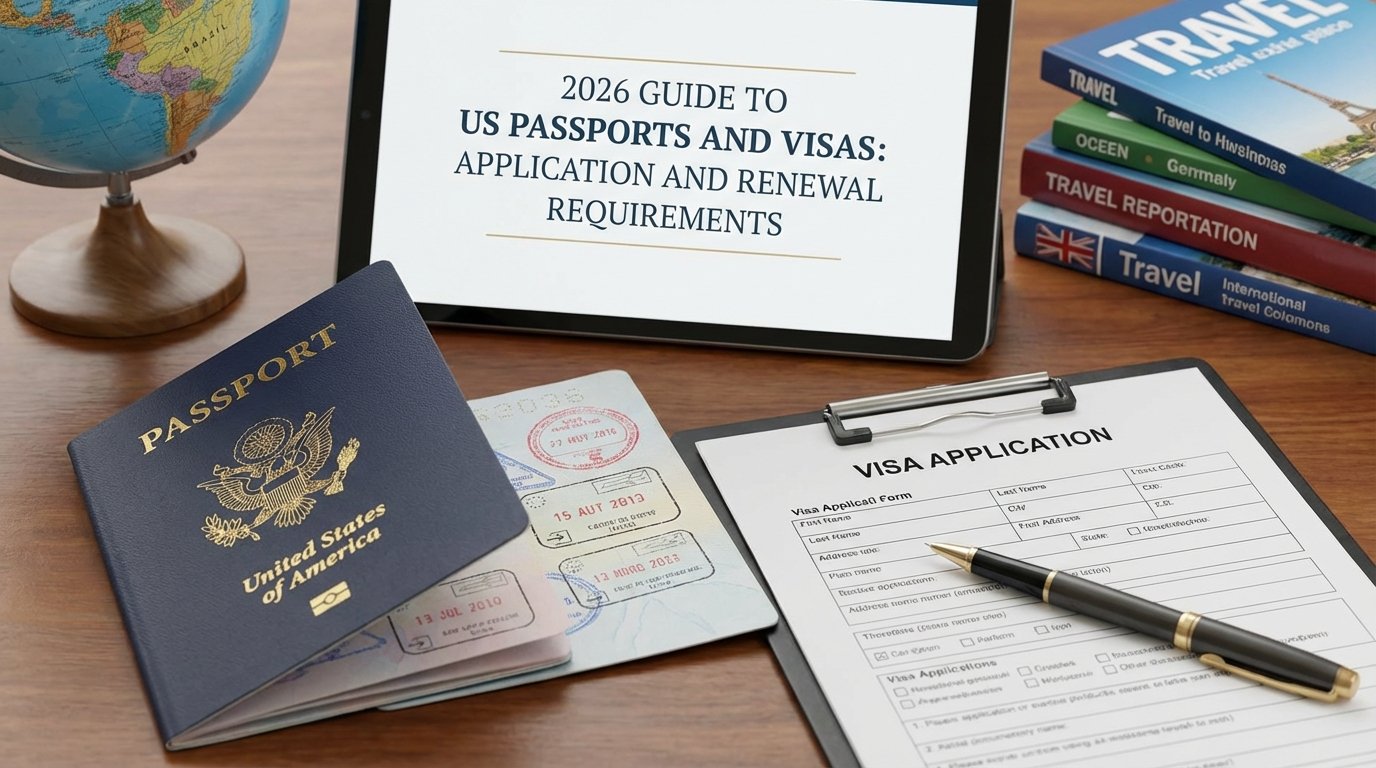
A comprehensive veterinary examination is the first critical step for pet travel. This veterinary travel exam verifies your pet’s overall health and ensures all animal travel vaccines are current. It is essential for obtaining necessary pet health certificates, particularly for international or interstate transport requirements.
The American Veterinary Medical Association (AVMA) consistently recommends a pre-travel check-up. This helps identify any underlying health issues that could be exacerbated by travel stress. Pet microchipping and thorough documentation streamline border crossings and airline check-ins, preventing delays or complications.
Essential Documentation Checklist for Traveling with Pets
- Current vaccination records, including rabies.
- Official animal health certificate issued by a licensed veterinarian.
- Proof of pet microchipping, ensuring it is ISO compliant.
- Any required import permits for your destination.
- Recent parasite prevention records.
For pet travel preparation, precise adherence to documentation rules is non-negotiable for safe pet transport. Facilities like Ocean Breeze Animal Hospital in Jensen Beach, Florida, regularly assist pet owners with these preparations, emphasizing the critical nature of each document.

The Centers for Disease Control and Prevention (CDC) also provides guidelines for animal travel vaccines, which are crucial for international pet travel. Ensuring your pet’s health is optimal before embarking on a journey minimizes risks and enhances pet travel safety.
Pet Identification and Microchipping
Up-to-date identification is a non-negotiable aspect of pet travel safety. Your pet should always wear a well-fitted collar with current identification tags. These tags must include your name and a reliable contact number.
Pet microchipping provides a permanent form of identification. If your pet becomes lost, a microchip significantly increases the chances of recovery. About 50% of owners travel with pets annually, underscoring the importance of robust pet identification measures.
Consider advanced options like GPS collars or smart tags. These technologies offer real-time tracking, further enhancing lost pet prevention strategies. Always ensure your pet microchipping registration details are current before any journey, particularly for international pet travel or interstate transport requirements.
Car Restraints and Safety Equipment
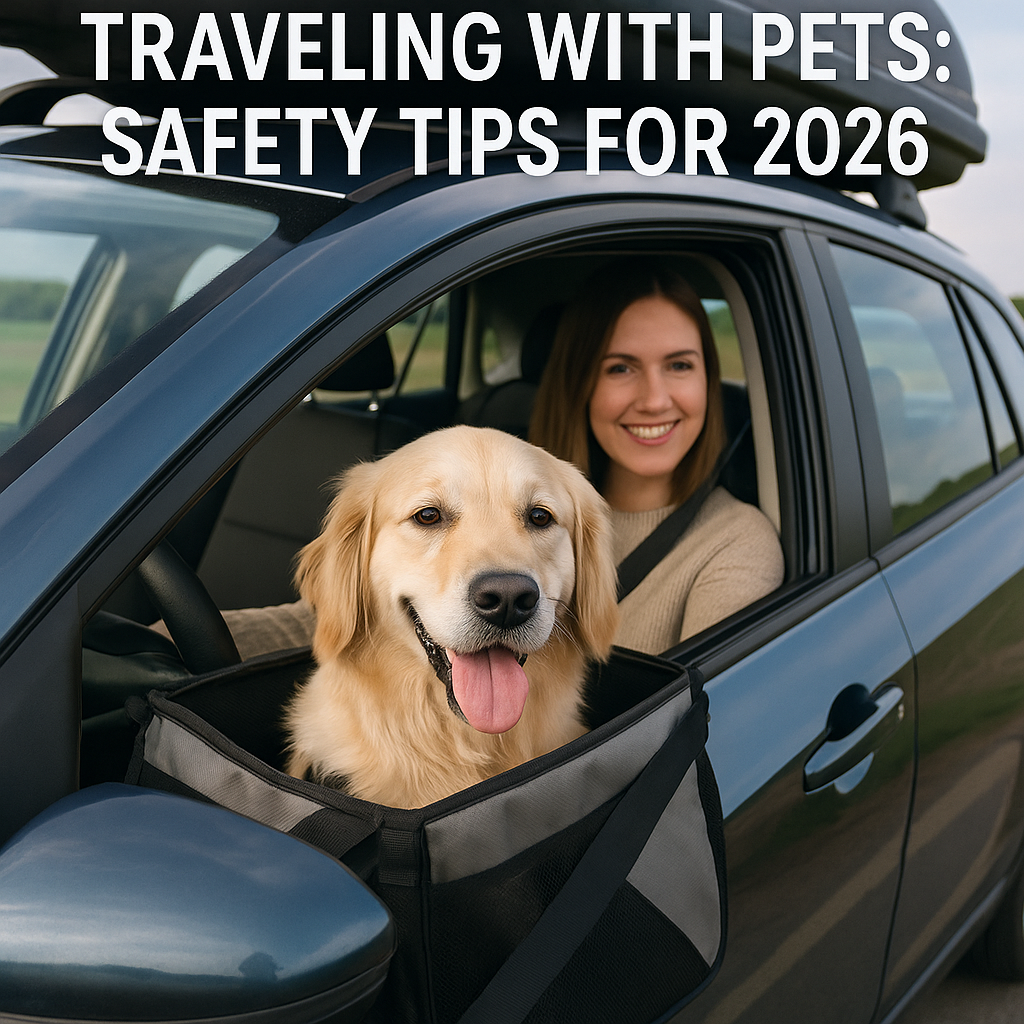
Securing your pet in a vehicle is crucial for their safety and yours. Unrestrained pets can distract the driver or become projectiles in an accident, making proper car travel tips essential. Crash-tested safety harnesses, carriers, or kennels are highly recommended for dog car safety and overall pet travel safety.
These crash-tested safety harnesses and carriers significantly reduce the risk of injury during sudden stops or collisions. Ensure the pet travel carrier is appropriately sized, allowing your pet to stand, turn around, and lie down comfortably. Secure containers prevent shifting during accidents, a critical component of safe pet transport.
“An unrestrained pet poses a significant safety hazard in a moving vehicle. Always prioritize crash-tested containment solutions for their protection and yours.”
The ASPCA Relocation Team advises against letting pets ride with their heads out windows. Flying debris can cause severe injury. Always secure pets in the back seat, away from airbags, as part of comprehensive traveling with pets safety protocols. This aligns with crucial car travel tips for National Pet Travel Safety Day.
Traveling with Pets in Vehicles: Safety Tips
Car travel with pets demands careful planning for pet travel safety. Never allow your pet to ride unrestrained in the front passenger seat. Airbags can cause serious injury to animals, making proper dog car safety paramount.
Make frequent stops for bathroom breaks, water, and exercise. Hydration is vital, especially during long journeys. Never leave your pet unattended in a parked car, particularly in warm climates like Florida. Heatstroke can occur rapidly, as emphasized by experts at Ocean Breeze Animal Hospital in Jensen Beach.
For pets prone to motion sickness in animals, consult your veterinarian about preventive measures. Some pets benefit from medication, while others respond to specific car travel tips like controlled feeding before travel. A veterinary travel examination can help determine the best approach.
Consider acclimatization to travel carriers. Short, positive experiences in the carrier before a trip can significantly reduce pet travel anxiety. This preparation makes the actual journey less stressful for your companion, ensuring safe pet transport.
Competitors advise against letting pets ride with their heads out windows due to the risk of debris and potential injury. Always secure pets in back seats or crash-tested safety harnesses, carriers, or kennels. Unrestrained pets or those in unsecure carriers pose significant safety hazards, increasing the risk of injury during sudden stops or collisions.
Air Travel with Pets: Planning and Policies
Flying with pets requires extensive planning due to varying pet airline policies. Small pets may be allowed in the cabin if they fit under the seat in an approved pet travel carrier. Larger pets typically travel in the cargo hold.

Always verify the airline’s specific requirements well in advance. These include carrier dimensions, weight limits, and required animal health certificates. Choosing direct flights minimizes stress and exposure to fluctuating temperatures, a key aspect of pet travel safety.
Cargo hold transport demands strict adherence to temperature-regulated carriers and specific handling protocols. The Centers for Disease Control and Prevention (CDC) provides crucial guidelines for pet import regulations, essential for international pet travel. This ensures safe pet transport and compliance with interstate transport requirements.
Pet sedation risks should be discussed thoroughly with your veterinarian. Many experts, including those at the American Veterinary Medical Association, advise against sedation for air travel. It can interfere with a pet’s ability to regulate body temperature and breathe at higher altitudes, increasing pet travel anxiety.
Pre-Travel Veterinary Examination and Documentation
Before any air travel with pets, a comprehensive veterinary travel examination is paramount. This exam verifies your pet’s overall health, updates necessary animal travel vaccines, and facilitates obtaining crucial pet health certificates for international or interstate travel. Veterinary clinics like Ocean Breeze Animal Hospital in Jensen Beach, Florida, specialize in these pre-travel assessments.
Ensuring your pet is microchipped and that all documentation, including vaccination records, is up-to-date streamlines border crossings and airline check-ins. Pet microchipping is a critical step in pet travel preparation, offering peace of mind should your pet become separated from you during the journey. This thorough preparation is vital for safe pet transport.
Acclimatization to Travel Carriers and In-Cabin Policies
Acclimatizing your pet to their approved pet travel carrier well before your flight is crucial for reducing pet travel anxiety. Allow them to spend time in the carrier at home, associating it with positive experiences. Understand that in-cabin airline policies for small pets require the carrier to fit comfortably under the seat in front of you.
For larger pets, cargo hold transport necessitates a sturdy, well-ventilated pet travel carrier that meets airline specifications for pet cargo safety. Always check with your chosen airline for their specific pet airline policies regarding carrier size, ventilation, and labeling. This proactive approach is a cornerstone of responsible flying with pets.
Travel Preparation and Packing Essentials
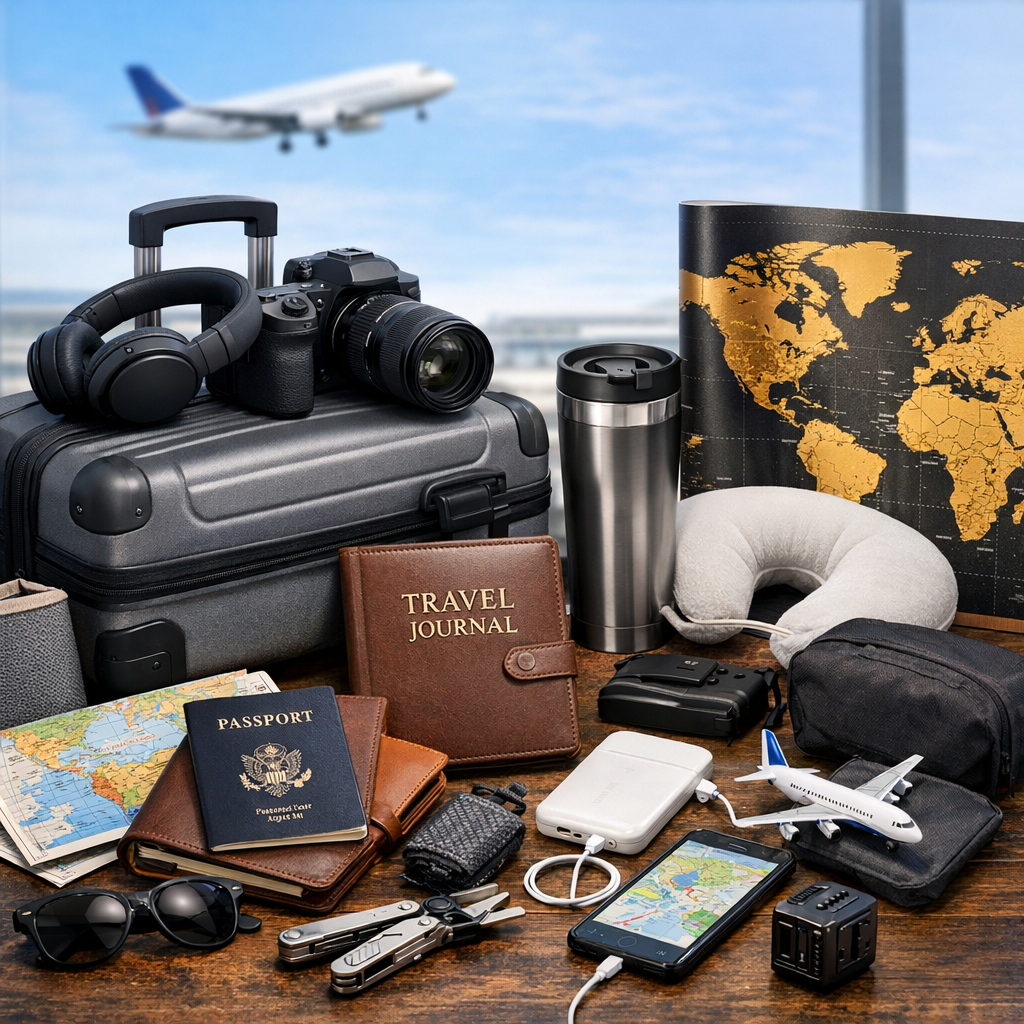
A well-stocked pet travel kit is indispensable for pet travel safety. Pack ample supplies of your pet’s regular food and water. Sudden dietary changes can cause digestive upset. Bring any necessary medications, clearly labeled, along with copies of prescriptions for your veterinary travel examination.
Include grooming supplies, waste bags, a leash, and familiar comfort items like toys or blankets. Ensuring access to familiar items reduces pet travel anxiety. This comprehensive packing helps prevent emergencies and keeps your pet comfortable, aligning with best practices for pet travel preparation.
Pre-Travel Veterinary Exams and Documentation
Before any trip, especially for international pet travel or interstate transport requirements, schedule a comprehensive veterinary travel examination. This exam verifies your pet’s health, ensures vaccinations are up-to-date, and facilitates obtaining necessary pet health certificates. Microchipping, a critical entity for pet identification, and comprehensive documentation streamline border crossings and airline check-ins, as emphasized by the American Veterinary Medical Association.
Pet Identification and Microchipping
Up-to-date identification tags and pet microchipping are paramount for pet travel safety. Well-fitted collars, clearly legible tags with current contact information, and a registered microchip significantly increase the chances of recovery if your pet gets lost. Data suggests that approximately 50% of pet owners travel with their animals annually, highlighting the importance of robust identification and lost pet prevention strategies. Consider smart tags or GPS collars for enhanced tracking capabilities.
Car Restraints and Safety Equipment
For car travel tips, securing your pet with crash-tested safety harnesses, carriers, or kennels is vital. These crash-tested restraints reduce the risk of injury in the event of sudden stops or accidents. Securing the container prevents shifting and ensures your dog car safety or cat travel tips are met. Unrestrained pets or those in unsecure carriers pose significant safety hazards to both themselves and passengers.
Travel Preparation and Packing Essentials
Beyond food and water, your pet travel essentials should include a portable first-aid kit for minor injuries. Knowing the location of emergency animal hospital Florida services along your route, such as Ocean Breeze Animal Hospital in Jensen Beach, Florida, is a wise precaution. Jensen Beach veterinarian offices can provide recommendations for local animal hospitals. Packing a pet travel kit thoroughly helps prevent emergencies and reduces pet travel anxiety, contributing to safe pet transport.
For flying with pets, ensure you have all necessary documentation, including animal travel vaccines records and pet health certificates, as per pet airline policies and the Centers for Disease Control and Prevention guidelines. Acclimatization to travel carriers is also crucial, especially for in-cabin airline policies or cargo hold transport.
Comparison of Pet Travel Modes
Understanding the pros and cons of different travel modes helps you make informed decisions for safe pet transport. This comparison table highlights key considerations for traveling with pets, emphasizing pet travel safety and the importance of a veterinary travel examination before any journey.
| Travel Mode | Pros | Cons | Key Safety Measures |
|---|---|---|---|
| Car Travel | Flexibility, frequent stops, direct interaction. | Motion sickness, driver distraction, heat risk. | Crash-tested harnesses, back seat only, never leave unattended. |
| Air Travel (In-cabin) | Pet stays with owner, reduced separation anxiety. | Limited to small pets, strict carrier requirements, cost. | Airline-approved carrier, veterinary travel exam, no sedation. |
| Air Travel (Cargo) | Accommodates larger pets, specialized handling. | Stressful, temperature concerns, potential delays. | Direct flights, temperature-regulated carriers, acclimatization to carrier. |
| Train Travel | Often pet-friendly, space for movement. | Limited routes, specific carrier rules, less common. | Carrier security, frequent breaks if permitted, check specific railway policies. |
Traveling with Pets in Vehicles: Safety Tips
When planning car travel tips, securing your pet is paramount. Unrestrained pets or those in unsecured carriers pose significant safety hazards, not just to themselves but also to passengers. Always use crash-tested safety harnesses or secure pet travel carriers in the back seat. This prevents your pet from becoming a projectile in the event of a sudden stop or accident.
Never allow your pet to ride with their head out the window. While it might seem enjoyable, it exposes them to flying debris, which can cause serious eye injuries or other trauma. Always prioritize dog car safety and cat travel tips by keeping them safely inside the vehicle. The team at Ocean Breeze Animal Hospital in Jensen Beach, Florida, frequently advises on these essential car travel tips.
Air Travel with Pets: Planning and Policies
Flying with pets requires meticulous planning, especially concerning pet airline policies. Small pets that meet specific size and weight requirements can often travel in-cabin with you in an airline-approved pet travel carrier. This reduces pet travel anxiety and ensures direct interaction.
For larger pets, cargo hold transport is typically the only option. In these cases, choose direct flights whenever possible to minimize stress and potential delays. Ensure the pet cargo safety by using temperature-regulated carriers and acclimating your pet to their travel carrier well in advance. A comprehensive veterinary travel examination and up-to-date animal travel vaccines are non-negotiable for air travel.
Pre-travel Veterinary Exams and Documentation
A thorough veterinary travel examination is the cornerstone of pet travel safety. Before any trip, especially international pet travel or interstate transport, your pet needs a health check. This exam verifies their overall health, ensures all animal travel vaccines are current, and facilitates obtaining necessary pet health certificates. Microchipping is also critical, streamlining border crossings and airline check-ins.
The Centers for Disease Control and Prevention (CDC) and the American Veterinary Medical Association (AVMA) provide detailed guidelines on required documentation. Consult your Jensen Beach veterinarian, perhaps at Ocean Breeze Animal Hospital, for specific interstate transport requirements and parasite prevention strategies. Proper pet travel preparation, including all required documentation, is crucial for a smooth journey.
Pet Identification and Microchipping
Pet identification is a critical component of pet travel safety. Well-fitted collars with up-to-date identification tags are a first line of defense. However, pet microchipping significantly increases the chances of recovery if your pet gets lost during travel. Data suggests that approximately half of pet owners travel with their animals annually, highlighting the importance of robust identification.
Consider GPS collars or smart tags as additional layers of security. These tools can provide real-time location tracking, further improving the chances of a quick reunion. The ASPCA Relocation Team consistently emphasizes the importance of these measures for lost pet prevention, especially during the busy travel seasons around National Pet Travel Safety Day.
Travel Preparation and Packing Essentials
A well-stocked pet travel kit is indispensable for pet travel safety. Pack ample supplies of your pet’s regular food and water. Sudden dietary changes can cause digestive upset, a common concern for pet motion sickness. Bring any necessary medications, clearly labeled, along with copies of prescriptions for your veterinary travel examination.
Include grooming supplies, waste bags, a leash, and familiar comfort items like toys or blankets. Ensuring access to familiar items reduces pet travel anxiety and stress. This comprehensive packing strategy, often recommended by facilities like Ocean Breeze Animal Hospital in Jensen Beach, Florida, helps prevent emergencies and ensures a comfortable journey for your animal companion.
Recognizing and Preventing Pet Motion Sickness
Pet motion sickness can significantly impact your pet’s travel comfort. Watch for symptoms like excessive drooling, lethargy, vomiting, and repeated licking. Recognizing these signs early allows for timely intervention, ensuring a smoother journey when traveling with pets.
To prevent motion sickness in animals, avoid feeding your pet a large meal immediately before travel. Keep the car cool and well-ventilated. Your trusted veterinarian at Ocean Breeze Animal Hospital in Jensen Beach, Florida, can prescribe anti-nausea medications if necessary. Always test these medications before the actual trip to assess your pet’s reaction, a crucial step in pet travel preparation.
Traveling with Exotic Pets: Understanding Unique Challenges
Exotic pet travel presents unique challenges that demand meticulous planning and expert guidance. Regulations for exotic animal transportation are often more stringent and vary widely by destination and species. For instance, specific interstate transport requirements apply to many exotic animals.
Always consult with a specialized veterinarian or the ASPCA Relocation Team for authoritative advice. They can help navigate the complexities of exotic animal transportation and ensure your pet’s safety and legal compliance, whether you are traveling through Florida or across international borders.
Documentation requirements for exotic pets can be extensive, including CITES permits for protected species. A comprehensive veterinary travel examination is crucial to secure the necessary animal health certificates. Proper housing and environmental controls during transport are critical for their well-being, especially for species sensitive to temperature fluctuations.
Remember that the Centers for Disease Control and Prevention (CDC) also has specific guidelines for importing certain animals. Understanding these regulations is paramount for successful exotic pet travel. Always prioritize the well-being and legal compliance of your pet during any journey, recognizing that these preparations are distinct from typical dog or cat travel tips.
Frequently Asked Questions About Pet Travel Safety
Traveling with pets raises many questions for owners. This section addresses common concerns, providing authoritative guidance for secure and comfortable journeys in 2026. Our focus remains on expert-level advice, emphasizing preparation and security.
What is National Pet Travel Safety Day?
National Pet Travel Safety Day is observed annually on January 2nd. This day serves as a crucial reminder for pet owners to prioritize their companions’ safety during any form of travel. Organizations like Google and YouTube often share valuable resources and pet travel safety tips on this day, reinforcing the importance of diligent pet travel preparation.
Do I need a special health certificate for interstate pet travel?
Yes, many states mandate an animal health certificate for interstate transport. This critical document confirms your pet is free from contagious diseases and is current on all necessary animal travel vaccines. Always consult the specific interstate transport requirements for your destination state to ensure compliance. A pre-travel veterinary exam is essential for obtaining this certificate and verifying your pet’s overall health.
Is it safe to sedate my pet for air travel?
The American Veterinary Medical Association (AVMA) and most veterinarians strongly advise against sedating pets for air travel due to significant pet sedation risks. Sedation can severely interfere with a pet’s ability to breathe at high altitudes and regulate body temperature, potentially leading to serious health complications. For pets experiencing pet travel anxiety, discuss alternative solutions with your veterinarian, such as desensitization techniques or calming aids, rather than relying on sedation for flying with pets.
What should I do if my pet gets lost during travel?
If your pet gets lost during travel, immediate action is critical. Contact local animal shelters, veterinary clinics, and animal control services without delay. Provide clear photos and detailed descriptions of your pet. Crucially, your pet’s microchip and up-to-date pet identification tags are paramount for their safe return. Facilities like Ocean Breeze Animal Hospital or any Jensen Beach veterinarian, and many animal hospital Florida locations, are equipped to scan microchips, significantly increasing the chances of reunification. This underscores the importance of pet microchipping as a core component of pet travel safety.
How can I prepare my cat for car travel?
Acclimatization to travel carriers is key for successful cat travel. Begin with short, positive experiences in the pet travel carrier at home. Utilize treats, toys, and familiar bedding to create a positive association, reducing pet travel anxiety. During car travel, always keep the pet travel carrier secure to prevent shifting and cover it to minimize visual stimuli, which can further lessen stress. For longer journeys, ensure proper ventilation and plan regular stops for water and litter box breaks, ensuring a safe pet transport experience.
Pre-travel Veterinary Exams and Documentation
Before any journey, a comprehensive veterinary travel exam is non-negotiable for pet travel safety. This exam verifies your pet’s current health status, ensures all necessary animal travel vaccines are current, and facilitates obtaining essential pet health certificates required for both international and interstate pet travel. Microchipping, along with complete and accurate documentation, is vital for streamlining border crossings and airline check-ins, especially when navigating complex pet airline policies. Competitor analysis shows that comprehensive documentation, including vaccination records and health certificates, significantly reduces travel complications.
Car Restraints and Safety Equipment
Ensuring dog car safety involves more than just keeping your pet in the vehicle. It means securing them properly with crash-tested safety harnesses, carriers, or kennels. These crash-tested restraints are designed to significantly reduce the risk of injury in the event of sudden stops or accidents. Securing containers prevents them from shifting unexpectedly, which can be a hazard to both your pet and human occupants. Unrestrained pets or those in unsecure carriers pose substantial safety risks, making proper restraints a top priority for car travel tips.
Pet Identification and Microchipping
Up-to-date pet identification tags and pet microchipping are indispensable layers of protection for traveling with pets. These measures dramatically increase the chances of recovery should your pet become lost. While GPS collars and smart tags offer additional tracking capabilities, a microchip provides permanent identification that cannot be lost or removed. Statistics indicate that approximately 50% of pet owners travel with their animals annually, highlighting the critical importance of robust identification for pet travel safety and lost pet prevention.
Travel Preparation and Packing Essentials
Thorough pet travel preparation includes packing a dedicated pet travel kit with essential items. This should include an ample supply of your pet’s regular food, fresh water, necessary medications, basic grooming supplies, and comfort items like a favorite blanket or toy. Ensuring continuous access to familiar items helps reduce stress and maintain routine. Packing a comprehensive pet travel essentials kit proactively addresses potential emergencies and ensures your pet’s well-being throughout the journey, from parasite prevention to managing pet motion sickness.
Traveling with Pets in Vehicles (Safety Tips)
When traveling with pets in vehicles, never allow them to ride with their heads out the window; this exposes them to potential injury from debris and can lead to ear infections. Always secure pets in the back seat, preferably in a crash-tested carrier or with a safety harness. Unrestrained pets or those in unsecure carriers can become projectiles during an accident, posing severe safety hazards to themselves and passengers. Plan frequent stops for exercise, water, and potty breaks, making sure to secure your pet during these stops to prevent them from wandering off. Implement these car travel tips for optimal dog car safety and overall pet travel safety.
Air Travel with Pets (Planning and Policies)
Flying with pets requires meticulous planning, especially concerning pet airline policies. Small pets meeting specific size and weight requirements are often permitted to travel in the cabin with a proper in-cabin airline carrier. Larger pets typically travel in the cargo hold transport, which necessitates selecting direct flights and acclimating your pet to their cargo-approved pet travel carrier well in advance.
It is crucial to confirm temperature-regulated carriers are available and that the airline maintains suitable temperature conditions throughout the journey to mitigate pet sedation risks and ensure your pet’s safety. Always consult the Centers for Disease Control and Prevention (CDC) guidelines and airline-specific rules for international pet travel and animal relocation services.