
- Key Takeaways
- Which Countries Lead Tourism Recovery?
- Unpacking the Success Strategies
- The Sustainability Imperative
- The New Traveler Mindset
- Beyond the Arrival Numbers
- Future Challenges and Opportunities
- Conclusion
- Frequently Asked Questions
- Which countries are showing the fastest tourism recovery?
- What strategies have helped these countries recover tourism?
- Why is sustainability important for tourism recovery?
- How has traveler behavior changed since the pandemic?
- What are the main challenges tourism faces in the future?
- How do arrival numbers compare to pre-pandemic levels?
- What opportunities exist for countries to boost tourism further?
Key Takeaways
- A number of countries in Europe, Asia, and the Middle East are leading tourism recovery by investing in infrastructure, marketing, and sustainable practices.
- Thanks to close cooperation between governments and private sectors, many destinations have been able to respond fast and appeal to more international visitors.
- Prioritizing health, safety, and digitalization has boosted traveler confidence and enriched the tourism experience worldwide.
- Eco-tourism and cultural tourism are gaining traction, further diversifying the industry.
- Travelers are seeking realness, wellness, and responsibility. These trends are charting the future of the travel industry.
- Continued innovation and international collaboration will be key to overcoming obstacles and supporting sustainable growth moving forward.
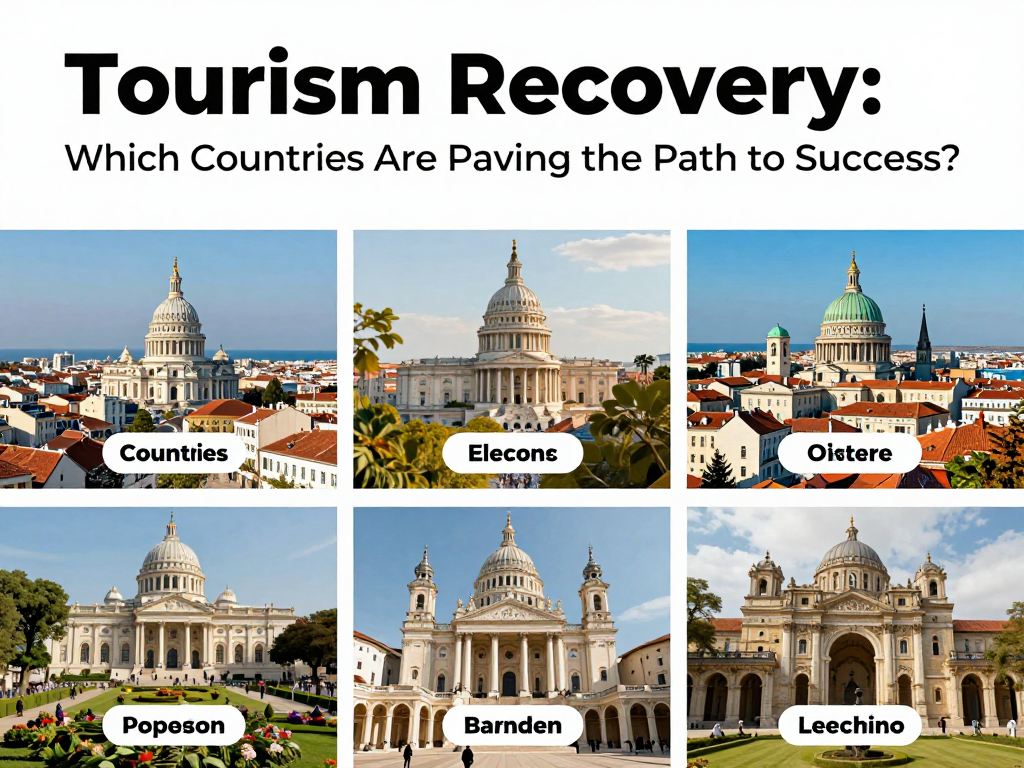
Tourism recovery: which countries are leading the way? With countries such as France, Spain, and the US exhibiting robust growth in travel since borders reopened. Thailand and the U.A.E. Experience quick gains in visit numbers, with updated entry policies and enhanced safety protocols implemented. Japan and Australia are welcoming more tourists every month, thanks to rapid health updates and hassle-free entry screens. These shifts arrive as the world endeavors to revive local and global travel. Some countries prioritize health, open rules, and digital tools to keep visitors safe and happy. The main body discusses what distinguishes these frontrunners, what strategies assist them, and which patterns influence tourism’s gradual comeback.
Which Countries Lead Tourism Recovery?
International tourism has been gaining steam in much of the world. Some countries have already bounced back to pre-pandemic levels and even set new records for arrivals and revenue. Here’s a small sample of tourism recovery leaders based on recent international arrivals and growth.
| Country/Region | Arrivals Growth vs 2019 | Revenue Growth vs 2019 |
|---|---|---|
| United Kingdom | +40% | Notable increase |
| Spain | +36% | Strong gains |
| France | +27% | Robust |
| Italy | +23% | Growing |
| Middle East | +32% | Leading performance |
| Canada | Not specified | +70% |
| El Salvador | +81% | +206% |
| Saudi Arabia | +69% | +148% |
| Ethiopia | +40% | Not specified |
| Morocco | +35% | Not specified |
| Dominican Republic | +32% | Not specified |
| Africa (overall) | +7% | Not specified |
| Americas (overall) | 97% of 2019 arrivals | Not specified |
| Mongolia | Top 20 globally | Not specified |
1. European Powerhouses
Robust arrivals in the U.K., Spain, France, and Italy are evidence of winning recovery recipes. They capitalized on a combination of cultural appeal, historic sites, and a busy events calendar that didn’t just attract crowds but elevated tourist spending. Many European hotspots prioritized health and safety, making them well positioned to lead tourism recovery. Rapid uptake of transparent health protocols, digital health passes, and flexible booking options helped regain visitor confidence. Sustainable tourism has been in the spotlight, with measures taken to curb over-tourism and promote off-season visiting, positioning Europe as an appealing destination for conscientious travelers.
2. Asian Resurgence
Other markets, such as Mongolia and Saudi Arabia, have rebounded robustly. Regional travel agreements helped open borders faster and boosted confidence. Nations such as Thailand and Japan ran focused promotional campaigns to attract returning travelers, emphasizing security and distinctiveness. Domestic tourism growth provided enterprises a lifeline ahead of incoming international demand. This measure supported job viability and buoyed the travel industry.
3. North American Momentum
The Americas achieved 97% of pre-pandemic arrivals, with the Caribbean and Central America exceeding past numbers. U.S. Canada: A surge in visitor spending and a new wave of tourism products. Loosening travel restrictions was a major driver of the recovery. Many cities and regions introduced digital guides, flexible booking for travelers, and more that made trips easier to plan and enjoy.
4. Middle Eastern Ambition
Middle East countries put out aggressive growth targets for tourism to diversify their economies. Saudi Arabia spent on resorts, attractions and infrastructure. Big occasions such as expos and cultural festivals attracted global audiences. Heritage sites were marketed via international campaigns, and tourism receipts rocketed. Saudi Arabia reported 148 percent more revenue and 69 percent more arrivals than in 2019.
5. Niche Eco-Destinations
It’s clear that countries in Africa, Central America, and the Caribbean are now hotspots for eco-tourism and adventure travel. Ethiopia, Morocco, and the Dominican Republic all posted strong arrival numbers, fueled by interest in wildlife, culture, and green travel options. Most of these are low impact tourism destinations, relying on local guides and eco lodges to preserve the balance between visitors and conservation. Tourists seek sustainable accommodations and experiences.
Unpacking the Success Strategies
Tourism recovery requires more than one cure. Trailblazing countries deploy a blend of concepts, individuals, and innovations. These initiatives bring together public and private entities, depend on online information, and cater to the ways people currently journey. Examining the top countries’ best moves unpacks the success strategies.
Government Action
Things we can learn from nations with solid tourism rebounds often have clear rules and targets. Others, such as New Zealand and Portugal, implemented rigorous health screening early, which reassured visitors. Several governments provided direct financial assistance, such as tax incentives or grants, to hotels and travel agencies. This sustained small businesses when borders shut.

Thailand, Spain and UAE governments ran massive ads to attract tourists back. They employed straightforward themes based on what travelers cared about, like safety, nature or culture. These ads weren’t just local, but global, assisting in reaching distant markets.
Long haul rebound implies new policies for eco-friendly journeys. Nations set standards to prevent tourism from damaging the earth or population. This aids economic and social objectives by linking tourism to broader sustainable development strategies.
Private Innovation
Private companies rapidly switched to alternative methods. Hotels in Singapore provided contactless check-ins and airlines initiated flexible booking. Many used smartphone apps for convenient bookings and instant assistance. These little gestures simplified and secured travel.
Travel brands partnered with tech giants. For example, certain tour groups in Japan would use VR to virtually preview tours prior to booking. This gave hesitant travelers a sample before they purchased a ticket.

Innovative commercials from private companies targeting local or novel trips, like e-tours or workcation. This change aligned with emerging consumer desires and strengthened the industry.
Digital Integration
- Tourism boards are using Instagram, Facebook, and WeChat to broadcast live and respond to inquiries.
- Hotels and tours maintain slick websites to attract additional guests.
- Social media provides a platform for deal sharing, safety alerts, and live chat as well.
- Data analytics tracks visitor trends and assists boards in planning offers and adjusting services.
Having a robust web presence means tourism groups access broader markets. Data-driven insights fuel smarter offers and identify what travelers will desire next.
The Sustainability Imperative
Sustainability has become a central issue influencing tourism revival across the globe. Special locations such as the Galápagos, with 97% of its islands designated as a national park, demonstrate how fragile ecosystems need extra attention. A 2023 survey found that 76% of global travelers now prioritize destination and accommodation sustainability. This change is transforming the way nations and companies create, market, and steward tourism.
Sustainable tourism can amplify destination appeal by demonstrating a dedication to the environment and community. Many travelers want to support places that care about nature and people. Other nations at the forefront of this trend, like Sweden, associate their tourism brand with robust environmental protection. Norway and Sweden both employ efficient transit and renewable energy, attracting visitors concerned about their carbon footprint. Visitor loyalty increases when travelers sense genuine attempts to protect local culture and natural resources. Repeat visitors frequently mention responsible tourism as a reason for their return.
Tourism businesses have a huge role in facilitating sustainability. Hotels, tour operators and transport companies have taken to chopping waste, saving water and switching to renewable energy. Yet more businesses are becoming green-certified, which cultivates traveler confidence. Even local operators are getting in on conservation, such as with Namibia’s communal conservancies, which save wildlife and provide rural communities with income.
National tourism policies are now incorporating sustainability objectives. Bhutan, for instance, requires a daily Sustainable Development Fee, with the revenues benefiting both residents and tourists. Many governments advocate green building codes and promote nature-based tours like trekking or safaris that have minimal carbon footprints.

Policy to Practice
Sweden’s national tourism policy has established sustainability standards, with explicit guidelines regarding resource consumption, emissions, and conservation. Bhutan’s fee-driven model guarantees that tourism revenue bolsters infrastructure and preservation. Transforming policy into everyday activity isn’t simple. Some countries encounter obstacles such as restricted resources, insufficient expertise, or opposition from certain enterprises hesitant to adapt. Tourism boards have intervened by establishing standards and training partners. Namibia, where local tourism boards run communal conservancies, balances wildlife protection with visitor expansion. Places such as New Zealand demonstrate how stringent visitor control in sensitive regions can preserve the environment and sustain tourism simultaneously.
Community First
Community involvement is required for sustainable tourism. When locals help plan and run tourism, projects are more apt to bolster genuine needs and remain sustainable. Many locations have turned to tourism as a way to preserve local customs. In rural Japan, for instance, small towns leverage guesthouses and food tours to allow visitors to experience local culture while the community generates supplemental income. Community-based tourism projects, such as those in Peru’s Sacred Valley or Thailand’s hill villages, give locals a stronger voice and participation in profits. Responsible tourism elevates local communities while providing travelers richer experiences. It’s a win-win for both sides.
Green Finance
Norway, Costa Rica, and Kenya top the charts for green tourism infrastructure investments. These finance the construction of low-impact lodges, electric transportation, and waste systems that preserve natural locations.
Companies seeking to become green frequently receive grants, tax breaks, or loans. A lot of banks provide dedicated “green finance” products to assist tour operators and hotels to implement this with reduced risk.
Namibia’s communal conservancies have attracted both public and private investment, expanding eco-lodges and wildlife safaris that support local communities and safeguard wildlife. Costa Rica’s national parks depend on entrance fees and eco-lodge revenue to support conservation and jobs.
Financial incentives, such as tax credits on energy savings or reduced park fees for certified green operators, help nudge more tourism businesses toward sustainable options and normalize conscientious decisions.
The New Traveler Mindset
Our world of travel has shifted as travelers reset their values. Safety, wellness, and a deeper connection with destinations now define how people plan and experience travel. It’s no longer about mass tourism, but rather mindful and meaningful journeys.
Experience Over Sight
Travelers want more than to check off iconic views. Special, immersive experiences have become key. Instead of jammed landmarks, an increasing number opt for cooking with locals, experiential workshops, or nature hikes. Personalized itineraries are on the rise, allowing travelers to align activities to their own interests and rhythm. This shift has resulted in a rise of destinations providing craft tours, food trails, and storytelling walks, arming travelers with new ways to see and experience a place. Local interactions are huge. They allow travelers to get a sense of customs and lifestyles, making experiences more authentic and unforgettable. Some travelers flock to hidden gems, seeking out an uncrowded feeling and authentic cultural interaction. The advent of social media implies travelers want to share these infrequent moments, tacking on an element of FOMO to the equation.
Wellness and Safety
Health and safety are central to travel planning. Deeper cleaning, contactless check-in, and defined health protocols have become normal in hotels and airports globally. Destinations showcase COVID-19 safety to build trust. Wellness tourism is booming, with hordes chasing spa getaways, meditation workshops, or nature therapy to cope with regular life stress. Resorts and hotels offer yoga classes, healthy food options, and mindfulness sessions. Others opt for extended stops or “slow travel,” which seeks richer rejuvenation and tighter connections to the local vibe.
Conscious Choices
An increasing number of travelers are opting for options that are conscious of local communities and the environment. Eco-lodgings and green transit aren’t niche anymore; they’re anticipated. Several travelers want to understand the footprint their visits have, questioning things like energy consumption, waste, and support of local communities. Tour companies and governments are doing a great job of educating travelers on how to behave responsibly, whether it’s with wildlife or heritage sites. Folks are now demanding journeys that preserve the environment and contribute to the community, looking to make an impact.
Beyond the Arrival Numbers
Tourism recovery is about more than arrival numbers. It’s really about the impact it has on local communities, infrastructure, and longterm sustainability. Countries leading tourism recovery are creating a better way and supporting local wellness.
Local Well-being
Tourism’s contribution to local communities extends beyond employment or economic development. It pays for schools, clinics, and public spaces. The arrival numbers aren’t the only aspect of tourism dollars flowing into a town; they tend to back small businesses and local suppliers. A few countries have active programs that promote hiring locals so residents feel the benefit firsthand. For instance, in Southeast Asia and in Africa, led tours hire locals and pay for community projects.

This equitable tourism is about sharing the benefits. Some locations now establish community funds or profit sharing with locals. This helps control the downsides of tourism, such as congested streets or increased cost of living. It keeps locals involved and proud of their part. Beyond the arrival numbers, tourism can save local culture too. In Morocco, community-run guesthouses preserve ancient architecture and crafts. More than the new arrivals, these initiatives demonstrate the power of right tourism to uplift entire communities.
Infrastructure Resilience
| Country/Region | Project Name | Focus Area | Outcome |
|---|---|---|---|
| Costa Rica | Eco-Lodges Network | Renewable energy, waste mgmt | Lower emissions, safe water |
| Japan | Disaster-Ready Railways | Earthquake resilience | Reliable transport |
| New Zealand | Green Trails | Eco-paths, signage | Less crowding, safer hikes |
| Portugal | Rural Broadband Rollout | Digital infrastructure | Smart tourism, remote work |
About: More Than the Arrival Figures These changes are frequently propelled by public-private partnerships. In Portugal, digital upgrades enable visitors to discover secure paths and reserve eco-lodges. Green transit in Japan and New Zealand keeps visitors moving, even in extreme weather. That enhances safety and visitor confidence. Improved roads, water systems, and disaster preparedness mean nations can accommodate more visitors while still safeguarding residents and their natural surroundings.
Cultural Preservation
Tourism can preserve traditions. Heritage walks and craft workshops allow visitors to experience and learn rather than just watch. In Vietnam, programs educate visitors on village crafts, which bring income and bolster pride. Safeguarding tradition is telling tourism not to trample culture. Local guides, dress codes, or visitor caps help strike that balance of respect and learning. Cultural tourism, if it’s careful, can nurture pride and preserve history for the next generation.
Future Challenges and Opportunities
Tourism is evolving quickly. Many of the recovery leaders now confront stringent new rules. They’re things such as rigorous emissions testing and green certification. They connect to larger ambitions such as reducing waste, conserving nature and being climate neutral. As these standards increase, business struggles to keep up with expenses and regulations. Another big challenge is greenwashing. We all hear more about sustainability, but not all of it is true. A global review reveals that approximately 40% of “green” claims are exaggerated or untrue online. This confuses travelers about what’s genuine. Visitors need to learn to identify empty promises so they can support genuinely green options.

There’s obvious growth in sustainable tourism. This market will grow by 11 to 15 percent per year for the next ten years, a much faster pace than standard tourism. International groups are investing millions in new ventures. These include renewable energy-powered airports and carbon-neutral ferry systems. Eco-lodges and green hotels are appearing in more locations, indicating how local efforts may align with national strategies. This expansion implies that visitors and companies have to stay current with rapid modifications. They must remain aware and select options that align with practical demands.
Today, travelers act differently. So many people now are more concerned with the effect of their travels. They want to know their money supports local people and doesn’t destroy the environment. That shift forces the industry to improve. It now has to value ethical tours and respect for locals more. In general, tourism serves as the indigenous groups’ principal livelihood. If not handled wisely, it can damage their lifestyle. We can anticipate a requirement for profound cultural sensitivity and straightforward regulations to maintain tourism as assistive, not destructive.
International collaboration is crucial going forward. No country can resolve these big challenges on its own. Common standards, open data, and collaborative projects push us all ahead. Speaking together, nations can seek concrete solutions to common risks, such as climate and cultural attrition.
Conclusion
France, Spain and Thailand are among tourism growth leaders. They act fast, embrace innovation and maintain transparent health protocols. Backing local shops and green travel keeps them on a roll. New habits influence selection, with many seeking security and authenticity. Figures do their side of the narrative, but faith, transparent guidelines and great compassion count more. Every country has its own obstacles, but those who remain open and hear the tourists move on. To stay tuned, observe these frontrunners in action and take notes on their successes and stumbles. Follow the trends and apply what works for you.
Frequently Asked Questions
Which countries are showing the fastest tourism recovery?
France, Spain, UAE and Thailand lead tourism recovery. They were fast to reopen borders, aggressive about enhancing safety protocols and effective at marketing their destinations.
What strategies have helped these countries recover tourism?
Common strategies consist of flexible travel policies, robust health and safety protocols, marketing campaigns, and collaborations with airlines and local businesses.
Why is sustainability important for tourism recovery?
Sustainability aids in preserving local environments and cultures. It appeals to conscientious tourists, which makes destinations harder to ‘break’ in future crises.
How has traveler behavior changed since the pandemic?
Travelers are now focusing on health, flexibility, and experiences. Many pursue less crowded places and green choices.
What are the main challenges tourism faces in the future?
Upcoming challenges involve adjusting to evolving health protocols, climate change, and shifting traveler demands. Such innovation must continue for recovery to sustain.
How do arrival numbers compare to pre-pandemic levels?
Most countries are still some way off pre-pandemic arrival numbers. Recovery is underway with destinations recovering faster than others.
What opportunities exist for countries to boost tourism further?
There are opportunities to invest in digital technology, expand sustainable offerings, and build stronger regional and global partnerships.