- Key Takeaways
- What Record Growth Means
- The Shifting Global Map
- Why We Travel Differently
- The Sustainability Paradox
- Navigating the New Landscape
- The Hidden Economic Engine
- Conclusion
- Frequently Asked Questions
- What is the projected growth for global tourism in 2026?
- How will this growth affect travelers?
- What changes are happening in popular travel destinations?
- Why do people travel differently now compared to before?
- What is the sustainability paradox in tourism?
- How can travelers navigate the new landscape of tourism?
- What role does tourism play in the global economy?
Key Takeaways
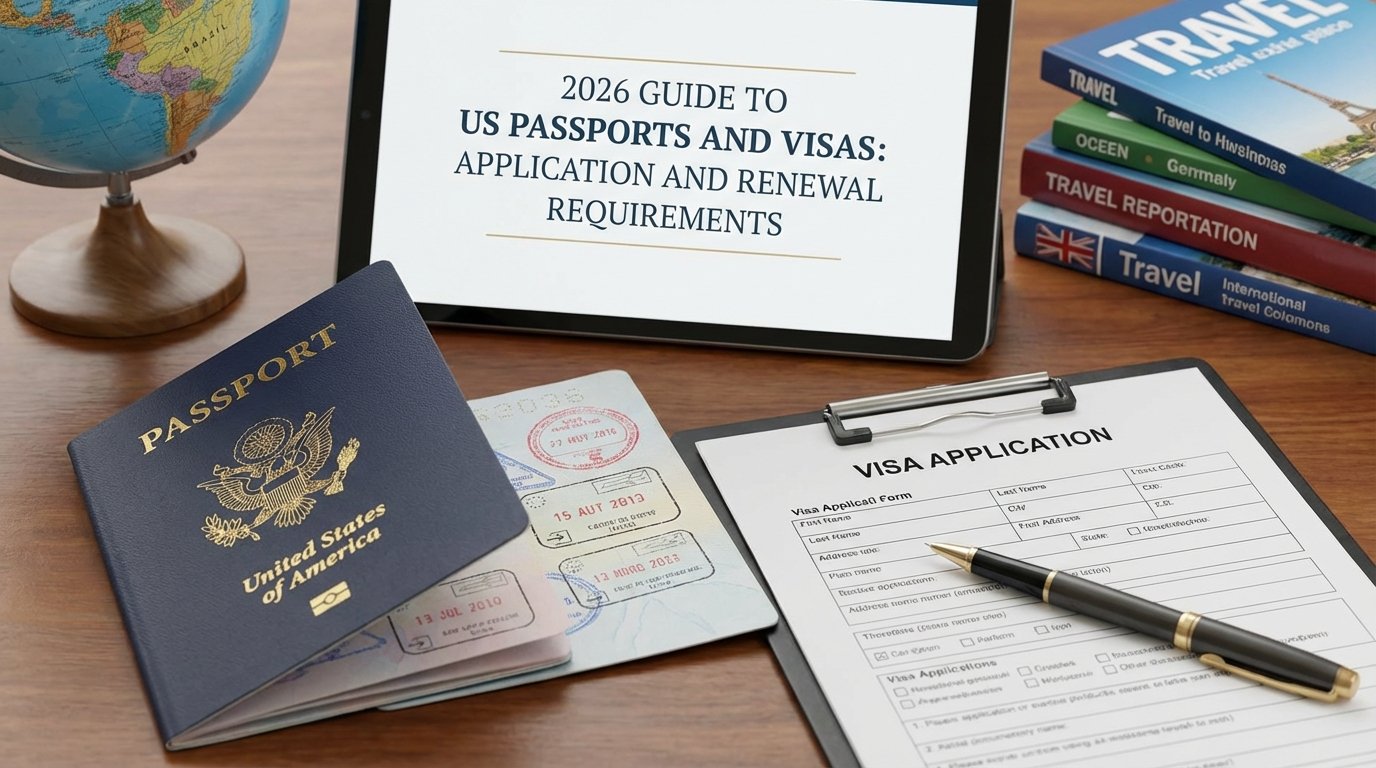
- Here’s how global tourism’s record growth in 2026 may affect your travel budget, pricing, and hotel prices. By keeping up with market trends, you should be able to make informed decisions about your money.
- Greater competition between travel suppliers could mean greater services and amenities for travelers. Here is your chance for exclusive travel experiences and enhanced journeys.
- New hotspots and travel options are changing the tourism landscape. New hotspots mean new culture and new money for locals.
- Safety protocols could shift as travel demand surges. Tourists need to be mindful of how companies are keeping safe and where high demand may expose you to some risk.
- That’s why we’re seeing this trend toward purposeful and meaningful travel. When you align your travel with your values, you’re more likely to feel satisfied and form meaningful connections along the way.
- Digital innovations are changing the way we plan travel, allowing us to book adventures with ease and discover customized itineraries. Taking advantage of today’s technology can optimize your travels and enhance your experience.
===
With borders opening and restrictions easing, the tourism sector is bracing for record visitor growth, making travel more accessible than ever. This growth means that destinations will see more revenue and travelers will have more choices in terms of places to stay, things to do, and experiences. Knowing these trends will help you decide where to go and how to budget your trips. What this growth means for you: In the next sections, we explore what this growth means for your travel plans over the next few years.
What Record Growth Means

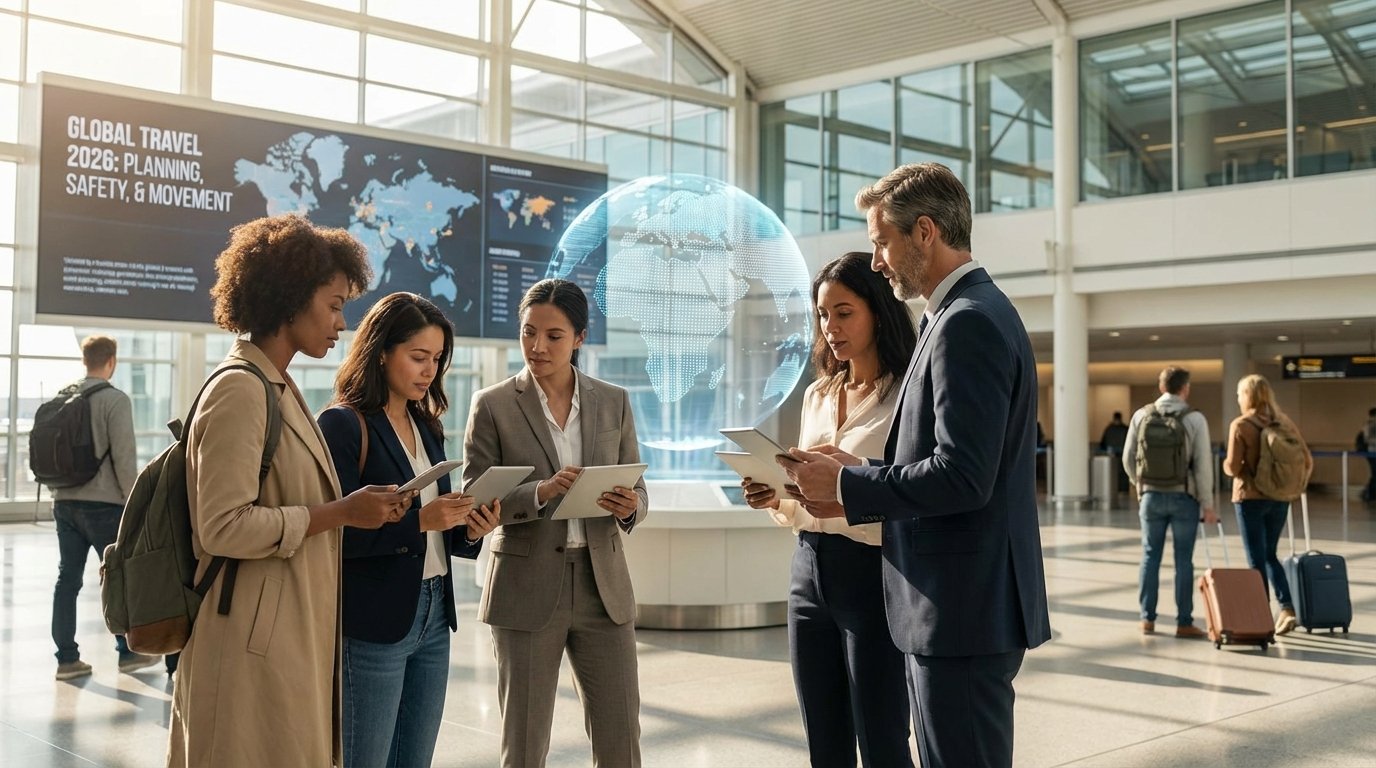
With global tourism on track to hit record growth of 1.5 billion international arrivals in 2025, what does this mean for travelers? This growth means recovering, with international arrivals expected to increase by an average of 4%. Record growth means a lot for consumers and the industry, from a financial, experiential, and safety perspective.
Your Wallet
That’s what record growth means: wild prices across travel sectors. Luxury travel pricing could experience trends towards exclusivity and personalization for wealthy experience seekers. A surcharge on tickets could bring down fare choices as competition heats up, making trips affordable on any budget. Increased demand can increase accommodation prices, especially in overtourism hotspots like Albania.
Travel expenses might climb because the services are in higher demand. For example, tourist taxes could be implemented or modified in specific areas to regulate the number of visitors. Tracking these changes will assist travelers in budgeting.
Your Experience
A cutthroat tourism environment pushes suppliers to deep-design distinctive journeys. Some of the other record growth means are clear. Technology is key to personalized travel because consumers want trips designed around their interests.
Creative startups are popping up, offering unique experiences for the sophisticated traveler. These innovations are enhancing travel and inspiring a new kind of experiential tourism focused on doing rather than looking.
Your Options
Record growth turns travel on its head, shaking up the status quo by introducing new destinations into the mix. Travel packages are more and more nonexistent. Online platforms amplify choice by providing customized itineraries and easy bookings.
As demand soars, niche travel experiences will probably develop more rapidly, catering to interests like wellness escapes or cultural immersion tours. This growth provides travelers with more flexibility and options.
Your Safety
Heightened interest in travel escalates critical safety issues. As high-traffic locations adjust, businesses are implementing safety protocols to reinforce customer trust. That involves tighter protocols and training for staff on the back of growing visitor numbers.
There are potential hazards in heavy-traffic zones, so it’s important that visitors keep their eyes open. Technology remains key in safety tracking, providing real-time updates and alerts that allow travelers to make informed decisions while overseas.
The Shifting Global Map
Around the world is a fast-moving global tourism map. Knowing these shifts will be critical in understanding the future of travel in 2026.
New Hotspots
New destinations are attracting attention for their uniqueness. Destinations such as Vietnam and Egypt have been popular for their cultural wealth and natural splendor. Travelers are hungry for authenticity and these areas deliver it in local traditions, food, and historical sights. Take Vietnam for example, with its energetic street bazaars and picturesque backdrops, it’s a magnet for thrill-seekers and culture lovers alike.
Greater tourist traffic is economically rewarding for such hotspots. Local businesses flourish as restaurants, hotels, and shops respond to an increasing visitor base. This influx may generate jobs and infrastructure. It brings sustainability concerns and could put stress on local resources.
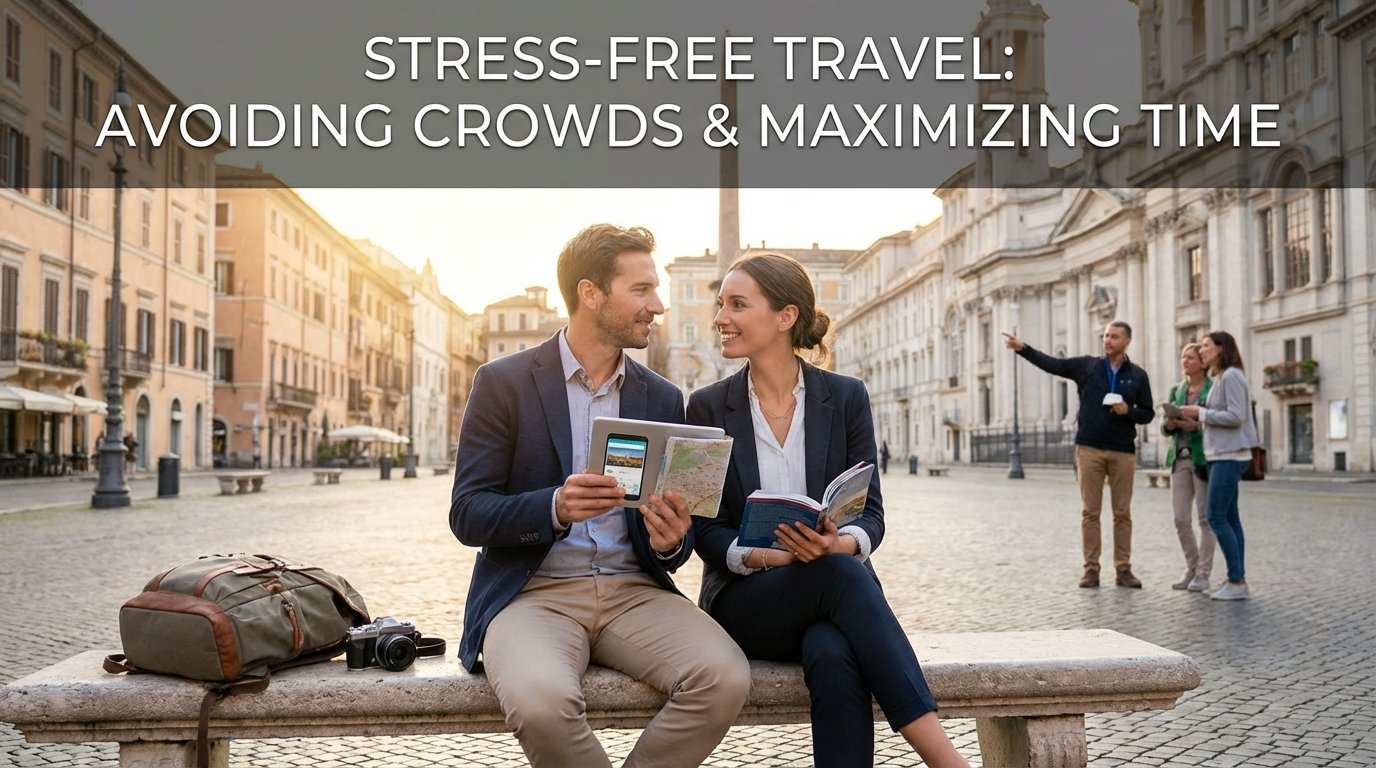
Traveler behaviors at the same time shifted. Today, it’s all about experiences, not stuff, and tourists are seeking out places where they can truly immerse themselves in a local experience. Others that are becoming popular are those that provide unique cultural festivals or stunning natural beauty.
Geopolitical Realities
Geopolitical tensions can shift the global map of tourism. Political issues might drive some regions away from travelers. Others may emerge as beneficiaries as tourists look elsewhere for safer destinations. I’m sure the economy has a lot to do with it, a great economy encourages travel while a downturn limits international trips.
Indeed, taking Iran as a case study illustrates how politics plays with tourism. It’s a historically and culturally rich country, but geopolitical issues frequently result in diminished tourism. Immigration policy can impact availability, determining where travelers can go.
Climate Havens
Climate resilience is rising as a priority in destination choice. Eco-focused regions are gaining traction with travelers going green. Countries such as Scandinavia are adopting green initiatives that appeal to eco-conscious travelers.
Changing climate affects traveler behavior and destination feasibility. Some regions are threatened, while others receive attention for their climate stability. Green will be in for travel, according to these trends.
Tourism growth and sustainability remain a concern in climate-exposed areas. As demand intensifies, supporting local communities to thrive without compromising their environment is essential.
Why We Travel Differently

Shifting priorities impact the way we travel today. Travelers want to experience what they believe in and they don’t want conventional tourism. This change is transforming desires and reasons throughout the world of travel.
Purposeful Journeys
They wanted to go places that were authentic to their beliefs and interests. These may be unique, such as joining a community conservation project or indulging in the local cuisine through cooking lessons. Culturally deep travel, for instance, vacationers opt for eco-lodges instead of typical hotels to sustain local businesses while experiencing hands-on adventure.
In response, travel companies are designing customized options. Others emphasize community connection and cultural immersion, providing exclusive local-led tours that uncover a destination’s secret treasures. This makes the actual travel experience better and promotes sustainable travel.
Slower Paces
Slow travel’s economic benefits appeal to travelers and destinations alike. A checklist might include: longer stays reduce pressure on resources, allow for deeper engagement with communities, and encourage responsible spending that supports local businesses. Changing preferences turn toward more time in a location, resisting the fast-paced schedules of previous generations.
This transition impacts hospitality as well. Hotels and restaurants are catering to extended guest stays with wellness or local experience packages. Sustainability is key here, as slower travel promotes more eco-conscious habits.
Deeper Connections
Travelers today find ways to make real connections. The trend toward group travel, sharing experiences through workshops or excursions, builds connections among travelers. Local experiences, such as volunteering or sharing a meal with natives, can increase satisfaction levels considerably.
Technology is key to empowering these deeper connections. Social media and travel apps make it easy to plan and navigate. Travelers tap into fellow travelers and locals. As travelers emphasize wellness, they look for experiences that cultivate physical and mental wellness and social connection.
The Sustainability Paradox
The sustainability paradox underscores an important tension in tourism. As travel expands, it builds up economies but brings risks of overburdening and erosion. So how does tourism evolve sustainably in the face of these concerns?
Overtourism’s Return
Overtourism robs numerous favored locations and it can spell ecological chaos and nuisance for residents. Venice and Barcelona, for example, have had their magic chipped away by too many visitors, visitors who can swamp infrastructure and diminish residents’ quality of life.
To control the number of visitors, certain destinations use timed entry or daily visitor limits. They do a lot to counterbalance the tourists’ arrival with sustainability. Tourists can contribute by visiting overcrowded attractions during off-peak hours or taking lesser-known trails.
Case studies such as Iceland and the Galápagos demonstrate how it is possible to handle an influx of visitors with strict visitor regulations that safeguard the environment while still permitting sustainable tourism expansion.
Community Impact
Sustainable tourism can be an economic boon to communities. It generates employment and empowers MSMEs, as 80 percent of tourism’s economic benefits go straight to MSMEs. This may increase community stability and resilience.
Relying on tourism has its own perils as well. Communities forget other sustainable development paths in their dependence on tourism income.
Successful community-led initiatives show how tourism can foster social integration. For instance, initiatives that involve local craftsmen in cultural tours enable community members financially and maintain heritage.
Travelers’ decisions count. Choosing local restaurants or resident-led tours gives back to the community’s economy and culture.
Conscious Choices
Supporting small businesses fosters local economies.
Small enterprises often provide authentic experiences.
Local businesses usually practice more sustainable methods.
Choosing small over large chains reduces environmental impact.
As enthusiasm for green living grows, tourists crave authentic getaways that foster cultural appreciation and bolster local economies.
Your trip decisions have the power to impact long-term sustainability efforts at the destination level, rippling out beyond just your trip.
Navigating the New Landscape
The international tourism sector is experiencing a major overhaul fueled by digitalization, evolving customer demands, regulatory changes, and analytics. Understanding these changes is key for stakeholders and travelers alike.
Digital Borders
Digital is disrupting travel by simplifying the previously convoluted. Modern travelers demand frictionless journeys powered by digital platforms and more than 70% expect biometrics-enabled travel. Ease of use like this does not just delight customers; it builds loyalty.
Smooth online travel sites are important to helping us book things easily. By enabling consumers to compare choices rapidly, these sites result in smarter decisions. As you increasingly depend on digital services, cybersecurity is king. Trust in these platforms depends on strong security to safeguard consumer data.
Travel technology fills out the global experience as well. From virtual reality dashes to destinations to AI chatbots offering immediate assistance, technology empowers travelers to immerse themselves before they arrive.
Smarter Planning
There are several advantages to using sophisticated planning tools. They simplify itineraries and save travelers from missing out on experiences or stressing about what to do next.
Cost savings are a key benefit of smarter planning. With price comparisons and personalized recommendations around preferences, travelers are able to discover deals they wouldn’t have otherwise noticed. Platforms like TripIt and Google Travel have been invaluable in this regard.
More and more data is crucial to making informed choices. Travelers can find live updates on locations, recommendations from trusted sources, and individual insights based on previous habits.
Resilient Itineraries
Flexibility is key in a world of uncertainties. Travelers today are more concerned with flexible schedules that can weather any storm, be it a natural catastrophe or a last-minute ban.
Strategies for making robust plans include thorough research of backup routes and lodging. This readiness guarantees that sudden changes do not throw travel plans off course.
Travel insurance adds an additional layer of comfort by reducing the financial risk connected to cancellations or emergencies. As tastes evolve, more explorers are venturing to places that provide a mix of excitement and security.
Consumer trends show a demand for robust options, with agrotourism expanding for its on-the-ground appeal. Set-jetting is evolving. Heritage sites inspired by period dramas are capturing attention and Route 66 is seeing a resurgence.
The Hidden Economic Engine
Tourism: The Secret Economic Motor and its impact is clear in terms of jobs, spending, and even post-pandemic recovery. Understanding this dynamic helps explain the economic reach of tourism.
See what visitor spending patterns do to local economies and services. One point five billion international tourists traveled in 2025, driving record growth in 2026! The table below highlights key areas of spending:
Category | Average Spending (USD) | Impact on Local Economy |
|---|---|---|
Accommodation | $120 | Supports hotels, motels, and B&Bs |
Dining | $70 | Fuels restaurants and food suppliers |
Transportation | $50 | Benefits local transport services |
Attractions & Activities | $80 | Boosts museums, parks, and tours |
Shopping | $60 | Supports local artisans and shops |
It rakes in income to SMEs, keeping around 80% of the economic value in local communities.
Job creation in multiple sectors is another important advantage of tourism. Travel and hospitality is your macroeconomic shock absorber, providing stability with the wide variety of jobs it encompasses. By 2035, they estimate that tourism will have a shortfall of 91 million new jobs worldwide. Countries experiencing tourism employment exceeding 1 million jobs highlight this potential, offering prospects for youth, women, and displaced workers, as well as bolstering regional economic diversification.
Hospitality’s contribution to our post-pandemic economic recovery cannot be overstated. By adapting to traveler habits and adopting AI for productivity, businesses can achieve growth. Digitization can increase operational efficiency by 15 to 40 percent, helping operators keep up with tourist demands.
Even the most resilient tourism sector faces challenges like geopolitical instability and economic uncertainty. Its complexity opens the door to innovation and adaptation to changing market forces.
Conclusion
Global tourism 2026 shows us exactly how it will travel our lives. Record growth unlocks new opportunities for you to discover and connect. All destinations have new experiences and cultural sharing. Tourists want more than to see things; they want to feel something and do the right thing, things that make a difference in the communities that they visit. As we adjust, being informed assists us in navigating fresh trends and obstacles. This change in the way we travel brings about wiser choices and responsible tourism. Interact with these trends to optimize your own travel adventures and leave a positive mark. Keep wondering, keep knowing, keep the road.
Frequently Asked Questions
What is the projected growth for global tourism in 2026?
Tourism industry experts expect international arrivals to top pre-pandemic levels.
How will this growth affect travelers?
With tourism on the rise, visitors will have additional choices for location, lodging, and experiences. With more options, you can expect better rates and service.
What changes are happening in popular travel destinations?
Hot spots are changing as well. Cities are upgrading infrastructure and prioritizing sustainability to welcome more visitors and maintain their distinctive cultures and climates.
Why do people travel differently now compared to before?
Travelers today value authentic experiences and cultural immersion more than standard sightseeing. They want to feel connected and have custom tours that align with their tastes and beliefs.
What is the sustainability paradox in tourism?
The sustainability paradox of tourism. Higher travel can put pressure on natural resources, requiring sustainable tourism.
How can travelers navigate the new landscape of tourism?
Here are some things travelers can do to manage the impact of record global tourism:
- Research destinations carefully. Being aware of local rules and culture will make their experience that much better.
What role does tourism play in the global economy?
It’s an incredible economic engine — generating jobs and income everywhere. It underpins industries such as hospitality, transportation and local businesses, powering national economies.