
- Key Takeaways
- 1. Prioritize vaccinations and boosters
- 2. Stay updated on travel advisories
- 3. Research local health facilities
- 4. Choose accommodations with safety protocols
- 5. Pack a comprehensive first-aid kit
- 6. Use health tracking apps
- 7. Follow local COVID-19 guidelines
- 8. Practice good hygiene consistently
- 9. Stay hydrated and eat safely
- 10. Opt for contactless payment methods
- Conclusion
- Frequently Asked Questions
- What vaccinations should I get before traveling in 2026?
- How can I find reliable travel advisories?
- Why is researching local health facilities important?
- What should I include in a travel first-aid kit?
- Are health tracking apps useful for travelers?
- Why should I use contactless payment methods when traveling?
- How can I ensure the food and water are safe while traveling?
Key Takeaways
- Pre-schedule any recommended vaccines and boosters, and keep records handy while traveling.
- Keep an eye on travel advisories and enroll in live safety alerts to track your destination.
- Find out where to get medical care and emergency contact information ahead of time, so you’re prepared for any eventuality.
- Select hotels with robust safety measures and read guest reviews to guarantee a safe experience.
- Stock a full first-aid kit with personal medications.
- Leverage health apps and contactless payments to stay on top of your health while minimizing touchpoints.
Top 10 health safety tips for traveling in 2026 assist travelers in staying healthy and protected while on the road. Figuring out how to be well on the road is essential, regardless of location or climate. Most rely on easy things like hand washing, selecting safe foods and bringing along a mini first aid kit. Keeping up with local health advisories is important, as is verifying travel insurance that includes medical coverage. In 2026, many airlines and hotels implement new hygiene protocols, and travelers are able to monitor risk with mobile apps. It provides practical tips that suit different styles of travelers, from backpackers to business types, and elaborates on each tip with straightforward, real-world advice.
1. Prioritize vaccinations and boosters

- Prioritize vaccinations and boosters
Advance planning is essential, as doctors recommend receiving travel vaccinations a minimum of 4 to 6 weeks prior to an overseas journey. This gives plenty of time to develop full immunity. A few, such as the yellow fever vaccine, are mandatory for entry to select countries in Africa and South America, typically no less than 10 days prior to arrival. Travel-specific vaccines could encompass chikungunya and dengue, based on your destination. A meeting with a travel advisor can help sort out which vaccines are needed. First things first, get vaccinated and boosted. It’s smart to consult the CDC’s country list for up-to-date vaccine guidance and bring a record of your vaccinations with you. Staying ahead with boosters is less stress and centers your and the world’s health.
2. Stay updated on travel advisories
Travel advisories keep travelers informed so they can make intelligent decisions about their safety. Government travel advisories, which you should check before and during your trip, keep travelers aware of current risks, such as protests or health warnings, in the destination. Most countries, including the U.S., post advisories with levels such as “Exercise Increased Caution” to “Avoid Travel.” For instance, Cancun or Tulum could be a Level 2, where most things are business as usual but travelers need to remain vigilant and take easy precautions, such as leaving valuables hidden. Subscribing to real-time alerts from the U.S. State Department or your country’s equivalent provides timely updates should anything shift. Local tourist sites or airlines post strike, weather, or other updates. It’s always a smart play to know where the nearest embassy or consulate is located and to be prepared with an emergency plan.
3. Research local health facilities
Nothing provides more peace of mind for any trip than researching local health facilities. Research local hospitals and clinics. Being aware of the nearest hospital or clinic location translates into swift action if an emergency illness or injury occurs. Looking into the quality and access of these places assists in setting actual expectations. For instance, a brief search online or review of government travel advisories can reveal whether a city hospital has 24-hour emergency services or if a rural clinic is short-staffed. Jot down emergency numbers and carry them with you. Most countries list these on embassy sites or travel apps. Verifying whether a country is covered by a reciprocal healthcare agreement can save you money or assist you in planning for payment. With insulin or mental support, travelers need to research if local providers can support them. Research local health protocols, such as vaccination and quarantine, to prevent unexpected delays.
4. Choose accommodations with safety protocols
Selecting accommodations that have safety protocols in place is a smart way to enhance well-being and peace of mind on the road. Hotels or hostels with hard safety measures tend to indicate things like CCTVs, controlled entries, or 24-hour staff. A lot of travelers look for these before they book, even when traveling solo or with family. Reviews can shine a light on real-life experiences from previous guests concerning emergency plans, staff reactions, or how safe and clean rooms really feel. A few even post their protocols online, indicating in-room safes, secure parking, or limited access to certain areas. Seeking out properties with certifications from trusted organizations can be a good sign as well; these tend to be based on international safety standards. They notice things like location, convenient access to assistance, and if staff are trained for emergencies.
5. Pack a comprehensive first-aid kit

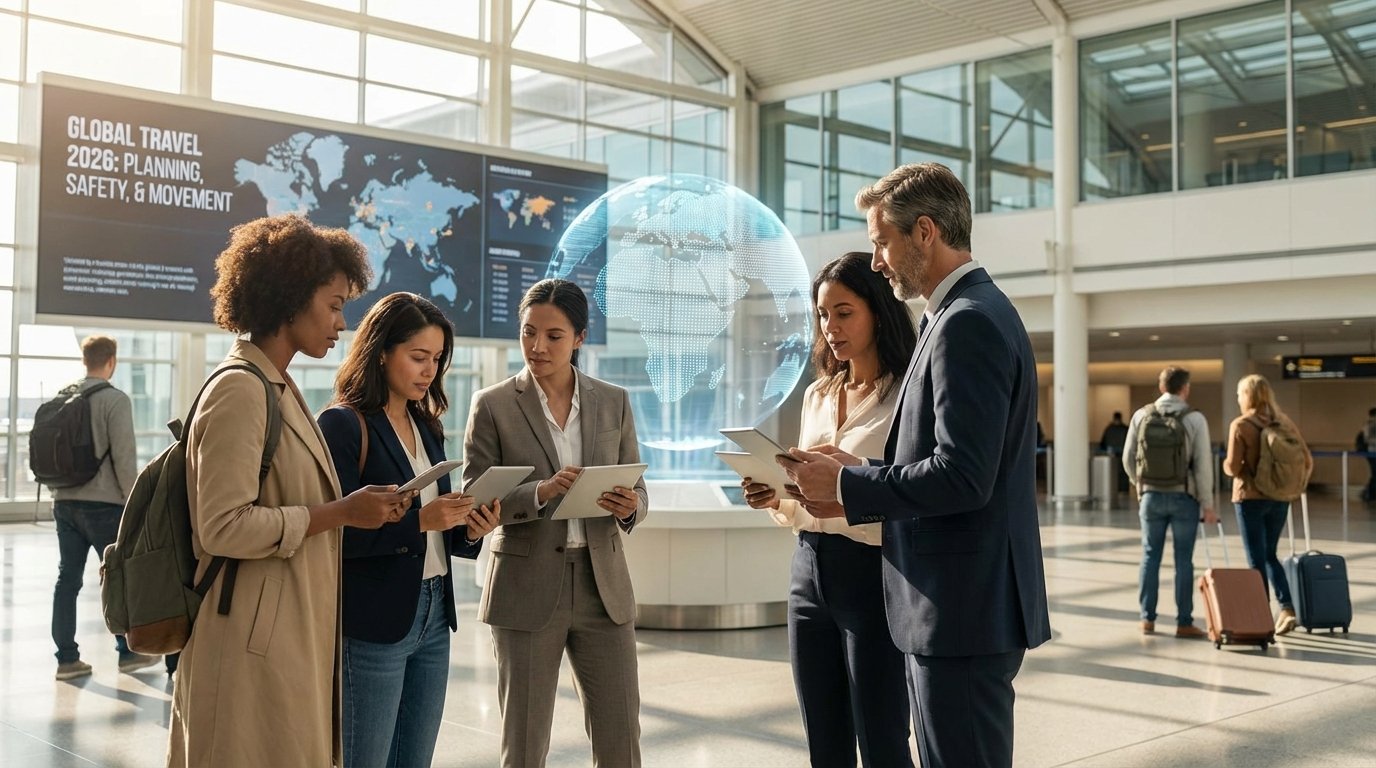
Packing a comprehensive first-aid kit means you’ll have what you need for most health issues on the road. Band-aids and adhesive bandages cover scrapes, while antiseptic wipes clean cuts and reduce the risk of infection. Pain killers such as acetaminophen or ibuprofen assist with headaches or sore muscles. For those with allergies or a chronic illness, this should include any personal medications or items like asthma inhalers. Thermometers help in identifying the onset of fever, a critical component in identifying illness quickly.
So it’s wise to throw in a few adjuncts for possible traveling sicknesses, such as motion sickness tabs or rehydration salts. Always store the kit in a waterproof bag so gear remains clean and dry. By routinely replacing expired supplies and actually practicing how to use each item, everyone stays prepared. Training the whole family how to use the kit is confidence-building, as well.
6. Use health tracking apps

Health tracking apps provide travelers with real-time updates on their fitness, nutrition, and daily habits. Download these apps ahead of a trip to monitor steps, sleep, and meals. For instance, apps such as MyFitnessPal or Google Fit allow users to record food intake and scan grocery products for instant nutrition information. Many apps link to wearables, so tracking workouts or heart rate is easy and effortless.
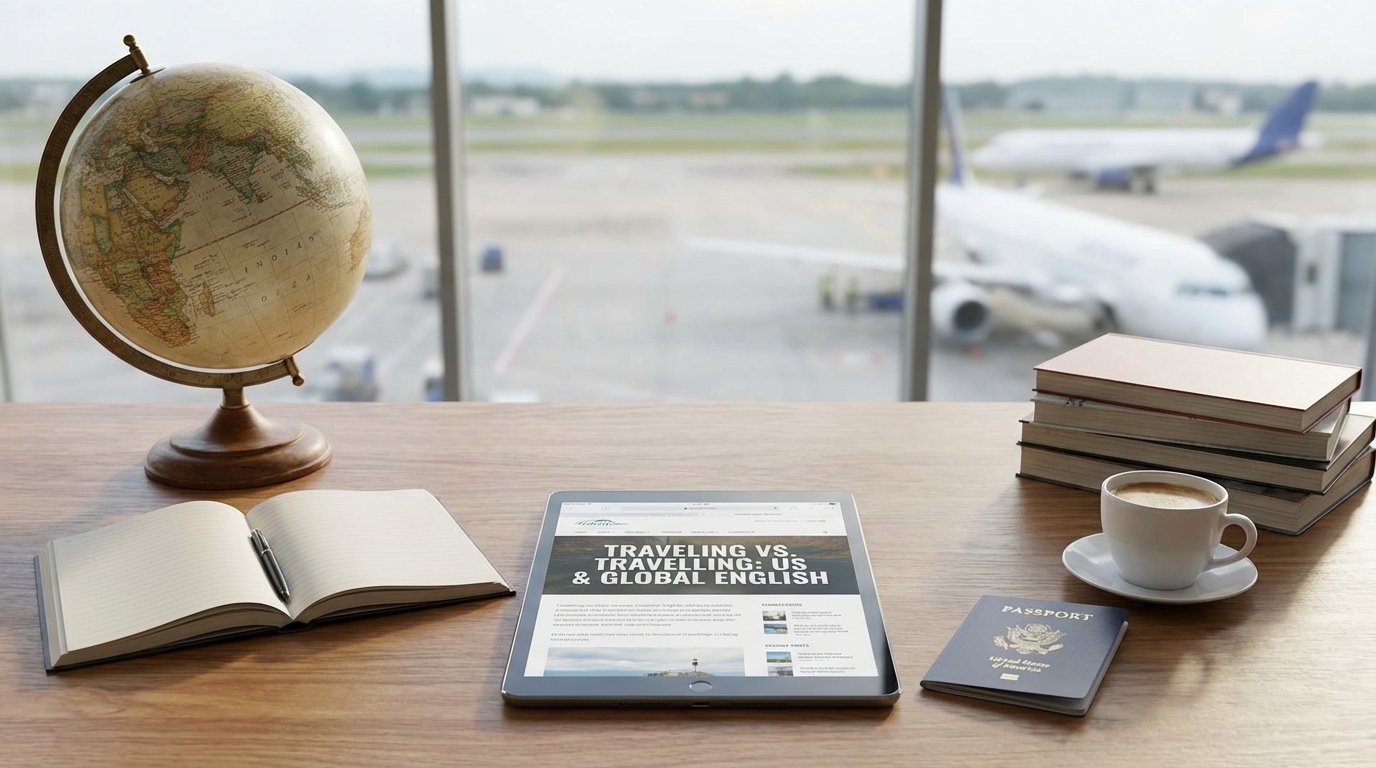
Travel health apps, like CDC’s TravWell or WHO’s Vaccination Tracker, store all vaccine records and medication reminders in one convenient location. These handy tools warn you when shots are due or when to take pills, which is important for trips involving time zone changes. Some local health apps display maps of clinics or hospitals in your vicinity, which can be useful if you’re in a new city.
It adds a layer of safety to share health stats with trusted family or friends. Health data is sensitive, so you should always check privacy policies and opt for well-known apps to protect your information.
7. Follow local COVID-19 guidelines

Follow local COVID-19 guidelines to keep travel safer and smoother. In many locations, masks and social distancing in public spaces, like airports or crowded markets, are mandatory. Consult local COVID-19 guidelines before you go, especially to find out if your destination has mask mandates or other measures in place. Being up-to-date on testing and quarantine requirements ensures no last-minute surprises at borders or hotels. For instance, certain nations require a negative PCR or vaccination proof at entry. Observing local COVID-19 protocols is crucial, as certain populations might require additional precautions when attending events or using public transportation. It’s smart to be flexible with plans because rules can change quickly, depending on your local COVID-19 situation. Others quarantine prior to departure, wear masks on flights, and frequently wash hands to reduce risk and anxiety. Staying updated on local COVID-19 protocols and guidelines means fewer headaches and greater peace of mind.
8. Practice good hygiene consistently
Second, good hygiene cannot be overlooked in safer travel. Washing hands with soap and water or using hand sanitizer with at least 60 percent alcohol reduces the chances of picking up germs. In high-traffic areas such as airports or subways, wiping your nose or rubbing your eyes without clean hands can transmit disease, so awareness really does make a difference. Phones, wallets, and other frequently touched items collect all sorts of germs. Wiping them down with disinfectant wipes makes them cleaner. Throwing away used tissues, wrappers, or food scraps in the correct bins contributes to keeping your environment clean and minimizing hazards. If you’re immunocompromised, a face mask in crowded spaces is a good idea. Eat and drink wisely. When you’re dining or imbibing, particularly when tap water isn’t deemed safe, opting for bottled or filtered water and being that much more careful with food consumption can help. Getting adequate sleep, roughly 7 to 8 hours, can similarly help maintain your health.
9. Stay hydrated and eat safely
Stay hydrated and eat safely” emerges as a crucial habit for voyagers. Drinking no less than 64 ounces of water per day guards against a headache and fatigue, particularly following lengthy flights or 10-mile walks. Bottled or purified water is best virtually everywhere except for Europe where their tap water is safe. Eating safely counts no less. Fresh cooked dishes from reputable restaurants reduce the chances of food poisoning. Street food can be irresistible, but verifying that it’s piping hot and cooked thoroughly makes all the difference. Bringing along snacks such as nuts or dried fruits wards off hunger on long tours or delays. Hand sanitizer with at least 60 percent alcohol is a great help before you eat or after touching public surfaces. On the same note, while limiting alcohol is important, drinking sufficient water aids in quality sleep while away.
10. Opt for contactless payment methods
Select contactless payments. This will reduce handling cash and hand contact with surfaces. Take the sting out of checkout by using mobile payment apps like Google Pay or Apple Pay. A lot of travelers pick digital wallets not just for swiftness but because a few merchants actually give discounts for utilizing them. QR-based codes are in shops, hotels, and even taxis, just about everywhere, particularly in busy cities. It’s wise to enable multifactor authentication and take advantage of all app security features for added protection. I always keep a backup card or a small stash of local cash because there are still places that don’t take mobile payments. Pre-trip, research the local currency, be aware of the exchange rate, and find out if your credit or debit cards are subject to spending limits. Always monitor your account for any charges you don’t identify because fraud can occur anywhere.
Conclusion
To travel safe in 2026, keep it clean and straightforward. Shooters and boosters prevent illness. Checking travel alerts keeps you prepared for surprises. Make sure you know where the health clinics are located before you go. Select places to lodge that adhere to good protocols. Pack a reliable first-aid kit. Health apps can monitor your health. Local rules count, so obey them. Clean hands and safe food cut risk. Clean water and simple food are essential. Tapping to pay reduces contact and worry. Each step adds another solid layer to your trip planning. Be alert and watchful for yourself and others. For additional tips or assistance, consult reputable health resources prior to your departure.
Frequently Asked Questions
What vaccinations should I get before traveling in 2026?
Consult your doctor for vaccines. Regular flu, COVID-19 boosters, and destination-specific vaccines are common ones. Always double-check requirements early.
How can I find reliable travel advisories?
Check official government sites or trusted international health bodies. They provide up to date information on travel restrictions and health risks per country.
Why is researching local health facilities important?
Being aware of the location of local hospitals and clinics enables you to act promptly in case of an emergency. It guarantees you can still get care if you fall ill or have an accident on your vacation.
What should I include in a travel first-aid kit?
Bring basic bandages, disinfectants, pain relievers, prescribed medication, and any other personal medical items. Tailor your kit to your destination and planned activities.
Are health tracking apps useful for travelers?
Sure, health tracking apps can keep an eye on your symptoms, remind you to take medications and provide local health alerts. They keep you in control of your health on the road.
Why should I use contactless payment methods when traveling?
Contactless payments mean less handling of cash or cards and less chance of spreading germs. They’re very much embraced in a lot of destinations.
How can I ensure the food and water are safe while traveling?
Consume bottled or filtered water and opt for thoroughly cooked food. Avoid raw and street food unless you are confident in hygiene practices.