Table of Contents
- Mexico Travel Safety: Updates for 2026
- 1. Current Security Situation in Mexico
- 2. Impact of Cartel Leadership Changes on Travel Safety
- 3. Understanding Travel Advisories and Official Guidance
- 4. Resort Safety and Tourist Areas in Mexico
- 5. Risks for Tourists and Target Possibility
- 6. Precautionary Measures for Travelers
- 7. Utilize Travel Safety Tools and Resources
- 8. Potential Long-Term Impacts on Travel Destinations
- 9. Legal and Cultural Considerations for American Travelers
- 10. Emergency Contacts and Embassy Support for American Travelers
- Frequently Asked Questions About Mexico Travel Safety
Mexico Travel Safety: Updates for 2026
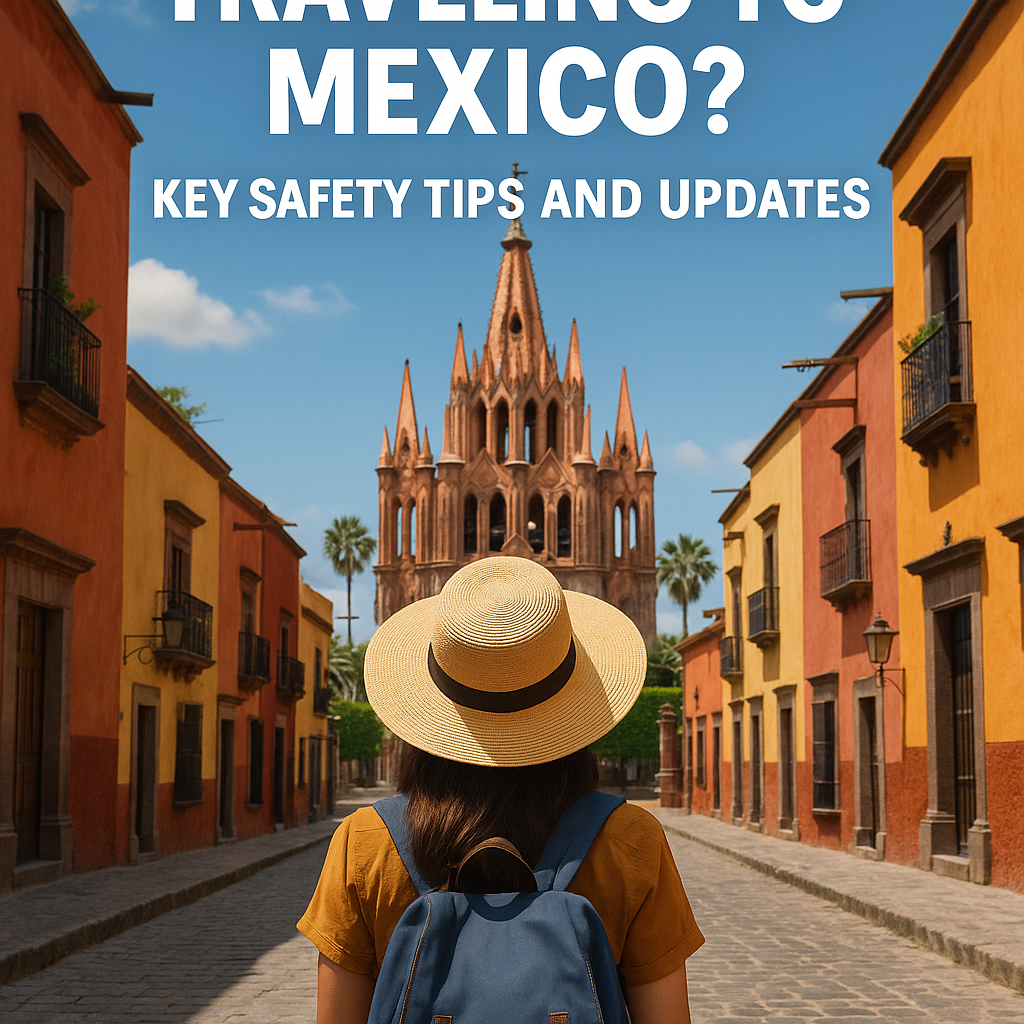
Planning a trip to Mexico in 2026? It’s wise to stay informed on the latest safety updates. While Mexico remains a vibrant destination for many, recent events, particularly involving cartel activity, warrant careful consideration for all American travelers.
This guide provides essential safety tips and current information to help you plan a secure and enjoyable journey. Security experts recommend vigilance, especially given recent cartel unrest and power struggles.
1. Current Security Situation in Mexico
The security landscape in Mexico requires vigilance, especially for American travelers. Recent events, particularly a significant military operation targeting Rubén Oseguera Cervantes, also known as El Mencho, leader of the Jalisco New Generation Cartel, have led to periods of unrest. In February 2026, the reported killing of El Mencho triggered immediate shelter-in-place advisories, roadblocks, and airport disruptions in key areas like Puerto Vallarta and Guadalajara.
Understanding Cartel Unrest and Travel Caution
Security experts from institutions like George Mason University’s Schar School of Policy and Government warn that such high-profile events can cause cartel violence to persist or even intensify. This is due to ensuing power struggles within criminal organizations, creating a leadership vacuum. The U.S. Department of State often updates its travel advisory levels, recommending travel caution for certain regions of Mexico.
Impact of Cartel Leadership Changes on Travel Safety
The reported death of El Mencho has created a significant leadership vacuum within the Jalisco New Generation Cartel. This can lead to increased cartel power struggles as factions fight for control. Experts, including those from the Transnational Crime and Corruption Center, note that cartel operations may become more violent and unpredictable during these periods, impacting Mexico security broadly.
Travel Advisories and Official Guidance for U.S. Citizens
Following such events, official guidance for U.S. citizens is critical. The United States Department of State has issued travel advisories recommending that American travelers exercise increased caution and, in some cases, avoid non-essential travel to specific Mexican states. Travelers are often advised to shelter in place and monitor local media for real-time updates on Mexico travel safety.
Safety in Resort and Tourist Areas: Puerto Vallarta and Cancun Safety
Despite broader unrest, major tourist destinations like Cancun, Puerto Vallarta, and Mexico City often maintain a relatively higher level of resort safety and hotel security. Security experts like Mike Ballard of Global Guardian note that cartels typically avoid provoking conflict in these areas to protect their illicit revenue streams. However, travelers should remain aware that cartel violence can occasionally spill into these zones, making vigilance crucial for all American travelers.
Risks for Tourists: Collateral Victims
While tourists are generally not direct targets of cartel violence, experts like Jason Hanson emphasize that violent events can occur collaterally. Travelers can unfortunately be caught in the crossfire during unexpected confrontations. The situation is unpredictable, and being in the wrong place at the wrong time can lead to danger, making travel caution essential for anyone visiting Mexico.
Precautionary Measures for Travelers
To enhance Mexico travel safety, American travelers should plan ahead. Establish rally points, know the locations of local hospitals, and avoid unnecessary movement, especially after dark. Secure your travel documents and stay in reputable, secure locations until any volatile situation stabilizes. Be vigilant about your surroundings and avoid sharing detailed travel plans with strangers to minimize risk.
2. Impact of Cartel Leadership Changes on Travel Safety
You need to understand that changes in cartel leadership, especially after a significant military operation, can dramatically alter Mexico’s security landscape. The reported killing of Rubén Oseguera Cervantes, also known as El Mencho, leader of the Jalisco New Generation Cartel, creates a significant leadership vacuum.
Security experts note that this vacuum often triggers intense power struggles among rival factions. As Guadalupe Correa-Cabrera, a professor at the Schar School of Policy and Government at George Mason University, explained to USA TODAY, these groups operate on a “franchise model.” This means local leadership changes can have widespread, albeit localized, impacts, increasing cartel unrest.
This increased volatility means American travelers must exercise extra caution. Unforeseen incidents, including retaliatory violence, can arise from these internal conflicts, potentially impacting areas like Puerto Vallarta or even near the Guadalajara airport. While tourists are not typically targeted, being in the wrong place at the wrong time can make you a collateral victim.
3. Understanding Travel Advisories and Official Guidance
Official travel advisories are a critical resource for U.S. citizens planning a trip to Mexico. The United States Department of State frequently updates its guidance, recommending American travelers exercise caution or avoid non-essential travel to specific regions. For instance, recent advisories have urged Americans to shelter in place and monitor local media in several Mexican states due to ongoing security operations and cartel unrest.
The State Department’s travel advisory levels provide a clear indication of risk, from “Exercise Normal Precautions” to “Do Not Travel.” Always check the latest advisories before and during your trip to Mexico to understand the current Mexico security landscape.
U.S. Department of State Travel Advisory Levels for Mexico (Select States, February 2026)
| State/Region | Advisory Level | Key Recommendation |
|---|---|---|
| Jalisco (including Puerto Vallarta, Guadalajara) | Level 3: Reconsider Travel | Exercise increased caution due to crime and kidnapping. Recent unrest, often linked to the Jalisco New Generation Cartel, led to shelter-in-place orders. |
| Quintana Roo (including Cancun, Playa del Carmen) | Level 2: Exercise Increased Caution | Be aware of your surroundings due to crime. Tourist areas are generally safer, but incidents can occur. Monitor Cancun safety updates. |
| Mexico City | Level 2: Exercise Increased Caution | High levels of crime. Be vigilant, especially at night and in crowded areas. Follow Mexico City travel safety tips. |
| Guerrero (including Acapulco) | Level 4: Do Not Travel | Avoid all travel due to crime and cartel violence. U.S. government personnel are restricted from traveling to this state. |
| Tamaulipas | Level 4: Do Not Travel | Avoid all travel due to crime and kidnapping. |
Security experts emphasize that these travel advisory levels are dynamic. Events like the reported killing of Rubén Oseguera Cervantes, also known as El Mencho, leader of the Jalisco New Generation Cartel, can trigger immediate shifts. Such a military operation and subsequent leadership vacuum often lead to heightened cartel power struggles and potential retaliatory violence, impacting Mexico travel safety across various regions, including near Puerto Vallarta airport and Guadalajara airport.
4. Resort Safety and Tourist Areas in Mexico
Many popular resort destinations, such as Cancun and Puerto Vallarta, are often perceived as safer for American travelers due to their economic importance and typically higher security presence. Mexico City also falls into this category.
Security experts like Mike Ballard of Global Guardian note that criminal organizations often avoid disrupting these lucrative tourist zones. This strategy aims to prevent drawing unwanted attention from the Mexican government and the United States of America.
While hotel security in major resorts is often robust, travelers should understand that violence can occasionally spill over. This is especially true during periods of cartel power struggles or military operations against groups like the Jalisco New Generation Cartel.
It is important to remember that no location is entirely risk-free. Even in tourist hubs, being aware of your surroundings is paramount for your Mexico travel safety.
Despite the general safety of these areas, the U.S. Department of State consistently advises U.S. citizens to exercise increased caution throughout Mexico. This includes areas frequented by tourists.
5. Risks for Tourists and Target Possibility
While American travelers are generally not the direct targets of cartel violence, they can become collateral victims. This means being in the wrong place at the wrong time during an unexpected violent event. Jason Hanson, a former Central Intelligence Agency officer and security consultant, emphasizes that while cartels rarely target foreign visitors directly, the unpredictable nature of cartel violence means anyone can be caught in the crossfire.
Events like roadblocks or sudden military operations, such as those impacting Puerto Vallarta airport and Guadalajara airport, can disrupt travel plans and place individuals in potentially unsafe situations. The U.S. Department of State often issues travel advisories urging U.S. citizens to exercise increased travel caution in specific areas due to cartel unrest.

Even in popular resort safety zones like Cancun or Mexico City, the risk calculus changes during periods of heightened cartel power struggles. For instance, the potential for a leadership vacuum following significant events, such as the reported killing of a high-profile figure like El Mencho (Rubén Oseguera Cervantes) of the Jalisco New Generation Cartel, can lead to retaliatory violence. This makes understanding the Mexico security landscape crucial for any visitor to Mexico.
6. Precautionary Measures for Travelers
Taking proactive steps significantly enhances your Mexico travel safety. Always have a clear plan. Establish rally points with your travel companions, know the locations of nearby hospitals, and identify the nearest United States embassy or consulate. Avoid unnecessary movement, especially after dark.
Secure Your Documents and Stay Informed
Secure your travel documents by keeping both digital and physical copies separate. During periods of heightened alert, such as when a travel advisory recommends it, shelter in place until the situation stabilizes. The U.S. Department of State frequently updates its advisories, particularly regarding areas like Puerto Vallarta and Cancun safety.
Situational Awareness is Key
Be vigilant about your surroundings. Avoid sharing detailed travel plans with strangers, especially in areas with potential cartel unrest. Doug Patteson, a former Central Intelligence Agency officer, stresses the critical importance of situational awareness for all American travelers. This is crucial given the unpredictable nature of cartel violence and potential for collateral victims.
7. Utilize Travel Safety Tools and Resources
Modern tools significantly enhance your Mexico travel safety. Register your trip with the Smart Traveler Enrollment Program (STEP) through the United States Department of State. This program allows the U.S. Embassy and Consulates in Mexico to contact you during an emergency and provides timely alerts, crucial for all American travelers.
Keep local emergency numbers, such as 911, readily accessible. Consider comprehensive travel insurance that covers emergency medical evacuation and trip interruptions. These are vital for peace of mind, especially given the unpredictable nature of cartel unrest.
Utilize apps that provide real-time security alerts or allow you to share your location with trusted contacts. Security experts often recommend these tools as part of a robust personal safety strategy, particularly when navigating areas like Puerto Vallarta or Mexico City where situations can change rapidly. Staying informed is key to mitigating risks.
8. Potential Long-Term Impacts on Travel Destinations
The ongoing dynamics of Mexico security and cartel power struggles can significantly impact travel destinations over time. Areas frequently affected by cartel unrest or military operations may see shifts in American travelers‘ preferences. For instance, Acapulco has faced challenges, while Puerto Vallarta and Cancun generally maintain their appeal due to enhanced resort safety and hotel security measures.
The Mexican government, currently led by Claudia Sheinbaum Pardo, aims to ensure stability. However, the complexities of transnational crime mean that vigilance will remain essential for all U.S. citizens planning trips. Destinations that effectively manage security concerns and adapt to evolving threats are more likely to maintain their appeal to international visitors, as noted by security experts like Mike Ballard from Global Guardian.
Understanding Leadership Vacuums and Power Struggles
Changes in cartel leadership, such as the potential killing of Rubén Oseguera Cervantes, known as El Mencho, leader of the Jalisco New Generation Cartel, often create a leadership vacuum. This can lead to intense power struggles and increased cartel violence as factions fight for control. Guadalupe Correa-Cabrera, a professor at George Mason University’s Schar School of Policy and Government and an expert on transnational crime, emphasizes that such periods are highly unpredictable.
When a kingpin strategy removes a major leader, it can paradoxically lead to more fragmented and violent criminal organizations. This is a critical consideration for Mexico travel safety. Security experts frequently advise American travelers that these power shifts can increase the risk of being caught as collateral victims in areas experiencing heightened conflict.
Adapting to Travel Advisories and Security Updates
The United States Department of State consistently issues travel advisory updates for Mexico, reflecting the current security situation in Mexico. These advisories often recommend exercising increased travel caution or even issuing shelter in place orders during significant military operations or periods of intense cartel unrest. Staying informed through these official channels is crucial for all U.S. citizens.
Even in popular tourist destinations like Cancun and Mexico City, understanding the broader context of Mexico security is vital. While these areas often implement robust hotel security and resort safety measures, the potential for retaliatory violence or spillover from cartel power struggles means that travelers should always remain aware of their surroundings and monitor local news, as frequently highlighted by USA TODAY in their travel safety reports.
9. Legal and Cultural Considerations for American Travelers
Understanding Mexico’s legal and cultural landscape is crucial for American travelers. Laws can differ significantly from those in the United States of America. For example, drug laws are exceptionally strict, and even minor infractions can lead to serious consequences, impacting your Mexico travel safety.
Always respect local customs and traditions. A basic understanding of the cultural context can help you navigate interactions, particularly with local authorities, and avoid misunderstandings that might inadvertently lead to unsafe situations. This is a key aspect of responsible Mexico security awareness.
It’s always wise to carry identification and be aware of proper etiquette. Even in popular tourist areas like Cancun, Puerto Vallarta, or Mexico City, local norms apply. Being mindful of these details can greatly enhance your overall travel caution and experience.
10. Emergency Contacts and Embassy Support for American Travelers
For American travelers, knowing how to access emergency support is paramount. The United States Embassy and Consulates in Mexico are critical resources for U.S. citizens. Program their contact information into your phone before you depart. In an emergency, dial 911 for police, fire, or medical assistance.
Always keep a list of trusted contacts, both local and international. Ensure someone back home in the United States of America knows your detailed itinerary. U.S. citizens can rely on government staff in Mexico for assistance during crises, including guidance on shelter in place orders and coordinating help.
Given recent events, such as cartel unrest in areas like Guadalajara and near Puerto Vallarta airport, being prepared is more important than ever. The State Department often issues travel advisory updates, and having direct contact with the Embassy ensures you receive the latest information and support, especially during potential military operations or increased cartel violence.
Frequently Asked Questions About Mexico Travel Safety
1. What is the current Mexico travel safety situation in Puerto Vallarta?
As of February 2026, Puerto Vallarta has experienced periods of unrest due to cartel violence, particularly following the death of Rubén Oseguera Cervantes, also known as El Mencho. The United States Department of State has issued advisories recommending increased caution and, at times, shelter in place orders. While tourist areas generally have enhanced resort safety and hotel security, travelers should monitor local news and official advisories for real-time updates regarding Puerto Vallarta airport operations and any potential disruptions. Security experts, like Mike Ballard from Global Guardian, note that while tourist zones are often prioritized for safety, travelers must remain vigilant.
2. Are American travelers specifically targeted by cartel violence in Mexico?
Generally, American travelers are not direct targets of cartel violence. Security experts, including those from the Transnational Crime and Corruption Center and Guadalupe Correa-Cabrera of George Mason University, confirm that conflicts primarily occur between rival criminal organizations, such as the Jalisco New Generation Cartel. However, tourists can become collateral victims if they are in the wrong place at the wrong time during an incident. Therefore, it is essential to exercise a high degree of caution, especially in areas with known cartel unrest, and adhere to all travel advisory guidance from the United States Department of State.
3. What should I do if a travel advisory recommends “shelter in place” while I am in Mexico?
If a travel advisory, such as one from the U.S. State Department, recommends “shelter in place,” you should immediately seek the safest available indoor location, typically your hotel or residence. Minimize unnecessary movement, avoid areas of law enforcement activity, and monitor local media for updates. Inform family and friends of your location and well-being. Follow all directions from local authorities and contact the nearest United States embassy or consulate if you require assistance. This directive is often issued during significant military operations or heightened cartel unrest to protect individuals from potential danger. Jason Hanson, a former CIA officer, stresses the importance of having a pre-planned rally point.
4. How safe is Cancun safety compared to Mexico City travel, given recent updates?
Both Cancun and Mexico City are major tourist destinations with generally higher levels of security than some other regions. The U.S. State Department typically advises “Exercise Increased Caution” for both, a Level 2 advisory. While Cancun safety benefits from robust resort safety and hotel security measures, Mexico City travel involves navigating a large urban environment where petty crime and some violent crime can occur. Neither has been as directly impacted by recent large-scale cartel violence related to the El Mencho situation as parts of Jalisco or Guadalajara. Always stay vigilant, be aware of your surroundings, and check the latest advisories for specific areas within these cities.
5. What is the “kingpin strategy” and how does it affect Mexico security?
The “kingpin strategy” involves targeting and apprehending or eliminating the leaders of criminal organizations, such as Rubén Oseguera Cervantes (El Mencho). While intended to dismantle cartels, this strategy can sometimes lead to a “leadership vacuum” and intense power struggles among subordinate leaders or rival groups. This often results in increased cartel violence, as factions fight for control, and can sometimes lead to retaliatory violence. For travelers, this means a potential for unpredictable security situations, requiring heightened awareness and adherence to travel caution from official sources. Guadalupe Correa-Cabrera highlights that this can make cartel operations more violent and unpredictable.