
Table of Contents
- 1. Essential Travel Documents for Mexico
- 2. Understanding Mexico Travel Advisory Levels
- 3. Navigating Cartel Unrest and Traveler Security
- 4. Precautionary Tips for a Safe Journey
- 5. Essential Documentation and Financial Preparedness
- 2. Understand Required Travel Documents and Entry Permits
- 3. Understand the Impact of Mexican Cartel Unrest on Travel Safety
- 3. Assess Current Security Conditions in Tourist Areas
- 4. Review Travel Advisory Levels and Destination Selection
- 5. Understand Risks During Leadership Power Vacuums
- 6. Understand the Likelihood of Tourist Targeting by Cartels
- 7. Adopt Precautionary Tips for Travelers
- 8. Implement Documentation and Financial Precautions
- Frequently Asked Questions About Mexico Travel Safety
1. Essential Travel Documents for Mexico
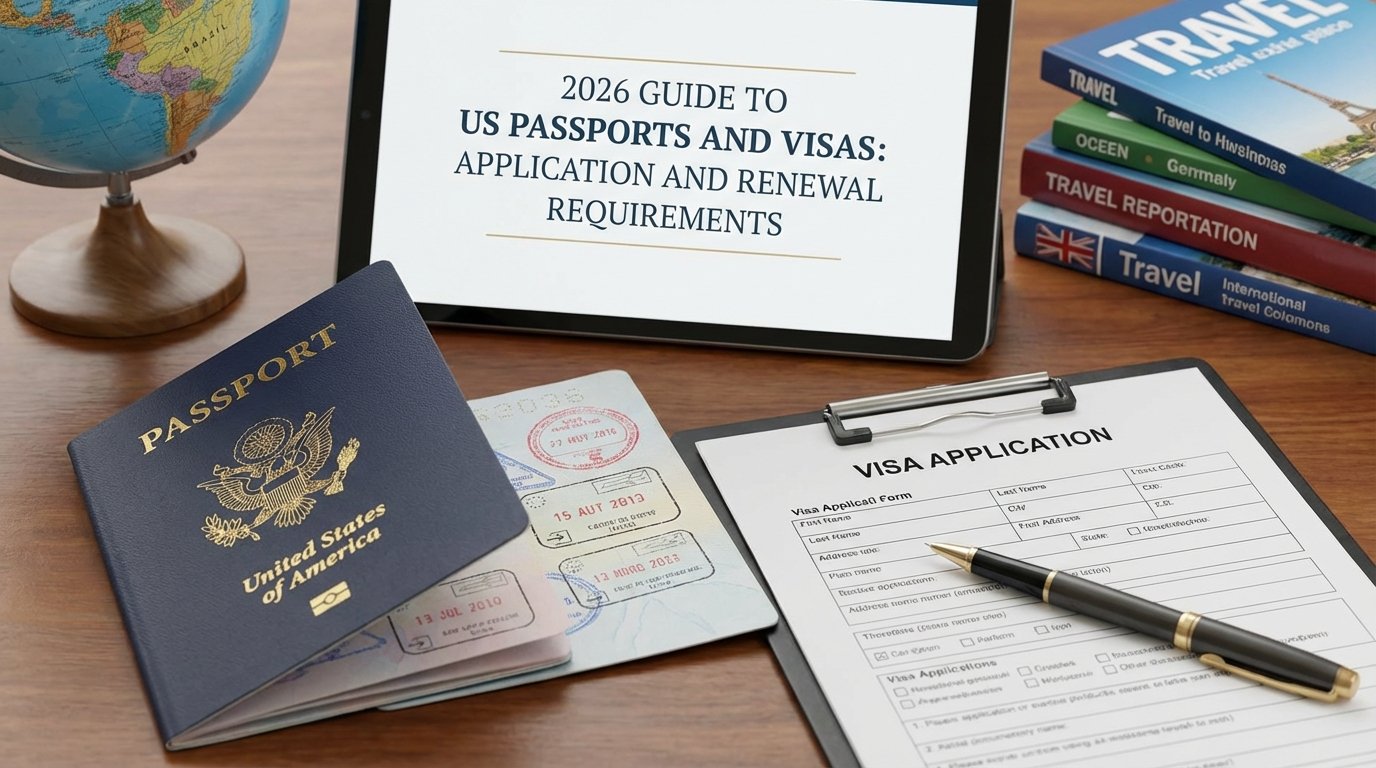
Ensuring you have the correct documentation is your first step to safe travel. For air entry into Mexico, a valid U.S. passport book is mandatory. This document is essential for clearing Mexican immigration and for your return to the United States.

If you are traveling by land or sea, other options might be available. For instance, a passport card can be used for land and sea travel to Mexico, but it is not accepted for air travel. For those on a closed-loop cruise, a valid passport, trusted traveler card like NEXUS, SENTRI, or FAST, or a REAL ID may suffice.
Digital Multiple Migration Form (FMMD)
All travelers arriving by air must complete the FMMD digital form. This entry permit is crucial for legal entry and stay in Mexico. Many international airports in Mexico, including Guadalajara airport and Puerto Vallarta airport, now offer self-service electronic gates (E-Gate Mexico) for a quicker process.
For land travelers, particularly those staying within 12 miles of the border area, an FMM is still required. The National Migration Institute (INM) office can assist with this process. Always keep your FMM safe, as you will need it to exit the country.
2. Understanding Mexico Travel Advisory Levels
Before any trip, consult the latest State Department advisory. The U.S. State Department classifies most of Mexico under Level 2, advising travelers to “exercise increased caution.” However, certain states, like Guerrero, are under a Level 4 “do not travel” advisory due to high crime rates.
This travel caution is vital for destination selection. While popular tourist spots like Cancun and Mexico City often operate normally, the advisories reflect real risks. Always check the specific advisory for your intended destination in Mexico.
3. Navigating Cartel Unrest and Traveler Security
Recent events, including military operations and the reported death of cartel leader Rubén Oseguera Cervantes, also known as El Mencho, have heightened concerns about cartel unrest. Experts from the Schar School of Policy and Government at George Mason University and Global Guardian, like Mike Ballard, note that while violence is often targeted, travelers can become collateral victims.
The impact of Mexican cartel unrest on travel safety is a significant concern. Following military operations, there have been instances of airport chaos and shelter in place advisories. While resort areas like Puerto Vallarta safety might seem insulated, turf conflicts can escalate quickly. Guadalupe Correa-Cabrera, an expert in security, highlights the risks of leadership power vacuums leading to increased violence.
Security Conditions in Tourist Areas
Despite ongoing challenges, tourist areas like Cancun and Mexico City generally maintain a sense of normalcy. However, the situation remains fluid. Security experts advise heightened awareness, even in popular destinations. The U.S. Embassy in Mexico in Washington D.C. provides regular updates on the security landscape.
While the likelihood of tourist targeting by cartels is generally low, travelers can be caught in random violence. It’s crucial to be informed and prepared. Avoiding unnecessary movement, especially during reported unrest, and having a safety plan are key components of traveler security.
4. Precautionary Tips for a Safe Journey
Always research your destination thoroughly before departure. Develop a comprehensive safety plan, including emergency contacts and meeting points. Avoid night travel, especially on less-traveled roads. Opt for secure accommodations and reputable transportation services.
During periods of unrest or local alerts, practice “shelter in place” if advised by authorities. Monitor local news and official advisories from the State Department. These proactive measures significantly reduce your risk and enhance your overall safety in Mexico.
5. Essential Documentation and Financial Preparedness
Beyond your U.S. passport book, carry digital copies or photos of all important documents, including your passport and credit cards, on your phone or in cloud storage. This protects you in case of loss or theft, a common recommendation from experts like Jason Hanson.
Financial precautions are also vital. While credit cards are widely accepted, carrying more cash than you anticipate needing, preferably in USD, can be beneficial for emergencies or smaller vendors. Monitor your bank and credit card transactions for any suspicious activity, a tip often shared by financial safety experts.
2. Understand Required Travel Documents and Entry Permits
Proper documentation is the foundation of safe international travel to Mexico. Specific requirements apply depending on your mode of entry. Always ensure your U.S. passport book and any necessary permits are in order before departure to avoid issues with Mexican immigration.
U.S. Passport Book for Air Travel
When traveling to Mexico by air, a valid U.S. passport book is mandatory. A U.S. passport card is not sufficient for boarding a plane at any of the international airports in Mexico, such as Guadalajara airport or Puerto Vallarta airport. Upon arrival, Mexican immigration authorities will determine your authorized length of stay. You’ll receive a date stamp in your passport or use a self-service electronic gate (E-Gate) which provides a printed receipt with a QR code. This E-Gate system is part of Mexico’s modern entry process.
Digital Multiple Migration Form (FMMD)
At all international airports in Mexico, travelers receive a Digital Multiple Migration Form (FMMD). This digital form is crucial for tracking your entry and exit. You can visit the National Migration Institute (INM) website to download a record of your FMMD digital form or find further information. Keeping a digital or physical copy of this record is a smart precaution for traveler security.
Land and Sea Entry Requirements
For those entering Mexico by land, a U.S. passport book or card is required. All land travelers, even those staying within 12 miles (or 20 kilometers) of the border area, must apply for an FMM, or Mexico entry permit. This can be done online or at an INM office. Sea travelers, particularly those on “closed-loop” cruises that start and end in the same U.S. port, may use a valid passport, a U.S. passport card, a trusted traveler card (like NEXUS, SENTRI, or FAST), or a state-issued REAL ID. If you are on a private boat or ship, you must secure a permit from the Mexican Government before your journey. For detailed guidance, contact the U.S. Embassy in Mexico in Washington D.C.
Overview of Document Requirements for Mexico Travel
Here is a quick overview of document requirements for Mexico travel by air, travel by land, and travel by sea:
| Travel Method | Required Primary Document | Additional Forms/Notes |
|---|---|---|
| Air Travel | U.S. Passport Book | FMMD digital form issued at airport, E-Gate Mexico usage. |
| Land Travel | U.S. Passport Book or Card | Mexico entry permit (FMM) for all travelers, including border area travel. |
| Sea Travel (Closed-Loop Cruise) | Valid Passport, U.S. Passport Card, Trusted Traveler Card (NEXUS, SENTRI, FAST), or REAL ID | For ages 16+, also government-issued photo ID. |
| Sea Travel (Private Boat/Ship) | Valid Passport | Permit from Mexican Government required before travel. |
3. Understand the Impact of Mexican Cartel Unrest on Travel Safety
The security landscape in Mexico is influenced by ongoing cartel unrest, which can lead to unpredictable situations. Recent Mexico military operations and leadership changes within groups like the Jalisco New Generation Cartel (CJNG) have created periods of increased tension and violence.

For example, the killing of cartel leader Rubén Oseguera Cervantes, known as El Mencho, on February 22, 2026, sparked widespread unrest in regions like Puerto Vallarta and Guadalajara. This led to airport chaos at Guadalajara airport and Puerto Vallarta airport, along with shelter in place advisories.
Experts from institutions like the Schar School of Policy and Government at George Mason University, including Guadalupe Correa-Cabrera, highlight that while violence is often targeted, travelers can become collateral victims. This adds significant risk and uncertainty, requiring travelers to be vigilant and informed about current Mexico Travel Advisory levels from the State Department.
3. Assess Current Security Conditions in Tourist Areas
While some areas of Mexico experience heightened security concerns, many popular tourist destinations, including Cancun and Mexico City, are generally reported to be operating normally. However, this does not mean complete immunity from risk. Security experts, such as Mike Ballard of Global Guardian, advise caution due to ongoing turf conflicts.
Even seemingly insulated areas like Puerto Vallarta carry risks amidst leadership power vacuums within criminal organizations. It is vital for travelers to stay updated on local conditions and understand that the situation can change rapidly. Tourist areas, while often prioritized for security, are not entirely exempt from the broader security challenges facing Mexico.
4. Review Travel Advisory Levels and Destination Selection
The U.S. State Department issues Mexico Travel Advisory levels to inform citizens about risks abroad. Currently, most of Mexico is under a Level 2 advisory, recommending travelers exercise increased caution. This means you should be more vigilant than usual.
However, specific states, like Guerrero, are categorized as Level 4, meaning “do not travel.” Other states, such as Jalisco, home to Guadalajara and Puerto Vallarta, may be at Level 3, advising “reconsider travel.” Always consult the latest Mexico Travel Advisory from the State Department before planning your trip.
Choosing destinations with lower advisory levels, like Cancun or Mexico City, is a primary safety measure. Avoid areas with high advisories to mitigate risks associated with cartel unrest and other traveler security concerns. This proactive approach is crucial for a safe journey in Mexico.
5. Understand Risks During Leadership Power Vacuums
The removal of cartel leaders, such as the reported death of Rubén Oseguera Cervantes (El Mencho), can paradoxically increase danger in affected regions of Mexico. Experts, including those at George Mason University’s Terrorism, Transnational Crime and Corruption Center (TraCCC), explain that leadership power vacuums often lead to intensified violence.
This surge occurs as rival factions or internal groups battle for control. These conflicts can cause widespread disruptions, including roadblocks and direct confrontations, impacting areas like Puerto Vallarta and Guadalajara during past events. Travelers in these areas may face unexpected dangers, including being caught in crossfire or experiencing disruptions to travel and services.
Therefore, staying informed about current events and heeding shelter-in-place advisories, like those issued for Puerto Vallarta and Guadalajara after the reported El Mencho death, is critically important for traveler security. Always check the latest State Department advisory before your trip.
6. Understand the Likelihood of Tourist Targeting by Cartels
While cartel violence primarily targets rival groups or individuals within their own organizations, travelers can inadvertently become collateral victims. Security experts, including former CIA officer Jason Hanson, emphasize that tourists are generally not targeted directly.
However, during turf battles, Mexico military operations, or random acts of violence stemming from cartel unrest, bystanders can be harmed. This highlights the importance of situational awareness, avoiding areas known for cartel activity, and minimizing unnecessary movement, especially during reported periods of conflict.
For example, even in popular destinations like Puerto Vallarta, while relatively insulated, leadership power vacuums following events like the reported death of Rubén Oseguera Cervantes (El Mencho) can increase risk. The goal is to reduce your chance of being in the wrong place at the wrong time and ensure your traveler security.
7. Adopt Precautionary Tips for Travelers
Exercising caution and having a solid safety plan are essential for safe travel to Mexico. You should research your chosen destination thoroughly before you go, whether it’s Puerto Vallarta, Cancun, or Mexico City. Develop a safety plan that includes emergency contacts and rendezvous points.
When possible, limit travel to daylight hours. Stay in secure accommodations and minimize unnecessary movement, particularly during reported periods of cartel unrest or Mexico military operations. Always monitor local media and official government advisories, such as those from the State Department, for real-time updates.
Key Precautionary Measures for Traveler Security:
- Research Destinations: Know the current conditions of specific areas. Consult the U.S. Embassy in Mexico and State Department advisory levels.
- Safety Plan: Share your itinerary with trusted contacts and understand emergency procedures. This is crucial for your traveler security.
- Daylight Travel: Avoid traveling at night when visibility and security may be compromised, especially in border areas or during periods of heightened travel caution.
- Secure Accommodations: Choose reputable hotels or resorts with good security. This minimizes your risk during any potential cartel unrest.
- Minimize Movement: Limit excursions during periods of unrest or heightened warnings. Consider a “shelter in place” approach if advisories suggest it.
- Stay Informed: Follow updates from the State Department and local news regarding Mexico Travel Advisory levels and security conditions.
8. Implement Documentation and Financial Precautions
Protecting your documents and finances is crucial for safe international travel to Mexico. Always carry copies or photos of your U.S. passport book and other important identification, storing them separately from the originals. This helps significantly in case of loss or theft, especially when dealing with the National Migration Institute (INM).
For financial safety, monitor your credit card and bank transactions regularly for any suspicious activity. While U.S. dollars are often accepted in tourist areas like Cancun or Puerto Vallarta, it’s wise to carry more cash than you anticipate needing in Mexican pesos for emergencies or situations where electronic payments might be disrupted, as advised by the State Department. This financial flexibility can be invaluable during unexpected events, ensuring you have the means to pay for necessities or emergency travel, particularly during periods of cartel unrest or military operations in Mexico.
Frequently Asked Questions About Mexico Travel Safety
1. What is the current Mexico Travel Advisory from the U.S. State Department?
As of February 24, 2026, the U.S. State Department advises travel caution for most of Mexico, generally at a Level 2 advisory. This recommends travelers exercise increased caution. However, specific states, such as Guerrero, are at Level 4 (“do not travel”), and others like Jalisco may be at Level 3 (“reconsider travel”). You should always check the latest advisory on Travel.State.gov before your trip to understand the current State Department advisory for your specific destination.
2. Do I need a special Mexico entry permit for Mexico?
Yes, all travelers entering Mexico, whether by air, land, or sea, require an entry permit. For international airports in Mexico, like Guadalajara Airport and Puerto Vallarta Airport, air travel passengers receive a Digital Multiple Migration Form (FMMD). Land travel visitors, even those staying near the border area, must apply for an FMM online or at a National Migration Institute (INM) office. Sea travel passengers, especially those on closed-loop cruises, may have specific requirements depending on their cruise type and duration.
3. Is Puerto Vallarta safety a concern despite recent cartel unrest?
Puerto Vallarta, while a popular tourist destination, has experienced periods of unrest, particularly following events like Mexico military operations targeting cartel leaders. While traveler security in resort areas is often prioritized, experts from institutions like the Schar School of Policy and Government and Global Guardian advise caution due to ongoing turf conflicts, especially during leadership power vacuums after events like the rumored El Mencho death. It is crucial to monitor current State Department advisories and local news for real-time security updates before and during your visit. You should always be aware of the potential for collateral violence, as noted by experts like Guadalupe Correa-Cabrera.
4. What should I do if I encounter a cartel-related incident while in Mexico?
If you encounter a cartel-related incident, such as roadblocks or violence, your priority should be personal safety. Follow local authorities’ instructions, shelter in place if advised, and avoid engaging with any involved parties. Contact the U.S. Embassy in Mexico or the nearest consulate for assistance, and inform trusted contacts of your situation. Do not attempt to intervene or document the event if it puts you at risk. Remember, while tourists are generally not targeted, collateral damage can occur during cartel unrest.
5. Are there any specific digital forms I need to complete before arriving at Guadalajara Airport or Puerto Vallarta Airport?
Yes, upon arrival at international airports in Mexico, including Guadalajara Airport and Puerto Vallarta Airport, you will receive a Digital Multiple Migration Form (FMMD). This form is processed by Mexican immigration authorities. You may pass through self-service electronic gates (E-Gate) which provide a printed receipt. You can also access information about your FMMD digital form via the National Migration Institute (INM) website. This process helps ensure proper Mexico entry permit documentation for all arrivals.