
Table of Contents
- Top Travel Safety Tips for 2026
- 1. Thorough Research and Planning Before Travel
- 2. Understanding Travel Advisories and Risk Assessment
- 3. Navigating State and Regional Travel Restrictions
- 4. Destination-Specific Crime and Safety Data
- 5. Managing Health Risks and Vaccination Requirements
- 6. Essential Emergency and Contact Documentation
- 7. Personal Safety Tools and Apps for 2026
- 8. Family and Group Safety Conversations
- Frequently Asked Questions About Travel Safety in 2026
Top Travel Safety Tips for 2026
Traveling in 2026 offers incredible opportunities for exploration, but smart preparation is key to a safe and enjoyable journey. Whether you’re planning international travel or domestic travel, understanding current travel safety trends and implementing effective travel risk management strategies will protect you and your loved ones. This guide provides essential tips to navigate your adventures securely.
1. Thorough Research and Planning Before Travel
For safe travel safety 2026, proactive research is your first line of defense. Before any trip, especially international travel, a deep dive into your destination’s specifics is non-negotiable. This includes understanding local crime trends and recent incidents, noting local emergency numbers (as 911 isn’t universal), and pinpointing healthcare access points near your accommodation.
2. Understanding Travel Advisories and Risk Assessment
Staying informed about travel advisories is a critical component of travel safety 2026. The United States Department of State regularly updates its Travel Safety Advisories, which are reviewed every 6 to 12 months, depending on the risk level. These advisories range from Level 1 (Exercise Normal Precautions) to Level 4 (Do Not Travel).

You should check for updates within a week of your departure, as conditions can change rapidly. Pair these travel advisories with health notices from the Centers for Disease Control and Prevention for a comprehensive travel risk management strategy. This layered approach ensures you are aware of both security and health-related risks.
Monitoring Travel Advisories and Entry Regulations
Beyond federal advisories, be aware of state and regional travel restrictions. For example, in Mexico, state-level safety ratings are crucial. The United States Department of State advises U.S. citizens to avoid certain highways and rural corridors due to crime and kidnapping, especially in areas operated by cartel groups.
Understanding these specific warnings is part of your emergency preparedness. Always verify entry requirements, including any Tourist Taxes or specific visa needs, for your chosen destination.
Adapting to Rapidly Changing Security Conditions
Global events can shift quickly, impacting international travel. Continuous monitoring of travel safety trends allows you to adapt your plans. This is especially true for destinations like Guatemala, including Guatemala City, Villa Nueva, San Marcos, and Huehuetenango, where local conditions can fluctuate.

Your duty of care extends to staying updated on potential civil unrest or natural disasters. This proactive approach ensures your travel risk planning remains effective and your journey safer.
3. Navigating State and Regional Travel Restrictions
When planning your international travel, especially to popular destinations like Mexico, it’s vital to recognize that travel safety 2026 can vary significantly by state and even by specific area. This is a key aspect of effective travel risk management.
Mexico’s state-level safety ratings often include restricted zones. The United States Department of State advises U.S. citizens to avoid certain highways and rural corridors due to local crime trends and kidnapping risks. This is particularly true in areas influenced by cartel groups, impacting your travel itinerary planning.
Similarly, in countries like Guatemala, specific warnings may apply to regions such as Guatemala City, Villa Nueva, San Marcos, and Huehuetenango. Always consult the latest Travel Safety Advisories for detailed, destination-specific information. This ensures your personal safety tools and plans align with current conditions.
4. Destination-Specific Crime and Safety Data
Awareness of destination-specific crime and safety data is paramount for effective travel risk management in 2026. For example, popular Caribbean islands like Jamaica have warnings about armed robberies and sexual assaults, with U.S. embassies routinely reporting incidents involving tourists. Understanding these local crime trends allows you to adjust your personal safety tools and behaviors accordingly.
Always be vigilant of your surroundings and consider the local context when planning activities or choosing routes. This proactive approach helps mitigate risks and enhances your overall security, especially during international travel. Remember, the United States Department of State provides crucial travel advisories that often detail these specific dangers.
5. Managing Health Risks and Vaccination Requirements
Prioritizing your health is non-negotiable for travel safety 2026. Before any international travel or domestic travel, get a comprehensive health checkup. Ensure you receive all appropriate vaccines well in advance of your trip.
Always carry essential medical information. This includes prescriptions, contact details for your doctor, and any relevant health history. This is a key part of emergency preparedness and overall travel risk planning.
The Centers for Disease Control and Prevention (CDC) issues Travel Health Notices for various regions. For example, a recent alert highlighted Rocky Mountain spotted fever in northern Mexico. This stresses the importance of early treatment and understanding potential health risks in your destination.
Being prepared for potential health risks is crucial. Always check the latest travel advisories and health recommendations from the CDC. This proactive approach ensures better healthcare access should you need it during your travels.
6. Essential Emergency and Contact Documentation
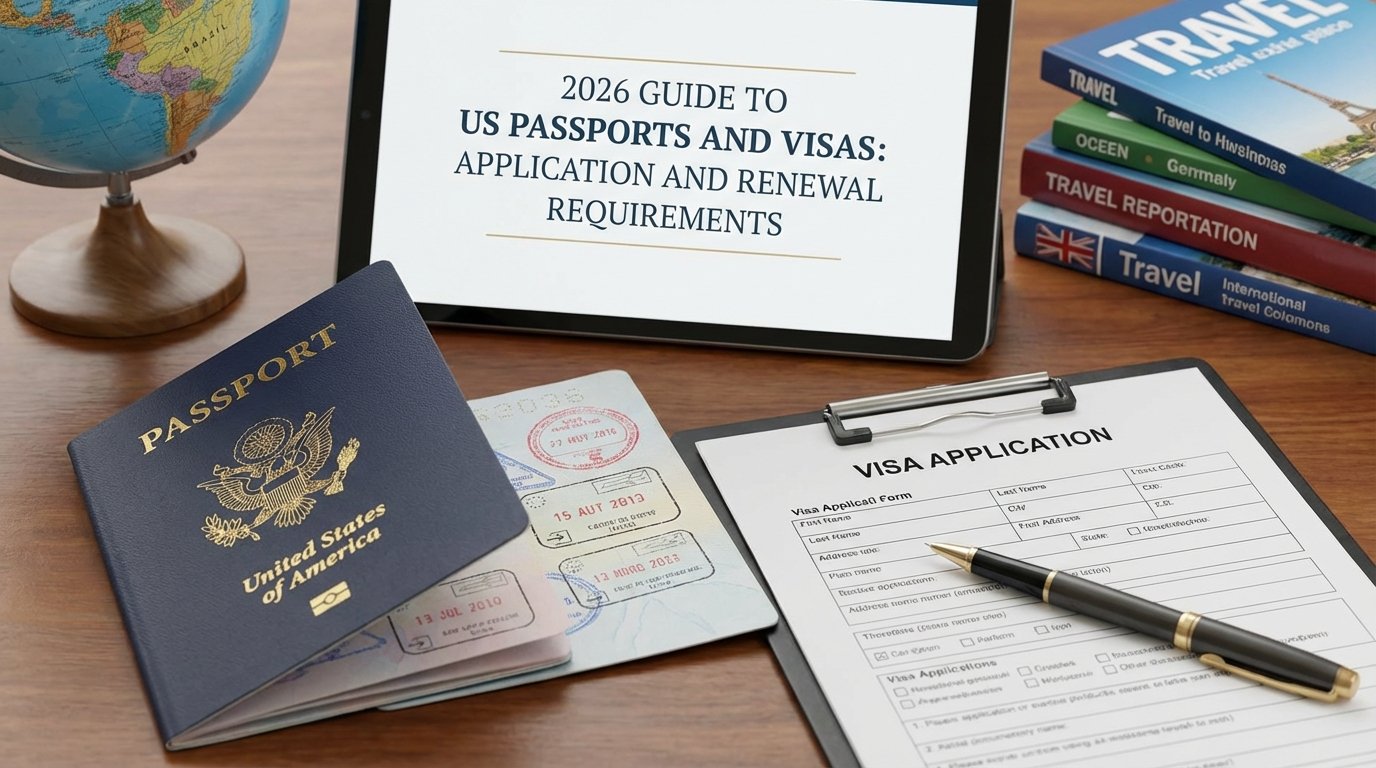
Proper documentation is a cornerstone of travel safety 2026. Before any international travel or domestic travel, create electronic copies of your passport, visas, travel insurance, and detailed travel itinerary. These are crucial for emergency preparedness and travel risk management.
Store these copies securely offline, perhaps as images on your phone or in a cloud service. Always leave a set with a trusted contact back home. This proactive step aligns with sound duty of care principles, safeguarding your journey.
Additionally, save local emergency numbers and consular assistance contacts. For U.S. citizens, this includes the United States Department of State contact information. Quick access to vital information facilitates travel insurance claims if original documents are lost or stolen, or if you require consular assistance.

Consider enrolling in the Smart Traveler Enrollment Program (STEP). This free service from the United States Department of State allows U.S. citizens and nationals traveling and living abroad to enroll their trip. It provides important safety information and helps the U.S. embassy or consulate contact you in an emergency, aligning with current travel safety trends.
7. Personal Safety Tools and Apps for 2026
Modern travelers in 2026 have access to excellent personal safety tools and safety apps designed for enhanced travel safety. These digital and physical aids are crucial for effective travel risk management and emergency preparedness, whether for international travel or domestic travel.
7.1. Leverage Government and Location Sharing Programs
Enroll in the Smart Traveler Enrollment Program (STEP) with the United States Department of State. This free service allows the U.S. Embassy or Consulate to contact you in an emergency and provides important travel advisories and alerts based on travel safety trends.
For family and friends, consider location sharing apps like Life360. This tool allows your trusted contacts to monitor your whereabouts, providing peace of mind and a quick way to seek help if needed. It’s a key component of emergency communication protocols.
7.2. Utilize Personal Safety and Itinerary Apps
Beyond location sharing, integrate personal safety apps such as Noonlight for immediate assistance. These apps can connect you directly with emergency services at the push of a button, adding a layer of security to your adventures.
TripIt is an invaluable app for organizing your entire travel itinerary and essential documents. Having all your flight details, hotel reservations, and emergency contacts in one accessible place significantly streamlines your emergency preparedness and overall travel risk planning.
7.3. Carry Essential Physical Safety Items
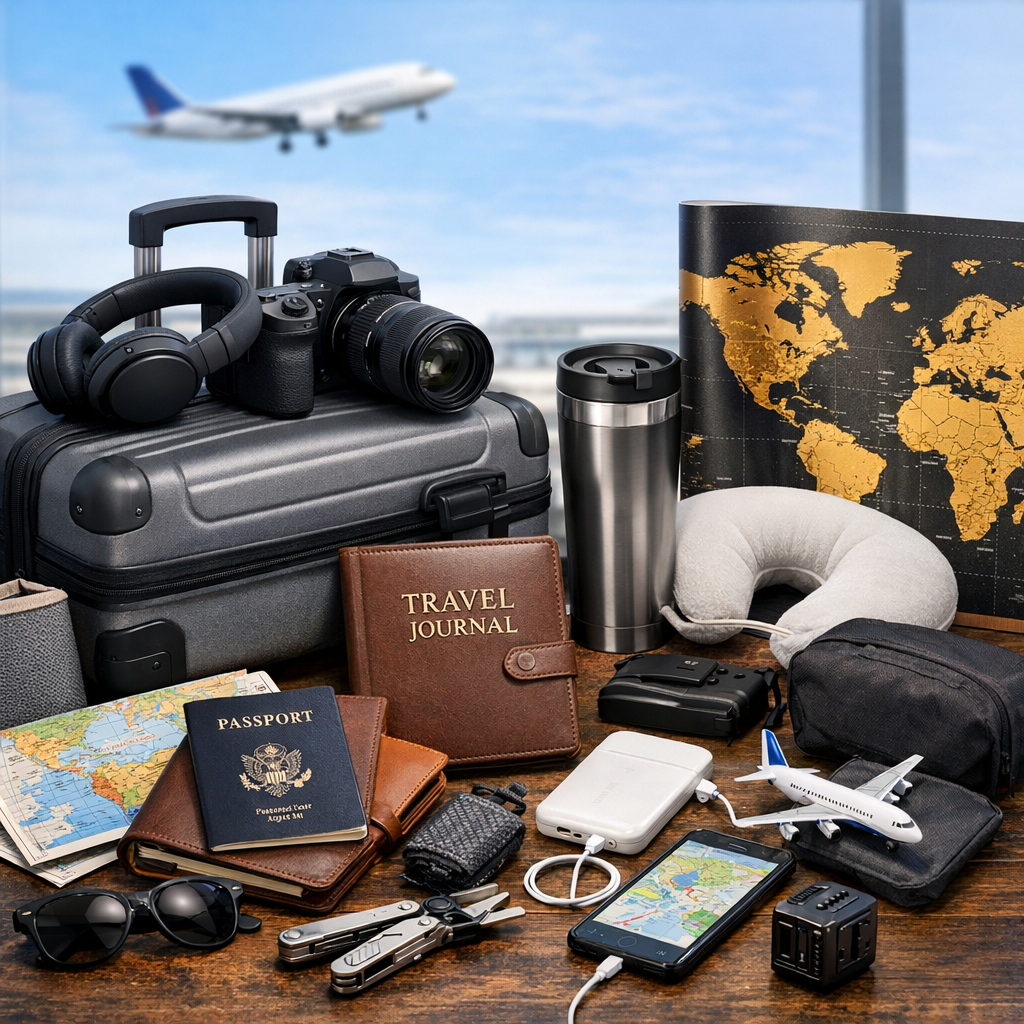
While apps are powerful, physical personal safety tools remain vital. Always carry a personal alarm; its loud sound can deter potential threats. An RFID blocking wallet protects your credit card information from electronic theft, a growing concern in 2026.
Consider a portable door lock for added security in hotel rooms or rentals. A portable charger is also indispensable to keep your communication devices powered, especially when navigating unfamiliar areas or dealing with unexpected delays. These items are simple yet effective for managing your duty of care to yourself.
8. Family and Group Safety Conversations
For families or groups, especially those with college student travel plans, open discussions about travel safety 2026 are crucial. Before departure, establish clear emergency communication protocols, discuss medical needs, and plan responses for common issues like lost passports or disrupted transportation. If a college student is embarking on study abroad safety adventures or spring break travel, encourage them to share their travel itinerary, enable location sharing, and set regular check-in times. These conversations foster a collective sense of duty of care and ensure everyone knows how to react calmly during unexpected events, enhancing overall travel risk management.
Family and Group Safety Apps for 2026
Modern travelers have access to excellent personal safety tools and safety apps designed for enhanced travel safety. These digital aids are crucial for effective emergency preparedness, whether for international travel or domestic travel. Apps like Life360 offer real-time location sharing and crash detection, providing peace of mind for families and groups. The Smart Traveler Enrollment Program (STEP) from the United States Department of State is essential for U.S. citizens traveling internationally, offering government alerts and embassy contact.
| App Name | Key Features | Primary Benefit | Target User |
|---|---|---|---|
| Smart Traveler Enrollment Program (STEP) | Government alerts, Embassy contact | Official government support abroad | U.S. Citizens on international travel |
| Life360 | Real-time location sharing, crash detection | Family location and safety monitoring | Families, groups, college student travel |
| Noonlight | Hold-to-release panic button, discrete emergency services contact | Immediate, discreet personal safety | Individuals, especially for solo travel |
| TripIt | Travel itinerary organization, flight alerts, document storage | Centralized travel planning and document access | All travelers, business and leisure |
Frequently Asked Questions About Travel Safety in 2026
Planning your 2026 adventures means staying informed. Here are answers to common questions about travel safety trends and travel risk management to help you prepare.
1. What are the most important travel safety trends for 2026?
In 2026, travel safety trends emphasize enhanced pre-travel research on local crime trends and healthcare access. Travelers should diligently monitor travel advisories and health notices. Widespread adoption of personal safety tools and safety apps is also key. An increased focus on emergency preparedness and clear emergency communication protocols within travel groups is paramount for safer international travel and domestic travel.
2. How often are travel advisories updated by the United States Department of State?
The United States Department of State typically reviews Travel Advisories every 6 to 12 months, depending on the advisory level. Levels 3 and 4 are checked at least every 6 months, while Levels 1 and 2 are reviewed annually. However, they can be updated sooner if security conditions change significantly. Always check for updates within a week of your departure, and pair them with Centers for Disease Control and Prevention (CDC) health notices for comprehensive travel risk management.
3. What should I do if my passport is lost or stolen during international travel?
If your passport is lost or stolen during international travel, immediately report it to the local police and then contact the nearest U.S. Embassy or Consulate. Having electronic copies of your passport and other critical documentation, stored separately, will significantly speed up the replacement process. Enrolling in the Smart Traveler Enrollment Program (STEP program) can also provide direct consular assistance and direct you to emergency numbers.
4. Are rideshare services safe for international travel in 2026?
While rideshare services can be convenient, their safety varies significantly by location. In 2026, it is crucial to verify the driver and vehicle before entering, ensure the app is tracking your journey, and share your location with a trusted contact. Always check local crime trends and transportation reliability for your specific destination to identify the safest options. For example, in Guatemala City, it’s vital to research reputable services beforehand for a safe rideshare experience.
5. Why is location sharing important for travel safety?
Location sharing, through apps like Life360, is a vital component of travel risk management. It allows trusted contacts to monitor your whereabouts, providing peace of mind and enabling quick action in an emergency. This is especially important for college student travel, study abroad safety, or any situation where individuals might be separated from their group. It enhances duty of care for all travelers.
6. What are the key considerations for destination-specific crime and safety in 2026?
When planning international travel, research destination-specific crime and safety data thoroughly. For example, the United States Department of State warns about certain areas in Mexico due to crime and kidnapping, especially in regions operated by cartel groups. Similarly, Caribbean islands like Jamaica often report incidents of armed robberies and sexual assaults involving tourists. Understanding these local crime trends helps you plan routes and avoid high-risk areas, ensuring better emergency preparedness and overall travel safety 2026.
7. How do health risks and vaccination requirements impact travel in 2026?
Prioritizing your health is crucial for travel safety 2026. Before any international travel, get a health checkup and ensure you have appropriate vaccines. The Centers for Disease Control and Prevention (CDC) issues specific Travel Health Notices, such as alerts for Rocky Mountain spotted fever in northern Mexico, where early treatment is vital. Always carry electronic copies of your medical information, including emergency contacts and details of pre-existing conditions, to facilitate healthcare access if needed.
8. What essential personal safety tools and apps should I use for travel in 2026?
Travelers in 2026 should utilize a range of personal safety tools and safety apps. Enroll in the Smart Traveler Enrollment Program (STEP program) for alerts and assistance. Use location sharing apps like Life360 and personal safety apps such as Noonlight. A travel itinerary app like TripIt helps organize your plans. Essential physical items include a personal alarm, an RFID blocking wallet, a portable charger, and a portable door lock for added security. These tools significantly enhance your emergency preparedness and overall travel safety 2026.
Safe travels are well-planned travels. By integrating these top travel safety tips into your 2026 adventures, you can significantly reduce risks and focus on creating unforgettable memories. Always prioritize your safety and stay informed.