

- Key Takeaways
- What Makes Travel Affordable?
- Discover Affordable Travel Destinations
- Uncover Hidden Travel Expenses
- Travel Cheaper, Not Harder
- The Impact of Timing
- Travel Responsibly on a Budget
- Conclusion
- Frequently Asked Questions
- What factors make a travel destination affordable?
- How can I find cheap places to travel internationally?
- What hidden travel expenses should I watch out for?
- Does traveling during certain times make trips cheaper?
- Can I travel responsibly while on a budget?
- Is it possible to travel cheaply without sacrificing comfort?
- Are group tours cheaper than solo travel?
Key Takeaways
- Keep your daily expenses low by staying in budget accommodation, dining at local stalls, and opting for inexpensive activities at every location.
- Leverage exchange rates and local currencies to stretch your travel budget and avoid banking fees.
- Focus on destinations with cheap transport, walkable sights and great public transport for even more savings.
- Look into visa requirements, local transport costs, and tipping customs to avoid hidden expenses that sneak into your budget.
- Go during shoulder or off-season. Flights and accommodations are much cheaper and you still get to enjoy the destination without the crowds.
- Travel responsibly. Support local businesses, respect cultures, and be mindful of your environmental impact as you discover new destinations.
Cheap places to travel implies locations where visitors pay less for food, accommodations and transportation. Most of us like to take a trip here and there on the smaller side, and certain cities or countries distinguish themselves for low daily rates. In certain areas of Southeast Asia, Eastern Europe or Central America, tourists get food, lodging and even lifts for a lot less than what you’d pay in most metropolitan areas. Timing your visit well or utilizing local transportation can reduce your expenses even further. For the travel junkies on a budget, being aware of these locations makes for smarter trip planning. The following sections identify and summarize some of the top cheap places around the world.
What Makes Travel Affordable?
There’s a lot more than the air fare that determines how expensive travel is going to be. Knowing how to manage your daily expenses, how to monitor exchange rates and where to pick reachable destinations really matters for the budget-conscious traveler. Many low-cost-of-living countries such as Indonesia, Vietnam or Laos enable you to travel on a shoestring without missing out, especially if you steer clear of the tourist high seasons.
Daily Costs
Average daily costs vary by location. In places like Nepal, Laos, and Cuba, certain tourists get by on just $15 to $20 USD per day. Places such as Thailand and Morocco remain economical, with average daily costs ranging from $25 to $45 USD. Southeast Asia and some areas of Central America provide inexpensive accommodation and food, so your cash goes a bit further.

Lodging is a large chunk of any travel budget. In Vietnam or Indonesia, hostels and guesthouses are in the $5 to $15 a night range. By comparison, comparable choices in Western Europe or North America are usually $25 or more. Off-season travel, as in the case of Sri Lanka, can lead to major savings as hotels, in particular, drop their prices for budget travelers.
- Street food in Southeast Asia: $1–$3 per meal
- Local eateries in Morocco: $2–$5 per meal
- Set menus in Cuba: $3–$8 per meal
- Western fast food in most countries: $5–$10 per meal
Activity costs matter too. Museums, parks, and cultural sites in cheap countries are generally under 5 bucks. There are a lot of free sights too, like beaches, city walks, and local markets, so travellers can save even more by opting for these.
| Daily Cost Type | Low-Cost Destinations (USD) | High-Cost Destinations (USD) |
|---|---|---|
| Accommodation | 5–15 | 25–50 |
| Meals | 3–10 | 10–25 |
| Local Transport | 1–5 | 10–20 |
| Attractions | 0–5 | 10–30 |
Exchange Rates
Exchange rates are a huge factor in everyday expenses. Travelers who monitor currency fluctuations can select the optimal time to trade their money, making their budgets go a little bit further. Paying in local currency equals less fees and better rates, as exchanging at airports or tourist areas is generally more expensive.
Countries with strong local currency against the US dollar or euro can be less appealing for budget travel. Nations where the dollar stretches a bit, like El Salvador, which has transformed into a safer destination in recent times, assist travelers in conserving their cash. Several cards waive foreign fees now, an easy way to save.
Accessibility
Travel really is more than half the cost of the trip. Places with solid public transport, such as Thailand or Vietnam, enable travelers to move around for only a few dollars a day. Walkable cities, like Havana or Marrakech, let you bypass taxis and buses. This saves money, but it slows things down and allows you to savor local life.
Certain countries have complimentary or cheap stuff near guesthouses or downtown. Parks, open-air markets, and local festivals are usually free and provide a great sense of place. By opting for destinations that provide these possibilities, you’ll have less reliance on pricey tours or extended trips from sight to sight.
Discover Affordable Travel Destinations
There are plenty of places where you can travel on a budget that doesn’t shortchange you. They feature low daily costs, an abundance of cheap accommodations, and a treasure trove of culture. For international travelers, the most bang for your buck comes from places where the dollar, euro, or whatever is strong locally.
1. Southeast Asia
Thailand, Vietnam, Laos, and Cambodia are exceptional for their combination of culture, cuisine, and unbelievably low prices. Daily budgets are generally $25 to $40 USD for backpackers, with mid-range costs from $45 to $60 USD. Hanoi or Bangkok street food is ridiculously good and cheap, and there are local markets in Laos where you can get a meal for a couple of bucks. Hostel beds and guesthouses abound and are frequently less than $10 USD. Free festivals, like Songkran in Thailand or local temple events in Cambodia, make the experience all the more worthwhile. Mini destinations, like Mui Ne in Vietnam, that offer sun for cheap are travel favorites.
2. Eastern Europe
Destinations such as Poland, Romania, and Albania offer a wealth of history and culture at a tiny fraction of Western Europe’s costs. Albania is still open for business despite continuing political troubles. Dining, accommodations, and museum fees are inexpensive, with many travelers spending only $30 to $50 USD per day. Street food, family-run inns, and city tours are all easy on the wallet. Local festivals allow tourists to participate in tradition at a low cost.
3. Central America
Guatemala and Nicaragua provide travelers a more tempered taste of Mayan ruins, volcanoes, and lakes for less. Nicaragua is Costa Rica’s bargain basement. Meals, buses, and tours are inexpensive, sometimes below $5 USD. Beautiful sites like Lake Atitlán or Masaya Volcano don’t cost much to visit. Traveling during the off-peak season and rainy season means even more savings on stays and flights.
4. South America
Peru and Ecuador greet you with hiking rip-offs, such as the Inca Trail or Quilotoa Loop. Hostel beds and soup kitchens are cheap, and markets have fairly priced souvenirs. Venturing into lesser-known towns or rural areas, far from the big tourist crowds, results in even greater savings. Local buses and shared taxis keep transportation inexpensive.
5. North Africa
Egypt for ancient wonders and wallet-friendly wandering. There are guided tours, trips on the Nile, and visits to museums for reasonable fees. Admission to most historical sites is lower than anywhere else. Hostels and discount hotels in places like Cairo keep totals reasonable for solo travelers and groups.
Uncover Hidden Travel Expenses
The sneaky little expenses have a way of draining the most conservative travel budget. Too many travelers gloss over some of these costs when planning a trip, which can skew their overall expenditure. Uncover hidden travel fees. Don’t let them sneak up on you!
- Visa fees, travel insurance and vaccines typically add unexpected expenses.
- Departure taxes can be anywhere from $20 to $100 or more per person at some airports.
- Lodging can add additional tourist taxes that are as high as 1 to 2 percent of the bill.
- Food and drinks can be fifty percent more expensive in touristy locations.
- Local transport, such as taxi fare or bus tickets, can accumulate quickly.
- Tourist sites can have sneaky fees. Think equipment rental or guide fees.
- Internet and phone abroad can be pricey, particularly without free Wi-Fi.
- Daily budgets vary with travel style, ranging from $30 to over $100.
Visa Fees
Visa fees vary by nation and can be a significant portion of the budget. Certain destinations allow tourists in with no visa or a nominal on-arrival charge, yet others levy fees of $50, $100 or beyond. Always do a last-minute check of each destination’s visa requirements before you book your flights. A few countries require travel insurance evidence or even vaccine records at the border, leading to additional spending.
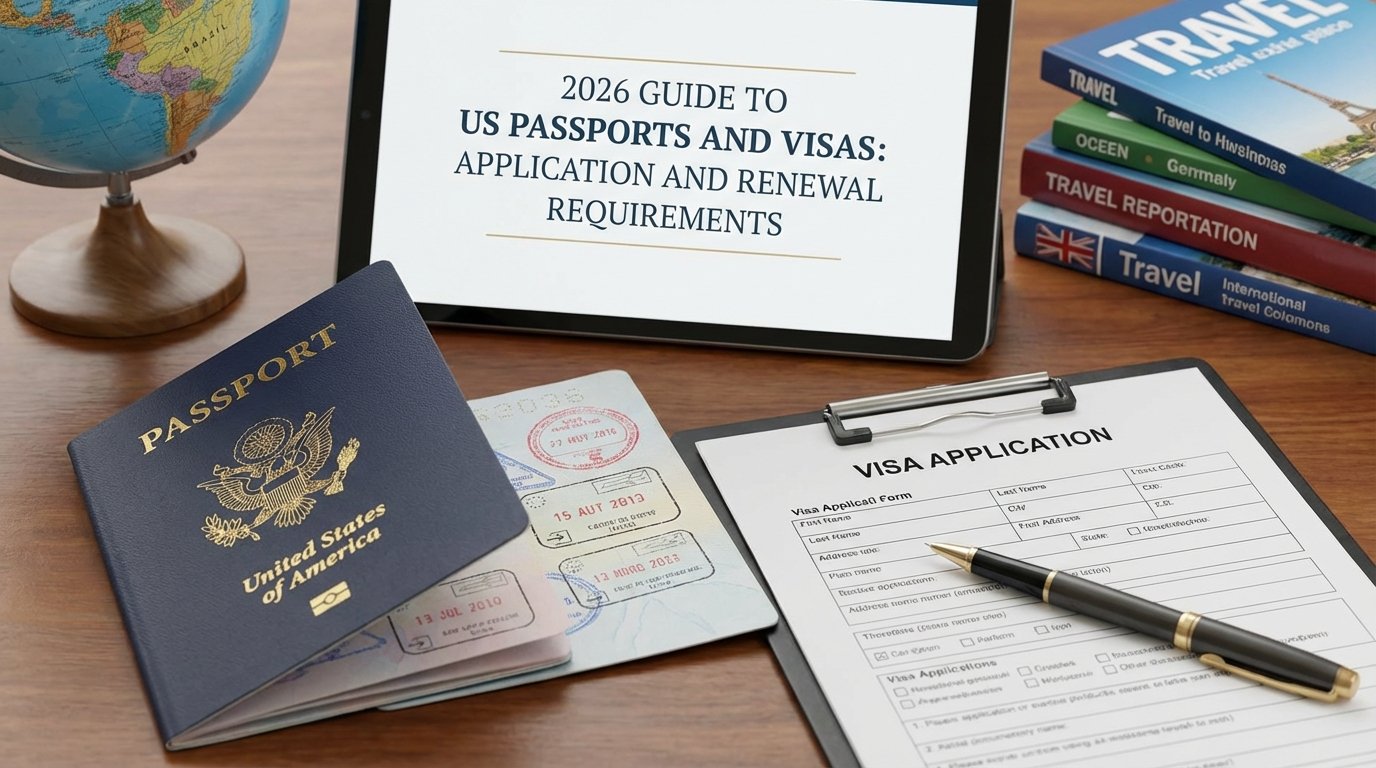
It’s planning ahead that keeps you from the sting of surprise travel expenses. If you’re crossing multiple countries, seek out regional visa packages or countries that don’t require a visa for your passport. This can keep the overall charge down and prevent multiple pieces of paperwork.
Local Transport
Transportation varies from city to city. In certain locations, buses or trains are inexpensive and convenient. In others, taxis or ride-shares are the sole option. They can be more expensive in cities lacking robust public transportation.
Walking or renting a bike is an excellent way to maximize savings and sightseeing. Be sure to factor in local travel costs to your daily budget for a realistic overview.
Tipping Culture
Tipping guidelines vary internationally. In some locations, a tip is customary for nearly every service and in others, it’s virtually unheard of. Find out the local tipping standard for restaurants, taxis, and hotels.
Budget tips so you don’t overpay or fail to leave an anticipated tip. In certain countries, a service charge is already included in the bill, so additional tipping is unnecessary.
Bank Charges
There are fees for foreign card usage. Banks may charge you for currency swap fees or ATM fees. These little things can really add up on a trip.
Some banks provide no foreign fee cards or good rates. Schedule cash withdrawals to sidestep double fees and monitor every banking charge to maintain budget transparency.
Travel Cheaper, Not Harder


Travel doesn’t necessarily equal high cost. Folks from everywhere maintain lean budgets by employing savvy methods to reduce travel expenses and live the adventure. Here are some practical steps:
Flight fare comparison and budget airlines help you save money, especially on longer journeys.
Book ahead for transport and stay, particularly if you’re visiting during a peak period.
Get rides or use public transport for short distances in the cities.
Choose hostels, guesthouses, or couch-surf to sleep cheap instead of automatically booking hotels.
Eat where the locals eat, shop at grocery stores, and bypass huge tourist restaurants.
Go during the shoulder season, like April to May or September to October, and save yourself a bundle.
Seek out free or inexpensive things to do, such as national parks and local markets.
Transportation Hacks
Budget airlines can really save you money, particularly in Asia or South America. Check flights on multiple booking sites. Prices vary frequently. A lot of frequent travelers discover the cheapest flights when they travel at off-peak times like September to November when it’s less busy. Ride-sharing apps provide a less expensive method to move around cities, and occasionally buses or trains end up even more inexpensive for extended distances. Exploring alternate routes, such as flying into a neighboring city or taking an overnight bus, can save a ton, especially in dirt cheap countries like Nepal or Laos, where you can get by on $25 a day.
Accommodation Secrets
Book early to secure low prices. Sites like Hostelworld or booking.com have cheap options and frequently feature reviews, so you don’t fall for bad choices. A few of the Baltic states have spartan rooms going for as little as $35 a night, and they usually discount extended stays. House-sitting and couch-surfing are actual possibilities for free accommodation, especially in countries like Colombia, where the daily spend is as low as Bs 150 (US$22).
Food Savings
Dine at small local joints. The prices are usually way less than tourist restaurants. In most places, local eats are $5. Tourist fare is $10 or higher. Shopping at grocery stores means you can cook for yourself, which is cheap and easy. Food markets are ideal for fresh, inexpensive ingredients. Stay away from tourist traps, as their meal prices are usually significantly inflated.
The Impact of Timing
Travel expenses vary with timing. Timing really is everything. Picking the right time not only makes a trip cheaper, it can transform the entire experience. Seasons, school breaks, and local weather all influence flight and hotel prices and how many people are at the top sights. The table below highlights how peak, shoulder, and off-seasons impact travel costs:
| Season | Typical Months | Impact on Costs | Key Points |
|---|---|---|---|
| Peak | June–August, Dec–Jan | Highest | Price surge, crowded sites, need to book early |
| Shoulder | Sept, Mar–Apr, Dec | Moderate | Fewer crowds, better deals, pleasant weather |
| Off-Season | June–Oct (Asia), Jan–Feb | Lowest | Major savings, fewer tourists, possible weather trade-offs |
Peak Season
Popular travel periods such as Christmas, summer holidays or significant cultural events usually bring an influx of people and increased rates. Hotels and flights can be twice as expensive or more, particularly if you book at the last minute. For example, flying in mid-January can be 50% cheaper than flying during Christmas week. It is monsoon season in some regions, including parts of Asia, from June to August, which is both crowded and wet. It is all about timing. Book flights and hotels early or on less-traveled days like Wednesdays and Thursdays to sidestep the worst of the price hikes. If your schedule is flexible, go to less popular places during the high seasons. You will get better prices and a more original experience.
Shoulder Season
Shoulder season is between peak and off-season. Think September, March, April, or December in many destinations. It provides a budget traveler sweet spot. The weather remains beautiful, but the tourist crowds dissipate. Flight and hotel prices fall, sometimes by 20 to 30 percent. Special local happenings, such as food or cultural fairs, frequently occur at this time of year, providing an enhanced travel experience. You have smaller crowds and better deals. This means you can enjoy sights without lines or packed rooms.
Off-Season
Off season, which is typically June to October in Asia or January to February for worldwide flights, offers the cheapest rates. Hotels and flights can be greatly discounted, and the experiences, the hot ticket attractions, are silent. This results in a calm, relaxed journey. Fewer tourists lead to more authentic time with locals and at a slower pace. A few places, such as tropical islands or metropolises where the action doesn’t really ebb or flow seasonally, actually thrive during the shoulder months. Just make sure you check the local weather so you’re not stuck in monsoon level downpours or extreme cold, but if you’re flexible, the savings can be significant.
Travel Responsibly on a Budget
Responsible travel isn’t just frugality. It’s about doing what you can to support the locations you journey to and tread lightly on the world. Small habits, such as reusing towels for an additional day or shutting off the tap while washing up, assist in conserving water and energy. Little things like this, when done by enough travelers, make a difference over time, and they demonstrate that you care about where you travel.
Opting to spend on local businesses returns more to the people who actually live there. Purchasing food from street vendors, dining where the locals dine, or staying at family-run guest houses puts your money back into the community, rather than big chains. For instance, in Vietnam and Laos, hostel dorm beds can be had for roughly $11 to $14 a night and meals for just a few bucks. These decisions promote employment and maintain affordable travel. Laos is especially more accessible and more navigable than ever, but it still retains its rustic authenticity. This makes it a powerful option for those who want to travel on a budget while honoring locals’ traditional lifestyles.
Reducing your footprint doesn’t just mean conserving water or electricity. It’s about not littering, not stealing flowers, and not harassing wildlife. If an animal has no interest in interacting, just leave it alone. While a lot of travelers are more conscious of their footprint, other destinations get flooded with visitors after being overhyped on social media. Albania is a recent example, and this can stress local spots that aren’t prepared for throngs. Going to less popular destinations or going when there are fewer people helps to distribute the effects.
Exploring local cultures doesn’t require a large budget. In Vietnam, for example, you can hop on walking tours, sample local cuisine, or explore markets and temples free of charge or for a nominal admission cost. These little real moments tend to linger longer than any big attraction might. Respecting local ways, being polite, and attempting to learn a few words of the language will get you far.
Conclusion
Travel doesn’t require deep pockets or big plans. Cities such as Hanoi, Budapest, and Oaxaca offer genuine bang for fewer bucks. Choose travel dates during the off season to maximize savings. Beware of little things like bank fees and last minute rides. Street food stands and local buses keep your daily costs down. Budget trips are most effective with advance planning and defined objectives. Little shifts in your spending accumulate quickly. For additional tips and inspiration, browse travel blogs or sign up for web forums. New deals and fresh advice appear daily. There is a desire to explore the world hassle free. Take one from the list and watch your money stretch.
Frequently Asked Questions
What factors make a travel destination affordable?
Most inexpensive locations tend to have inexpensive meals, hotels, and transportation. Favorable exchange rates and free attractions contribute to the low cost.
How can I find cheap places to travel internationally?
Investigate cheap daily costs, check flight prices and seek out deals on trusted sites. Opting for the off seasons helps.
What hidden travel expenses should I watch out for?
Be on the lookout for add-ons like local taxes, baggage fees, and transportation costs. Always check for hidden charges before you book!
Does traveling during certain times make trips cheaper?
Indeed, off-peak and shoulder seasons tend to offer the cheapest flights and hotels. Steer clear of public holidays and school breaks to save even more.
Can I travel responsibly while on a budget?
Indeed, you can patronize local businesses, take public transportation and shun single-use plastics. Duty options tend to be inexpensive and bourgeoning, supporting local peoples.
Is it possible to travel cheaply without sacrificing comfort?
Yep, budget hotels, inns, and vacation homes provide convenience and coziness at a discount. A little planning and a review or two can go a long way toward having a nice stay.
Are group tours cheaper than solo travel?
Group tours save money because of shared expenses. Solo travel could be more flexible to pick cheap places. Compare both for yourself.