
- Key Takeaways
- Defining the Pacific Islands
- A Tapestry of Cultures
- The Geopolitical Ocean
- Spotlight on Major Islands
- Guardians of the Blue Continent
- Navigating Modern Tides
- Conclusion
- Frequently Asked Questions
- What are the Pacific Islands?
- How many Pacific Islands are there?
- Why are the Pacific Islands important geopolitically?
- What cultures are found in the Pacific Islands?
- Which are some of the major Pacific Islands?
- How are Pacific Islanders protecting their environment?
- What modern challenges do Pacific Islands face?
Key Takeaways
- The Pacific Islands are a collection of island nations in the Pacific Ocean, known for their rich cultures and natural beauty.
- Pacific island cultures have vibrant oral histories, arts, and communal practices that maintain their cultural heritage.
- Several of the Pacific Islands countries are nations most vulnerable to the impacts of climate change, such as rising sea levels, and play an active role in regional and international efforts to combat these effects.
- Agriculture, fisheries, and tourism are key drivers to island economies. It’s crucial to find a balance between development and preservation to ensure sustainability.
- Pacific Islands’ geopolitical significance has increased, with regional organizations, alliances, and international collaboration playing crucial roles in addressing political and environmental challenges.
- Inclusive language and acknowledgment of the nuanced identities of Pacific Islanders are crucial for respectful representation in global discourse.
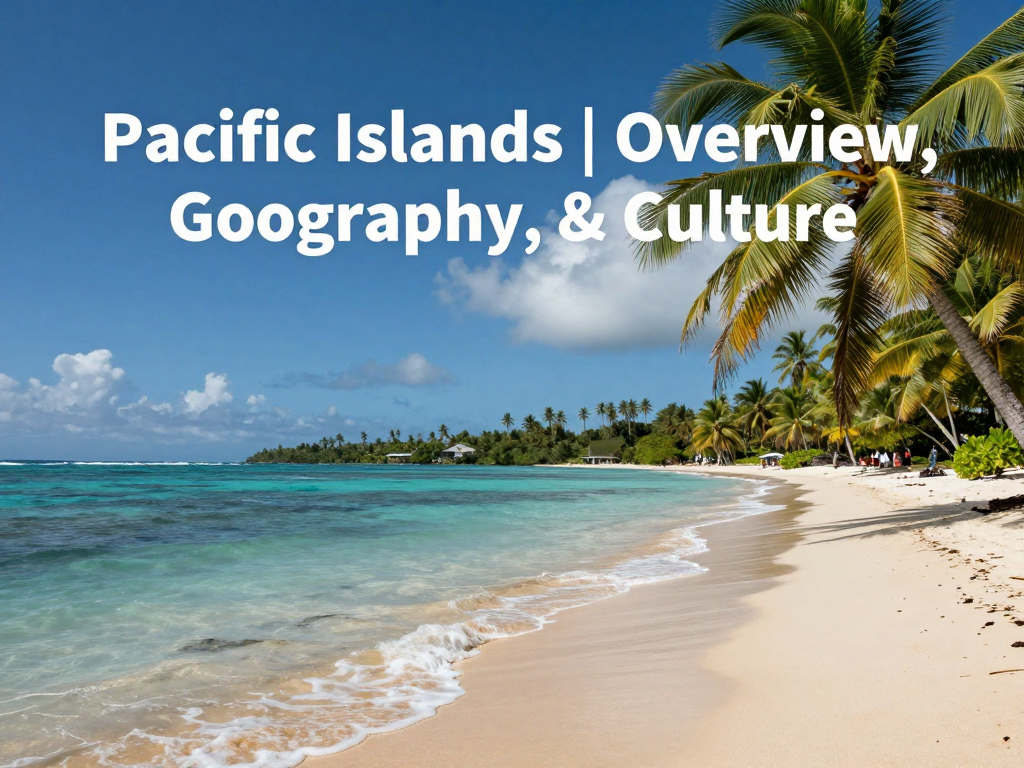
Pacific Islands are a group of thousands of islands spread across the Pacific Ocean, grouped into three main regions: Melanesia, Micronesia, and Polynesia. Such a diverse mix of cultures, languages, and landscapes are spread among these islands. A few islands, such as Fiji and Samoa, have a reputation for their beaches and coral reefs. Others, like Papua New Guinea, have giant rainforests and lots of unique plants and animals. Pacific Islanders hold deep connections to the sea, with fishing and navigation playing a major role in everyday life. Straddling modern cities and isolated villages, the Pacific Islands provide a glimpse into both tradition and transformation. The following sections cover top facts, history, and modern-day life.
Defining the Pacific Islands
Spanning more than 800,000 square kilometers of land, the Pacific Islands traverse an expansive swath of the Pacific Ocean. The majority of this landmass is concentrated in New Guinea and New Zealand, and the area encompasses more than 20,000 islands extending from Southeast Asia to the Americas. These islands are grouped into three main regions: Melanesia, Micronesia, and Polynesia. Each cluster exhibits its own blend of cultures, languages, and geographical features. The Pacific Islands themselves are volcanic or coral, creating “high islands” with fertile soils and “low islands” that just peak above the sea. It is a region of significance for ocean governance and identity, connecting nations and communities with shared challenges and histories across vast ocean distances.
1. Melanesia
Melanesia lies north of Australia and extends east to Indonesia, encompassing countries such as Papua New Guinea, Fiji, Solomon Islands, and Vanuatu. What’s special about the region is its diversity. Vanuatu by itself has over 100 languages, which speaks to the intensity of local cultures. Melanesia’s geography consists of mountainous arcs, with New Guinea possessing some of the highest peaks in the Pacific. Coastal zones here harbor mangroves and coral reefs that are central to both sustenance and livelihoods.

Colonial history is threaded through Melanesia’s current. European powers divided the islands into spheres of influence, transforming local social systems and economies. Today, the majority of Melanesia’s inhabitants rely on agriculture, including root crops such as taro and yam, subsistence small-scale farming, and fishing. Coastal and offshore fisheries continue to contribute to household and national economies.
2. Micronesia
Micronesia is home to thousands of tiny islands, scattered across a vast area. Nations here, including the Federated States of Micronesia, Palau, and the Marshall Islands, possess diverse forms of government, often influenced by connections to larger states. Some are independent, and others have free association compacts with larger powers.
Micronesia’s environmental vulnerability Most islands are low-lying atolls, mere meters above sea level, making climate change and rising seas a threat to homes and water sources. Cultural life is vibrant, with ancient art of navigation and canoe building still respected. These countries participate in regional blocs, which provide them with a seat at broader discussions on development and climate policy.
3. Polynesia
Polynesia spans from Hawaii to New Zealand. The Pacific Islands are connected in many ways and their Polynesian languages are related. Each island group has its own unique cultural practices. With writing arriving much later, oral traditions, chants, and storytelling keep history alive.

Polynesian islands vary from verdant volcanic peaks, such as Tahiti’s, to coral atolls. This results in wildlife from rainforest to coral reefs. Tourism brings income and it brings new problems. It can transform local culture and strain natural resources, so communities frequently seek equilibrium.
4. Naming Nuances
Pacific Islands” and “Oceania” are not the same thing. Pacific Islands is about the islands. Oceania can include Australia and parts of Southeast Asia. These names and how we use them inform identity and the way we view our place in the world. For early explorers who often had no local interaction, these islands got named, often with lasting consequences. Now there’s a drive to use names and language that honor everyone and speak to authentic diversity.
A Tapestry of Cultures
Pacific Islands are among the most culturally diverse and rich in the world. Formed over hundreds of years of commerce, migration and communal narrative, their culture is distinguished by its blend of traditional and modern lifestyles. Whether it is community feasts or signature styles of art, these cultures’ traditions combine history with creativity. Festivals and gatherings maintain these traditions today, even as contemporary stresses and international currents usher in change.
Living Traditions
I found daily life to be steeped in tradition and handed down for generations. Families and larger communities are often central in maintaining these traditions, with communal meals and collective labor viewed as integral to social existence. Agriculture and fishing are not simply means to obtain sustenance; they tie people to both land and sea, nurturing both survival and identity. It is occasions like FestPAC that unite the people of our region in our shared pride.
As new challenges arise, such as climate change, cultures discover how to adjust their practices. Others utilize cultural experiences to educate and spread awareness regarding environmental dangers. New influences mold their daily life, and many Islanders continue to apply old ways in farming, cooking, and gathering, maintaining a connection to their heritage.
Oral Heritage
Storytelling is central to the way Pacific Islanders communicate history and tradition. Chants, legends, and proverbs transmit valuable teachings and faith. Drums and harmonies echo these tales to life at communal gatherings and festivals. Languages here are threatened by globalization. More emphasis is placed today on educating in and utilizing indigenous languages to preserve them.
New technologies such as social media and video have transformed the way that stories travel. Some fear a loss of depth and context, while others embrace these instruments as a means to connect with new generations and broader audiences.
Artistic Expressions
Pacific art is a rich and diverse cultural expression, encompassing dance, music and visual arts like tapa cloth, tattoos and carvings. These crafts reflect indigenous traditions and culture, employing motifs and symbols that communicate narratives. Today’s artists frequently blend traditional forms with contemporary concepts and mediums, crafting pieces that resonate locally and universally.
Festivals and exhibitions foster art and the economy, attracting tourists and assisting communities in generating revenue. Several artists employ their art to discuss contemporary topics, combining tradition with a modern voice.
The Geopolitical Ocean
The Pacific Islands occupy the center of the ‘Indo-Pacific’, an expanse spanning the majority of the world’s land mass and water. With close to 6 billion people and two-thirds of the planet’s surface, it commands the world’s focus. Tiny Pacific islands are the linchpin in great power rivalry and alliances in flux. Each nation defines the Indo-Pacific differently, but all concur that the region’s waters have become a central arena for rivalry and negotiations.
- Borders, languages, and economies shaped by colonial powers
- Ongoing land disputes and cultural loss
- Foreign economic dependence and aid reliance
- Political systems influenced by outside models
- Military bases and strategic ports established by former colonizers
- Social and demographic shifts result from migration and labor moves.
Sovereignty
Sovereignty means that each Pacific Island nation is free to rule itself and legislate independently. For island states, retaining this right is not straightforward. Like many islands, they experience outside pressure from bigger countries with interests in the region. Some depend on foreign aid and some on defense agreements, which can diminish their influence over internal matters. These external pressures can influence politics, commerce, and even everyday life. International law, like the UN’s Law of the Sea, helps island rights, but enforcement is not always easy. Small states have to juggle local needs with outside demands and frequently encounter difficult trade-offs.
Alliances
| Regional Organization | Role in Stability | Example Outcome |
|---|---|---|
| Pacific Islands Forum | Policy coordination | United regional voice on climate |
| Melanesian Spearhead Group | Cultural and economic ties | Shared trade and security goals |
| Secretariat of the Pacific Community | Technical support | Health and development programs |
Regional blocs provide Pacific Islands an opportunity to talk as one and determine their own destiny. The Pacific Islands Forum is the biggest, assisting nations advance common objectives and manage foreign actors. Cooperating with larger countries like Australia or the US can deliver assistance and training, but it can mean new dependencies. Diplomacy matters. It allows small states to cooperate, communicate demands, and maintain a presence.
Global Stage
While individual Pacific Island states might have few seats in the world’s groups, they make good use of them. They have major challenges, such as tiny populations and limited budgets, which make their voices heard. Climate change discussions have become a central space in which these states dominate. Island leaders voice their urgent call to action, demonstrating how rising seas and natural disasters imperil their homes. They form alliances and regional organizations behind their position, garnering allies.
Spotlight on Major Islands
The remarkable size of the Pacific Islands is matched only by the diversity of its climates, landscapes, and cultures. Each major island group has an identity of its own, with economic and environmental challenges that shape life on a day-to-day basis. The table below highlights a few differences.
| Island | Unique Features | Cultural Diversity | Main Economic Activities | Tourism Impact |
|---|---|---|---|---|
| New Guinea | High biodiversity, vast forests | 800+ languages, many tribal groups | Agriculture, mining, logging | Limited, eco-tourism |
| New Zealand | Volcanic peaks, fjords, temperate | Māori and European heritage | Farming, tech, tourism | Major driver |
| Northern Marianas | Coral reefs, volcanic terrain | Chamorro, Carolinian, US influences | Garment, tourism, fishing | Key economic pillar |
New Guinea
New Guinea shines for its unparalleled biodiversity, with rainforests hosting thousands of unique flora and fauna. There are still big tracts of upland forest left, but logging is an increasing danger. The island is among the most ecologically rich areas on the globe and competes with the Amazon for some things.

In terms of culture, New Guinea is the most diverse island in the world. There are more than 800 languages and communities tend to have their own unique customs. Native tribes were intimately tied to the landscape and developed distinct tribal societies.
A great deal of the local economy is agricultural, with sweet potato, taro, and sago as staples. Gold and copper mining and other minerals provide income but have environmental loss and social concerns. Logging, which can sometimes lead to large-scale deforestation, is another.
Environmental issues connect to both economic necessity and worldwide appetite. Deforestation, mining runoff, and habitat loss endanger both wildlife and generations-old ways of life.
New Zealand
New Zealand’s scenery changes from volcanic peaks to grassy hills and fjords. Just beyond the Andesite Line, its tectonic boundary, earthquakes and geothermal features are commonplace. The climate is generally mild, favoring forests and pastures.
The Maori, with their language and traditions, contribute to the country’s hybrid character. European influence is strong. Māori art, story, and ceremony shape daily life and public events.
Tourism and farming keep the economy steady. Visitors arrive for hiking, skiing, and Maori culture. Dairy, wine, and sheep are major exports. Technology and film production have a rising presence.
New Zealand is engaged in regional politics as an advocate for Pacific solidarity, climate action, and indigenous rights.
Northern Marianas
The Northern Mariana Islands have a multi-faceted past. At different times, they were administered by the Spanish, German, and Japanese, and now the U.S. This background informs their political and cultural perspective.
They mix Chamorro, Carolinian, and American traditions here. English, Chamorro, and Carolinian are spoken. Traditional celebrations reveal this blend.
Tourism is the mainstay of the economy, attracting East Asian tourists to beaches and coral reefs. Clothing manufacturing and fishing supplement local employment. The islands are constrained by their limited land mass and dependence on imports.
Economic growth is tenuous. Natural disasters and shifting travel trends took their toll and reef and shoreline preservation remains a priority. Tourism supports and stresses the islands by providing employment but creating resource strain.
Guardians of the Blue Continent

Pacific Island nations consider themselves the ‘Blue Pacific continent’. It’s an identity that’s grounded in a profound relationship to the sea and a common duty to protect its bounty. Care of the ocean is intertwined with life, forming safety, nutrition, and tradition. This region’s stewardship is crucial for ocean preservation, climate stabilization, and the goals of the Paris Agreement.
Ancestral Navigation
Pacific Islanders developed star maps, wave maps, bird maps, and swell maps for navigation. Navigators read the sky, stars, and sea swells, guiding canoes across thousands of kilometers without instruments.
Heavenly navigation was key. Navigators followed star paths, the sun, and moon. They observed changes in wind or cloud formation as omens and even the hue of the waters or fragrance of the atmosphere.
These skills live on today in organizations such as the Polynesian Voyaging Society. Today’s islanders mix ancient tradition and innovation. They construct voyaging canoes and instruct a new generation of navigators.
For us, navigation is not just a way of traveling. It bridges between islands, families, and history. It preserves the oral traditions and bonds the shared values of the Blue Pacific.
Climate Realities
The Pacific Islands are contending with rising sea levels, stronger storms, and coral bleaching. Our homes, crops, and traditions are under threat. Numerous low-lying atolls may become uninhabitable in several decades.
Building seawalls and planting mangroves to stop erosion.
Developing climate-smart agriculture that can handle saltwater.
Installing rainwater tanks to secure fresh water.
Shifting villages away from shorelines where possible.
Island nations join a global coalition for climate finance and tech. Their leadership is crucial to the UNFCCC process and global climate negotiations. Indigenous knowledge, such as how to read ocean signs or time planting, is applied toward resilience planning, informing adaptation and advocacy.
Modern Conservation
Marine protected areas, numbering 346 by Pacific Island nations, encompass extensive stretches of ocean. These areas assist in replenishing fish stocks and saving reefs. Local communities frequently regulate reserves by means of law and tradition.
Tough choices for communities. Conservation has to be weighed against jobs from fishing or tourism. It’s difficult to oversee huge EEZ with limited means, so affordable technologies such as drones or satellites are crucial. Conservation policies can promote sustainable tourism, but they can constrain immediate fishing profits, influencing regional economies.
Navigating Modern Tides

Tourism defines the Pacific Islands in unexpected ways. These islands across the world’s largest ocean are places of profound tradition, emerging economies, and urgent climate shifts. With rising sea levels and climate change events jeopardizing their lifeways, adaptation is imperative. Pacific Islanders grapple with the fine line between opening their shores to visitors and safeguarding their natural and cultural worlds for posterity.
Tourism’s Impact
Tourism delivers actual economic value. It’s the lifeblood of many an island nation, for jobs, infrastructure, and foreign exchange. Take Fiji or Palau, whose economies rely on tourism for as much as 40 percent of their GDP. This money supports schools, roads, and clinics. Mass tourism does not come free. Overrun beaches, heightened pollution, and pressure on hydro resources are typical. The arrival of tourists can sometimes unsettle day-to-day living and transform local cultures when, for example, the schedule of cultural dances adjusts to accommodate tourists instead of the community.
Eco-tourism provides a steadier course. In Palau, tourists are required to sign a protection covenant as they enter. This model sustains preservation and employment without straining mother nature. It’s a mantra of sorts for navigating the new, modern tides. Responsible tourism, like restricting visitors to vulnerable locations, keeps coral reefs and forests thriving. Local guides sharing their traditional knowledge of navigating the seas, like the Marshallese stick charts, demonstrate how such know-how can be both informative and sustainable. These stick charts once charted wave and wind currents. Wisdom now resounds in contemporary oceanography and is still revered throughout Marshallese society.
Sustainable Futures
Navigating Modern Tides They face unique threats: climate change, limited land, and dependence on imports. Climate-resilient farming and food security efforts are being rolled out to assist communities in adapting. For example, farmers in Vanuatu now cultivate salt-tolerant crops to address sea-level rise. Other islands are investing in renewable energy to reduce dependence on imported fuel.
Successes include Palau’s marine sanctuary that protects 80% of its waters and Fiji’s drive to green tourism certification. These initiatives straddle development and the necessity of preserving the natural world. Learning and mindfulness drive these shifts. Schools educate students on climate risks and traditional skills local to your region. Community workshops promote intergenerational knowledge-sharing. Across the Pacific, 90% of people view climate change as a threat to peace and stability, with education emerging as a central means for resilience.
Conclusion
The Pacific Islands exhibit a genuine combination of traditional and modern. Folks around here cling to their local roots but cultivate shifts across the oceans. Life drifts with the waves, sure, but ever unstable. From the lush hills of Fiji to the bustling ports of Papua New Guinea, every island contributes its own hue. There are strong bonds connecting these locations, even with major global actors entering the scene. Local voices make the tale true and new. To know more, see what locals are talking about or trusted news of the region. Be open and stay inquisitive. The Pacific is not just land and water. It’s people and stories and a breathing connection to the world.
Frequently Asked Questions
What are the Pacific Islands?
About: Pacific Islands The Pacific Islands are thousands of islands in the Pacific Ocean. These are the Pacific Islands: Melanesia, Micronesia, and Polynesia.
How many Pacific Islands are there?
Of the 20,000+ islands in the Pacific, these islands differ significantly in size, population, and culture, making the region quite diverse.
Why are the Pacific Islands important geopolitically?
There’s lots of shipping in the Pacific Islands, along with natural resources and military strategy. There are a lot of countries that have a stake in the region because of its location and resources.
What cultures are found in the Pacific Islands?
The Pacific Islands each island group, i.e. Fiji, Samoa, Palau, etc. Has its own identity.
Which are some of the major Pacific Islands?
Key Pacific Islands are Fiji, Papua New Guinea, Samoa, Tonga, and Guam. They play an important part in the islands’ culture and economy.
How are Pacific Islanders protecting their environment?
Pacific Islanders are leading the charge to save their sea and soil. They tackle challenges such as climate change, overfishing, and pollution with community-led and cross-border initiatives.
What modern challenges do Pacific Islands face?
The Pacific Islands confront rising seas, economic and health challenges. They collaborate with international counterparts to seek solutions and secure a sustainable future.