
- Key Takeaways
- Finding Your Aquarium Near Me
- Understanding Aquarium Types
- The Unseen World
- A Deeper Dive Experience
- The Conservation Impact
- Planning Your Visit
- Conclusion
- Frequently Asked Questions
Key Takeaways
- Find and compare any aquariums near me with these tips!
- Think about the different types of aquariums, such as public aquariums, private collections, and specialist exhibits to really suit your interests and expectations.
- Explore aquariums that prioritize animal welfare and sustainability to promote marine conservation and responsible tourism.
- Take advantage of interactive exhibits, behind-the-scenes tours, and educational programs to enhance your experience and expand your knowledge of the oceanic world.
- Take action in conservation efforts both locally and globally by getting involved in events, volunteering, or supporting breeding and research programs at aquariums.
- Things to Know Before You Go Plan your visit in advance by checking for accessibility features, seasonal events, visitor amenities, and ticket information to ensure a smooth and enjoyable experience.
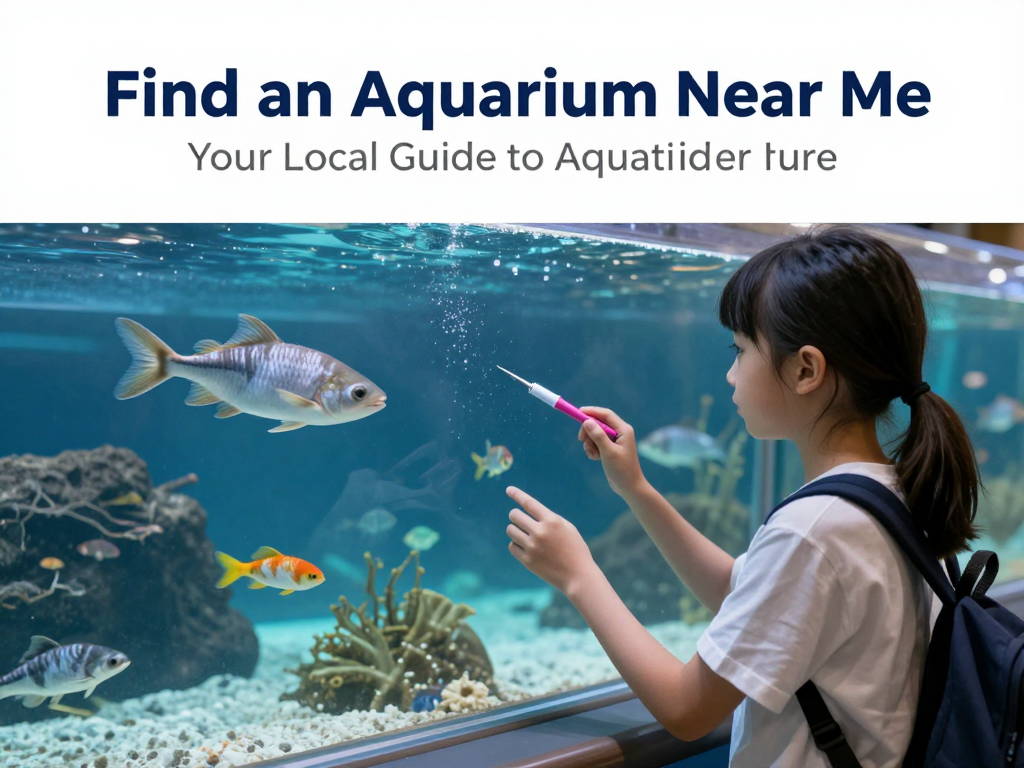
Aquarium near me is a type of public aquarium in which visitors may observe fish, sea creatures, and aquatic plants in tanks. Aquariums allow us to experience aquatic life first-hand, from colorful coral reefs to majestic marine mammals. Our local aquariums have interactive exhibits for children and adults, as well as lectures by personnel and animal feeding. While others exhibit sea life from all over the world, some concentrate on local rivers or lakes. Admission fees usually help fund animal care and aquatic research. For families, students, and anyone who likes nature, a visit provides an up-close look at sea life without having to leave the city. The second half will share how to locate top aquariums close to home.
Finding Your Aquarium Near Me

Discovering your aquarium near me Most aquariums are conveniently located near popular attractions, such as city piers or beaches, so they’re typically accessible via public transit or even within walking distance. Being able to visit allows you to get a look at marine life up close and learn about ocean science and conservation.
1. Digital Maps
With Google Maps or similar apps, you can view the nearest aquariums, access directions and their hours of operation, and even traffic information. These maps display reviews, photos, and ratings, so it’s simpler to select a spot that suits you. If you are looking for a quick visit or want to steer clear of crowds, filter by proximity or read user comments for advice on timing. You can even bookmark your favorite spots for next time, so you don’t have to search all over again.
2. Search Engines
Quickly find your local aquarium by searching “aquarium near me” in your favorite search engine! Top snippets frequently display key details such as operating hours, admission prices, and main attractions, allowing you to easily compare various options without having to visit each individual website. Include terms such as “educational” or “family-friendly” to locate spots that fit your party. Visit official sites linked in results for current details on exhibits, discounts, and accessibility.
3. Local Guides
- City tourism websites with lists of local aquariums
- Seasonal promotions or events shared by guides
- Articles ranking the best aquariums in your area
- Social media feeds from tourism boards with exhibit updates

These local guides include special events, such as new exhibits or conservation workshops. You’ll discover student or military discounts and which aquariums are most packed or most accessible.
4. Community Forums
Participate in aquarium enthusiast forums online. Members give each other advice from their own experiences, such as the best day to visit or the most hands-on exhibits. Your aquarium near me and get back answers from people who’ve actually been there. Other forums arrange group visits or notify you of conservation events.
5. Tourism Websites
Lots of state/city tourism sites have aquarium pages. They frequently link to ticket deals or bundled attractions and list opening hours or travel tips. You can discover additional content such as neighboring museums or parks to complement your visit. Travel advisories and requirements are updated here.
Understanding Aquarium Types


Not all aquariums are alike. Each provides a different experience for exploring aquatic life. From large public institutions with enormous tanks to private personal collections and themed specialty exhibits, the options are broad. Some prioritize education, while others focus on rare species or immersion. Knowing these types helps visitors maximize their “aquarium near me” search.
Public Institutions
| Name | Display Features | Main Attractions | Visiting Details |
|---|---|---|---|
| Oceanic Center | 188,000-gallon tank, walkthrough tunnel | Kelp forest, coral reefs | Open daily, tickets online |
| Marine Life Pavilion | Local species, sandy bottom exhibits | Immersive theater, daily shows | Guided tours, family passes |
| World Aquarium Hall | Interactive touch pools, deep-sea tanks | Dive shows, rotating exhibits | Cafes, gift shop, lectures |
Common to most large public aquariums are wide tanks, walkthrough tunnels, and theme areas such as kelp forests or coral reefs. They usually create their spaces to be all-ages, wheelchair-accessible, and with bright signs. Many of them have educational programs, including daily dive shows, behind-the-scenes tours, and interactive workshops for kids and adults. Visitors can attend unique events dedicated to marine conservation, like World Oceans Day or community outreach projects. Amenities sweeten the experience, too, with cafes, souvenir shops, and quiet rest areas for longer visits.
Private Collections
A private aquarium visit provides a close encounter with exotic fish, unusual habitats, or specialty tanks. These more diminutive setups could contain species you wouldn’t observe in typical public ones, such as uncommon freshwater fish or handcrafted reefscapes.
Local collectors will occasionally open their doors for group or school tours. These tours may be more intimate, with owners recounting their personal experiences and pointers on maintaining aquatic life. A lot of private collections assist research or local conservation by breeding endangered species or hosting lectures for fascinated visitors.
Specialty Exhibits
Certain aquariums design exhibits around a single habitat type, like tropical rainforests or deep-sea zones. Some feature endangered wildlife, such as sea turtles or rare corals. Rotating exhibits are used to highlight timely topics, like plastic pollution or local wildlife.

Shorter visits can include hands-on activities:
- Feeding sessions with stingrays
- Touch tanks for starfish or sea urchins
- Immersive virtual reality dives
- Guided tours through kelp forest tunnels
These hands-on experiences help visitors learn through active participation, which makes the trip more memorable and educational.
The Unseen World

Underneath any aquarium is a hidden world that few ever really encounter. With hundreds of species and habitats to care for, aquariums hold a special place in marine conservation, science, and education. Every aspect from animal welfare to sustainability influences how visitors perceive life beneath the waves.
Animal Welfare
Aquariums prioritize animal health. Veteran caregivers monitor tank environments, look for signs of stress or illness, and craft habitats that allow fish and mammals to swim, conceal, or frolic as they would in nature. Dolphins Shadow, Liko, Schooner, and Merlin receive spacious, enriched habitats and daily engagement with trainers who ensure they remain healthy and active.

Rehab is fundamental to animal care. If injured sea turtles or rescued groupers or even sick seahorses are found in the wild, they can be treated with an aim to put them back into the water. Ethical concerns over captivity influence aquarium tank layouts and animal schedules. Lots use natural sunlight, salt water, and live plants to simulate wild environments as much as possible.
They’re training their staff as we speak. Teams learn how to spot early signs of stress in sharks or stingrays and how to adjust feeding schedules for finicky eaters like moray eels. Animal enrichment is standard, rocking their world with toys, puzzles or new objects to keep curious minds keen.
Sustainable Practices
Sustainability is central to many aquariums. Others rehabilitate habitats by cultivating coral or planting marsh grass, often in environments mimicking the likes of the Mesoamerican Barrier Reef or Gulf Coast bayous. The Islands of Steel exhibit offers a great example, displaying how aging oil platforms transform into flourishing underwater habitats.
Conservation isn’t merely inside the tanks. Other sites hold single-use plastic reduction campaigns and organize drives for recycling. Staff educate on the perils of plastic pollution for marine animals. Others encourage guests to join in on jam or habitat restoration.

Aquariums chime in on climate change. They teach visitors how increasing sea temperatures damage coral reefs and what small actions individuals can take to assist.
Research Partnerships
Aquariums frequently collaborate with local or international universities. Through these research projects, they examine everything from fish genetics to dolphin social behavior. Data gathered there assists researchers in guarding at-risk species and uncovering new insights into ocean systems.
Few aquariums have citizen science programs. Visitors could log fish sightings or view live camera feeds to assist in tracking wildlife trends. These projects open up research and bring people to real-world science.
When new insights emerge, like those from the deep caverns of the Blue Hole, they frequently begin here. The unseen world is constantly evolving, and aquariums assist in bringing those developments to life for all to see.
A Deeper Dive Experience

An aquarium deeper dive experience goes beyond just looking – it allows visitors to get hands-on, learn from professionals, and relish intimate encounters with sea creatures. These visits frequently include guided tours, hands-on activities or small group workshops, all crafted to provide a deeper and more immersive educational experience for visitors of any age or background.
Interactive Exhibits
Touch tanks let visitors touch sea stars, rays and little crabs, creating a tangible connection to the ocean. These tanks are visitor and animal friendly, with guides available to respond to queries and provide a deeper dive experience.
While virtual reality zones allowed children to feel as if they were swimming in coral reefs or shipwrecks without even getting wet, these immersive online adventures are designed for all ages and provide an innovative perspective on ocean environments. Sensory stations allow patrons to engage sight, sound, and touch in their education, bringing the science of sea life to life in a more compelling and accessible way.
Feeding times and animal demos are frequently geared for small groups, displaying instincts such as hunting or schooling. These sessions educate what such habits imply in the wild.
Behind-the-Scenes
Behind-the-scenes tours are usually limited to 15 people, allowing every guest room to ask questions and experience things up close. One extended stroll behind-the-scenes reveals how tanks get cleaned, water is tested, and food is prepared from tiny shrimp to massive sharks.
Staffers post about the highs and lows of tending to thousands of animals every day, ensuring waters are clean and monitoring breeding programs. These talks emphasize how much effort it takes to operate a contemporary aquarium. Visitors observe authentic techniques and practices applied in caring for the animals, ranging from specialized nutrition to meticulous documentation.
Educational Programs
Workshops and talks go deep on topics such as coral bleaching, ocean pollution or animal rescue. They usually have hands-on components, such as constructing habitats or sampling water. Summer camps and school trips mix play with science by allowing kids to observe, handle and study sea life.
These guided tours provide deep dives into each exhibit, offering facts on where animals originate, their role in the wild, and ways people can aid in their conservation. Teachers receive lesson content and online tools to infuse marine science, helping make the learning last way beyond the visit.
The Conservation Impact

Aquariums are not simply venues for admiring marine life. Many assume a wider conservation and educational mission, linking local communities to the water and land that surround them. Through their education efforts, their programs and outreach help people realize the significance of conservation of habitat and foster stewardship for local and global marine environments.
Local Efforts
Local aquariums do outreach to schools, daycare, and community groups. These live and virtual lessons help learners of all ages easily visualize how their decisions affect the environment. Exhibits take visitors through water’s path from rain clouds down through the watershed to locations such as the Chesapeake Bay. This emphasis underscores the connection of natural systems and the significance of each action.
Habitat restoration is a key focus. Others team up with local organizations to plant natives, clean creeks and restore diminished habitats. These tangible projects provide visitors an opportunity to witness the effects of their efforts. Through partnerships with local organizations, aquariums assist in fostering sustainable behaviors like minimizing plastic consumption and conserving local wildlife.
All year-round, aquariums host events that highlight local marine concerns. They highlight the importance of conservation and provide actionable ways for people to contribute. Volunteers are integral to these initiatives, whether it is tending to rescued animals or assisting with educational programs. This community aspect is central to their mission.
Global Initiatives
Aquariums partner with global conservation organizations to save marine life around the world. They back worldwide research, orchestrate rescue attempts and exchange animal care strategies. Fundraising events and campaigns help fund projects outside the local area, including protecting sea turtles’ habitats as shifting water temperatures threaten their survival.
| Initiative | Partner Organization | Project Focus |
|---|---|---|
| Coral Restoration | Coral Restoration Alliance | Rebuilding coral reefs worldwide |
| Sea Turtle Rescue | Global Turtle Network | Saving injured or stranded turtles |
| Plastic-Free Oceans | Plastic Oceans Foundation | Reducing ocean plastic pollution |
Keeping up with new research is yet another way aquariums help shape global marine policy. Mulching its findings about animal health, changing habitats, and sustainable practices means its work can reach beyond its own walls. Such a global strategy tackles problems that plague the world at large, not simply one locality.
Successful Breeding Programs
The breeding of endangered seahorses at Europe’s public aquariums has contributed to an increase in wild populations and a decrease in wild collection.
A few Asian aquariums have operated horseshoe crab breeding efforts and have returned thousands to local shores.
North American aquariums have pioneered sea turtle rescue and breeding, with certain centers releasing hundreds of hatchlings annually.
Breeding initiatives for threatened fish species, like the freshwater sturgeon, have succeeded in both Japan and the US and replenished stocks in local rivers.
Planning Your Visit
A great aquarium visit begins with some planning. Most aquariums are open from 9 AM to 5 PM, although hours change during holidays or special events. Certain dates, such as December 29 to 31 and January 1 to 2, may be abbreviated or extended. Lots of things are closed on Thanksgiving and Christmas, so look over the aquarium’s web page for current schedules. Tickets vary based on age and package. Certain passes allow you to access two attractions in any order over nine days, though keep in mind that most are non-refundable. Little ones under the age of two usually sneak in free.
Seasonal Events
Aquariums operate special events to add richness to the typical experience. Holiday celebrations, such as themed light shows or festive decor, leave more lasting impressions on families and groups who visit. School vacations can bring you good interactive things like scavenger hunts, crafts or storytelling. Marine expert lectures and workshops frequently accompany new or seasonal exhibits, giving visitors the opportunity to hear from the experts. Family programs, like kids’ science labs or feeding demonstrations, make a visit fun and educational.
Accessibility
Accessibility is at the forefront of contemporary aquariums. Most spaces are wheelchair accessible, with wide corridors, elevators and ramps. Visitors with sensory sensitivities can inquire about quiet hours, noise-cancelling headphones, or calm spaces. Service animals are usually permitted, though it’s smart to check the policy prior to your visit. There’s on-site parking available, in addition to off-site and valet options for your convenience. Visitors can access the aquarium by car, bike, bus, scooter, streetcar or water taxi, such as downtown locations like Tampa’s Channel District.
Visitor Amenities
Eating is convenient, with cafes and snack bars dishing up a variety of meals for diverse palates and diets. Guest services desks assist with tickets, directions, and lost items. Restrooms and water refills are sprinkled throughout the grounds and are easy to locate. Our gift shops feature souvenirs, books, and learning kits for kids of all ages.
Conclusion
Aquariums provide an immediate connection with aquatic life. You can see colorful fish, lazy turtles, and swaying coral. Many of them teach you why sea life needs to be cared for. Others allow you to touch starfish or observe a feeding. Kids and adults discover new facts every visit. For good planning, see opening hours and ticket conditions. Try to select less busy days. Such places aid in marine life care and provide handy hints for home. To explore and see more, find a local aquarium. Explore sea life, capture a moment, or attend a lecture. First, search your region and find what is around you. Every time you come, there’s a new tale to be told and a new buddy swimming around.
Frequently Asked Questions
How can I find an aquarium near me?
Check out your local aquarium by googling aquariums near me or using maps. Several aquariums post their locations and hours on their websites as well.
What types of aquariums can I visit?
Between public aquariums, research-based facilities and smaller educational centers. Some concentrate on the sea, while others are fresh or hybrid.
What can I expect to see at an aquarium?
Most aquariums have fish, corals, and mammals. They have many interactive exhibits and nature lessons on undersea life.
How do aquariums help with conservation?
Aquariums contribute to conservation efforts by safeguarding threatened species, operating breeding initiatives, and educating visitors about the importance of marine ecosystems and conservation practices.
Is an aquarium visit suitable for children?
Yup, aquariums are family-friendly. They have hands-on exhibits and guided tours for all ages, making learning interactive and enjoyable.
How should I plan my visit to an aquarium?
Review opening hours, ticket types, and special exhibits online before your visit. Be sure to book ahead, particularly if you’re going on a weekend or a holiday.
Are aquariums accessible for people with disabilities?
Like most public aquariums, there is wheelchair access, elevators, and accessible restrooms. Review the aquarium’s website or reach out to staff for accessibility details.