
- Key Takeaways
- Find Your Perfect Vacation Spot
- Beyond The Postcard Views
- The Rise of Slow Travel
- Planning A Meaningful Trip
- Navigating Travel Realities
- Your Next Journey Awaits
- Conclusion
- Frequently Asked Questions
- What makes a vacation spot “perfect”?
- How can I avoid tourist crowds at popular destinations?
- What is slow travel and why is it popular?
- How can I make my trip more meaningful?
- What should I consider when planning a vacation abroad?
- How do I choose a destination that fits my budget?
- What are some tips for responsible travel?
Key Takeaways
- Vacation spots cater to all interests, including adventure, culture, relaxation, and even eco-travel.
- By doing your destination research and planning in advance, you’re able to locate inexpensive vacation spots that do not feel cheap.
- Getting to know the locals and going off the beaten path are where you find special authentic travel moments.
- By embracing slow travel and sustainable choices, you can help craft a trip that is both memorable and eco-conscious.
- Local customs and etiquette.
- Planning for travel truths and remaining adaptable ensures an easier and more fun journey regardless of where you’re headed.
Vacation spots refer to locations where individuals visit for relaxation, enjoyment, or exploration. They could be beaches, mountains, cities, or small towns. Some spots are about quiet and peace, while others are all hustle and bustle with sights. A lot of travelers choose destinations with amazing cuisine, historical significance, or the opportunity to sample a new sport. Weather, price, and accessibility count as well. Some spots are perfect for solo jaunts, while others are for big parties or families. Local culture and sights frequently define the entire trip. With all this selection, the key is to find the right spot for what you and the gang are looking for from your time off. The bulk will highlight favorites and what sets each apart.
Find Your Perfect Vacation Spot
Vacation spots can accommodate a wide variety of desires, from thrilling to tranquil. Certain locations provide uncommon excitement and others provide serenity and lazy afternoons. Families, solo travelers, and even remote workers can all find a nice fit. The ideal location varies based on your interests, your budget, and what you want to achieve from your getaway.
1. For The Adventurer
National parks such as Torres del Paine in Chile or Banff in Canada provide majestic hiking routes, alpine peaks and pristine lakes for kayaking. For water sports, locations such as Bali or the Croatian coastline provide opportunities for activities such as snorkeling and paddleboarding. Others add more chill. Costa Rica has canopy zip-lining over rainforests, while Thailand’s limestone cliffs in the Krabi region lure rock climbers. All of these spots provide a combination of untamed beauty and an adrenaline rush of discovery. Wildlife sightings, such as witnessing sea turtles in the Galápagos or elephants in Botswana, make these excursions all the more memorable.
2. For The Culture Seeker
Cities like Kyoto, Istanbul, and Rome are deep with tradition and art. Museums display history, contemporary galleries feature local artists, and open-air markets blend the old and new. Prague walking tours or Marrakech street food let you witness how people live now and then. Some cities even hold annual festivals, like Taiwan’s lantern festival or India’s Diwali, that unite people through music, dance, and food.
3. For The Relaxationist
Beach towns in Seychelles or Maldives feature soft sand. Bluewater resorts have spas, yoga, and quiet pools, so you can decelerate. Others, like Bali or Greece’s islands, combine jungle treks with waterfront lunches. Nothing adds to the calm like sunset dining by the water. These destinations allow you to unplug from hectic days.
4. For The Eco-Conscious
Our eco-lodges in Costa Rica or New Zealand use solar power and local food. Guided nature walks educate us about the wildlife and how to preserve it. Lots of destinations have eco-tours, from reef-safe snorkeling in Australia to tree planting in Madagascar. Purchasing from local markets fuels green jobs and keeps dollars in the community!
5. For The Digital Nomad
Places like Lisbon, Mexico City, and Chiang Mai have lightning-fast wi-fi, co-working spaces, and dirt-cheap expenses. These destinations combine city culture with convenient access to sands or trails. Most include group meetups or skills workshops, so it’s easy to network with other digital nomads. Month-to-month rentals keep it flexible for longer stays.
Beyond The Postcard Views


Vacation destinations are about more than just the iconic postcard views. The authenticity arrives from going beyond the usual postcard views and discovering the everyday cadence of a location. The local culture manifests itself in bustling open-air markets, street food, and even in the local greeting. In areas of wilderness and private land intermingled, you will have opportunities to hear from Indigenous peoples about the land’s history and significance. Here and there, you have some ancient stone towers from the 9th to 12th centuries, echoing tales of times past where people spent their days defending their home. Here, history is not confined to museums; it’s part of the landscape.
There’s nothing like chatting with locals to discover a hidden gem. A street vendor might point you to a peaceful cove where you can snorkel in pristine water with vibrant fish. In certain jungle regions, the village perimeter gives way to trails meandering into dense forestry, culminating by a river ripe for kayaking or exotic birdwatching. Islanders may ask you to accompany them on a sail or point you towards kitesurfing hotspots. These quiet times, removed from the masses, allow you to experience what life truly is.
Off the beaten path can reveal a new side to the familiar. Badlands with weird hoodoo rock formations can seem otherworldly. There are more than 80km of groomed cross-country trails in some areas, providing a serene means of wandering through white forests in winter. There are open trails for hikers and bikers in most areas, and windsurfing is available to anyone who can keep their balance on a breezy day. Some islands boast whale-watching or scuba diving, which bring you near exotic aquatic fauna.
To really capture the spirit of a vacation, think beyond the postcard view. Describe a crystal cliff hike or the crashing of blue icebergs breaking in the cold. Shoot a street festival or quiet morning market, not just postcard views. These personal journals carry the real texture and heart of travel.
The Rise of Slow Travel


Slow travel is all about opting to slow down and truly inhabit each destination you encounter. It’s less headlong dashing, less tension, and more space to catch what gives each place its unique character. You linger for days or weeks in a single town or area instead of hopping from city to city each day. That way, you can fall into local rhythms, observe subtle shifts in the streets, and witness life’s transition from day to night. It’s not about ticking items off a list; it’s about experiencing what’s authentic in the world around you.
When you take slow travel, you prioritize quality over quantity. More and more travelers are opting to ‘stay put’ for longer. They drift into tiny villages, lounge in local markets or participate in impromptu hikes. It’s these unscheduled, unplanned moments that often provide the most memorable experiences. When you travel less and stay longer, you develop a stronger connection to your environment and the locals you encounter. You get below the veneer and begin to experience a genuine connection to where you are.
Connecting with locals is a huge component of slow travel. You could gab for hours with a shop owner, participate in a cooking class, or go on a guided stroll through the town. These are the moments that allow you to view the world with a fresh perspective. Travelers quickly discover that by eating together, attending local festivals, or even lending a hand on a farm, they get a much truer feel for life. Farm stays and agritourism are becoming increasingly popular, allowing travelers to labor alongside locals and pick up new skills.
Staying longer in one place reduces your footprint on the earth. You burn less fuel flying or driving shorter distances. This style of travel can help tourism be more sustainable, as it distributes the advantages and lightens the load on crowded attractions. In slowing down, travelers preserve local lifestyles and maintain magic in places for others to come.
Planning A Meaningful Trip


A smart trip itinerary can design your whole vacation, day 1 through day N. Typically, the best way to plan a meaningful trip when there are a lot of vacation options is to establish your goals and prioritize what’s important to you. A well-balanced schedule of sightseeing and downtime can help you avoid travel burnout. Giving yourself breaks and pacing yourself will keep your trip fun, not draining. Be intelligent about sporadically layering your plan on which days you would visit these cities or sites, considering travel time. This ensures you maximize your trip without feeling rushed or overwhelmed. Cozy accommodation is crucial, particularly if you have to unwind or work on some business. Seek out rooms with comfortable seating and a kitchen table, along with close proximity to cafes, shops, and pharmacies. Stay near one of these for convenience. When you plan around your priorities, it’s simple to design a trip that’s meaningful to you.
Local Etiquette
- Dress modestly at religious or traditional sites
- Avoid loud conversations in public spaces
- Say a courteous hello to people in the local language.
- Remove shoes when entering homes or places of worship
- Don’t take photos without permission, especially of people
- Respect local mealtimes and dining customs
Brushing up on some rudimentary local language phrases can shatter barriers and demonstrate respect. This can result in more friendly relationships with locals. Dress codes and social mores differ, so find out or observe what’s acceptable. Being respectful of cultural sensitivities, particularly when visiting religious sites, means you have to watch that you’re not inadvertently disrespectful and build good will.
Sustainable Choices
- Stay at hotels with green certifications
- Bring a reusable water bottle and bags
- Dispose of waste properly
- Use public transport or walk when possible
- Buy from local markets and fair-trade shops
- Leave natural sites undisturbed
Selecting locations that reduce waste and conserve energy reduces your footprint. It supports the community and local artisans. Accountable travel is about obeying regulations, appreciating animals, and taking nothing but memories.
Off-Season Travel
| Factor | Off-Season Pros | Peak-Season Pros | Off-Season Cons | Peak-Season Cons |
|---|---|---|---|---|
| Price | Lower costs | More options open | Some deals limited | Higher costs |
| Crowds | Fewer tourists | Lively atmosphere | Fewer events | Overcrowding |
| Service | Personalized attention | Extended hours | Some places closed | Busy staff |
| Events | Unique local festivals | Major global events | Weather risks | Harder to book |
Check weather for your dates as well. Occasionally, off-season has its own special festivals or events that provide new ways of seeing a place. With fewer tourists, the staff tend to provide more individualized service, so your time there is more fluid and you come away with more lasting memories.
Navigating Travel Realities

Travel is unstable and sneaky with its little delights. Not two trips are alike, and even the best laid plans can change quickly. Ease into this by researching common problems at your choice of vacation destination. Other destinations have bustling crowds, unexpected weather shifts, or stringent local regulations. Bangkok or Rio can seem overwhelming and crowded, while a sleepy town might shut down early and have very little to offer. Cross-check health advice, safety information, and guidelines of public places or local customs to avoid last-minute hassle.
Online pictures and narratives may cast a place in a certain light. The reality could appear or impact vastly differently. Take, for instance, a few recent travelers to Santorini, who experience our favorite white houses and blue sea on social media, only to encounter crowds and inflated local prices once they arrive. Places such as Warsaw may not dazzle you immediately, but they can captivate you with their own rhythm, their own past, their own genuine lives. Try to go beyond the major tourist routes. A stroll through local markets or a lunch in a small café quickly reveals more about a place than a tour of a famous sight.
Flight delays, lost bags or last-minute rule changes are more prevalent than one might think. It helps to have a back-up plan. Have copies of important documents, a couple of connections, and a list of accommodations or restaurants in case your trip goes south. Be prepared to adapt! Some of the best travel stories stem from these unplanned moments.
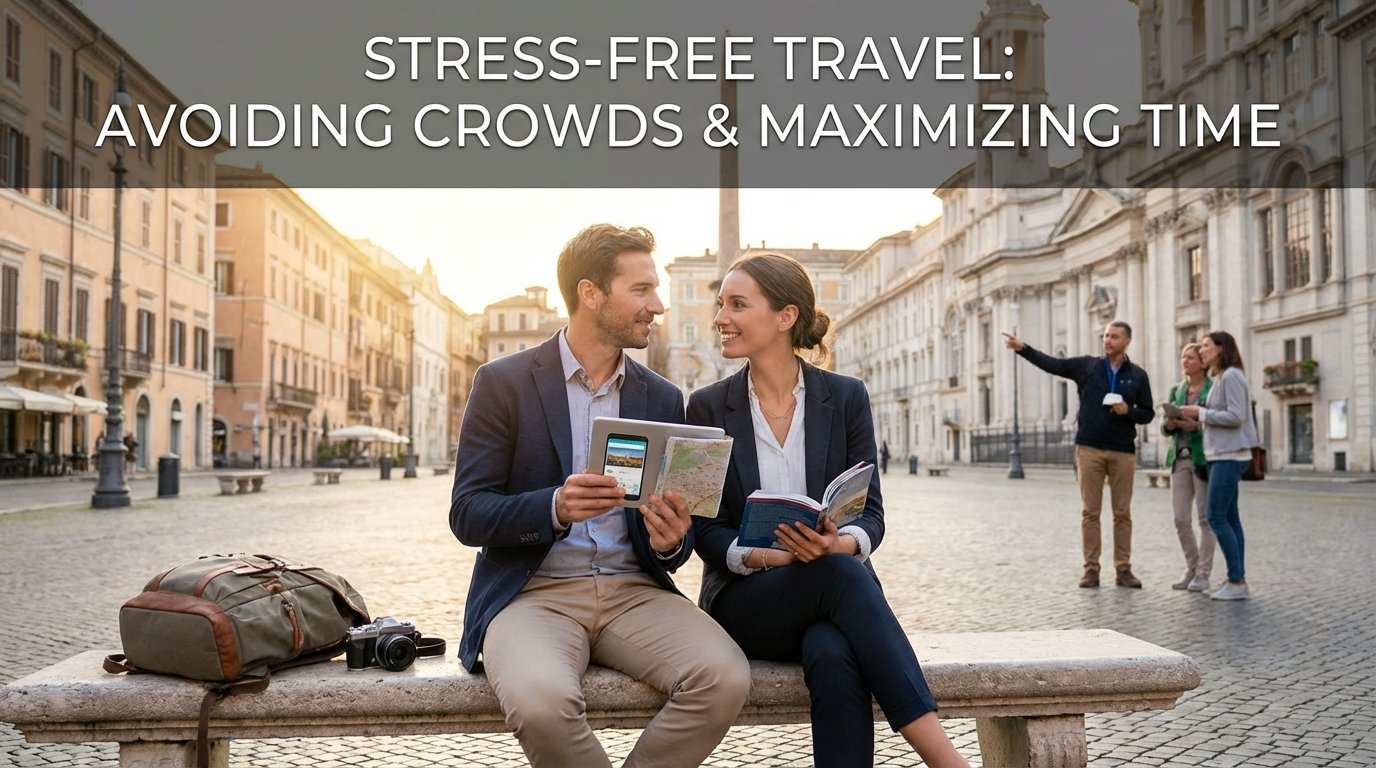
National holidays or summer months tend to be especially hard-hit for popular places, causing them to be rushed or crowded. If you can, visit in the off-season. There are shorter lines and often lower prices, and you experience a destination when it is more relaxed. What’s great about a trip for you might not work for me. Remember to go with an open mind and allow your own tastes and rhythms to dictate your visit.
Your Next Journey Awaits

Trip planning is more than choosing a destination. It’s about discovering what clicks, what suits your personality and what aligns with what you want to do or witness. Some will crave tranquil beaches, others will pursue bustling cities or untamed wilderness. Begin by exploring destinations that intrigue you. Cities such as Tokyo attract foodies and modern culture enthusiasts. For tranquility, the Maldives or the Greek isles provide sparkling water and unhurried days. Enjoy hiking? Selecting a destination that suits your mentality helps the experience feel on point from the start.
A travel bucket list transforms hazy fantasies into concrete plans. Begin your list with where you have always wanted to visit. Include places such as the Pyramids in Egypt, the Great Wall in China, or the Northern Lights in Norway. Think outside monuments and consider what you want to experience, such as a cooking class in Italy or a Kenya safari. Other lists include easy dreams as well, like sampling street food in Bangkok or biking in Amsterdam. Refresh the wish list as your interests evolve. Either way, this ensures your travel ambitions remain vibrant and life-sized.
Another traveler’s advice makes for a superior trip. Online forums, travel blogs, and social media groups are great spots to source information. Folks post candid hotel reviews, cuisine, and customs. Ask questions and get real answers quickly. For instance, a traveler who recently visited Morocco can advise you on what to wear or what scams to steer clear of. Encountering travelers face to face, whether at a local meetup or on a group tour, can spice up your journey. By sharing stories and advice, you learn more and avoid mistakes.
Travel is an opportunity to experience new locations and encounter new individuals. Every journey offers a new perspective, whether you travel far or near. Experiencing new foods, languages, and lifestyles can transform your perspective. Every time you travel, you return with more than just pictures. You acquire experiences and fresh perspectives.
Conclusion
Vacations fill more than your camera roll. A great spot can ignite inspiration, nourish your soul’s craving for rest, or inject new flavor into stale habits. Select a destination that suits your tempo, your wallet, or your desire to experiment. Maybe a silent shore, a little town, or a mad street in a metropolis. Be open to lazy days and little discoveries. Your travel doesn’t have to be rapid or distant to be significant. Let your next escape be aligned with you—not just what photographs well. Vacation spots are it time to plan? Begin with what rings true for you, and share your own discoveries or advice with us! Let your journey define your narrative and your selfish pleasure.
Frequently Asked Questions
What makes a vacation spot “perfect”?
The ideal vacation destination aligns with your passions, budget, and travel objectives. Think about climate, local culture, and activities to discover a destination that fits your proclivities and lets you unwind or adventure to your heart’s content.
How can I avoid tourist crowds at popular destinations?
Go at the off-season or opt for some of the less-touristy nearby attractions. Early morning and weekdays tend to be less busy. Look up local events and holidays and try to schedule your visit at less popular times.
What is slow travel and why is it popular?
Slow travel is about staying longer to live local. It enables travelers to engage with communities, de-stress, and reduce their carbon footprint. It is a trend gaining momentum among connoisseurs of soulful travel.
How can I make my trip more meaningful?
Interact with local culture, patronize small businesses, and discover the history of your destination. Travelers love feeling purposeful by volunteering, taking local tours, or learning new skills while abroad.
What should I consider when planning a vacation abroad?
Do a last-minute check on visa requirements, health and safety information, and exchange rates. Look up the local customs and laws so you’re respectful and don’t get into trouble. Never leave without travel insurance!
How do I choose a destination that fits my budget?
Weigh travel expenses, including flights and lodging, among your various vacation spots. Find vacation spots where your money stretches further. Look for off-peak travel for rock-bottom prices and specials.
What are some tips for responsible travel?
Honor local customs and nature. Reduce single-use plastics, support responsible tourism, and opt for public transportation when available. Holiday destinations.